Dermatoscope and Magnifiers
 Diagnostic Kits
 Vital Signs Monitors
 Stethoscopes and Accessories
 Otoscopes, Ophthalmoscopes, and Retinoscopes
 Reflex Hammers and Neurological Tools
 Scales and Measuring Devices
 Spirometers and Pulmonary Function Tests
 Electrosurgical Units and Accessories
 Cutting Instruments
 Grasping and Holding Instruments
 Hemostatic Instruments
 Specialized Surgical Sets
 Single-Use Procedure Trays and Packs
 Surgical Drapes, Gowns, and Covers
 Tissue Unifying Instruments
 Radiation Protection
 X-Ray Machines and Accessories
 Ultrasound Systems and Probes
 MRI and CT Scanners
 Radiology Consumables
 Bone Densitometers
 Fluoroscopy Equipment
 Imaging Tables and Positioning Aids
 Microscopes and Accessories
 Centrifuges and Separators
 Analyzers
 Incubators and Ovens
 Pipettes, Dispensers, and Lab Glassware
 Refrigerators, Freezers, and Storage Units
 Lab Consumables
 Sterilizers and Autoclaves for Lab Use
 Multi-Parameter Monitors
 Ventilators and Respiratory Support Devices
 Defibrillators and AEDs
 Infusion Pumps and IV Systems
 Patient Warmers and Cooling Devices
 Central Monitoring Stations
 Accessories
 Anesthesia Machines and Workstations
 Oxygen Concentrators and Delivery Systems
 Nebulizers and Inhalers
 CPAP/BiPAP Machines
 Airway Management
 Anesthesia Masks, Circuits, and Bags
 Humidifiers and Heaters
 Respiratory Therapy Accessories
 First Aid Kits and Cabinets
 Emergency Resuscitation Equipment
 Trauma Supplies
 Emergency Carts and Crash Carts
 Burn Care Products
 Bleeding Control
 Automated External Defibrillators (AEDs)
 Transport and Evacuation
 Wheelchairs and Accessories
 Walkers, Crutches, and Canes
 Prosthetics and Orthotics
 Physical Therapy Equipment
 Transfer Devices
 Bathroom Safety
 Orthopedic Traction and Tables
 Hot/Cold Therapy Packs and Units
 Beds and Mattresses
 Chairs and Stools
 Tables
 Cabinets and Storage
 Privacy Screens & Curtains
 Stands and Racks
 Linens and Textiles
 Lighting
 Autoclaves and Sterilizers
 Ultrasonic Cleaners
 Disinfectant Solutions and Wipes
 Sterilization Pouches, Wraps, and Indicators
 Instrument Trays and Containers
 UV and Ozone Disinfection Devices
 Washer Disinfectors
 Wound Care
 Gloves
 Masks and Respirators
 Catheters and Tubing
 Swabs, Applicators, and Sponges
 Incontinence Products
 Personal Protective Equipment (PPE)
 Dental Chairs and Units
 Handpieces and Burs
 Instruments
 Consumables
 Sterilization for Dental Use
 Orthodontic Supplies
 Endodontic Tools
 Slit Lamps and Tonometers
 Lensometers and Phoropters
 Ophthalmic Surgical Instruments
 Eyewear Frames and Lenses
 Contact Lens Supplies
 Vision Testing Charts and Devices
 Eye Care Consumables
 Laser Systems for Eye Care
 ENT Exam Chairs and Tables
 Endoscopes
 Audiometers and Hearing Tests
 ENT Instruments
 Nasal and Throat Packs
 Hearing Aids and Accessories
 Otology Supplies
 Fetal Dopplers and Monitors
 Delivery Beds and Tables
 Gynecological Instruments
 Neonatal Incubators and Warmers
 Breast Pumps and Accessories
 Contraceptive Devices
 Maternity Supports and Pads
 Neonatal Consumables
 Cystoscopes and Urethroscopes
 Dialysis Machines and Supplies
 Urological Catheters and Bags
 Lithotripters
 Prostate Treatment Devices
 Urinary Incontinence Products
 Kidney Stone Management Tools
 Consumables & Disposables
 EEG and EMG Machines
 Neurosurgical Instruments
 Nerve Stimulators
 Headrests and Positioning Aids
 Lumbar Puncture Kits
 Seizure Monitoring Devices
 Consumables
 Rehabilitation for Neurological Conditions
 ECG Machines and Accessories
 Holter Monitors
 Stress Test Systems
 Pacemakers and Defibrillator Accessories
 Vascular Access Devices
 Cardiac Catheters and Guidewires
 Blood Flow Meters
 Consumables
 Orthopedic Instruments
 Casts, Splints, and Padding
 Joint Replacement Supplies
 Prosthetic Limbs and Components
 Bone Grafts and Substitutes
 Traction Devices
 Orthopedic Braces and Supports
 Rehabilitation Aids for Orthopedics
 Home Oxygen Therapy
 Hospital Beds for Home Use
 Mobility Aids
 Bathroom and Daily Living Aids
 Wound Care for Home
 Monitoring Devices
 Enteral Feeding Pumps and Tubes
 Hand Sanitizers and Dispensers
 Face Shields and Goggles
 Isolation Gowns and Suits
 Biohazard Waste Containers
 Air Purifiers and HEPA Filters
 Surface Disinfectants
 Sharps Containers
 Protective Barriers
 Cardiovascular & Endurance Training
 Strength Training & Weightlifting
 Functional Training & Core Conditioning
 Physical Therapy & Rehabilitation
 Sports & Outdoor Recreation
 Gym Flooring & Facility Equipment
 Fitness Monitoring & Accessories
 Kids & Novelties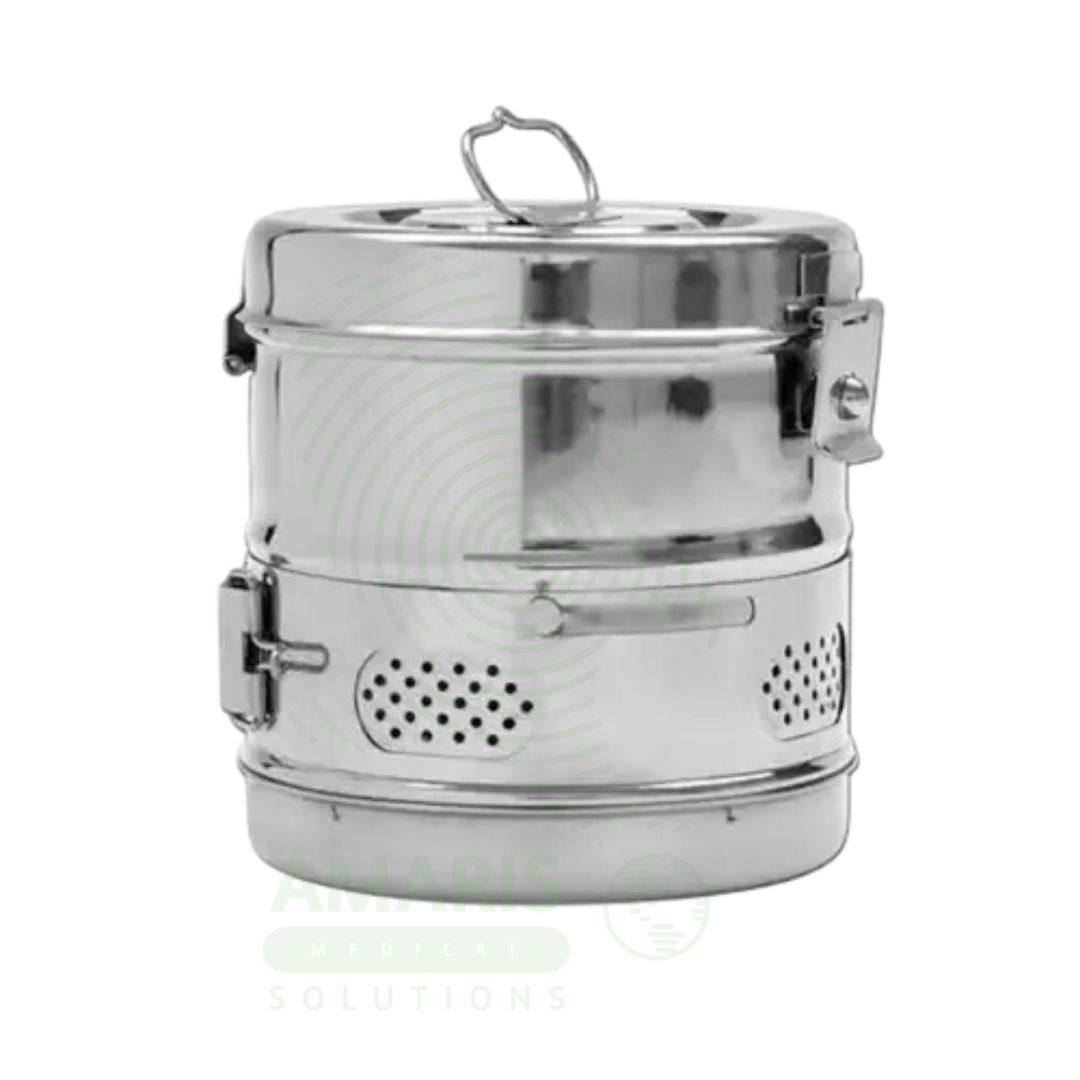
Dressing Drum
$1.00
WhatsApp Order
A Dressing Drum is a cylindrical, perforated metal container used for sterilizing and storing bulk quantities of dressings, gauze, and wound care supplies. The perforated design allows steam penetration during autoclave sterilization, while the hinged lid with locking mechanism maintains sterility during storage and allows aseptic dispensing. Made from stainless steel or anodized aluminum, it provides a durable, reusable solution for managing sterile supplies in operating rooms, procedure areas, and wound care clinics. Proper loading, drying, and labeling are essential for maintaining sterility and ensuring safe use.
Description
Dressing Drum
PRIMARY CLINICAL & DIAGNOSTIC USES
1. Sterile Storage of Dressings and Gauze
-
Primary Use: Provides a sterile, sealed container for storing bulk quantities of gauze, cotton balls, dressing packs, and other wound care materials after sterilization. The drum maintains sterility of contents until opened, allowing for efficient storage and dispensing in clinical settings.
-
How it helps: For the sterile processing technician and nursing staff, the dressing drum provides a reliable system for storing sterile dressings—keeping bulk supplies sterile and organized, allowing for easy dispensing when needed, and reducing waste from individually packaged items. For the patient, dressings stored in a properly maintained dressing drum arrive at the bedside sterile and ready for wound care.
2. Aseptic Dispensing of Wound Care Supplies
-
Primary Use: Designed with a hinged lid that allows for controlled, aseptic dispensing of sterile dressings. The lid can be partially opened to retrieve individual items while maintaining sterility of remaining contents.
-
How it helps: For the nurse and wound care clinician, the dressing drum allows for aseptic retrieval of sterile supplies—opening the lid to remove the needed dressing while protecting the remaining contents from contamination. For the patient, this means that every dressing used in their care is sterile and safe for application to wounds.
3. Bulk Sterilization of Wound Care Materials
-
Primary Use: Serves as a sterilization container for bulk quantities of dressings, gauze, and wound care materials during autoclave sterilization. The perforated design allows steam penetration while the closed design maintains sterility after processing.
-
How it helps: For the central sterile supply department, dressing drums provide an efficient means of sterilizing bulk quantities of dressings—loading the drum, processing through the autoclave, and storing until needed, all without repackaging individual items. For the facility, this efficiency reduces waste and labor costs associated with individually wrapped items.
4. Organization of Procedure Room Supplies
-
Primary Use: Used in operating rooms, procedure rooms, and treatment areas to organize and dispense sterile supplies efficiently. The drum’s design allows for easy identification of contents and quick access during procedures.
-
How it helps: For the surgical team and procedure room staff, dressing drums provide organized storage for sterile supplies—keeping items readily accessible, clearly identified, and protected from contamination. For the patient, this organization means that supplies are immediately available when needed during their procedure.
5. Maintenance of Sterility During Storage
-
Primary Use: The sealed design with locking lid maintains sterility of contents for extended periods when stored properly, protecting dressings from environmental contaminants, dust, and moisture.
-
How it helps: For the facility manager and infection prevention team, dressing drums ensure that sterilized dressings remain sterile during storage—maintaining the integrity of the sterilization process until the moment of use. For the patient, this assurance means that every dressing used in their care has been properly stored and maintained in a sterile condition.
SECONDARY & SUPPORTIVE USES
1. Instrument Sterilization Container: May be used for sterilizing and storing small instruments, though instrument-specific trays are more common.
2. Laboratory Supply Storage: Used in laboratory settings for sterilizing and storing glassware, culture media, and other laboratory supplies.
3. Dental Supply Storage: Used in dental practices for sterilizing and storing cotton rolls, gauze, and other supplies.
4. Veterinary Clinic Supply Storage: Used in veterinary settings for storing sterile dressings and supplies.
5. Emergency Department Supply Organization: Used in emergency departments to organize and dispense sterile supplies efficiently.
6. Home Healthcare Supply Management: May be used in home healthcare settings for organizing sterile supplies.
KEY PRODUCT FEATURES
1. BASIC IDENTIFICATION ATTRIBUTES
-
Device Type: A cylindrical, perforated metal container with a hinged lid used for sterilizing and storing dressings, gauze, and wound care supplies.
-
Designation: Dressing Drum, Sterilizing Drum, Sterilization Container, Dressing Sterilizer, Gallipot Drum.
-
Key Components:
-
Cylindrical Body: Perforated metal construction allowing steam penetration during sterilization.
-
Hinged Lid: Securely closing lid with locking mechanism to maintain sterility.
-
Perforations: Strategically placed holes allowing steam to reach contents during autoclaving.
-
Locking Mechanism: Clamp or latch to seal drum closed after sterilization.
-
Handle: For carrying and maneuvering the drum.
-
Label Area: Space for identifying contents, sterilization date, and expiration.
-
2. TECHNICAL & PERFORMANCE PROPERTIES
-
Material: Stainless steel or anodized aluminum; corrosion-resistant.
-
Perforation Pattern: Designed for optimal steam penetration and drainage.
-
Size: Various capacities from small (1-2 liters) to large (10-15 liters).
-
Sterilization Compatibility: Compatible with steam autoclave sterilization.
-
Seal: Tight-fitting lid maintains sterility after processing.
3. PHYSICAL & OPERATIONAL PROPERTIES
-
Construction: Durable metal construction; seamless or welded seams.
-
Portability: Carrying handle for easy transport.
-
Labeling: Area for labeling with contents, date, and expiration.
-
Stackability: Some models designed for stacking.
-
Cleaning: Smooth surfaces for easy cleaning.
4. SAFETY & COMPLIANCE ATTRIBUTES
-
Regulatory Status: Class I medical device.
-
Material Safety: Non-toxic materials; safe for medical use.
-
Heat Resistance: Withstands autoclave temperatures without deformation.
5. STORAGE & HANDLING ATTRIBUTES
-
Storage: Store in a clean, dry area after sterilization.
-
Cleaning: Clean thoroughly before each sterilization cycle.
-
Sterilization: Sterilize per facility protocol; allow to dry before closing lid.
-
Inspection: Inspect for damage, rust, or perforation blockage before use.
-
Expiration: Establish shelf life per facility policy; re-sterilize if storage period exceeded.
6. LABORATORY & CLINICAL APPLICATIONS
-
Primary Application: Sterilization and storage of bulk dressings, gauze, and wound care supplies.
-
Clinical Role: Efficient system for maintaining sterile dressings in clinical and surgical settings.
SAFETY HANDLING PRECAUTIONS
1. SAFETY PRECAUTIONS
-
Proper Loading: Do not overload; allow adequate space for steam circulation.
-
Lid Position: Sterilize with lid slightly open to allow steam penetration; close after sterilization to maintain sterility.
-
Drying: Allow contents to dry completely before closing the lid to prevent moisture retention and bacterial growth.
-
Labeling: Clearly label with contents and sterilization date.
-
Shelf Life: Establish and adhere to shelf life based on storage conditions.
-
Inspection: Check for damage or rust before each use; remove from service if compromised.
-
Aseptic Technique: Use aseptic technique when opening and dispensing contents.
2. FIRST AID MEASURES
-
Sharp Edges: If sharp edges cause injury, clean wounds thoroughly; seek medical attention if needed.
-
Contamination: If sterility is compromised, re-sterilize contents before use.
3. FIRE FIGHTING MEASURES
-
Flammability: Metal container is non-flammable; contents are combustible.
-
Extinguishing Media: For contents fire, use water, foam, or CO₂.
Related products
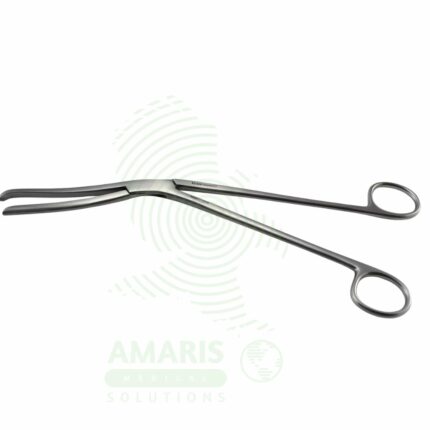
Cheatle Forceps
Cheatle Forceps are long-handled, ratcheted surgical forceps used for the aseptic transfer of sterile instruments, dressings, and supplies in operating rooms, central sterile supply departments, and procedural areas. The extended length allows safe retrieval of items from sterilizers and storage without hand contact, while the serrated tips provide secure grip on wrapped packs and individual instruments. Designed for repeated sterilization and use, they are essential for maintaining aseptic technique during sterile field preparation, instrument handling, and post-operative cleanup. Proper handling, regular inspection, and adherence to aseptic technique are essential for safe and effective use.
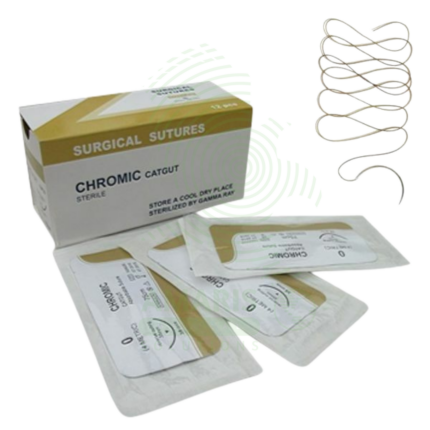
Chromic Sutures
Chromic Sutures are absorbable, monofilament surgical sutures derived from natural collagen and treated with chromic salts to delay absorption. Used for internal tissue approximation in gynecologic, urologic, gastrointestinal, and subcutaneous procedures, they provide temporary wound support during critical healing while being completely absorbed over time without requiring removal. Chromic treatment extends absorption compared to plain catgut, providing 10-14 days of tensile strength retention. Essential for procedures where suture removal would be impractical or where temporary wound support is required.
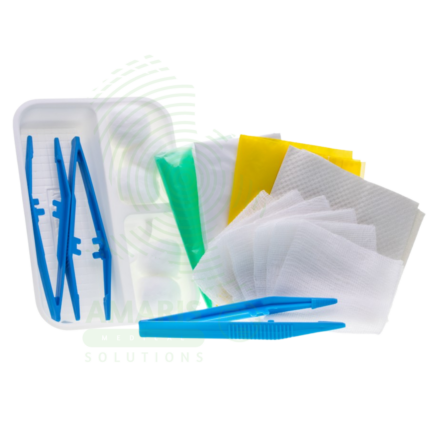
Disposable Dressing Set
A Disposable Dressing Set is a sterile, single-use convenience kit containing all components necessary for sterile wound dressing changes and minor wound care procedures. The set typically includes sterile drapes, gauze sponges, sterile gloves, antiseptic solution, cotton applicators, tape, and disposal bag. Used in hospitals, clinics, emergency departments, and home healthcare settings, it ensures consistent aseptic technique for post-operative wound care, central line dressing changes, and management of chronic wounds. Proper sterile technique and disposal are essential for safe and effective use.
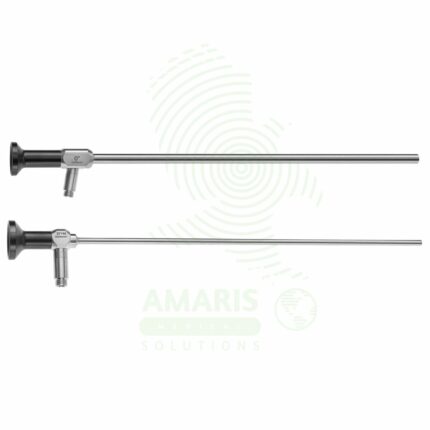
Laparoscope
A Laparoscope is a rigid, sterile optical telescope used in minimally invasive surgery to visualize the abdominal and pelvic cavities. Featuring a Hopkins rod-lens system for brilliant, high-resolution images, it comes in standard diameters (5mm, 10mm) and viewing angles (0° for straight-ahead or 30°/45° to look around structures). It connects to a high-intensity light source and a video camera system. Meticulous handling, mandatory pre-sterilization leak testing, and careful cleaning are required to maintain its integrity and prevent infection. As the primary visual conduit for the surgeon, its clarity and reliability are fundamental to the safety and success of any laparoscopic procedure.
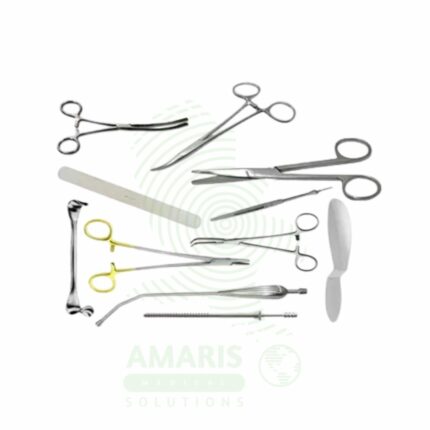
Laparotomy Set
A Laparotomy Set is a sterile instrument tray containing comprehensive instruments for abdominal surgical procedures requiring laparotomy. The set includes instruments for abdominal incision, exposure, dissection, hemostasis, and closure, supporting a wide range of intra-abdominal surgeries including exploration, bowel resection, biliary procedures, and tumor removal. Essential for general surgery, trauma surgery, and oncologic surgery operating rooms, it ensures that all necessary instruments are sterile, organized, and immediately available for safe and effective abdominal surgery.
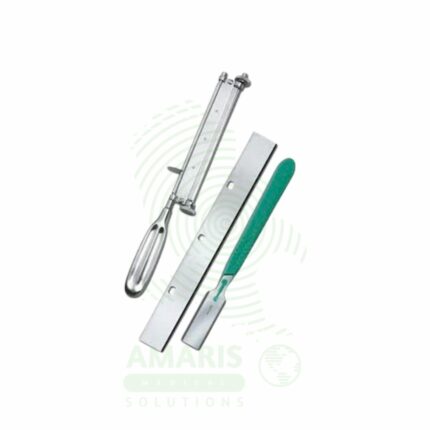
Skin Grafting Blade & Knife
A Skin Grafting Blade & Knife is a specialized, single-use surgical blade designed for use in a mechanical dermatome to harvest split-thickness skin grafts. Its exceptional sharpness is critical for obtaining a uniform sheet of skin of a predetermined thickness from a donor site. Correct use requires secure loading into the compatible dermatome, proper lubrication and preparation of the donor site, and maintenance of a consistent angle and pressure during harvest. It is a fundamental consumable in reconstructive and burn surgery, enabling the coverage of large wounds with the patient's own skin. Safety hinges on proper assembly, sharps handling, and meticulous technique to avoid donor site injury and ensure a viable graft.

Surgical Blades
Surgical Blades are sterile, single-use cutting instruments used for surgical incisions, tissue dissection, wound debridement, and biopsy procedures. Available in standardized patterns (#10, #11, #15, #20, #22, etc.) for specific applications, they are manufactured from high-carbon stainless steel with precision-ground edges for clean, controlled cutting. Disposable blades are designed for single use and must be disposed of in sharps containers immediately after use. Proper blade selection, secure handle attachment, and strict sharps safety protocols are essential for preventing injury and ensuring optimal surgical outcomes.