Dermatoscope and Magnifiers
 Diagnostic Kits
 Vital Signs Monitors
 Stethoscopes and Accessories
 Otoscopes, Ophthalmoscopes, and Retinoscopes
 Reflex Hammers and Neurological Tools
 Scales and Measuring Devices
 Spirometers and Pulmonary Function Tests
 Electrosurgical Units and Accessories
 Cutting Instruments
 Grasping and Holding Instruments
 Hemostatic Instruments
 Specialized Surgical Sets
 Single-Use Procedure Trays and Packs
 Surgical Drapes, Gowns, and Covers
 Tissue Unifying Instruments
 Radiation Protection
 X-Ray Machines and Accessories
 Ultrasound Systems and Probes
 MRI and CT Scanners
 Radiology Consumables
 Bone Densitometers
 Fluoroscopy Equipment
 Imaging Tables and Positioning Aids
 Microscopes and Accessories
 Centrifuges and Separators
 Analyzers
 Incubators and Ovens
 Pipettes, Dispensers, and Lab Glassware
 Refrigerators, Freezers, and Storage Units
 Lab Consumables
 Sterilizers and Autoclaves for Lab Use
 Multi-Parameter Monitors
 Ventilators and Respiratory Support Devices
 Defibrillators and AEDs
 Infusion Pumps and IV Systems
 Patient Warmers and Cooling Devices
 Central Monitoring Stations
 Accessories
 Anesthesia Machines and Workstations
 Oxygen Concentrators and Delivery Systems
 Nebulizers and Inhalers
 CPAP/BiPAP Machines
 Airway Management
 Anesthesia Masks, Circuits, and Bags
 Humidifiers and Heaters
 Respiratory Therapy Accessories
 First Aid Kits and Cabinets
 Emergency Resuscitation Equipment
 Trauma Supplies
 Emergency Carts and Crash Carts
 Burn Care Products
 Bleeding Control
 Automated External Defibrillators (AEDs)
 Transport and Evacuation
 Wheelchairs and Accessories
 Walkers, Crutches, and Canes
 Prosthetics and Orthotics
 Physical Therapy Equipment
 Transfer Devices
 Bathroom Safety
 Orthopedic Traction and Tables
 Hot/Cold Therapy Packs and Units
 Beds and Mattresses
 Chairs and Stools
 Tables
 Cabinets and Storage
 Privacy Screens & Curtains
 Stands and Racks
 Linens and Textiles
 Lighting
 Autoclaves and Sterilizers
 Ultrasonic Cleaners
 Disinfectant Solutions and Wipes
 Sterilization Pouches, Wraps, and Indicators
 Instrument Trays and Containers
 UV and Ozone Disinfection Devices
 Washer Disinfectors
 Wound Care
 Gloves
 Masks and Respirators
 Catheters and Tubing
 Swabs, Applicators, and Sponges
 Incontinence Products
 Personal Protective Equipment (PPE)
 Dental Chairs and Units
 Handpieces and Burs
 Instruments
 Consumables
 Sterilization for Dental Use
 Orthodontic Supplies
 Endodontic Tools
 Slit Lamps and Tonometers
 Lensometers and Phoropters
 Ophthalmic Surgical Instruments
 Eyewear Frames and Lenses
 Contact Lens Supplies
 Vision Testing Charts and Devices
 Eye Care Consumables
 Laser Systems for Eye Care
 ENT Exam Chairs and Tables
 Endoscopes
 Audiometers and Hearing Tests
 ENT Instruments
 Nasal and Throat Packs
 Hearing Aids and Accessories
 Otology Supplies
 Fetal Dopplers and Monitors
 Delivery Beds and Tables
 Gynecological Instruments
 Neonatal Incubators and Warmers
 Breast Pumps and Accessories
 Contraceptive Devices
 Maternity Supports and Pads
 Neonatal Consumables
 Cystoscopes and Urethroscopes
 Dialysis Machines and Supplies
 Urological Catheters and Bags
 Lithotripters
 Prostate Treatment Devices
 Urinary Incontinence Products
 Kidney Stone Management Tools
 Consumables & Disposables
 EEG and EMG Machines
 Neurosurgical Instruments
 Nerve Stimulators
 Headrests and Positioning Aids
 Lumbar Puncture Kits
 Seizure Monitoring Devices
 Consumables
 Rehabilitation for Neurological Conditions
 ECG Machines and Accessories
 Holter Monitors
 Stress Test Systems
 Pacemakers and Defibrillator Accessories
 Vascular Access Devices
 Cardiac Catheters and Guidewires
 Blood Flow Meters
 Consumables
 Orthopedic Instruments
 Casts, Splints, and Padding
 Joint Replacement Supplies
 Prosthetic Limbs and Components
 Bone Grafts and Substitutes
 Traction Devices
 Orthopedic Braces and Supports
 Rehabilitation Aids for Orthopedics
 Home Oxygen Therapy
 Hospital Beds for Home Use
 Mobility Aids
 Bathroom and Daily Living Aids
 Wound Care for Home
 Monitoring Devices
 Enteral Feeding Pumps and Tubes
 Hand Sanitizers and Dispensers
 Face Shields and Goggles
 Isolation Gowns and Suits
 Biohazard Waste Containers
 Air Purifiers and HEPA Filters
 Surface Disinfectants
 Sharps Containers
 Protective Barriers
 Cardiovascular & Endurance Training
 Strength Training & Weightlifting
 Functional Training & Core Conditioning
 Physical Therapy & Rehabilitation
 Sports & Outdoor Recreation
 Gym Flooring & Facility Equipment
 Fitness Monitoring & Accessories
 Kids & Novelties
Evacuation Set
$1.00
WhatsApp Order
An Evacuation Set is a sterile instrument tray containing the instruments necessary for uterine evacuation procedures, including dilation and curettage, suction aspiration, and management of incomplete miscarriage. The set includes cervical dilators, curettes, suction cannulas, ovum forceps, and supporting instruments. Used in obstetrics and gynecology for therapeutic abortion, management of pregnancy loss, retained products of conception, and diagnostic curettage, it ensures that all required instruments are sterile, organized, and immediately available for safe and effective uterine evacuation procedures.
Description
Evacuation Set
PRIMARY CLINICAL & DIAGNOSTIC USES
1. Uterine Evacuation for Incomplete Miscarriage
-
Primary Use: Provides sterile instruments for evacuation of retained products of conception following incomplete miscarriage, missed abortion, or septic abortion. The set includes dilators, curettes, suction cannulas, and forceps for complete uterine evacuation.
-
How it helps: For the obstetrician and gynecologist managing a patient with incomplete miscarriage, the evacuation set provides the sterile instruments needed to safely empty the uterus—preventing infection, controlling bleeding, and allowing for timely resolution of the pregnancy. For the patient, prompt and complete evacuation reduces the risk of complications and supports physical and emotional recovery.
2. Therapeutic Abortion Procedures
-
Primary Use: Used for elective termination of pregnancy in the first and second trimesters, providing instruments for cervical dilation, aspiration, and curettage to ensure complete uterine evacuation.
-
How it helps: For the provider performing termination procedures, the evacuation set ensures that all necessary instruments are sterile, organized, and immediately available—allowing for a safe, efficient procedure with minimal patient discomfort. For the patient, a complete evacuation set means the procedure can be performed safely with reduced risk of retained tissue or complications.
3. Management of Retained Products of Conception
-
Primary Use: Used to remove retained placental fragments or products of conception following vaginal delivery or Cesarean section that are causing hemorrhage, infection, or delayed recovery.
-
How it helps: For the obstetrician managing postpartum hemorrhage due to retained placental fragments, the evacuation set provides the instruments needed to perform uterine exploration and evacuation—controlling bleeding, preventing infection, and avoiding the need for more invasive surgical intervention. For the postpartum patient, timely evacuation resolves bleeding and promotes healing.
4. Diagnostic Curettage and Endometrial Sampling
-
Primary Use: Used for diagnostic curettage to obtain endometrial tissue samples for histopathological examination in cases of abnormal uterine bleeding, suspected endometrial hyperplasia, or endometrial cancer.
-
How it helps: For the gynecologist evaluating a patient with abnormal bleeding, the evacuation set provides instruments for obtaining endometrial tissue—allowing for accurate diagnosis and appropriate treatment planning. For the patient, diagnostic curettage provides answers about the cause of bleeding and guides further management.
5. Postpartum Hemorrhage Management
-
Primary Use: Contains instruments for uterine exploration and evacuation in cases of postpartum hemorrhage due to retained placental tissue, uterine atony, or uterine rupture.
-
How it helps: For the obstetrician managing a life-threatening postpartum hemorrhage, the evacuation set provides the instruments needed for rapid uterine exploration and evacuation—controlling bleeding and potentially avoiding hysterectomy. For the patient, prompt intervention can be life-saving and may preserve future fertility.
SECONDARY & SUPPORTIVE USES
1. Hydatidiform Mole Evacuation: Used for evacuation of hydatidiform mole, a gestational trophoblastic disease requiring complete uterine evacuation for diagnosis and treatment.
2. First Trimester Pregnancy Loss: Used in emergency departments and outpatient clinics for management of early pregnancy loss.
3. Post-Abortion Care: Used for management of complications following abortion procedures, including retained tissue or hemorrhage.
4. Endometrial Biopsy: Some sets may be used for office-based endometrial biopsy procedures.
5. Uterine Packing: May include materials for uterine packing in cases of hemorrhage.
6. Training and Education: Used in obstetrics and gynecology training programs for teaching uterine evacuation techniques.
KEY PRODUCT FEATURES
1. BASIC IDENTIFICATION ATTRIBUTES
-
Device Type: A sterile instrument tray containing instruments for uterine evacuation, dilation and curettage, and aspiration procedures.
-
Designation: Evacuation Set, Dilation and Curettage Set, D&C Set, Uterine Evacuation Set, Suction Curettage Set.
-
Key Components:
-
Cervical Dilators: Graduated dilators (Hegar or Pratt) for cervical dilation.
-
Curettes: Sharp and blunt curettes for endometrial scraping and tissue removal.
-
Suction Cannula: Rigid or flexible cannula for vacuum aspiration (various sizes).
-
Ovum Forceps: For grasping and removing larger tissue fragments.
-
Sponge Forceps: For holding gauze and sponges.
-
Speculum: For visualizing the cervix.
-
Tenaculum: For grasping the cervix to provide traction.
-
Uterine Sound: For measuring uterine depth and cavity orientation.
-
Suction Tubing: For connecting cannula to suction source.
-
Basin: For tissue collection and inspection.
-
Sterile Drapes: For creating sterile fields.
-
Gauze Sponges: For cleaning and absorbing fluids.
-
2. TECHNICAL & PERFORMANCE PROPERTIES
-
Sterility: Gamma irradiated or ethylene oxide sterilized; sterile until opened.
-
Instrument Quality: Surgical-grade stainless steel instruments.
-
Dilator Sizes: Graduated sizes for progressive cervical dilation.
-
Cannula Sizes: Multiple sizes for different gestational ages and procedural requirements.
-
Packaging: Sealed, peel-open sterile packaging; inner tray for sterile field presentation.
3. PHYSICAL & OPERATIONAL PROPERTIES
-
Tray Configuration: Instruments organized in sequential, procedure-specific layout.
-
Packaging: Easy-open sterile peel pouch.
-
Portability: Compact design for storage in procedure rooms and operating suites.
-
Disposal: Entire unit disposed as regulated medical waste after single use.
4. SAFETY & COMPLIANCE ATTRIBUTES
-
Regulatory Status: Class II medical device regulated by FDA.
-
Sterility Assurance: Validated sterilization process.
-
Latex-Free Options: Available for patients and staff with latex sensitivity.
-
Instrument Safety: Instruments designed for intended gynecologic use.
5. STORAGE & HANDLING ATTRIBUTES
-
Storage: Store in cool, dry location; ready for emergency use.
-
Sterility Maintenance: Do not use it if the package is opened, damaged, or wet.
-
Expiration: Check expiration date before use; do not use after expiration.
-
Single-Use Only: Intended for single patient use only; do not resterilize or reuse.
6. LABORATORY & CLINICAL APPLICATIONS
-
Primary Application: Uterine evacuation for incomplete miscarriage, therapeutic abortion, retained products of conception, and diagnostic curettage.
-
Clinical Role: Essential equipment in obstetrics and gynecology for uterine evacuation procedures.
SAFETY HANDLING PRECAUTIONS
1. SAFETY PRECAUTIONS
-
Sterile Technique: Maintain strict sterile technique throughout the procedure.
-
Uterine Sounding: Perform uterine sounding to determine cavity depth before dilation and curettage.
-
Cervical Dilation: Dilate cervix gradually to prevent cervical injury.
-
Ultrasound Guidance: Use ultrasound guidance when indicated for confirmation of complete evacuation.
-
Tissue Inspection: Inspect evacuated tissue to confirm completeness of procedure.
-
Specimen Labeling: Label tissue specimens appropriately for pathological examination.
-
Instrument Count: Count all instruments before and after procedure; ensure all accounted for.
-
Bleeding Assessment: Monitor for excessive bleeding during and after procedure.
2. FIRST AID MEASURES
-
Uterine Perforation: If uterine perforation is suspected, stop procedure; assess patient for signs of intra-abdominal injury; obtain surgical consultation.
-
Cervical Laceration: If cervical laceration occurs, assess for bleeding; repair if needed.
-
Excessive Bleeding: If excessive bleeding occurs, initiate hemorrhage protocol; consider uterine tamponade or additional interventions.
3. FIRE FIGHTING MEASURES
-
Flammability: Plastic components, drapes, and gauze are combustible.
-
Extinguishing Media: Use water, foam, or CO₂ as appropriate for surrounding materials.
Related products
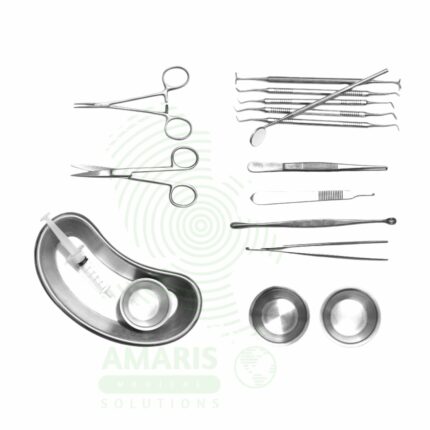
Caesarean Section Set
A Caesarean Section Set is a sterile instrument tray containing all instruments required for Caesarean delivery, including instruments for abdominal incision, uterine incision, fetal delivery, placental removal, and multi-layer closure. Essential for labor and delivery units and obstetric operating rooms, the set ensures that all necessary instruments are sterile, organized, and immediately available for safe and efficient surgical delivery. Proper instrument counting, sterile technique, and careful tissue handling are critical for optimal maternal and neonatal outcomes.
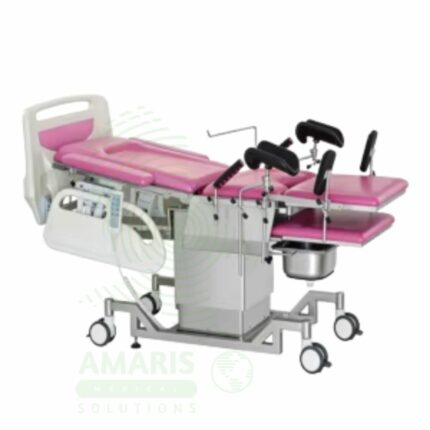
Delivery Bed
A Delivery Bed is a sophisticated, electrically powered hospital bed specifically engineered for labor, delivery, and obstetric surgeries. It transforms from a comfortable labor bed into a delivery platform with lithotomy positioning and finally into a fully functional surgical table, often integrating a newborn resuscitation station. Its core functions are to ensure optimal, safe positioning for the mother, provide ergonomic access for the clinical team, and facilitate integrated monitoring and emergency care for both mother and newborn. Robust, adjustable, and designed for stringent infection control, it is the central piece of equipment in any modern obstetrical unit.
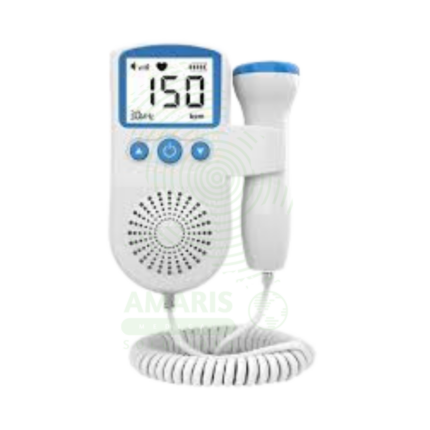
Fetoheart Sonic Aid Doppler (clinic/hospital use)
A Fetoheart Sonic Aid Doppler (Fetal Doppler) is a Class II medical ultrasound device (2-3 MHz probe) for real-time detection and audible/visual display of fetal heart rate in clinical obstetric settings from 10-12 weeks gestation. Features include handheld or tabletop console, waterproof probe, digital heart rate display (30-240 bpm), amplified speaker, headphone jack, and rechargeable battery or AC power operation. Continuous wave or pulsed wave Doppler technology with auto-correlation signal processing rejects maternal artifact. Primary clinical applications include fetal heart rate detection and monitoring during routine prenatal visits, confirmation of fetal viability in first trimester, intermittent fetal monitoring during labor, non-stress test administration, multiple gestation assessment, fetal presentation determination, and post-procedure confirmation (amniocentesis, CVS, ECV). Critical safety considerations include following ALARA principle (minimum necessary exposure), appropriate ultrasound gel use, probe pressure avoidance, infection control (probe cleaning between patients), differentiation of fetal from maternal signals, and interpretation by qualified providers. Essential equipment in outpatient obstetric clinics, hospital labor and delivery units, and prenatal care settings.
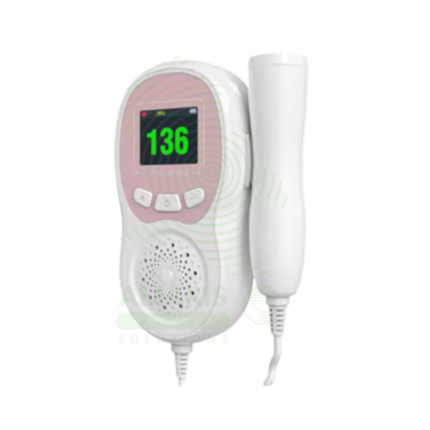
Fetoheart Sonic Aid Doppler (home use)
A Fetoheart Sonic Aid (Doppler) for Home Use is a consumer-grade, FDA-cleared handheld ultrasound device (2-3 MHz) that enables expectant parents to detect and listen to fetal heart sounds in the home environment from approximately 16 weeks gestation. Features include compact lightweight design (100-250g), simple controls, digital heart rate display (50-210 bpm), built-in speaker, headphone jack, and AA battery or USB rechargeable power. Continuous wave Doppler technology provides real-time audio of fetal heart sounds for maternal reassurance and bonding. Primary applications include maternal reassurance and emotional bonding between prenatal visits, confirmation of fetal activity, supplemental monitoring for high-risk pregnancies under provider guidance, and family involvement in the pregnancy experience. Critical safety information includes FDA-mandated labeling that device is for reassurance only (not medical diagnosis), optimal use after 16 weeks, limitation to 5–10-minute sessions, recognition that inability to detect heartbeat may not indicate a problem, and requirement to continue regular prenatal care. Not a substitute for professional medical evaluation; seek immediate care for bleeding, pain, fluid leakage, or decreased fetal movement.
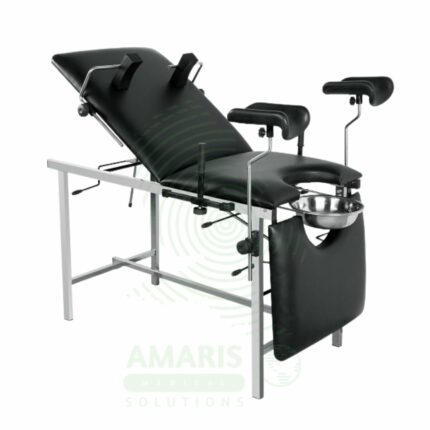
Gynecological examination couch (Parturition Bed)
A Gynecological Examination Couch (Parturition Bed) is a specialized medical couch designed for gynecologic examinations, obstetric delivery, and related procedures. Featuring adjustable backrest, removable leg sections, and adjustable stirrups for lithotomy positioning, it supports pelvic examinations, Pap smears, IUD procedures, and all stages of labor and delivery. The couch provides Trendelenburg and reverse Trendelenburg positioning, height adjustment, and fluid-resistant upholstery for easy cleaning. Essential for gynecology clinics, labor and delivery units, and women's health centers, it combines examination and delivery functions in a single versatile unit.
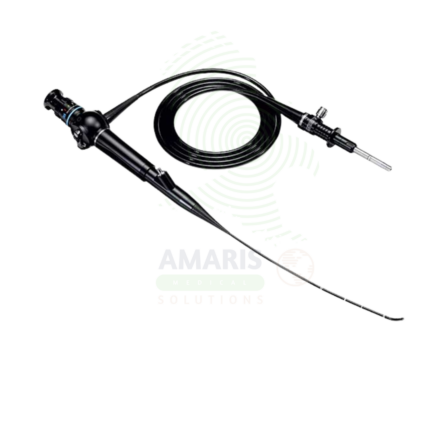
Hysteroscope
A Hysteroscope is a specialized endoscope used for visualization and treatment of the uterine cavity. Diagnostic hysteroscopy provides direct examination of the endometrium for evaluation of abnormal bleeding, infertility, and recurrent pregnancy loss. Operative hysteroscopy enables minimally invasive treatment of polyps, fibroids, adhesions, and uterine septa through the natural orifice of the cervix. Essential for gynecology and reproductive medicine, hysteroscopy offers accurate diagnosis and effective treatment with preservation of fertility and rapid recovery.
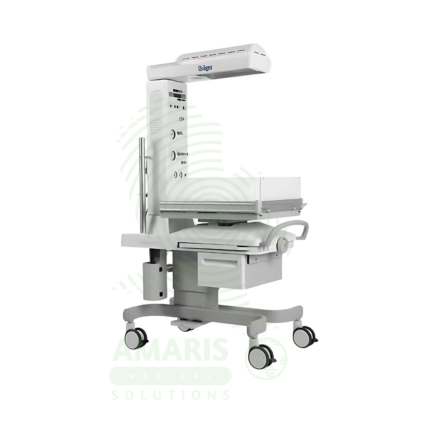
Infant radiant warmer (resuscitaire)
An Infant Radiant Warmer (Resuscitaire) is an open-bassinet, overhead radiant heating system designed for neonatal thermoregulation and resuscitation. It provides servo-controlled infrared warmth to maintain infant body temperature during the critical transition from intrauterine to extrauterine life. The integrated resuscitation platform features built-in oxygen and air sources, suction apparatus, cardiorespiratory monitoring, and storage for resuscitation equipment, ensuring all necessary tools are immediately accessible during newborn stabilization. Essential equipment for every delivery room and neonatal intensive care unit, the radiant warmer supports thermoregulation, resuscitation, and ongoing care while allowing unrestricted access to the infant. Proper temperature probe placement, pre-warming, and alarm response are critical for safe operation.