Dermatoscope and Magnifiers
 Diagnostic Kits
 Vital Signs Monitors
 Stethoscopes and Accessories
 Otoscopes, Ophthalmoscopes, and Retinoscopes
 Reflex Hammers and Neurological Tools
 Scales and Measuring Devices
 Spirometers and Pulmonary Function Tests
 Electrosurgical Units and Accessories
 Cutting Instruments
 Grasping and Holding Instruments
 Hemostatic Instruments
 Specialized Surgical Sets
 Single-Use Procedure Trays and Packs
 Surgical Drapes, Gowns, and Covers
 Tissue Unifying Instruments
 Radiation Protection
 X-Ray Machines and Accessories
 Ultrasound Systems and Probes
 MRI and CT Scanners
 Radiology Consumables
 Bone Densitometers
 Fluoroscopy Equipment
 Imaging Tables and Positioning Aids
 Microscopes and Accessories
 Centrifuges and Separators
 Analyzers
 Incubators and Ovens
 Pipettes, Dispensers, and Lab Glassware
 Refrigerators, Freezers, and Storage Units
 Lab Consumables
 Sterilizers and Autoclaves for Lab Use
 Multi-Parameter Monitors
 Ventilators and Respiratory Support Devices
 Defibrillators and AEDs
 Infusion Pumps and IV Systems
 Patient Warmers and Cooling Devices
 Central Monitoring Stations
 Accessories
 Anesthesia Machines and Workstations
 Oxygen Concentrators and Delivery Systems
 Nebulizers and Inhalers
 CPAP/BiPAP Machines
 Airway Management
 Anesthesia Masks, Circuits, and Bags
 Humidifiers and Heaters
 Respiratory Therapy Accessories
 First Aid Kits and Cabinets
 Emergency Resuscitation Equipment
 Trauma Supplies
 Emergency Carts and Crash Carts
 Burn Care Products
 Bleeding Control
 Automated External Defibrillators (AEDs)
 Transport and Evacuation
 Wheelchairs and Accessories
 Walkers, Crutches, and Canes
 Prosthetics and Orthotics
 Physical Therapy Equipment
 Transfer Devices
 Bathroom Safety
 Orthopedic Traction and Tables
 Hot/Cold Therapy Packs and Units
 Beds and Mattresses
 Chairs and Stools
 Tables
 Cabinets and Storage
 Privacy Screens & Curtains
 Stands and Racks
 Linens and Textiles
 Lighting
 Autoclaves and Sterilizers
 Ultrasonic Cleaners
 Disinfectant Solutions and Wipes
 Sterilization Pouches, Wraps, and Indicators
 Instrument Trays and Containers
 UV and Ozone Disinfection Devices
 Washer Disinfectors
 Wound Care
 Gloves
 Masks and Respirators
 Catheters and Tubing
 Swabs, Applicators, and Sponges
 Incontinence Products
 Personal Protective Equipment (PPE)
 Dental Chairs and Units
 Handpieces and Burs
 Instruments
 Consumables
 Sterilization for Dental Use
 Orthodontic Supplies
 Endodontic Tools
 Slit Lamps and Tonometers
 Lensometers and Phoropters
 Ophthalmic Surgical Instruments
 Eyewear Frames and Lenses
 Contact Lens Supplies
 Vision Testing Charts and Devices
 Eye Care Consumables
 Laser Systems for Eye Care
 ENT Exam Chairs and Tables
 Endoscopes
 Audiometers and Hearing Tests
 ENT Instruments
 Nasal and Throat Packs
 Hearing Aids and Accessories
 Otology Supplies
 Fetal Dopplers and Monitors
 Delivery Beds and Tables
 Gynecological Instruments
 Neonatal Incubators and Warmers
 Breast Pumps and Accessories
 Contraceptive Devices
 Maternity Supports and Pads
 Neonatal Consumables
 Cystoscopes and Urethroscopes
 Dialysis Machines and Supplies
 Urological Catheters and Bags
 Lithotripters
 Prostate Treatment Devices
 Urinary Incontinence Products
 Kidney Stone Management Tools
 Consumables & Disposables
 EEG and EMG Machines
 Neurosurgical Instruments
 Nerve Stimulators
 Headrests and Positioning Aids
 Lumbar Puncture Kits
 Seizure Monitoring Devices
 Consumables
 Rehabilitation for Neurological Conditions
 ECG Machines and Accessories
 Holter Monitors
 Stress Test Systems
 Pacemakers and Defibrillator Accessories
 Vascular Access Devices
 Cardiac Catheters and Guidewires
 Blood Flow Meters
 Consumables
 Orthopedic Instruments
 Casts, Splints, and Padding
 Joint Replacement Supplies
 Prosthetic Limbs and Components
 Bone Grafts and Substitutes
 Traction Devices
 Orthopedic Braces and Supports
 Rehabilitation Aids for Orthopedics
 Home Oxygen Therapy
 Hospital Beds for Home Use
 Mobility Aids
 Bathroom and Daily Living Aids
 Wound Care for Home
 Monitoring Devices
 Enteral Feeding Pumps and Tubes
 Hand Sanitizers and Dispensers
 Face Shields and Goggles
 Isolation Gowns and Suits
 Biohazard Waste Containers
 Air Purifiers and HEPA Filters
 Surface Disinfectants
 Sharps Containers
 Protective Barriers
 Cardiovascular & Endurance Training
 Strength Training & Weightlifting
 Functional Training & Core Conditioning
 Physical Therapy & Rehabilitation
 Sports & Outdoor Recreation
 Gym Flooring & Facility Equipment
 Fitness Monitoring & Accessories
 Kids & Novelties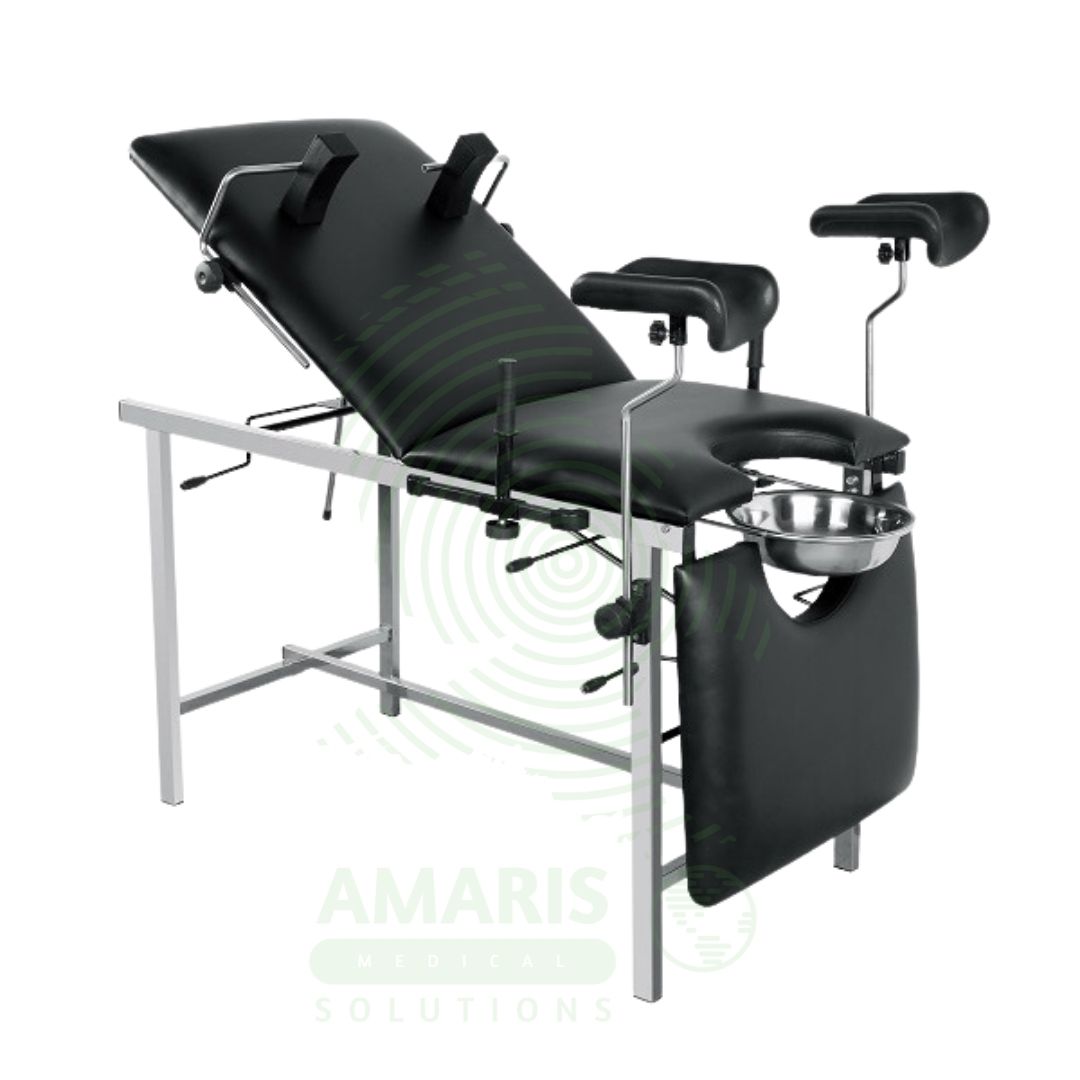
Delivery Bed
$1.00
WhatsApp Order
A Delivery Bed is a sophisticated, electrically powered hospital bed specifically engineered for labor, delivery, and obstetric surgeries. It transforms from a comfortable labor bed into a delivery platform with lithotomy positioning and finally into a fully functional surgical table, often integrating a newborn resuscitation station. Its core functions are to ensure optimal, safe positioning for the mother, provide ergonomic access for the clinical team, and facilitate integrated monitoring and emergency care for both mother and newborn. Robust, adjustable, and designed for stringent infection control, it is the central piece of equipment in any modern obstetrical unit.
Description
Delivery Bed
PRIMARY CLINICAL & DIAGNOSTIC USES
1. Conducting Labor, Vaginal Delivery, and Immediate Postpartum Care
-
Definitive Use: Provides a safe, adjustable, and hygienic platform for a patient throughout the entire birthing process, designed to position the patient in optimal configurations for labor, the delivery stage, and for immediate postpartum care, including perineal repair and newborn assessment.
-
How it helps: For the obstetrician, midwife, and labor nurse, the delivery bed transforms throughout the birthing process—supporting the laboring patient through hours of contractions, then converting to the ideal configuration for delivery, and finally providing a comfortable recovery surface. For the mother bringing new life into the world, the bed beneath her adapts to her body’s needs at every stage—allowing position changes that manage pain, supporting her legs during pushing, and providing a stable platform where she can hold her newborn immediately after birth.
2. Facilitating Cesarean Sections and Other Obstetrical Surgeries
-
Primary Use: In an operating room setting or a combined Labor-Delivery-Recovery-Postpartum suite, the bed converts into a fully functional surgical table, allowing for proper patient positioning, providing a stable, flat surface for sterile draping, and integrating with anesthesia equipment.
-
How it helps: For the surgical team performing a Cesarean section, the delivery bed’s ability to transition from labor support to surgical table means the patient can remain on the same surface throughout—no dangerous transfers, no repositioning under anesthesia. For the mother whose birth plan changes unexpectedly to a surgical delivery, this continuity means she stays on the bed that has supported her through labor, and her partner can remain at her side as their baby is delivered.
3. Integrated Fetal and Maternal Monitoring
-
Primary Use: The bed’s design accommodates and often integrates with essential monitoring equipment, allowing for easy placement and adjustment of external fetal heart rate monitors, maternal vital signs monitors, and facilitating continuous electronic fetal monitoring throughout labor.
-
How it helps: For the obstetrical team tracking the well-being of both mother and baby, the delivery bed’s compatibility with monitoring equipment means data is continuous, reliable, and easily visible—alerting them to any sign of fetal distress or maternal compromise. For the laboring mother and her partner, hearing the steady rhythm of the baby’s heartbeat throughout labor provides constant reassurance that their child is tolerating the process well.
4. Patient Positioning for Pain Management and Labor Progression
-
Primary Use: Enables a wide range of positions recommended for comfort and labor advancement, including supported squatting, hands-and-knees, lateral recumbent, and upright sitting, which can help manage pain, optimize fetal descent, and reduce the need for interventions.
-
How it helps: For the midwife and labor support team, the bed’s versatility allows them to help the mother find the position that works best for her body and her baby’s descent—working with gravity rather than against it. For the woman in labor, the ability to shift positions, to sit up, to lean forward, or to lie on her side means she can actively participate in her birth experience, finding comfort and progress through movement rather than being confined to a single position.
SECONDARY & SUPPORTIVE USES
1. Emergency Resuscitation of the Newborn: The bed typically features a dedicated, integrated, height-adjustable, and heat-radiant resuscitation station, allowing the neonatal team immediate access to the newborn for critical procedures without transferring the infant to a separate unit. For the baby who needs help taking those first breaths, this integrated station means resuscitation begins seconds after birth, with warmers, suction, and oxygen all immediately available.
2. Multipurpose Surgical and Gynecological Procedures: Outside of obstetrics, the delivery bed serves as a fully capable surgical table for a range of procedures including hysterectomies, myomectomies, cystoscopies, and D&C, thanks to its articulating sections and compatibility with stirrups. For the patient undergoing gynecologic surgery, this versatility means the same advanced equipment serves multiple purposes across the women’s health spectrum.
3. High-Risk Pregnancy Management and Monitoring: Used for prolonged inpatient monitoring of patients with conditions like pre-eclampsia, preterm labor, or placental abnormalities, with adjustability supporting bed rest in various therapeutic positions. For the mother hospitalized for weeks to protect her pregnancy, a comfortable, adjustable bed makes prolonged bed rest more tolerable, supporting both her physical comfort and emotional well-being.
4. Teaching and Training Platform: An essential tool in medical and nursing education for simulating normal and complicated deliveries, demonstrating surgical techniques, and training staff on the operation of complex equipment. For the countless mothers and babies who will be cared for by well-trained obstetrical teams, every simulation and training session on a delivery bed contributes to safer, more confident care when real lives depend on it.
5. Bariatric and High-Capacity Obstetrical Care: Specialized bariatric delivery beds are designed to safely support patients of size, with wider frames, higher weight capacities, and reinforced mechanisms to ensure stability during positional changes and delivery. For the patient of size entering labor, a bed designed for her body means she receives the same safe, dignified care as any other mother, without equipment limitations compromising her safety or birth experience.
KEY PRODUCT FEATURES
1. BASIC IDENTIFICATION ATTRIBUTES
-
Product Type: A highly specialized, electrically powered articulating hospital bed designed for the obstetrical and gynecological surgical environment.
-
Core Design: Consists of multiple articulating sections (head, back, seat, leg) that can be independently controlled. A defining feature is the ability to remove or retract the foot section to accommodate the care provider at the perineum and to attach lithotomy stirrups.
-
Key Components:
-
Main Mattress Platform: Often split into segments, with a removable foot/seat section for delivery.
-
Lithotomy Stirrups/Leg Supports: Padded, adjustable supports for the patient's legs during delivery and procedures. May be retractable or attachable.
-
Integrated Newborn Resuscitation Unit: A built-in or side-carriage platform with radiant warmer, oxygen outlet, suction, and lighting.
-
Side Rails: Full-length or segmented safety rails that can be lowered.
-
Central Brake & Steering: Heavy-duty casters with locking mechanisms.
-
Control Panel: Bedside and sometimes remote controls for articulation, height, and Trendelenburg/reverse Trendelenburg.
-
2. TECHNICAL & PERFORMANCE PROPERTIES
-
Articulation Range: Extensive range of motion including Trendelenburg/reverse Trendelenburg (typically >15° each way), lateral tilt, backrest elevation (up to 80°), and knee break. The "C" or "U" shape configuration for delivery is critical.
-
Height Range: Wide vertical travel (typically from ~24" to ~40") to accommodate both surgical work (high) and patient transfer/lowest position for safety.
-
Weight Capacity: High static and dynamic weight ratings, often starting at 350-400 lbs (159-181 kg) for standard beds and exceeding 500 lbs (227 kg) for bariatric models.
-
Power System: Battery backup is essential to maintain critical functions (especially lowering to transport height) in case of a main power failure.
3. PHYSICAL & OPERATIONAL PROPERTIES
-
Construction: Heavy-duty steel frame with high-pressure laminate or stainless-steel panels for easy cleaning and disinfection.
-
Mattress: A firm, conductive, and fluid-resistant mattress, often with a multi-section design to match the articulating frame.
-
Compatibility: Designed to interface seamlessly with fetal monitors, IV poles, anesthesia screens, and surgical instrument tables.
4. SAFETY & COMPLIANCE ATTRIBUTES
-
Regulatory Status: Class II medical device (moderate to high risk) due to its critical life-support and surgical functions.
-
Safety Features: Includes safety side rails, emergency manual lower system, redundant braking systems, and non-interruptible power supply (UPS) for controls.
-
Electrical Safety: Must comply with IEC 60601-1 standards for medical electrical equipment, ensuring protection against electrical shock and electromagnetic interference.
5. STORAGE & HANDLING ATTRIBUTES
-
Storage: Stored in a clean, dry environment in the Labor & Delivery or Operating Room suite. Protective covers may be used when not in use for extended periods.
-
Cleaning & Disinfection: Surfaces must be cleaned with hospital-grade disinfectants after every use. The mattress and upholstery on stirrups require cleaning with agents effective against bloodborne pathogens. Manufacturer guidelines for fluid ingress prevention must be strictly followed.
-
Preventive Maintenance: Requires scheduled, documented preventive maintenance by biomedical engineering to inspect mechanical, electrical, and safety systems, including hydraulic/pneumatic lifts, brakes, and control panels.
6. LABORATORY & CLINICAL APPLICATIONS
-
Primary Application: The central, indispensable piece of equipment in a hospital birthing suite, delivery room, or obstetric OR. It is the workstation around which the entire multidisciplinary team (OB/GYN, midwife, anesthesiologist, pediatrician, nurses) operates.
-
Versatility: Its design bridges the gap between a patient comfort bed, a delivery platform, and a surgical table, eliminating the need for risky patient transfers during critical phases of care.
SAFETY HANDLING PRECAUTIONS
1. SAFETY PRECAUTIONS
-
Locking and Stability (CRITICAL): The central brake must be engaged whenever the bed is stationary, especially during delivery or surgical procedures. All casters must be locked.
-
Patient Safety: Side rails must be raised appropriately when the patient is unattended or sedated. Patients must be instructed on the use of nurse call buttons and bed controls. All positional changes, especially into lithotomy, must be done slowly and with patient communication to prevent nerve injury.
-
Staff Ergonomics: The bed should be positioned at an appropriate height for the delivering clinician or surgeon to prevent back strain. The open "foot" area must be clear of obstructions.
-
Electrical Safety: Do not use if cords are frayed or if there are signs of electrical malfunction. Ensure plugs are connected to properly grounded outlets.
-
Weight Limit Adherence: Never exceed the manufacturer's stated maximum weight capacity for static and dynamic (moving) use.
2. FIRST AID MEASURES
-
Entrapment or Pinch Injury: If a patient or staff member is entrapped, use the emergency release/hand crank to manually lower the bed or move the section to free the limb. Seek clinical assessment for the injury.
-
Electrical Malfunction: In case of sparking, smoke, or shock, immediately unplug the bed from the wall if safe to do so. Use the emergency manual system to lower the patient to a safe height for transfer. Remove the bed from service and tag it for biomedical repair.
-
Structural Failure: If the bed frame or leg supports show signs of bending, cracking, or instability, do not place a patient on it. Immediately remove it from clinical service.
3. FIRE FIGHTING MEASURES
-
Flammability: Upholstery, mattresses, and plastics are combustible.
-
Extinguishing Media: For electrical fires, use CO₂ or dry chemical extinguishers. For other fires, use water, foam, or CO₂. Evacuate the patient immediately as the primary action.
Related products
Colposcope
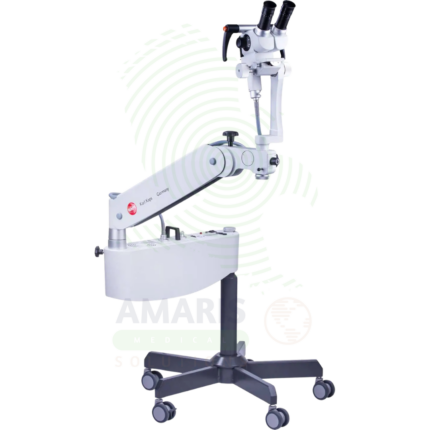
A Colposcope is a binocular or video microscope used for magnified examination of the cervix, vagina, and vulva following abnormal cervical cancer screening results. It enables identification of acetowhite lesions, atypical vascular patterns, and other signs of cervical intraepithelial neoplasia or cancer, and guides precise biopsy of suspicious areas. Essential for gynecology clinics and women's health centers, it provides the visualization needed for accurate diagnosis, treatment planning, and patient education.

Evacuation Set
An Evacuation Set is a sterile instrument tray containing the instruments necessary for uterine evacuation procedures, including dilation and curettage, suction aspiration, and management of incomplete miscarriage. The set includes cervical dilators, curettes, suction cannulas, ovum forceps, and supporting instruments. Used in obstetrics and gynecology for therapeutic abortion, management of pregnancy loss, retained products of conception, and diagnostic curettage, it ensures that all required instruments are sterile, organized, and immediately available for safe and effective uterine evacuation procedures.
Fetal & Maternal Monitor
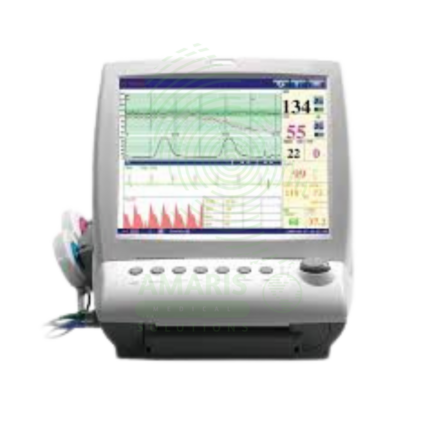
A Fetal & Maternal Monitor is an electronic monitoring system that simultaneously records fetal heart rate (via external ultrasound or internal scalp electrode), uterine contractions (via external tocodynamometer or intrauterine pressure catheter), and maternal vital signs (blood pressure, heart rate, oxygen saturation). Used for antepartum and intrapartum fetal assessment, non-stress tests, contraction stress tests, and monitoring of high-risk pregnancies including gestational diabetes, hypertensive disorders, and multiple gestations. Features high-resolution display, continuous paper recording, alarm systems for fetal distress, and data storage for medical records. External monitoring is non-invasive for routine use; internal monitoring provides more accurate data but requires ruptured membranes and cervical dilation. Class II medical device requiring FDA clearance and qualified interpretation of fetal heart rate patterns. Essential for assessing fetal well-being and guiding obstetric interventions.
Hysteroscope
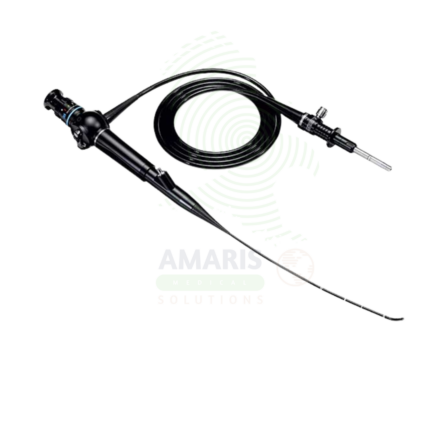
A Hysteroscope is a specialized endoscope used for visualization and treatment of the uterine cavity. Diagnostic hysteroscopy provides direct examination of the endometrium for evaluation of abnormal bleeding, infertility, and recurrent pregnancy loss. Operative hysteroscopy enables minimally invasive treatment of polyps, fibroids, adhesions, and uterine septa through the natural orifice of the cervix. Essential for gynecology and reproductive medicine, hysteroscopy offers accurate diagnosis and effective treatment with preservation of fertility and rapid recovery.
Infant radiant warmer (resuscitaire)
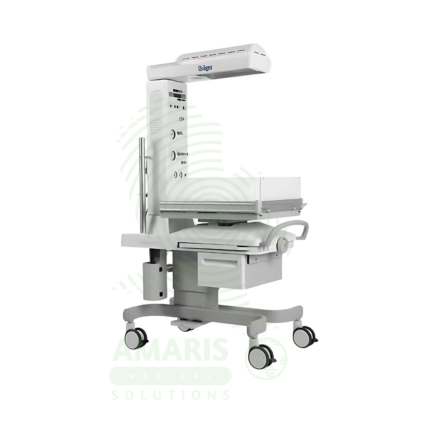
An Infant Radiant Warmer (Resuscitaire) is an open-bassinet, overhead radiant heating system designed for neonatal thermoregulation and resuscitation. It provides servo-controlled infrared warmth to maintain infant body temperature during the critical transition from intrauterine to extrauterine life. The integrated resuscitation platform features built-in oxygen and air sources, suction apparatus, cardiorespiratory monitoring, and storage for resuscitation equipment, ensuring all necessary tools are immediately accessible during newborn stabilization. Essential equipment for every delivery room and neonatal intensive care unit, the radiant warmer supports thermoregulation, resuscitation, and ongoing care while allowing unrestricted access to the infant. Proper temperature probe placement, pre-warming, and alarm response are critical for safe operation.
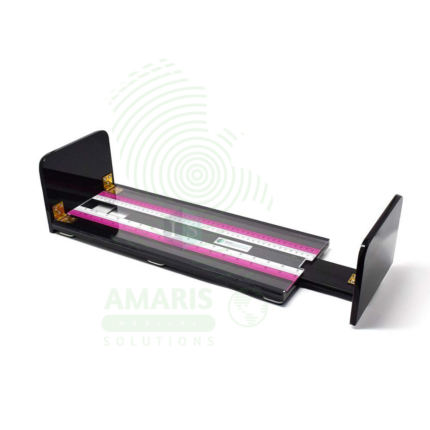
Infantometer
An Infantometer is a medical measuring device (typically 0-100 cm range, 1 mm graduation) designed for accurate recumbent length measurement of neonates, infants, and children up to 2 years of age. Features include rigid base board, fixed headboard, movable perpendicular footboard with smooth-gliding mechanism, and measurement scale (analog engraved or digital display). Constructed from medical-grade materials (wood, acrylic, ABS plastic, aluminum/stainless steel) with non-porous, easy-to-clean surfaces and rounded safety edges. Accuracy ±1-2 mm meets WHO and CDC requirements for growth monitoring. Primary clinical applications include accurate length measurement for growth assessment (WHO/CDC growth charts), early detection of growth abnormalities (failure to thrive, growth retardation), nutritional status monitoring (weight-for-length), premature infant follow-up, endocrine disorder evaluation (growth hormone deficiency), genetic syndrome assessment (syndrome-specific charts), and research studies requiring precise anthropometrics. Class I medical device. Critical safety considerations include two-person measurement technique, proper infant positioning (neutral head, gentle leg extension), infection control (cleaning between infants), stability on level surface, and regular calibration verification. Essential equipment in pediatric clinics, well-child visits, NICU, and child health research.
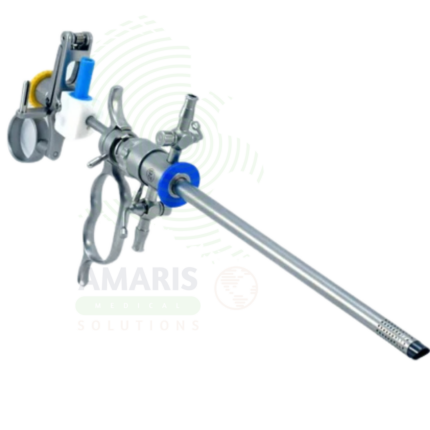
Resectoscope
A Resectoscope is a specialized endoscopic instrument used for transurethral resection of the prostate, bladder tumors, and endometrium. Combining a telescope, working element, and resecting loop, it enables precise cutting and coagulation of tissue under direct visualization. Essential in urology for benign prostatic hyperplasia and bladder cancer treatment, and in gynecology for endometrial resection, it provides minimally invasive treatment with rapid recovery and preservation of organ function.