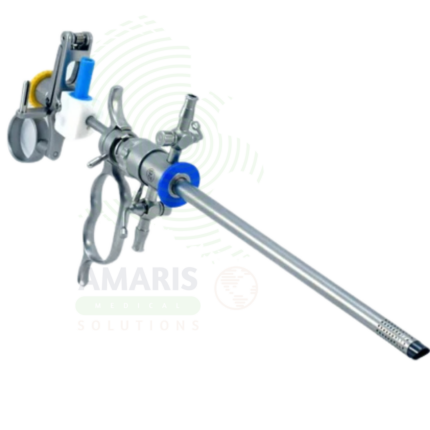
Dermatoscope and Magnifiers
 Diagnostic Kits
 Vital Signs Monitors
 Stethoscopes and Accessories
 Otoscopes, Ophthalmoscopes, and Retinoscopes
 Reflex Hammers and Neurological Tools
 Scales and Measuring Devices
 Spirometers and Pulmonary Function Tests
 Electrosurgical Units and Accessories
 Cutting Instruments
 Grasping and Holding Instruments
 Hemostatic Instruments
 Specialized Surgical Sets
 Single-Use Procedure Trays and Packs
 Surgical Drapes, Gowns, and Covers
 Tissue Unifying Instruments
 Radiation Protection
 X-Ray Machines and Accessories
 Ultrasound Systems and Probes
 MRI and CT Scanners
 Radiology Consumables
 Bone Densitometers
 Fluoroscopy Equipment
 Imaging Tables and Positioning Aids
 Microscopes and Accessories
 Centrifuges and Separators
 Analyzers
 Incubators and Ovens
 Pipettes, Dispensers, and Lab Glassware
 Refrigerators, Freezers, and Storage Units
 Lab Consumables
 Sterilizers and Autoclaves for Lab Use
 Multi-Parameter Monitors
 Ventilators and Respiratory Support Devices
 Defibrillators and AEDs
 Infusion Pumps and IV Systems
 Patient Warmers and Cooling Devices
 Central Monitoring Stations
 Accessories
 Anesthesia Machines and Workstations
 Oxygen Concentrators and Delivery Systems
 Nebulizers and Inhalers
 CPAP/BiPAP Machines
 Airway Management
 Anesthesia Masks, Circuits, and Bags
 Humidifiers and Heaters
 Respiratory Therapy Accessories
 First Aid Kits and Cabinets
 Emergency Resuscitation Equipment
 Trauma Supplies
 Emergency Carts and Crash Carts
 Burn Care Products
 Bleeding Control
 Automated External Defibrillators (AEDs)
 Transport and Evacuation
 Wheelchairs and Accessories
 Walkers, Crutches, and Canes
 Prosthetics and Orthotics
 Physical Therapy Equipment
 Transfer Devices
 Bathroom Safety
 Orthopedic Traction and Tables
 Hot/Cold Therapy Packs and Units
 Beds and Mattresses
 Chairs and Stools
 Tables
 Cabinets and Storage
 Privacy Screens & Curtains
 Stands and Racks
 Linens and Textiles
 Lighting
 Autoclaves and Sterilizers
 Ultrasonic Cleaners
 Disinfectant Solutions and Wipes
 Sterilization Pouches, Wraps, and Indicators
 Instrument Trays and Containers
 UV and Ozone Disinfection Devices
 Washer Disinfectors
 Wound Care
 Gloves
 Masks and Respirators
 Catheters and Tubing
 Swabs, Applicators, and Sponges
 Incontinence Products
 Personal Protective Equipment (PPE)
 Dental Chairs and Units
 Handpieces and Burs
 Instruments
 Consumables
 Sterilization for Dental Use
 Orthodontic Supplies
 Endodontic Tools
 Slit Lamps and Tonometers
 Lensometers and Phoropters
 Ophthalmic Surgical Instruments
 Eyewear Frames and Lenses
 Contact Lens Supplies
 Vision Testing Charts and Devices
 Eye Care Consumables
 Laser Systems for Eye Care
 ENT Exam Chairs and Tables
 Endoscopes
 Audiometers and Hearing Tests
 ENT Instruments
 Nasal and Throat Packs
 Hearing Aids and Accessories
 Otology Supplies
 Fetal Dopplers and Monitors
 Delivery Beds and Tables
 Gynecological Instruments
 Neonatal Incubators and Warmers
 Breast Pumps and Accessories
 Contraceptive Devices
 Maternity Supports and Pads
 Neonatal Consumables
 Cystoscopes and Urethroscopes
 Dialysis Machines and Supplies
 Urological Catheters and Bags
 Lithotripters
 Prostate Treatment Devices
 Urinary Incontinence Products
 Kidney Stone Management Tools
 Consumables & Disposables
 EEG and EMG Machines
 Neurosurgical Instruments
 Nerve Stimulators
 Headrests and Positioning Aids
 Lumbar Puncture Kits
 Seizure Monitoring Devices
 Consumables
 Rehabilitation for Neurological Conditions
 ECG Machines and Accessories
 Holter Monitors
 Stress Test Systems
 Pacemakers and Defibrillator Accessories
 Vascular Access Devices
 Cardiac Catheters and Guidewires
 Blood Flow Meters
 Consumables
 Orthopedic Instruments
 Casts, Splints, and Padding
 Joint Replacement Supplies
 Prosthetic Limbs and Components
 Bone Grafts and Substitutes
 Traction Devices
 Orthopedic Braces and Supports
 Rehabilitation Aids for Orthopedics
 Home Oxygen Therapy
 Hospital Beds for Home Use
 Mobility Aids
 Bathroom and Daily Living Aids
 Wound Care for Home
 Monitoring Devices
 Enteral Feeding Pumps and Tubes
 Hand Sanitizers and Dispensers
 Face Shields and Goggles
 Isolation Gowns and Suits
 Biohazard Waste Containers
 Air Purifiers and HEPA Filters
 Surface Disinfectants
 Sharps Containers
 Protective Barriers
 Cardiovascular & Endurance Training
 Strength Training & Weightlifting
 Functional Training & Core Conditioning
 Physical Therapy & Rehabilitation
 Sports & Outdoor Recreation
 Gym Flooring & Facility Equipment
 Fitness Monitoring & Accessories
 Kids & Novelties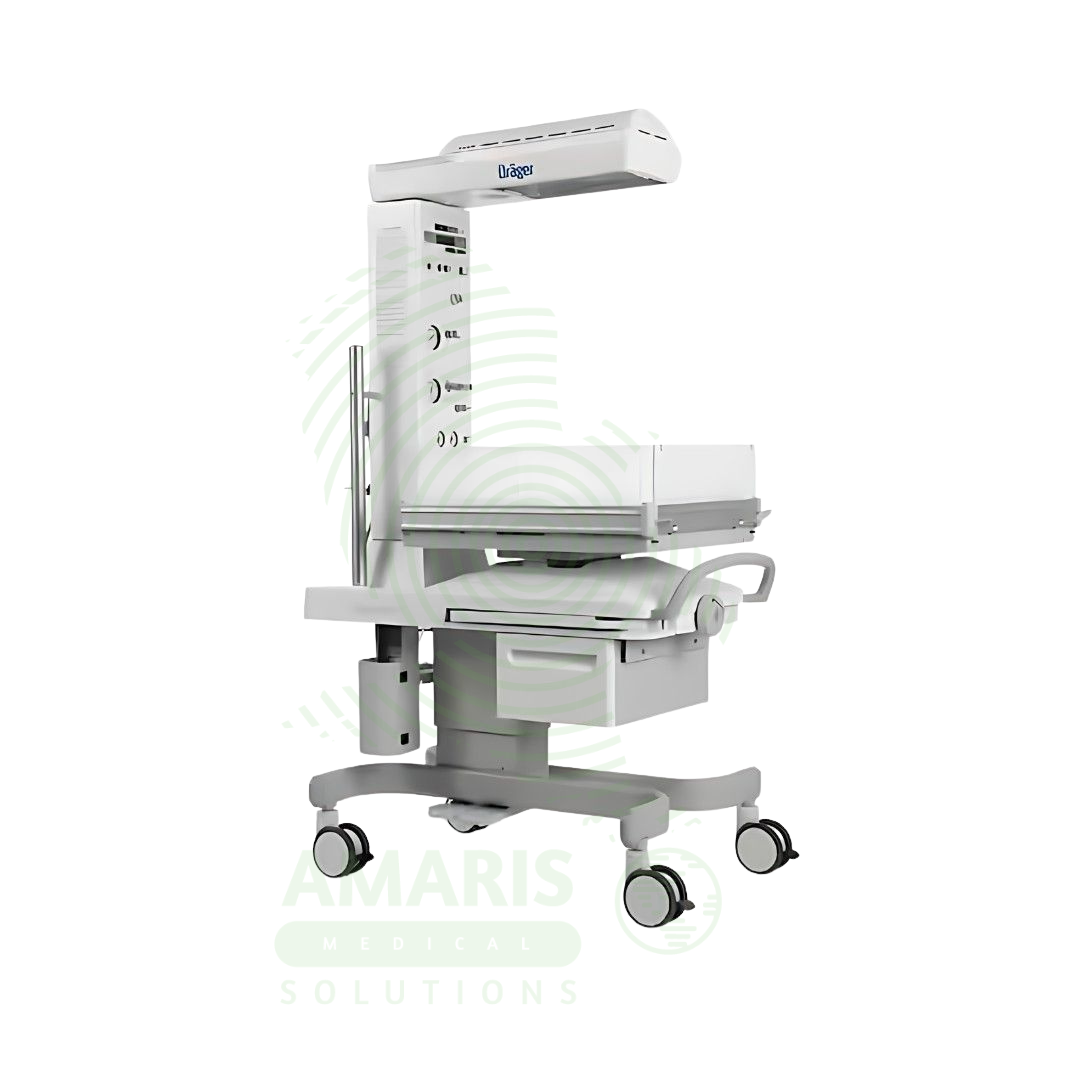
Infant radiant warmer (resuscitaire)
$1.00
WhatsApp Order
An Infant Radiant Warmer (Resuscitaire) is an open-bassinet, overhead radiant heating system designed for neonatal thermoregulation and resuscitation. It provides servo-controlled infrared warmth to maintain infant body temperature during the critical transition from intrauterine to extrauterine life. The integrated resuscitation platform features built-in oxygen and air sources, suction apparatus, cardiorespiratory monitoring, and storage for resuscitation equipment, ensuring all necessary tools are immediately accessible during newborn stabilization. Essential equipment for every delivery room and neonatal intensive care unit, the radiant warmer supports thermoregulation, resuscitation, and ongoing care while allowing unrestricted access to the infant. Proper temperature probe placement, pre-warming, and alarm response are critical for safe operation.
Description
Infant Radiant Warmer (Resuscitaire)
PRIMARY CLINICAL & DIAGNOSTIC USES
1. Thermoregulation and Prevention of Hypothermia in Newborns
-
Primary Use: Provides controlled, overhead radiant heat to maintain normal body temperature in newborn infants immediately after birth and during stabilization. The open design allows unrestricted access to the infant while preventing the rapid heat loss that occurs during transition from intrauterine to extrauterine life.
-
How it helps: For the neonatologist and delivery room team, the radiant warmer creates a controlled thermal environment that mimics the warmth of the womb—preventing hypothermia that can lead to metabolic acidosis, respiratory distress, and increased mortality in vulnerable newborns. For the infant born prematurely or requiring resuscitation, the consistent radiant heat means their body can focus energy on breathing, circulation, and adaptation rather than on generating heat to maintain core temperature.
2. Neonatal Resuscitation and Stabilization
-
Primary Use: Serves as the primary resuscitation platform for newborns requiring respiratory support, chest compressions, or other resuscitative interventions immediately after birth. The integrated warming surface, overhead radiant heater, and accessible workspace allow the neonatal team to perform life-saving procedures while maintaining thermal stability.
-
How it helps: For the neonatal resuscitation team, the Resuscitaire provides a stable, warm, and accessible platform where every critical intervention—from suctioning to positive pressure ventilation to chest compressions—can be performed with the infant in optimal position and temperature. For the infant who needs help taking their first breaths, the warmer ensures that resuscitation occurs on a warm surface, preventing the cold stress that would compound their respiratory distress.
3. Integrated Resuscitation Equipment Access
-
Primary Use: Features built-in oxygen and air sources, suction apparatus, and storage for resuscitation equipment including bag-valve-masks, endotracheal tubes, laryngoscopes, and emergency medications. This centralized design ensures all necessary equipment is immediately available during neonatal resuscitation.
-
How it helps: For the respiratory therapist and neonatal nurse, having all resuscitation equipment integrated into the warmer means they never waste precious seconds searching for supplies—everything needed to secure an airway, deliver oxygen, and support breathing is right at their fingertips. For the infant in distress, this organization translates directly to faster intervention and improved outcomes.
4. Skin-to-Skin Contact Facilitation
-
Primary Use: Allows for safe skin-to-skin contact between mother and newborn while maintaining thermal support. The radiant heater can be adjusted to maintain a warm environment while the infant is held against the mother’s chest, promoting bonding and breastfeeding while preventing hypothermia.
-
How it helps: For the postpartum nurse and lactation consultant, the radiant warmer enables mothers to hold their newborns skin-to-skin without the infant becoming cold—supporting early bonding, successful breastfeeding initiation, and maternal-infant attachment while maintaining thermoregulation. For the mother, holding her warm, content baby against her chest creates the foundation for breastfeeding and emotional connection.
5. Apnea and Cardiorespiratory Monitoring
-
Primary Use: Equipped with integrated cardiorespiratory monitors that track heart rate, respiratory rate, and oxygen saturation. Many units include apnea detection alarms to alert staff to episodes of respiratory pause requiring intervention.
-
How it helps: For the neonatal intensive care team, continuous monitoring integrated into the warmer allows for constant surveillance of the infant’s cardiorespiratory status—detecting bradycardia, desaturation, or apnea before they become critical. For the infant requiring observation, this monitoring provides an extra layer of safety while they remain in the warmer.
SECONDARY & SUPPORTIVE USES
1. Phototherapy Integration: Many radiant warmers include built-in phototherapy lights for treatment of neonatal jaundice, allowing simultaneous thermal support and bilirubin reduction without moving the infant between devices.
2. Weighing and Measurement: Integrated digital scales allow for accurate measurement of birth weight and daily weights without transferring the infant to a separate scale.
3. Oxygen and Blended Gas Delivery: Built-in oxygen blenders provide precise control of inspired oxygen concentration from 21% to 100%, supporting resuscitation and stabilization of infants with respiratory compromise.
4. Suction and Airway Management: Integrated suction apparatus provides immediate access for clearing the airway of secretions, meconium, or blood during initial stabilization and ongoing care.
5. Procedure and Surgical Support: Used as a stable platform for minor procedures including umbilical line placement, peripheral intravenous access, and heel-stick blood sampling.
KEY PRODUCT FEATURES
1. BASIC IDENTIFICATION ATTRIBUTES
-
Device Type: An open-bassinet, overhead radiant warmer with integrated resuscitation equipment for newborn thermoregulation and stabilization.
-
Designation: Infant Radiant Warmer, Resuscitaire, Newborn Resuscitation Warmer, Radiant Warmer, Delivery Room Warmer.
-
Key Components:
-
Radiant Heater: Overhead infrared heating element with servo-control for maintaining infant skin temperature.
-
Skin Temperature Probe: Attached to infant's abdomen for continuous temperature monitoring and automatic heater adjustment.
-
Integrated Resuscitation Platform: Flat, open-access surface with mattress for positioning during resuscitation and stabilization.
-
Oxygen/Air Blender: Controls delivered oxygen concentration from 21% to 100%.
-
Flow Meter: Regulates gas flow for resuscitation and respiratory support.
-
Suction Apparatus: Integrated vacuum source with pressure regulator for airway clearance.
-
Storage Drawers: Compartments for resuscitation equipment including bag-valve-masks, endotracheal tubes, and laryngoscopes.
-
Cardiorespiratory Monitor: Display for heart rate, respiratory rate, and oxygen saturation.
-
Phototherapy Lights: Integrated lights for treatment of neonatal jaundice (select models).
-
2. TECHNICAL & PERFORMANCE PROPERTIES
-
Heater Type: Infrared radiant heater with quartz or ceramic elements; provides non-contact warming.
-
Temperature Control: Servo-controlled mode maintains infant skin temperature at set point (typically 36.5°C to 37.5°C) by automatically adjusting heater output; manual mode allows fixed output for pre-warming.
-
Temperature Range: Adjustable set point range from 35.0°C to 38.5°C.
-
Heater Response Time: Rapid heat output adjustment to maintain stable temperature during interventions and environmental changes.
-
Oxygen/Air Blender: Precision gas mixing with flow rates typically 0-15 L/min; delivers FiO₂ from 21% to 100%.
-
Suction Pressure: Adjustable from 0 to -150 mmHg for airway clearance.
-
Monitor Parameters: Heart rate via ECG leads or pulse oximetry; respiratory rate; oxygen saturation; skin temperature; may include end-tidal CO₂.
3. PHYSICAL & OPERATIONAL PROPERTIES
-
Configuration: Mobile unit on locking casters for positioning in delivery rooms, operating rooms, and neonatal intensive care units.
-
Height Adjustment: Manual or electric height adjustment for ergonomic positioning of resuscitation team.
-
Mattress: Radiotranslucent, waterproof, anti-static mattress suitable for use with X-ray and imaging equipment.
-
Access Openings: Side access ports allow passage of umbilical lines and monitoring cables while maintaining thermal environment.
-
Control Panel: Touchscreen or membrane controls with clear visual and audible alarms.
-
Alarms: High temperature, low temperature, skin probe failure, system failure, and apnea detection alarms.
4. SAFETY & COMPLIANCE ATTRIBUTES
-
Regulatory Status: Class II medical device regulated by FDA as a neonatal radiant warmer and resuscitation system.
-
Electrical Safety: Compliant with IEC 60601-1 and IEC 60601-2-21 (particular requirements for infant radiant warmers).
-
Overheat Protection: Redundant thermal sensors and automatic shut-off to prevent overheating.
-
Temperature Alarm: Audible and visual alarm when skin temperature deviates from set point.
-
System Failure Alarm: Alerts staff to heater malfunction or power failure.
5. STORAGE & HANDLING ATTRIBUTES
-
Storage: Pre-warmed and ready for use in delivery rooms and NICU admissions areas.
-
Cleaning: External surfaces cleaned with hospital-grade disinfectants; mattress and probe covers disposable or autoclavable.
-
Maintenance: Regular calibration of temperature sensors and oxygen blender required.
6. LABORATORY & CLINICAL APPLICATIONS
-
Primary Application: Thermoregulation and resuscitation of newborn infants in delivery rooms, operating rooms, and neonatal intensive care units.
-
Clinical Role: Essential equipment for every delivery and neonatal admission, providing the thermal stability required for safe transition to extrauterine life.
SAFETY HANDLING PRECAUTIONS
1. SAFETY PRECAUTIONS
-
Skin Probe Placement: Place temperature probe on abdomen or upper back away from heater direct line-of-sight; secure with reflective cover to prevent overheating.
-
Heater Position: Position radiant heater directly above infant; adjust height as needed for access; never place objects between heater and infant.
-
Pre-Warming: Pre-warm unit to operating temperature before placing infant to prevent initial heat loss.
-
Monitor Probe Integrity: Check temperature probe adhesion; loose probes may cause overheating or under-warming.
-
Alarm Response: Never silence high-temperature alarms without verifying actual skin temperature.
-
Oxygen Safety: Oxygen supports combustion; keep all oxygen sources away from open flames or sparks.
-
Equipment Access: Ensure all resuscitation equipment is stocked, functional, and immediately accessible before delivery.
2. FIRST AID MEASURES
-
Overheating: If high-temperature alarm sounds, stop radiant heat immediately, check skin probe placement, and verify actual skin temperature. Remove the infant from warmth if temperature is elevated.
-
Underheating: If an infant becomes cold despite radiant heat, add blankets, increase set point, and verify probe placement and heater function.
-
Alarm Failure: If temperature monitoring fails, switch to manual mode or transfer the infant to an alternative warming device.
3. FIRE FIGHTING MEASURES
-
Flammability: Oxygen and electrical components present fire hazard.
-
Extinguishing Media: Turn off oxygen source; use CO₂ or dry chemical extinguisher for electrical fires.
-
Oxygen Safety: Prohibit smoking and open flames in area; ensure proper oxygen storage and handling.
Related products
Delivery Bed
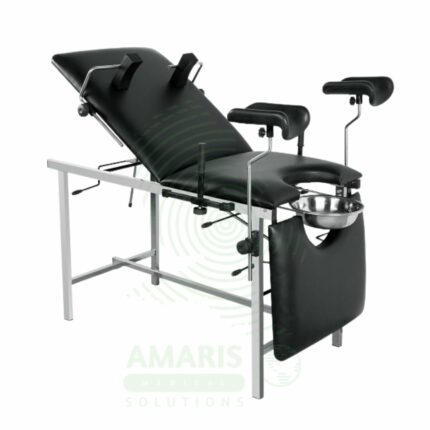
A Delivery Bed is a sophisticated, electrically powered hospital bed specifically engineered for labor, delivery, and obstetric surgeries. It transforms from a comfortable labor bed into a delivery platform with lithotomy positioning and finally into a fully functional surgical table, often integrating a newborn resuscitation station. Its core functions are to ensure optimal, safe positioning for the mother, provide ergonomic access for the clinical team, and facilitate integrated monitoring and emergency care for both mother and newborn. Robust, adjustable, and designed for stringent infection control, it is the central piece of equipment in any modern obstetrical unit.
Gynecological examination couch (Parturition Bed)
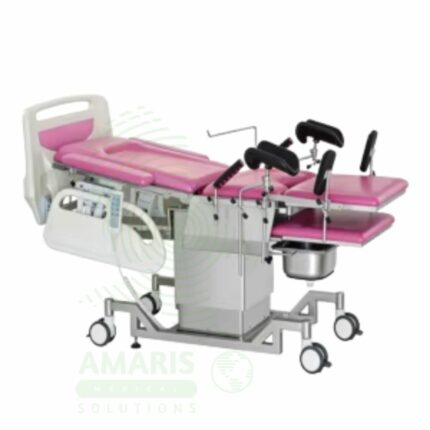
A Gynecological Examination Couch (Parturition Bed) is a specialized medical couch designed for gynecologic examinations, obstetric delivery, and related procedures. Featuring adjustable backrest, removable leg sections, and adjustable stirrups for lithotomy positioning, it supports pelvic examinations, Pap smears, IUD procedures, and all stages of labor and delivery. The couch provides Trendelenburg and reverse Trendelenburg positioning, height adjustment, and fluid-resistant upholstery for easy cleaning. Essential for gynecology clinics, labor and delivery units, and women's health centers, it combines examination and delivery functions in a single versatile unit.
High-Definition Endoscope
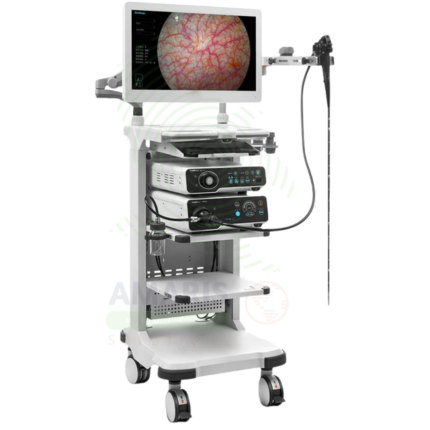
A High-Definition Endoscope is an advanced endoscopic system providing superior image resolution, color accuracy, and contrast for diagnostic and therapeutic procedures. Incorporating HD or 4K imaging with advanced visualization technologies such as narrow band imaging, blue light imaging, and autofluorescence, it enables detection of subtle mucosal abnormalities and early neoplasia that may be missed with standard definition systems. Essential for early cancer detection, precise therapeutic intervention, and documentation, it represents the standard of care for advanced endoscopy.
Hysteroscope
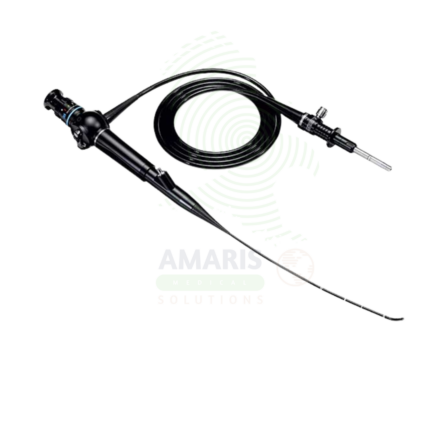
A Hysteroscope is a specialized endoscope used for visualization and treatment of the uterine cavity. Diagnostic hysteroscopy provides direct examination of the endometrium for evaluation of abnormal bleeding, infertility, and recurrent pregnancy loss. Operative hysteroscopy enables minimally invasive treatment of polyps, fibroids, adhesions, and uterine septa through the natural orifice of the cervix. Essential for gynecology and reproductive medicine, hysteroscopy offers accurate diagnosis and effective treatment with preservation of fertility and rapid recovery.
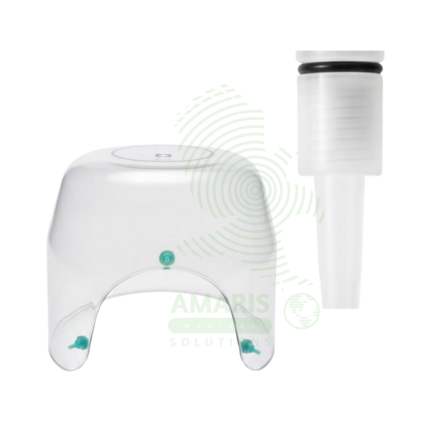
Infant Oxygen Hood
An Infant Oxygen Hood is a Class II medical device used to deliver controlled concentrations of supplemental oxygen to spontaneously breathing newborns and infants. Made of transparent medical-grade acrylic or polycarbonate, the hood fits over the infant's head with a soft foam or rubber neck seal, creating an oxygen-enriched environment while allowing easy access for monitoring and care. Available in premature/neonatal, infant, and older infant sizes with gas inlet ports (22 mm) for connection to air/oxygen blenders (FiO2 21-100%), access ports for monitoring leads and IV lines, and outlet vents to prevent CO2 accumulation. Requires minimum flow rate of 5 L/min to ensure adequate CO2 washout. Used with heated humidifiers for prolonged therapy to prevent airway drying. Primary clinical applications include management of respiratory distress syndrome (RDS) in premature infants, neonatal pneumonia, post-extubation oxygen support, congenital heart disease, and palliative care. Critical safety considerations include maintaining adequate flow rate to prevent rebreathing, monitoring FiO2 at hood level, ensuring proper neck seal without constriction, and preventing hyperoxia to reduce retinopathy of prematurity (ROP) risk. Essential equipment in NICUs and special care nurseries for controlled oxygen delivery to vulnerable infants.
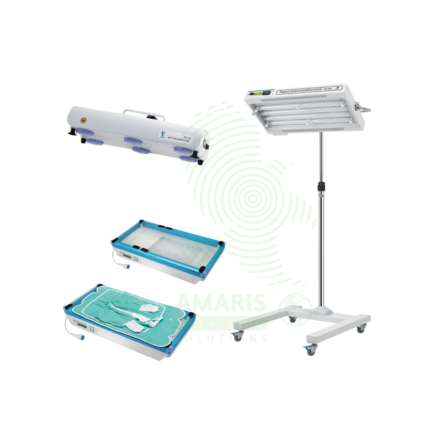
Neonatal Jaundice Treatment Device
A Neonatal Jaundice Treatment Device (phototherapy unit) is a Class II medical device that delivers therapeutic blue light (450-470 nm) to treat hyperbilirubinemia in newborns, preventing bilirubin-induced neurological damage (kernicterus). Available as overhead units (mobile stands with LED or fluorescent lamps), fiberoptic systems (Biliblanket) with illuminated pads placed against the infant's skin, and combination systems for intensive therapy. Irradiance ranges from 10-50+ µW/cm²/nm at treatment distance. LED units offer specific wavelength output, minimal heat, long life (10,000-50,000 hours), and energy efficiency. Treatment indications follow AAP hour-specific nomograms based on gestational age, birth weight, postnatal age, and risk factors. Essential safety requirements include opaque eye shields to protect neonatal retinas, temperature monitoring to prevent hyperthermia, hydration maintenance, and regular irradiance verification. Used in hospital NICUs, newborn nurseries, and (select devices) home care settings for mild jaundice. Critical for preventing permanent neurological sequelae of untreated severe neonatal jaundice.
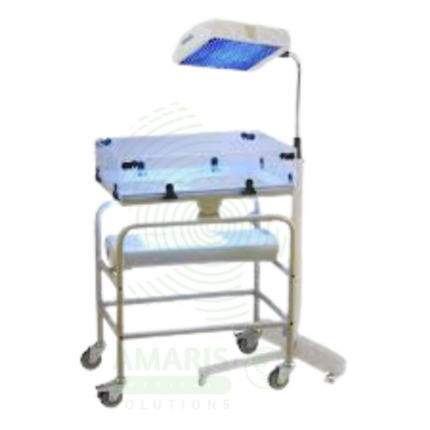
Phototherapy Machine
A Phototherapy Machine is a therapeutic light delivery system used to treat neonatal hyperbilirubinemia by converting toxic, fat-soluble bilirubin into water-soluble isomers that can be excreted. Using blue-spectrum light from LED, fluorescent, or fiber optic sources, it reduces bilirubin levels non-invasively, preventing kernicterus and permanent neurological damage. Available in overhead, ceiling-mounted, and fiber optic blanket configurations, it is standard equipment in hospital nurseries and NICUs, with portable units available for home use. Safe operation requires proper eye protection, temperature monitoring, and verification of adequate light output.