Dermatoscope and Magnifiers
 Diagnostic Kits
 Vital Signs Monitors
 Stethoscopes and Accessories
 Otoscopes, Ophthalmoscopes, and Retinoscopes
 Reflex Hammers and Neurological Tools
 Scales and Measuring Devices
 Spirometers and Pulmonary Function Tests
 Electrosurgical Units and Accessories
 Cutting Instruments
 Grasping and Holding Instruments
 Hemostatic Instruments
 Specialized Surgical Sets
 Single-Use Procedure Trays and Packs
 Surgical Drapes, Gowns, and Covers
 Tissue Unifying Instruments
 Radiation Protection
 X-Ray Machines and Accessories
 Ultrasound Systems and Probes
 MRI and CT Scanners
 Radiology Consumables
 Bone Densitometers
 Fluoroscopy Equipment
 Imaging Tables and Positioning Aids
 Microscopes and Accessories
 Centrifuges and Separators
 Analyzers
 Incubators and Ovens
 Pipettes, Dispensers, and Lab Glassware
 Refrigerators, Freezers, and Storage Units
 Lab Consumables
 Sterilizers and Autoclaves for Lab Use
 Multi-Parameter Monitors
 Ventilators and Respiratory Support Devices
 Defibrillators and AEDs
 Infusion Pumps and IV Systems
 Patient Warmers and Cooling Devices
 Central Monitoring Stations
 Accessories
 Anesthesia Machines and Workstations
 Oxygen Concentrators and Delivery Systems
 Nebulizers and Inhalers
 CPAP/BiPAP Machines
 Airway Management
 Anesthesia Masks, Circuits, and Bags
 Humidifiers and Heaters
 Respiratory Therapy Accessories
 First Aid Kits and Cabinets
 Emergency Resuscitation Equipment
 Trauma Supplies
 Emergency Carts and Crash Carts
 Burn Care Products
 Bleeding Control
 Automated External Defibrillators (AEDs)
 Transport and Evacuation
 Wheelchairs and Accessories
 Walkers, Crutches, and Canes
 Prosthetics and Orthotics
 Physical Therapy Equipment
 Transfer Devices
 Bathroom Safety
 Orthopedic Traction and Tables
 Hot/Cold Therapy Packs and Units
 Beds and Mattresses
 Chairs and Stools
 Tables
 Cabinets and Storage
 Privacy Screens & Curtains
 Stands and Racks
 Linens and Textiles
 Lighting
 Autoclaves and Sterilizers
 Ultrasonic Cleaners
 Disinfectant Solutions and Wipes
 Sterilization Pouches, Wraps, and Indicators
 Instrument Trays and Containers
 UV and Ozone Disinfection Devices
 Washer Disinfectors
 Wound Care
 Gloves
 Masks and Respirators
 Catheters and Tubing
 Swabs, Applicators, and Sponges
 Incontinence Products
 Personal Protective Equipment (PPE)
 Dental Chairs and Units
 Handpieces and Burs
 Instruments
 Consumables
 Sterilization for Dental Use
 Orthodontic Supplies
 Endodontic Tools
 Slit Lamps and Tonometers
 Lensometers and Phoropters
 Ophthalmic Surgical Instruments
 Eyewear Frames and Lenses
 Contact Lens Supplies
 Vision Testing Charts and Devices
 Eye Care Consumables
 Laser Systems for Eye Care
 ENT Exam Chairs and Tables
 Endoscopes
 Audiometers and Hearing Tests
 ENT Instruments
 Nasal and Throat Packs
 Hearing Aids and Accessories
 Otology Supplies
 Fetal Dopplers and Monitors
 Delivery Beds and Tables
 Gynecological Instruments
 Neonatal Incubators and Warmers
 Breast Pumps and Accessories
 Contraceptive Devices
 Maternity Supports and Pads
 Neonatal Consumables
 Cystoscopes and Urethroscopes
 Dialysis Machines and Supplies
 Urological Catheters and Bags
 Lithotripters
 Prostate Treatment Devices
 Urinary Incontinence Products
 Kidney Stone Management Tools
 Consumables & Disposables
 EEG and EMG Machines
 Neurosurgical Instruments
 Nerve Stimulators
 Headrests and Positioning Aids
 Lumbar Puncture Kits
 Seizure Monitoring Devices
 Consumables
 Rehabilitation for Neurological Conditions
 ECG Machines and Accessories
 Holter Monitors
 Stress Test Systems
 Pacemakers and Defibrillator Accessories
 Vascular Access Devices
 Cardiac Catheters and Guidewires
 Blood Flow Meters
 Consumables
 Orthopedic Instruments
 Casts, Splints, and Padding
 Joint Replacement Supplies
 Prosthetic Limbs and Components
 Bone Grafts and Substitutes
 Traction Devices
 Orthopedic Braces and Supports
 Rehabilitation Aids for Orthopedics
 Home Oxygen Therapy
 Hospital Beds for Home Use
 Mobility Aids
 Bathroom and Daily Living Aids
 Wound Care for Home
 Monitoring Devices
 Enteral Feeding Pumps and Tubes
 Hand Sanitizers and Dispensers
 Face Shields and Goggles
 Isolation Gowns and Suits
 Biohazard Waste Containers
 Air Purifiers and HEPA Filters
 Surface Disinfectants
 Sharps Containers
 Protective Barriers
 Cardiovascular & Endurance Training
 Strength Training & Weightlifting
 Functional Training & Core Conditioning
 Physical Therapy & Rehabilitation
 Sports & Outdoor Recreation
 Gym Flooring & Facility Equipment
 Fitness Monitoring & Accessories
 Kids & Novelties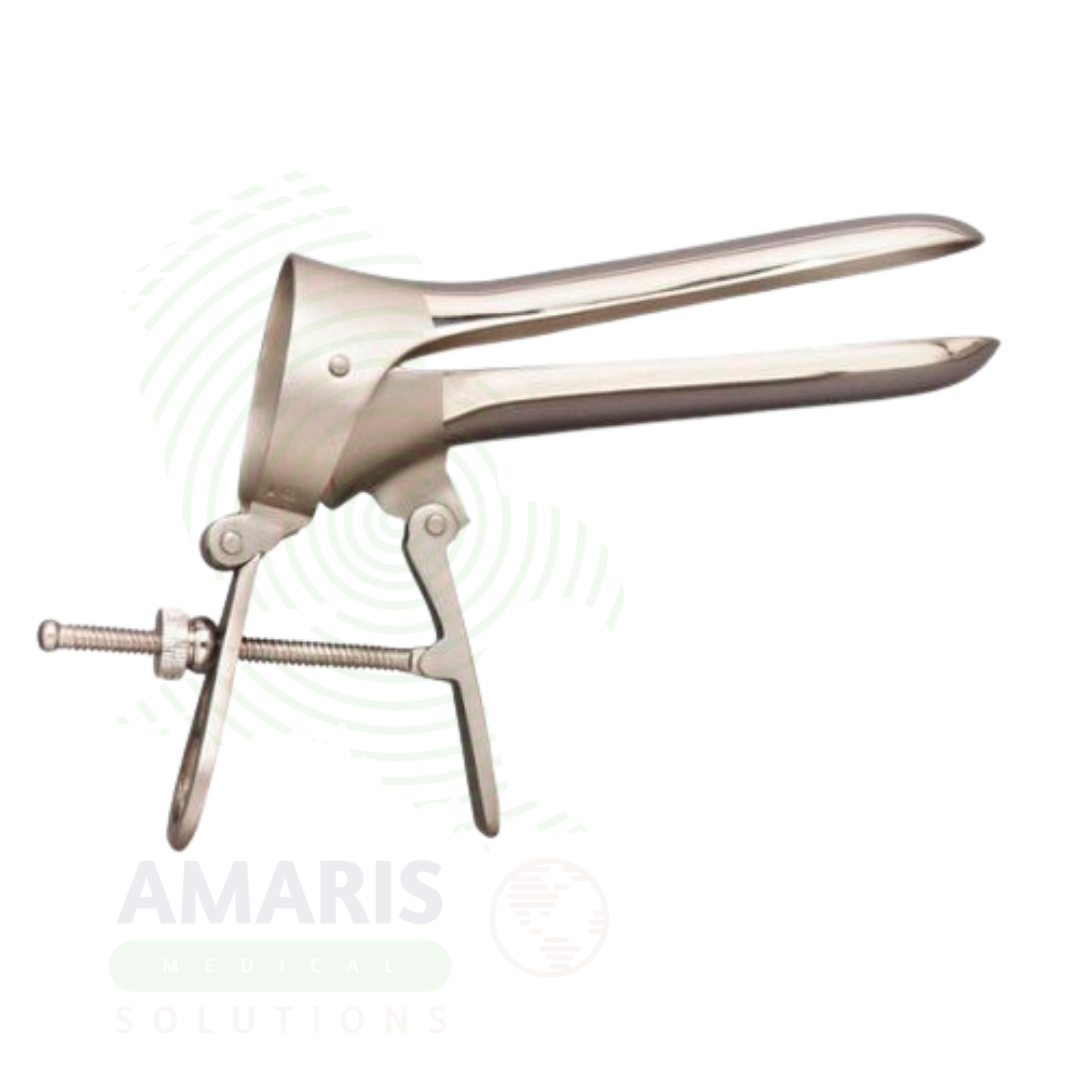
Vaginal Speculum
$1.00
WhatsApp Order
Vaginal Speculum are sterile (disposable) or reusable (stainless steel) bivalve instruments designed to retract the vaginal walls, providing visualization and access to the cervix and vaginal canal for gynecologic examination and procedures. The Graves speculum features broad, curved blades for adult multiparous patients; the Pederson speculum has narrower, flatter blades for nulliparous, postmenopausal, or adolescent patients. Disposable plastic specula eliminate cross-contamination risk and are available with integrated LED illumination; reusable stainless-steel specula are durable, autoclavable, and cost-effective in high-volume settings. Essential functions include Pap smear collection, cervical cultures, IUD insertion/removal, colposcopy, endometrial biopsy, and evaluation of pelvic pathology. Critical safety imperatives include appropriate size selection, generous lubrication (except when contraindicated for cytology), gentle insertion following the natural angle of the vagina, warming of metal specula to body temperature, and strict single-use protocol for disposable devices or validated reprocessing for reusable instruments. An indispensable tool in women’s healthcare.
Description
Vaginal Speculum
PRIMARY CLINICAL & DIAGNOSTIC USES
1. Visualization of the Cervix and Vaginal Walls
-
Primary Use: Retracts the vaginal walls to permit direct visualization of the cervix and vaginal canal during gynecologic examination, enabling assessment of cervical health, identification of abnormalities, and evaluation of vaginal mucosa.
-
How it helps: For the gynecologist, midwife, and women’s health provider, the vaginal speculum transforms an internal examination from a blind palpation into a direct visual assessment—revealing the cervix, vaginal walls, and any abnormalities that might otherwise go undetected. For the patient undergoing a pelvic exam, the speculum, while momentarily uncomfortable, enables the provider to see what they need to see, ensuring that nothing is missed and that her reproductive health is thoroughly evaluated.
2. Papanicolaou (Pap) Smear and Cervical Cytology
-
Primary Use: Essential for obtaining cervical cytology specimens for cervical cancer screening, providing access to the cervical os for collection of cells using spatula, cytobrush, or broom-type sampling devices.
-
How it helps: For the clinician performing cervical cancer screening, the speculum provides the access needed to visualize the cervix and obtain cells from the transformation zone—the area where cervical cancer most commonly arises. For the patient, this brief moment of exposure enables a test that has dramatically reduced cervical cancer incidence and mortality worldwide, allowing for detection and treatment of precancerous lesions before they ever become malignant.
3. Collection of Cervical and Vaginal Cultures
-
Primary Use: Facilitates collection of specimens for microbiological analysis, including testing for Neisseria gonorrhoeae, Chlamydia trachomatis, Trichomonas vaginalis, bacterial vaginosis, candidiasis, and group B Streptococcus.
-
How it helps: For the provider evaluating a patient with abnormal discharge, pelvic pain, or suspected sexually transmitted infection, the speculum allows for direct visualization and targeted specimen collection from the specific areas where pathogens are most likely to be found. For the patient, this means accurate diagnosis and appropriate treatment of infections that could otherwise lead to pelvic inflammatory disease, infertility, or complications in pregnancy.
4. Insertion and Removal of Intrauterine Devices
-
Primary Use: Provides necessary visualization and access to the cervix for the insertion, confirmation, and removal of intrauterine contraceptive devices.
-
How it helps: For the clinician providing contraceptive care, the speculum creates the visual and physical access needed to pass an IUD through the cervical os into the uterine cavity, placing it correctly for optimal contraceptive effect. For the patient choosing long-acting reversible contraception, the speculum enables placement of a device that will provide years of reliable pregnancy prevention with minimal ongoing effort.
5. Colposcopy
-
Primary Use: Used during colposcopic examination of the cervix and vagina following abnormal Pap smear results, maintaining visualization during application of acetic acid or Lugol’s iodine and during cervical biopsy or endocervical curettage.
-
How it helps: For the colposcopist evaluating an abnormal Pap smear, the speculum maintains access while the colposcope provides magnification, allowing detailed examination of vascular patterns, acetowhite epithelium, and other signs of precancerous change. For the patient who has had an abnormal screening result, this examination provides the definitive assessment that determines whether she needs treatment or continued surveillance.
6. Endometrial Biopsy
-
Primary Use: Provides cervical access for insertion of endometrial biopsy catheters to obtain endometrial tissue samples for histopathological evaluation.
-
How it helps: For the provider evaluating abnormal uterine bleeding, the speculum provides access for passing an endometrial sampler into the uterine cavity to obtain tissue for histological evaluation, ruling out endometrial cancer and hyperplasia. For the patient with concerning bleeding, endometrial biopsy can provide definitive answers, guiding treatment and offering reassurance.
7. Cryotherapy and LEEP Procedures
-
Primary Use: Maintains cervical access during ablative and excisional treatments for cervical intraepithelial neoplasia, including cryotherapy, loop electrosurgical excision procedure, and laser ablation.
-
How it helps: For the gynecologist treating cervical precancer, the speculum maintains clear visualization of the cervix throughout the treatment, ensuring that all abnormal tissue is destroyed or excised while preserving healthy tissue. For the patient undergoing treatment, proper visualization means the procedure is more likely to be successful and less likely to require repeat intervention.
SECONDARY & SUPPORTIVE USES
1. Vaginal and Cervical Polypectomy: Provides exposure for surgical removal of benign cervical or vaginal polyps. For the patient with a symptomatic polyp, the speculum enables simple, office-based removal.
2. Evaluation of Pelvic Organ Prolapse: Used during assessment of cystocele, rectocele, uterine prolapse, and vaginal vault prolapse. For the patient with symptomatic prolapse, proper evaluation guides treatment decisions.
3. Assessment of Abnormal Uterine Bleeding: Facilitates visualization of the cervix to identify sources of bleeding such as cervical lesions, polyps, or IUD malposition. For the patient with unexplained bleeding, direct visualization often provides answers.
4. Sexual Assault Forensic Examination: Essential for forensic evidence collection during sexual assault nurse examiner examinations, enabling visualization and specimen collection with minimal additional trauma. For the survivor of sexual assault, a compassionate, thorough examination supports both medical care and any legal proceedings.
5. Postoperative Evaluation: Used to assess the vaginal cuff following hysterectomy, cervical appearance following conization, or healing following vaginal reconstructive surgery. For the post-surgical patient, follow-up examination ensures proper healing.
6. Intrauterine Insemination: Provides cervical access for deposition of processed sperm into the uterine cavity. For the patient undergoing fertility treatment, the speculum enables the procedure that may lead to pregnancy.
7. Fitting of Contraceptive Diaphragm or Cervical Cap: Enables proper sizing and placement assessment of barrier contraceptive devices. For the patient choosing barrier contraception, proper fitting ensures effectiveness.
8. Removal of Retained Foreign Bodies: Facilitates visualization and retrieval of retained vaginal foreign bodies such as tampons, condoms, or pessaries. For the patient with a retained object, speculum examination enables safe, effective removal.
KEY PRODUCT FEATURES
1. BASIC IDENTIFICATION ATTRIBUTES
-
Product Type: A sterile or non-sterile, single-use or reusable medical instrument designed to retract the vaginal walls, providing access to the cervix and vaginal canal for examination and procedures.
-
Designation: Defined by blade configuration (bivalve) , material composition, size, mechanism of action, and specialized features.
-
Core Components:
-
Upper Blade (Anterior/Ventral): Inserts along the anterior vaginal wall, elevating and retracting it.
-
Lower Blade (Posterior/Dorsal): Inserts along the posterior vaginal wall, depressing and retracting it.
-
Handle / Thumb Rest: Ergonomic grip for operator control; permits single-handed operation.
-
Thumb Screw / Ratchet Mechanism: Adjustable locking mechanism to maintain blade separation at desired width.
-
Thumb Slide / Cam: Adjusts blade opening width (Graves speculum).
-
Screw / Thumbwheel: Adjusts blade angle/position (Pederson speculum).
-
-
Core Variants:
-
Graves Speculum:
-
Most common adult vaginal speculum.
-
Broad, flat, slightly curved blades.
-
Open sides for instrument access.
-
Available in small, medium, large (blade width/length).
-
Distal tip opening (fenestrated) for cervical visualization.
-
Operates via thumb slide/cam mechanism.
-
-
Pederson Speculum:
-
Narrower, flatter blades than Graves.
-
For patients with narrower vaginal introitus (nulliparous, postmenopausal, pediatric/adolescent).
-
Less curvature; blades nearly parallel when closed.
-
Available in small, medium.
-
-
Pediatric/Infant Speculum:
-
Miniature blades (1-2 cm width, 4-6 cm length).
-
For examination of prepubertal children under sedation/anesthesia.
-
Requires specialized training and appropriate indication.
-
-
Disposable Plastic Speculum:
-
Single-use, medical-grade plastic (ABS, polystyrene, polypropylene).
-
Self-locking or thumb-screw mechanism.
-
Some models incorporate LED illumination.
-
Eliminates reprocessing and cross-contamination risk.
-
-
Reusable Metal Speculum:
-
Stainless steel.
-
Durable, autoclavable, cost-effective long-term.
-
Requires meticulous cleaning and sterilization between uses.
-
-
Weisman-Graves Speculum:
-
Extended lower blade for enhanced posterior fornix visualization.
-
-
Sims Speculum (Sims Double-Ended):
-
Single, curved, solid blade.
-
Used with Sims position (lateral recumbent).
-
Requires separate retractor or assistant for anterior wall retraction.
-
-
Cusco Speculum:
-
Self-retaining bivalve speculum.
-
Screw-thread mechanism; expands both blades simultaneously.
-
Common in European practice; less common in the US.
-
-
Huffman Speculum:
-
Longer, narrower blades.
-
For adolescent/nulliparous patients.
-
-
2. TECHNICAL & PERFORMANCE PROPERTIES
-
Blade Dimensions (Graves, Adult):
-
Length: 3.5-5.5 inches (90-140 mm).
-
Width at Tip: 1.0-1.5 inches (25-38 mm).
-
Blade Depth: 0.5-1.0 inches (12-25 mm).
-
-
Blade Dimensions (Pederson):
-
Length: 3.5-4.5 inches (90-115 mm).
-
Width at Tip: 0.75-1.0 inches (19-25 mm).
-
-
Blade Material:
-
Stainless Steel (304, 316): Durable, non-corrosive, fully autoclavable. Polished finish reduces friction.
-
Medical-Grade Plastic (ABS, Polystyrene, Polypropylene): Lightweight, economical, single-use. May be translucent or opaque.
-
-
Illumination: Some disposable specula incorporate integrated LED light source with pull-tab activation. Reusable metal specula compatible with external light sources (headlamp, gooseneck lamp).
-
Mechanism Durability (Reusable): Ratchet/locking mechanism must withstand repeated sterilization cycles without loss of function, slippage, or failure.
-
Weight: Metal specula: 150-300 g; Plastic specula: 30-60 g.
3. PHYSICAL & OPERATIONAL PROPERTIES
-
Surface Finish: Stainless steel: Mirror-polished to reduce friction and facilitate cleaning. Plastic: Smooth, matte or gloss finish.
-
Fenestration: Opening at distal tip of upper blade for cervical visualization and instrument access.
-
Blade Edge: Smooth, rounded edges to prevent mucosal trauma and patient discomfort.
-
Locking Mechanism:
-
Thumb Slide / Cam (Graves): Slide moves along track; sets blade opening width.
-
Thumb Screw (Pederson, Cusco): Rotating screw adjusts blade separation.
-
Ratchet (Select Models): Incremental locking teeth; audible click.
-
-
Weight Distribution: Balanced for single-handed operation; thumb rest permits stabilization against operator's hand.
-
Packaging:
-
Disposable Plastic: Sterile, individually wrapped in peel-pouch or rigid tray.
-
Reusable Metal: Non-sterile; packaged in protective sleeve or tray; sterilized by facility prior to use.
-
-
Sterility Indicators: Sterile disposable specula include internal/external sterility assurance indicators.
4. SAFETY & COMPLIANCE ATTRIBUTES
-
Regulatory Standards:
-
ISO 13485: Quality management systems for medical device manufacturing.
-
ASTM F899: Standard specification for stainless steel for surgical instruments.
-
FDA 510(k) Clearance: Required for US marketing as Class II medical device.
-
CE Marking: Required for European market.
-
-
Biocompatibility (Plastic Specula): All tissue-contact materials must meet ISO 10993 standards for cytotoxicity, sensitization, irritation, and systemic toxicity.
-
Latex-Free: All components manufactured without natural rubber latex.
-
Sterility:
-
Disposable Plastic: Terminally sterilized via ethylene oxide (EtO) or gamma irradiation. Sterility assurance level (SAL) of 10⁻⁶.
-
Reusable Metal: Non-sterile in packaging; facility-sterilized (steam autoclave) prior to use.
-
-
Reprocessing Validation (Reusable): Manufacturers must provide validated instructions for cleaning, disinfection, and sterilization per ISO 17664.
-
Single-Use Designation: Disposable plastic specula are strictly single-use devices. Never reuse a disposable speculum. Reuse is associated with:
-
Cross-contamination and iatrogenic infection.
-
Material fatigue and device failure.
-
Compromised sterility.
-
Loss of mechanical integrity (locking mechanism, blade strength).
-
5. STORAGE & HANDLING ATTRIBUTES
-
Storage (Disposable): Store in original, unopened packaging in a cool, dry environment. Protect from extreme temperatures, direct sunlight, moisture, and physical damage.
-
Storage (Reusable): Store clean, sterilized metal specula in designated clean instrument storage, protected from contamination.
-
Shelf Life (Disposable): Typically 3-5 years from date of manufacture. Expiration date printed on each package. Do not use it after expiration; sterility and material integrity cannot be guaranteed.
-
Shelf Life (Reusable): Indefinite with proper maintenance and inspection; discard if pitted, corroded, bent, or with failed mechanism.
-
Package Inspection (Disposable): Before use, inspect packaging for any signs of compromise: tears, punctures, moisture ingress, or damage to sterile barrier. Inspect devices for cracks, rough edges, or visible defects. Verify locking mechanism functions properly. Do not use it if integrity is questionable.
-
Reprocessing (Reusable Metal):
-
Cleaning: Immediate manual cleaning with enzymatic detergent to remove bioburden; ultrasonic cleaning recommended.
-
Inspection: Inspect for damage, corrosion, pitting, hinge function, locking mechanism integrity.
-
Sterilization: Steam autoclave (gravity displacement or prevacuum) at 132-135°C for 3-4 minutes (wrapped) or 273°F (134°C) for 3 minutes (Europe). Follow manufacturer validated cycle parameters.
-
Drying: Ensure complete drying before storage to prevent corrosion.
-
Tracking: Maintain sterility assurance monitoring (chemical indicators, biological indicators per facility policy).
-
6. LABORATORY & CLINICAL APPLICATIONS
-
Primary Application: The essential, indispensable instrument for pelvic examination and gynecologic procedures across all healthcare settings: outpatient obstetrics and gynecology clinics, family medicine practices, emergency departments, inpatient wards, labor and delivery units, and ambulatory surgery centers.
-
Selection Criteria:
-
Patient Age/Obstetric History:
-
Nulliparous, postmenopausal, narrow introitus → Pederson (small/medium).
-
Multiparous, normal adult anatomy → Graves (medium/large).
-
Adolescent → Huffman, Pederson small.
-
Prepubertal child → Pediatric speculum (under anesthesia/sedation only).
-
-
Procedure Type:
-
Routine Pap smear/culture → Graves or Pederson.
-
IUD insertion → Graves (adequate cervical exposure).
-
Colposcopy → Graves (open sides permit instrument access).
-
Vaginoplasty/postoperative assessment → Pediatric or narrow Pederson.
-
-
Patient Comfort: Plastic specula are warmer than metal; some patients prefer plastic. Metal may be pre-warmed with sterile water or under running warm water (not hot).
-
Infection Control: Disposable plastic eliminates cross-contamination risk; preferred for patients with known or suspected bloodborne pathogens.
-
Resource Setting: Reusable metal cost-effective in high-volume, low-resource settings with adequate reprocessing capacity.
-
-
Proper Insertion Technique (Critical Skill):
-
Warm speculum (metal) with sterile water or under warm running water; lubricate with water-soluble lubricant if not contraindicated (avoid lubricant if Pap smear or cultures planned; use warm water only).
-
Inform patient; explain procedure.
-
Separate labia with non-dominant hand; insert speculum obliquely (blades angled 45 degrees) at introitus.
-
Rotate to transverse orientation as the speculum advances; follow the natural angle of vagina (toward sacrum).
-
Insert fully; open blades gradually via thumb slide/screw.
-
Position cervix between blades; lock mechanism at desired width.
-
Visualize cervix and vaginal walls; perform indicated procedures.
-
Release lock; partially close blades; withdraw gently while rotating to oblique orientation.
SAFETY HANDLING PRECAUTIONS
1. SAFETY PRECAUTIONS
-
Prevent Mucosal Trauma (Most Important): Improper insertion or manipulation of vaginal speculum causes significant patient discomfort, pain, mucosal abrasion, petechiae, and bleeding.
-
Use the smallest speculum that provides adequate visualization.
-
Warm metal specula to body temperature (cold metal causes involuntary muscle contraction, pain, and difficult insertion).
-
Lubricate generously with water-soluble lubricant (except when lubricant interferes with cytology/cultures; use warm sterile water only).
-
Insert slowly and gently; never force against resistance.
-
Follow the natural angle of vagina (toward the sacrum, not perpendicular).
-
Avoid catching labia, pubic hair, or cervical os in blades/locking mechanism.
-
Close blades partially before withdrawal; do not withdraw with blades fully open.
-
-
Patient Positioning and Dignity:
-
Position patient in dorsal lithotomy position with buttocks slightly beyond table edge.
-
Drape patients appropriately; maintain eye contact and verbal communication throughout the procedure.
-
Explain each step before performing; obtain verbal consent at each stage.
-
Offer a patient mirror to visualize examination if desired.
-
Stop immediately if a patient reports significant pain or requests termination.
-
-
Speculum Size Selection: Using inappropriately large speculum causes pain, mucosal injury, and inadequate visualization (cervix displaced beyond blades). Using inappropriately small speculum fails to retract vaginal walls adequately, obscuring visualization.
-
Avoid Cervical Trauma: Do not lock speculum blades with cervical os trapped between blade tips. Position cervix within fenestration before locking. Excessive opening pressure causes cervical laceration, bleeding, and pain.
-
Infection Control:
-
Disposable Specula: Single-use only; discard immediately after procedure into biohazard waste (if contaminated with blood/body fluids) or general waste (if unused/clean).
-
Reusable Specula: Strict adherence to validated reprocessing protocols. Inadequate cleaning and sterilization of reusable specula is a documented source of iatrogenic infection (HPV, bacterial vaginosis, trichomoniasis). Never "quick-clean" with disinfectant wipes only.
-
-
Pregnancy Precautions: Cervix is friable and easily traumatized during pregnancy. Use extreme gentleness; avoid vigorous manipulation. Lubricate generously. Be prepared for minor spotting (normal).
-
Pediatric Examination: Vaginal speculum examination in prepubertal children requires specialized training, appropriate indication, and typically examination under anesthesia or conscious sedation. Vaginoscopy with irrigating endoscope preferred over rigid speculum in most pediatric cases.
-
Sexual Assault Examination: Utilize experienced SANE provider. Use the smallest speculum adequate for visualization. Minimize additional trauma. Follow forensic evidence collection protocols meticulously. Offer patient advocate/support person.
2. FIRST AID MEASURES
-
Mucosal Abrasion/Laceration: If bleeding occurs from vaginal wall or cervical trauma, apply gentle pressure with sterile gauze. Minor abrasions typically hemostatic spontaneously. Persistent bleeding may require silver nitrate application or surgical consultation.
-
Vasovagal Reaction: Patient experiences pallor, diaphoresis, nausea, bradycardia, hypotension during or immediately after speculum insertion. Remove the speculum immediately. Lower head of bed or elevate legs. Administer cold compress to forehead. Monitor vital signs. Recovery is typically rapid. If severe or persistent, initiate advanced life support measures.
-
Speculum Breakage/Failure: If plastic speculum fractures or locking mechanism fails during use, carefully remove device fragments. Inspect vagina and cervix for retained fragments or injury. Replace with new sterile speculum if procedure incomplete.
-
Allergic Reaction (Rare): Contact dermatitis to metal (nickel allergy) or plastic components. Remove speculum. Irrigate vaginal vault with sterile saline. Symptoms typically self-limited. Substitute with hypoallergenic material for future examinations.
-
Sharp Edge Injury: If a patient experiences sharp, lancinating pain during insertion or manipulation, suspect sharp burr or manufacturing defect. Remove the speculum immediately and inspect the device. Report device defects per facility protocol.
3. FIRE FIGHTING MEASURES
-
Flammability: Stainless steel specula are non-combustible. Plastic specula (ABS, polystyrene, polypropylene) are combustible.
-
Extinguishing Media: Use water, foam, CO₂, or dry chemical powder as appropriate for the surrounding fire.
Related products
Cheatle Forceps
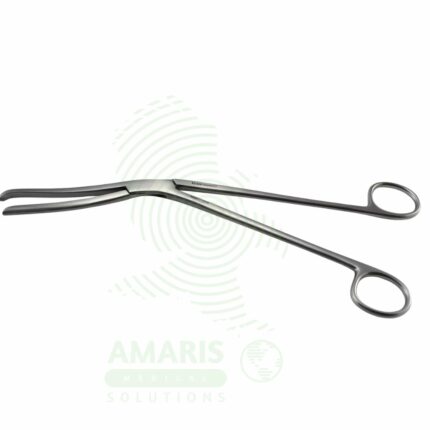
Cheatle Forceps are long-handled, ratcheted surgical forceps used for the aseptic transfer of sterile instruments, dressings, and supplies in operating rooms, central sterile supply departments, and procedural areas. The extended length allows safe retrieval of items from sterilizers and storage without hand contact, while the serrated tips provide secure grip on wrapped packs and individual instruments. Designed for repeated sterilization and use, they are essential for maintaining aseptic technique during sterile field preparation, instrument handling, and post-operative cleanup. Proper handling, regular inspection, and adherence to aseptic technique are essential for safe and effective use.
Disposable Dressing Set
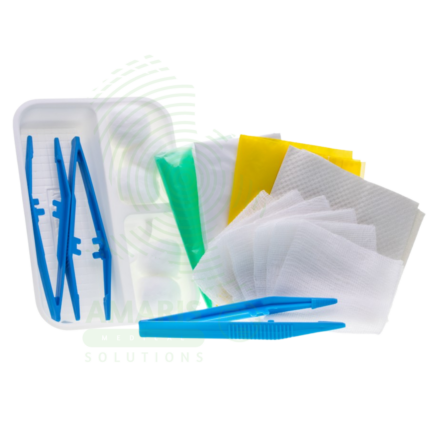
A Disposable Dressing Set is a sterile, single-use convenience kit containing all components necessary for sterile wound dressing changes and minor wound care procedures. The set typically includes sterile drapes, gauze sponges, sterile gloves, antiseptic solution, cotton applicators, tape, and disposal bag. Used in hospitals, clinics, emergency departments, and home healthcare settings, it ensures consistent aseptic technique for post-operative wound care, central line dressing changes, and management of chronic wounds. Proper sterile technique and disposal are essential for safe and effective use.
Dressing Drum
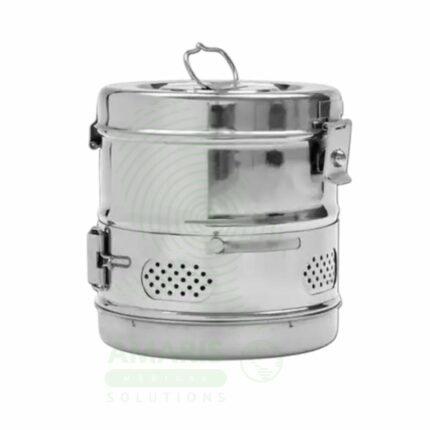
A Dressing Drum is a cylindrical, perforated metal container used for sterilizing and storing bulk quantities of dressings, gauze, and wound care supplies. The perforated design allows steam penetration during autoclave sterilization, while the hinged lid with locking mechanism maintains sterility during storage and allows aseptic dispensing. Made from stainless steel or anodized aluminum, it provides a durable, reusable solution for managing sterile supplies in operating rooms, procedure areas, and wound care clinics. Proper loading, drying, and labeling are essential for maintaining sterility and ensuring safe use.
Epidural Kit
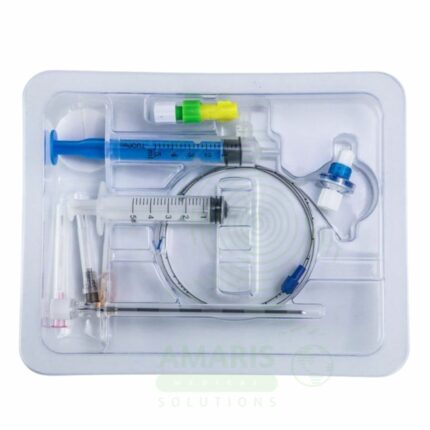
An Epidural Kit is a sterile, single-use convenience tray containing all components required for placement of an epidural catheter for regional anesthesia and analgesia. The kit includes a Tuohy-tip epidural needle, a flexible kink-resistant radiopaque catheter, loss-of-resistance syringe, and sterile drapes, preparing the procedural site for aseptic technique. Used in operating rooms, labor and delivery suites, and pain management settings, the epidural kit enables continuous administration of local anesthetics and opioids for surgical anesthesia, labor analgesia, and post-operative pain control. The loss-of-resistance technique provides tactile confirmation of correct catheter placement. Strict aseptic technique and continuous patient monitoring are essential to prevent complications including post-dural puncture headache, infection, and local anesthetic systemic toxicity.
Laparotomy Set
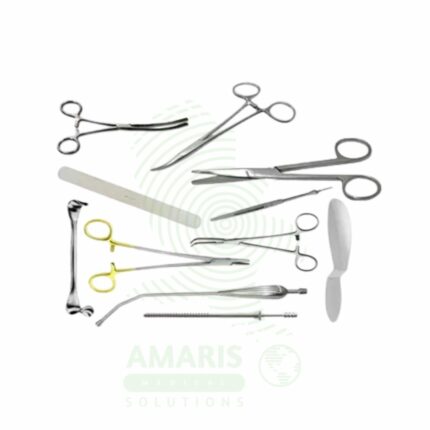
A Laparotomy Set is a sterile instrument tray containing comprehensive instruments for abdominal surgical procedures requiring laparotomy. The set includes instruments for abdominal incision, exposure, dissection, hemostasis, and closure, supporting a wide range of intra-abdominal surgeries including exploration, bowel resection, biliary procedures, and tumor removal. Essential for general surgery, trauma surgery, and oncologic surgery operating rooms, it ensures that all necessary instruments are sterile, organized, and immediately available for safe and effective abdominal surgery.
Needle Holders
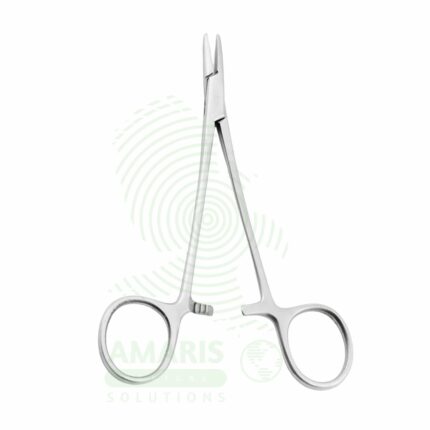
Needle Holders are surgical instruments used to grasp, hold, and guide suture needles during wound closure and tissue approximation. Featuring serrated jaws with a locking ratchet mechanism, they provide secure needle control while allowing the surgeon to focus on precise suture placement. Available in various sizes and configurations including Mayo-Hegar for general surgery, Castroviejo for microsurgery, and Olsen-Hegar with integrated scissors. Made from surgical-grade stainless steel, often with tungsten carbide inserts for enhanced durability, they are essential instruments in all surgical specialties. Proper selection, handling, and regular inspection are critical for safe and effective use.

Surgical Drapes
Surgical Drapes are sterile, single-use barriers used to establish and maintain a sterile field during surgical and interventional procedures. Fenestrated drapes provide access to the operative site while protecting surrounding skin; non-fenestrated drapes cover tables, equipment, and non-operative areas. Fluid-repellent and absorbent materials manage irrigation fluids and blood, preventing strike-through and maintaining a dry field. Antimicrobial and adhesive varieties offer additional protection and secure attachment. Proper draping technique is essential for preventing surgical site infections and maintaining aseptic conditions throughout the procedure.