Dermatoscope and Magnifiers
 Diagnostic Kits
 Vital Signs Monitors
 Stethoscopes and Accessories
 Otoscopes, Ophthalmoscopes, and Retinoscopes
 Reflex Hammers and Neurological Tools
 Scales and Measuring Devices
 Spirometers and Pulmonary Function Tests
 Electrosurgical Units and Accessories
 Cutting Instruments
 Grasping and Holding Instruments
 Hemostatic Instruments
 Specialized Surgical Sets
 Single-Use Procedure Trays and Packs
 Surgical Drapes, Gowns, and Covers
 Tissue Unifying Instruments
 Radiation Protection
 X-Ray Machines and Accessories
 Ultrasound Systems and Probes
 MRI and CT Scanners
 Radiology Consumables
 Bone Densitometers
 Fluoroscopy Equipment
 Imaging Tables and Positioning Aids
 Microscopes and Accessories
 Centrifuges and Separators
 Analyzers
 Incubators and Ovens
 Pipettes, Dispensers, and Lab Glassware
 Refrigerators, Freezers, and Storage Units
 Lab Consumables
 Sterilizers and Autoclaves for Lab Use
 Multi-Parameter Monitors
 Ventilators and Respiratory Support Devices
 Defibrillators and AEDs
 Infusion Pumps and IV Systems
 Patient Warmers and Cooling Devices
 Central Monitoring Stations
 Accessories
 Anesthesia Machines and Workstations
 Oxygen Concentrators and Delivery Systems
 Nebulizers and Inhalers
 CPAP/BiPAP Machines
 Airway Management
 Anesthesia Masks, Circuits, and Bags
 Humidifiers and Heaters
 Respiratory Therapy Accessories
 First Aid Kits and Cabinets
 Emergency Resuscitation Equipment
 Trauma Supplies
 Emergency Carts and Crash Carts
 Burn Care Products
 Bleeding Control
 Automated External Defibrillators (AEDs)
 Transport and Evacuation
 Wheelchairs and Accessories
 Walkers, Crutches, and Canes
 Prosthetics and Orthotics
 Physical Therapy Equipment
 Transfer Devices
 Bathroom Safety
 Orthopedic Traction and Tables
 Hot/Cold Therapy Packs and Units
 Beds and Mattresses
 Chairs and Stools
 Tables
 Cabinets and Storage
 Privacy Screens & Curtains
 Stands and Racks
 Linens and Textiles
 Lighting
 Autoclaves and Sterilizers
 Ultrasonic Cleaners
 Disinfectant Solutions and Wipes
 Sterilization Pouches, Wraps, and Indicators
 Instrument Trays and Containers
 UV and Ozone Disinfection Devices
 Washer Disinfectors
 Wound Care
 Gloves
 Masks and Respirators
 Catheters and Tubing
 Swabs, Applicators, and Sponges
 Incontinence Products
 Personal Protective Equipment (PPE)
 Dental Chairs and Units
 Handpieces and Burs
 Instruments
 Consumables
 Sterilization for Dental Use
 Orthodontic Supplies
 Endodontic Tools
 Slit Lamps and Tonometers
 Lensometers and Phoropters
 Ophthalmic Surgical Instruments
 Eyewear Frames and Lenses
 Contact Lens Supplies
 Vision Testing Charts and Devices
 Eye Care Consumables
 Laser Systems for Eye Care
 ENT Exam Chairs and Tables
 Endoscopes
 Audiometers and Hearing Tests
 ENT Instruments
 Nasal and Throat Packs
 Hearing Aids and Accessories
 Otology Supplies
 Fetal Dopplers and Monitors
 Delivery Beds and Tables
 Gynecological Instruments
 Neonatal Incubators and Warmers
 Breast Pumps and Accessories
 Contraceptive Devices
 Maternity Supports and Pads
 Neonatal Consumables
 Cystoscopes and Urethroscopes
 Dialysis Machines and Supplies
 Urological Catheters and Bags
 Lithotripters
 Prostate Treatment Devices
 Urinary Incontinence Products
 Kidney Stone Management Tools
 Consumables & Disposables
 EEG and EMG Machines
 Neurosurgical Instruments
 Nerve Stimulators
 Headrests and Positioning Aids
 Lumbar Puncture Kits
 Seizure Monitoring Devices
 Consumables
 Rehabilitation for Neurological Conditions
 ECG Machines and Accessories
 Holter Monitors
 Stress Test Systems
 Pacemakers and Defibrillator Accessories
 Vascular Access Devices
 Cardiac Catheters and Guidewires
 Blood Flow Meters
 Consumables
 Orthopedic Instruments
 Casts, Splints, and Padding
 Joint Replacement Supplies
 Prosthetic Limbs and Components
 Bone Grafts and Substitutes
 Traction Devices
 Orthopedic Braces and Supports
 Rehabilitation Aids for Orthopedics
 Home Oxygen Therapy
 Hospital Beds for Home Use
 Mobility Aids
 Bathroom and Daily Living Aids
 Wound Care for Home
 Monitoring Devices
 Enteral Feeding Pumps and Tubes
 Hand Sanitizers and Dispensers
 Face Shields and Goggles
 Isolation Gowns and Suits
 Biohazard Waste Containers
 Air Purifiers and HEPA Filters
 Surface Disinfectants
 Sharps Containers
 Protective Barriers
 Cardiovascular & Endurance Training
 Strength Training & Weightlifting
 Functional Training & Core Conditioning
 Physical Therapy & Rehabilitation
 Sports & Outdoor Recreation
 Gym Flooring & Facility Equipment
 Fitness Monitoring & Accessories
 Kids & Novelties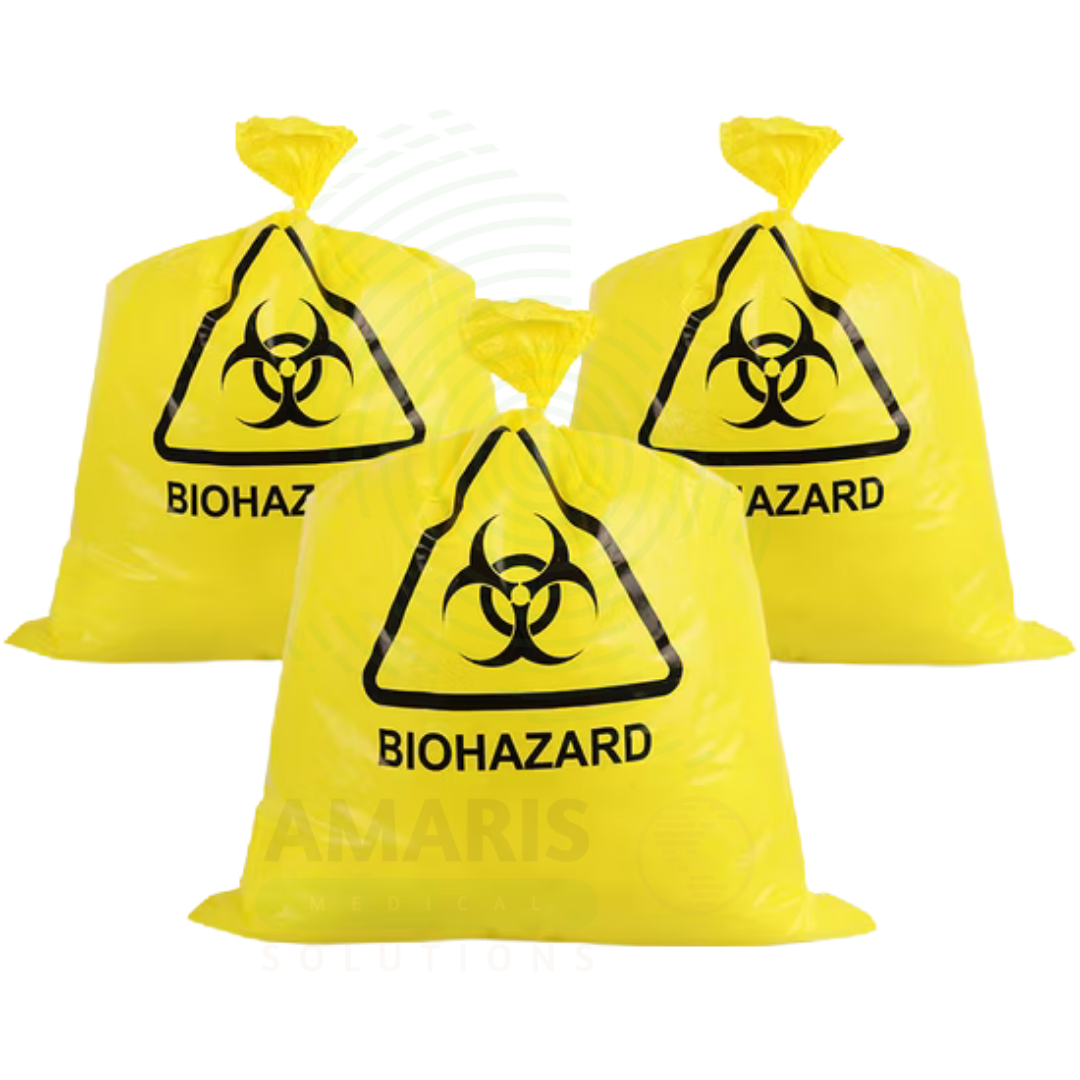

Polythene Biohazard Bags
$1.00
WhatsApp Order
Polythene Biohazard Bags are color-coded, leak-resistant bags designed for the safe collection, containment, segregation, and disposal of infectious clinical waste in healthcare facilities. Manufactured from low-density or high-density polyethylene with thicknesses ranging from 50 to 100 microns, these bags feature printed universal biohazard symbols and are color-coded per waste type—yellow or red for infectious waste, orange for incineration, purple for cytotoxic waste. Available in sizes from 10 to 100+ liters with closure options including drawstrings, twist ties, and heat seals, biohazard bags provide a critical barrier between hazardous waste and healthcare workers. For the nurse, laboratory technician, and environmental services worker, these bags enable safe handling and regulatory compliance for medical waste disposal. For the patient and community, proper use of biohazard bags ensures that infectious waste is contained, treated appropriately (incineration, autoclaving), and disposed of safely—preventing environmental contamination and protecting public health.
Description
Polythene Biohazard Bags
PRIMARY CLINICAL & DIAGNOSTIC USES
1. Safe Containment of Infectious Waste
-
Primary Use: Provides a leak-resistant, color-coded (typically yellow or red) polythene bag designed for the safe collection, containment, and disposal of infectious clinical waste including blood-soaked materials, contaminated dressings, and pathological waste.
-
How it helps: For the nurse, laboratory technician, and environmental services worker, polythene biohazard bags provide a clearly identifiable, puncture-resistant container that isolates infectious waste from the general waste stream—reducing the risk of occupational exposure to bloodborne pathogens. For the patient, proper containment of infectious waste prevents environmental contamination and protects other patients, visitors, and healthcare workers from accidental exposure to hazardous materials.
2. Compliance with Biohazard Waste Regulations
-
Primary Use: Features universal biohazard symbol printing and color-coded construction to meet regulatory requirements for the identification and segregation of infectious medical waste.
-
How it helps: For the infection control practitioner and facility safety officer, biohazard bags enable clear visual identification of hazardous waste streams—ensuring compliance with OSHA, CDC, and state regulations for medical waste handling. For the patient, regulatory compliance means that the healthcare facility follows established safety standards that protect the community from improper medical waste disposal.
3. Segregation of Different Waste Streams
-
Primary Use: Available in multiple colors (yellow, red, orange, purple) to enable segregation of different categories of clinical waste including infectious waste, anatomical waste, pharmaceutical waste, and cytotoxic waste.
-
How it helps: For the waste management coordinator and environmental services staff, color-coded biohazard bags provide a simple, visual system for separating waste types—enabling appropriate treatment and disposal methods for each waste category. For the patient and community, proper waste segregation ensures that hazardous materials receive appropriate treatment (incineration, autoclaving, chemical disinfection) before disposal, reducing environmental impact.
4. Leak and Tear Resistance During Transport
-
Primary Use: Manufactured from high-density or low-density polythene with appropriate thickness (typically 50-100 microns) to resist tearing, puncturing, and leaking during handling and transport.
-
How it helps: For the porters and waste handlers who transport biohazard bags through hospital corridors, durable polythene construction provides confidence that bags will not rupture during handling—preventing spills that could expose staff and patients. For the patient, leak-resistant bags ensure that infectious waste is contained safely as it moves through the facility, reducing the risk of environmental contamination.
SECONDARY & SUPPORTIVE USES
1. Containment of Sharps Containers: Used to enclose full sharps containers before transport to waste processing areas.
2. Laboratory Waste Collection: Used to collect contaminated laboratory materials including culture plates, specimen containers, and disposable labware.
3. Pathology and Anatomical Waste: Used for collection of human tissues, organs, and anatomical specimens for incineration.
4. Pharmaceutical and Cytotoxic Waste: Purple or clear bags with specific labeling used for waste pharmaceutical and cytotoxic drug disposal.
5. Dental Clinic Waste: Used in dental practices for collection of contaminated materials including saliva-soaked gauze and disposable items.
6. Veterinary Clinic Waste: Used for collection of infectious waste from animal care facilities and veterinary hospitals.
7. Home Healthcare Waste: Used for safe containment of contaminated dressings and supplies generated during home healthcare visits.
8. Dialysis Unit Waste: Used for collection of contaminated tubing, dialyzers, and patient-contact materials in dialysis units.
9. Operating Room Waste: Used for collection of blood-soaked sponges, drapes, and disposable surgical supplies.
10. Isolation Unit Waste: Used for waste generated in isolation rooms for patients with highly infectious diseases.
KEY PRODUCT FEATURES
1. BASIC IDENTIFICATION ATTRIBUTES
-
Device Type: A color-coded, leak-resistant polythene bag designed for the safe collection, containment, and disposal of infectious clinical waste and biohazardous materials.
-
Designation: Polythene Biohazard Bag, Biohazard Waste Bag, Clinical Waste Bag, Infectious Waste Bag, Red Biohazard Bag, Yellow Biohazard Bag, Autoclavable Biohazard Bag, Incineration Bag.
-
Key Components:
o Bag Body: Polythene (polyethylene) film construction.
o Color: Color-coded per waste type (yellow, red, orange, purple, clear).
o Biohazard Symbol: Printed universal biohazard symbol.
o Closure: Tie-tape, twist tie, or heat seal closure.
o Thickness: 50-100 microns for leak and tear resistance.
2. TECHNICAL & PERFORMANCE PROPERTIES
-
Material: Low-density polyethylene (LDPE) or high-density polyethylene (HDPE).
-
Colors: Yellow (infectious waste), Red (highly infectious/ anatomical), Orange (clinical waste for incineration), Purple (cytotoxic waste), Clear/White (general clinical waste).
-
Thickness: Range from 50 microns to 100 microns; heavier for high-risk waste.
-
Capacity: Available in sizes from 10 liters to 100+ liters.
-
Printing: Universal biohazard symbol; "Biohazard" text; disposal instructions.
-
Sterility: Non-sterile; not intended for sterile applications.
-
Autoclavable: Some grades suitable for steam sterilization before disposal.
-
Latex-Free: Manufactured without natural rubber latex.
3. PHYSICAL & OPERATIONAL PROPERTIES
-
Construction: Seamless or heat-sealed bottom for leak resistance.
-
Closure Options: Drawstring, flap-tie, twist tie, or heat seal.
-
Ribbing/Texture: Some bags feature textured surface for grip.
-
Dispensing: Available in rolls, flat packs, or dispenser boxes.
-
Printing Location: Biohazard symbol printed on front and back.
-
Temperature Range: Suitable for storage at room temperature.
4. SAFETY & COMPLIANCE ATTRIBUTES
-
Regulatory Status: Class I medical device (exempt from premarket notification) when labeled for medical waste containment.
-
OSHA Compliance: Meets OSHA 29 CFR 1910.1030 Bloodborne Pathogens Standard requirements for biohazard labeling and containment.
-
DOT Compliance: Compliant with Department of Transportation regulations for transport of regulated medical waste.
-
UN Markings: Some bags meet UN standards for infectious substance packaging.
-
ASTM Standards: May meet ASTM D1922 (tear strength) and ASTM D1709 (impact resistance) standards.
-
Color Standards: Follows recommended color coding per CDC and state regulations.
-
Latex-Free: Standard in all polythene biohazard bags.
5. STORAGE & HANDLING ATTRIBUTES
-
Storage: Store in a clean, dry location at room temperature; protect from direct sunlight, heat, and sharp objects.
-
Shelf Life: Typically 3-5 years from date of manufacture.
-
Inspection: Inspect for tears, holes, or damage before use; discard if compromised.
-
Single-Use: Intended for single use only; do not reuse.
-
Overfilling: Do not fill more than 3/4 full to allow secure closure.
6. LABORATORY & CLINICAL APPLICATIONS
-
Primary Application: Safe collection, containment, segregation, and disposal of infectious clinical waste, contaminated materials, and biohazardous substances in healthcare facilities.
-
Clinical Role: Essential waste management product in hospitals, clinics, laboratories, dental offices, veterinary clinics, dialysis centers, operating rooms, isolation units, pathology departments, and any healthcare setting generating infectious waste.
SAFETY HANDLING PRECAUTIONS
1. SAFETY PRECAUTIONS
-
Color Code Verification: Use correct bag color for specific waste type per facility protocol; do not mix waste types.
-
Do Not Overfill: Fill bags no more than 3/4 full to allow proper closure and handling.
-
Secure Closure: Close bag securely using provided tie or tape; do not leave open.
-
Secondary Container: Place filled biohazard bags in rigid secondary containers for transport.
-
Do Not Compact: Do not compress biohazard bags with mechanical compactors.
-
Puncture Prevention: Do not place sharp objects directly into biohazard bags; use sharps containers first.
-
Leak Check: Inspect bag for leaks before transport; double-bag if leaking.
-
Labeling: Ensure biohazard symbols are clearly visible; do not obscure them with tape or labels.
-
Hand Hygiene: Perform hand hygiene after handling biohazard bags, even when gloved.
-
Training: Only trained personnel should handle biohazard waste bags.
2. FIRST AID MEASURES
-
Bag Rupture/Spill: If bag ruptures during handling, evacuate area; don appropriate PPE; contain spill using absorbent materials; clean with appropriate disinfectant; double-bag waste.
-
Skin Exposure: If waste contacts skin, remove contaminated clothing; wash skin thoroughly with soap and water; follow facility exposure management protocol.
-
Needlestick Through Bag: If sharps puncture through bag and injure handler, wash wound thoroughly; follow facility sharps injury and exposure management protocol.
3. FIRE FIGHTING MEASURES
-
Flammability: Polythene (polyethylene) is highly flammable; burns readily with melting and dripping.
-
Extinguishing Media: Use water, foam, dry chemical, or CO₂ for fire involving biohazard bags.
-
Fire Response: Burning polythene produces black smoke and toxic fumes (carbon monoxide, aldehydes); use appropriate respiratory protection.
Related products
Disinfection gel bottle holders
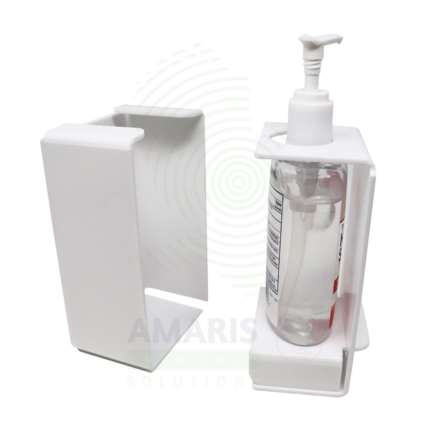
Disinfection Gel Bottle Holders are mounting brackets or cradles designed to securely hold alcohol-based hand sanitizer bottles in strategic, high-traffic locations throughout healthcare facilities. Constructed from durable materials including ABS plastic, polypropylene, stainless steel, or powder-coated metal, these holders are available in wall-mounted, freestanding, IV pole clamp, and cart-mount configurations. Secure-grip mechanisms including locking tabs, spring cradles, and strap closures prevent bottles from falling, tipping, or being removed while allowing easy access for dispensing. For the infection control practitioner and facility manager, standardized bottle holders enable consistent hand sanitizer placement at points of care, entrances, and patient rooms—supporting hand hygiene compliance with WHO, CDC, and Joint Commission guidelines. For the patient, visible, accessible hand sanitizer holders serve as constant reminders for healthcare workers and visitors to perform hand hygiene, reducing the risk of healthcare-associated infections and demonstrating the facility's commitment to safety.

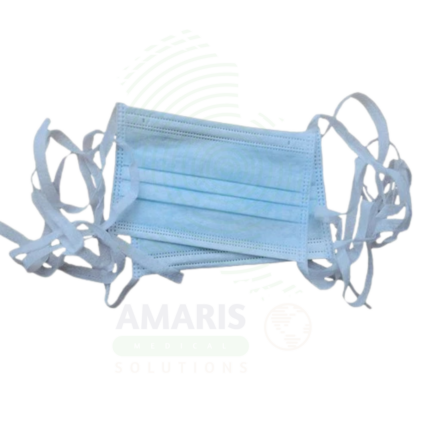
Disposable face masks
Disposable Face Masks are single-use, multi-layer coverings designed to provide barrier protection and source control in healthcare settings. Constructed from non-woven polypropylene with melt-blown filter layers, these masks offer bacterial filtration efficiency (BFE) of 95% or higher and are available in ASTM levels 1, 2, and 3 with varying fluid resistance. Featuring flexible nose pieces for custom fit and elastic ear loops or ties for secure fastening, they serve as a fundamental component of Standard Precautions—protecting healthcare workers and patients from respiratory droplets, splashes, and sprays during routine care, surgical procedures, and outbreak response. Essential for hospitals, clinics, dental offices, and long-term care facilities, disposable face masks are a cornerstone of infection prevention and control programs worldwide.

Disposable Sterile Surgical Gown
A Disposable Sterile Surgical Gown is a sterile, single-use barrier garment designed for the surgical team during invasive procedures. Providing fluid resistance and microbial barrier protection meeting AAMI Level standards, it protects both the patient and the surgical team from contamination. Essential for operating rooms and sterile procedures.
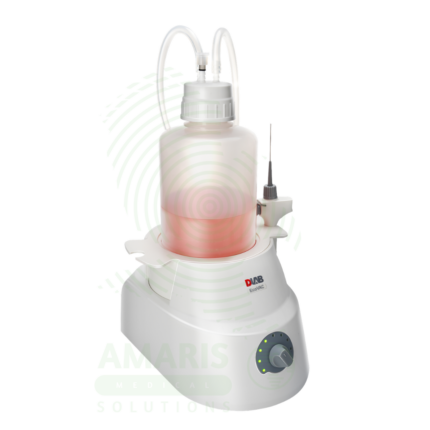
Economical Vacuum Aspirator (EcoVac)
The Economical Vacuum Aspirator (EcoVac) is a compact, user-friendly benchtop vacuum system designed for the safe and efficient disposal of liquid waste in modern biological, clinical, and research laboratories. An ideal alternative to connecting to noisy central vacuum lines or using cumbersome water aspirators, this dedicated system provides a reliable and versatile solution for aspirating supernatants, culture media, and wash buffers.
For the laboratory technician and biosafety officer, the EcoVac offers a critical safety feature: a hydrophobic filter in the collection bottle cap prevents the release of hazardous bioaerosols, protecting both personnel and sensitive experiments from cross-contamination. The system is engineered for ergonomic efficiency, featuring a lightweight handset that allows users to switch easily between "manual" and "continuous" aspiration modes. This dual-mode capability is essential for reducing hand fatigue during high-throughput tasks like clearing 96-well ELISA plates.
The unit's compact design (180×240×340 mm) allows it to fit comfortably on a benchtop, inside a biosafety cabinet, or even beneath the bench itself. Its powerful yet quiet brushless motor generates up to 500 mbar of vacuum and a liquid flow rate of 17 mL/s for fast waste removal. The system comes complete with a 2L autoclavable collection bottle and a versatile accessory kit including single and 8-channel needle probes and tip ejectors, providing compatibility with virtually any common lab consumable. For the patient, the EcoVac's robust safety features and efficient design ensure that diagnostic samples are processed in a consistent, sterile, and controlled manner, directly contributing to the accuracy and reliability of their test results.
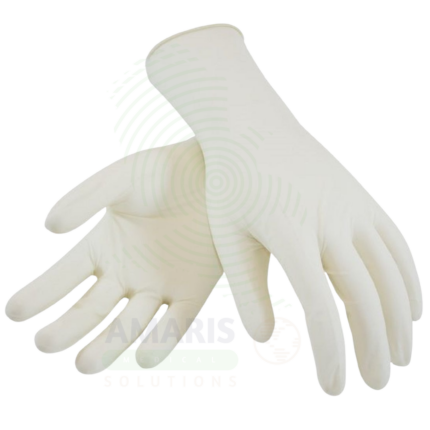
Latex Examination Gloves
Latex Examination Gloves are disposable, single-use gloves made from natural rubber latex, providing barrier protection against bloodborne pathogens and cross-contamination during patient examinations and non-sterile procedures. Offering superior elasticity, tactile sensitivity, and comfort, they are the standard for routine clinical care. Available in powdered and powder-free options, with textured fingertips for enhanced grip. Latex allergy precautions are essential, as natural rubber latex can cause allergic reactions in sensitive individuals. Proper sizing, hand hygiene, and single-use disposal are critical for effective infection control.
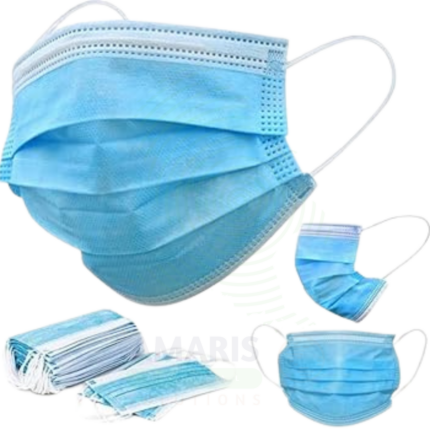
Medical Facemasks with Loop
Medical Facemasks with Loop are disposable, multi-layer masks designed for respiratory protection and source control in healthcare settings. Featuring elastic ear loops for easy application and a flexible nose piece for custom fit, they provide a barrier against respiratory droplets, splashes, and sprays. Essential for infection prevention in hospitals, clinics, and outpatient settings.
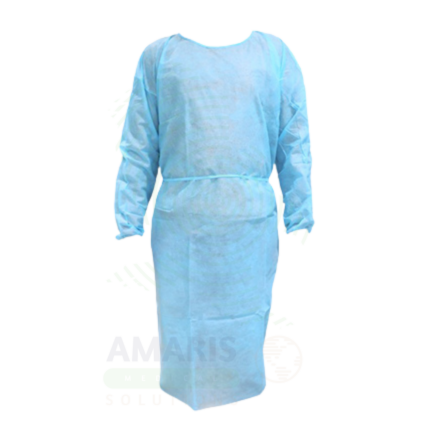
Surgical Gown
A Surgical Gown is a barrier garment worn by surgical personnel to maintain sterility and provide protection during invasive procedures. Available in sterile and non-sterile options with varying levels of fluid resistance (AAMI Levels 1-4), it protects both the surgical team and the patient from contamination. Essential for operating rooms and surgical suites.