Dermatoscope and Magnifiers
 Diagnostic Kits
 Vital Signs Monitors
 Stethoscopes and Accessories
 Otoscopes, Ophthalmoscopes, and Retinoscopes
 Reflex Hammers and Neurological Tools
 Scales and Measuring Devices
 Spirometers and Pulmonary Function Tests
 Electrosurgical Units and Accessories
 Cutting Instruments
 Grasping and Holding Instruments
 Hemostatic Instruments
 Specialized Surgical Sets
 Single-Use Procedure Trays and Packs
 Surgical Drapes, Gowns, and Covers
 Tissue Unifying Instruments
 Radiation Protection
 X-Ray Machines and Accessories
 Ultrasound Systems and Probes
 MRI and CT Scanners
 Radiology Consumables
 Bone Densitometers
 Fluoroscopy Equipment
 Imaging Tables and Positioning Aids
 Microscopes and Accessories
 Centrifuges and Separators
 Analyzers
 Incubators and Ovens
 Pipettes, Dispensers, and Lab Glassware
 Refrigerators, Freezers, and Storage Units
 Lab Consumables
 Sterilizers and Autoclaves for Lab Use
 Multi-Parameter Monitors
 Ventilators and Respiratory Support Devices
 Defibrillators and AEDs
 Infusion Pumps and IV Systems
 Patient Warmers and Cooling Devices
 Central Monitoring Stations
 Accessories
 Anesthesia Machines and Workstations
 Oxygen Concentrators and Delivery Systems
 Nebulizers and Inhalers
 CPAP/BiPAP Machines
 Airway Management
 Anesthesia Masks, Circuits, and Bags
 Humidifiers and Heaters
 Respiratory Therapy Accessories
 First Aid Kits and Cabinets
 Emergency Resuscitation Equipment
 Trauma Supplies
 Emergency Carts and Crash Carts
 Burn Care Products
 Bleeding Control
 Automated External Defibrillators (AEDs)
 Transport and Evacuation
 Wheelchairs and Accessories
 Walkers, Crutches, and Canes
 Prosthetics and Orthotics
 Physical Therapy Equipment
 Transfer Devices
 Bathroom Safety
 Orthopedic Traction and Tables
 Hot/Cold Therapy Packs and Units
 Beds and Mattresses
 Chairs and Stools
 Tables
 Cabinets and Storage
 Privacy Screens & Curtains
 Stands and Racks
 Linens and Textiles
 Lighting
 Autoclaves and Sterilizers
 Ultrasonic Cleaners
 Disinfectant Solutions and Wipes
 Sterilization Pouches, Wraps, and Indicators
 Instrument Trays and Containers
 UV and Ozone Disinfection Devices
 Washer Disinfectors
 Wound Care
 Gloves
 Masks and Respirators
 Catheters and Tubing
 Swabs, Applicators, and Sponges
 Incontinence Products
 Personal Protective Equipment (PPE)
 Dental Chairs and Units
 Handpieces and Burs
 Instruments
 Consumables
 Sterilization for Dental Use
 Orthodontic Supplies
 Endodontic Tools
 Slit Lamps and Tonometers
 Lensometers and Phoropters
 Ophthalmic Surgical Instruments
 Eyewear Frames and Lenses
 Contact Lens Supplies
 Vision Testing Charts and Devices
 Eye Care Consumables
 Laser Systems for Eye Care
 ENT Exam Chairs and Tables
 Endoscopes
 Audiometers and Hearing Tests
 ENT Instruments
 Nasal and Throat Packs
 Hearing Aids and Accessories
 Otology Supplies
 Fetal Dopplers and Monitors
 Delivery Beds and Tables
 Gynecological Instruments
 Neonatal Incubators and Warmers
 Breast Pumps and Accessories
 Contraceptive Devices
 Maternity Supports and Pads
 Neonatal Consumables
 Cystoscopes and Urethroscopes
 Dialysis Machines and Supplies
 Urological Catheters and Bags
 Lithotripters
 Prostate Treatment Devices
 Urinary Incontinence Products
 Kidney Stone Management Tools
 Consumables & Disposables
 EEG and EMG Machines
 Neurosurgical Instruments
 Nerve Stimulators
 Headrests and Positioning Aids
 Lumbar Puncture Kits
 Seizure Monitoring Devices
 Consumables
 Rehabilitation for Neurological Conditions
 ECG Machines and Accessories
 Holter Monitors
 Stress Test Systems
 Pacemakers and Defibrillator Accessories
 Vascular Access Devices
 Cardiac Catheters and Guidewires
 Blood Flow Meters
 Consumables
 Orthopedic Instruments
 Casts, Splints, and Padding
 Joint Replacement Supplies
 Prosthetic Limbs and Components
 Bone Grafts and Substitutes
 Traction Devices
 Orthopedic Braces and Supports
 Rehabilitation Aids for Orthopedics
 Home Oxygen Therapy
 Hospital Beds for Home Use
 Mobility Aids
 Bathroom and Daily Living Aids
 Wound Care for Home
 Monitoring Devices
 Enteral Feeding Pumps and Tubes
 Hand Sanitizers and Dispensers
 Face Shields and Goggles
 Isolation Gowns and Suits
 Biohazard Waste Containers
 Air Purifiers and HEPA Filters
 Surface Disinfectants
 Sharps Containers
 Protective Barriers
 Cardiovascular & Endurance Training
 Strength Training & Weightlifting
 Functional Training & Core Conditioning
 Physical Therapy & Rehabilitation
 Sports & Outdoor Recreation
 Gym Flooring & Facility Equipment
 Fitness Monitoring & Accessories
 Kids & Novelties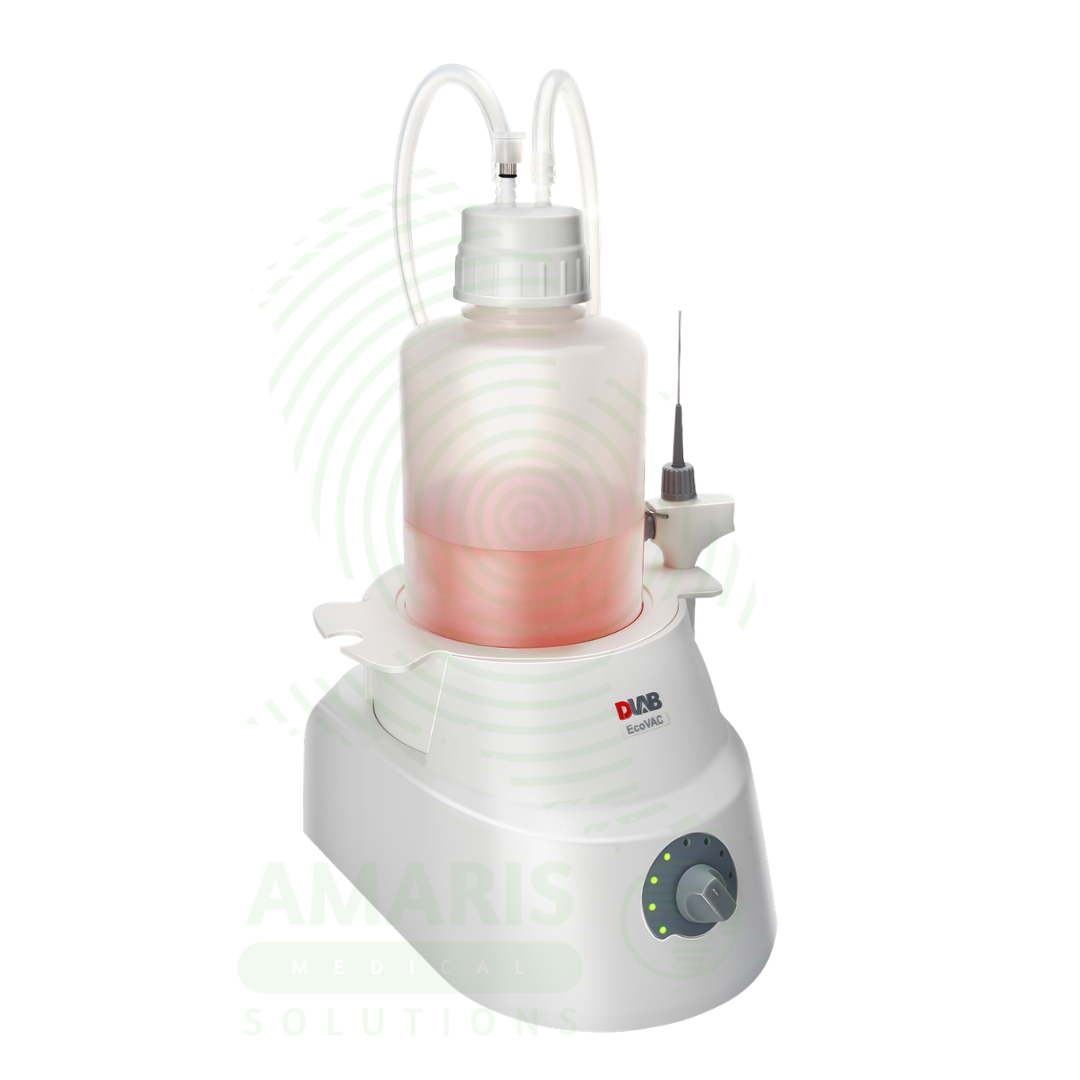

Economical Vacuum Aspirator (EcoVac)
WhatsApp Order
The Economical Vacuum Aspirator (EcoVac) is a compact, user-friendly benchtop vacuum system designed for the safe and efficient disposal of liquid waste in modern biological, clinical, and research laboratories. An ideal alternative to connecting to noisy central vacuum lines or using cumbersome water aspirators, this dedicated system provides a reliable and versatile solution for aspirating supernatants, culture media, and wash buffers.
For the laboratory technician and biosafety officer, the EcoVac offers a critical safety feature: a hydrophobic filter in the collection bottle cap prevents the release of hazardous bioaerosols, protecting both personnel and sensitive experiments from cross-contamination. The system is engineered for ergonomic efficiency, featuring a lightweight handset that allows users to switch easily between “manual” and “continuous” aspiration modes. This dual-mode capability is essential for reducing hand fatigue during high-throughput tasks like clearing 96-well ELISA plates.
The unit’s compact design (180×240×340 mm) allows it to fit comfortably on a benchtop, inside a biosafety cabinet, or even beneath the bench itself. Its powerful yet quiet brushless motor generates up to 500 mbar of vacuum and a liquid flow rate of 17 mL/s for fast waste removal. The system comes complete with a 2L autoclavable collection bottle and a versatile accessory kit including single and 8-channel needle probes and tip ejectors, providing compatibility with virtually any common lab consumable. For the patient, the EcoVac’s robust safety features and efficient design ensure that diagnostic samples are processed in a consistent, sterile, and controlled manner, directly contributing to the accuracy and reliability of their test results.
Description
Economical Vacuum Aspirator (EcoVac)
PRIMARY CLINICAL & DIAGNOSTIC USES
1. Safe and Efficient Liquid Waste Disposal in Cell Culture
-
Primary Use: Provides a compact, user-friendly benchtop vacuum aspiration system designed for the safe and efficient removal of liquid waste from cell culture vessels, microplates, and other laboratory containers, replacing traditional vacuum pumps for general aspiration duties .
-
How it helps: For the laboratory technician and cell biologist, the Economical Vacuum Aspirator (EcoVac) streamlines the removal of spent culture media, wash buffers, and supernatants, reducing the risk of spills and contamination. The system utilizes a powerful brushless motor that generates up to 500 mbar of vacuum and an impressive liquid flow rate of 17 mL/s, allowing for rapid removal of waste liquids . For the patient undergoing cell-based diagnostics or therapies, this efficient and safe waste removal process helps maintain a sterile and clean environment for cell cultures, ensuring the viability of cells used in diagnostic tests or the consistency of cell-based medical products.
2. Protection of Staff and Samples with Integrated Safety Features
-
Primary Use: Features a hydrophobic filter on the collection bottle outlet that effectively prevents aerosols and liquid contamination, safeguarding both laboratory personnel and sensitive experiments from biohazardous exposure .
-
How it helps: For the laboratory safety manager and clinical scientist, this built-in safety filter is critical when working with infectious or hazardous biological materials (e.g., virus samples, bacteria, patient blood). It traps microscopic aerosols that conventional pumps can generate, preventing them from being exhausted back into the laboratory environment or contaminating the vacuum source. For the patient, this safety feature ensures that diagnostic samples are processed in a clean, contaminant-free environment, reducing the risk of false-positive or cross-contamination errors in tests for infectious diseases.
3. Ergonomic Operation to Prevent Repetitive Strain Injury (RSI)
-
Primary Use: Features an ergonomic handset with a simple push-button mechanism that allows users to easily switch between “manual” and “continuous” aspiration modes, significantly reducing the risk of repetitive strain injury (RSI) .
-
How it helps: For the high-throughput laboratory staff, the ability to lock the aspirator into a continuous mode eliminates the need for constant hand force, dramatically reducing muscle fatigue during long hours of repetitive tasks like clearing hundreds of 96-well plates. This dual-mode operation improves ergonomics and overall workflow efficiency . For the patient, a less fatigued laboratory workforce is less prone to errors, directly contributing to the overall quality and consistency of their diagnostic results.
4. Versatile Liquid Handling with Autoclavable and Modular Components
-
Primary Use: Includes a comprehensive set of adapters, including single and 8-channel needles and tip ejectors, to accommodate a wide range of common laboratory consumables (e.g., serological pipettes, universal tips) .
-
How it helps: For the laboratory manager, the EcoVac’s flexibility reduces the need for multiple specialized aspirators. The system comes with adapters for aspirating with 1 mL and 200 µL tips, as well as single and 8-channel needles. Importantly, all parts that come into contact with liquid are autoclavable, allowing for effective sterilization and reuse, which minimizes waste and operating costs . For the patient, this assurance of a sterile and adaptable tool chain helps maintain the integrity of biological samples, preventing contamination that could invalidate clinical test results.
SECONDARY & SUPPORTIVE USES
1. Removal of Supernatants and Reagents in Molecular Biology: Used to aspirate wash buffers and solutions during RNA/DNA extraction and purification protocols (e.g., using spin columns) .
2. Clearance of Solutions from 96-well Microplates: Efficiently removes supernatant, wash buffer, and substrate solutions from ELISA, immunological, and other plate-based assays .
3. Liquid Waste Management in Histology and Pathology: Used to aspirate processing reagents, stains, and rinses from slides and tissue processing equipment .
4. General Supernatant Aspiration: Ideal for removing liquid above a settled solid or sediment (decanting) in various centrifugation and sample preparation protocols .
5. Handling of Liquid Chemical and Biological Wastes: Serves as a dedicated tool for the safe and convenient collection of non-hazardous liquid chemical and biological waste from benchtop experiments .
6. Maintenance of Water Baths and Instruments: Used to conveniently remove stagnant, dirty water from laboratory water baths or reservoirs during routine cleaning.
7. Reagent and Media Preparation: Aids in the removal of excess liquid during media or buffer preparation steps.
8. Quality Control in Pharmaceutical Labs: Used for aspirating QC samples, dissolution media, or other test solutions during the analysis of drug products.
9. Workflow Support in Blood Banks: Useful for aspirating test sera or samples during compatibility testing and other serological assays.
KEY PRODUCT FEATURES
1. BASIC IDENTIFICATION ATTRIBUTES
-
Device Type: A compact, economical desktop vacuum aspirator system used for the safe removal and collection of liquid laboratory waste, designed as an alternative to shared central vacuum lines or noisy pumps .
-
Designation: EcoVac Economical Vacuum Aspirator, 2L Bench-top Aspirator, Liquid Waste Disposal System, Vacuum Aspiration System, DLAB Economical Vacuum Aspirator (EcoVac) .
-
Key Components:
o Collection Bottle: A durable 2L graduated bottle for waste collection (a 1L bottle is also available with an adapter) .
o Vacuum Aspirator Handset: An ergonomic, lightweight handpiece with simple push-button controls for switching between manual and continuous aspiration modes .
o Multi-Function Adapters & Probes: A complete kit that includes single and 8-channel stainless steel needles, tip ejectors for 1mL and 200µL tips, and adapters for standard serological pipettes .
o Hydrophobic Filter: A replaceable filter integrated into the collection bottle cap that prevents aerosols and liquids from entering the vacuum system or the laboratory air .
o Main Unit with Control Knob: The body of the device housing the brushless diaphragm pump and a large knob for precisely adjusting the vacuum pressure (0-500 mbar) .
2. TECHNICAL & PERFORMANCE PROPERTIES
-
Vacuum Range: 0 - 500 mbar (adjustable) .
-
Aspiration/Air Flow Rate: 15 L/min .
-
Liquid Aspiration Flow Rate: 17 mL/s .
-
Collection Bottle Volume: 2 L standard, 1 L optional (with adaptor) .
-
Motor Type: Maintenance-free brushless DC motor for quiet and long-lasting operation .
-
Wetted Materials: Designed to be chemically resistant; all parts in contact with liquids are fully autoclavable .
-
Dimensions (W×D×H): 180 × 240 × 340 mm .
-
Weight: 2.8 kg .
-
Electrical: 100-220 VAC, 50/60 Hz .
-
Operational Noise: Low noise due to the brushless motor type .
3. PHYSICAL & OPERATIONAL PROPERTIES
-
Construction: The main body is a compact plastic unit designed to sit securely on or under a lab bench. The collection bottle is a high-strength autoclavable polymer .
-
User Interface: Simple, intuitive controls: a large knob for overall vacuum pressure adjustment and a push-button on the handset for switching between manual and continuous aspiration modes .
-
Safety Features: The hydrophobic filter is the primary safety feature, protecting users from aerosols. An optional level detection system is available to prevent overfilling of the collection bottle .
-
Portability & Installation: The unit is small and portable, requiring only an electrical outlet and no external compressed air or central vacuum hookup. It can be used on a benchtop, in a biosafety cabinet, or placed on the floor .
-
Maintenance: The system is designed for ease of maintenance. The collection bottle can be emptied and autoclaved, and the hydrophobic filter can be replaced as needed .
-
Autoclavability: All parts that contact liquids (including the collection bottle, probes, and adapter components) are fully autoclavable at 121°C .
4. SAFETY & COMPLIANCE ATTRIBUTES
-
Regulatory Status: General laboratory equipment for in vitro diagnostic (IVD) support. Not a medical device itself but used to prepare samples.
-
Containment: The hydrophobic filter is the key safety feature, effectively preventing the release of biohazardous aerosols into the work environment, thus protecting laboratory personnel .
-
Electrical Safety: Operates on low voltage with a certified AC adapter, ensuring safe operation in wet laboratory environments .
-
Chemical Resistance: The materials used are broadly chemically resistant, but users should confirm compatibility with their specific harsh reagents.
-
Noise Safety: The use of a brushless motor results in significantly lower noise levels compared to traditional oil-based vacuum pumps, creating a more comfortable work environment .
5. STORAGE & HANDLING ATTRIBUTES
-
Storage: The device can be stored on a bench or in a cabinet. The compact size (180×240×340 mm) allows it to be easily moved out of the way when not in use .
-
Cleaning: The exterior of the unit can be cleaned with a soft, damp cloth and mild detergent. The collection bottle and all aspirating components (probes, adapters) should be thoroughly rinsed and then autoclaved for sterilization.
-
Operation and Maintenance: Regularly check the hydrophobic filter for signs of moisture or saturation, as a saturated filter will reduce suction performance and must be replaced. Empty the collection bottle when it reaches the "max fill" line to prevent overflow.
-
Spill Management: If the collection bottle is overfilled or dropped, all contaminated components should be autoclaved and the external surfaces of the unit disinfected with an appropriate laboratory disinfectant.
SAFETY HANDLING PRECAUTIONS
1. FIRST AID MEASURES
-
Sample Splash: If a biological or chemical sample splashes onto the skin, wash immediately with soap and water. If a splash enters the eyes, flush with copious amounts of water for at least 15 minutes and seek medical attention.
-
Chemical Exposure: Refer to the relevant Safety Data Sheet (SDS) for the specific chemical being aspirated for detailed first-aid instructions.
-
Equipment Malfunction: If the aspirator loses suction, first check that the collection bottle cap is tightly sealed and that the hydrophobic filter is not saturated.
2. FIRE FIGHTING MEASURES
-
Flammability: The plastic components of the unit are combustible. The primary fire risk comes from the chemical reagents being aspirated.
-
Extinguishing Media: Use a fire extinguisher appropriate for the type of chemical reagents being used (e.g., dry chemical, CO₂, or alcohol-resistant foam).
-
Fire Response: Ventilate the area if possible and follow the laboratory's fire safety protocols.
Related products
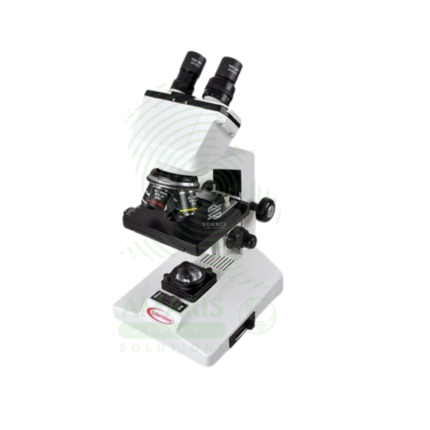
Binocular Microscope
A Binocular Microscope is a high-precision, compound optical instrument fundamental to clinical diagnostics. Featuring dual eyepieces for comfortable viewing and a suite of parfocal objective lenses (4x, 10x, 40x, 100x oil), it provides magnifications from 40x to 1000x. Its integrated LED illumination, mechanical stage, and Abbe condenser enable the detailed examination of stained blood films, tissue sections, microbiological specimens, and cytological preparations. As the primary tool for pathologists and laboratory scientists, it is indispensable for definitive diagnoses in hematology, histopathology, microbiology, and urinalysis, demanding skilled operation and meticulous maintenance for optimal performance.
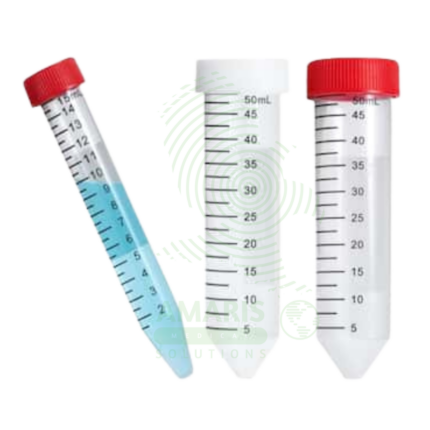
Centrifuge Tubes
Centrifuge Tubes are specialized disposable containers (polypropylene) designed to withstand high centrifugal forces (up to 30,000 x g) for separating biological fluids based on density. Available in microcentrifuge sizes (0.2-2.0 mL), conical tubes (15 mL, 50 mL), and larger volumes (100-500 mL). Features include leak-proof screw caps with O-rings (conical tubes), snap caps (microcentrifuge tubes), graduated volume markings, writing areas, and sterile/non-sterile options. Certified RNase/DNase-free, pyrogen-free, and autoclavable. Primary clinical applications include blood component separation (serum/plasma), urine sediment preparation, microbiology sample concentration, molecular biology (DNA/RNA extraction), cell culture processing, protein/enzyme analysis, and viral load testing. Critical safety precautions include never exceeding maximum RCF rating, proper balancing by weight, secure cap tightening, inspection for cracks, and disposal as biohazardous waste. Essential consumable in every clinical, research, and industrial laboratory.
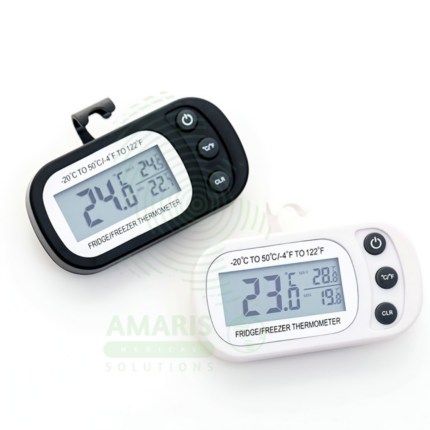
Fridge Thermometer
A Fridge Thermometer is a precision temperature monitoring device designed for continuous use inside medical and laboratory refrigerators and freezers. Its primary role is to safeguard the potency of vaccines, medications, and biological samples by ensuring storage temperatures remain within a critical specified range (e.g., +2°C to +8°C). Available in analog or digital formats, accurate models with memory functions are essential for compliance with cold chain protocols, requiring daily monitoring, logging, and regular calibration. It is a fundamental quality control tool in pharmacies, clinics, immunization centers, and laboratories.
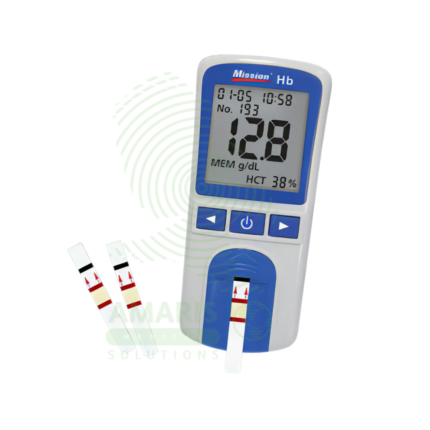
Hemoglobin Meter
A Hemoglobin Meter is a Class II medical device (FDA-cleared, CE-marked) for quantitative point-of-care measurement of hemoglobin concentration in capillary or venous blood, providing results in 5-60 seconds from a 5-20 µL sample. The meter uses photometric, electrochemical, or conductivity technology to measure hemoglobin, with accuracy ±0.3-0.5 g/dL compared to reference methods. Features include backlit LCD display, memory storage for 100-1000 results, USB/Bluetooth connectivity for data transfer, and compatibility with single-use disposable cuvettes or test strips. Primary clinical applications include anemia screening and diagnosis (WHO criteria), preoperative assessment and surgical planning, antenatal care and maternal health monitoring, malaria-endemic region screening, chronic disease management (CKD, IBD, cancer), nutritional assessment and intervention programs, and blood donor screening. Critical safety precautions include single-use lancets, proper hand hygiene, correct sample application, quality control with control solutions, proper cuvette storage (protect from heat, light, humidity), and never using expired cuvettes. Essential point-of-care device for hemoglobin testing in hospitals, clinics, community health programs, and blood donation centers.
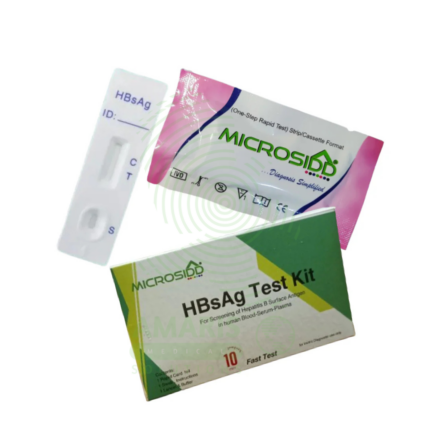
Hepatitis B Test Kit
The Hepatitis B Test Kit is an in vitro diagnostic device for the detection of Hepatitis B virus markers in human blood samples, available in rapid, ELISA, and molecular formats. It detects specific antigens (HBsAg) and antibodies (anti-HBc, anti-HBs) to diagnose acute and chronic infection, monitor treatment response, screen blood donations, and determine immunity status. With high sensitivity (>98%) and specificity (>99%), it provides results in 15 minutes to 4 hours depending on format. Essential applications include prenatal screening to prevent mother-to-child transmission, evaluation of acute hepatitis, pre-immunosuppression screening, and occupational health testing. All patient samples must be handled with universal precautions, and testing must include appropriate quality controls.
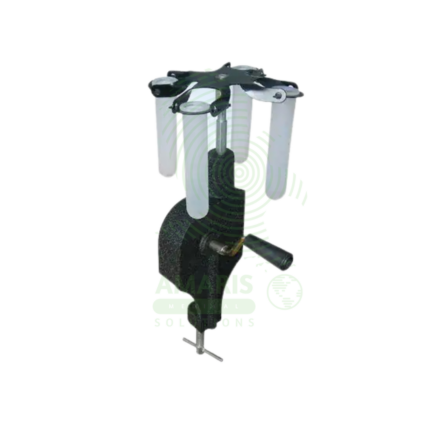
Manual Centrifuge
A Manual Centrifuge (hand-powered) is a non-electric mechanical device for separating fluids based on density, designed for use in field clinics, remote health posts, and developing world settings where electricity is unavailable or unreliable. Operated by hand crank, pull-cord, or foot pedal, achieving speeds of 1,000-4,000 RPM and RCF up to 1,500 x g. Accepts standard blood collection tubes (2-5 mL), microhematocrit tubes, and small centrifuge tubes. Primary clinical applications include separation of serum/plasma for basic diagnostic testing, urine sediment concentration for microscopy, microhematocrit determination for anemia screening, concentration of parasites for malaria and other vector-borne disease diagnosis, field epidemiology and outbreak investigation, veterinary medicine in rural settings, and teaching in resource-limited institutions. Critical safety precautions include meticulous balancing of tubes by weight (absolutely essential), never exceeding maximum rated speed, using appropriate PPE (no aerosol containment), regular inspection of gears and rotor for wear, and proper training of operators. Essential equipment for basic laboratory capabilities in low-resource and field settings.
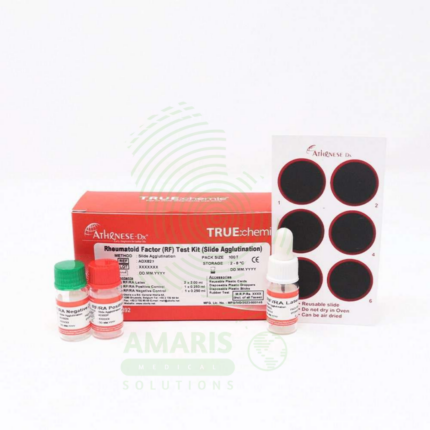
Rheumatoid factor
Rheumatoid Factor (RF) testing is a quantitative or semi-quantitative serological assay (nephelometry, turbidimetry, latex agglutination, or ELISA) for detecting autoantibodies against the Fc portion of immunoglobulin G, primarily of the IgM isotype. RF is a key marker in the ACR/EULAR classification criteria for rheumatoid arthritis, with sensitivity 60-80% and specificity 70-90%. Test requires serum samples; results reported in IU/mL (reference <15-20 IU/mL) or titer. Primary clinical applications include diagnosis and classification of rheumatoid arthritis, prognostic assessment (high-titer RF correlates with severe, erosive disease), differential diagnosis of inflammatory arthritis, monitoring disease activity, diagnosis of Sjögren's syndrome, evaluation of mixed cryoglobulinemia (hepatitis C-associated), and assessment of other autoimmune and chronic inflammatory conditions. Critical safety precautions include awareness of false positives (other autoimmune diseases, chronic infections, healthy elderly), false negatives (seronegative RA 20-30%), need for clinical correlation, and anti-CCP antibody testing to improve diagnostic accuracy. Essential test for rheumatology practice, autoimmune disease evaluation, and differential diagnosis of inflammatory arthritis.