Dermatoscope and Magnifiers
 Diagnostic Kits
 Vital Signs Monitors
 Stethoscopes and Accessories
 Otoscopes, Ophthalmoscopes, and Retinoscopes
 Reflex Hammers and Neurological Tools
 Scales and Measuring Devices
 Spirometers and Pulmonary Function Tests
 Electrosurgical Units and Accessories
 Cutting Instruments
 Grasping and Holding Instruments
 Hemostatic Instruments
 Specialized Surgical Sets
 Single-Use Procedure Trays and Packs
 Surgical Drapes, Gowns, and Covers
 Tissue Unifying Instruments
 Radiation Protection
 X-Ray Machines and Accessories
 Ultrasound Systems and Probes
 MRI and CT Scanners
 Radiology Consumables
 Bone Densitometers
 Fluoroscopy Equipment
 Imaging Tables and Positioning Aids
 Microscopes and Accessories
 Centrifuges and Separators
 Analyzers
 Incubators and Ovens
 Pipettes, Dispensers, and Lab Glassware
 Refrigerators, Freezers, and Storage Units
 Lab Consumables
 Sterilizers and Autoclaves for Lab Use
 Multi-Parameter Monitors
 Ventilators and Respiratory Support Devices
 Defibrillators and AEDs
 Infusion Pumps and IV Systems
 Patient Warmers and Cooling Devices
 Central Monitoring Stations
 Accessories
 Anesthesia Machines and Workstations
 Oxygen Concentrators and Delivery Systems
 Nebulizers and Inhalers
 CPAP/BiPAP Machines
 Airway Management
 Anesthesia Masks, Circuits, and Bags
 Humidifiers and Heaters
 Respiratory Therapy Accessories
 First Aid Kits and Cabinets
 Emergency Resuscitation Equipment
 Trauma Supplies
 Emergency Carts and Crash Carts
 Burn Care Products
 Bleeding Control
 Automated External Defibrillators (AEDs)
 Transport and Evacuation
 Wheelchairs and Accessories
 Walkers, Crutches, and Canes
 Prosthetics and Orthotics
 Physical Therapy Equipment
 Transfer Devices
 Bathroom Safety
 Orthopedic Traction and Tables
 Hot/Cold Therapy Packs and Units
 Beds and Mattresses
 Chairs and Stools
 Tables
 Cabinets and Storage
 Privacy Screens & Curtains
 Stands and Racks
 Linens and Textiles
 Lighting
 Autoclaves and Sterilizers
 Ultrasonic Cleaners
 Disinfectant Solutions and Wipes
 Sterilization Pouches, Wraps, and Indicators
 Instrument Trays and Containers
 UV and Ozone Disinfection Devices
 Washer Disinfectors
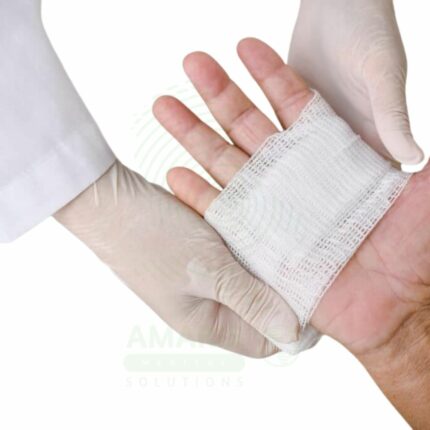
 Wound Care
 Gloves
 Masks and Respirators
 Catheters and Tubing
 Swabs, Applicators, and Sponges
 Incontinence Products
 Personal Protective Equipment (PPE)
 Dental Chairs and Units
 Handpieces and Burs
 Instruments
 Consumables
 Sterilization for Dental Use
 Orthodontic Supplies
 Endodontic Tools
 Slit Lamps and Tonometers
 Lensometers and Phoropters
 Ophthalmic Surgical Instruments
 Eyewear Frames and Lenses
 Contact Lens Supplies
 Vision Testing Charts and Devices
 Eye Care Consumables
 Laser Systems for Eye Care
 ENT Exam Chairs and Tables
 Endoscopes
 Audiometers and Hearing Tests
 ENT Instruments
 Nasal and Throat Packs
 Hearing Aids and Accessories
 Otology Supplies
 Fetal Dopplers and Monitors
 Delivery Beds and Tables
 Gynecological Instruments
 Neonatal Incubators and Warmers
 Breast Pumps and Accessories
 Contraceptive Devices
 Maternity Supports and Pads
 Neonatal Consumables
 Cystoscopes and Urethroscopes
 Dialysis Machines and Supplies
 Urological Catheters and Bags
 Lithotripters
 Prostate Treatment Devices
 Urinary Incontinence Products
 Kidney Stone Management Tools
 Consumables & Disposables
 EEG and EMG Machines
 Neurosurgical Instruments
 Nerve Stimulators
 Headrests and Positioning Aids
 Lumbar Puncture Kits
 Seizure Monitoring Devices
 Consumables
 Rehabilitation for Neurological Conditions
 ECG Machines and Accessories
 Holter Monitors
 Stress Test Systems
 Pacemakers and Defibrillator Accessories
 Vascular Access Devices
 Cardiac Catheters and Guidewires
 Blood Flow Meters
 Consumables
 Orthopedic Instruments
 Casts, Splints, and Padding
 Joint Replacement Supplies
 Prosthetic Limbs and Components
 Bone Grafts and Substitutes
 Traction Devices
 Orthopedic Braces and Supports
 Rehabilitation Aids for Orthopedics
 Home Oxygen Therapy
 Hospital Beds for Home Use
 Mobility Aids
 Bathroom and Daily Living Aids
 Wound Care for Home
 Monitoring Devices
 Enteral Feeding Pumps and Tubes
 Hand Sanitizers and Dispensers
 Face Shields and Goggles
 Isolation Gowns and Suits
 Biohazard Waste Containers
 Air Purifiers and HEPA Filters
 Surface Disinfectants
 Sharps Containers
 Protective Barriers
 Cardiovascular & Endurance Training
 Strength Training & Weightlifting
 Functional Training & Core Conditioning
 Physical Therapy & Rehabilitation
 Sports & Outdoor Recreation
 Gym Flooring & Facility Equipment
 Fitness Monitoring & Accessories
 Kids & Novelties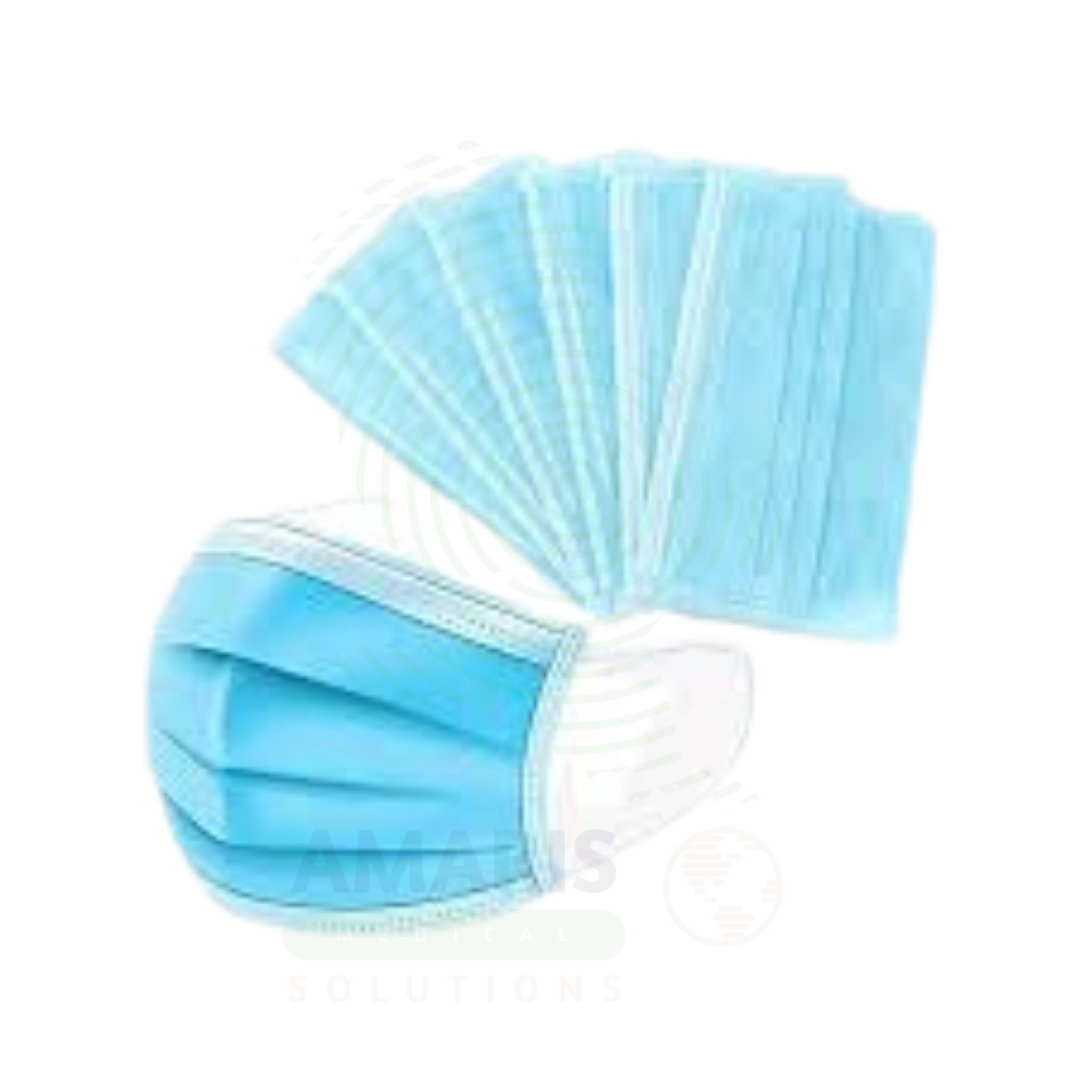

Disposable face masks
$1.00
WhatsApp Order
Disposable Face Masks are single-use, multi-layer coverings designed to provide barrier protection and source control in healthcare settings. Constructed from non-woven polypropylene with melt-blown filter layers, these masks offer bacterial filtration efficiency (BFE) of 95% or higher and are available in ASTM levels 1, 2, and 3 with varying fluid resistance. Featuring flexible nose pieces for custom fit and elastic ear loops or ties for secure fastening, they serve as a fundamental component of Standard Precautions—protecting healthcare workers and patients from respiratory droplets, splashes, and sprays during routine care, surgical procedures, and outbreak response. Essential for hospitals, clinics, dental offices, and long-term care facilities, disposable face masks are a cornerstone of infection prevention and control programs worldwide.
Description
Disposable Face Masks
PRIMARY CLINICAL & DIAGNOSTIC USES
1. Source Control to Prevent Respiratory Droplet Transmission
-
Primary Use: Worn over the nose and mouth to contain respiratory droplets expelled by the wearer, preventing transmission of respiratory pathogens to patients, colleagues, and the environment during routine patient care.
-
How it helps: For the healthcare worker, the disposable face mask serves as a critical source control measure—containing droplets from coughs, sneezes, and speaking that could otherwise transmit influenza, RSV, COVID-19, and other respiratory pathogens to vulnerable patients. For the patient, particularly those who are immunocompromised or undergoing treatment, a masked healthcare worker provides assurance that the care they receive will not inadvertently expose them to life-threatening respiratory infections.
2. Protection Against Splashes and Sprays
-
Primary Use: Provides a barrier protection for the wearer’s mucous membranes (nose and mouth) against accidental splashes, sprays, and droplets of blood, body fluids, and secretions during patient care activities.
-
How it helps: For the nurse, physician, and dental professional, the face mask protects against unexpected splashes during procedures such as wound irrigation, suctioning, intubation, dental cleaning, and surgical interventions—reducing the risk of occupational exposure to bloodborne and respiratory pathogens. For the patient, this protection ensures that the clinician can focus on providing care without interruption or concern for personal exposure.
3. Protection During Aerosol-Generating Medical Procedures
-
Primary Use: Provides essential barrier protection during aerosol-generating procedures such as intubation, bronchoscopy, nebulized medication administration, and suctioning, where infectious particles become suspended in the air.
-
How it helps: For the respiratory therapist, anesthesiologist, and emergency physician, the face mask—often used in combination with eye protection—provides critical defense against inhalation of infectious aerosols generated during high-risk procedures. For the patient undergoing these procedures, proper masking of the healthcare team ensures that the procedure can be performed safely without introducing additional infection risk.
4. Standard Precautions Compliance
-
Primary Use: Serves as a fundamental component of Standard Precautions, the infection control practice required for all patient care activities where contact with respiratory secretions or mucous membranes is anticipated.
-
How it helps: For the infection control practitioner and healthcare facility leadership, disposable face masks enable consistent compliance with Standard Precautions across all clinical areas—creating a unified safety culture that protects both patients and staff. For the patient, this standardization means that regardless of which unit they are in or which clinician they see, basic infection prevention practices are consistently followed.
SECONDARY & SUPPORTIVE USES
1. Surgical and Procedural Asepsis: Used in operating rooms and procedure areas to maintain the sterile field by containing the surgical team’s respiratory droplets and preventing contamination of surgical sites.
-
For the surgeon and operating room staff, sterile or high-filtration surgical masks are essential for maintaining the sterility of the surgical field—reducing the risk of surgical site infections that can have devastating consequences. For the patient undergoing surgery, the surgical team’s masks represent a critical layer of protection against post-operative infection.
2. Dental and Oral Healthcare: Essential for dental professionals during examinations, cleanings, and procedures where close contact with the patient’s mouth and aerosol generation is unavoidable.
-
For the dentist and dental hygienist, face masks provide dual protection—containing the clinician’s respiratory droplets while protecting against splashes of saliva, blood, and dental materials. For the dental patient, seeing their provider properly masked provides confidence in the safety of their dental care.
3. Isolation Precautions and Outbreak Response: Used in combination with other PPE when caring for patients on droplet or contact precautions during respiratory virus outbreaks.
-
For the nurse and infection control team, disposable face masks are the first line of defense during outbreaks of influenza, RSV, COVID-19, and other respiratory pathogens—enabling continued safe patient care even during periods of high community transmission. For the patient, this ensures that healthcare remains accessible and safe even during public health emergencies.
4. Laboratory and Pathology Safety: Worn by laboratory personnel when handling specimens that may contain respiratory pathogens or when performing procedures that may generate aerosols.
-
For the medical laboratory scientist and pathologist, face masks provide protection during specimen processing, centrifugation, and other laboratory activities where exposure to infectious materials is possible. For the patient, this ensures that diagnostic testing can be performed safely and accurately.
5. Pharmacy Compounding (Non-Sterile): Used by pharmacy staff during preparation of hazardous drugs and non-sterile compounding to protect against inhalation of powders and aerosols.
-
For the pharmacist and pharmacy technician, face masks provide respiratory protection during preparation of medications that may generate airborne particles. For the patient, this ensures that medications are prepared safely by protected personnel.
6. Patient Transport: Worn by transport staff when moving patients with suspected or confirmed respiratory infections between units or to diagnostic areas.
-
For the patient transport technician, face masks provide protection during close contact with patients in confined spaces such as elevators and hallways. For the patient being transported, a masked transporter reduces the risk of transmission to other patients encountered during transit.
7. Visitor and Family Member Protection: Provided to visitors and family members to reduce their risk of acquiring infections from patients or transmitting infections to patients.
-
For the infection control practitioner and nursing staff, providing masks to visitors helps create a safer environment for all—protecting vulnerable patients from infections visitors may unknowingly carry. For the family member visiting a loved one, a mask provides peace of mind and demonstrates the facility’s commitment to safety.
8. Emergency Medical Services and Pre-Hospital Care: Used by paramedics and EMTs during patient assessment, treatment, and transport in the pre-hospital setting.
-
For the paramedic and emergency medical technician, face masks provide essential protection during close patient contact in confined ambulance environments—where ventilation is limited and exposure risk is high. For the patient in the community, this ensures that emergency responders can provide care safely without becoming vectors of disease transmission.
9. Mass Vaccination and Testing Clinics: Used during public health campaigns for mass vaccination, COVID-19 testing, and other large-scale health interventions.
-
For the public health nurse and clinic coordinator, disposable face masks enable safe operation of high-volume clinics where thousands of individuals interact with healthcare staff. For the community member attending these clinics, masking provides reassurance that their health and safety are prioritized.
KEY PRODUCT FEATURES
1. BASIC IDENTIFICATION ATTRIBUTES
-
Device Type: A disposable, single-use covering worn over the nose and mouth to provide barrier protection and source control in healthcare and public settings.
-
Designation: Disposable Face Mask, Procedure Mask, Surgical Mask, Isolation Mask, Medical Mask, Ear Loop Mask, Tie-On Mask, Fluid-Resistant Mask.
-
Key Components:
o Mask Body: Multi-layer construction of non-woven polypropylene or similar material.
o Outer Layer: Fluid-resistant hydrophobic layer to repel splashes and sprays.
o Middle Layer: Melt-blown filter layer for particle filtration.
o Inner Layer: Soft, absorbent hydrophilic layer for comfort against skin.
o Nose Piece: Flexible metal or plastic strip for custom fit across the bridge of the nose.
o Fastening Method: Ear loops (elastic) or ties (woven fabric) for securing to head.
2. TECHNICAL & PERFORMANCE PROPERTIES
-
Filtration Efficiency: Bacterial filtration efficiency (BFE) typically ≥95% for surgical masks; particulate filtration efficiency (PFE) varies by grade.
-
Fluid Resistance: Available in levels: low (80 mmHg), moderate (120 mmHg), and high (160 mmHg) for splash protection.
-
Layers: Typically 3-ply (three layers) construction; some are 4-ply for enhanced filtration.
-
Materials: Non-woven polypropylene, melt-blown fabric, spun-bond fabric.
-
Nose Piece: Aluminum or plastic strip for conformable fit.
-
Fasteners: Elastic ear loops (most common) or woven ties (for surgical settings).
-
Sizes: Adult standard, adult small/pediatric, child, and infant sizes available.
-
Sterility: Non-sterile for general use; sterile options available for specific surgical applications.
-
Latex-Free: Manufactured without natural rubber latex to accommodate latex allergies.
3. PHYSICAL & OPERATIONAL PROPERTIES
-
Construction: Pleated design allows expansion to fit facial contours and create breathing chamber.
-
Color: Typically blue, white, green, pink, black, or yellow for identification or preference.
-
Packaging: Individually wrapped or bulk packaged (50, 100, 500 per box).
-
Breathability: Designed to balance filtration efficiency with breathability for wearer comfort.
-
Disposal: Single-use only; dispose after each patient encounter or when soiled, wet, or damaged.
-
Compatibility: Can be worn alone or with face shields, goggles, or other PPE.
4. SAFETY & COMPLIANCE ATTRIBUTES
-
Regulatory Status: Class I or Class II medical device depending on claims; surgical masks require 510(k) clearance.
-
FDA Standards: Compliant with FDA guidance for surgical masks (21 CFR 878.4040).
-
ASTM Standards: ASTM F2100 (Standard Specification for Performance of Materials Used in Medical Face Masks) with levels 1, 2, or 3.
-
EN Standards: EN 14683 (European standard for medical face masks) with Type I, Type II, or Type IIR.
-
BFE Rating: Bacterial filtration efficiency reported; typically ≥95% for surgical masks.
-
Fluid Resistance Rating: ASTM Level 1 (low), Level 2 (moderate), Level 3 (high).
-
Flammability: Class 1 (normal flammability) per 16 CFR 1610.
-
Latex-Free: Standard in most disposable face masks.
5. STORAGE & HANDLING ATTRIBUTES
-
Storage: Store in a clean, dry location at room temperature; protect from moisture, dust, and direct sunlight.
-
Shelf Life: Typically 2-3 years from date of manufacture; check expiration date before use.
-
Sterility Maintenance: For sterile masks, do not use if package is opened, torn, or damaged.
-
Inspection: Inspect for tears, holes, or damage before use; discard if compromised.
-
Bulk Storage: Keep in original packaging until ready for use to maintain cleanliness.
6. LABORATORY & CLINICAL APPLICATIONS
-
Primary Application: Source control and barrier protection against respiratory droplets, splashes, and sprays during patient care, surgical procedures, and healthcare activities.
-
Clinical Role: Essential personal protective equipment in hospitals, clinics, operating rooms, emergency departments, dental offices, long-term care facilities, outpatient centers, and community health settings. Fundamental component of Standard Precautions and infection control programs.
SAFETY HANDLING PRECAUTIONS
1. SAFETY PRECAUTIONS
-
Proper Fit: Ensure mask covers nose and mouth completely; mold nose piece to bridge of nose for secure fit; avoid gaps at sides.
-
Donning: Perform hand hygiene before donning mask; avoid touching the front of the mask during wear.
-
Single-Use Only: Intended for single use; do not reuse, wash, or disinfect disposable masks.
-
Change Frequency: Change mask if it becomes wet, soiled, damaged, or after each patient encounter.
-
Do Not Touch: Avoid touching the front of the mask while wearing; if touched, perform hand hygiene immediately.
-
Removal: Remove by handling only the ear loops or ties; discard immediately; perform hand hygiene after removal.
-
Not a Respirator: Disposable face masks do not provide the same level of protection as N95 respirators; do not use for airborne precautions or when high-efficiency filtration is required.
-
Respiratory Protection: For procedures generating aerosols or when caring for patients with airborne diseases (tuberculosis, measles, varicella), use NIOSH-approved N95 respirators or higher.
-
Combination with Eye Protection: Use with face shield or goggles when splashes or sprays are anticipated.
-
Storage Between Uses: Do not store in pockets or around neck; discard after removal.
2. FIRST AID MEASURES
-
Mask Tear During Use: If mask tears during patient care, carefully remove, discard, perform hand hygiene, and don a new mask.
-
Respiratory Distress: If wearer experiences difficulty breathing while masked, remove mask, assess, and consider alternative respiratory protection if needed.
-
Skin Irritation: If skin irritation occurs from mask material or friction, discontinue use of that brand or style; consider alternative materials.
-
Allergic Reaction: If signs of allergic reaction occur (rash, hives, difficulty breathing), remove mask immediately, seek medical evaluation, and consider alternative mask materials.
3. FIRE FIGHTING MEASURES
-
Flammability: Disposable face masks are combustible; may burn if exposed to flame or high heat.
-
Extinguishing Media: Use water, foam, dry chemical, or CO₂ for fire involving masks.
-
Fire Response: Masks present no special fire hazard beyond typical combustible materials.
-
Oxygen Use: Caution when wearing masks in oxygen-enriched environments; mask materials may ignite more readily.
Related products
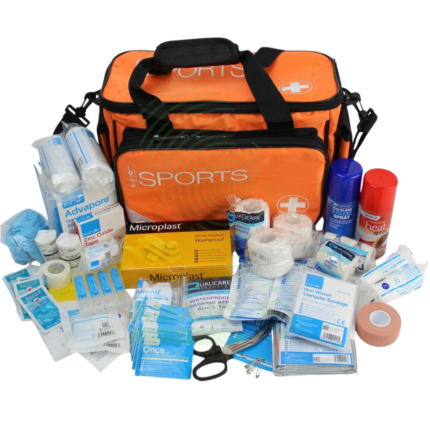
First Aid Kit For Sporting Places
A First Aid Kit for Sporting Places is a portable, organized medical kit specifically designed for the types and frequencies of injuries encountered in athletic and sporting environments. Available in various configurations including sideline kits for team use, personal sports pouches, team travel kits, and wall-mounted cabinets for gymnasiums. Constructed from ballistic nylon, polyester, ABS plastic, or aluminum with organized interior compartments, pouches, and elastic loops for rapid access to supplies. Contains sport-specific medical supplies including wound care materials, elastic bandages, instant cold packs, splinting materials, eye wash, blister care, concussion assessment tools, and personal protective equipment. Primary clinical applications include immediate treatment of common sports injuries (sprains, strains, contusions, abrasions, lacerations), concussion assessment, bleeding control, heat illness management, eye injury care, and emergency action plan implementation. Essential equipment for athletic teams, schools, fitness centers, recreational facilities, and sporting events, providing organized, accessible medical supplies for athlete safety and injury management.
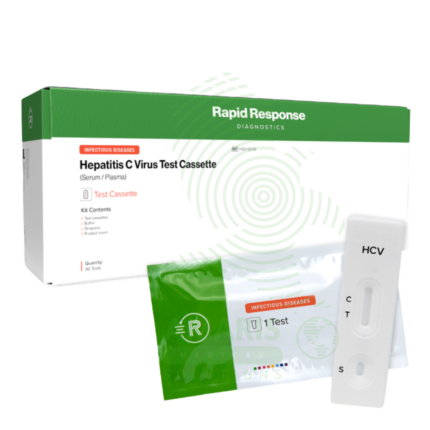
Hepatitis C Test Kit
The Hepatitis C Test Kit is an in vitro diagnostic device for the detection of Hepatitis C virus antibodies or RNA in human blood, serum, or plasma samples. Available in rapid, laboratory immunoassay, and molecular formats, it screens for HCV infection, confirms active infection with RNA testing, and monitors treatment response. With high sensitivity and specificity exceeding 99%, it is essential for identifying infected individuals, linking them to curative direct-acting antiviral therapy, and confirming cure. Essential applications include risk-based screening of high-risk populations, birth cohort screening of baby boomers, evaluation of acute hepatitis, management of occupational exposures, and monitoring of antiviral therapy that can cure over 95% of infections. All patient samples must be handled with universal precautions, and positive antibody results require confirmatory testing.
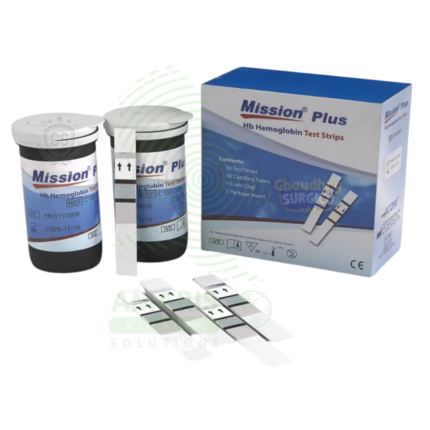
Mission plus strips
Mission Plus Strips are single-use, disposable electrochemical test strips (ISO 15197:2013 compliant) designed exclusively for use with Mission Plus glucose meters to measure capillary blood glucose from 0.5-1.0 µL samples in 5-7 seconds. Each strip contains glucose oxidase or glucose dehydrogenase reagents that generate electrical current proportional to glucose concentration (20-600 mg/dL range). Packaging options include multi-strip vials (25-100 strips) with desiccant for daily use or individually foil-wrapped strips for travel. Strips feature no-coding automatic calibration, hematocrit compensation (20-60%), and interference resistance. Primary clinical applications include daily blood glucose testing for Type 1, Type 2, and gestational diabetes management, hypoglycemia and hyperglycemia detection, pre- and post-meal glucose assessment, and hospital point-of-care testing. Critical safety precautions include single-use only, immediate vial closure after strip removal to prevent humidity damage, storage at 2-30°C away from bathrooms and temperature extremes, never using expired strips, proper hand hygiene before testing, and disposal in sharps containers. Essential consumable for diabetes self-management when used with Mission Plus meters.
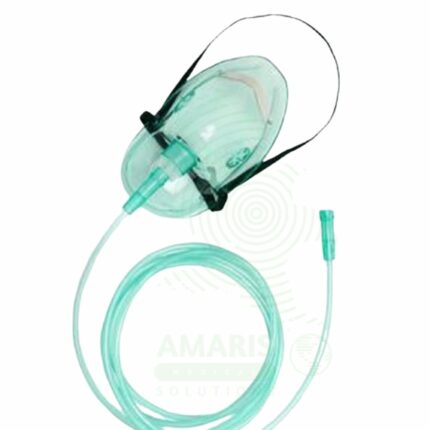
Oxygen Mask (Adult/Infant/Paediatric)
An Oxygen Mask is a disposable, single-use interface used to deliver supplemental oxygen from a medical gas supply to a patient's airways. Available in types for specific clinical needs—Simple Mask for low-flow therapy, Venturi Mask for precise FiO2 control (especially in COPD), and Non-Rebreather Mask for emergency high-flow delivery—and in sizes for adults, children, and infants. Correct selection and application, including ensuring the proper oxygen flow rate for the mask type, are essential for effective therapy and patient safety. Adherence to strict fire safety protocols is non-negotiable due to the combustion risk posed by enriched oxygen environments.
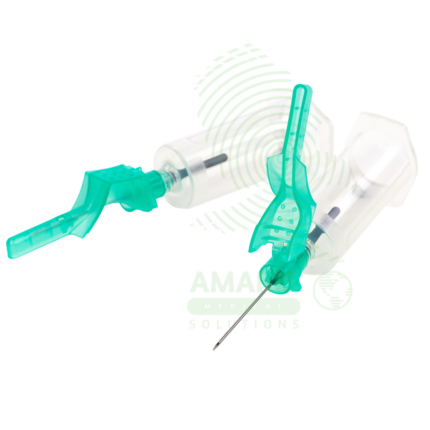
SAFE SERIES Blood Collection Needles
The SAFE SERIES (AM-SAFE) by Beijing Precil (Mindray subsidiary) is a comprehensive line of safety-engineered blood collection devices designed to prevent accidental needlestick injuries in healthcare workers. The series includes venous blood collection needles (AM-SAFE-V), standard safety needles (AM-SAFE1), winged infusion sets/butterfly needles (AM-SAFE2), high-gauge thin-wall needles for fragile veins (AM-SAFE3), premium coated needles for enhanced patient comfort (AM-GOLD), and nurse-friendly one-handed safety variants (AM-NURSE). All devices incorporate integral safety mechanisms that shield the contaminated needle immediately after withdrawal, complying with OSHA Needlestick Safety and Prevention Act requirements. Available in various gauges (18G-25G) and configurations for routine venipuncture, difficult vein access, pediatric/geriatric patients, and frequent blood draws. Sterile, single-use, latex-free, and color-coded for easy gauge identification. Essential safety devices for blood collection in hospitals, clinics, laboratories, and home healthcare settings.
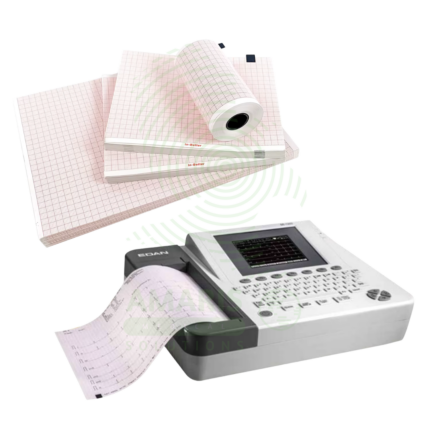
Thermal Printing Paper Roll
Thermal Printing Paper Roll is a heat-sensitive recording medium used with medical monitoring and diagnostic equipment including ECG machines, fetal monitors, ultrasound printers, and telemetry systems. The paper produces high-contrast, permanent images of physiological waveforms and data when passed over the printer's thermal head. Available in various widths, lengths, and grid patterns to match specific device requirements, it is an essential consumable for creating hard copy records for patient charts, consultation, and legal documentation. Proper storage away from light, heat, and moisture is essential to preserve image quality. BPA-free and archival-grade options are available for specific applications.
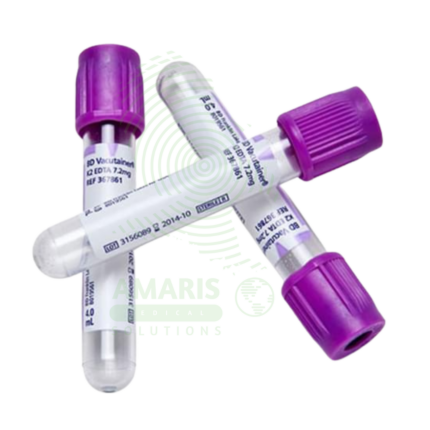
Vacutainer (EDTA/PLAIN)
Vacutainer (EDTA/PLAIN) is a sterile, evacuated blood collection tube (lavender/purple top) containing EDTA anticoagulant (K2EDTA or K3EDTA, 1.5-2.0 mg/mL blood) for hematology, blood banking, flow cytometry, and molecular diagnostics. Available in draw volumes 2-10 mL, glass or PET plastic, with color-coded stopper and sterile interior. EDTA chelates calcium, preventing coagulation while preserving cellular morphology. Primary clinical applications include complete blood count (CBC) and differential, blood typing and antibody screening (ABO/Rh, Coombs), hemoglobin A1c (HbA1c) testing, flow cytometry and immunophenotyping (CD4 counts), molecular diagnostics and PCR testing, sickle cell screening and hemoglobin electrophoresis, and parasitology (malaria smears). Critical safety precautions include filling to completion (correct blood-to-additive ratio), gentle inversion 8-10 times immediately after collection, never using for chemistry or coagulation testing, and proper disposal as biohazardous waste. Essential collection tube for hematology and immunohematology.