Dermatoscope and Magnifiers
 Diagnostic Kits
 Vital Signs Monitors
 Stethoscopes and Accessories
 Otoscopes, Ophthalmoscopes, and Retinoscopes
 Reflex Hammers and Neurological Tools
 Scales and Measuring Devices
 Spirometers and Pulmonary Function Tests
 Electrosurgical Units and Accessories
 Cutting Instruments
 Grasping and Holding Instruments
 Hemostatic Instruments
 Specialized Surgical Sets
 Single-Use Procedure Trays and Packs
 Surgical Drapes, Gowns, and Covers
 Tissue Unifying Instruments
 Radiation Protection
 X-Ray Machines and Accessories
 Ultrasound Systems and Probes
 MRI and CT Scanners
 Radiology Consumables
 Bone Densitometers
 Fluoroscopy Equipment
 Imaging Tables and Positioning Aids
 Microscopes and Accessories
 Centrifuges and Separators
 Analyzers
 Incubators and Ovens
 Pipettes, Dispensers, and Lab Glassware
 Refrigerators, Freezers, and Storage Units
 Lab Consumables
 Sterilizers and Autoclaves for Lab Use
 Multi-Parameter Monitors
 Ventilators and Respiratory Support Devices
 Defibrillators and AEDs
 Infusion Pumps and IV Systems
 Patient Warmers and Cooling Devices
 Central Monitoring Stations
 Accessories
 Anesthesia Machines and Workstations
 Oxygen Concentrators and Delivery Systems
 Nebulizers and Inhalers
 CPAP/BiPAP Machines
 Airway Management
 Anesthesia Masks, Circuits, and Bags
 Humidifiers and Heaters
 Respiratory Therapy Accessories
 First Aid Kits and Cabinets
 Emergency Resuscitation Equipment
 Trauma Supplies
 Emergency Carts and Crash Carts
 Burn Care Products
 Bleeding Control
 Automated External Defibrillators (AEDs)
 Transport and Evacuation
 Wheelchairs and Accessories
 Walkers, Crutches, and Canes
 Prosthetics and Orthotics
 Physical Therapy Equipment
 Transfer Devices
 Bathroom Safety
 Orthopedic Traction and Tables
 Hot/Cold Therapy Packs and Units
 Beds and Mattresses
 Chairs and Stools
 Tables
 Cabinets and Storage
 Privacy Screens & Curtains
 Stands and Racks
 Linens and Textiles
 Lighting
 Autoclaves and Sterilizers
 Ultrasonic Cleaners
 Disinfectant Solutions and Wipes
 Sterilization Pouches, Wraps, and Indicators
 Instrument Trays and Containers
 UV and Ozone Disinfection Devices
 Washer Disinfectors
 Wound Care
 Gloves
 Masks and Respirators
 Catheters and Tubing
 Swabs, Applicators, and Sponges
 Incontinence Products
 Personal Protective Equipment (PPE)
 Dental Chairs and Units
 Handpieces and Burs
 Instruments
 Consumables
 Sterilization for Dental Use
 Orthodontic Supplies
 Endodontic Tools
 Slit Lamps and Tonometers
 Lensometers and Phoropters
 Ophthalmic Surgical Instruments
 Eyewear Frames and Lenses
 Contact Lens Supplies
 Vision Testing Charts and Devices
 Eye Care Consumables
 Laser Systems for Eye Care
 ENT Exam Chairs and Tables
 Endoscopes
 Audiometers and Hearing Tests
 ENT Instruments
 Nasal and Throat Packs
 Hearing Aids and Accessories
 Otology Supplies
 Fetal Dopplers and Monitors
 Delivery Beds and Tables
 Gynecological Instruments
 Neonatal Incubators and Warmers
 Breast Pumps and Accessories
 Contraceptive Devices
 Maternity Supports and Pads
 Neonatal Consumables
 Cystoscopes and Urethroscopes
 Dialysis Machines and Supplies
 Urological Catheters and Bags
 Lithotripters
 Prostate Treatment Devices
 Urinary Incontinence Products
 Kidney Stone Management Tools
 Consumables & Disposables
 EEG and EMG Machines
 Neurosurgical Instruments
 Nerve Stimulators
 Headrests and Positioning Aids
 Lumbar Puncture Kits
 Seizure Monitoring Devices
 Consumables
 Rehabilitation for Neurological Conditions
 ECG Machines and Accessories
 Holter Monitors
 Stress Test Systems
 Pacemakers and Defibrillator Accessories
 Vascular Access Devices
 Cardiac Catheters and Guidewires
 Blood Flow Meters
 Consumables
 Orthopedic Instruments
 Casts, Splints, and Padding
 Joint Replacement Supplies
 Prosthetic Limbs and Components
 Bone Grafts and Substitutes
 Traction Devices
 Orthopedic Braces and Supports
 Rehabilitation Aids for Orthopedics
 Home Oxygen Therapy
 Hospital Beds for Home Use
 Mobility Aids
 Bathroom and Daily Living Aids
 Wound Care for Home
 Monitoring Devices
 Enteral Feeding Pumps and Tubes
 Hand Sanitizers and Dispensers
 Face Shields and Goggles
 Isolation Gowns and Suits
 Biohazard Waste Containers
 Air Purifiers and HEPA Filters
 Surface Disinfectants
 Sharps Containers
 Protective Barriers
 Cardiovascular & Endurance Training
 Strength Training & Weightlifting
 Functional Training & Core Conditioning
 Physical Therapy & Rehabilitation
 Sports & Outdoor Recreation
 Gym Flooring & Facility Equipment
 Fitness Monitoring & Accessories
 Kids & Novelties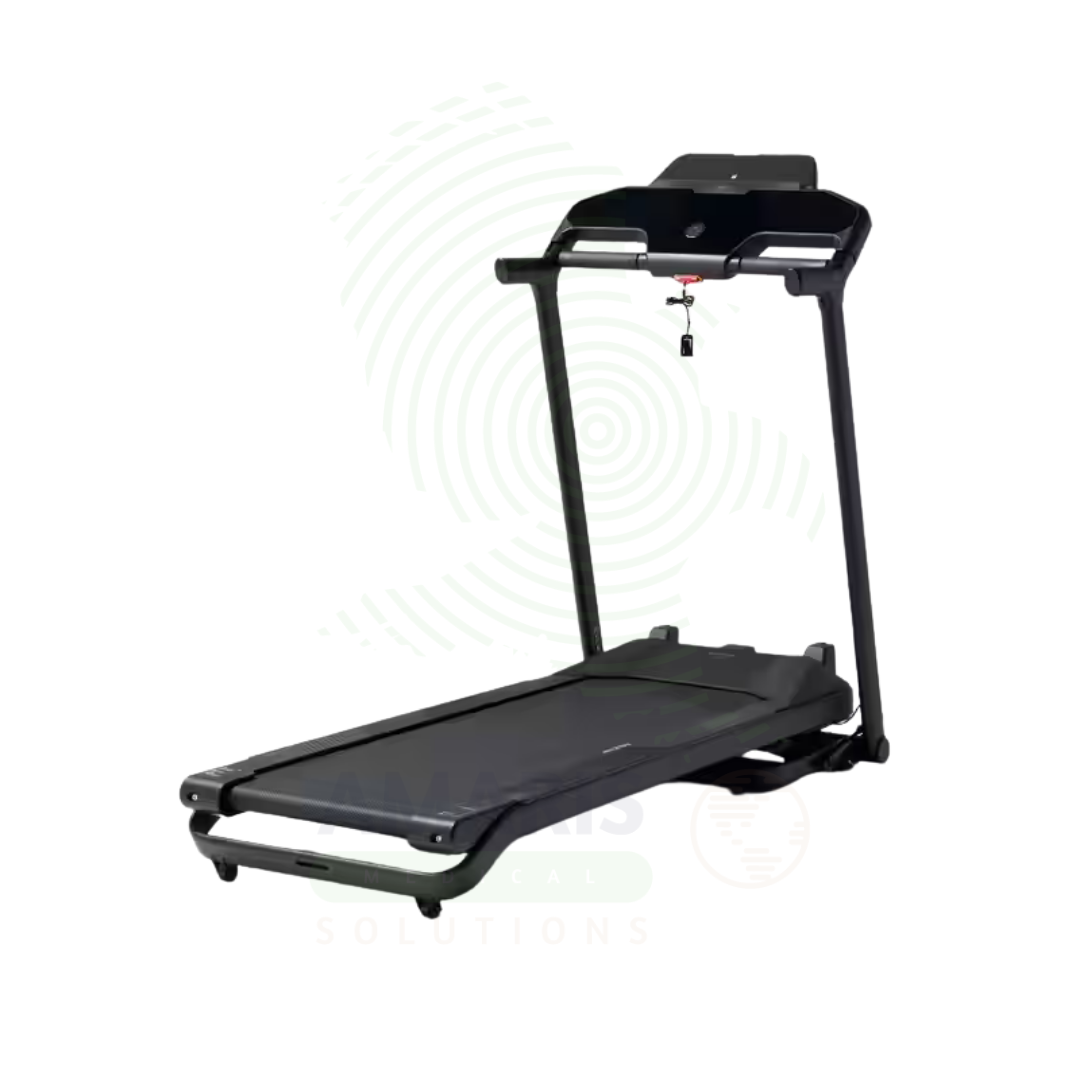
Treadmill
$1.00
WhatsApp Order
A Treadmill is a motorized walking or running surface with adjustable speed and incline used for cardiovascular exercise, diagnostic stress testing, gait analysis, and rehabilitation in clinical and fitness settings. For the cardiologist, the treadmill enables controlled, progressive exercise tolerance tests to evaluate cardiac function, diagnose coronary artery disease, and assess exercise-induced arrhythmias. For the physical therapist, the treadmill provides a controlled environment for gait analysis and walking retraining following stroke, spinal cord injury, joint replacement, or lower extremity amputation. For the cardiac and pulmonary rehabilitation specialist, the treadmill is the primary aerobic exercise modality for improving cardiovascular fitness, exercise capacity, and functional independence following myocardial infarction, bypass surgery, or COPD diagnosis. Available in diagnostic models with ECG integration, rehabilitation models with extended handrails and low step-on height, and conditioning models for fitness and wellness, treadmills feature shock-absorbing decks to reduce joint impact, heart rate monitoring for exercise prescription, and emergency stop systems for patient safety. For the patient with cardiovascular disease, diabetes, obesity, or mobility impairment, regular treadmill exercise improves functional capacity, reduces symptoms, supports weight management, and decreases mortality risk.
Description
Treadmill
PRIMARY CLINICAL & DIAGNOSTIC USES
1. Cardiovascular Stress Testing for Diagnostic Evaluation
-
Primary Use: Provides a motorized walking or running surface with adjustable speed and incline for conducting graded exercise tolerance tests to evaluate cardiac function, diagnose coronary artery disease, and assess exercise-induced arrhythmias.
-
How it helps: For the cardiologist and exercise physiologist, the treadmill enables controlled, progressive exercise stress testing while monitoring electrocardiogram, blood pressure, heart rate, and symptoms—identifying myocardial ischemia, arrhythmias, and hemodynamic abnormalities that may not appear at rest. For the patient with suspected coronary artery disease, chest pain, or risk factors, treadmill stress testing provides critical diagnostic information that guides treatment decisions and risk stratification.
2. Gait Analysis and Functional Mobility Assessment
-
Primary Use: Used in physical therapy and rehabilitation settings to observe and analyze patient gait patterns, stride length, cadence, and symmetry during walking at controlled speeds.
-
How it helps: For the physical therapist and rehabilitation specialist, the treadmill provides a controlled environment for observing gait abnormalities—enabling objective assessment of hemiparetic gait patterns in stroke patients, antalgic gait in arthritis patients, or bradykinetic gait in Parkinson’s disease. For the patient, treadmill-based gait analysis informs targeted rehabilitation interventions and provides objective measures of functional improvement over time.
3. Cardiovascular and Pulmonary Rehabilitation
-
Primary Use: Used as the primary aerobic exercise modality in phase two and phase three cardiac rehabilitation and pulmonary rehabilitation programs to improve cardiovascular fitness and exercise capacity.
-
How it helps: For the cardiac rehabilitation nurse and exercise physiologist, the treadmill provides safe, monitored aerobic exercise that improves myocardial oxygen delivery, reduces cardiac risk factors, and increases functional capacity in patients following myocardial infarction, coronary bypass surgery, or with stable angina. For the patient recovering from a cardiac event, regular treadmill exercise improves exercise tolerance, reduces symptoms, and decreases mortality risk.
4. Weight Management and Metabolic Conditioning
-
Primary Use: Provides a controlled, adjustable-intensity aerobic exercise modality for weight management, metabolic conditioning, and improving insulin sensitivity in patients with obesity, prediabetes, or type two diabetes.
-
How it helps: For the primary care physician and endocrinologist, treadmill exercise prescription provides a quantifiable, progressive aerobic stimulus that increases caloric expenditure, improves glucose utilization, and reduces adiposity—addressing underlying metabolic dysfunction. For the patient with obesity or diabetes, regular treadmill walking improves glycemic control, promotes weight loss, and reduces cardiovascular risk.
SECONDARY & SUPPORTIVE USES
1. Stroke Rehabilitation and Treadmill Training: Used for body-weight supported treadmill training to restore walking function in patients with hemiparesis following stroke.
2. Parkinson’s Disease Gait Training: Used for rhythmic auditory cueing and forced-rate treadmill training to improve gait parameters and reduce freezing episodes.
3. Multiple Sclerosis Exercise Conditioning: Used for aerobic conditioning and walking endurance training in patients with multiple sclerosis-related fatigue and deconditioning.
4. Peripheral Arterial Disease Management: Used for supervised exercise therapy to improve walking distance and reduce claudication symptoms in patients with peripheral arterial disease.
5. Post-Operative Functional Recovery: Used following joint replacement, spine surgery, or lower extremity fracture to restore walking endurance and functional mobility.
6. Geriatric Deconditioning Reversal: Used for low-intensity walking programs to reverse deconditioning and improve functional independence in frail elderly patients.
7. Chronic Obstructive Pulmonary Disease (COPD) Rehabilitation: Used for endurance training in pulmonary rehabilitation to improve exercise capacity and reduce dyspnea.
8. Fibromyalgia and Chronic Fatigue Syndrome: Used for graded exercise therapy at controlled, submaximal intensities to improve function without symptom exacerbation.
9. Amputee Gait Training: Used for prosthetic gait training following lower limb amputation to improve walking efficiency and safety.
10. Cerebral Palsy Gait Training: Used for treadmill training to improve walking speed and endurance in children and adults with cerebral palsy.
11. Spinal Cord Injury Rehabilitation: Used with body-weight support systems for locomotor training in patients with incomplete spinal cord injury.
12. Pediatric Obesity Management: Used for supervised exercise programs for overweight and obese children and adolescents.
13. Pregnancy and Postpartum Exercise: Used for low-impact walking exercise during and after pregnancy under medical supervision.
14. Pre-Habilitation Before Major Surgery: Used for pre-operative exercise training to improve cardiorespiratory fitness before major abdominal or thoracic surgery.
15. Fitness and Wellness Programs: Used in hospital-based wellness centers, employee fitness programs, and community health promotion.
KEY PRODUCT FEATURES
1. BASIC IDENTIFICATION ATTRIBUTES
-
Device Type: A motorized walking or running surface with adjustable speed and incline used for cardiovascular exercise, stress testing, gait analysis, and rehabilitation in clinical and fitness settings.
-
Designation: Treadmill, Motorized Treadmill, Medical Treadmill, Rehabilitation Treadmill, Cardiac Stress Treadmill, Diagnostic Treadmill, Gait Training Treadmill, Folding Treadmill, Commercial Treadmill.
-
Key Components:
o Walking Belt: Continuous reinforced rubber or PVC belt.
o Motor: Electric motor with horsepower rating.
o Deck: Shock-absorbing surface beneath the belt.
o Console: Display showing speed, time, distance, incline, heart rate, and calories.
o Handrails: Side and front handrails for patient safety and balance.
o Incline Mechanism: Motorized or manual incline adjustment.
o Emergency Stop: Safety key or clip for emergency stop.
2. TECHNICAL & PERFORMANCE PROPERTIES
-
Motor Power: Range from continuous duty horsepower depending on clinical vs. home use.
-
Speed Range: Typically zero point five to ten miles per hour or higher.
-
Incline Range: Typically zero to fifteen percent grade.
-
Belt Size: Length and width to accommodate patient stride and safety.
-
Weight Capacity: Standard models typically support up to patient weight; bariatric models support higher.
-
Shock Absorption: Deck cushioning reduces joint impact.
-
Heart Rate Monitoring: Contact sensors on handrails or wireless telemetry compatibility.
-
Preset Programs: Pre-programmed protocols for stress testing and rehabilitation.
-
Roller Size: Larger rollers for smoother belt movement and durability.
3. PHYSICAL & OPERATIONAL PROPERTIES
-
Construction: Steel frame with durable powder-coat finish.
-
Folding: Some models fold for storage (home use); clinical treadmills typically non-folding.
-
Transport Wheels: Front wheels for repositioning.
-
Safety Features: Safety key, emergency stop button, handrails.
-
Display: LED or LCD console for exercise data.
-
Power Requirements: Standard electrical outlet; clinical models may require dedicated circuits.
4. SAFETY & COMPLIANCE ATTRIBUTES
-
Regulatory Status: Class II medical device when used for diagnostic stress testing or rehabilitation; fitness equipment if for general wellness.
-
FDA Compliance: Diagnostic treadmills require FDA clearance.
-
Electrical Safety: Certified to electrical safety standards.
-
Handrail Standards: Meets accessibility and safety standards.
-
Belt Tracking: Adjustable belt tracking mechanism.
5. STORAGE & HANDLING ATTRIBUTES
-
Storage: Store in clean, dry location; folding models allow compact storage.
-
Cleaning: Wipe belt, deck, and console with damp cloth; vacuum under belt periodically.
-
Inspection: Inspect belt tension, alignment, and wear before each use; lubricate belt per manufacturer schedule.
-
Calibration: Diagnostic treadmills require periodic calibration for speed and incline accuracy.
6. LABORATORY & CLINICAL APPLICATIONS
-
Primary Application: Cardiovascular exercise, diagnostic stress testing, gait analysis, and rehabilitation training in cardiology, physical therapy, sports medicine, and wellness settings.
-
Clinical Role: Essential equipment in cardiac rehabilitation, physical therapy clinics, sports medicine facilities, cardiology departments, pulmonary rehabilitation, geriatric wellness programs, and hospital fitness centers for exercise testing, conditioning, and functional recovery.
SAFETY HANDLING PRECAUTIONS
1. SAFETY PRECAUTIONS
-
Patient Screening: Screen patients for contraindications to exercise testing before use.
-
Emergency Stop: Instruct patients on emergency stop procedures before starting.
-
Handrail Use: Use handrails for balance; avoid leaning on handrails during walking.
-
Proper Footwear: Wear appropriate athletic shoes; no bare feet or sandals.
-
Start Slowly: Begin at slow speed (zero point five to one point zero miles per hour) and increase gradually.
-
Supervision: Patients at fall risk or with balance impairment require supervision during use.
-
Safety Key: Attach safety key to patient clothing before starting.
-
Surrounding Area: Ensure clear area around treadmill to prevent fall injuries.
-
Electrical Safety: Keep power cord away from walking area; use dedicated circuit if required.
-
Medical Clearance: Patients with cardiac, pulmonary, or neurological conditions require medical clearance before use.
2. FIRST AID MEASURES
-
Patient Fall: If patient falls, stop treadmill immediately, assess for injury, provide appropriate first aid, document incident.
-
Syncope or Dizziness: If patient experiences dizziness or near-syncope, stop treadmill, assist patient to sitting position, assess vital signs.
-
Chest Pain or Cardiac Symptoms: Stop exercise immediately, assess patient, activate emergency response if indicated.
3. FIRE FIGHTING MEASURES
-
Flammability: Motor and electrical components present fire risk; belt and deck are combustible.
-
Extinguishing Media: Use carbon dioxide or dry chemical extinguisher for electrical fires.
-
Fire Response: Unplug treadmill immediately; do not use water on electrical fire.
Related products
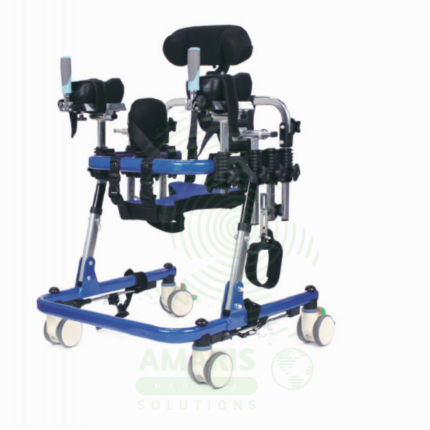
Cerebral Palsy Walker
A Cerebral Palsy Walker (or Gait Trainer) is a supportive wheeled frame specifically designed to facilitate walking and standing for children with CP. It provides adjustable postural support through a harness, trunk pad, and pelvic guide, enabling safe practice of gait patterns, weight-bearing, and upright mobility. Its primary role is therapeutic, aiming to develop ambulation skills, improve postural control, and promote independence. Correct professional setup and supervision are essential for safety and to ensure it reinforces proper movement rather than abnormal patterns.
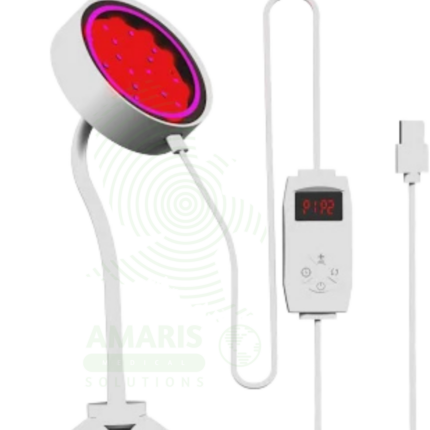
Desktop Infrared Therapy Lamp
A Desktop Infrared Therapy Lamp is a compact, focused heat therapy device that emits infrared radiation to deliver deep, penetrating warmth to targeted areas of the body. Used primarily for pain relief, muscle relaxation, and promoting healing in soft tissue and joint conditions, it is a common tool in physical therapy, chiropractic, and wellness practices. Its adjustable design allows precise positioning over areas like the neck, shoulder, or knee. Treatment involves non-invasive, radiant heat that increases local circulation. Critical safety practices include adhering to treatment time and distance guidelines, avoiding use over contraindicated areas, and never looking directly at the bulb.
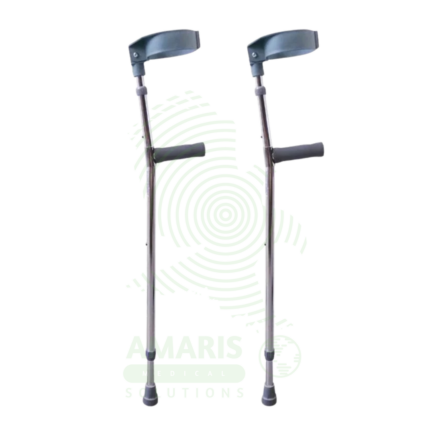
Elbow & Axiliary Crutches
An Elbow & Axiliary Crutches feature a forearm cuff and are designed for long-term mobility, offering a natural gait for unilateral or bilateral conditions. Auxiliary (Underarm) Crutches have an axillary pad and are for short-term, non-weight-bearing use after injury or surgery. Both require precise fitting—forearm crutch cuffs must be below the elbow, and underarm crutch weight must be borne through the hands to avoid nerve damage. Proper gait training from a therapist is essential for safe use of either type.
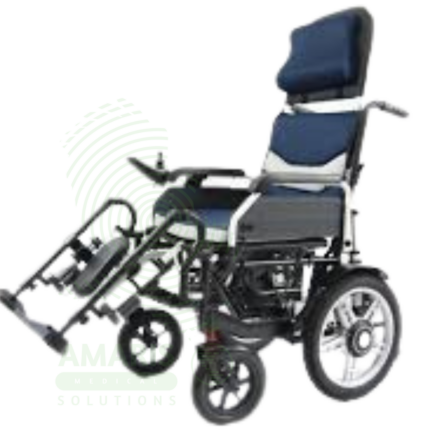
Electric Reclining Wheelchair
An Electric Reclining Wheelchair is a sophisticated powered mobility device that provides both independent locomotion and powered positioning. It features a motorized backrest that reclines to near-horizontal and synchronized elevating leg rests, allowing users to independently manage pressure relief, circulation, breathing, and comfort without leaving the chair. Prescribed for individuals with complex needs such as spinal cord injuries, severe fatigue, or circulatory disorders, it enhances independence and medical stability. Its use requires thorough training due to the significant change in stability and footprint when reclined, and it demands more rigorous maintenance than standard power chairs.
Foldable Walking Stick
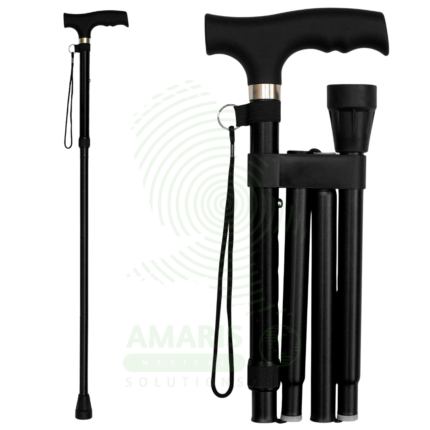
A Foldable Walking Stick combines a stabilizing four-point base with a multi-section shaft that folds for compact storage and portability. It is designed for individuals who need reliable stability for moderate balance or weight-bearing issues but also require a discreet, transportable aid for use in the community. Key safety features include secure segment locking mechanisms and a quad base that must be placed flat. It is ideal for travel, occasional use, and active seniors, but requires diligent checking of all locks before each use to prevent collapse.
Pediatric Wheelchair
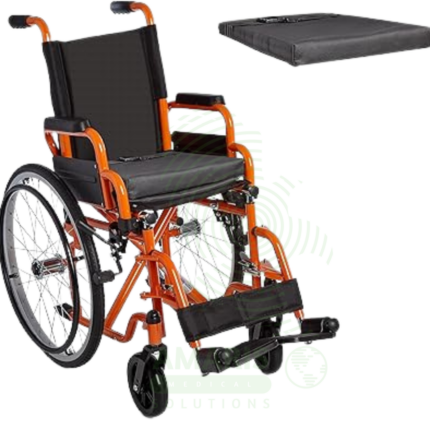
A Pediatric Wheelchair is a specially sized and designed mobility device for children with long-term physical disabilities. Its core functions are to provide independent or assisted mobility, deliver critical postural support to promote proper skeletal development and prevent deformities, and serve as a platform for inclusion in home, school, and community life. Unlike adult chairs, it features extensive adjustability to accommodate growth and modular seating systems tailored to each child's specific postural and medical needs. Prescription and fitting by a rehabilitation team are essential for safe and effective use.
Transfer Chair
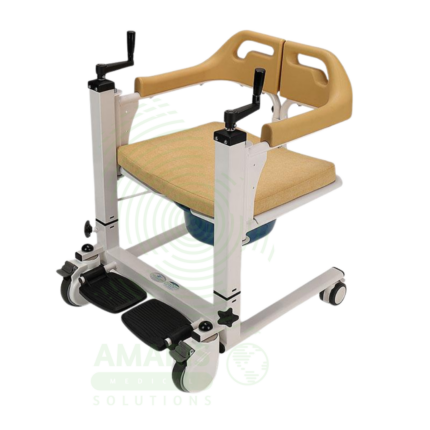
A Transfer Chair is a simple, armless mobile chair on four swivel casters designed specifically for safe, lateral seated patient transfers. Its core function is to allow caregivers to move patients who cannot stand between surfaces like beds, wheelchairs, toilets, and cars with minimal lifting, thereby preventing caregiver injuries and patient falls. Key features include a low, armless seat for unobstructed sliding, locking casters for stability, and a compact, maneuverable design. It is a fundamental piece of equipment in any safe patient handling program.