Dermatoscope and Magnifiers
 Diagnostic Kits
 Vital Signs Monitors
 Stethoscopes and Accessories
 Otoscopes, Ophthalmoscopes, and Retinoscopes
 Reflex Hammers and Neurological Tools
 Scales and Measuring Devices
 Spirometers and Pulmonary Function Tests
 Electrosurgical Units and Accessories
 Cutting Instruments
 Grasping and Holding Instruments
 Hemostatic Instruments
 Specialized Surgical Sets
 Single-Use Procedure Trays and Packs
 Surgical Drapes, Gowns, and Covers
 Tissue Unifying Instruments
 Radiation Protection
 X-Ray Machines and Accessories
 Ultrasound Systems and Probes
 MRI and CT Scanners
 Radiology Consumables
 Bone Densitometers
 Fluoroscopy Equipment
 Imaging Tables and Positioning Aids
 Microscopes and Accessories
 Centrifuges and Separators
 Analyzers
 Incubators and Ovens
 Pipettes, Dispensers, and Lab Glassware
 Refrigerators, Freezers, and Storage Units
 Lab Consumables
 Sterilizers and Autoclaves for Lab Use
 Multi-Parameter Monitors
 Ventilators and Respiratory Support Devices
 Defibrillators and AEDs
 Infusion Pumps and IV Systems
 Patient Warmers and Cooling Devices
 Central Monitoring Stations
 Accessories
 Anesthesia Machines and Workstations
 Oxygen Concentrators and Delivery Systems
 Nebulizers and Inhalers
 CPAP/BiPAP Machines
 Airway Management
 Anesthesia Masks, Circuits, and Bags
 Humidifiers and Heaters
 Respiratory Therapy Accessories
 First Aid Kits and Cabinets
 Emergency Resuscitation Equipment
 Trauma Supplies
 Emergency Carts and Crash Carts
 Burn Care Products
 Bleeding Control
 Automated External Defibrillators (AEDs)
 Transport and Evacuation
 Wheelchairs and Accessories
 Walkers, Crutches, and Canes
 Prosthetics and Orthotics
 Physical Therapy Equipment
 Transfer Devices
 Bathroom Safety
 Orthopedic Traction and Tables
 Hot/Cold Therapy Packs and Units
 Beds and Mattresses
 Chairs and Stools
 Tables
 Cabinets and Storage
 Privacy Screens & Curtains
 Stands and Racks
 Linens and Textiles
 Lighting
 Autoclaves and Sterilizers
 Ultrasonic Cleaners
 Disinfectant Solutions and Wipes
 Sterilization Pouches, Wraps, and Indicators
 Instrument Trays and Containers
 UV and Ozone Disinfection Devices
 Washer Disinfectors
 Wound Care
 Gloves
 Masks and Respirators
 Catheters and Tubing
 Swabs, Applicators, and Sponges
 Incontinence Products
 Personal Protective Equipment (PPE)
 Dental Chairs and Units
 Handpieces and Burs
 Instruments
 Consumables
 Sterilization for Dental Use
 Orthodontic Supplies
 Endodontic Tools
 Slit Lamps and Tonometers
 Lensometers and Phoropters
 Ophthalmic Surgical Instruments
 Eyewear Frames and Lenses
 Contact Lens Supplies
 Vision Testing Charts and Devices
 Eye Care Consumables
 Laser Systems for Eye Care
 ENT Exam Chairs and Tables
 Endoscopes
 Audiometers and Hearing Tests
 ENT Instruments
 Nasal and Throat Packs
 Hearing Aids and Accessories
 Otology Supplies
 Fetal Dopplers and Monitors
 Delivery Beds and Tables
 Gynecological Instruments
 Neonatal Incubators and Warmers
 Breast Pumps and Accessories
 Contraceptive Devices
 Maternity Supports and Pads
 Neonatal Consumables
 Cystoscopes and Urethroscopes
 Dialysis Machines and Supplies
 Urological Catheters and Bags
 Lithotripters
 Prostate Treatment Devices
 Urinary Incontinence Products
 Kidney Stone Management Tools
 Consumables & Disposables
 EEG and EMG Machines
 Neurosurgical Instruments
 Nerve Stimulators
 Headrests and Positioning Aids
 Lumbar Puncture Kits
 Seizure Monitoring Devices
 Consumables
 Rehabilitation for Neurological Conditions
 ECG Machines and Accessories
 Holter Monitors
 Stress Test Systems
 Pacemakers and Defibrillator Accessories
 Vascular Access Devices
 Cardiac Catheters and Guidewires
 Blood Flow Meters
 Consumables
 Orthopedic Instruments
 Casts, Splints, and Padding
 Joint Replacement Supplies
 Prosthetic Limbs and Components
 Bone Grafts and Substitutes
 Traction Devices
 Orthopedic Braces and Supports
 Rehabilitation Aids for Orthopedics
 Home Oxygen Therapy
 Hospital Beds for Home Use
 Mobility Aids
 Bathroom and Daily Living Aids
 Wound Care for Home
 Monitoring Devices
 Enteral Feeding Pumps and Tubes
 Hand Sanitizers and Dispensers
 Face Shields and Goggles
 Isolation Gowns and Suits
 Biohazard Waste Containers
 Air Purifiers and HEPA Filters
 Surface Disinfectants
 Sharps Containers
 Protective Barriers
 Cardiovascular & Endurance Training
 Strength Training & Weightlifting
 Functional Training & Core Conditioning
 Physical Therapy & Rehabilitation
 Sports & Outdoor Recreation
 Gym Flooring & Facility Equipment
 Fitness Monitoring & Accessories
 Kids & Novelties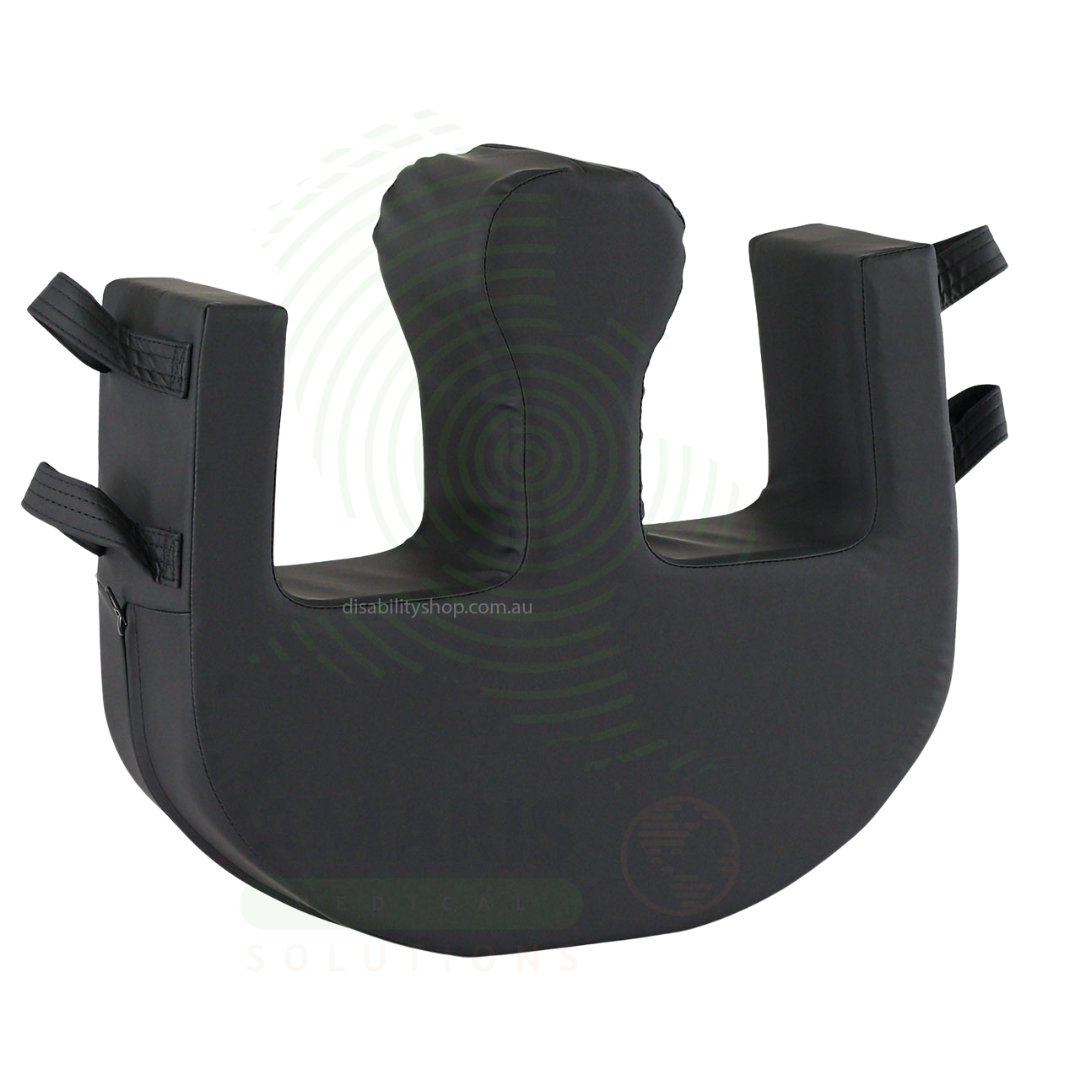
Patient Turnover Cushion
$1.00
WhatsApp Order
A Patient Turnover Cushion is a low-friction, ergonomic device designed to assist caregivers in safely turning, repositioning, and transferring patients with limited mobility, reducing manual handling injuries while enabling regular position changes for pressure ulcer prevention. The wedge-shaped or cylindrical roll design provides mechanical advantage, allowing caregivers to slide rather than lift the patient, reducing biomechanical load on the back, shoulders, and wrists. The low-friction cover minimizes shear forces on patient skin during repositioning, protecting fragile skin from injury. Integrated handles provide secure grip points for controlled, coordinated movement. For the nurse and patient care technician, the turnover cushion supports safe patient handling protocols, reducing occupational injury risk while improving patient repositioning efficiency. For the patient with limited mobility due to stroke, spinal cord injury, frailty, or post-operative status, the turnover cushion enables regular repositioning that prevents pressure ulcers, facilitates respiratory management, and supports dignified, comfortable care. Used in hospitals, nursing homes, critical care units, and home healthcare, the patient turnover cushion is an essential tool for pressure ulcer prevention and caregiver safety.
Description
Patient Turnover Cushion
PRIMARY CLINICAL & DIAGNOSTIC USES
1. Assisted Patient Repositioning for Pressure Ulcer Prevention
-
Primary Use: Provides a low-friction, wedge-shaped or roll-shaped cushion that assists caregivers in safely turning, repositioning, and transferring patients with limited mobility, reducing manual handling injuries while enabling regular position changes for pressure ulcer prevention.
-
How it helps: For the nurse and patient care technician, the patient turnover cushion reduces the physical effort required to roll or reposition a patient—using mechanical advantage and low-friction surfaces to slide rather than lift the patient. For the patient with limited mobility due to stroke, spinal cord injury, frailty, or post-operative status, regular repositioning using a turnover cushion prevents prolonged pressure on bony prominences, reducing pressure ulcer risk while minimizing patient discomfort during turns.
2. Safe Patient Handling and Ergonomics for Caregivers
-
Primary Use: Designed to facilitate safe patient handling techniques that reduce caregiver musculoskeletal injuries from lifting, pulling, and repositioning heavy or dependent patients.
-
How it helps: For the occupational health nurse and safe patient handling coordinator, the turnover cushion supports evidence-based safe patient handling protocols—reducing the biomechanical load on caregivers’ backs, shoulders, and wrists during patient repositioning. For the patient, safe handling techniques using turnover cushions reduce the risk of patient falls, skin tears, and accidental injury during repositioning maneuvers.
3. Positioning for Respiratory Management
-
Primary Use: Used to position patients in lateral or semi-prone positions to improve ventilation, facilitate secretion drainage, and prevent ventilator-associated pneumonia in critically ill patients.
-
How it helps: For the respiratory therapist and critical care nurse, the turnover cushion enables safe, sustained lateral positioning that optimizes ventilation-perfusion matching and promotes postural drainage of pulmonary secretions. For the mechanically ventilated patient or patient with pneumonia, regular positioning using a turnover cushion reduces the risk of ventilator-associated pneumonia, improves oxygenation, and facilitates airway clearance.
4. Post-Operative and Trauma Positioning
-
Primary Use: Used to position patients safely after surgery or trauma, protecting surgical sites, maintaining spinal alignment, and preventing pressure on injured or operated areas.
-
How it helps: For the post-operative nurse and orthopedic surgeon, the turnover cushion allows careful, controlled positioning that protects recent surgical incisions, maintains hip or spinal precautions, and prevents pressure on graft sites or healing fractures. For the patient recovering from hip replacement, spinal surgery, or trauma, the cushion enables comfortable, safe repositioning that protects surgical outcomes while maintaining skin integrity.
SECONDARY & SUPPORTIVE USES
1. Pressure Redistribution for Bedridden Patients: Used under the patient’s body to redistribute pressure away from high-risk areas including the sacrum, trochanters, and heels.
2. Caregiver Injury Prevention Programs: Used as part of safe patient handling programs in hospitals, nursing homes, and home healthcare to reduce staff lifting injuries.
3. Patient Transfer Assistance: Used to slide patients between bed and stretcher, bed and wheelchair, or across the bed for repositioning.
4. Bariatric Patient Repositioning: Heavy-duty turnover cushions designed for higher weight capacities to assist with repositioning bariatric patients.
5. Home Healthcare and Family Caregiver Support: Provides family caregivers with safe repositioning tools, reducing injury risk and enabling continued home care.
6. Hip Fracture and Hip Precautions Positioning: Used to position patients following hip fracture or hip replacement while maintaining abduction and preventing dislocation.
7. Spinal Precautions and Log Rolling: Used to assist with log rolling technique for patients with spinal fractures or post-spinal surgery.
8. Stroke Patient Positioning: Used to position hemiplegic patients in supported lateral recumbency, preventing shoulder pain and contractures.
9. Parkinson’s Disease Mobility Support: Used to assist with turning in bed for patients with rigidity and bradykinesia.
10. Multiple Sclerosis Positioning: Used to assist with repositioning for patients with weakness, spasticity, or fatigue limiting independent movement.
11. Palliative and End-of-Life Care: Used to reposition terminally ill patients comfortably while minimizing caregiver strain.
12. Labor and Delivery Positioning: Used to assist with positioning during labor for epidural administration or maternal comfort.
13. Emergency Department Patient Handling: Used for safe repositioning of injured or immobilized patients during assessment and treatment.
14. Radiology and Imaging Positioning: Used to position patients for X-ray, CT, or MRI studies requiring specific body positioning.
15. Operating Room Transfer and Positioning: Used to transfer and position anesthetized patients safely on operating tables.
KEY PRODUCT FEATURES
1. BASIC IDENTIFICATION ATTRIBUTES
-
Device Type: A low-friction, ergonomic cushion designed to assist caregivers in safely turning, repositioning, and transferring patients with limited mobility, reducing manual handling injuries while enabling regular position changes.
-
Designation: Patient Turnover Cushion, Patient Repositioning Cushion, Turning Cushion, Lateral Transfer Cushion, Slide Sheet, Patient Roller, Wedge Turnover Cushion, Roll-Shaped Turnover Cushion, Safe Patient Handling Device, Patient Positioning Cushion.
-
Key Components:
o Cushion Body: Wedge-shaped or cylindrical roll design.
o Surface Material: Low-friction, glide fabric for easy sliding.
o Core: Foam, air-filled, or solid construction.
o Handles: Integrated handles for caregiver grip.
o Cover: Removable, washable, waterproof cover.
2. TECHNICAL & PERFORMANCE PROPERTIES
-
Shape: Wedge-shaped (triangular cross-section) or cylindrical roll.
-
Size: Various lengths and widths for different patient sizes and body areas.
-
Material: High-density foam core with low-friction outer cover.
-
Surface Friction: Low coefficient of friction for patient sliding.
-
Weight Capacity: Standard models support up to patient weight; bariatric models support higher.
-
Waterproof: Fluid-resistant cover prevents absorption of patient fluids.
-
Latex-Free: Manufactured without natural rubber latex.
-
Fire Retardancy: Meets healthcare facility flammability standards.
3. PHYSICAL & OPERATIONAL PROPERTIES
-
Construction: One-piece cushion with seamless or low-profile seams.
-
Handles: Multiple handles for caregiver grip and control.
-
Cover: Removable, machine-washable, waterproof cover.
-
Portability: Lightweight for easy transport and storage.
-
Durability: Withstands repeated use and cleaning cycles.
-
Cleaning: Wipeable surface; removable cover machine washable.
4. SAFETY & COMPLIANCE ATTRIBUTES
-
Regulatory Status: Class I medical device (exempt from premarket notification) for patient positioning and safe handling.
-
FDA Compliance: Compliant with FDA Quality System Regulations for medical devices.
-
Safe Patient Handling Standards: Supports OSHA and NIOSH safe patient handling guidelines.
-
Latex-Free: Standard in quality patient handling devices.
-
Flammability: Meets healthcare facility fire safety standards.
5. STORAGE & HANDLING ATTRIBUTES
-
Storage: Store in a clean, dry location; hang or lay flat.
-
Cleaning: Wipe with hospital-grade disinfectant between patients; removable cover machine washable.
-
Inspection: Inspect for tears, seam separation, or foam degradation before each use; discard if compromised.
-
Drying: Air dry completely before reuse to prevent moisture-related breakdown.
6. LABORATORY & CLINICAL APPLICATIONS
-
Primary Application: Safe patient repositioning and turning for pressure ulcer prevention, respiratory management, post-operative positioning, and caregiver injury prevention in healthcare settings.
-
Clinical Role: Essential safe patient handling device in hospitals, nursing homes, long-term care facilities, home healthcare, critical care units, medical-surgical wards, rehabilitation units, and palliative care settings for repositioning patients with limited mobility.
SAFETY HANDLING PRECAUTIONS
1. SAFETY PRECAUTIONS
-
Proper Technique: Use appropriate body mechanics; train caregivers on correct turnover cushion technique before use.
-
Weight Capacity: Do not exceed manufacturer weight capacity; use bariatric-rated devices for larger patients.
-
Surface Check: Ensure bed surface is clean and dry before using turnover cushion.
-
Patient Assessment: Assess patient for contraindications to repositioning (unstable spinal injury, fresh surgical sites) before use.
-
Two Caregivers: For larger or dependent patients, use two caregivers to assist with repositioning.
-
Slide vs. Lift: Use sliding technique; do not use a cushion as a lever to lift patients.
-
Skin Check: Inspect patient skin after repositioning for signs of shear or friction injury.
-
Inspect Before Use: Check cushion for damage before each use; do not use if cover is torn or foam is compressed.
-
Cleaning Between Patients: Clean and disinfect between patients to prevent cross-contamination.
2. FIRST AID MEASURES
-
Patient Skin Tear: If patient skin tear occurs during repositioning, assess wound, clean with appropriate solution, apply dressing, document incident.
-
Caregiver Injury: If caregiver experiences back or shoulder pain during repositioning, stop, assess, report injury per facility protocol.
-
Cushion Failure: If cushion tears or fails during use, stop immediately, reposition patient using alternative method, discard damaged cushion.
3. FIRE FIGHTING MEASURES
-
Flammability: Foam core is combustible; may melt or burn if exposed to flame or high heat.
-
Extinguishing Media: Use water, foam, dry chemical, or carbon dioxide for fire involving cushion materials.
-
Fire Response: Follow facility fire safety protocols; no special fire hazards beyond typical combustible materials.
Related products
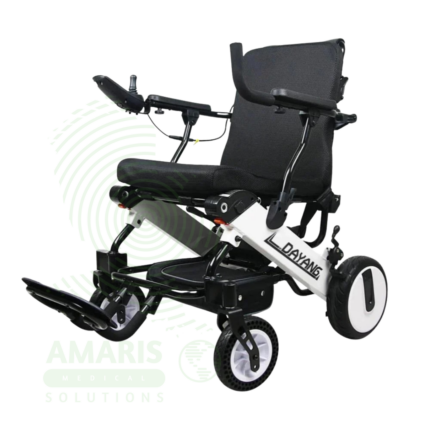
Electric Wheelchair
An Electric Wheelchair is a battery-powered mobility device prescribed for individuals with significant mobility impairments who cannot self-propel a manual chair. It provides independent indoor and outdoor mobility through a joystick or alternative control system. Key features often include power seating functions (tilt, recline) for pressure relief and postural support, and are available in various drive configurations (rear, mid, front-wheel) for different environments. As complex rehabilitation technology, it requires professional evaluation, user training, and regular maintenance to ensure safe operation, enhance independence, and improve the user's quality of life.
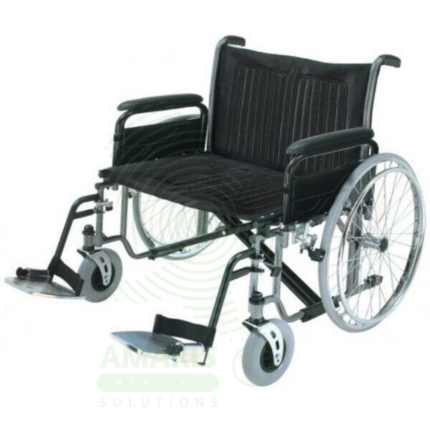
Extra Wide Wheelchair
An Extra Wide Wheelchair is a heavy-duty manual wheelchair designed with a seat width greater than 20 inches to safely and comfortably accommodate bariatric patients or individuals with unique seating needs. Key features include a reinforced wide frame, high weight capacity, wide footrests, and robust components. Its primary use is to provide dignified and stable mobility for patients of size, though its increased dimensions require careful planning for doorway accessibility and make it heavier and less maneuverable than standard chairs. It is a fundamental tool for safe patient handling in bariatric care.
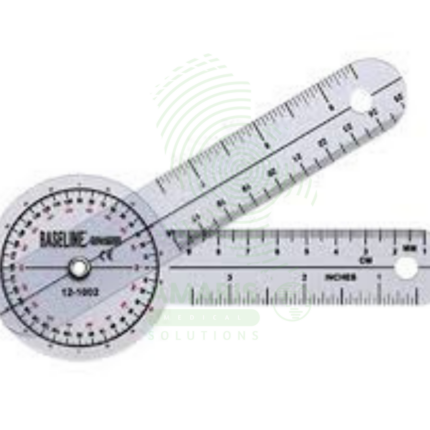
Goniometer
A goniometer is a calibrated, handheld measuring instrument designed to precisely quantify joint range of motion in degrees. Essential for physical and occupational therapy, orthopedic assessment, and rehabilitation medicine, it consists of a protractor-like body with two arms—one stationary, one movable—that align with the patient's limb segments. Available in various sizes for different joints (from fingers to hips) and in materials including transparent plastic, stainless steel, and digital formats, it transforms subjective observations of mobility into objective, reproducible data. This fundamental clinical tool guides diagnosis, documents treatment progress, supports disability determinations, and provides the evidence base for therapeutic interventions.
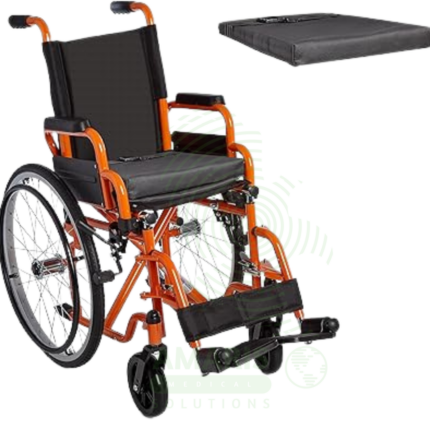
Pediatric Wheelchair
A Pediatric Wheelchair is a specially sized and designed mobility device for children with long-term physical disabilities. Its core functions are to provide independent or assisted mobility, deliver critical postural support to promote proper skeletal development and prevent deformities, and serve as a platform for inclusion in home, school, and community life. Unlike adult chairs, it features extensive adjustability to accommodate growth and modular seating systems tailored to each child's specific postural and medical needs. Prescription and fitting by a rehabilitation team are essential for safe and effective use.
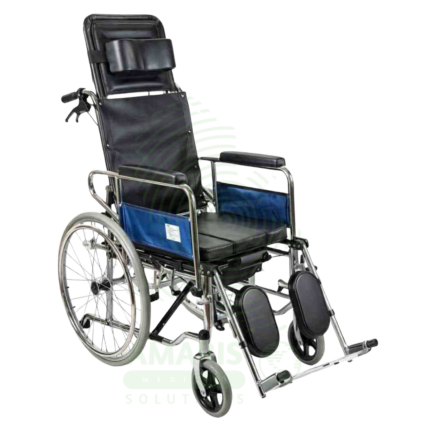
Reclining Commode Wheelchair
A Reclining Commode Wheelchair is a complex manual chair that integrates a reclining backrest with a commode seat. It is designed for patients who require adjustable positioning for pressure relief, respiratory support, or comfort, and who need a built-in toileting solution. It addresses the needs of individuals with severe neurological conditions, spinal injuries, or advanced illnesses. Critical safety features include anti-tip levers, a mandatory seat belt, and a robust recline lock. Its use requires vigilant attention to stability and shear prevention, making it a specialized tool for high-dependency care settings.
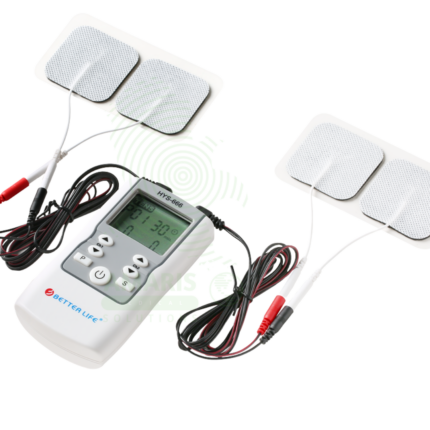
TENS Machine
A TENS Machine is an electronic device used for non-invasive pain management, capable of independently controlling up to four pairs of electrodes (eight total) to treat multiple or complex pain areas simultaneously. By delivering adjustable, low-voltage electrical pulses through the skin, it modulates pain signals via the Gate Control mechanism and may stimulate the body's natural painkillers. Its key adjustable parameters—pulse rate, width, and amplitude—allow for personalized therapy for conditions ranging from arthritis to post-surgical pain. Safe operation requires strict adherence to electrode placement guidelines and contraindications, making it a versatile tool for clinical and prescribed home use.
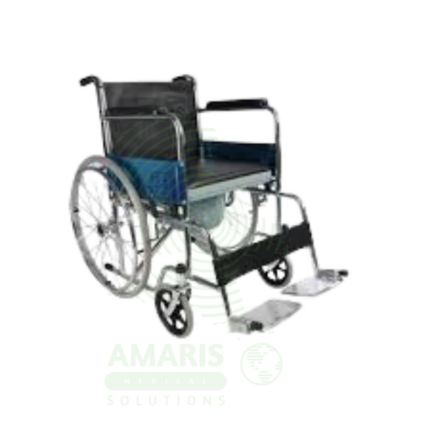
The Commode Wheelchair
The Commode Wheelchair is a dual-purpose manual wheelchair featuring a seat with a central opening and a removable commode pan, designed to function as both a mobility chair and a toilet. It is used to safely and hygienically manage toileting for non-ambulatory, high-fall-risk, or post-operative patients without requiring hazardous transfers to a separate toilet. Key features include a removable pan, swing-away armrests for easy lateral transfers, and often compatibility with standard toilets. Its use requires strict adherence to brake safety and rigorous cleaning protocols after each use to prevent infection.