Dermatoscope and Magnifiers
 Diagnostic Kits
 Vital Signs Monitors
 Stethoscopes and Accessories
 Otoscopes, Ophthalmoscopes, and Retinoscopes
 Reflex Hammers and Neurological Tools
 Scales and Measuring Devices
 Spirometers and Pulmonary Function Tests
 Electrosurgical Units and Accessories
 Cutting Instruments
 Grasping and Holding Instruments
 Hemostatic Instruments
 Specialized Surgical Sets
 Single-Use Procedure Trays and Packs
 Surgical Drapes, Gowns, and Covers
 Tissue Unifying Instruments
 Radiation Protection
 X-Ray Machines and Accessories
 Ultrasound Systems and Probes
 MRI and CT Scanners
 Radiology Consumables
 Bone Densitometers
 Fluoroscopy Equipment
 Imaging Tables and Positioning Aids
 Microscopes and Accessories
 Centrifuges and Separators
 Analyzers
 Incubators and Ovens
 Pipettes, Dispensers, and Lab Glassware
 Refrigerators, Freezers, and Storage Units
 Lab Consumables
 Sterilizers and Autoclaves for Lab Use
 Multi-Parameter Monitors
 Ventilators and Respiratory Support Devices
 Defibrillators and AEDs
 Infusion Pumps and IV Systems
 Patient Warmers and Cooling Devices
 Central Monitoring Stations
 Accessories
 Anesthesia Machines and Workstations
 Oxygen Concentrators and Delivery Systems
 Nebulizers and Inhalers
 CPAP/BiPAP Machines
 Airway Management
 Anesthesia Masks, Circuits, and Bags
 Humidifiers and Heaters
 Respiratory Therapy Accessories
 First Aid Kits and Cabinets
 Emergency Resuscitation Equipment
 Trauma Supplies
 Emergency Carts and Crash Carts
 Burn Care Products
 Bleeding Control
 Automated External Defibrillators (AEDs)
 Transport and Evacuation
 Wheelchairs and Accessories
 Walkers, Crutches, and Canes
 Prosthetics and Orthotics
 Physical Therapy Equipment
 Transfer Devices
 Bathroom Safety
 Orthopedic Traction and Tables
 Hot/Cold Therapy Packs and Units
 Beds and Mattresses
 Chairs and Stools
 Tables
 Cabinets and Storage
 Privacy Screens & Curtains
 Stands and Racks
 Linens and Textiles
 Lighting
 Autoclaves and Sterilizers
 Ultrasonic Cleaners
 Disinfectant Solutions and Wipes
 Sterilization Pouches, Wraps, and Indicators
 Instrument Trays and Containers
 UV and Ozone Disinfection Devices
 Washer Disinfectors
 Wound Care
 Gloves
 Masks and Respirators
 Catheters and Tubing
 Swabs, Applicators, and Sponges
 Incontinence Products
 Personal Protective Equipment (PPE)
 Dental Chairs and Units
 Handpieces and Burs
 Instruments
 Consumables
 Sterilization for Dental Use
 Orthodontic Supplies
 Endodontic Tools
 Slit Lamps and Tonometers
 Lensometers and Phoropters
 Ophthalmic Surgical Instruments
 Eyewear Frames and Lenses
 Contact Lens Supplies
 Vision Testing Charts and Devices
 Eye Care Consumables
 Laser Systems for Eye Care
 ENT Exam Chairs and Tables
 Endoscopes
 Audiometers and Hearing Tests
 ENT Instruments
 Nasal and Throat Packs
 Hearing Aids and Accessories
 Otology Supplies
 Fetal Dopplers and Monitors
 Delivery Beds and Tables
 Gynecological Instruments
 Neonatal Incubators and Warmers
 Breast Pumps and Accessories
 Contraceptive Devices
 Maternity Supports and Pads
 Neonatal Consumables
 Cystoscopes and Urethroscopes
 Dialysis Machines and Supplies
 Urological Catheters and Bags
 Lithotripters
 Prostate Treatment Devices
 Urinary Incontinence Products
 Kidney Stone Management Tools
 Consumables & Disposables
 EEG and EMG Machines
 Neurosurgical Instruments
 Nerve Stimulators
 Headrests and Positioning Aids
 Lumbar Puncture Kits
 Seizure Monitoring Devices
 Consumables
 Rehabilitation for Neurological Conditions
 ECG Machines and Accessories
 Holter Monitors
 Stress Test Systems
 Pacemakers and Defibrillator Accessories
 Vascular Access Devices
 Cardiac Catheters and Guidewires
 Blood Flow Meters
 Consumables
 Orthopedic Instruments
 Casts, Splints, and Padding
 Joint Replacement Supplies
 Prosthetic Limbs and Components
 Bone Grafts and Substitutes
 Traction Devices
 Orthopedic Braces and Supports
 Rehabilitation Aids for Orthopedics
 Home Oxygen Therapy
 Hospital Beds for Home Use
 Mobility Aids
 Bathroom and Daily Living Aids
 Wound Care for Home
 Monitoring Devices
 Enteral Feeding Pumps and Tubes
 Hand Sanitizers and Dispensers
 Face Shields and Goggles
 Isolation Gowns and Suits
 Biohazard Waste Containers
 Air Purifiers and HEPA Filters
 Surface Disinfectants
 Sharps Containers
 Protective Barriers
 Cardiovascular & Endurance Training
 Strength Training & Weightlifting
 Functional Training & Core Conditioning
 Physical Therapy & Rehabilitation
 Sports & Outdoor Recreation
 Gym Flooring & Facility Equipment
 Fitness Monitoring & Accessories
 Kids & Novelties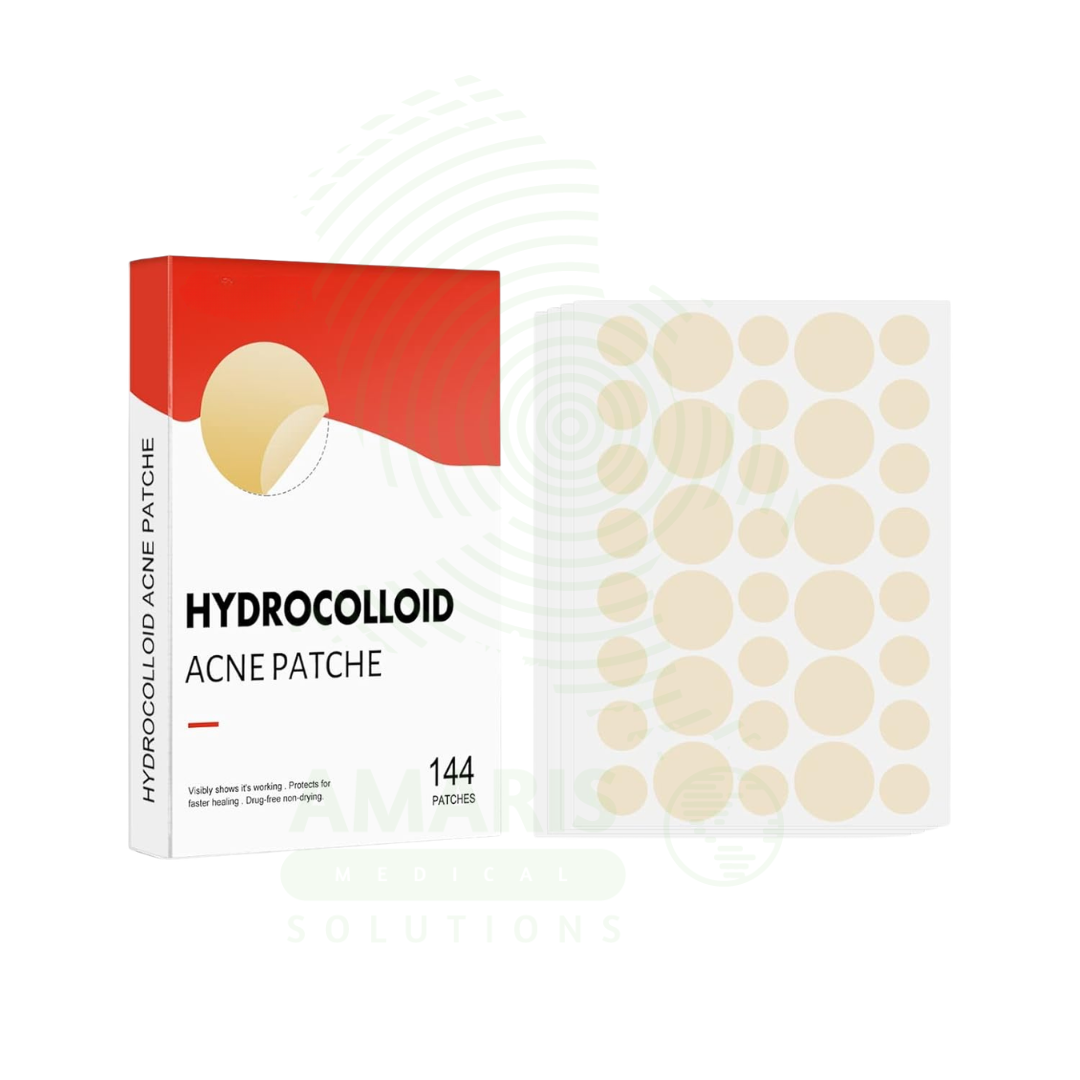
Hydrocolloid Acne Patch
WhatsApp Order
A Hydrocolloid Acne Patch is a small, single-use, adhesive dressing that physically absorbs fluid (pus and oil) from open pimples to flatten them overnight. It creates a moist, protective environment that accelerates the skin’s natural healing process. For the dermatologist and patient, it serves as an effective, non-medicated “spot treatment” that reduces lesion size, redness, and inflammation, while providing a crucial physical barrier that prevents scarring from skin picking and protects the blemish from external bacteria. For the patient, it offers a discreet, easy-to-use, and satisfying tool for managing individual breakouts quickly without the need for harsh chemicals, often visibly reducing the pimple by morning.
Description
Hydrocolloid Acne Patch
PRIMARY CLINICAL & DIAGNOSTIC USES
1. Management of Ruptured or Open Acne Lesions for Faster Healing
-
Primary Use: Provides a small, adhesive hydrocolloid dressing designed to absorb fluid (pus, oil, and exudate) from open or ruptured acne lesions (pustules), creating a moist wound healing environment that promotes faster recovery and reduces inflammation.
-
How it helps: For the dermatologist and primary care physician, the hydrocolloid acne patch serves as a targeted wound dressing for inflamed, superficial acne lesions. It promotes faster healing, reduces the risk of hyperpigmentation, and prevents further skin trauma by creating a barrier that absorbs excess fluid and maintains an optimal moisture balance for wound repair. For the patient, applying a patch to a popped or oozing pimple helps flatten the blemish overnight, reduces redness and swelling, and minimizes scab formation—leading to quicker resolution and less noticeable marks on the skin.
2. Physical Barrier to Prevent Skin Picking and External Irritation
-
Primary Use: Serves as a physical barrier that covers the acne lesion, preventing mechanical trauma from picking, scratching, or rubbing, and shielding the area from external contaminants such as bacteria, dirt, and makeup.
-
How it helps: For the dermatologist and behavioral health specialist, the patch addresses the common problem of “acne excoriée” (pimple picking), which often leads to scarring, infection, and delayed healing. By covering the lesion, the patch creates a “no-touch” zone, breaking the cycle of picking and reducing further inflammation. For the patient, the patch acts as a reminder to keep hands off the face, preventing accidental or intentional squeezing that can worsen acne, introduce bacteria, and cause permanent scars or post-inflammatory hyperpigmentation.
3. Protection Against Bacterial Contamination and Secondary Infection
-
Primary Use: Forms an occlusive or semi-occlusive barrier that seals the acne lesion from external environment, reducing the risk of secondary bacterial infection while allowing the skin to breathe and heal naturally.
-
How it helps: For the infectious disease specialist and dermatologist, the patch’s physical barrier properties are particularly beneficial for open lesions where the skin’s protective layer is compromised. By blocking external bacteria and environmental irritants, the patch helps prevent the progression of a simple pimple into a more serious infection or inflamed nodule. For the patient, the patch provides peace of mind that the healing lesion is protected from contamination during daily activities, sleep, exercise, and exposure to potentially irritating skincare products or environmental pollutants.
4. Absorption of Excess Sebum and Exudate to Reduce Lesion Size
-
Primary Use: The hydrocolloid material absorbs excess sebum, pus, and serous fluid from the acne lesion through hydrophilic particles that swell into a gel upon contact with exudate, visibly reducing the size and elevation of the pimple.
-
How it helps: For the dermatologist, the absorptive capacity of hydrocolloid patches directly targets the primary components of inflammatory acne lesions—exudate and sebum. Clinical studies have shown that hydrocolloid dressings demonstrated a statistically significant greater reduction in acne severity and inflammation compared to standard skin tapes, with significant improvements in redness, oiliness, and lesion elevation over three to seven days. For the patient, this translates to waking up to a visibly flatter, less red, and less noticeable pimple after overnight wear. As the patch turns white or opaque, it provides visual confirmation that fluid has been successfully drawn out of the lesion, offering a satisfying indicator of treatment progress.
SECONDARY & SUPPORTIVE USES
1. Overnight Treatment for Emerging Pustules and Papules: Applied to early-stage inflammatory lesions to potentially reduce their size and progression before they become fully developed, helping minimize the duration and severity of breakouts.
2. Protective Covering for Post-Procedure Skin (Minor Extractions): Used by dermatologists or patients after professional or at-home minor extractions to cover the treated area, absorbing residual fluid, soothing inflammation, and protecting the open follicle from bacteria while it heals.
3. Adjunct to Topical Acne Medications: Can be used in conjunction with topical treatments (e.g., benzoyl peroxide, retinoids) by applying the patch at a different time of day or after the medication has dried, providing a protective and absorptive layer without interfering with medication efficacy. Some patches are infused with salicylic acid for additional keratolytic action.
4. Management of Minor Superficial Skin Injuries in Acne-Prone Patients: For patients prone to acne on the body (chest, back), patches can be used as a general hydrocolloid wound dressing for minor cuts, abrasions, or post-surgical wounds, leveraging the same moisture-retention and barrier properties to promote healing and prevent scarring.
5. Cosmetic Concealment of Breakouts: Some patches are designed with a transparent, ultra-thin or matte finish, allowing them to be worn under makeup during the day to treat and conceal blemishes discreetly without interrupting daily activities or work.
6. Trial in Homeopathic or Natural Skincare Protocols: May be used by patients who prefer non-medicated, natural healing methods for occasional breakouts, offering an active-ingredient-free option that relies on physical healing mechanisms rather than chemical keratolytics or antimicrobials.
7. No-Pick Deterrent for Adolescents and Young Adults: Frequently used in pediatric and adolescent dermatology as a behavioral tool to discourage scarring through picking, especially in patients with mild to moderate acne who struggle with skin manipulation behaviors.
8. Protection During Sleep: Worn overnight to protect acne-prone areas from friction against pillowcases and to absorb night-time sebum production, further aiding in the flattening and healing of blemishes.
9. Post-Inflammatory Hyperpigmentation Reduction: By accelerating wound healing and preventing scabbing, the patch may reduce the duration and severity of post-inflammatory hyperpigmentation (dark spots) that frequently follow inflamed acne lesions, particularly in patients with darker skin tones.
10. Pre-Surgical Skin Preparation for Acne-Prone Patients: In patients undergoing elective facial procedures, patches may be used in the days leading up to surgery to rapidly flatten and resolve superficial inflammatory lesions, reducing the risk of post-surgical infection or complication in a clean surgical field.
KEY PRODUCT FEATURES
1. BASIC IDENTIFICATION ATTRIBUTES
-
Device Type: A small, adhesive, single-use hydrocolloid dressing (bandage) specifically designed to be placed over individual acne lesions (pimples) to absorb exudate, protect from external bacteria, and create a moist environment for healing.
-
Designation: Hydrocolloid Acne Patch, Pimple Patch, Acne Sticker, Zit Patch, Hydrocolloid Bandage, Spot Patch.
-
Key Components:
o Backing Layer: A thin, flexible, often transparent or translucent, polyurethane film that provides a breathable yet occlusive barrier against external contaminants and water.
o Hydrocolloid Matrix (Adhesive Layer): The active gel-forming layer composed of absorbent particles such as carboxymethylcellulose (CMC), gelatin, and pectin suspended in an adhesive base (e.g., polyisobutylene). This layer absorbs wound fluid and transforms into a soft, opaque gel.
o Hydrophilic Particles: Carboxymethylcellulose (CMC) and/or pectin, which absorb many times their weight in fluid, causing them to swell and form the characteristic white gel that indicates the patch is working.
o Adhesion Promoter/Sealant: Medical-grade adhesive (often a synthetic rubber such as styrene-isoprene-styrene (SIS) copolymer) designed to stick securely to the skin while allowing for gentle removal without trauma.
o Protective Liner: A silicone-coated paper or film that protects the adhesive surface before application and is removed just before use.
2. TECHNICAL & PERFORMANCE PROPERTIES
-
Primary Mechanism: Fluid absorption (pus, oil, exudate) to reduce lesion size; Moisture-retentive wound healing; Physical barrier against external bacteria and physical trauma (picking).
-
Material (Hydrocolloid): A combination of gel-forming agents (e.g., pectin, gelatin, CMC) dispersed in a pressure-sensitive adhesive (e.g., polyisobutylene, SIS copolymer). It is not a single material but a composite.
-
Fluid Absorption Capacity: Designed to absorb many times its weight in exudate. Upon absorption, particles swell into a gel, causing the patch to turn from transparent to opaque white. This is a marker of efficacy.
-
Dimensions: Typical sizes for individual pimple patches range from 8mm to 14mm in diameter. Larger patch sizes (e.g., for the forehead or clusters) can be up to 35mm x 70mm.
-
Thickness: Designed to be ultra-thin (often less than 0.3mm) for discretion and comfort, allowing for wear under makeup or during daily activities. Some formulations are matte-finished to reduce visibility.
-
Shapes and Colors: Most commonly round and transparent/translucent, but also available in square, heart, star, or flower shapes, as well as in colors like pink, blue, and green for cosmetic appeal.
-
Waterproof/Water-Resistant: The polyurethane backing is typically waterproof, allowing the patch to remain securely in place during face washing, light rain, or sweating, though not designed for full submersion (e.g., swimming).
-
Wear Time: Typically designed for extended wear, ranging from 6 to 12 hours. Most commonly used overnight, but can also be worn during the day for continuous treatment.
-
Active vs. Non-Medicated: Available in standard "non-medicated" hydrocolloid-only formulas, or "medicated" formulas infused with active ingredients such as salicylic acid (0.5-2.0%), tea tree oil, niacinamide, or hyaluronic acid to enhance specific therapeutic actions.
-
Sterility: Typically Non-Sterile. While derived from medical hydrocolloid dressings, most consumer-grade pimple patches are not sold as sterile, single-wound dressings but as clean, over-the-counter cosmetic or dermatological products.
-
Single-Use: Intended for single patient, single use only. Discard after use.
-
Latex-Free: Manufactured without natural rubber latex in most cases to accommodate patients with latex sensitivity. (Confirm on packaging).
-
Adhesion Type: Medical-grade pressure-sensitive adhesive that is hypoallergenic for most users but may cause irritation in individuals with sensitive skin or adhesive allergies.
3. PHYSICAL & OPERATIONAL PROPERTIES
-
Construction: Multi-layer composite: outer polyurethane film (backing) bonded to an inner hydrocolloid adhesive matrix (absorbent layer). This is backed by a protective release liner.
-
Appearance: A thin, transparent to slightly translucent sticker. As it absorbs fluid, it turns opaque white in the center, indicating the product is working and should be changed.
-
Water Resistance: The patch adheres well to dry skin and can resist water contact from washing and sweat, but it is not designed for prolonged submersion (e.g., swimming pools).
-
Application: Applied directly to the pimple after cleansing and drying the skin. The skin must be free of oils, creams, or serums for the patch to adhere properly.
-
Removal: Gently peel off from the edge. The adhesive is designed to be strong enough to stay on overnight but gentle enough to peel off without damaging the skin barrier.
-
Disposal: Discard after single use.
-
Packaging: Individually sealed on a protective liner within a decorative sheet (e.g., 12, 24, or 36 count). Some patches are sold in resealable pouches to prevent degradation of remaining patches.
4. SAFETY & COMPLIANCE ATTRIBUTES
-
Regulatory Status: Depending on claims, can be a Class I medical device (if marketed strictly as a wound dressing/barrier) or a Cosmetic (if used for aesthetic improvement). "Hydrocolloid Acne Patch" generally falls under medical device regulations for its intended therapeutic use in healing.
-
FDA Compliance: If marketed as a medical device in the US, it must comply with FDA Quality System Regulations (QSR), be listed with the FDA, and follow applicable labeling requirements.
-
Hypoallergenic: Designed with a gentle adhesive intended for use on sensitive facial skin, though allergic contact dermatitis is possible for those with adhesive allergies.
-
Latex-Free: Manufactured without natural rubber latex to reduce the risk of allergic reactions for users with latex sensitivity.
-
Breathable: The semi-occlusive polyurethane outer layer allows for the exchange of water vapor and oxygen while preventing external contamination and excessive moisture loss.
-
Recyclability: Outer cardboard packaging is often recyclable, but the individual patch foils and the patches themselves are not typically recyclable.
5. STORAGE & HANDLING ATTRIBUTES
-
Storage: Store in a cool, dry place at room temperature. Avoid exposure to direct sunlight, high humidity, or temperatures above 30°C (86°F), which can degrade the adhesive and hydrocolloid.
-
Shelf Life: Typically 2 to 3 years from the date of manufacture when stored in the original, unopened packaging.
-
Sterility Maintenance: Not applicable (product is non-sterile). However, keep in a sealed pouch to maintain cleanliness and prevent the adhesive from drying out.
-
Inspection: Do not use if the individual pouch or liner is open, torn, or damaged. Discard if the patch feels stiff or brittle, which indicates it has dried out.
6. LABORATORY & CLINICAL APPLICATIONS
-
Primary Application: Topical management of superficial, non-cystic acne vulgaris lesions (specifically pustules and papules) by absorbing exudate, reducing inflammation, protecting the skin from external irritants and manual manipulation (picking), and providing a moist wound healing environment.
-
Clinical Role: Over-the-counter (OTC) dermatological treatment for occasional, mild-to-moderate inflammatory acne blemishes. Used as an alternative to or in conjunction with topical creams/gels for faster healing and scarring prevention.
SAFETY HANDLING PRECAUTIONS
1. SAFETY PRECAUTIONS
-
For External Use Only: The patch is for topical use on intact or superficially open skin only. Do not ingest.
-
Apply to Clean, Dry Skin: The skin where the patch is to be applied must be clean and completely dried. Do not apply moisturizers, serums, or oils before applying the patch, as this will prevent the patch from adhering properly.
-
Sensitivity and Allergy: Do not use on skin that is known to be sensitive to adhesives or any of the listed ingredients (e.g., styrene-isoprene-styrene copolymer, CMC). If rash, redness, or persistent itching occurs, discontinue use immediately.
-
Do Not Use: Do not use deep, painful cystic acne, or nodules. These lesions are not open to the surface, and the patch will be ineffective at penetrating deep into the skin to resolve the underlying inflammation.
-
Avoid Eyes and Mucous Membranes: Do not apply the patch inside the nose, on the lips, or too close to the eyes. If the patch comes in contact with the eyes, rinse thoroughly with water.
-
Not a Treatment for Acne Vulgaris: The treating physician should inform the patient that this is a spot treatment for individual blemishes. It is NOT a substitute for a comprehensive acne treatment regimen (e.g., topical retinoids, benzoyl peroxide, oral medications) and will not prevent new breakouts from forming.
-
Do Not Reuse: Discard the patch after a single use. Do not attempt to wash or reapply a used patch as it will be contaminated and lose its absorptive capacity.
2. FIRST AID MEASURES
-
Skin Irritation: If the surrounding skin becomes red or irritated, remove the patch immediately and cleanse the area gently with mild soap and water. Discontinue use.
-
Allergic Reaction: If signs of a severe allergic reaction (rash, severe itching, swelling) occur, remove the patch and seek medical attention.
3. FIRE FIGHTING MEASURES
-
Flammability: The plastic (polyurethane) and adhesive components are combustible. The patches are small, however, and present minimal fire risk.
-
Extinguishing Media: Use water, foam, dry chemical, or CO₂ for fires involving disposable materials.
Related products
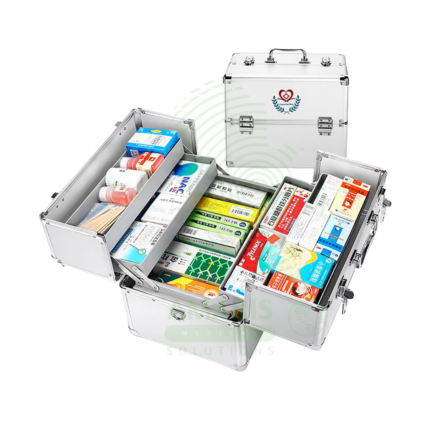
Aluminium First Aid Kit For Ambulance
An Aluminium First Aid Kit for Ambulance is a heavy-duty, weather-resistant storage case specifically designed for organizing, protecting, and securing medical supplies in emergency medical service vehicles. Constructed from 1.2-2.0 mm aluminium alloy with reinforced corners, durable latches, and rubber gaskets (IP54-IP67 rated), these cases protect contents from vibration, impact, moisture, and temperature extremes during emergency response. Available in various configurations including single compartment, multi-drawer, and clear-lid models with customizable interior dividers, elastic straps, and pouches. Designed to meet ambulance equipment mounting standards (KKK-A-1822, NFPA 1917, CEN 1789) with proper installation to withstand collision forces. Primary clinical applications include organized storage of airway management devices, bleeding control supplies, wound care materials, diagnostic equipment, emergency medications, IV supplies, splinting equipment, PPE, and obstetric supplies for BLS, ALS, and CCT ambulance services. Critical safety considerations include proper vehicle mounting to prevent projectile hazards, secure latching during transport, regular inventory management, expiration date monitoring, and decontamination after biohazard exposure. Essential equipment for organized, efficient, and safe emergency medical response.
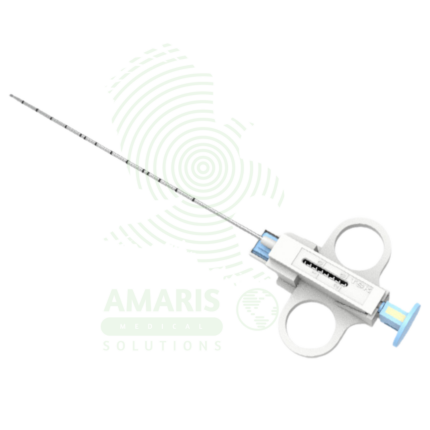
Biopsy Needles
Biopsy Needles are sterile, single-use precision medical devices designed to obtain tissue or cellular specimens from internal organs, masses, and lesions for histopathological or cytological diagnosis. Available in core biopsy (automatic spring-loaded, semi-automatic, vacuum-assisted, coaxial) and fine needle aspiration configurations, with gauges ranging from 14G-27G and lengths from 6-25 cm. Core biopsy needles obtain intact tissue cores preserving histological architecture; FNA needles aspirate cellular material for cytological evaluation. Specialized variants include bone marrow biopsy needles (Jamshidi, Illinois), echogenic-tip needles for ultrasound guidance, and MRI-compatible needles (nitinol, titanium). Critical safety requirements include strict image guidance for non-palpable lesions, verification of coagulation status, adherence to single-use protocols, and immediate post-procedure monitoring for complications (hemorrhage, pneumothorax, organ injury). An indispensable tool in interventional radiology, oncology, and minimally invasive diagnosis.
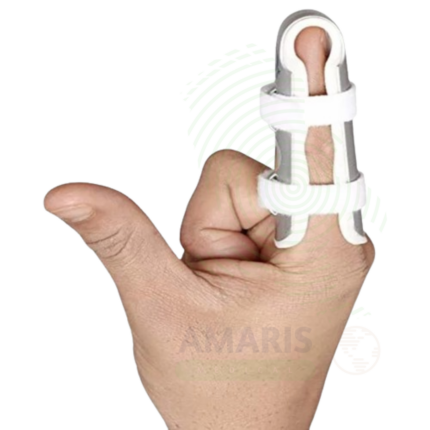
Finger Cot
A Finger Cot is a small, finger-shaped protective covering used to protect minor finger wounds, diabetic ulcers, surgical incisions, and amputation stumps, as well as to provide barrier protection for healthcare workers and laboratory personnel. Made from latex, nitrile, vinyl, or silicone, it provides a comfortable, secure fit while protecting the finger from contamination, moisture, friction, and irritants. Available in various sizes, materials, and sterile or non-sterile versions. Latex-free options are available for individuals with latex allergy.
Glucosics Blood Sugar Sticks
Glucosics Blood Sugar Sticks are single-use, disposable electrochemical test sticks (ISO 15197:2013 compliant) designed exclusively for use with Glucosics glucose meters to measure capillary blood glucose from 0.5-1.0 µL samples in 5-7 seconds. Each stick contains glucose oxidase or glucose dehydrogenase reagents that generate electrical current proportional to glucose concentration (20-600 mg/dL range). Packaging options include multi-stick vials (25-100 sticks) with desiccant for daily use or individually foil-wrapped sticks for travel. Sticks feature no-coding automatic calibration, hematocrit compensation (20-60%), and interference resistance. Primary clinical applications include daily blood glucose testing for Type 1, Type 2, and gestational diabetes management, hypoglycemia and hyperglycemia detection, pre- and post-meal glucose assessment, and hospital point-of-care testing. Critical safety precautions include single-use only, immediate vial closure after stick removal to prevent humidity damage, storage at 2-30°C away from bathrooms and temperature extremes, never using expired sticks, proper hand hygiene before testing, and disposal in sharps containers. Essential consumable for diabetes self-management when used with Glucosics meters.
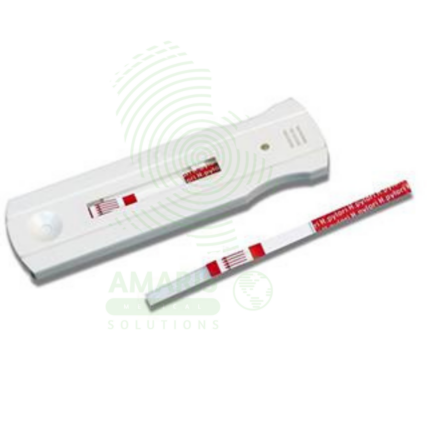
H. pylori Test Strips
H. pylori Test Strips are rapid, lateral flow immunochromatographic devices used for the qualitative detection of Helicobacter pylori antigens in human stool. As a non-invasive stool antigen test (SAT), it provides a convenient and reliable method for diagnosing active H. pylori infection and confirming eradication after therapy, with results available in under 15 minutes. Ideal for use in clinics and outpatient settings, it aids in the management of dyspepsia and peptic ulcer disease. Proper sample handling, adherence to pre-test medication restrictions, and strict biohazard precautions are essential for obtaining accurate results.
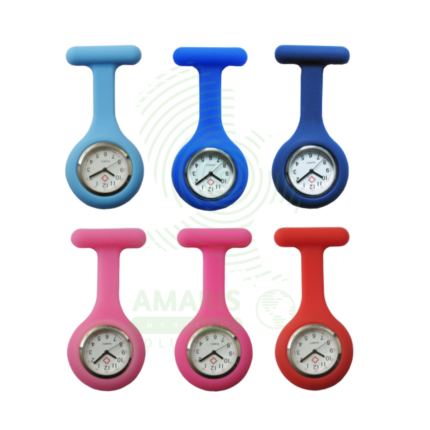
Nurse Watch
A Nurse Watch is a professional-grade analog wristwatch specifically designed for clinical use. Its hallmark is a built-in "pulsometer" scale that allows for rapid, on-the-spot calculation of a patient's heart rate by timing pulses over a short interval. Featuring a high-contrast dial with a clear sweep second hand, durable water-resistant construction, and a cleanable band, it is engineered for accuracy, legibility, and infection control in healthcare settings. It is an indispensable personal tool for nurses, enabling precise measurement of vital signs, timing of medications and procedures, and accurate clinical documentation throughout the shift.
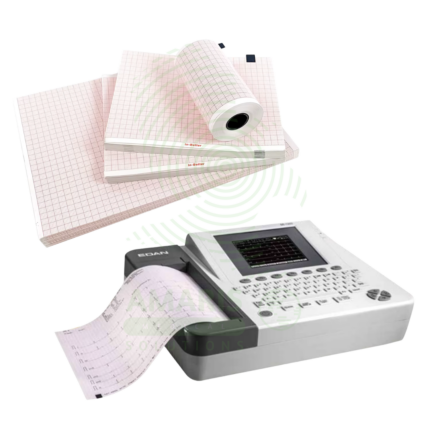
Thermal Printing Paper Roll
Thermal Printing Paper Roll is a heat-sensitive recording medium used with medical monitoring and diagnostic equipment including ECG machines, fetal monitors, ultrasound printers, and telemetry systems. The paper produces high-contrast, permanent images of physiological waveforms and data when passed over the printer's thermal head. Available in various widths, lengths, and grid patterns to match specific device requirements, it is an essential consumable for creating hard copy records for patient charts, consultation, and legal documentation. Proper storage away from light, heat, and moisture is essential to preserve image quality. BPA-free and archival-grade options are available for specific applications.