Dermatoscope and Magnifiers
 Diagnostic Kits
 Vital Signs Monitors
 Stethoscopes and Accessories
 Otoscopes, Ophthalmoscopes, and Retinoscopes
 Reflex Hammers and Neurological Tools
 Scales and Measuring Devices
 Spirometers and Pulmonary Function Tests
 Electrosurgical Units and Accessories
 Cutting Instruments
 Grasping and Holding Instruments
 Hemostatic Instruments
 Specialized Surgical Sets
 Single-Use Procedure Trays and Packs
 Surgical Drapes, Gowns, and Covers
 Tissue Unifying Instruments
 Radiation Protection
 X-Ray Machines and Accessories
 Ultrasound Systems and Probes
 MRI and CT Scanners
 Radiology Consumables
 Bone Densitometers
 Fluoroscopy Equipment
 Imaging Tables and Positioning Aids
 Microscopes and Accessories
 Centrifuges and Separators
 Analyzers
 Incubators and Ovens
 Pipettes, Dispensers, and Lab Glassware
 Refrigerators, Freezers, and Storage Units
 Lab Consumables
 Sterilizers and Autoclaves for Lab Use
 Multi-Parameter Monitors
 Ventilators and Respiratory Support Devices
 Defibrillators and AEDs
 Infusion Pumps and IV Systems
 Patient Warmers and Cooling Devices
 Central Monitoring Stations
 Accessories
 Anesthesia Machines and Workstations
 Oxygen Concentrators and Delivery Systems
 Nebulizers and Inhalers
 CPAP/BiPAP Machines
 Airway Management
 Anesthesia Masks, Circuits, and Bags
 Humidifiers and Heaters
 Respiratory Therapy Accessories
 First Aid Kits and Cabinets
 Emergency Resuscitation Equipment
 Trauma Supplies
 Emergency Carts and Crash Carts
 Burn Care Products
 Bleeding Control
 Automated External Defibrillators (AEDs)
 Transport and Evacuation
 Wheelchairs and Accessories
 Walkers, Crutches, and Canes
 Prosthetics and Orthotics
 Physical Therapy Equipment
 Transfer Devices
 Bathroom Safety
 Orthopedic Traction and Tables
 Hot/Cold Therapy Packs and Units
 Beds and Mattresses
 Chairs and Stools
 Tables
 Cabinets and Storage
 Privacy Screens & Curtains
 Stands and Racks
 Linens and Textiles
 Lighting
 Autoclaves and Sterilizers
 Ultrasonic Cleaners
 Disinfectant Solutions and Wipes
 Sterilization Pouches, Wraps, and Indicators
 Instrument Trays and Containers
 UV and Ozone Disinfection Devices
 Washer Disinfectors
 Wound Care
 Gloves
 Masks and Respirators
 Catheters and Tubing
 Swabs, Applicators, and Sponges
 Incontinence Products
 Personal Protective Equipment (PPE)
 Dental Chairs and Units
 Handpieces and Burs
 Instruments
 Consumables
 Sterilization for Dental Use
 Orthodontic Supplies
 Endodontic Tools
 Slit Lamps and Tonometers
 Lensometers and Phoropters
 Ophthalmic Surgical Instruments
 Eyewear Frames and Lenses
 Contact Lens Supplies
 Vision Testing Charts and Devices
 Eye Care Consumables
 Laser Systems for Eye Care
 ENT Exam Chairs and Tables
 Endoscopes
 Audiometers and Hearing Tests
 ENT Instruments
 Nasal and Throat Packs
 Hearing Aids and Accessories
 Otology Supplies
 Fetal Dopplers and Monitors
 Delivery Beds and Tables
 Gynecological Instruments
 Neonatal Incubators and Warmers
 Breast Pumps and Accessories
 Contraceptive Devices
 Maternity Supports and Pads
 Neonatal Consumables
 Cystoscopes and Urethroscopes
 Dialysis Machines and Supplies
 Urological Catheters and Bags
 Lithotripters
 Prostate Treatment Devices
 Urinary Incontinence Products
 Kidney Stone Management Tools
 Consumables & Disposables
 EEG and EMG Machines
 Neurosurgical Instruments
 Nerve Stimulators
 Headrests and Positioning Aids
 Lumbar Puncture Kits
 Seizure Monitoring Devices
 Consumables
 Rehabilitation for Neurological Conditions
 ECG Machines and Accessories
 Holter Monitors
 Stress Test Systems
 Pacemakers and Defibrillator Accessories
 Vascular Access Devices
 Cardiac Catheters and Guidewires
 Blood Flow Meters
 Consumables
 Orthopedic Instruments
 Casts, Splints, and Padding
 Joint Replacement Supplies
 Prosthetic Limbs and Components
 Bone Grafts and Substitutes
 Traction Devices
 Orthopedic Braces and Supports
 Rehabilitation Aids for Orthopedics
 Home Oxygen Therapy
 Hospital Beds for Home Use
 Mobility Aids
 Bathroom and Daily Living Aids
 Wound Care for Home
 Monitoring Devices
 Enteral Feeding Pumps and Tubes
 Hand Sanitizers and Dispensers
 Face Shields and Goggles
 Isolation Gowns and Suits
 Biohazard Waste Containers
 Air Purifiers and HEPA Filters
 Surface Disinfectants
 Sharps Containers
 Protective Barriers
 Cardiovascular & Endurance Training
 Strength Training & Weightlifting
 Functional Training & Core Conditioning
 Physical Therapy & Rehabilitation
 Sports & Outdoor Recreation
 Gym Flooring & Facility Equipment
 Fitness Monitoring & Accessories
 Kids & Novelties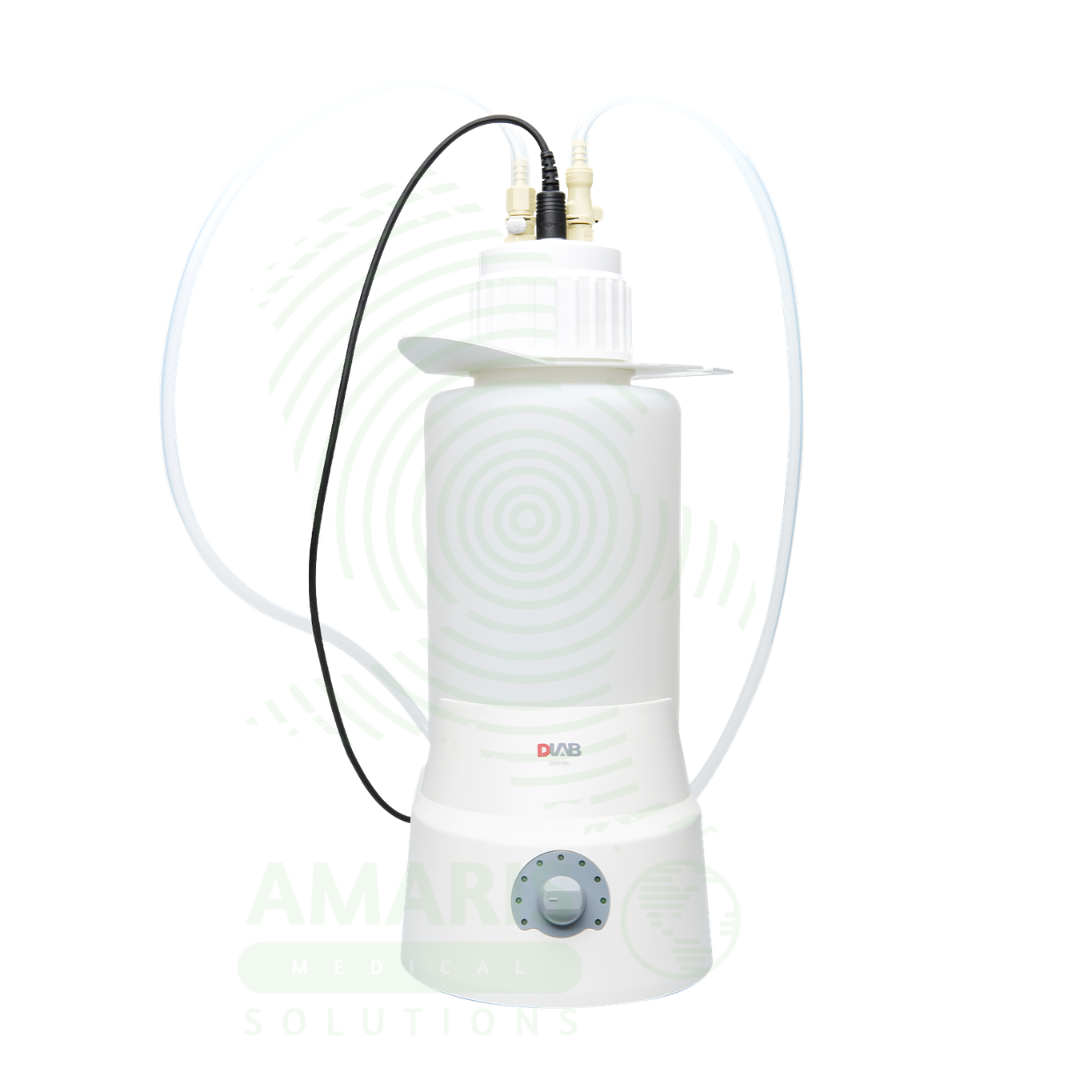


SafeVac Vacuum-Controlled Aspiration System
WhatsApp Order
The SafeVac Vacuum-Controlled Aspiration System is a benchtop vacuum aspirator engineered for gentle, precise, and contamination-free removal of liquids in cell culture, molecular biology, clinical diagnostics, and pharmaceutical quality control. Featuring an adjustable vacuum range from 0 to 600 mmHg, a high-capacity collection bottle (1L to 4L options), and an ergonomic handpiece with thumb-operated vent control, this system provides the versatility required for routine aspiration and waste collection in high-throughput laboratory workflows.
Every SafeVac system includes integrated overflow protection with audible and visual alarms, an in-line hydrophobic filter to prevent aerosol release and pump damage, and chemically resistant wetted materials compatible with alcohols, dilute acids, bases, and tissue culture media. The collection bottle and silicone tubing are fully autoclavable at 121°C for 20 minutes, ensuring sterility for aseptic applications in cell culture and microbiology.
Key user-focused features include a foot switch for hands-free operation (select models), compatibility with standard bottle-top filter units for reagent sterilization, and a low-noise pump operating below 55 dB for a comfortable work environment. The transparent bottle allows easy visual monitoring of fill level, and the quick-release lid simplifies emptying and cleaning.
For the cell culture scientist and clinical laboratory technologist, the SafeVac delivers the controlled flow, contamination prevention, and safety features required for critical applications such as cell therapy production, nucleic acid extraction, and automated analyzer waste management. For the patient, reliable, contamination-free aspiration ensures that diagnostic results are accurate and that cell-based therapies are manufactured to the highest quality standards, directly supporting effective clinical outcomes.
Description
SafeVac Vacuum-Controlled Aspiration System
PRIMARY CLINICAL & DIAGNOSTIC USES
1. Safe, Controlled Aspiration for Cell Culture Supernatant Removal
Primary Use: Provides a benchtop, vacuum-controlled aspiration system with an ergonomic handpiece, foot switch or manual control, and a high-capacity collection bottle, used for the rapid and gentle removal of cell culture media, wash buffers, and supernatants from adherent or suspension cell lines without disturbing the cell monolayer.
How it helps: For the cell culture scientist and tissue engineering specialist, the SafeVac’s adjustable vacuum regulation from 0 to 600 mmHg and in-line hydrophobic filter prevent cross-contamination and aerosolization of infectious agents. The controlled flow rate minimizes cell loss during media exchange, ensuring consistent cell viability for downstream assays. For the patient receiving cell-based therapies such as CAR-T or stem cell transplants, this gentle, contamination-free aspiration directly supports the production of high-quality, viable cell products, reducing the risk of therapy failure or adverse immune reactions.
2. Clinical Specimen Processing for Molecular Diagnostics
Primary Use: Enables the aspiration of supernatant fluids, wash solutions, and lysates from diagnostic platforms including ELISA plates, PCR cleanup kits, nucleic acid extraction columns, and urinalysis cassettes, with hands-free operation via an integrated vacuum trap.
How it helps: For the clinical laboratory technologist, the SafeVac’s autoclavable collection bottle and reusable silicone tubing permit rapid decontamination between patient samples. The transparent bottle allows visual monitoring of fill level, preventing overflow and sample loss. For the patient, reliable removal of wash buffers and contaminants during nucleic acid extraction ensures that downstream PCR or sequencing results are accurate, reducing the chance of diagnostic errors or repeat testing.
3. Vacuum Filtration for Reagent Preparation
Primary Use: Functions as a vacuum filtration system for sterilization or clarification of cell culture media, buffers, and biological fluids using bottle-top filter units with standard neck sizes.
How it helps: For the laboratory manager, the SafeVac eliminates the need for separate filtration pumps by accommodating reusable filter funnels directly onto the collection bottle. The adjustable vacuum prevents foaming and protein denaturation during filtration. For the patient, sterile, particle-free reagents prepared with the SafeVac support consistent manufacturing of injectable drugs and cell therapy products, directly impacting treatment safety.
4. Waste Collection for Automated Clinical Analyzers
Primary Use: Serves as a centralized waste collection system for benchtop clinical chemistry analyzers, hematology instruments, and immunoassay platforms, with integrated overflow protection and chemical resistance.
How it helps: For the core laboratory supervisor, the SafeVac’s large capacity collection bottle and chemical-resistant construction reduce the frequency of waste disposal and prevent corrosive reagent damage to internal vacuum components. The audible and visual overflow alarm protects laboratory personnel from exposure to biohazardous fluids. For the patient, uninterrupted analyzer operation supported by reliable waste removal ensures timely reporting of critical test results such as troponin, blood gases, or coagulation panels.
SECONDARY & SUPPORTIVE USES
-
Aspiration of Blood Collection Tubes: Removes serum or plasma from centrifuged tubes for manual aliquoting without cross-contamination between patient samples.
-
Tissue Culture Wash Steps: Removes PBS, trypsin, or other wash solutions from multi-well plates during routine cell passaging or harvest procedures.
-
In Vitro Fertilization (IVF) Procedures: Gently aspirates culture media from embryo or oocyte handling dishes without disturbing delicate specimens.
-
Histology and Cytology Slide Processing: Removes stains, fixatives, and wash solutions from slide baths or automated staining racks.
-
Western Blot Wash Steps: Aspirates blocking buffer and wash solutions from membrane incubation trays during protein detection workflows.
-
Chemistry Analyzer Waste Management: Collects liquid waste from open-channel clinical chemistry analyzers in core laboratories.
-
Molecular Biology Gel Extraction: Removes buffer from gel slices following DNA or RNA extraction protocols using spin columns.
-
Microbiology Liquid Culture Harvesting: Aspirates supernatant from bacterial or yeast cultures prior to cell pellet collection for downstream analysis.
-
Forensic DNA Extraction: Removes inhibitors and wash solutions from silica column-based extraction kits used in forensic casework.
-
Pharmaceutical Quality Control: Collects dissolution media samples or removes cleaning solutions from HPLC vials and autosampler trays.
-
Veterinary Diagnostic Sample Processing: Aspirates fecal flotation solutions or urine sediment preparations in veterinary laboratories.
-
Environmental Water Testing: Filters water samples through membrane filters for coliform or pathogen detection using vacuum-assisted filtration.
-
Academic Teaching Labs: Provides a safe, easy-to-use aspiration tool for students learning cell culture or microbiology techniques.
-
Blood Bank Tube Processing: Removes supernatant from washed red blood cells during antibody screening and compatibility testing procedures.
KEY PRODUCT FEATURES
1. BASIC IDENTIFICATION ATTRIBUTES
-
Device Type: A benchtop vacuum-controlled aspiration system consisting of a vacuum source, collection bottle, tubing, and handpiece.
-
Designation: SafeVac Vacuum-Controlled Aspiration System, SafeVac Aspirator, Vacuum Aspiration System.
-
Key Components:
-
Integrated vacuum pump with adjustable regulator (0 to 600 mmHg)
-
High-capacity collection bottle (1L, 2L, or 4L options)
-
Ergonomic handpiece with thumb-operated vent port
-
Foot switch for hands-free operation (select models)
-
In-line hydrophobic filter to prevent fluid ingress to pump
-
Silicone vacuum tubing, autoclavable
-
Overflow protection sensor with audible and visual alarm
-
Removable, autoclavable bottle lid with dual ports
-
2. TECHNICAL & PERFORMANCE PROPERTIES
-
Vacuum range: Adjustable from 0 to 600 mmHg (0 to 80 kPa)
-
Flow rate: Up to 8 L/min at maximum vacuum
-
Collection bottle capacity: 1 liter, 2 liter, or 4 liter polypropylene or borosilicate glass
-
Filtration compatibility: Accepts standard 45mm and 50mm bottle-top filter units
-
Noise level: Less than 55 dB at normal operating distance
-
Materials: Chemical-resistant polypropylene bottles, silicone or PharMed BPT tubing, ABS handpiece
-
Sterilization: Collection bottle and silicone tubing are autoclavable at 121°C for 20 minutes
-
Overflow protection: Float valve or capacitance sensor shuts off vacuum when bottle reaches fill limit
-
Power requirements: 100-240V, 50/60Hz, 60W (typical)
-
Filtration compliance: Meets ISO 8655-6 for vacuum-assisted liquid handling; CE marked
-
Chemical resistance: Wetted materials are resistant to alcohols, dilute acids, bases, and tissue culture media
3. PHYSICAL & OPERATIONAL PROPERTIES
-
Construction: Impact-resistant polymer housing for vacuum pump, rugged polypropylene or glass collection bottle.
-
Operation: Plug-and-play setup with front-panel vacuum gauge and regulator knob; foot switch or rocker switch activation.
-
Handpiece design: Lightweight, pencil-grip handpiece with a thumb-operated vent hole to release vacuum and stop flow instantly.
-
Tubing connection: Flexible, kink-resistant silicone tubing with standard barbed fittings for easy replacement.
-
Bottle access: Wide-mouth bottle design for easy cleaning and fill-level inspection; lid with quick-release clamps.
-
Portability: Compact pump unit (approx. 20 x 20 x 15 cm) with rubber feet for benchtop stability.
-
Maintenance: User-replaceable in-line filter, easy-to-clean bottle and tubing; pump requires no routine lubrication.
4. SAFETY & COMPLIANCE ATTRIBUTES
-
Regulatory status: General laboratory equipment for in vitro diagnostic use; manufactured under ISO 13485:2016 quality system.
-
Overflow protection: Automatic vacuum shut-off prevents liquid from reaching the pump, protecting both equipment and laboratory personnel from biohazard exposure.
-
Hydrophobic filter: 0.45 micron or 0.22 micron filter traps aerosols and microorganisms, preventing contamination of the vacuum pump and room air.
-
Chemical resistance: Polypropylene or glass bottles resist corrosion from common laboratory reagents including acetic acid, ethanol, isopropanol, and saline solutions.
-
Electrical safety: Compliant with IEC 61010-1 for laboratory electrical equipment; grounded power cord with overload protection.
-
Biohazard containment: Closed system design with in-line filter and sealed bottle reduces risk of splashing or aerosol release during aspiration.
-
Noise compliance: Meets workplace noise exposure limits for continuous operation.
5. STORAGE & HANDLING ATTRIBUTES
-
Storage: Store the pump unit on a clean, dry benchtop; store empty collection bottles with lids loose to allow drying and prevent odor buildup.
-
Cleaning: Wipe the pump housing with 70% isopropyl alcohol or mild detergent. Wash the collection bottle and tubing with laboratory detergent and water, then autoclave or disinfect with bleach solution as needed.
-
Autoclaving: Remove the bottle lid, tubing, and handpiece; autoclave polypropylene components at 121°C for 20 minutes. Glass bottles may be autoclaved with lids slightly loosened.
-
Filter replacement: Replace the in-line hydrophobic filter every 3 to 6 months or immediately after any overflow event.
-
Pre-use inspection: Check tubing for cracks or kinks; ensure the collection bottle is empty and the lid seal is intact; verify the overflow sensor is functional.
-
Operation: Turn on the pump, set the desired vacuum level using the regulator, then use the handpiece or foot switch to start aspiration. Use the thumb vent on the handpiece to release vacuum without turning off the pump.
-
Emptying the bottle: When the bottle reaches the fill line, turn off the pump, open the lid, and decant liquid into an appropriate waste container according to laboratory safety procedures.
-
Tubing replacement: Replace silicone tubing annually or when cracked or discolored; use only manufacturer-approved tubing to ensure proper fit and chemical resistance.
6. LABORATORY & CLINICAL APPLICATIONS
-
Primary application: Controlled aspiration of liquids in cell culture, molecular biology, clinical diagnostics, and pharmaceutical quality control, where gentle, contamination-free removal of supernatants, wash buffers, and waste fluids is required.
-
Clinical role: An essential tool for clinical diagnostic laboratories, molecular diagnostics labs, immunology laboratories, IVF clinics, pathology departments, pharmaceutical QC facilities, and research institutions. Critical for cell culture maintenance, nucleic acid extraction, ELISA processing, and automated analyzer waste management where safe, reliable aspiration is mandatory.
SAFETY HANDLING PRECAUTIONS
1. SAFETY PRECAUTIONS
-
Biohazard exposure: Always assume that aspirated fluids are potentially infectious. Wear appropriate PPE including gloves, lab coat, and face protection when handling the collection bottle.
-
Overflow prevention: Do not exceed the maximum fill line on the collection bottle. An overflow event can saturate the filter, damage the pump, and release aerosols.
-
Chemical compatibility: Verify that all wetted materials (bottle, tubing, handpiece) are compatible with the chemicals being aspirated. Some organic solvents may damage silicone tubing or polypropylene.
-
Electrical safety: Keep the vacuum pump unit away from spilled liquids. If spill occurs, unplug the unit immediately and allow it to dry completely before reuse.
-
Tubing connections: Ensure all tubing is securely attached to barbed fittings. Loose tubing can disconnect under vacuum, causing spills.
-
Handpiece care: Do not immerse the handpiece in liquid. Wipe clean only. Immersion can damage the internal valve and vent mechanism.
-
Filter replacement: Do not operate the system without an in-line hydrophobic filter. Liquid will enter the pump and cause electrical hazard and internal corrosion.
-
Autoclave safety: Allow autoclaved components to cool for at least 30 minutes before handling to avoid burns. Ensure bottle lids are loosened before autoclaving to prevent pressure buildup.
-
Training requirement: Only trained laboratory personnel should operate the SafeVac for clinical or diagnostic applications.
2. FIRST AID MEASURES
-
Sample splash to eyes: If biological or chemical fluid splashes into the eyes during bottle emptying or aspiration, flush immediately with water for 15 minutes and seek medical attention.
-
Skin contact: Wash contaminated skin with soap and water for at least 5 minutes. If irritation or signs of infection develop, seek medical evaluation.
-
Sharps injury: If a pipette tip or broken glass in the waste bottle punctures the skin, wash the wound thoroughly and follow the facility's exposure management protocol for bloodborne pathogens.
-
Chemical exposure: If a hazardous chemical is aspirated and subsequently spills onto skin or clothing, refer to the specific Safety Data Sheet (SDS) for that chemical for detailed first aid instructions.
-
Inhalation: If aerosolized biological material is inhaled due to filter failure or overflow, move to fresh air immediately. Report the exposure to the laboratory supervisor and follow facility protocols for biological exposure.
-
Electrical shock: If the pump unit is involved in an electrical incident, unplug the unit immediately. Do not touch the person until the power is disconnected. Seek emergency medical attention.
3. FIRE FIGHTING MEASURES
-
Flammability: The plastic housing of the pump unit, polypropylene bottle, and silicone tubing are combustible and may melt or burn if exposed to flame or high heat.
-
Extinguishing media: Use carbon dioxide (CO2), dry chemical powder, or foam for fires involving plastic components. Water may be used but can spread burning liquids if flammable solvents are present in the waste bottle.
-
Fire response: The primary fire hazard is the flammable laboratory reagents that may be present in the collection bottle. Follow the laboratory's fire safety protocols. Evacuate the area if the waste bottle contains volatile organic solvents.
-
Special protective equipment for firefighters: Wear self-contained breathing apparatus and full protective gear when fighting fires in a laboratory setting.
Related products
Applicator Sticks
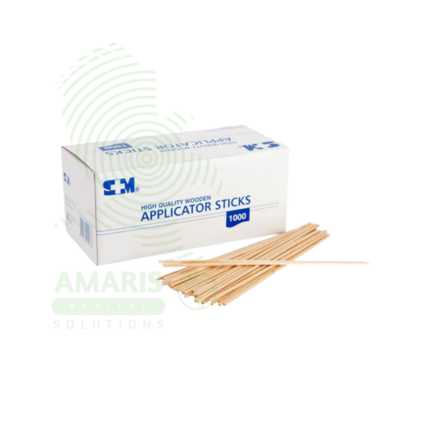
Applicator Sticks are single-use medical devices with absorbent tips (cotton, rayon, flocked polyester) on wood, plastic, or paper shafts for collecting clinical specimens (throat, nasal, wound, cervical, urethral, rectal) for microbiological culture, rapid testing, and molecular diagnostics. Sterile individually wrapped or non-sterile bulk formats. Flocked swabs provide >90% specimen release for PCR testing. Primary applications include specimen collection for infection diagnosis, wound care and antiseptic application, gynecological sampling (Pap smears, STI testing), eye/ear specimen collection, laboratory slide preparation, and forensic evidence collection. Critical precautions include single-use only, sterile technique, proper collection method, and biohazard disposal. Essential consumable in all clinical settings.
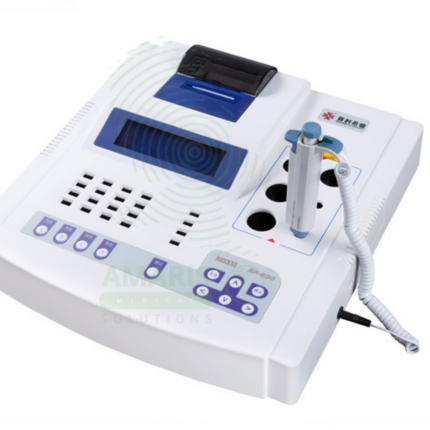
Coagulation Analyzer
A Coagulation Analyzer is a compact, automated instrument designed for performing essential tests that evaluate the blood's clotting ability. It accurately measures key parameters such as Prothrombin Time (PT/INR), Activated Partial Thromboplastin Time (aPTT), Thrombin Time, and Fibrinogen, which are critical for monitoring anticoagulant therapy (warfarin, heparin), diagnosing bleeding disorders, and assessing surgical risk. With its photometric detection and user-friendly operation, it delivers reliable results for small to medium-volume laboratories, clinics, and hospital wards. Its role in ensuring safe and effective patient management in thrombosis and hemostasis makes it a vital tool in clinical diagnostics.
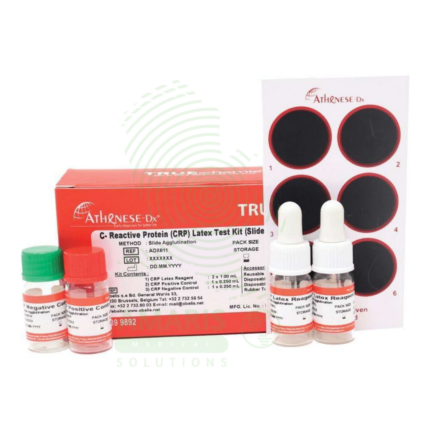
CRP Test Kit
CRP Test Kit (C-Reactive Protein) is a quantitative or semi-quantitative immunoassay (latex agglutination, turbidimetry, nephelometry, ELISA, or rapid immunochromatographic) for detecting C-reactive protein in blood, an acute-phase reactant produced in response to inflammation. Rapid rise within 6-12 hours, peaks at 24-48 hours, half-life 19 hours. Normal <5-10 mg/L; mild elevation 10-100 mg/L (viral infections, autoimmune flares); moderate 100-200 mg/L (bacterial infections); marked >200 mg/L (sepsis, major trauma). High-sensitivity CRP (hs-CRP) detects 0.1-10 mg/L for cardiovascular risk stratification (<1 mg/L low risk, 1-3 mg/L moderate, >3 mg/L high). Primary clinical applications include detection and monitoring of inflammation, diagnosis and management of infections (differentiating bacterial from viral), assessment of autoimmune disease activity, post-surgical monitoring for complications, cardiovascular risk screening (hs-CRP), monitoring rheumatic fever and inflammatory conditions, and neonatal sepsis evaluation. Critical safety precautions include proper sample handling (universal precautions), quality control verification, awareness of non-specific elevation, prozone phenomenon in very high concentrations, and clinical correlation for interpretation. Essential test for evaluating inflammation across all medical specialties.
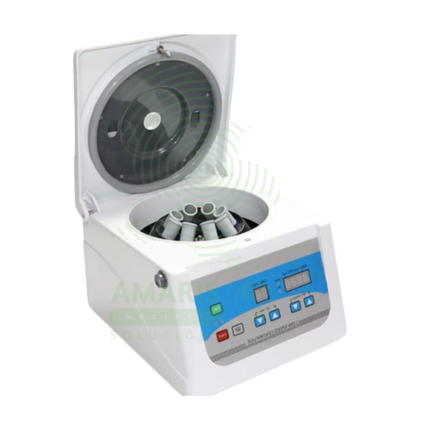
Electric Centrifuge
An Electric Centrifuge is a Class I medical device that uses rapid rotation to separate fluids of different densities, essential in clinical laboratories for processing blood, urine, and other biological specimens. Available in benchtop, refrigerated, microcentrifuge, hematocrit, and high-speed models with fixed-angle, swinging-bucket, or vertical rotors. Speed range 1,000-30,000+ RPM with RCF up to 65,000+ x g. Features include brushless induction motor, digital controls, imbalance detection, lid lock safety, and programmable protocols. Primary clinical applications include separation of serum/plasma for chemistry and hematology testing, urine sediment analysis for microscopy, platelet-rich plasma (PRP) preparation for regenerative medicine, concentration of bacteria for microbiology, cytology fluid analysis, blood banking, and molecular biology sample processing. Critical safety precautions include proper balancing of loads (weight matching), use of sealed rotors for biohazardous samples, regular rotor inspection for corrosion or cracks, never exceeding maximum rated speed, and never opening lid during operation. Essential equipment in clinical, research, and teaching laboratories.
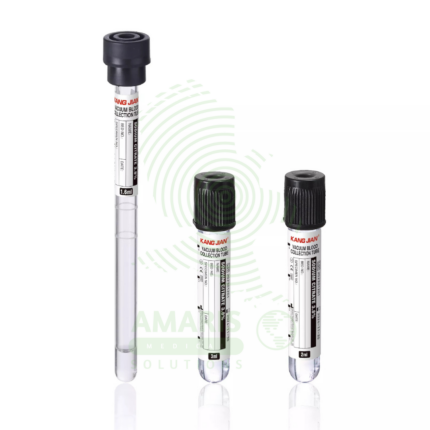
ESR Tubes Glass
ESR Tubes Glass are specialized glass tubes (300 mm length, 2.55 mm bore diameter, graduated 0-200 mm in 1 mm intervals) meeting ICSH and CLSI Westergren specifications for measuring erythrocyte sedimentation rate, a non-specific marker of inflammation. Used with citrated or diluted EDTA blood, filled to exactly 200 mm, placed vertically in Westergren stand, and read at 60 minutes. Primary clinical applications include determination of ESR for diagnosing and monitoring inflammatory conditions (infections, autoimmune disorders, malignancies), monitoring disease activity in rheumatoid arthritis, assessment of temporal arteritis and polymyalgia rheumatica, evaluation of infection and inflammatory response, screening for occult inflammatory conditions, and monitoring chronic inflammatory diseases (SLE, IBD, vasculitis). Critical safety precautions include handling glass tubes carefully to avoid breakage (sharps hazard), proper disposal in sharps containers as biohazardous waste, ensuring vertical alignment and constant temperature (18-25°C), reading at exactly 60 minutes, and avoiding air bubbles and vibration. Essential consumable for reference Westergren ESR testing in clinical laboratories.
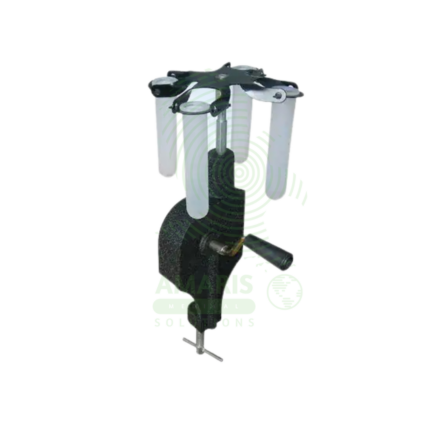
Manual Centrifuge
A Manual Centrifuge (hand-powered) is a non-electric mechanical device for separating fluids based on density, designed for use in field clinics, remote health posts, and developing world settings where electricity is unavailable or unreliable. Operated by hand crank, pull-cord, or foot pedal, achieving speeds of 1,000-4,000 RPM and RCF up to 1,500 x g. Accepts standard blood collection tubes (2-5 mL), microhematocrit tubes, and small centrifuge tubes. Primary clinical applications include separation of serum/plasma for basic diagnostic testing, urine sediment concentration for microscopy, microhematocrit determination for anemia screening, concentration of parasites for malaria and other vector-borne disease diagnosis, field epidemiology and outbreak investigation, veterinary medicine in rural settings, and teaching in resource-limited institutions. Critical safety precautions include meticulous balancing of tubes by weight (absolutely essential), never exceeding maximum rated speed, using appropriate PPE (no aerosol containment), regular inspection of gears and rotor for wear, and proper training of operators. Essential equipment for basic laboratory capabilities in low-resource and field settings.
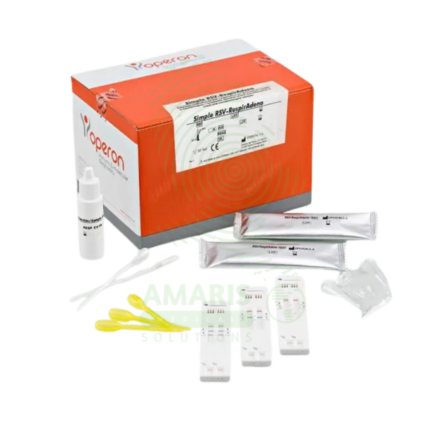
Rota virus
Rota virus rapid tests are immunochromatographic assays (CE-marked, FDA-cleared for some brands) for qualitative detection of rotavirus group A antigens in stool specimens, providing results in 10-20 minutes. The test principle uses monoclonal or polyclonal antibodies against rotavirus antigens (typically VP6 protein) immobilized on membranes, capturing antigens that form a visible line. Sensitivity 90-98%, specificity 95-99% compared to ELISA or PCR. The kit includes individually foil-wrapped test devices, sample diluent, and collection applicators. Primary clinical applications include rapid diagnosis of acute gastroenteritis in children (rotavirus is the leading cause of severe diarrhea in under-5 children), outbreak investigation in daycare centers and schools, hospital infection control and isolation precautions, differential diagnosis of acute diarrhea (viral vs. bacterial vs. parasitic), vaccine effectiveness monitoring and surveillance, assessment of dehydration risk, and evaluation of immunocompromised patients. Critical safety precautions include proper specimen collection (clean container, avoid contamination), biological hazard precautions (all stool potentially infectious), quality control verification, and awareness that a negative test does not rule out other causes of gastroenteritis. Essential tool for pediatric gastroenteritis management, infection control, and public health surveillance.