Dermatoscope and Magnifiers
 Diagnostic Kits
 Vital Signs Monitors
 Stethoscopes and Accessories
 Otoscopes, Ophthalmoscopes, and Retinoscopes
 Reflex Hammers and Neurological Tools
 Scales and Measuring Devices
 Spirometers and Pulmonary Function Tests
 Electrosurgical Units and Accessories
 Cutting Instruments
 Grasping and Holding Instruments
 Hemostatic Instruments
 Specialized Surgical Sets
 Single-Use Procedure Trays and Packs
 Surgical Drapes, Gowns, and Covers
 Tissue Unifying Instruments
 Radiation Protection
 X-Ray Machines and Accessories
 Ultrasound Systems and Probes
 MRI and CT Scanners
 Radiology Consumables
 Bone Densitometers
 Fluoroscopy Equipment
 Imaging Tables and Positioning Aids
 Microscopes and Accessories
 Centrifuges and Separators
 Analyzers
 Incubators and Ovens
 Pipettes, Dispensers, and Lab Glassware
 Refrigerators, Freezers, and Storage Units
 Lab Consumables
 Sterilizers and Autoclaves for Lab Use
 Multi-Parameter Monitors
 Ventilators and Respiratory Support Devices
 Defibrillators and AEDs
 Infusion Pumps and IV Systems
 Patient Warmers and Cooling Devices
 Central Monitoring Stations
 Accessories
 Anesthesia Machines and Workstations
 Oxygen Concentrators and Delivery Systems
 Nebulizers and Inhalers
 CPAP/BiPAP Machines
 Airway Management
 Anesthesia Masks, Circuits, and Bags
 Humidifiers and Heaters
 Respiratory Therapy Accessories
 First Aid Kits and Cabinets
 Emergency Resuscitation Equipment
 Trauma Supplies
 Emergency Carts and Crash Carts
 Burn Care Products
 Bleeding Control
 Automated External Defibrillators (AEDs)
 Transport and Evacuation
 Wheelchairs and Accessories
 Walkers, Crutches, and Canes
 Prosthetics and Orthotics
 Physical Therapy Equipment
 Transfer Devices
 Bathroom Safety
 Orthopedic Traction and Tables
 Hot/Cold Therapy Packs and Units
 Beds and Mattresses
 Chairs and Stools
 Tables
 Cabinets and Storage
 Privacy Screens & Curtains
 Stands and Racks
 Linens and Textiles
 Lighting
 Autoclaves and Sterilizers
 Ultrasonic Cleaners
 Disinfectant Solutions and Wipes
 Sterilization Pouches, Wraps, and Indicators
 Instrument Trays and Containers
 UV and Ozone Disinfection Devices
 Washer Disinfectors
 Wound Care
 Gloves
 Masks and Respirators
 Catheters and Tubing
 Swabs, Applicators, and Sponges
 Incontinence Products
 Personal Protective Equipment (PPE)
 Dental Chairs and Units
 Handpieces and Burs
 Instruments
 Consumables
 Sterilization for Dental Use
 Orthodontic Supplies
 Endodontic Tools
 Slit Lamps and Tonometers
 Lensometers and Phoropters
 Ophthalmic Surgical Instruments
 Eyewear Frames and Lenses
 Contact Lens Supplies
 Vision Testing Charts and Devices
 Eye Care Consumables
 Laser Systems for Eye Care
 ENT Exam Chairs and Tables
 Endoscopes
 Audiometers and Hearing Tests
 ENT Instruments
 Nasal and Throat Packs
 Hearing Aids and Accessories
 Otology Supplies
 Fetal Dopplers and Monitors
 Delivery Beds and Tables
 Gynecological Instruments
 Neonatal Incubators and Warmers
 Breast Pumps and Accessories
 Contraceptive Devices
 Maternity Supports and Pads
 Neonatal Consumables
 Cystoscopes and Urethroscopes
 Dialysis Machines and Supplies
 Urological Catheters and Bags
 Lithotripters
 Prostate Treatment Devices
 Urinary Incontinence Products
 Kidney Stone Management Tools
 Consumables & Disposables
 EEG and EMG Machines
 Neurosurgical Instruments
 Nerve Stimulators
 Headrests and Positioning Aids
 Lumbar Puncture Kits
 Seizure Monitoring Devices
 Consumables
 Rehabilitation for Neurological Conditions
 ECG Machines and Accessories
 Holter Monitors
 Stress Test Systems
 Pacemakers and Defibrillator Accessories
 Vascular Access Devices
 Cardiac Catheters and Guidewires
 Blood Flow Meters
 Consumables
 Orthopedic Instruments
 Casts, Splints, and Padding
 Joint Replacement Supplies
 Prosthetic Limbs and Components
 Bone Grafts and Substitutes
 Traction Devices
 Orthopedic Braces and Supports
 Rehabilitation Aids for Orthopedics
 Home Oxygen Therapy
 Hospital Beds for Home Use
 Mobility Aids
 Bathroom and Daily Living Aids
 Wound Care for Home
 Monitoring Devices
 Enteral Feeding Pumps and Tubes
 Hand Sanitizers and Dispensers
 Face Shields and Goggles
 Isolation Gowns and Suits
 Biohazard Waste Containers
 Air Purifiers and HEPA Filters
 Surface Disinfectants
 Sharps Containers
 Protective Barriers
 Cardiovascular & Endurance Training
 Strength Training & Weightlifting
 Functional Training & Core Conditioning
 Physical Therapy & Rehabilitation
 Sports & Outdoor Recreation
 Gym Flooring & Facility Equipment
 Fitness Monitoring & Accessories
 Kids & Novelties









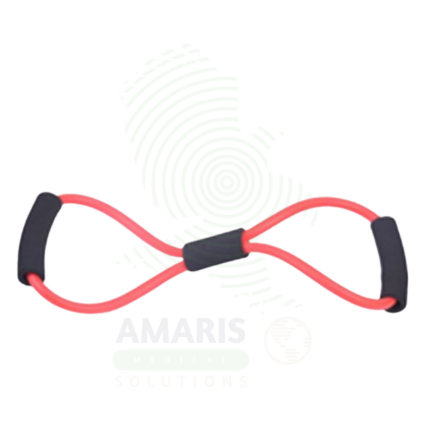
TPE Resistant Expander
A TPE Resistant Expander is a latex-free resistance band with handles made from TPE (thermoplastic elastomer), used for progressive resistance training of upper and lower extremities in rehabilitation and fitness settings. Constructed from hypoallergenic, phthalate-free TPE material that is 100% latex-free, this expander provides a safe resistance training option for patients with latex allergy, healthcare workers, and those in latex-controlled environments. Available in multiple color-coded resistance levels from extra light to ultra heavy, the expander allows for precise exercise prescription and progressive strengthening as patients advance through rehabilitation. For the physical therapist and occupational therapist, the TPE resistant expander enables targeted strengthening of the biceps, triceps, deltoids, pectorals, and back musculature through pulling, pressing, and rowing movements—rebuilding the strength needed for lifting, carrying, pushing, and pulling activities essential for independent function. When wrapped around the ankles or feet, it strengthens the quadriceps, hamstrings, gluteals, and hip musculature for walking, stair climbing, and rising from a chair. For the patient recovering from rotator cuff injury, total joint replacement, stroke, or deconditioning, the TPE resistant expander provides safe, effective, latex-free resistance training that builds functional strength, improves mobility, and supports return to independent living.
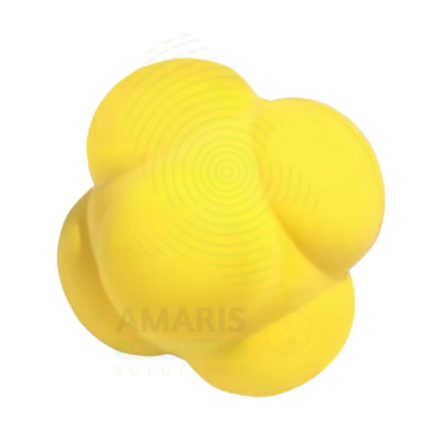
TPR Reaction Ball
A TPR Reaction Ball is a small, irregularly shaped ball made of thermoplastic rubber that bounces unpredictably, used for hand-eye coordination training, reaction time development, and neuromuscular reeducation in physical therapy, occupational therapy, and sports medicine settings. The multi-lobed design creates an erratic, unpredictable bounce pattern that forces the patient to track the ball visually and react quickly—improving visual-motor integration, timing, and coordination essential for activities such as catching, throwing, and interacting with moving objects. For the occupational therapist and physical therapist, the reaction ball provides a dynamic, engaging tool for retraining neuromuscular control, motor planning, and sensory integration in patients with stroke, traumatic brain injury, Parkinson's disease, or developmental coordination disorder. For the sports medicine clinician, the reaction ball develops rapid reaction time, agility, and hand-eye coordination critical for athletes returning to sport after injury. Made from latex-free, non-toxic TPR material, the reaction ball is safe for patients with latex allergy. Compact, portable, and durable, the reaction ball is an effective tool for coordination training, reaction time development, and motor control rehabilitation across the lifespan.
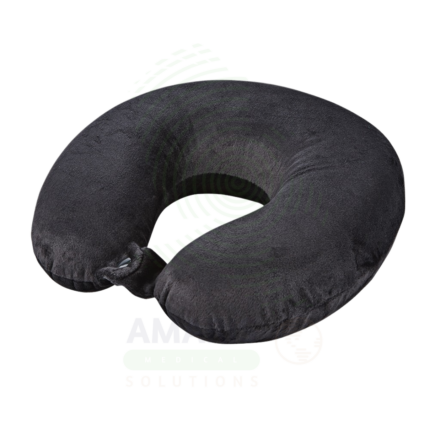
Travel Neck Pillow
A Travel Neck Pillow is a U-shaped or contoured pillow designed to support the cervical spine and maintain neutral neck alignment during upright seated travel in vehicles, airplanes, trains, or medical transport. The horseshoe-shaped design wraps around the neck with the opening at the front, providing bilateral support that prevents the head from falling into painful lateral flexion or rotation positions during sleep. Filled with memory foam for pressure redistribution, micro-beads for conformability, or air for adjustability and portability, these pillows reduce peak interface pressures on the occiput, mastoid processes, and lateral neck structures—preventing ischemia, nerve compression, and pain development during prolonged immobility. For the orthopedic specialist and physical therapist, the travel neck pillow protects patients with cervical spondylosis, chronic neck pain, whiplash history, or post-operative cervical surgery during necessary or leisure travel. For the patient with cervical radiculopathy, fibromyalgia, or cervical degenerative disease, a travel neck pillow allows them to undertake long-distance journeys without suffering days of exacerbated symptoms, maintaining quality of life and independence despite chronic neck pathology.
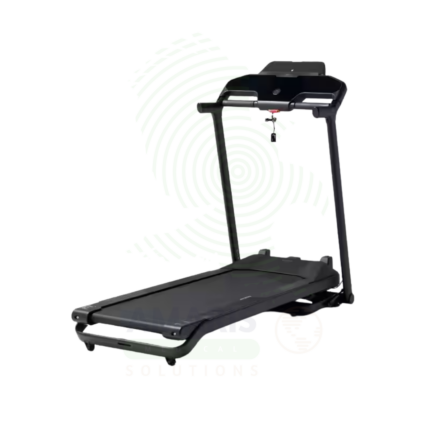
Treadmill
A Treadmill is a motorized walking or running surface with adjustable speed and incline used for cardiovascular exercise, diagnostic stress testing, gait analysis, and rehabilitation in clinical and fitness settings. For the cardiologist, the treadmill enables controlled, progressive exercise tolerance tests to evaluate cardiac function, diagnose coronary artery disease, and assess exercise-induced arrhythmias. For the physical therapist, the treadmill provides a controlled environment for gait analysis and walking retraining following stroke, spinal cord injury, joint replacement, or lower extremity amputation. For the cardiac and pulmonary rehabilitation specialist, the treadmill is the primary aerobic exercise modality for improving cardiovascular fitness, exercise capacity, and functional independence following myocardial infarction, bypass surgery, or COPD diagnosis. Available in diagnostic models with ECG integration, rehabilitation models with extended handrails and low step-on height, and conditioning models for fitness and wellness, treadmills feature shock-absorbing decks to reduce joint impact, heart rate monitoring for exercise prescription, and emergency stop systems for patient safety. For the patient with cardiovascular disease, diabetes, obesity, or mobility impairment, regular treadmill exercise improves functional capacity, reduces symptoms, supports weight management, and decreases mortality risk.
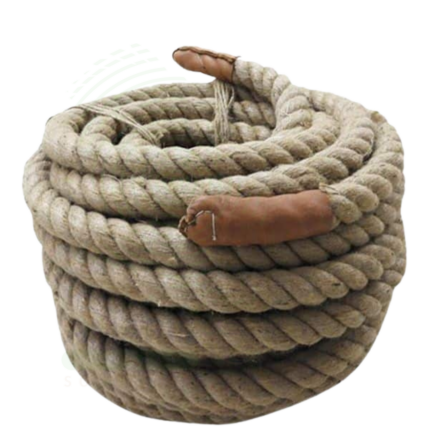
Tug of War Rope
A Tug of War Rope is a heavy-duty rope used for resisted pulling exercises, developing upper extremity strength, grip endurance, core stability, and bilateral coordination in physical therapy, occupational therapy, and group rehabilitation settings. The resisted pulling motion engages the finger flexors, forearm muscles, biceps, triceps, deltoids, latissimus dorsi, and rhomboids—building the strength needed for pulling, lifting, and carrying activities essential for independence. For the physical therapist and occupational therapist, tug of war exercises provide a functional, resisted activity that can be performed bilaterally or unilaterally to address strength asymmetries and retrain neuromuscular control. The dynamic core engagement required during pulling strengthens the deep stabilizers of the trunk, improving spinal stability and postural control. For patients recovering from stroke, hemiparesis, or unilateral orthopedic injuries, unilateral tug of war exercises restore symmetry, improve coordination, and reduce compensatory movement patterns. Available in various lengths (25-100 feet) and diameters (1-2 inches) with durable polyester, nylon, or manila construction, the tug of war rope accommodates individual therapy sessions or group activities promoting teamwork, social interaction, and cooperative engagement.
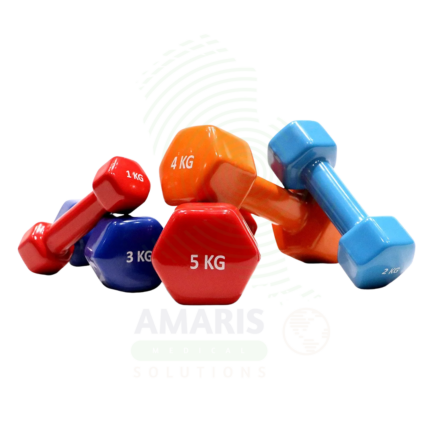
Vinyl Dumbbells
Vinyl Dumbbells are weighted handheld weights with a smooth, durable vinyl coating, used for progressive resistance training of upper and lower extremities in rehabilitation and fitness settings. Available in weights ranging from one to twenty pounds, with color-coded identification for easy weight selection, these dumbbells provide a simple, effective tool for progressive resistance training that can be easily advanced as strength improves. For the physical therapist and occupational therapist, vinyl dumbbells enable targeted strengthening of the biceps, triceps, deltoids, pectorals, and upper back musculature—rebuilding the strength needed for lifting, carrying, pushing, and pulling activities essential for independent self-care and household tasks. When held during squats, lunges, step-ups, and deadlifts, they add resistance that strengthens the quadriceps, hamstrings, gluteals, and calf muscles—improving the strength needed for stair climbing, rising from a chair, and safe community ambulation. The smooth vinyl coating is comfortable to hold, resists corrosion from sweat, and protects the underlying cast iron core from damage. For the patient recovering from rotator cuff injury, total joint replacement, stroke, or general deconditioning, vinyl dumbbells provide safe, progressive resistance training that builds functional strength, improves mobility, and supports return to independent living.
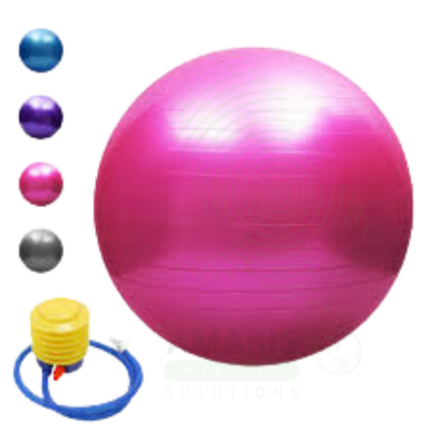
Yoga Exercise Ball
A Yoga Exercise Ball is an inflatable, unstable exercise device used for core strengthening, balance training, flexibility improvement, and low-impact cardiovascular exercise in physical therapy, occupational therapy, and rehabilitation settings. Manufactured from burst-resistant PVC with anti-burst technology that creates slow deflation if punctured, the exercise ball provides a dynamic, unstable surface that engages deep stabilizing muscles of the trunk and pelvis—improving lumbar stability and reducing low back pain in patients with chronic spinal conditions. Available in sizes from forty-five to seventy-five centimeters to accommodate patients of different heights, the exercise ball challenges balance systems through graded exercises from seated stability to advanced standing activities. For the physical therapist and rehabilitation specialist, the exercise ball is a versatile tool for core conditioning, fall prevention, post-operative rehabilitation, and functional training across diverse patient populations including those with low back pain, stroke, Parkinson's disease, arthritis, and deconditioning. For the patient, regular ball exercises restore spinal stability, improve balance confidence, maintain joint mobility, and provide safe, low-impact cardiovascular conditioning that supports long-term health and independence.