Dermatoscope and Magnifiers
 Diagnostic Kits
 Vital Signs Monitors
 Stethoscopes and Accessories
 Otoscopes, Ophthalmoscopes, and Retinoscopes
 Reflex Hammers and Neurological Tools
 Scales and Measuring Devices
 Spirometers and Pulmonary Function Tests
 Electrosurgical Units and Accessories
 Cutting Instruments
 Grasping and Holding Instruments
 Hemostatic Instruments
 Specialized Surgical Sets
 Single-Use Procedure Trays and Packs
 Surgical Drapes, Gowns, and Covers
 Tissue Unifying Instruments
 Radiation Protection
 X-Ray Machines and Accessories
 Ultrasound Systems and Probes
 MRI and CT Scanners
 Radiology Consumables
 Bone Densitometers
 Fluoroscopy Equipment
 Imaging Tables and Positioning Aids
 Microscopes and Accessories
 Centrifuges and Separators
 Analyzers
 Incubators and Ovens
 Pipettes, Dispensers, and Lab Glassware
 Refrigerators, Freezers, and Storage Units
 Lab Consumables
 Sterilizers and Autoclaves for Lab Use
 Multi-Parameter Monitors
 Ventilators and Respiratory Support Devices
 Defibrillators and AEDs
 Infusion Pumps and IV Systems
 Patient Warmers and Cooling Devices
 Central Monitoring Stations
 Accessories
 Anesthesia Machines and Workstations
 Oxygen Concentrators and Delivery Systems
 Nebulizers and Inhalers
 CPAP/BiPAP Machines
 Airway Management
 Anesthesia Masks, Circuits, and Bags
 Humidifiers and Heaters
 Respiratory Therapy Accessories
 First Aid Kits and Cabinets
 Emergency Resuscitation Equipment
 Trauma Supplies
 Emergency Carts and Crash Carts
 Burn Care Products
 Bleeding Control
 Automated External Defibrillators (AEDs)
 Transport and Evacuation
 Wheelchairs and Accessories
 Walkers, Crutches, and Canes
 Prosthetics and Orthotics
 Physical Therapy Equipment
 Transfer Devices
 Bathroom Safety
 Orthopedic Traction and Tables
 Hot/Cold Therapy Packs and Units
 Beds and Mattresses
 Chairs and Stools
 Tables
 Cabinets and Storage
 Privacy Screens & Curtains
 Stands and Racks
 Linens and Textiles
 Lighting
 Autoclaves and Sterilizers
 Ultrasonic Cleaners
 Disinfectant Solutions and Wipes
 Sterilization Pouches, Wraps, and Indicators
 Instrument Trays and Containers
 UV and Ozone Disinfection Devices
 Washer Disinfectors
 Wound Care
 Gloves
 Masks and Respirators
 Catheters and Tubing
 Swabs, Applicators, and Sponges
 Incontinence Products
 Personal Protective Equipment (PPE)
 Dental Chairs and Units
 Handpieces and Burs
 Instruments
 Consumables
 Sterilization for Dental Use
 Orthodontic Supplies
 Endodontic Tools
 Slit Lamps and Tonometers
 Lensometers and Phoropters
 Ophthalmic Surgical Instruments
 Eyewear Frames and Lenses
 Contact Lens Supplies
 Vision Testing Charts and Devices
 Eye Care Consumables
 Laser Systems for Eye Care
 ENT Exam Chairs and Tables
 Endoscopes
 Audiometers and Hearing Tests
 ENT Instruments
 Nasal and Throat Packs
 Hearing Aids and Accessories
 Otology Supplies
 Fetal Dopplers and Monitors
 Delivery Beds and Tables
 Gynecological Instruments
 Neonatal Incubators and Warmers
 Breast Pumps and Accessories
 Contraceptive Devices
 Maternity Supports and Pads
 Neonatal Consumables
 Cystoscopes and Urethroscopes
 Dialysis Machines and Supplies
 Urological Catheters and Bags
 Lithotripters
 Prostate Treatment Devices
 Urinary Incontinence Products
 Kidney Stone Management Tools
 Consumables & Disposables
 EEG and EMG Machines
 Neurosurgical Instruments
 Nerve Stimulators
 Headrests and Positioning Aids
 Lumbar Puncture Kits
 Seizure Monitoring Devices
 Consumables
 Rehabilitation for Neurological Conditions
 ECG Machines and Accessories
 Holter Monitors
 Stress Test Systems
 Pacemakers and Defibrillator Accessories
 Vascular Access Devices
 Cardiac Catheters and Guidewires
 Blood Flow Meters
 Consumables
 Orthopedic Instruments
 Casts, Splints, and Padding
 Joint Replacement Supplies
 Prosthetic Limbs and Components
 Bone Grafts and Substitutes
 Traction Devices
 Orthopedic Braces and Supports
 Rehabilitation Aids for Orthopedics
 Home Oxygen Therapy
 Hospital Beds for Home Use
 Mobility Aids
 Bathroom and Daily Living Aids
 Wound Care for Home
 Monitoring Devices
 Enteral Feeding Pumps and Tubes
 Hand Sanitizers and Dispensers
 Face Shields and Goggles
 Isolation Gowns and Suits
 Biohazard Waste Containers
 Air Purifiers and HEPA Filters
 Surface Disinfectants
 Sharps Containers
 Protective Barriers
 Cardiovascular & Endurance Training
 Strength Training & Weightlifting
 Functional Training & Core Conditioning
 Physical Therapy & Rehabilitation
 Sports & Outdoor Recreation
 Gym Flooring & Facility Equipment
 Fitness Monitoring & Accessories
 Kids & Novelties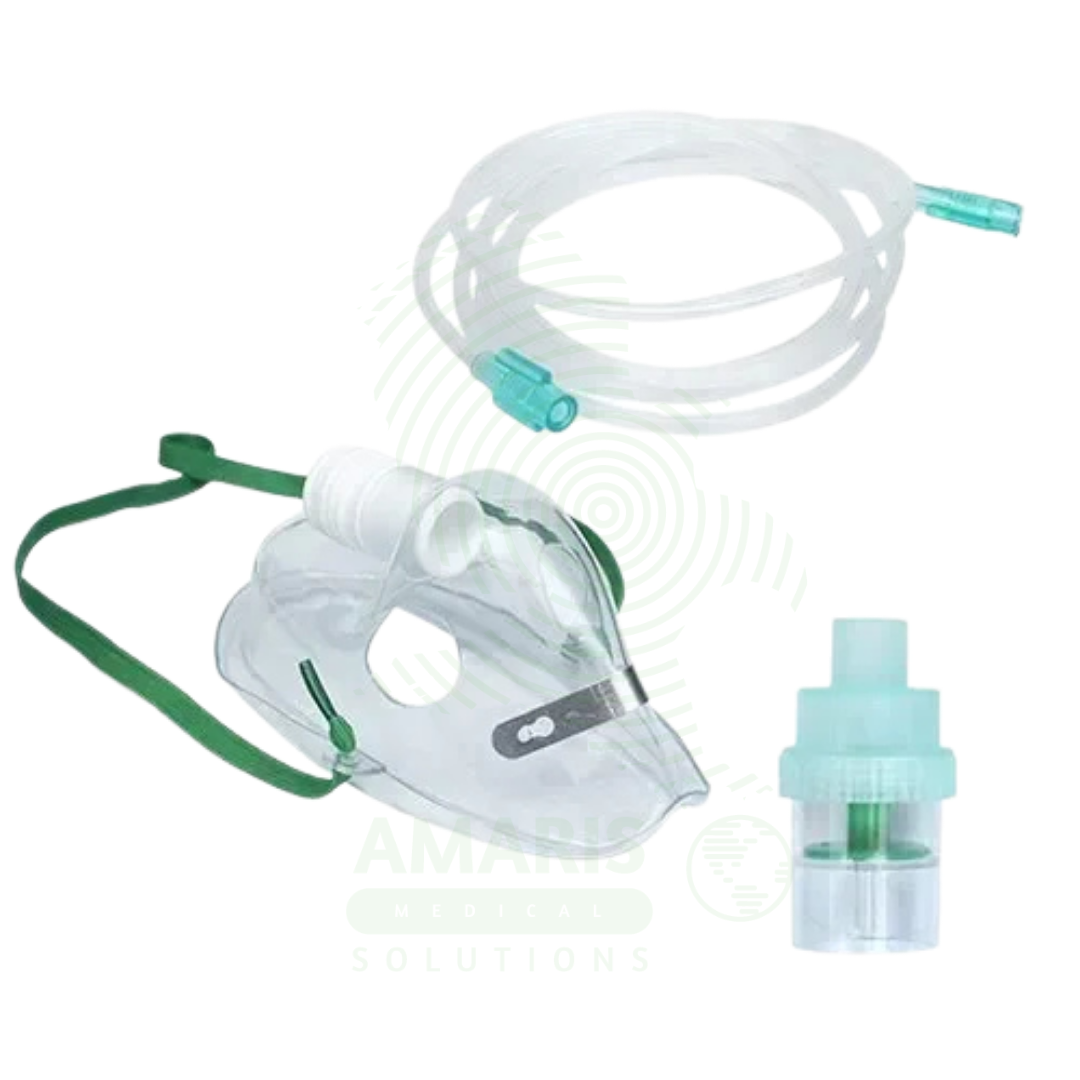
Adult & Pediatric Nebulizer Kit
WhatsApp Order
An Adult & Pediatric Nebulizer Kit is a complete set of patient-contact components required for aerosol medication delivery, including a nebulizer cup, connecting tubing, and both an adult mouthpiece and a pediatric mask (or universal fit). Designed for use with a compressor, it provides the delivery circuit for treating asthma, COPD, and other respiratory conditions. Available in disposable (single-patient-use) formats for infection control in clinics or reusable formats for home care, its proper use, coupled with rigorous cleaning for reusable kits, is essential for effective therapy and preventing respiratory infections. The kit’s universal connectors ensure compatibility with standard compressors.
Description
Adult & Pediatric Nebulizer Kit
PRIMARY CLINICAL & DIAGNOSTIC USES
1. Complete Aerosol Delivery System for Respiratory Therapy
-
Primary Use: Provides all necessary patient-contact components to connect to a compressor or oxygen source for delivering aerosolized medications to treat asthma, COPD, cystic fibrosis, bronchiolitis, and other respiratory conditions.
-
How it helps: For the respiratory therapist and prescribing clinician, the kit ensures that patients receive their life-saving medications through a complete, functional delivery system—nothing missing, nothing incompatible. For the patient struggling to breathe during an asthma attack or COPD exacerbation, the nebulizer kit transforms liquid medication into a life-giving mist that reaches deep into their lungs, opening airways and restoring the ability to breathe freely.
2. Hygienic Single-Patient Use (Disposable Kits)
-
Primary Use: Designed for use by one patient in a clinical setting to prevent cross-contamination and infection between patients, with the entire kit disposed of as medical waste after use.
-
How it helps: For the infection control team and hospital staff, disposable kits eliminate the risk of transmitting pathogens through shared equipment—each patient gets a fresh, sterile circuit. For every patient admitted to the hospital with a respiratory condition, this means they receive their own clean kit, protected from potential infections that could be carried on reusable equipment from previous patients.
3. Long-Term Home Therapy (Reusable Kits)
-
Primary Use: For patients managing chronic conditions at home, the kit provides durable components (cup, mask, tubing) that require regular cleaning and disinfection over weeks or months before replacement.
-
How it helps: For the home care provider and case manager, reusable kits offer a cost-effective solution for patients who require daily or weekly nebulized medications indefinitely. For the patient with chronic asthma, COPD, or cystic fibrosis managing their condition at home, their personal nebulizer kit becomes a familiar, trusted tool—one they learn to clean, maintain, and rely on for maintaining their respiratory health day after day.
4. Pediatric & Adult Administration
-
Primary Use: Available in configurations suitable for different age groups, with pediatric kits including small masks and adult kits including mouthpieces or larger masks.
-
How it helps: For the respiratory therapist and pediatrician, age-appropriate components ensure that even the youngest patients can receive effective aerosol therapy without fear or resistance. For the frightened toddler who doesn’t understand why a mask is approaching their face, a child-friendly design—sometimes with fun shapes or characters—can mean the difference between a successful treatment and a tearful struggle. For the adult patient, a comfortable mouthpiece or well-fitting mask ensures consistent, effective medication delivery.
SECONDARY & SUPPORTIVE USES
1. Emergency Response & Field Treatment: For the paramedic and emergency responder, sealed disposable kits provide immediate, ready-to-use nebulization capability in ambulances or at accident scenes where cleaning equipment is impossible. For the patient in respiratory distress in the field, this means they receive their life-saving breathing treatment immediately, without delay for equipment preparation.
2. Infection Control Isolation: For patients with contagious respiratory infections like tuberculosis, influenza, or COVID-19, disposable kits minimize the risk of pathogen transmission via contaminated equipment. For the isolated patient and the healthcare workers caring for them, single-use kits provide an additional layer of protection against spreading infection to others.
3. Teaching & Demonstration: For the respiratory therapist educating patients and families, demonstration kits allow hands-on learning of proper assembly, use, and cleaning techniques. For the newly diagnosed patient or caregiver, practicing with a kit under supervision builds confidence and competence that translates to better home management and fewer emergency visits.
KEY PRODUCT FEATURES
1. BASIC IDENTIFICATION ATTRIBUTES
-
Kit Type: Aerosol Delivery Kit for pneumatic (jet) nebulizers.
-
Designation: "A/P" commonly stands for "Adult/Pediatric", indicating the kit contains components suitable for both age groups (e.g., both an adult mouthpiece and a pediatric mask) or is a universal fit.
-
Core Components: A complete kit typically includes:
-
Nebulizer Cup (or "Nebulizer Chamber"): The medication reservoir where liquid is aerosolized. Often includes a T-piece or Y-connector.
-
Mouthpiece: For oral inhalation by cooperative adults and older children.
-
Face Mask: For infants, young children, or adults unable to use a mouthpiece effectively.
-
Connecting Tubing (6-7 feet): Corrugated plastic tubing that delivers compressed air from the machine to the nebulizer cup.
-
Nebulizer Cap/Mouthpiece Cap: To cover the mouthpiece/mask port when not in use.
-
2. TECHNICAL & PERFORMANCE PROPERTIES
-
Material: Components are made of medical-grade polypropylene or PVC, which is durable, transparent (to see medication level and mist production), and compatible with common respiratory medications.
-
Particle Size Performance: The design of the nebulizer cup (especially the baffle system and venturi) determines the Mass Median Aerodynamic Diameter (MMAD) of the aerosol. Effective kits produce a mist with particles primarily in the 1-5 micron range for deep lung deposition.
-
Flow Rate Compatibility: The tubing and cup are designed to work with standard compressor flow rates (typically 6-8 L/min). Using incorrect flow can reduce aerosol output or increase particle size.
-
Residual Volume: The amount of medication left in the cup after nebulization is complete (typically 0.5-1.0 mL). Lower residual volume kits are more efficient and waste less medication.
3. PHYSICAL & OPERATIONAL PROPERTIES
-
Packaging: Sterile or non-sterile, individually sealed in a plastic pouch or box. Disposable kits are single-use. Reusable/"durable" kits are designed for multiple uses with cleaning.
-
Universal Connectors: Features standard 22mm fittings (ISO standard) to connect to any mainstream compressor or oxygen flowmeter.
4. SAFETY & COMPLIANCE ATTRIBUTES
-
Regulatory Status: Components are considered Class I medical devices (low risk) but as a system for delivering medication, they are part of a regulated therapy.
-
Biocompatibility: All materials must be biocompatible for patient contact and not react with common respiratory medications.
-
Latex-Free: Almost universally latex-free to prevent allergic reactions.
5. STORAGE & HANDLING ATTRIBUTES
-
Storage (Unopened): Store in a cool, dry place in original packaging. Protect from extreme temperatures and UV light which can degrade plastics.
-
Cleaning & Disinfection (For Reusable Kits Only - CRITICAL):
-
After Each Use: Disassemble completely. Wash cup, mask, mouthpiece, and T-piece in warm, soapy water. Rinse thoroughly with clean water.
-
Disinfection: Soak components in an approved disinfectant solution (e.g., diluted white vinegar, 70% isopropyl alcohol, or commercial disinfectant) for the recommended time, then rinse extensively with sterile or distilled water to remove chemical residues. Air-dry completely on a clean towel.
-
Never rinse only and reuse without disinfection, as this leads to bacterial/fungal growth.
-
-
Replacement Schedule: Reusable kits degrade over time. Replace the entire kit per manufacturer's instructions (e.g., every 3-6 months) or immediately if components become cracked, cloudy, or damaged.
6. LABORATORY & CLINICAL APPLICATIONS
-
Primary Application: The essential consumable component set that enables aerosol medication delivery, bridging the compressor to the patient's airways.
-
Disposable vs. Reusable: The choice depends on setting (hospital = often disposable; home care = often reusable) and infection control requirements.
SAFETY HANDLING PRECAUTIONS
1. SAFETY PRECAUTIONS
-
Infection Control (Most Important): Never share a nebulizer kit between patients, even if cleaned. In clinical settings, use disposable, single-patient kits. At home, ensure only one patient uses the kit.
-
Correct Assembly: Ensure all connections are snug to prevent air leaks, which reduce aerosol delivery. The tubing should not be kinked.
-
Medication Contamination: Never leave old medication in the cup. Always rinse the cup after use before adding new medication to prevent drug interactions or contamination.
-
Supervision: Ensure children use the mask properly (forming a seal) or the mouthpiece correctly (lips sealed around it, breathing deeply) to receive the full dose.
2. FIRST AID MEASURES
-
Adverse Reaction: If the patient experiences severe coughing, wheezing, or distress during treatment, stop immediately, remove the mask/mouthpiece, and assess. Seek medical help if symptoms of a severe drug reaction (e.g., anaphylaxis) occur.
-
Component Breakage: If plastic cracks and causes a minor injury (e.g., scratch), provide standard first aid.
3. FIRE FIGHTING MEASURES
-
Flammability: Plastic components are combustible.
-
Extinguishing Media: Use water, foam, or CO₂ as appropriate for the surrounding fire.
Related products
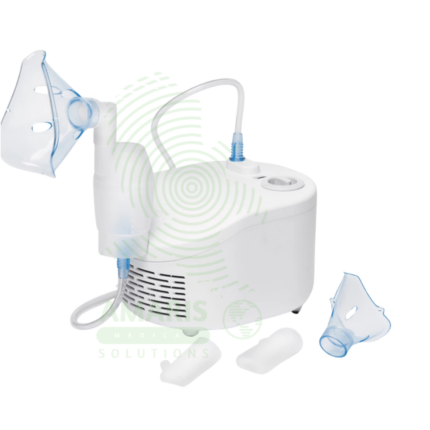
Compressor Nebulizer Machine
A Compressor Nebulizer Machine is a pneumatic device that transforms liquid medication into a breathable mist for treating respiratory conditions. Consisting of an electric air compressor, a nebulizer cup, tubing, and a mask or mouthpiece, it is particularly effective for infants, children, and patients with severe asthma, COPD, or cystic fibrosis who require reliable aerosol delivery. While offering robust performance for home and clinical use, its safety and efficacy depend critically on proper cleaning to prevent infection, correct assembly, and the use of prescribed nebulizer-compatible medications. It remains a fundamental tool for both acute intervention and chronic management of pulmonary diseases.
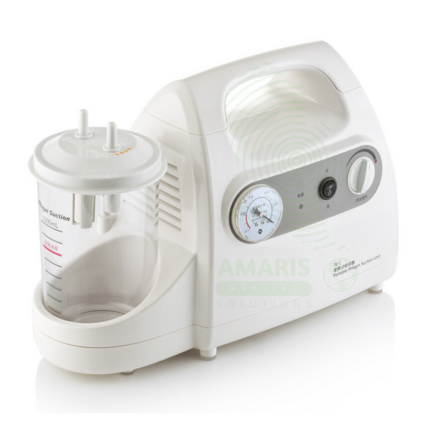
Electric Suction Machine
An Electric Suction Machine is a portable, electrically-powered medical device that generates vacuum pressure to remove fluids and secretions from a patient's airway, surgical site, or wound. It is a critical tool for maintaining a patent airway in emergency, surgical, post-operative, and chronic home care settings. The unit consists of a vacuum pump, a disposable collection canister with overflow protection, connecting tubing, and patient-end accessories. Key performance features include adjustable suction pressure, adequate airflow, and often battery backup for reliability. Strict adherence to pressure settings, suction duration, and single-use disposable components is essential for patient safety and infection control.
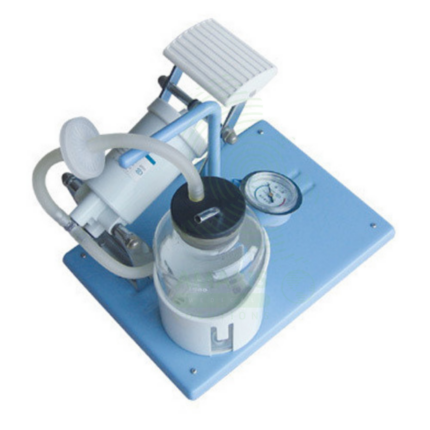
Manual Suction Machine
A Manual Suction Machine is a hand-powered medical device used to generate suction for emergency airway clearance and neonatal resuscitation. Functioning without electricity or batteries, it is the critical suction solution for pre-hospital care, field medicine, low-resource settings, and as a mandatory backup in all clinical environments. It typically consists of a collection canister, a manual pump (squeeze-bulb, lever, or syringe), and disposable patient tubing. While providing intermittent rather than continuous suction, its reliability, portability, and simplicity make it an indispensable first-response tool for removing airway obstructions and saving lives when power is not an option.
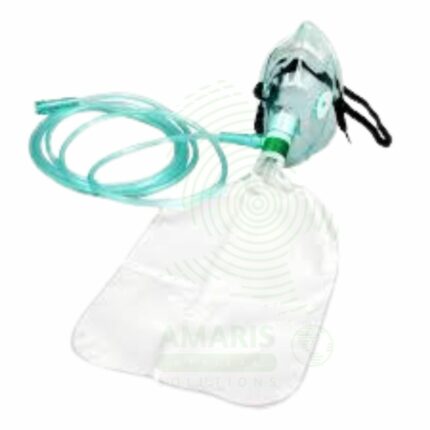
Non-Rebreathing Oxygen Mask
An Non-Rebreathing Oxygen Mask is a high-concentration oxygen delivery device designed for emergency use in critically hypoxic patients. It features a face mask with an attached reservoir bag and a system of one-way valves to prevent the rebreathing of exhaled carbon dioxide, allowing for the delivery of up to 95% FiO2. Its safe operation depends on a minimum oxygen flow of 10-15 L/min to keep the reservoir bag inflated. It is contraindicated where uncontrolled high-flow oxygen may be harmful (e.g., in some COPD patients) and carries a severe fire risk. It is a vital, immediate-intervention tool found in all emergency response settings.
Oxygen Regulator Set
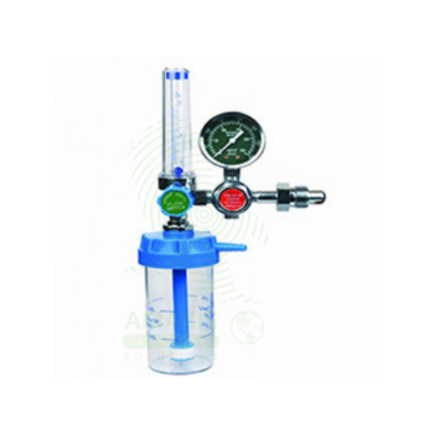
An Oxygen Regulator Set is a critical pressure control device that attaches to a medical oxygen cylinder, reducing its extremely high internal pressure to a safe, usable level and providing precise control over the flow rate delivered to the patient. Consisting of a pin-indexed yoke, high-pressure gauge, adjustable flowmeter, and safety outlet, it is the essential interface for safe oxygen delivery from cylinders in emergencies, during transport, and in home care. Its safe operation hinges on absolute adherence to oil-free handling procedures, correct connection techniques, and regular inspection for leaks or damage to prevent catastrophic oxygen-fuelled fires or equipment failure.
Paediatric & Adult Silicon Ambubags
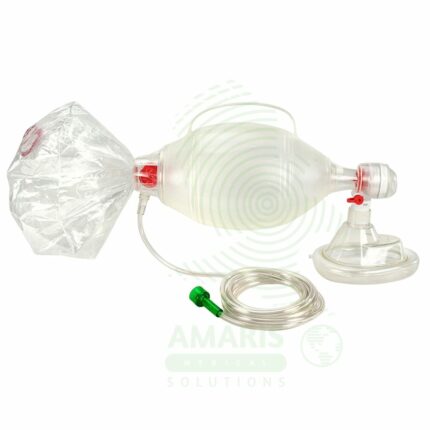
A Paediatric & Adult Silicon Ambubags are self-inflating manual resuscitators used for positive pressure ventilation in patients with respiratory failure or cardiac arrest. Available in adult, paediatric, and infant sizes, they deliver controlled tidal volumes appropriate for patient age. The durable silicone construction allows for repeated cleaning and autoclaving in reusable models, while the self-inflating design enables operation without an external gas source. Oxygen reservoirs allow delivery of up to 95% FiO₂. Essential equipment in all emergency response settings, the ambubag provides immediate ventilatory support during resuscitation, transport, and airway management procedures.
Suction Catheters
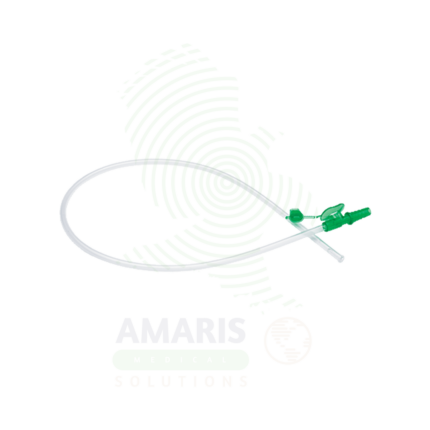
Suction Catheters are sterile, single-use flexible tubes designed for aspiration of pulmonary secretions from the airways of intubated, tracheostomized, or spontaneously breathing patients unable to clear their own secretions. Available in French sizes 5 Fr-18 Fr, with whistle-tip or coude configurations, single or multiple eyelets, and thumb-controlled suction valves. Open suction catheters are single-pass devices requiring strict sterile technique and immediate disposal. Closed (in-line) suction catheters are enclosed in a sterile sheath, permitting suctioning without ventilator disconnection, maintaining PEEP, and reducing aerosolization of pathogens—essential for high-frequency ventilation, ARDS, and airborne precautions. Critical safety parameters include catheter gauge not exceeding one-half the endotracheal tube internal diameter, suction duration ≤15 seconds, and vacuum pressure ≤150 mmHg. Proper technique prevents hypoxemia, mucosal trauma, and ventilator-associated pneumonia.