Dermatoscope and Magnifiers
 Diagnostic Kits
 Vital Signs Monitors
 Stethoscopes and Accessories
 Otoscopes, Ophthalmoscopes, and Retinoscopes
 Reflex Hammers and Neurological Tools
 Scales and Measuring Devices
 Spirometers and Pulmonary Function Tests
 Electrosurgical Units and Accessories
 Cutting Instruments
 Grasping and Holding Instruments
 Hemostatic Instruments
 Specialized Surgical Sets
 Single-Use Procedure Trays and Packs
 Surgical Drapes, Gowns, and Covers
 Tissue Unifying Instruments
 Radiation Protection
 X-Ray Machines and Accessories
 Ultrasound Systems and Probes
 MRI and CT Scanners
 Radiology Consumables
 Bone Densitometers
 Fluoroscopy Equipment
 Imaging Tables and Positioning Aids
 Microscopes and Accessories
 Centrifuges and Separators
 Analyzers
 Incubators and Ovens
 Pipettes, Dispensers, and Lab Glassware
 Refrigerators, Freezers, and Storage Units
 Lab Consumables
 Sterilizers and Autoclaves for Lab Use
 Multi-Parameter Monitors
 Ventilators and Respiratory Support Devices
 Defibrillators and AEDs
 Infusion Pumps and IV Systems
 Patient Warmers and Cooling Devices
 Central Monitoring Stations
 Accessories
 Anesthesia Machines and Workstations
 Oxygen Concentrators and Delivery Systems
 Nebulizers and Inhalers
 CPAP/BiPAP Machines
 Airway Management
 Anesthesia Masks, Circuits, and Bags
 Humidifiers and Heaters
 Respiratory Therapy Accessories
 First Aid Kits and Cabinets
 Emergency Resuscitation Equipment
 Trauma Supplies
 Emergency Carts and Crash Carts
 Burn Care Products
 Bleeding Control
 Automated External Defibrillators (AEDs)
 Transport and Evacuation
 Wheelchairs and Accessories
 Walkers, Crutches, and Canes
 Prosthetics and Orthotics
 Physical Therapy Equipment
 Transfer Devices
 Bathroom Safety
 Orthopedic Traction and Tables
 Hot/Cold Therapy Packs and Units
 Beds and Mattresses
 Chairs and Stools
 Tables
 Cabinets and Storage
 Privacy Screens & Curtains
 Stands and Racks
 Linens and Textiles
 Lighting
 Autoclaves and Sterilizers
 Ultrasonic Cleaners
 Disinfectant Solutions and Wipes
 Sterilization Pouches, Wraps, and Indicators
 Instrument Trays and Containers
 UV and Ozone Disinfection Devices
 Washer Disinfectors
 Wound Care
 Gloves
 Masks and Respirators
 Catheters and Tubing
 Swabs, Applicators, and Sponges
 Incontinence Products
 Personal Protective Equipment (PPE)
 Dental Chairs and Units
 Handpieces and Burs
 Instruments
 Consumables
 Sterilization for Dental Use
 Orthodontic Supplies
 Endodontic Tools
 Slit Lamps and Tonometers
 Lensometers and Phoropters
 Ophthalmic Surgical Instruments
 Eyewear Frames and Lenses
 Contact Lens Supplies
 Vision Testing Charts and Devices
 Eye Care Consumables
 Laser Systems for Eye Care
 ENT Exam Chairs and Tables
 Endoscopes
 Audiometers and Hearing Tests
 ENT Instruments
 Nasal and Throat Packs
 Hearing Aids and Accessories
 Otology Supplies
 Fetal Dopplers and Monitors
 Delivery Beds and Tables
 Gynecological Instruments
 Neonatal Incubators and Warmers
 Breast Pumps and Accessories
 Contraceptive Devices
 Maternity Supports and Pads
 Neonatal Consumables
 Cystoscopes and Urethroscopes
 Dialysis Machines and Supplies
 Urological Catheters and Bags
 Lithotripters
 Prostate Treatment Devices
 Urinary Incontinence Products
 Kidney Stone Management Tools
 Consumables & Disposables
 EEG and EMG Machines
 Neurosurgical Instruments
 Nerve Stimulators
 Headrests and Positioning Aids
 Lumbar Puncture Kits
 Seizure Monitoring Devices
 Consumables
 Rehabilitation for Neurological Conditions
 ECG Machines and Accessories
 Holter Monitors
 Stress Test Systems
 Pacemakers and Defibrillator Accessories
 Vascular Access Devices
 Cardiac Catheters and Guidewires
 Blood Flow Meters
 Consumables
 Orthopedic Instruments
 Casts, Splints, and Padding
 Joint Replacement Supplies
 Prosthetic Limbs and Components
 Bone Grafts and Substitutes
 Traction Devices
 Orthopedic Braces and Supports
 Rehabilitation Aids for Orthopedics
 Home Oxygen Therapy
 Hospital Beds for Home Use
 Mobility Aids
 Bathroom and Daily Living Aids
 Wound Care for Home
 Monitoring Devices
 Enteral Feeding Pumps and Tubes
 Hand Sanitizers and Dispensers
 Face Shields and Goggles
 Isolation Gowns and Suits
 Biohazard Waste Containers
 Air Purifiers and HEPA Filters
 Surface Disinfectants
 Sharps Containers
 Protective Barriers
 Cardiovascular & Endurance Training
 Strength Training & Weightlifting
 Functional Training & Core Conditioning
 Physical Therapy & Rehabilitation
 Sports & Outdoor Recreation
 Gym Flooring & Facility Equipment
 Fitness Monitoring & Accessories
 Kids & Novelties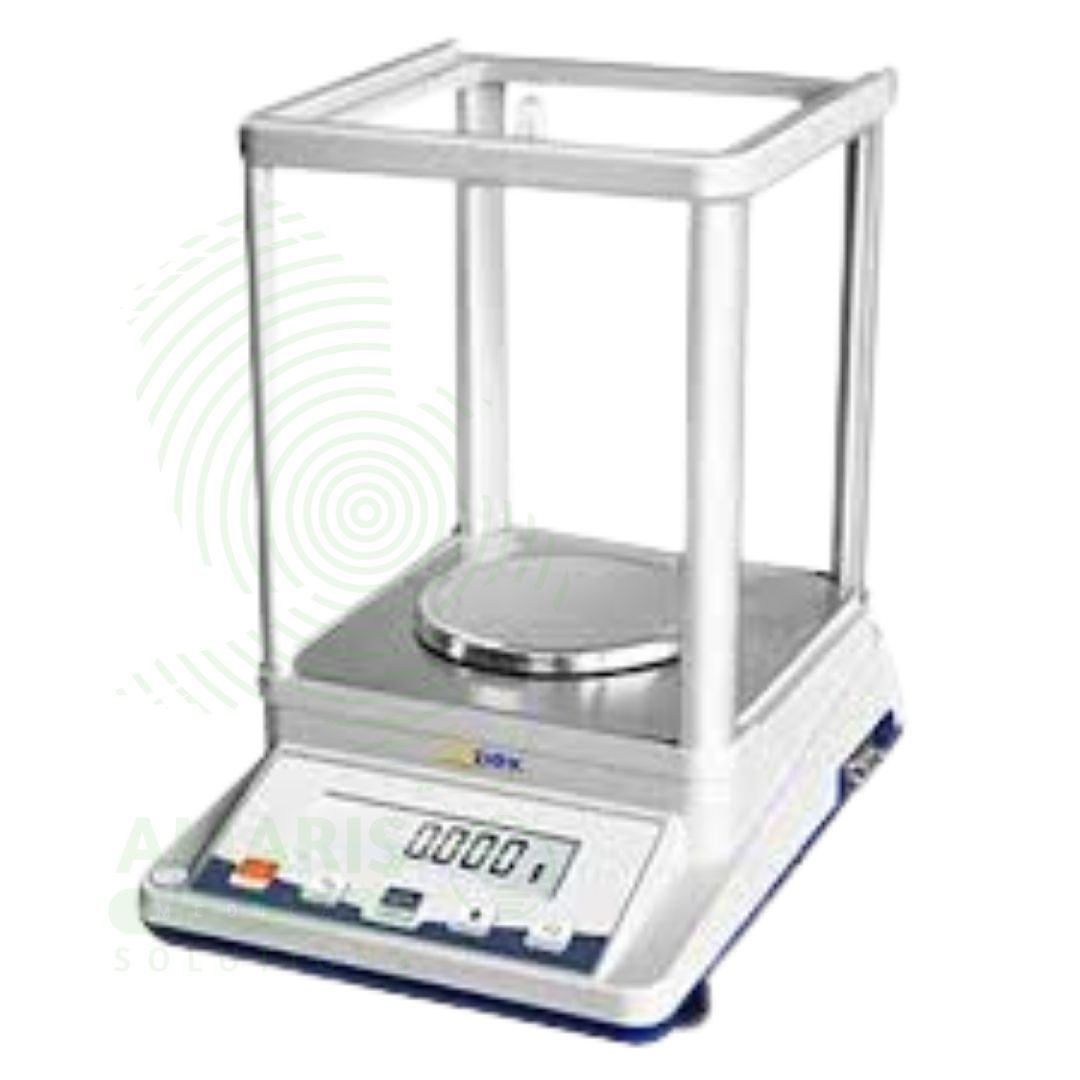
Analytical Balance
WhatsApp Order
An Analytical Balance is a precision instrument used to measure mass with high accuracy and readability, often to 0.1 mg or better. It is essential for the quantitative preparation of reagents, standards, and samples in clinical and research laboratories. Its operation requires a stable, draft-free environment, meticulous calibration, and careful technique to avoid errors from temperature, static, or vibration. The validity of analytical results is directly dependent on the performance of the balance, making it a critical piece of equipment under strict quality control.
Description
Analytical Balance
PRIMARY CLINICAL & DIAGNOSTIC USES
1. Precise Weighing of Analytical Reagents and Samples
-
Primary Use: Accurately weighs small masses (from sub-milligram to several hundred grams) of chemicals, standards, and patient samples with high precision, fundamental for preparing calibration standards, quality control materials, and reagents for tests in chemistry, toxicology, and molecular diagnostics.
-
How it helps: For the laboratory scientist and clinical chemist, the analytical balance is the foundation upon which all accurate testing rests—every reagent, every standard, every control must be weighed precisely to ensure reliable results. For the patient whose diagnosis and treatment depend on laboratory tests, the analytical balance works silently behind the scenes, ensuring that the glucose reading, the drug level, or the toxicology screen reflects their true clinical status, not a weighing error.
2. Quantitative Analysis
-
Primary Use: Essential for gravimetric analysis, a classical analytical technique where the mass of a product is used to calculate the concentration of an analyte in a sample.
-
How it helps: For the analytical chemist, gravimetric analysis represents the gold standard of accuracy—direct measurement of mass eliminates the variables that can affect instrumental methods. For the quality control process, this fundamental approach provides results that can be traced to primary standards, ensuring that products meet specifications and patients receive medications with precisely the stated potency.
3. Preparation of Pharmaceutical Compounds
-
Primary Use: Used in hospital pharmacies for compounding medications where exact dosages are critical, especially for pediatric, oncologic, or potent drugs.
-
How it helps: For the compounding pharmacist, the analytical balance is a non-negotiable safety tool—when preparing a chemotherapy dose for a cancer patient or a tiny oral suspension for a premature infant, micrograms matter. For the patient receiving a compounded medication, whether a customized hormone therapy or a life-saving pediatric dose, the analytical balance ensures they receive exactly what the prescriber ordered—not too little to be ineffective, not too much to be toxic.
4. Weighing of Filters and Precipitates
-
Primary Use: Determines the mass of particulates collected on filters (e.g., in environmental testing) or precipitates formed in analytical procedures.
-
How it helps: For the environmental scientist and industrial hygienist, weighing filters before and after sampling provides quantitative data on airborne particulates, water contaminants, or occupational exposures. For the community concerned about air quality or the worker potentially exposed to hazardous dusts, these measurements inform public health decisions and workplace safety standards that protect whole populations.
5. Weighing of Reference Materials
-
Primary Use: Accurately dispenses certified reference materials used to calibrate other analytical instruments.
-
How it helps: For the metrologist and laboratory quality manager, the analytical balance ensures that reference materials—the “gold standards” against which all other measurements are compared—are prepared with absolute accuracy. For every instrument calibrated using these reference materials, and every patient test result traceable back to them, the analytical balance provides the foundational accuracy upon which the entire chain of measurement depends.
SECONDARY & SUPPORTIVE USES
1. Density Determination: For the materials scientist and quality control technician, the analytical balance enables density measurement of liquids or solids by weighing, providing critical physical property data. For the manufacturer ensuring product consistency or the researcher characterizing new materials, these density measurements inform quality decisions and scientific understanding.
2. Moisture Content Analysis: For the food scientist, pharmaceutical quality professional, and environmental tester, the analytical balance is used in loss-on-drying methods, weighing samples before and after drying to determine moisture content. For the consumer receiving food products, medications, or materials that meet specifications, these moisture measurements ensure stability, shelf life, and freedom from degradation.
3. Animal Weighing in Research: For the biomedical researcher studying disease models or testing new therapies, the analytical balance provides precise weights of small laboratory animals or tissues, critical data for dosing calculations and experimental endpoints. For future patients who will benefit from treatments developed through this research, accurate animal weights ensure that experimental data is reliable and translatable to human applications.
4. Weighing for Formulation: For the industrial chemist and product developer, the analytical balance supports precise formulation of coatings, composites, or alloys where component ratios determine final properties. For the end user of these products—whether a driver depending on automotive coatings or a patient receiving a medical device—proper formulation ensures performance, safety, and reliability.
5. Checkweighing: For the pharmaceutical quality control professional, the analytical balance verifies the mass of filled capsules, tablets, or other dispensed items, ensuring dose uniformity. For the patient taking a medication, each tablet that passes checkweighing contains the labeled amount of active ingredient, providing consistent therapeutic effect dose after dose.
KEY PRODUCT FEATURES
1. BASIC IDENTIFICATION ATTRIBUTES
-
Device Type: A highly sensitive weighing instrument designed to measure mass with a high degree of precision (typically to 0.1 mg, 0.01 mg, or 0.001 mg).
-
Designation: "Analytical" refers to its use in quantitative chemical analysis.
-
Core Components:
-
Weighing Pan: Where the sample is placed, often inside a draft shield.
-
Draft Shield: Transparent enclosed chamber with doors to protect the measurement from air currents, dust, and static electricity.
-
Internal Calibration Mass: High-end balances have internal motors that place a certified calibration weight on the mechanism for automatic internal calibration (auto-calibration).
-
Leveling Feet and Bubble Level: To ensure the balance is perfectly horizontal.
-
Digital Display and Keypad: For readout and functions like tare, unit conversion, and data output.
-
Data Interface: Often includes RS-232, USB, or Ethernet to connect to printers, computers, or Laboratory Information Management Systems (LIMS).
-
2. TECHNICAL & PERFORMANCE PROPERTIES
-
Capacity: Maximum weight the balance can measure (e.g., 100g, 200g).
-
Readability (d): The smallest increment of mass that can be displayed (e.g., 0.1 mg, 0.01 mg). This is its "digital resolution."
-
Repeatability (Standard Deviation): The consistency of repeated measurements of the same mass.
-
Linearity: The accuracy of the balance across its entire weighing range.
-
Calibration: Must be calibrated regularly with certified calibration weights traceable to national standards (e.g., NIST).
3. PHYSICAL & OPERATIONAL PROPERTIES
-
Anti-Vibration Table: Requires placement on a dedicated, stable, vibration-free surface, often a marble or heavy anti-vibration table.
-
Environment: Must be in a controlled environment away from drafts, temperature fluctuations, and sources of static.
4. SAFETY & COMPLIANCE ATTRIBUTES
-
Regulatory Status: Critical for laboratories accredited under ISO/IEC 17025, CAP, or similar. Its calibration status directly impacts test validity.
-
Calibration and Verification: Requires a documented schedule of routine calibration (e.g., annually by an external provider) and daily/ weekly verification by the user using certified check weights.
5. STORAGE & HANDLING ATTRIBUTES
-
Storage: The balance is a fixed instrument. Calibration weights are stored in a dedicated, clean case.
-
Placement: Must be on a dedicated, level, vibration-free bench in a low-traffic area.
-
Daily Start-Up: Allow a significant warm-up period (30-60 minutes) after turning on. Perform a routine check with calibration weights before use.
-
Cleaning: The weighing pan and chamber must be kept meticulously clean using a soft brush or lint-free cloth. Never use solvents that can damage the mechanism.
6. LABORATORY & CLINICAL APPLICATIONS
-
Primary Application: A cornerstone instrument in clinical chemistry, pharmaceutical, research, and quality control laboratories.
-
Clinical Role: The accuracy of countless diagnostic tests begins with the precise weighing of reagents and standards on an analytical balance. Errors here propagate through entire analytical processes.
SAFETY HANDLING PRECAUTIONS
1. SAFETY PRECAUTIONS
-
Never Exceed Capacity: Overloading can permanently damage the sensitive weighing sensor.
-
Use Proper Weighing Vessels: Always use containers (weigh boats, glass vials) appropriate for the sample. Never place samples directly on the pan.
-
Temperature Equilibrium: Allow samples and containers to reach room temperature before weighing to prevent convection currents from affecting the reading.
-
Static Control: Be aware of static electricity, especially in dry environments, as it can cause drift. Use anti-static guns or ionizers if necessary.
-
Careful Handling: Close draft shield doors before taking a reading. Do not lean on the weighing table.
2. FIRST AID MEASURES
-
Chemical Spill on Balance: If a corrosive or hazardous chemical is spilled, immediately do not touch. Close the draft shield. Evacuate the area if fumes are hazardous. Decontaminate carefully following chemical safety protocols, which may require professional service.
-
Physical Damage: If the balance is dropped or struck, it will likely require professional service and recalibration. Take it out of service immediately.
3. FIRE FIGHTING MEASURES
-
Flammability: Electronic components are combustible.
-
Extinguishing Media: Use a CO2 fire extinguisher for electrical fires.
Related products
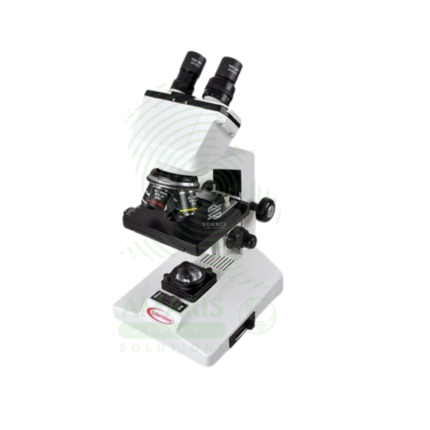
Binocular Microscope
A Binocular Microscope is a high-precision, compound optical instrument fundamental to clinical diagnostics. Featuring dual eyepieces for comfortable viewing and a suite of parfocal objective lenses (4x, 10x, 40x, 100x oil), it provides magnifications from 40x to 1000x. Its integrated LED illumination, mechanical stage, and Abbe condenser enable the detailed examination of stained blood films, tissue sections, microbiological specimens, and cytological preparations. As the primary tool for pathologists and laboratory scientists, it is indispensable for definitive diagnoses in hematology, histopathology, microbiology, and urinalysis, demanding skilled operation and meticulous maintenance for optimal performance.
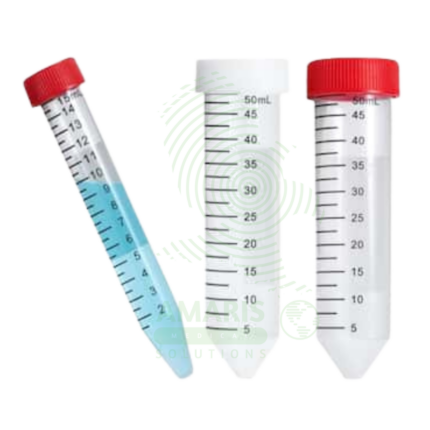
Centrifuge Tubes
Centrifuge Tubes are specialized disposable containers (polypropylene) designed to withstand high centrifugal forces (up to 30,000 x g) for separating biological fluids based on density. Available in microcentrifuge sizes (0.2-2.0 mL), conical tubes (15 mL, 50 mL), and larger volumes (100-500 mL). Features include leak-proof screw caps with O-rings (conical tubes), snap caps (microcentrifuge tubes), graduated volume markings, writing areas, and sterile/non-sterile options. Certified RNase/DNase-free, pyrogen-free, and autoclavable. Primary clinical applications include blood component separation (serum/plasma), urine sediment preparation, microbiology sample concentration, molecular biology (DNA/RNA extraction), cell culture processing, protein/enzyme analysis, and viral load testing. Critical safety precautions include never exceeding maximum RCF rating, proper balancing by weight, secure cap tightening, inspection for cracks, and disposal as biohazardous waste. Essential consumable in every clinical, research, and industrial laboratory.
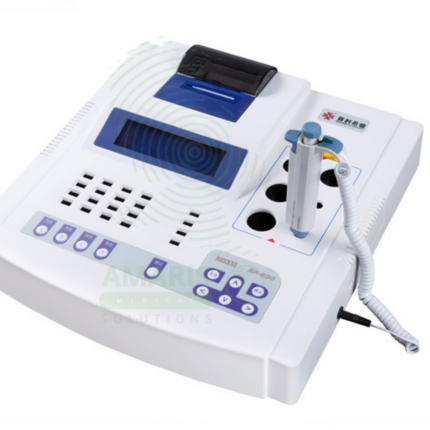
Coagulation Analyzer
A Coagulation Analyzer is a compact, automated instrument designed for performing essential tests that evaluate the blood's clotting ability. It accurately measures key parameters such as Prothrombin Time (PT/INR), Activated Partial Thromboplastin Time (aPTT), Thrombin Time, and Fibrinogen, which are critical for monitoring anticoagulant therapy (warfarin, heparin), diagnosing bleeding disorders, and assessing surgical risk. With its photometric detection and user-friendly operation, it delivers reliable results for small to medium-volume laboratories, clinics, and hospital wards. Its role in ensuring safe and effective patient management in thrombosis and hemostasis makes it a vital tool in clinical diagnostics.
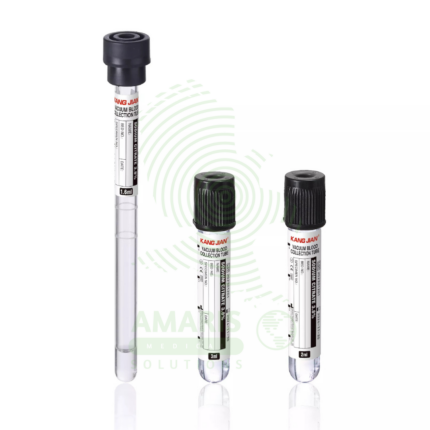
ESR Tubes Glass
ESR Tubes Glass are specialized glass tubes (300 mm length, 2.55 mm bore diameter, graduated 0-200 mm in 1 mm intervals) meeting ICSH and CLSI Westergren specifications for measuring erythrocyte sedimentation rate, a non-specific marker of inflammation. Used with citrated or diluted EDTA blood, filled to exactly 200 mm, placed vertically in Westergren stand, and read at 60 minutes. Primary clinical applications include determination of ESR for diagnosing and monitoring inflammatory conditions (infections, autoimmune disorders, malignancies), monitoring disease activity in rheumatoid arthritis, assessment of temporal arteritis and polymyalgia rheumatica, evaluation of infection and inflammatory response, screening for occult inflammatory conditions, and monitoring chronic inflammatory diseases (SLE, IBD, vasculitis). Critical safety precautions include handling glass tubes carefully to avoid breakage (sharps hazard), proper disposal in sharps containers as biohazardous waste, ensuring vertical alignment and constant temperature (18-25°C), reading at exactly 60 minutes, and avoiding air bubbles and vibration. Essential consumable for reference Westergren ESR testing in clinical laboratories.
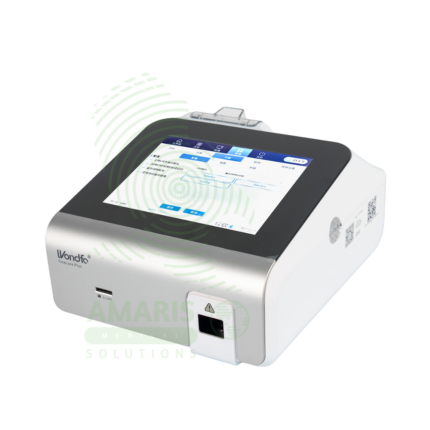
Finecare Analyzer
The Finecare Analyzer is a Class II medical device (FDA-cleared, CE-marked) fluorescence immunoassay system manufactured by Wondfo Biotech for quantitative detection of cardiac markers (troponin I, CK-MB, myoglobin), inflammatory markers (CRP, procalcitonin), thyroid hormones (TSH, FT3, FT4), diabetes markers (HbA1c), reproductive hormones (LH, FSH, prolactin), tumor markers (AFP, CEA, PSA), and infectious disease markers. Features include time-resolved fluorescence technology, color touchscreen interface, built-in printer (select models), USB/Ethernet connectivity, and internal rechargeable battery for portable use. Test time 3-15 minutes, sample volume 50-100 µL (whole blood, serum, plasma). Primary clinical applications include rapid diagnosis of acute myocardial infarction in chest pain patients, early detection of sepsis and bacterial infections, thyroid disorder diagnosis and monitoring, long-term glycemic control assessment in diabetes, fertility and reproductive health evaluation, cancer screening and surveillance, and infectious disease testing in endemic and clinical settings. Critical safety precautions include proper test cartridge storage (2-8°C), regular quality control, biohazard safety protocols, and operator training. Essential point-of-care testing system for hospitals, clinics, and remote healthcare facilities requiring rapid, quantitative results.
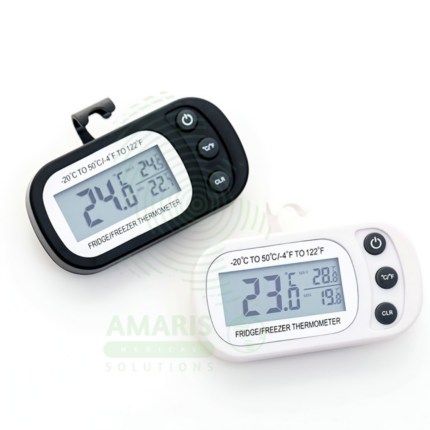
Fridge Thermometer
A Fridge Thermometer is a precision temperature monitoring device designed for continuous use inside medical and laboratory refrigerators and freezers. Its primary role is to safeguard the potency of vaccines, medications, and biological samples by ensuring storage temperatures remain within a critical specified range (e.g., +2°C to +8°C). Available in analog or digital formats, accurate models with memory functions are essential for compliance with cold chain protocols, requiring daily monitoring, logging, and regular calibration. It is a fundamental quality control tool in pharmacies, clinics, immunization centers, and laboratories.
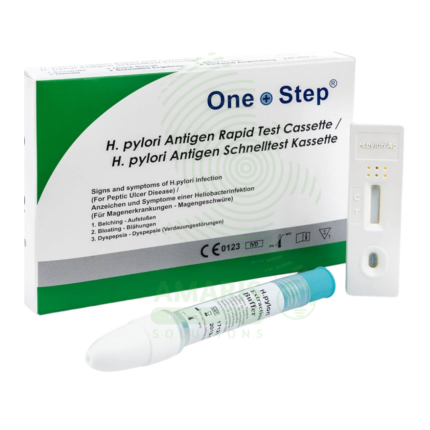
H.pylori test kits (Antigen)
H.pylori test kits (Antigen) are Class II medical devices (FDA-cleared/CE-marked) for rapid immunochromatographic or enzyme immunoassay detection of Helicobacter pylori antigens in stool specimens, enabling non-invasive diagnosis of active infection and post-treatment eradication confirmation. Test principles use monoclonal or polyclonal antibodies specific to H. pylori antigens, producing visible results in 10-20 minutes (rapid tests) or 1-2 hours (EIA). Sensitivity 90-98%, specificity 92-99% compared to gold standard methods. Primary clinical applications include rapid diagnosis of H. pylori infection in patients with dyspepsia, initial screening in uncomplicated dyspepsia (test-and-treat strategy), confirmation of active infection before therapy, post-treatment eradication confirmation (4-6 weeks after therapy), pediatric testing (preferred non-invasive method), screening in high-risk populations (family history of gastric cancer), and monitoring in patients with peptic ulcer disease or MALT lymphoma. Critical safety precautions include mandatory washout period (4 weeks off antibiotics, 2 weeks off PPIs) to avoid false negatives, proper specimen handling (universal precautions), refrigerated storage of kits (2-30°C), quality control verification, and disposal as biohazardous waste. Essential non-invasive tool for H. pylori management in gastroenterology and primary care.