Dermatoscope and Magnifiers
 Diagnostic Kits
 Vital Signs Monitors
 Stethoscopes and Accessories
 Otoscopes, Ophthalmoscopes, and Retinoscopes
 Reflex Hammers and Neurological Tools
 Scales and Measuring Devices
 Spirometers and Pulmonary Function Tests
 Electrosurgical Units and Accessories
 Cutting Instruments
 Grasping and Holding Instruments
 Hemostatic Instruments
 Specialized Surgical Sets
 Single-Use Procedure Trays and Packs
 Surgical Drapes, Gowns, and Covers
 Tissue Unifying Instruments
 Radiation Protection
 X-Ray Machines and Accessories
 Ultrasound Systems and Probes
 MRI and CT Scanners
 Radiology Consumables
 Bone Densitometers
 Fluoroscopy Equipment
 Imaging Tables and Positioning Aids
 Microscopes and Accessories
 Centrifuges and Separators
 Analyzers
 Incubators and Ovens
 Pipettes, Dispensers, and Lab Glassware
 Refrigerators, Freezers, and Storage Units
 Lab Consumables
 Sterilizers and Autoclaves for Lab Use
 Multi-Parameter Monitors
 Ventilators and Respiratory Support Devices
 Defibrillators and AEDs
 Infusion Pumps and IV Systems
 Patient Warmers and Cooling Devices
 Central Monitoring Stations
 Accessories
 Anesthesia Machines and Workstations
 Oxygen Concentrators and Delivery Systems
 Nebulizers and Inhalers
 CPAP/BiPAP Machines
 Airway Management
 Anesthesia Masks, Circuits, and Bags
 Humidifiers and Heaters
 Respiratory Therapy Accessories
 First Aid Kits and Cabinets
 Emergency Resuscitation Equipment
 Trauma Supplies
 Emergency Carts and Crash Carts
 Burn Care Products
 Bleeding Control
 Automated External Defibrillators (AEDs)
 Transport and Evacuation
 Wheelchairs and Accessories
 Walkers, Crutches, and Canes
 Prosthetics and Orthotics
 Physical Therapy Equipment
 Transfer Devices
 Bathroom Safety
 Orthopedic Traction and Tables
 Hot/Cold Therapy Packs and Units
 Beds and Mattresses
 Chairs and Stools
 Tables
 Cabinets and Storage
 Privacy Screens & Curtains
 Stands and Racks
 Linens and Textiles
 Lighting
 Autoclaves and Sterilizers
 Ultrasonic Cleaners
 Disinfectant Solutions and Wipes
 Sterilization Pouches, Wraps, and Indicators
 Instrument Trays and Containers
 UV and Ozone Disinfection Devices
 Washer Disinfectors
 Wound Care
 Gloves
 Masks and Respirators
 Catheters and Tubing
 Swabs, Applicators, and Sponges
 Incontinence Products
 Personal Protective Equipment (PPE)
 Dental Chairs and Units
 Handpieces and Burs
 Instruments
 Consumables
 Sterilization for Dental Use
 Orthodontic Supplies
 Endodontic Tools
 Slit Lamps and Tonometers
 Lensometers and Phoropters
 Ophthalmic Surgical Instruments
 Eyewear Frames and Lenses
 Contact Lens Supplies
 Vision Testing Charts and Devices
 Eye Care Consumables
 Laser Systems for Eye Care
 ENT Exam Chairs and Tables
 Endoscopes
 Audiometers and Hearing Tests
 ENT Instruments
 Nasal and Throat Packs
 Hearing Aids and Accessories
 Otology Supplies
 Fetal Dopplers and Monitors
 Delivery Beds and Tables
 Gynecological Instruments
 Neonatal Incubators and Warmers
 Breast Pumps and Accessories
 Contraceptive Devices
 Maternity Supports and Pads
 Neonatal Consumables
 Cystoscopes and Urethroscopes
 Dialysis Machines and Supplies
 Urological Catheters and Bags
 Lithotripters
 Prostate Treatment Devices
 Urinary Incontinence Products
 Kidney Stone Management Tools
 Consumables & Disposables
 EEG and EMG Machines
 Neurosurgical Instruments
 Nerve Stimulators
 Headrests and Positioning Aids
 Lumbar Puncture Kits
 Seizure Monitoring Devices
 Consumables
 Rehabilitation for Neurological Conditions
 ECG Machines and Accessories
 Holter Monitors
 Stress Test Systems
 Pacemakers and Defibrillator Accessories
 Vascular Access Devices
 Cardiac Catheters and Guidewires
 Blood Flow Meters
 Consumables
 Orthopedic Instruments
 Casts, Splints, and Padding
 Joint Replacement Supplies
 Prosthetic Limbs and Components
 Bone Grafts and Substitutes
 Traction Devices
 Orthopedic Braces and Supports
 Rehabilitation Aids for Orthopedics
 Home Oxygen Therapy
 Hospital Beds for Home Use
 Mobility Aids
 Bathroom and Daily Living Aids
 Wound Care for Home
 Monitoring Devices
 Enteral Feeding Pumps and Tubes
 Hand Sanitizers and Dispensers
 Face Shields and Goggles
 Isolation Gowns and Suits
 Biohazard Waste Containers
 Air Purifiers and HEPA Filters
 Surface Disinfectants
 Sharps Containers
 Protective Barriers
 Cardiovascular & Endurance Training
 Strength Training & Weightlifting
 Functional Training & Core Conditioning
 Physical Therapy & Rehabilitation
 Sports & Outdoor Recreation
 Gym Flooring & Facility Equipment
 Fitness Monitoring & Accessories
 Kids & Novelties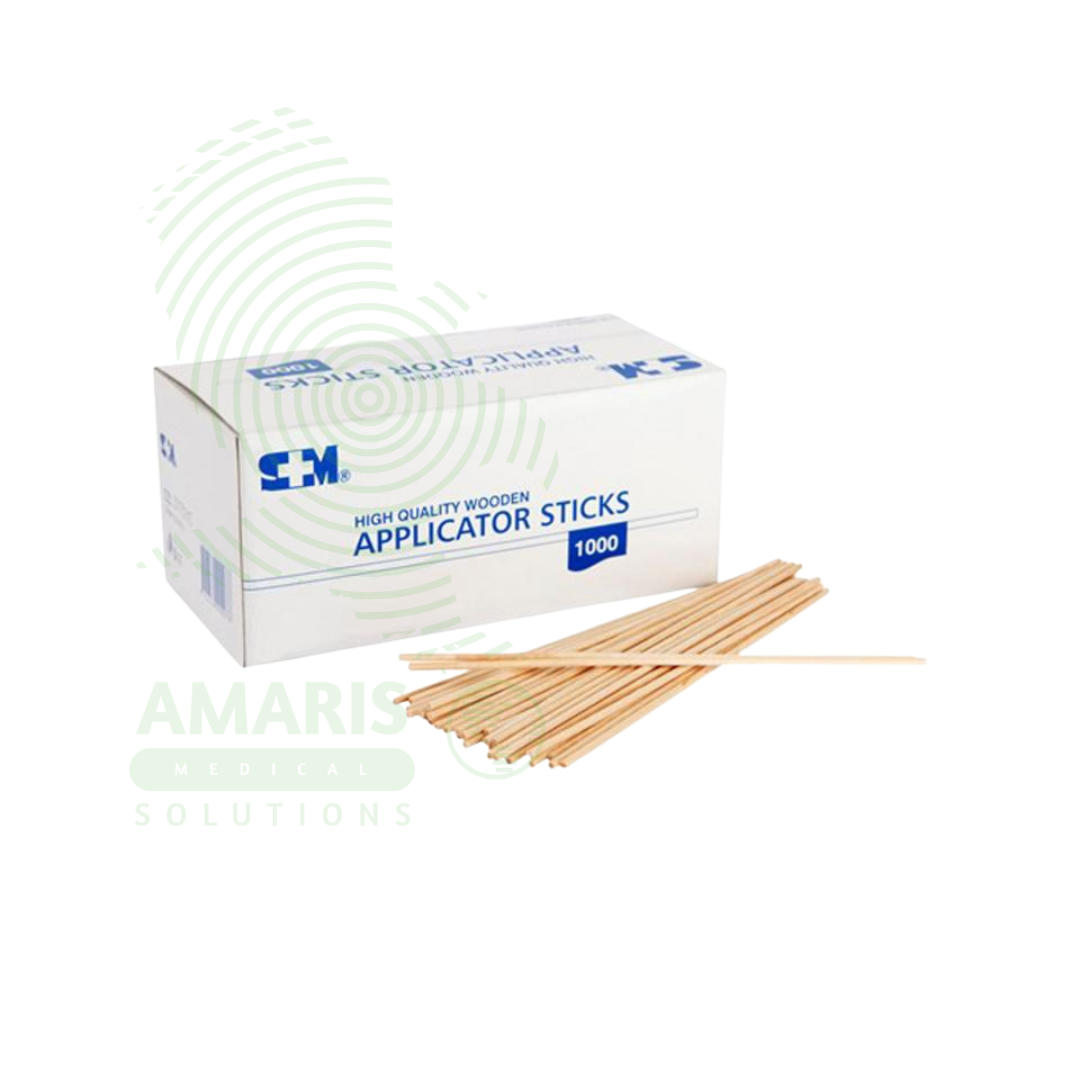
Applicator Sticks
WhatsApp Order
Applicator Sticks are single-use medical devices with absorbent tips (cotton, rayon, flocked polyester) on wood, plastic, or paper shafts for collecting clinical specimens (throat, nasal, wound, cervical, urethral, rectal) for microbiological culture, rapid testing, and molecular diagnostics. Sterile individually wrapped or non-sterile bulk formats. Flocked swabs provide >90% specimen release for PCR testing. Primary applications include specimen collection for infection diagnosis, wound care and antiseptic application, gynecological sampling (Pap smears, STI testing), eye/ear specimen collection, laboratory slide preparation, and forensic evidence collection. Critical precautions include single-use only, sterile technique, proper collection method, and biohazard disposal. Essential consumable in all clinical settings.
Description
Applicator Sticks
PRIMARY CLINICAL & DIAGNOSTIC USES
1. Specimen Collection for Microbiological Testing:
-
Primary Use: Used to collect throat, nasal, wound, and other clinical specimens for bacterial and viral culture, rapid antigen testing, and molecular diagnostics (PCR) in patients with suspected infections.
-
How it helps: Enables accurate identification of pathogens causing illness, allowing doctors to prescribe targeted antibiotics or antivirals rather than broad-spectrum medications, leading to faster recovery and reduced antibiotic resistance.
2. Wound Care and Antiseptic Application:
-
Primary Use: Employed to apply antiseptic solutions (povidone-iodine, chlorhexidine) and topical medications to wounds, surgical incisions, and skin lesions while maintaining aseptic technique.
-
How it helps: Prevents infection by ensuring even sterile application of antiseptics to broken skin, promoting proper healing and reducing the risk of complications like cellulitis or sepsis.
3. Cervical and Vaginal Specimen Collection:
-
Primary Use: Used in gynecological exams for collecting specimens for Pap smears, chlamydia/gonorrhea testing, and wet mount preparations.
-
How it helps: Facilitates early detection of cervical cancer and sexually transmitted infections, enabling timely treatment that can prevent serious long-term health issues such as infertility or cancer progression.
4. Urethral and Rectal Swabbing:
-
Primary Use: Utilized for collecting specimens from urethral and rectal sites for sexually transmitted infection testing.
-
How it helps: Allows for comprehensive screening of STIs in asymptomatic individuals and those with symptoms, ensuring infections are detected and treated to prevent spread to partners and complications.
5. Eye and Ear Specimen Collection:
-
Primary Use: Sterile applicators used to collect conjunctival and ear canal specimens for culture in patients with ophthalmic or otic infections.
-
How it helps: Identifies the specific bacteria or fungi causing eye or ear infections, guiding appropriate antimicrobial therapy and preventing vision or hearing loss from untreated infections.
6. Laboratory Slide Preparation:
-
Primary Use: Used in clinical laboratories for preparing smears and transferring specimens onto microscope slides for staining and examination.
-
How it helps: Ensures that specimens are properly mounted for microscopic analysis, allowing laboratory professionals to accurately identify abnormal cells, bacteria, or parasites that inform diagnosis.
7. Forensic Evidence Collection:
-
Primary Use: Sterile swabs used in sexual assault examinations and forensic investigations to collect biological evidence for DNA analysis.
-
How it helps: Preserves crucial DNA evidence that can identify perpetrators, exonerate the innocent, and provide closure for victims of crime, playing a vital role in the justice system.
SECONDARY & SUPPORTIVE USES
1. Dental Applications: Used for applying topical anesthetics, hemostatic agents, or medicaments to oral tissues during dental procedures.
2. Veterinary Medicine: Used for specimen collection and medication application in animals, helping veterinarians diagnose and treat infections in pets and livestock.
3. Home Healthcare: Used by patients or caregivers for applying topical medications or cleaning minor wounds, enabling safe at-home management of skin conditions.
4. Teaching and Training: Used in medical and nursing education for demonstrating proper specimen collection techniques, ensuring future healthcare providers are skilled in these essential procedures.
5. Industrial and Research Applications: Used in research laboratories for various sample handling procedures, supporting scientific discovery and product development.
KEY PRODUCT FEATURES
1. BASIC IDENTIFICATION ATTRIBUTES
-
Product Type: Single-use sticks with absorbent tips for specimen collection and topical application.
-
Tip Materials: Cotton, rayon, polyester/flocked, foam.
-
Shaft Materials: Wood, plastic (polystyrene/polypropylene), paper.
-
Length: 3-6 inches (75-150 mm) typical.
-
Sterility: Sterile (individually wrapped) or non-sterile (bulk packed).
-
Packaging: Individually wrapped, bulk bags, or peel pouches.
2. TECHNICAL & PERFORMANCE PROPERTIES
-
Specimen Release: Flocked swabs release >90% of collected specimens; cotton retains significant amounts.
-
Shaft Strength: Must withstand bending without breaking during specimen collection.
-
Sterility Assurance: Sterile swabs validated to sterility assurance level (SAL) of 10⁻⁶.
-
Chemical Compatibility: Resistant to common transport media and testing reagents.
3. PHYSICAL & OPERATIONAL PROPERTIES
-
Tip Size: 2-10 mm diameter depending on application.
-
Tip Shape: Round, pointed, or flat for specific collection sites.
-
Shelf Life: 3-5 years if stored properly.
-
Storage: Store in a clean, dry environment at room temperature.
4. SAFETY & COMPLIANCE ATTRIBUTES
-
Regulatory Status: Class I medical device; sterile swabs may be Class II.
-
Quality Standards: Manufactured under ISO 13485.
-
Biocompatibility: Materials meet ISO 10993 for skin and mucosal contact.
-
Latex-Free: All components latex-free.
-
Disposal: Dispose of used swabs as biohazardous waste.
5. STORAGE & HANDLING ATTRIBUTES
-
Storage: Store in original packaging at room temperature; protect from moisture and contamination.
-
Inspection: Before use, check for packaging integrity; do not use if package is damaged.
-
Single-Use Only: Never reuse applicator sticks; discard after single use.
-
Disposal: Dispose of used swabs in biohazard waste containers.
6. LABORATORY & CLINICAL APPLICATIONS
-
Primary Application: Collection and transfer of clinical specimens from various body sites for microbiological, molecular, and diagnostic testing.
-
Selection Criteria: Flocked swabs for PCR/molecular testing; cotton for routine culture; size appropriate for anatomical site.
-
Limitations: Cotton swabs may inhibit some molecular tests; not all swabs suitable for all transport media.
SAFETY HANDLING PRECAUTIONS
1. SAFETY PRECAUTIONS
-
Sterile Technique: Use sterile swabs for specimen collection; maintain sterility until use.
-
Single-Use Only: Never reuse applicator sticks; discard after single use.
-
Infection Control: All specimens potentially infectious; follow universal precautions.
-
Proper Collection: Use appropriate technique to ensure adequate specimen collection and avoid contamination.
-
Transport Media: Place swab in appropriate transport media immediately after collection.
-
Disposal: Dispose of used swabs in biohazard waste containers.
2. FIRST AID MEASURES
-
Needlestick/Sharps Injury: Applicator sticks are not sharps, but if injury occurs from contaminated swab, wash area thoroughly; report incident.
-
Eye Contact with Specimen: Flush eyes with copious water; seek medical attention.
-
Specimen Spill: Contain with absorbent material; disinfect area with 10% bleach solution.
3. FIRE FIGHTING MEASURES
-
Flammability: Wood and paper shafts are combustible; plastic shafts may melt.
-
Extinguishing Media: Use water, foam, CO₂, or dry chemical as appropriate.
Related products
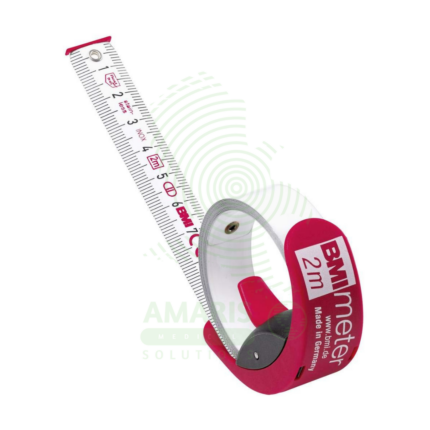
BMI Tape
A BMI Tape is a rapid screening tool that estimates an individual's Body Mass Index (BMI) category by measuring body circumference, most commonly the waist. It features a color-coded scale that directly displays BMI ranges (Underweight, Normal, Overweight, Obese), eliminating the need for separate height and weight measurements and manual calculation. While highly useful for community health screenings, wellness programs, and patient education due to its portability and simplicity, it is an approximate method. Its accuracy is limited compared to BMI calculated from precise clinical measurements, and it should be used as an initial screening indicator rather than a definitive diagnostic tool.
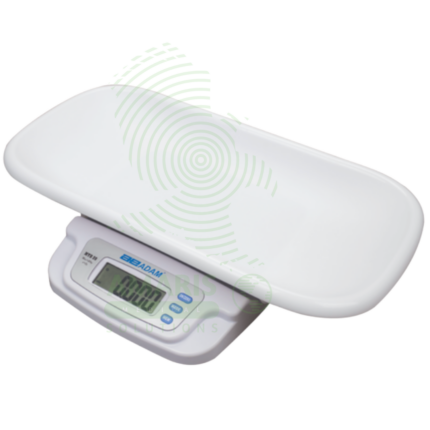
Digital Baby Weighing Scale
A Digital Baby Weighing Scale is a high-precision medical device designed exclusively for the safe and accurate measurement of infant and toddler weight. Featuring a stable, hygienic platform with gram-level precision, it is indispensable in hospitals (especially NICUs), pediatric clinics, and community health settings. Its core functions—such as hold, tare, and zeroing—ensure reliable readings even with a moving child. Accurate weight data is foundational for assessing growth, calculating medication doses, managing nutrition, and detecting early signs of health issues, making this scale a critical tool for safeguarding infant health and development.
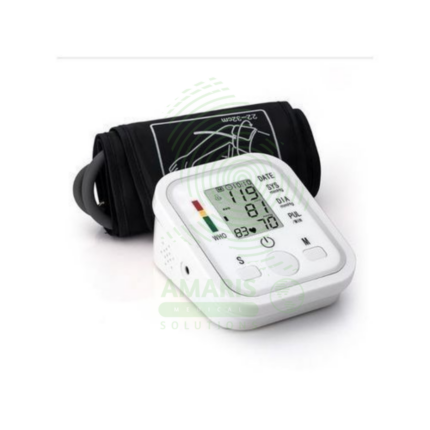
Digital Blood Pressure Monitor
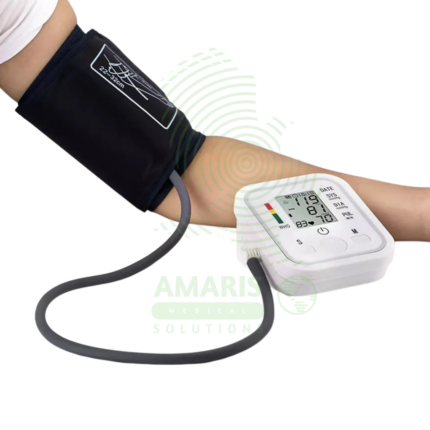
A Digital Blood Pressure Monitor is an automatic electronic device that measures and displays systolic pressure, diastolic pressure, and pulse rate using the oscillometric method. Designed primarily for home and clinical use, it offers a user-friendly alternative to manual aneroid devices, requiring minimal training. Key features often include irregular heartbeat detection, multi-user memory, and connectivity for data tracking. Its accuracy, when clinically validated and used with correct technique, makes it an indispensable tool for the diagnosis and management of hypertension, empowering patients and supporting healthcare providers with reliable ambulatory data.
ECG Machine
An ECG Machine is a Class II medical device that records and displays the electrical activity of the heart through surface electrodes, producing an electrocardiogram for diagnosis of cardiac conditions. Standard diagnostic machines record 12 simultaneous leads (3 limb, 6 precordial, 1 ground) with frequency response 0.05-150 Hz, sampling rate 500-1,000 Hz, and high-resolution (5-10 µV) signal acquisition. Features include color touchscreen display, thermal array printer, computerized interpretation algorithms, internal memory (50-500+ ECGs), and network connectivity for EMR integration. Lead wires (AHA or IEC color coding) connect to disposable adhesive electrodes. Portable models (5-15 kg) with rechargeable batteries enable bedside and mobile use; cart-mounted units provide full diagnostic capability. Primary clinical applications include diagnosis of arrhythmias (AF, VT, bradycardia), detection of myocardial ischemia/infarction (STEMI, NSTEMI), evaluation of chest pain, preoperative cardiac risk assessment, monitoring electrolyte imbalances, assessment of chamber enlargement, and drug effect/toxicity monitoring. Essential diagnostic equipment in emergency departments, cardiology clinics, ICUs, operating rooms, and primary care settings worldwide.
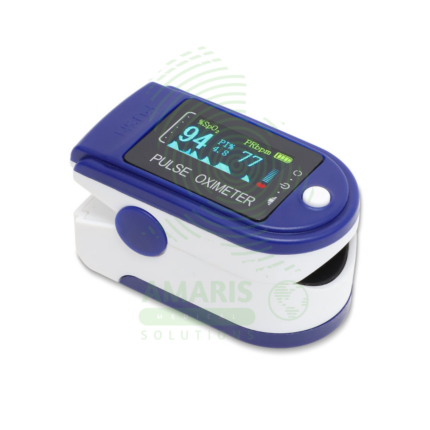
Fingertip Pulse Oximeter
A Fingertip Pulse Oximeter is a compact, non-invasive medical device that clips onto a finger to measure peripheral arterial oxygen saturation (SpO2) and pulse rate in seconds. Utilizing light-based technology, it provides critical, real-time data on respiratory and circulatory status. Its portability and ease of use make it indispensable in hospitals (from ORs to general wards), for patients managing chronic lung conditions at home, and for situational monitoring in sports or high-altitude environments. While an extremely valuable screening tool, readings must be interpreted in context, considering factors like patient movement, perfusion, and clinical symptoms.
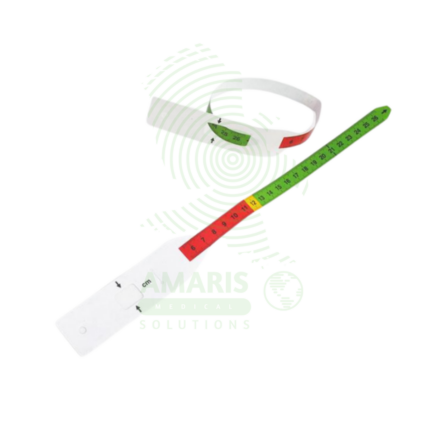
MUAC Tape
A MUAC Tape (Mid-Upper Arm Circumference) is a specialized, color-coded measuring tape used globally as the primary field tool for screening children aged 6-59 months for acute malnutrition. Its simple design—featuring red, yellow, and green zones corresponding to Severe Acute Malnutrition, Moderate Acute Malnutrition, and normal nutritional status—allows for instant, non-invasive assessment without the need for scales, calculation, or literacy. Durable, portable, and inexpensive, it is the cornerstone of community-based nutrition programs, emergency relief efforts, and public health surveillance, enabling early detection and life-saving intervention for malnourished children in even the most resource-constrained settings.
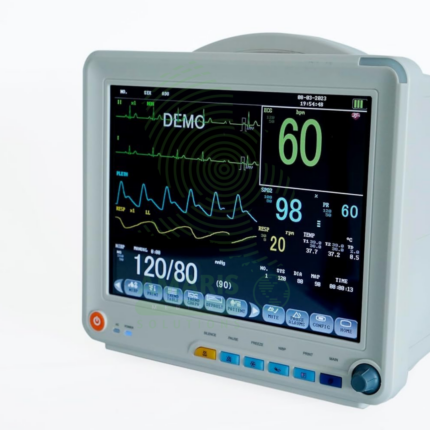
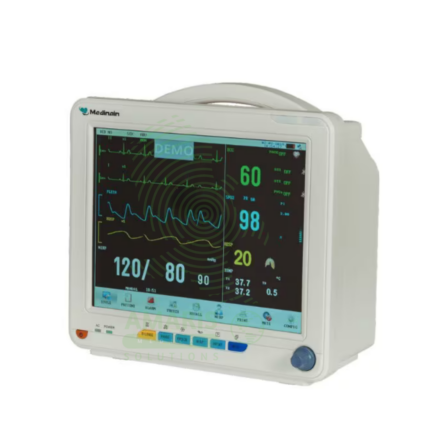
Patient Monitor
The Patient Monitor (6 Parameters BCCMS8000) is a versatile multi-parameter monitor designed for continuous surveillance of core vital signs in various clinical settings. It tracks six essential parameters—ECG, SpO2, Non-Invasive Blood Pressure (NIBP), Respiration, Temperature, and Pulse Rate—providing clinicians with real-time waveforms and numerical data on a clear color display. With its robust alarm system, battery backup for transport, and reliable performance, it is a fundamental tool for ensuring patient safety on general hospital wards, during procedures, and in emergency departments. Its design balances comprehensive monitoring capability with user-friendly operation.