Dermatoscope and Magnifiers
 Diagnostic Kits
 Vital Signs Monitors
 Stethoscopes and Accessories
 Otoscopes, Ophthalmoscopes, and Retinoscopes
 Reflex Hammers and Neurological Tools
 Scales and Measuring Devices
 Spirometers and Pulmonary Function Tests
 Electrosurgical Units and Accessories
 Cutting Instruments
 Grasping and Holding Instruments
 Hemostatic Instruments
 Specialized Surgical Sets
 Single-Use Procedure Trays and Packs
 Surgical Drapes, Gowns, and Covers
 Tissue Unifying Instruments
 Radiation Protection
 X-Ray Machines and Accessories
 Ultrasound Systems and Probes
 MRI and CT Scanners
 Radiology Consumables
 Bone Densitometers
 Fluoroscopy Equipment
 Imaging Tables and Positioning Aids
 Microscopes and Accessories
 Centrifuges and Separators
 Analyzers
 Incubators and Ovens
 Pipettes, Dispensers, and Lab Glassware
 Refrigerators, Freezers, and Storage Units
 Lab Consumables
 Sterilizers and Autoclaves for Lab Use
 Multi-Parameter Monitors
 Ventilators and Respiratory Support Devices
 Defibrillators and AEDs
 Infusion Pumps and IV Systems
 Patient Warmers and Cooling Devices
 Central Monitoring Stations
 Accessories
 Anesthesia Machines and Workstations
 Oxygen Concentrators and Delivery Systems
 Nebulizers and Inhalers
 CPAP/BiPAP Machines
 Airway Management
 Anesthesia Masks, Circuits, and Bags
 Humidifiers and Heaters
 Respiratory Therapy Accessories
 First Aid Kits and Cabinets
 Emergency Resuscitation Equipment
 Trauma Supplies
 Emergency Carts and Crash Carts
 Burn Care Products
 Bleeding Control
 Automated External Defibrillators (AEDs)
 Transport and Evacuation
 Wheelchairs and Accessories
 Walkers, Crutches, and Canes
 Prosthetics and Orthotics
 Physical Therapy Equipment
 Transfer Devices
 Bathroom Safety
 Orthopedic Traction and Tables
 Hot/Cold Therapy Packs and Units
 Beds and Mattresses
 Chairs and Stools
 Tables
 Cabinets and Storage
 Privacy Screens & Curtains
 Stands and Racks
 Linens and Textiles
 Lighting
 Autoclaves and Sterilizers
 Ultrasonic Cleaners
 Disinfectant Solutions and Wipes
 Sterilization Pouches, Wraps, and Indicators
 Instrument Trays and Containers
 UV and Ozone Disinfection Devices
 Washer Disinfectors
 Wound Care
 Gloves
 Masks and Respirators
 Catheters and Tubing
 Swabs, Applicators, and Sponges
 Incontinence Products
 Personal Protective Equipment (PPE)
 Dental Chairs and Units
 Handpieces and Burs
 Instruments
 Consumables
 Sterilization for Dental Use
 Orthodontic Supplies
 Endodontic Tools
 Slit Lamps and Tonometers
 Lensometers and Phoropters
 Ophthalmic Surgical Instruments
 Eyewear Frames and Lenses
 Contact Lens Supplies
 Vision Testing Charts and Devices
 Eye Care Consumables
 Laser Systems for Eye Care
 ENT Exam Chairs and Tables
 Endoscopes
 Audiometers and Hearing Tests
 ENT Instruments
 Nasal and Throat Packs
 Hearing Aids and Accessories
 Otology Supplies
 Fetal Dopplers and Monitors
 Delivery Beds and Tables
 Gynecological Instruments
 Neonatal Incubators and Warmers
 Breast Pumps and Accessories
 Contraceptive Devices
 Maternity Supports and Pads
 Neonatal Consumables
 Cystoscopes and Urethroscopes
 Dialysis Machines and Supplies
 Urological Catheters and Bags
 Lithotripters
 Prostate Treatment Devices
 Urinary Incontinence Products
 Kidney Stone Management Tools
 Consumables & Disposables
 EEG and EMG Machines
 Neurosurgical Instruments
 Nerve Stimulators
 Headrests and Positioning Aids
 Lumbar Puncture Kits
 Seizure Monitoring Devices
 Consumables
 Rehabilitation for Neurological Conditions
 ECG Machines and Accessories
 Holter Monitors
 Stress Test Systems
 Pacemakers and Defibrillator Accessories
 Vascular Access Devices
 Cardiac Catheters and Guidewires
 Blood Flow Meters
 Consumables
 Orthopedic Instruments
 Casts, Splints, and Padding
 Joint Replacement Supplies
 Prosthetic Limbs and Components
 Bone Grafts and Substitutes
 Traction Devices
 Orthopedic Braces and Supports
 Rehabilitation Aids for Orthopedics
 Home Oxygen Therapy
 Hospital Beds for Home Use
 Mobility Aids
 Bathroom and Daily Living Aids
 Wound Care for Home
 Monitoring Devices
 Enteral Feeding Pumps and Tubes
 Hand Sanitizers and Dispensers
 Face Shields and Goggles
 Isolation Gowns and Suits
 Biohazard Waste Containers
 Air Purifiers and HEPA Filters
 Surface Disinfectants
 Sharps Containers
 Protective Barriers
 Cardiovascular & Endurance Training
 Strength Training & Weightlifting
 Functional Training & Core Conditioning
 Physical Therapy & Rehabilitation
 Sports & Outdoor Recreation
 Gym Flooring & Facility Equipment
 Fitness Monitoring & Accessories
 Kids & Novelties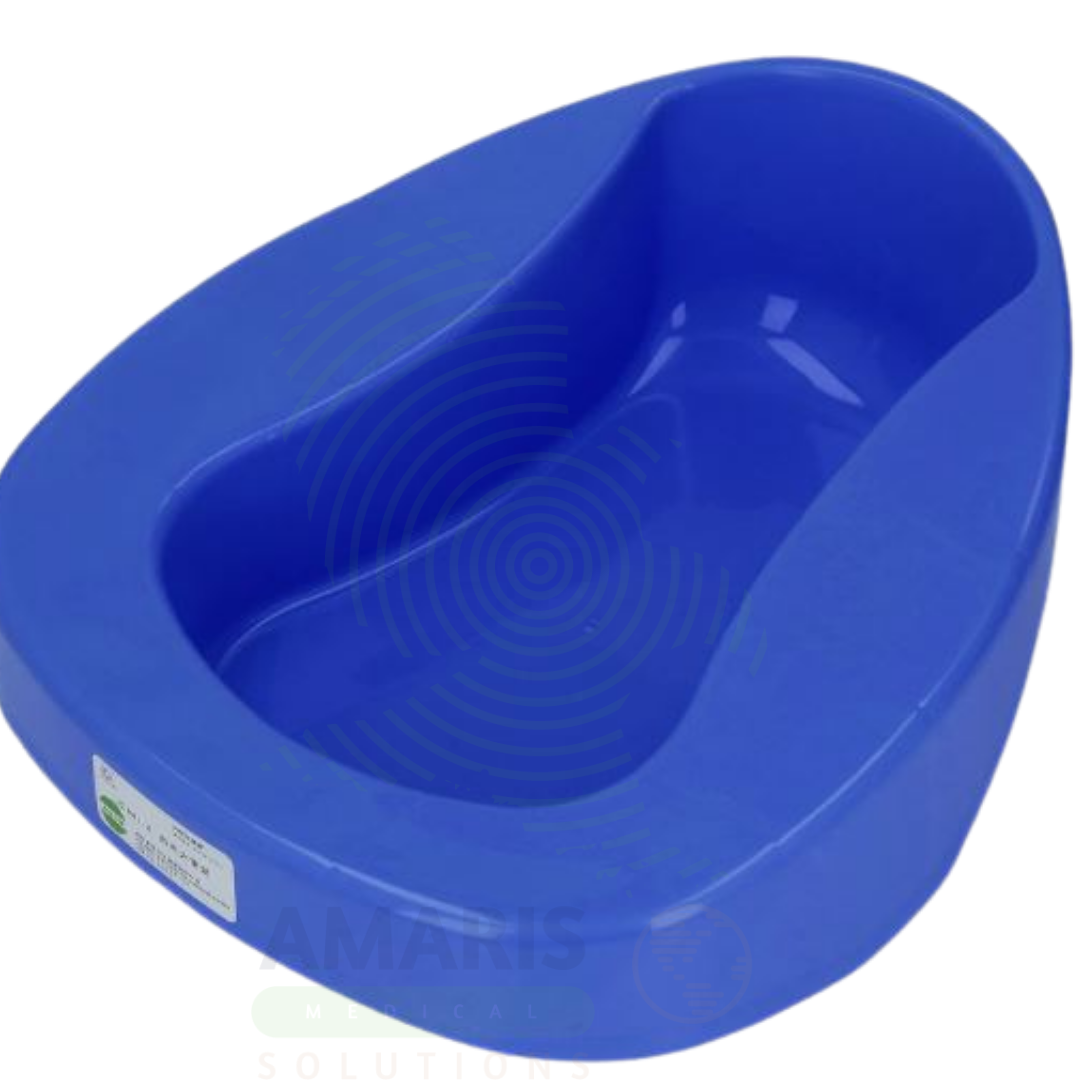
Bed Pans
$1.00
WhatsApp Order
Bed Pans are portable receptacles designed for the collection of urine and feces from patients confined to bed or unable to use a traditional toilet due to illness, surgery, injury, or disability. Available in standard and fracture (low-profile) configurations, and in reusable (stainless steel, medical-grade plastic) or disposable (rigid plastic, pulp/paper) formats. Fracture pans feature a tapered, flat front that minimizes hip flexion—essential for patients with hip fractures, hip replacements, and lower extremity immobilization. Bariatric variants support patients up to 1200 lbs (544 kg). Critical safety principles include strict pressure injury prevention (minimize time on pan, never drag patient), proper positioning technique to avoid skin shearing, and adherence to weight capacity ratings. An indispensable patient care device in hospitals, surgical units, long-term care facilities, and home healthcare settings.
Description
Bed Pans
PRIMARY CLINICAL & DIAGNOSTIC USES
1. Collection of Human Waste for Bedridden Patients
-
Primary Use: Serves as a receptacle for the collection of urine and feces for patients who are confined to bed and unable to use a traditional toilet due to high risk of injury, debilitating illness, postoperative status, or severe physical disability, enabling safe elimination while maintaining patient dignity and preventing falls.
-
How it helps: For the nursing team and caregivers, the bed pan is an essential tool for meeting patients’ most basic needs when they cannot safely leave the bed—providing a means of elimination that prevents the falls and fractures that occur when weak or post-operative patients attempt to reach the bathroom. For the bedridden patient, having a bed pan available means they can attend to personal needs with dignity and without the terror of attempting to walk when their body cannot support them.
2. Post-Operative and Orthopedic Immobilization Care
-
Primary Use: Essential for patients following hip fractures, hip replacement surgery, lower extremity fractures, spinal surgery, or any procedure requiring strict immobilization of the pelvis or lower limbs, with specialized fracture bed pans allowing positioning without lifting or flexing the hips.
-
How it helps: For the orthopedic surgeon and post-operative nursing team, the fracture bed pan is a critical tool that respects surgical precautions—allowing patients to eliminate without flexing a newly replaced hip, without bearing weight on a fractured femur, or without moving a freshly fused spine. For the patient recovering from orthopedic surgery, using a properly designed bed pan means they can meet their basic needs without the terror of disrupting their surgical repair or experiencing excruciating pain.
3. Incontinence and Palliative Care Management
-
Primary Use: Used for patients with advanced dementia, stroke-related immobility, terminal illness, or severe neurological conditions who cannot communicate the need to void or lack the physical capacity for independent toileting, providing a dignified alternative to incontinence products.
-
How it helps: For the palliative care team and hospice nurses, bed pans offer a way to manage elimination with dignity for patients at the end of life—providing a means of toileting that preserves self-respect and comfort when incontinence products would add to the indignity of dying. For the patient with advanced dementia or terminal illness, being offered a bed pan at regular intervals means they can be kept clean, dry, and comfortable without the skin breakdown that accompanies prolonged incontinence.
4. Specimen Collection for Diagnostic Testing
-
Primary Use: Used to obtain clean, uncontaminated urine and stool specimens for laboratory analysis, including urinalysis, culture and sensitivity testing, fecal occult blood testing, and ova and parasite examination.
-
How it helps: For the laboratory scientist and ordering physician, the bed pan serves as the initial collection vessel that provides the specimens needed for diagnosis—capturing urine for culture that identifies urinary tract infections, collecting stool for occult blood that screens for colorectal cancer, and providing samples for countless other tests. For the patient, proper specimen collection means accurate diagnosis and appropriate treatment.
5. Bariatric Patient Support
-
Primary Use: Specialized bariatric bed pans with increased weight capacity and larger fluid volume accommodate the needs of obese and bariatric patients while distributing weight and reducing pressure on the coccyx and sacral areas.
-
How it helps: For the bariatric care team and nursing staff, a properly sized bariatric bed pan ensures that patients of size can toilet safely and with dignity—without the risk of equipment failure, without the indignity of inadequate capacity, and with proper pressure distribution that protects against skin breakdown. For the bariatric patient, having equipment designed for their body means they receive the same standard of dignified care as any other patient.
6. Pediatric and Geriatric Care
-
Primary Use: Smaller-sized bed pans are available for pediatric patients and smaller-framed adults to ensure proper fit, comfort, and ease of positioning while minimizing patient anxiety and tissue trauma.
-
How it helps: For the pediatric nurse and geriatric care provider, appropriately sized bed pans mean that patients of all ages can toilet comfortably and safely—children who cannot yet use a toilet independently, and frail elderly patients whose small frames are not suited to standard-sized equipment. For the smallest patients, proper sizing reduces anxiety and makes a potentially frightening experience more manageable.
SECONDARY & SUPPORTIVE USES
1. Measurement of Fluid Output: Graduated bed pans with volume markings allow for accurate measurement of urinary output in patients who cannot use a urinal or toilet, facilitating fluid balance monitoring in non-catheterized patients. For the critically ill patient, accurate intake and output measurement guides fluid management.
2. Warm Water Irrigation and Perineal Cleansing: Used as a basin for perineal irrigation with warm water or antiseptic solutions for patients with urinary tract infections, postpartum care, or perineal wounds, providing comfort and hygiene. For the patient with perineal discomfort, warm water irrigation can provide significant relief.
3. Temporary Containment of Medical Waste: In emergency or resource-limited settings, may be used for temporary containment of soiled dressings, emesis, or other medical waste prior to appropriate disposal. For the healthcare worker in austere environments, a clean bed pan can serve multiple purposes.
4. Soaking and Cleaning of Patient Items: Occasionally used for soaking and cleaning of patient personal items when standard basins are unavailable. For the patient whose dentures or eyeglasses need cleaning, a bed pan can serve as an improvised basin.
5. Rehabilitation Tool: In occupational therapy, bed pans may be used to simulate toileting tasks and assess a patient’s readiness for return to independent living. For the patient preparing for discharge, practicing toileting tasks builds confidence and skills for home.
KEY PRODUCT FEATURES
1. BASIC IDENTIFICATION ATTRIBUTES
-
Product Type: A portable receptacle designed to receive urine and feces from patients confined to bed.
-
Designation: Defined by shape/configuration, material composition, capacity, and patient population.
-
Core Variants:
-
Standard Bed Pan: Traditional pear-shaped or rounded design; suitable for general patient populations.
-
Fracture Bed Pan: Low-profile, flat, tapered front design; specifically for patients with hip fractures, hip replacements, or lower extremity injuries who cannot lift their pelvis.
-
Bariatric Bed Pan: Reinforced construction, larger dimensions, higher weight capacity (up to 1200 lbs), increased fluid volume.
-
Pediatric Bed Pan: Reduced dimensions, smaller capacity, child-appropriate sizing.
-
Male Urinal: Dedicated receptacle for male urine collection; distinct from bed pan but functionally related.
-
Female Urinal: Dedicated receptacle for female urine collection; distinct from bed pan but functionally related.
-
-
Core Components:
-
Receptacle Body: Concave basin with smooth, rounded edges to prevent skin trauma.
-
Pouring Lip/Spout: Facilitates clean, controlled emptying without spillage.
-
Handle/Grip: Integrated or detachable handle for secure carrying and positioning.
-
Base: Flat or contoured base for stable placement on bed, commode, or floor.
-
Cover/Lid (select models): Snap-on or hinged cover for containment during transport.
-
2. TECHNICAL & PERFORMANCE PROPERTIES
-
Weight Capacity: Must safely support patient weight without deformation, cracking, or structural failure. Standard: 250-350 lbs (113-159 kg). Bariatric: up to 1200 lbs (544 kg).
-
Fluid Capacity: Volume of liquid the pan can contain before risk of spillage. Standard: 1000-1500 mL. Bariatric: 2000-3000 mL.
-
Load Distribution: Design must distribute patient weight evenly across the buttocks and thighs, minimizing pressure on the coccyx, sacrum, and ischial tuberosities to prevent pressure injuries.
-
Stability: Must remain stable on bed surfaces without tipping, sliding, or shifting during patient transfer and use.
-
Impact Resistance: Must withstand repeated use and accidental drops without cracking or splintering.
-
Temperature Tolerance: Must withstand hot water and steam sterilization (reusable metal/plastic) without warping, degradation, or release of toxic compounds.
3. PHYSICAL & OPERATIONAL PROPERTIES
-
Material Options:
-
Stainless Steel: Traditional reusable material; extremely durable, easy to clean, resistant to corrosion, fully autoclavable. Cold to touch; may cause patient discomfort without pre-warming.
-
Medical-Grade Polypropylene/Plastic: Lightweight, warm to touch, available in disposable (single-use) and reusable (autoclavable) variants. Lower cost, quieter during use, reduced risk of patient injury from cold metal.
-
Fiberglass/Composite: Durable, lightweight, warm surface; less common.
-
-
Dimensions (Standard Adult):
-
Length: 15-17 inches (38-43 cm)
-
Width: 11-13 inches (28-33 cm)
-
Height: 3-5 inches (7.6-12.7 cm)
-
-
Fracture Pan Dimensions: Reduced height at tapered front: 1-2 inches (2.5-5 cm) to minimize hip flexion.
-
Surface Finish: Smooth, non-porous, non-stick surface to prevent adhesion of waste and facilitate thorough cleaning. Stainless steel: polished finish. Plastic: high-gloss or smooth matte.
-
Color Coding: Some facilities use color-coded bed pans (e.g., red for isolation patients, blue for general use) as part of infection control protocols.
-
Graduations: Volume measurement markings (mL/oz) may be molded or printed onto the interior surface for urine output measurement.
4. SAFETY & COMPLIANCE ATTRIBUTES
-
Regulatory Standards:
-
FDA Classification: Class I medical device (low risk).
-
ISO 7886-4: Not directly applicable; bed pans fall under general medical device regulations.
-
ASTM F2028: Standard test methods for dynamic evaluation of gluteal load distribution (referenced for pressure mapping studies).
-
CE Marking: Required for European market.
-
-
Biocompatibility: All materials in contact with patient skin must be non-irritating, non-sensitizing, and hypoallergenic. Meets ISO 10993 standards for skin contact.
-
Latex-Free: All components manufactured without natural rubber latex.
-
Pressure Injury Prevention: Design should minimize interface pressure on bony prominences (coccyx, ischia). Studies demonstrate that fracture pans with sloped designs reduce peak pressure compared to standard rounded pans .
-
Stability Testing: Must pass tilt and slide testing on standard hospital bed surfaces (mattress, draw sheet) under simulated patient loads.
-
Disposable Variants: Single-use bed pans manufactured from biodegradable or recyclable pulp/pressed paper or rigid plastic. Eliminate reprocessing requirements and cross-contamination risk.
5. STORAGE & HANDLING ATTRIBUTES
-
Storage (Reusable): Store clean, dry bed pans in designated clean utility areas, inverted or covered to prevent contamination. Do not stack when wet; promotes bacterial growth and material degradation.
-
Storage (Disposable): Store in original packaging in a cool, dry environment. Protect from moisture, humidity, and physical damage.
-
Shelf Life (Disposable): Typically 3-5 years from date of manufacture. Paper/pulp products may have shorter shelf life and are sensitive to moisture.
-
Reprocessing (Reusable): Reusable bed pans require cleaning and disinfection/sterilization between patients per facility policy:
-
Cleaning: Thorough mechanical cleaning with detergent and water to remove all organic soil.
-
Disinfection: Immersion in EPA-registered hospital disinfectant (e.g., chlorine dioxide, peracetic acid, quaternary ammonium compounds) for appropriate contact time.
-
Sterilization (select facilities): Steam autoclave (stainless steel only; plastic may warp unless specifically rated as autoclavable).
-
Drying: Air dry or dry with clean, lint-free cloths before storage.
-
-
Single-Use Protocol (Disposable): Disposable bed pans are strictly single-use devices. They must be discarded after one patient encounter. Never rinse, clean, or reuse a disposable bed pan.
-
Patient Dedication: Reusable bed pans may be dedicated to a single patient for the duration of their admission and reprocessed upon discharge.
6. LABORATORY & CLINICAL APPLICATIONS
-
Primary Application: A fundamental patient care device for the management of elimination in bedridden or immobilized patients across all healthcare settings: hospitals, surgical units, intensive care units, rehabilitation facilities, long-term care facilities, skilled nursing facilities, and home healthcare.
-
Selection Criteria:
-
Patient Mobility: Fracture pan for patients unable to lift pelvis; standard pan for patients with partial mobility.
-
Patient Size: Standard vs. bariatric.
-
Patient Age: Pediatric vs. adult.
-
Infection Control: Disposable vs. reusable; isolation precautions may mandate single-use disposables.
-
Duration of Use: Short-term acute care (disposable often preferred) vs. long-term care (reusable may be cost-effective).
-
Patient Preference: Plastic (warm) vs. stainless steel (cold, durable).
-
-
Proper Positioning Technique (Critical Nursing Skill):
-
Standard Bed Pan: Patient lifts buttocks by pushing with feet and hands; pan placed with rounded end facing front; patient lowers onto pan.
-
Fracture Bed Pan: Patient log-rolled onto side; pan placed against buttocks with tapered end facing front; patient rolled back onto pan.
-
-
Assisted Positioning: For patients unable to assist, use a draw sheet or lift device to elevate the pelvis; never drag the patient across the bed pan surface.
SAFETY HANDLING PRECAUTIONS
1. SAFETY PRECAUTIONS
-
Pressure Injury Prevention (Most Important): Prolonged time on bed pan is a significant risk factor for sacral and coccygeal pressure injuries. Do not leave the patient on the bed pan longer than necessary. Remove immediately after elimination. Use pressure-redistributing bed pans (fracture pans) for at-risk patients. Consider alternative elimination methods (commode, incontinence products) for patients requiring extended elimination assistance .
-
Skin Shearing and Friction: Never drag a patient across a bed pan. This causes shearing forces that damage skin and underlying tissues, leading to pressure injuries. Always use a draw sheet, lift device, or log-roll technique to position the patient onto and off the bed pan.
-
Fall Prevention: Ensure bed pan is stable and positioned securely before patient transfers. Never leave patients unattended on bed pan unless they are independently mobile and stable. Lock bed wheels before positioning.
-
Infection Control: Strict hand hygiene before and after bed pan handling. Wear appropriate personal protective equipment (gloves, gown) when handling soiled bed pans. Clean and disinfect reusable bed pans immediately after use. Never allow soiled bed pans to sit in patient rooms.
-
Thermal Injury (Stainless Steel): Stainless steel bed pans become very cold and may cause patient discomfort, involuntary muscle contraction, and difficulty positioning. Pre-warm metal bed pans with warm water (not hot) and dry thoroughly before use. Never use a cold metal bed pan on an unconscious or insensate patient.
-
Do Not Use as Step Stool: Bed pans are not designed or tested to support patient weight when inverted. Never allow patients or staff to stand on a bed pan.
-
Check for Cracks and Damage: Inspect reusable bed pans before each use. Cracks, rough edges, or structural damage can cause skin trauma, pressure injuries, or catastrophic failure during use. Discard and replace damaged devices.
-
Weight Capacity Compliance: Do not use standard bed pans for bariatric patients. Verify weight rating before use. Overloading causes structural failure and patient injury.
2. FIRST AID MEASURES
-
Skin Shearing/Abrasion: If skin injury occurs during bed pan use, clean the affected area with mild soap and water, apply appropriate wound dressing, and document the incident. Implement pressure injury prevention protocols. Consider alternative elimination devices.
-
Fall from Bed: If a patient falls while using a bed pan, assess for injury per facility protocol. Do not move patients until cervical spine injury is ruled out if the mechanism suggests head/neck trauma. Activate emergency response as indicated.
-
Structural Failure During Use: If bed pan cracks or collapses while occupied, carefully remove patient, assess for injury (skin trauma, pressure points, falls), and replace with intact device. Document and report device failure per facility protocol.
3. FIRE FIGHTING MEASURES
-
Flammability: Plastic bed pans (polypropylene) are combustible; stainless steel is non-combustible; paper/pulp disposable bed pans are readily combustible.
-
Extinguishing Media: Use water, foam, CO₂, or dry chemical powder as appropriate for the surrounding fire.
Related products
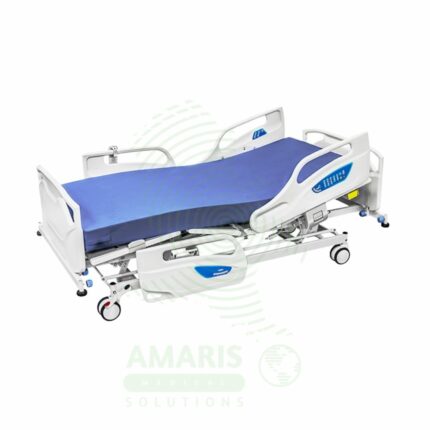
Electric Hospital Bed
An Electric Hospital Bed is a motorized, adjustable bed system designed for inpatient medical care. It provides critical functions such as height adjustment for safe patient transfer, head and knee elevation for comfort and clinical indications, and integrated safety features like side rails and nurse call. Its electric operation allows for precise positioning by both patient and caregiver, enhancing safety, treatment efficacy, and ergonomics. Proper use requires adherence to weight limits, fall prevention protocols, and regular disinfection between patients. It is a fundamental capital asset in any inpatient healthcare facility.
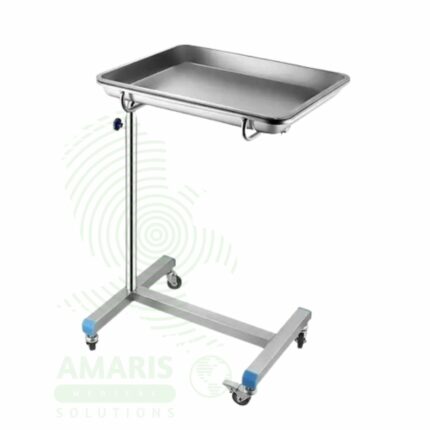
Mayo trolley
A Mayo Trolley is a mobile, height-adjustable instrument table used in operating rooms and procedure areas to hold sterile instruments, supplies, and equipment within easy reach of the surgical team. Featuring a stainless steel tray, locking castors, and adjustable height column, it provides a stable, organized workspace that supports efficient surgical procedures. Essential for maintaining an organized sterile field, it is used across surgical specialties including general surgery, orthopedics, gynecology, and plastic surgery.
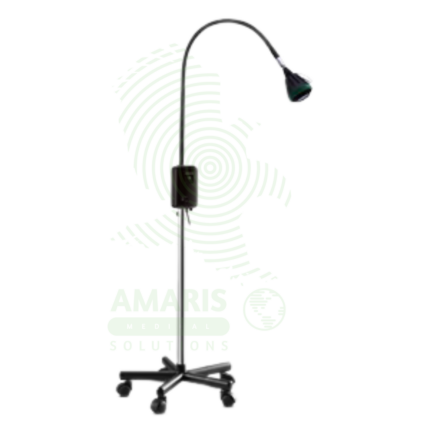
Portable Examination Light (LED/Halogen)
A Portable Examination Light (LED/Halogen) is a mobile, adjustable light source designed for clinical examinations, minor procedures, and wound assessment. LED models offer energy efficiency, long bulb life, and cool operation; halogen models provide high intensity with warm color temperature. The flexible gooseneck or articulating arm allows precise positioning to illuminate examination sites without shadows. Used in examination rooms, procedure rooms, emergency departments, and home healthcare settings, it provides the focused illumination needed for accurate assessment and safe procedures.
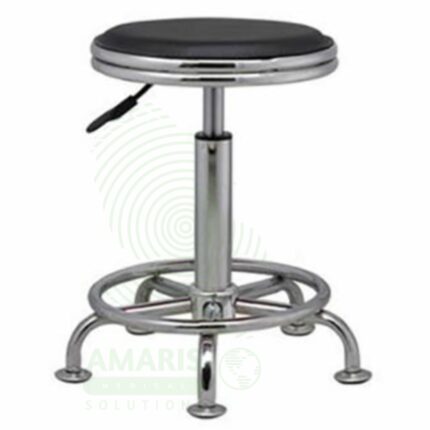
Revolving Stool
A Revolving Stool is a height-adjustable, rotating seat on a stable multi-leg base, designed for dynamic clinical and laboratory work environments. It provides healthcare professionals with stable, ergonomic seating that allows for effortless 360-degree rotation and small positional adjustments without standing. This is essential for procedures requiring precision and frequent changes in reach, such as dentistry, minor surgery, microscopy, and laboratory analysis. Its key features include smooth rotation, easy height adjustment, and a stable, often mobile, base to support prolonged, task-focused work while promoting proper posture and reducing fatigue.
Stainless Steel Examination Table
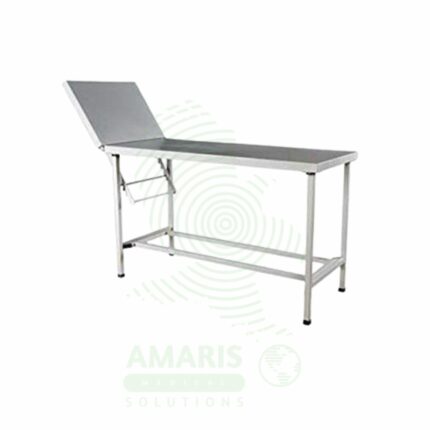
A Stainless Steel Examination Table is the pinnacle of durable, hygienic clinical furniture. Constructed from surgical-grade stainless steel with a seamless, welded design, it is fully autoclavable and resistant to all common chemicals and disinfectants. Its primary uses are in environments demanding the highest infection control: morgues, pathology labs, sterile processing areas, isolation rooms, and minor procedure operating rooms. While functionally superior for cleaning and sterilization, its hard, cold surface requires the use of patient pads for comfort. It is an industrial-grade work surface built for longevity and ultimate cleanability in the most demanding medical and laboratory settings.
Step Stool
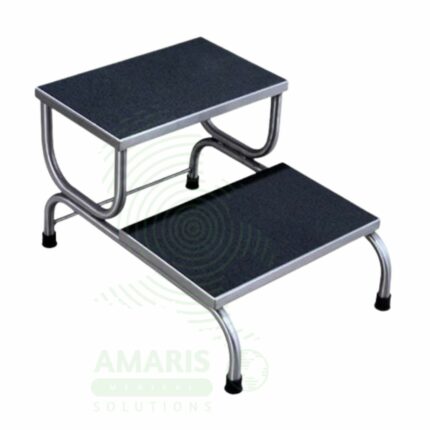
A Step Stool is a low, portable platform with one or two steps, designed to provide safe, temporary elevation in clinical settings. Its primary uses are to assist patients in accessing high examination tables and beds, and to provide healthcare staff with an ergonomic means of reaching high storage and equipment. Key safety features include a robust load rating, a wide stable base, non-slip step surfaces, and non-marking feet. It is a simple yet essential piece of equipment for preventing falls and promoting safe patient handling and staff ergonomics throughout hospitals and clinics.
Theatre Ceiling Operating Light
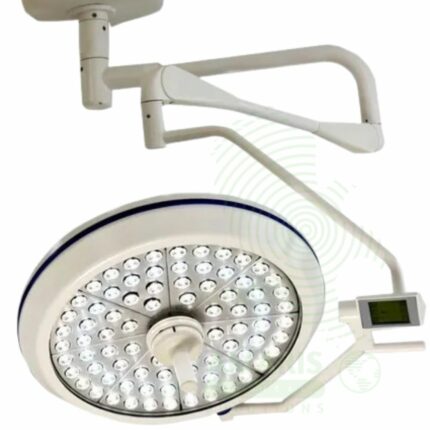
An Theatre Ceiling Operating Light is a high-performance, ceiling-track-mounted surgical illumination system permanently installed in an operating theatre. It is engineered to deliver intense (40,000+ lux), shadow-reduced, and color-accurate (CRI >90) "cold" light deep into surgical cavities. Its articulated, counterbalanced arms allow precise positioning over the entire operating table. As a critical piece of fixed capital equipment, its performance is fundamental to surgical precision and safety. Proper use requires pre-procedure positioning, adherence to sterile handle protocols, and awareness of minimal thermal risks. It is the definitive primary light source for major surgical interventions.