Dermatoscope and Magnifiers
 Diagnostic Kits
 Vital Signs Monitors
 Stethoscopes and Accessories
 Otoscopes, Ophthalmoscopes, and Retinoscopes
 Reflex Hammers and Neurological Tools
 Scales and Measuring Devices
 Spirometers and Pulmonary Function Tests
 Electrosurgical Units and Accessories
 Cutting Instruments
 Grasping and Holding Instruments
 Hemostatic Instruments
 Specialized Surgical Sets
 Single-Use Procedure Trays and Packs
 Surgical Drapes, Gowns, and Covers
 Tissue Unifying Instruments
 Radiation Protection
 X-Ray Machines and Accessories
 Ultrasound Systems and Probes
 MRI and CT Scanners
 Radiology Consumables
 Bone Densitometers
 Fluoroscopy Equipment
 Imaging Tables and Positioning Aids
 Microscopes and Accessories
 Centrifuges and Separators
 Analyzers
 Incubators and Ovens
 Pipettes, Dispensers, and Lab Glassware
 Refrigerators, Freezers, and Storage Units
 Lab Consumables
 Sterilizers and Autoclaves for Lab Use
 Multi-Parameter Monitors
 Ventilators and Respiratory Support Devices
 Defibrillators and AEDs
 Infusion Pumps and IV Systems
 Patient Warmers and Cooling Devices
 Central Monitoring Stations
 Accessories
 Anesthesia Machines and Workstations
 Oxygen Concentrators and Delivery Systems
 Nebulizers and Inhalers
 CPAP/BiPAP Machines
 Airway Management
 Anesthesia Masks, Circuits, and Bags
 Humidifiers and Heaters
 Respiratory Therapy Accessories
 First Aid Kits and Cabinets
 Emergency Resuscitation Equipment
 Trauma Supplies
 Emergency Carts and Crash Carts
 Burn Care Products
 Bleeding Control
 Automated External Defibrillators (AEDs)
 Transport and Evacuation
 Wheelchairs and Accessories
 Walkers, Crutches, and Canes
 Prosthetics and Orthotics
 Physical Therapy Equipment
 Transfer Devices
 Bathroom Safety
 Orthopedic Traction and Tables
 Hot/Cold Therapy Packs and Units
 Beds and Mattresses
 Chairs and Stools
 Tables
 Cabinets and Storage
 Privacy Screens & Curtains
 Stands and Racks
 Linens and Textiles
 Lighting
 Autoclaves and Sterilizers
 Ultrasonic Cleaners
 Disinfectant Solutions and Wipes
 Sterilization Pouches, Wraps, and Indicators
 Instrument Trays and Containers
 UV and Ozone Disinfection Devices
 Washer Disinfectors
 Wound Care
 Gloves
 Masks and Respirators
 Catheters and Tubing
 Swabs, Applicators, and Sponges
 Incontinence Products
 Personal Protective Equipment (PPE)
 Dental Chairs and Units
 Handpieces and Burs
 Instruments
 Consumables
 Sterilization for Dental Use
 Orthodontic Supplies
 Endodontic Tools
 Slit Lamps and Tonometers
 Lensometers and Phoropters
 Ophthalmic Surgical Instruments
 Eyewear Frames and Lenses
 Contact Lens Supplies
 Vision Testing Charts and Devices
 Eye Care Consumables
 Laser Systems for Eye Care
 ENT Exam Chairs and Tables
 Endoscopes
 Audiometers and Hearing Tests
 ENT Instruments
 Nasal and Throat Packs
 Hearing Aids and Accessories
 Otology Supplies
 Fetal Dopplers and Monitors
 Delivery Beds and Tables
 Gynecological Instruments
 Neonatal Incubators and Warmers
 Breast Pumps and Accessories
 Contraceptive Devices
 Maternity Supports and Pads
 Neonatal Consumables
 Cystoscopes and Urethroscopes
 Dialysis Machines and Supplies
 Urological Catheters and Bags
 Lithotripters
 Prostate Treatment Devices
 Urinary Incontinence Products
 Kidney Stone Management Tools
 Consumables & Disposables
 EEG and EMG Machines
 Neurosurgical Instruments
 Nerve Stimulators
 Headrests and Positioning Aids
 Lumbar Puncture Kits
 Seizure Monitoring Devices
 Consumables
 Rehabilitation for Neurological Conditions
 ECG Machines and Accessories
 Holter Monitors
 Stress Test Systems
 Pacemakers and Defibrillator Accessories
 Vascular Access Devices
 Cardiac Catheters and Guidewires
 Blood Flow Meters
 Consumables
 Orthopedic Instruments
 Casts, Splints, and Padding
 Joint Replacement Supplies
 Prosthetic Limbs and Components
 Bone Grafts and Substitutes
 Traction Devices
 Orthopedic Braces and Supports
 Rehabilitation Aids for Orthopedics
 Home Oxygen Therapy
 Hospital Beds for Home Use
 Mobility Aids
 Bathroom and Daily Living Aids
 Wound Care for Home
 Monitoring Devices
 Enteral Feeding Pumps and Tubes
 Hand Sanitizers and Dispensers
 Face Shields and Goggles
 Isolation Gowns and Suits
 Biohazard Waste Containers
 Air Purifiers and HEPA Filters
 Surface Disinfectants
 Sharps Containers
 Protective Barriers
 Cardiovascular & Endurance Training
 Strength Training & Weightlifting
 Functional Training & Core Conditioning
 Physical Therapy & Rehabilitation
 Sports & Outdoor Recreation
 Gym Flooring & Facility Equipment
 Fitness Monitoring & Accessories
 Kids & Novelties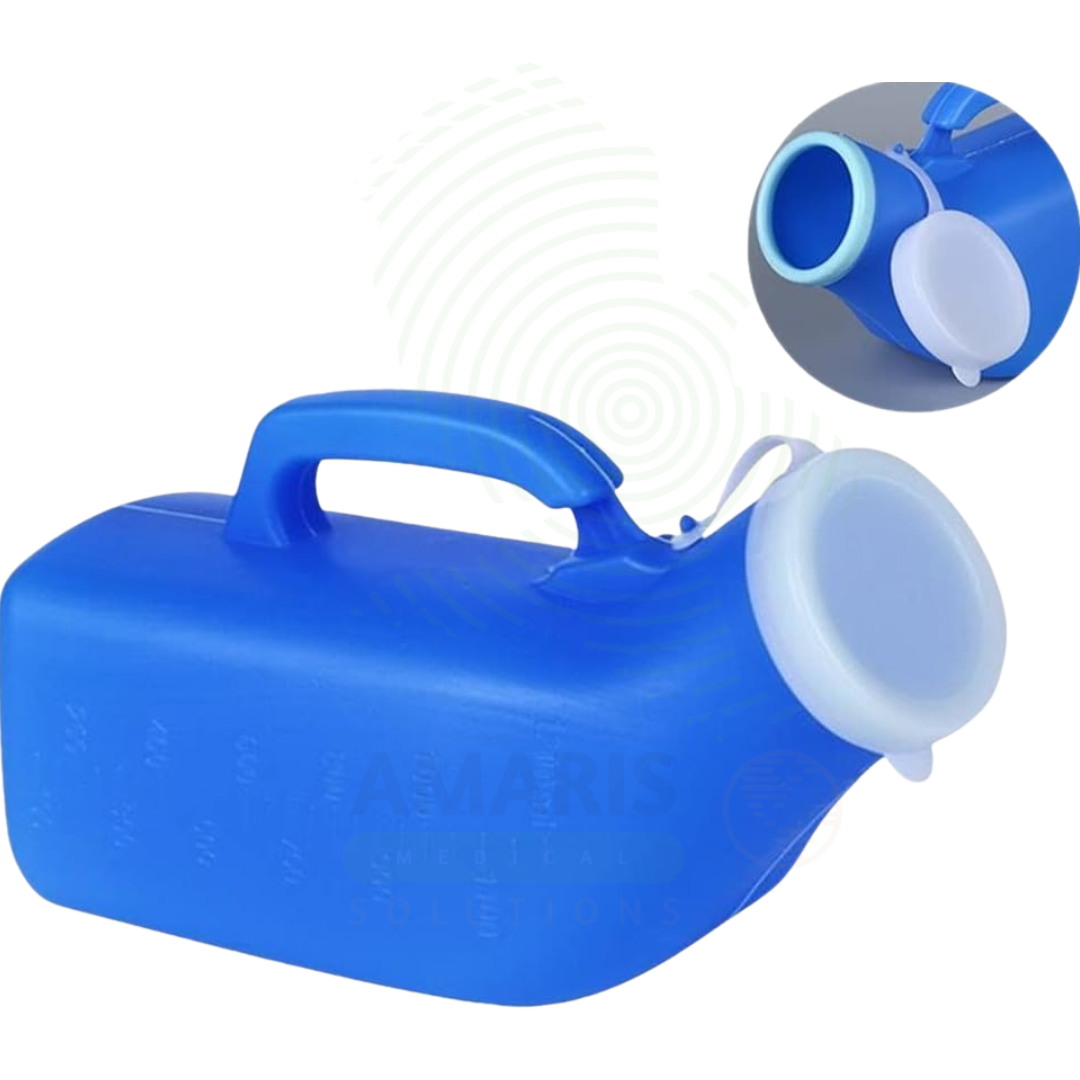
Urinal Bottles
$1.00
WhatsApp Order
Urinal Bottles are handheld, portable receptacles designed for the collection of urine from bedridden or mobility-impaired patients, primarily male. Available in reusable (polypropylene, stainless steel) and disposable (rigid plastic, pulp/paper) formats, with standard capacities of 1000-1500 mL. Key features include an angled, ergonomic neck contoured to male anatomy, integral handle, graduated volume markings, and secure screw-cap closure. Female urinals feature wider, contoured openings for female anatomy. Essential for postoperative care, immobilization, and geriatric medicine, urinal bottles enable dignified, independent elimination while preventing falls and preserving patient autonomy. Critical safety principles include strict single-patient dedication, immediate removal after voiding to prevent pressure injury, and thorough cleaning/disinfection of reusable devices. An indispensable patient care device across acute care, long-term care, and home healthcare settings.
Description
Urinal Bottles
PRIMARY CLINICAL & DIAGNOSTIC USES
1. Collection of Urine for Bedridden Male Patients
-
Primary Use: Serves as a receptacle for the collection of urine from male patients who are confined to bed and unable to use a traditional toilet or bedside commode due to illness, surgery, injury, or physical disability, enabling safe, dignified elimination while preventing falls and preserving patient independence.
-
How it helps: For the nursing team and caregivers managing bedridden patients, the urinal bottle provides a simple, dignified solution for a basic human need—allowing male patients to void without the dangerous journey to the bathroom, without the discomfort of a bedpan, and with a measure of independence that preserves self-respect. For the patient confined to bed after surgery, injury, or illness, having a urinal bottle within reach means they can attend to their own needs without waiting for assistance or risking a fall.
2. Post-Operative and Immobilization Care
-
Primary Use: Essential for patients following hip surgery, lower extremity fractures, spinal surgery, or any procedure requiring strict immobilization of the pelvis or lower limbs, allowing voiding without lifting or repositioning the patient and preventing disruption of surgical repairs.
-
How it helps: For the orthopedic surgeon and post-operative nursing team, the urinal bottle is a critical tool that respects surgical precautions—allowing patients to void without flexing a newly replaced hip, without bearing weight on a fractured femur, or without moving a freshly fused spine. For the patient recovering from orthopedic surgery, using a urinal bottle means they can meet their needs without the terror of disrupting their surgical repair or experiencing excruciating pain.
3. Nocturnal Use and Nightstand Convenience
-
Primary Use: Designed for bedside use during nighttime hours, allowing patients to void without summoning assistance or attempting hazardous ambulation to the bathroom in low-light conditions.
-
How it helps: For the patient who rises multiple times at night, a urinal bottle kept at the bedside means they can avoid it safely without navigating a dark room, without the fall risk of a middle-of-the-night bathroom trip, and without disturbing their sleep by fully waking. For the nursing staff, patients who can manage nighttime urination independently require fewer call light responses and have fewer nocturnal falls.
4. Measurement of Urine Output
-
Primary Use: Graduated volume markings on translucent or transparent urinal bottles permit accurate measurement of urinary output for fluid balance monitoring in non-catheterized patients across acute care, critical care, and postoperative settings.
-
How it helps: For the nurse managing a patient on intake and output monitoring, the graduated urinal bottle provides a simple way to measure and record urine volume—ensuring accurate fluid balance documentation, detecting early signs of kidney dysfunction, and guiding fluid resuscitation decisions. For the patient, accurate output monitoring contributes to proper fluid management and prevents complications of over or under hydration.
5. Specimen Collection for Diagnostic Testing
-
Primary Use: Provides a clean, convenient vessel for collecting urine specimens for laboratory analysis, including urinalysis, culture and sensitivity testing, and chemical analyses, with an integral handle and pouring spout facilitating transfer into collection containers without spillage.
-
How it helps: For the nurse and laboratory technician, the urinal bottle serves as the initial collection vessel for specimens that will guide diagnosis—capturing clean urine for culture that identifies urinary tract infections, collecting specimens for urinalysis that reveal kidney disease, and providing samples for countless other tests. For the patient, proper specimen collection means accurate diagnosis and appropriate treatment.
SECONDARY & SUPPORTIVE USES
1. Female Urinal Adaptation: Specialized female urinal bottles with wider, contoured openings are available for bedridden female patients unable to use a bed pan. For the female patient confined to bed, a properly designed urinal provides a dignified alternative to the bedpan.
2. Emesis Collection: In emergency or resource-limited settings, may be used as an emesis basin for patients experiencing nausea and vomiting when dedicated basins are unavailable. For the nauseated patient, having any available container for vomiting prevents aspiration and provides comfort.
3. Temporary Fluid Containment: May be used for temporary collection and measurement of other bodily fluids or irrigation solutions in clinical settings. For the clinician needing to measure output from a wound or drain, a graduated urinal bottle serves the purpose.
4. Rehabilitation and Independence Training: Used in occupational and physical therapy to assess a patient’s readiness for independent toileting and discharge to home care. For the patient preparing to return home, demonstrating the ability to manage urinal use independently supports discharge planning.
5. Home Healthcare and Hospice Care: Enables patients with chronic illness, terminal conditions, or age-related immobility to manage urination with dignity and reduced caregiver burden in the home setting. For the patient receiving end-of-life care at home, a urinal bottle preserves dignity and allows family caregivers to focus on comfort rather than toileting.
KEY PRODUCT FEATURES
1. BASIC IDENTIFICATION ATTRIBUTES
-
Product Type: A portable, handheld receptacle designed specifically for the collection of urine from bedridden or mobility-impaired patients, primarily male.
-
Designation: Defined by gender specification, capacity, material composition, and special features.
-
Core Variants:
-
Male Urinal: Elongated, narrow neck with angled opening; ergonomic handle; standard capacity 1000-1500 mL.
-
Female Urinal: Wider, contoured opening with extended rim; shorter neck; designed to accommodate female anatomy without spillage.
-
Pediatric Urinal: Reduced capacity (300-600 mL), smaller dimensions, child-appropriate sizing.
-
Graduated Urinal: Transparent or translucent material with clear volume measurement markings.
-
Insulated/ Thermal Urinal: Double-walled construction to maintain temperature of warm water for perineal irrigation.
-
-
Core Components:
-
Container Body: Rigid or semi-rigid bottle-shaped receptacle.
-
Opening/Neck: Angled, ergonomic opening contoured to anatomy.
-
Handle: Integrated or attached handle for secure grip and pouring.
-
Cap/Cover: Screw-on or snap-on lid for containment during transport and disposal.
-
Pouring Spout: Designed for controlled, spill-free emptying.
-
Graduations: Volume measurement markings (mL/oz).
-
2. TECHNICAL & PERFORMANCE PROPERTIES
-
Capacity: Sufficient volume for typical void. Standard: 1000-1500 mL (32-50 oz). Pediatric: 300-600 mL. Bariatric/large capacity: 2000 mL+.
-
Leak Resistance: Must prevent seepage during use, transport, and emptying. Closure must maintain a secure seal.
-
Handle Integrity: Must support the weight of filled containers without failure during carrying and pouring.
-
Pour Control: Pouring spout design must direct flow cleanly without dripping, splashing, or spillage.
-
Stability: Wide base or anti-tip design to prevent accidental knocking-over when placed on bedside table or floor.
-
Chemical Resistance: Must resist degradation from urine, disinfectants, and cleaning agents.
3. PHYSICAL & OPERATIONAL PROPERTIES
-
Material Options:
-
Polypropylene: Lightweight, durable, chemical-resistant, autoclavable (reusable). Warm to touch. Most common.
-
Polyethylene: Flexible, economical, disposable or reusable.
-
Stainless Steel: Durable, autoclavable, cold to touch. Less common; primarily historical/reusable.
-
Disposable Pulp/Paper: Single-use, biodegradable, lightweight. For isolation precautions or high-turnover settings.
-
-
Transparency: Clear or translucent material permits visualization of urine color, clarity, and volume without opening.
-
Graduations: Permanent, molded-in volume markings in milliliters (mL) and/or ounces (oz). Accuracy within ±5%.
-
Ergonomics: Angled neck (45-60 degrees) accommodates recumbent positioning. A contoured handle reduces wrist strain during pouring.
-
Color Coding: Some facilities use color-coded urinals (e.g., clear for general use, red for isolation) for infection control identification.
-
Packaging: Individually wrapped in sterile or non-sterile packaging. Disposable variants are often bulk-packed.
4. SAFETY & COMPLIANCE ATTRIBUTES
-
Regulatory Standards:
-
FDA Classification: Class I medical device (low risk).
-
ISO 7886-4: Not directly applicable.
-
CE Marking: Required for European market.
-
-
Biocompatibility: All materials in contact with skin and urine must be non-irritating, non-sensitizing, and hypoallergenic. Meets ISO 10993 standards for skin contact.
-
Latex-Free: All components manufactured without natural rubber latex.
-
Sterility: Available sterile (for immunocompromised patients, specific protocols) or non-sterile (standard use). Sterile units are terminally sterilized via ethylene oxide (EtO) or gamma irradiation.
-
DEHP Compliance: Non-DEHP/Phthalate-free materials preferred, particularly for pediatric applications.
5. STORAGE & HANDLING ATTRIBUTES
-
Storage (Reusable): Store clean, dry urinals in designated clean utility areas, inverted or covered to prevent contamination.
-
Storage (Disposable): Store in original packaging in a cool, dry environment. Protect from moisture, humidity, and physical damage.
-
Shelf Life (Disposable): Typically 3-5 years from date of manufacture. Paper/pulp products have shorter shelf life and are moisture-sensitive.
-
Reprocessing (Reusable): Reusable urinals require cleaning and disinfection/sterilization between patients per facility policy:
-
Cleaning: Thorough mechanical cleaning with detergent and water to remove all organic soil.
-
Disinfection: Immersion in EPA-registered hospital disinfectant for appropriate contact time.
-
Sterilization: Steam autoclave (polypropylene must be rated autoclavable; verify temperature tolerance).
-
Drying: Air dry or dry with clean, lint-free cloths before storage.
-
-
Single-Use Protocol (Disposable): Disposable urinals are strictly single-use devices. Must be discarded after one patient encounter. Never rinse, clean, or reuse.
-
Patient Dedication: Reusable urinals are typically dedicated to a single patient for the duration of admission and reprocessed upon discharge.
6. LABORATORY & CLINICAL APPLICATIONS
-
Primary Application: The standard device for male urinary elimination in bedridden or mobility-impaired patients across all healthcare settings: hospitals, surgical units, ICUs, rehabilitation facilities, long-term care facilities, skilled nursing facilities, and home healthcare.
-
Selection Criteria:
-
Patient Gender: Male vs. female urinal.
-
Patient Size: Adult, bariatric, pediatric.
-
Duration of Use: Short-term acute care (disposable often preferred) vs. long-term care (reusable cost-effective).
-
Infection Control: Isolation precautions may mandate single-use disposables.
-
Measurement Requirement: Graduated vs. non-graduated.
-
-
Proper Placement Technique:
-
Position patient supine or semi-Fowler's.
-
Place the urinal between the thighs, directing the neck toward the urethra.
-
Ensure complete insertion to prevent spillage.
-
Position handle within patient reach for self-use when possible.
-
Remove immediately after voiding; do not leave in place.
-
SAFETY HANDLING PRECAUTIONS
1. SAFETY PRECAUTIONS
-
Skin Integrity (Most Important): Prolonged contact of urinal rim with skin can cause pressure injury, maceration, and friction trauma. Never leave the urinal in place against the skin. Remove immediately after voiding. Ensure the urinal rim is smooth and free of burrs or rough edges. Inspect skin with each use.
-
Fall Prevention: Place urinals within easy reach on bedside tables or call light-accessible locations. Ensure patients can safely retrieve and position urinals independently. For patients with limited mobility, offer urinals at regular intervals rather than relying on self-retrieval.
-
Spill Prevention: Ensure the patient is properly positioned before voiding. Verify cap is securely fastened before transport. Use pour spout for controlled emptying. Never overfill.
-
Infection Control: Strict hand hygiene before and after urinal handling. Wear appropriate PPE (gloves, gown) when handling soiled urinals. Clean and disinfect reusable urinals immediately after use. Never allow soiled urinals to sit in patient rooms.
-
Cross-Contamination: Never share urinals between patients. Dedicate reusable urinals to single patients. Never empty multiple patients' urinals into the same collection receptacle without appropriate infection control measures.
-
Do Not Use as Step Stool: Urinals are not designed or tested to support patient weight. Never allow patients or staff to stand on urinals.
-
Check for Damage: Inspect reusable urinals before each use. Cracks, rough edges, or structural damage can cause skin trauma, leakage, or failure. Discard and replace damaged devices.
-
Thermal Injury (Metal Urinals): Stainless steel urinals become very cold and may cause patient discomfort. Pre-warm with warm water (not hot) and dry thoroughly before use. Never use a cold metal urinal on an unconscious or insensate patient.
2. FIRST AID MEASURES
-
Spillage/Soiling: If urine spills on patient skin or bedding, clean promptly with appropriate skin cleanser, change linens, and assess skin for irritation or breakdown.
-
Skin Shearing/Abrasion: If skin injury occurs from the urinal rim, clean the area with mild soap and water, apply appropriate wound dressing, document the incident, and implement pressure injury prevention protocols.
-
Allergic Reaction: If localized erythema, pruritus, or contact dermatitis occurs at skin contact areas, discontinue use of that product, rinse area gently with water, and substitute with alternative material (e.g., plastic vs. metal).
3. FIRE FIGHTING MEASURES
-
Flammability: Plastic urinals (polypropylene, polyethylene) are combustible; stainless steel is non-combustible; paper/pulp disposable urinals are readily combustible.
-
Extinguishing Media: Use water, foam, CO₂, or dry chemical powder as appropriate for the surrounding fire.
Related products
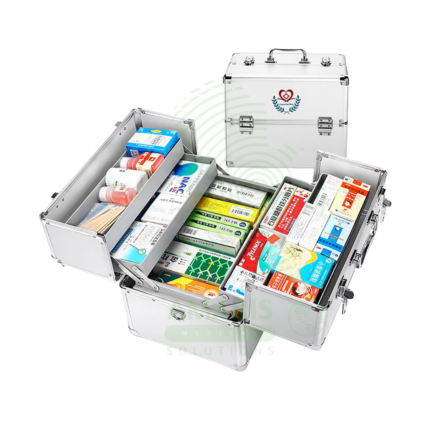
Aluminium First Aid Kit For Ambulance
An Aluminium First Aid Kit for Ambulance is a heavy-duty, weather-resistant storage case specifically designed for organizing, protecting, and securing medical supplies in emergency medical service vehicles. Constructed from 1.2-2.0 mm aluminium alloy with reinforced corners, durable latches, and rubber gaskets (IP54-IP67 rated), these cases protect contents from vibration, impact, moisture, and temperature extremes during emergency response. Available in various configurations including single compartment, multi-drawer, and clear-lid models with customizable interior dividers, elastic straps, and pouches. Designed to meet ambulance equipment mounting standards (KKK-A-1822, NFPA 1917, CEN 1789) with proper installation to withstand collision forces. Primary clinical applications include organized storage of airway management devices, bleeding control supplies, wound care materials, diagnostic equipment, emergency medications, IV supplies, splinting equipment, PPE, and obstetric supplies for BLS, ALS, and CCT ambulance services. Critical safety considerations include proper vehicle mounting to prevent projectile hazards, secure latching during transport, regular inventory management, expiration date monitoring, and decontamination after biohazard exposure. Essential equipment for organized, efficient, and safe emergency medical response.
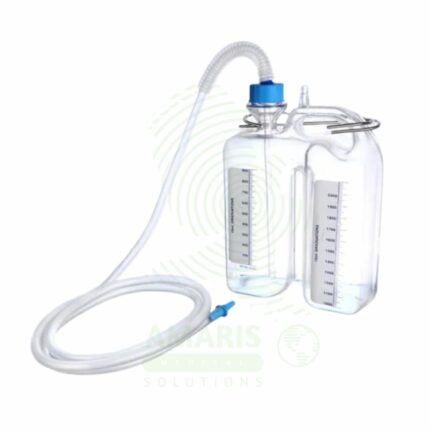
Chest Bottle
A Chest Bottle (Underwater Seal Drainage System) is a three-chamber disposable device used to drain air and fluid from the pleural space via a chest tube. Its critical component is a water seal chamber that acts as a one-way valve, preventing air from re-entering the chest while allowing drainage. It is used to treat pneumothorax, hemothorax, and pleural effusions, and is mandatory post-thoracic surgery. The system must always be kept upright and below the patient's chest level. It provides essential clinical information through tidaling in the water seal (indicating tube patency and lung expansion) and bubbling (indicating an air leak), making it both a therapeutic and diagnostic tool.
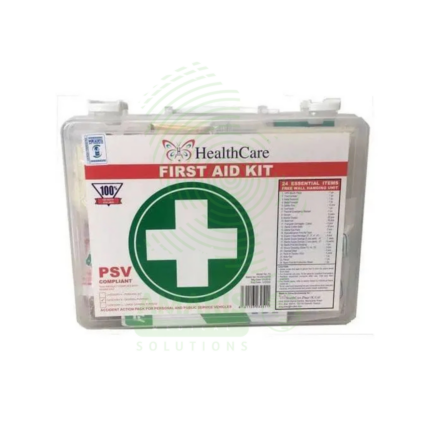
First Aid Kit
A First Aid Kit is an organized collection of medical supplies and equipment for providing initial care in emergency situations, available in various sizes and configurations for home, workplace, vehicle, travel, and specialized applications. Kits range from personal pouches (0.5-2 L) to comprehensive workplace cabinets (5-35 L) with soft-sided bags, hard cases, or wall-mounted containers. Contents are typically organized to meet regional standards (ANSI/ISEA Z308.1, CSA Z1220, BS 8599, DIN 13157/13169) and include wound care supplies (bandages, gauze, tape), antiseptics, burn care, eye care, emergency items (CPR mask, cold packs, foil blanket), instruments (scissors, tweezers), and PPE (gloves). Class A kits provide minimum supplies for low-hazard workplaces; Class B kits offer expanded quantities for high-hazard environments. Primary clinical applications include immediate treatment of minor injuries (cuts, abrasions, burns, sprains), bleeding control, wound care, fracture immobilization, and emergency assessment. Essential safety equipment for every home, workplace, vehicle, and public facility, providing critical medical supplies until professional care arrives.
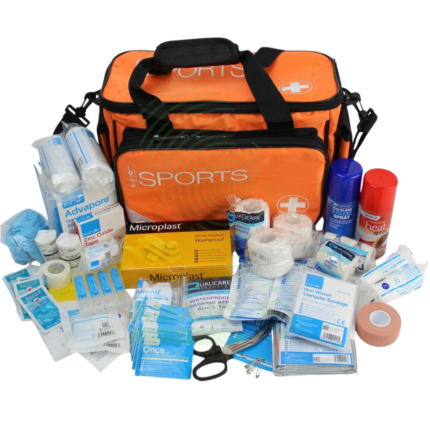
First Aid Kit For Sporting Places
A First Aid Kit for Sporting Places is a portable, organized medical kit specifically designed for the types and frequencies of injuries encountered in athletic and sporting environments. Available in various configurations including sideline kits for team use, personal sports pouches, team travel kits, and wall-mounted cabinets for gymnasiums. Constructed from ballistic nylon, polyester, ABS plastic, or aluminum with organized interior compartments, pouches, and elastic loops for rapid access to supplies. Contains sport-specific medical supplies including wound care materials, elastic bandages, instant cold packs, splinting materials, eye wash, blister care, concussion assessment tools, and personal protective equipment. Primary clinical applications include immediate treatment of common sports injuries (sprains, strains, contusions, abrasions, lacerations), concussion assessment, bleeding control, heat illness management, eye injury care, and emergency action plan implementation. Essential equipment for athletic teams, schools, fitness centers, recreational facilities, and sporting events, providing organized, accessible medical supplies for athlete safety and injury management.
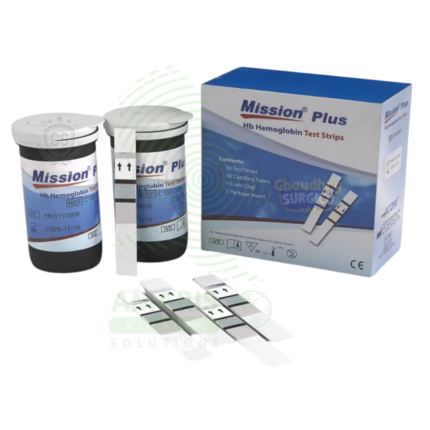
Mission plus strips
Mission Plus Strips are single-use, disposable electrochemical test strips (ISO 15197:2013 compliant) designed exclusively for use with Mission Plus glucose meters to measure capillary blood glucose from 0.5-1.0 µL samples in 5-7 seconds. Each strip contains glucose oxidase or glucose dehydrogenase reagents that generate electrical current proportional to glucose concentration (20-600 mg/dL range). Packaging options include multi-strip vials (25-100 strips) with desiccant for daily use or individually foil-wrapped strips for travel. Strips feature no-coding automatic calibration, hematocrit compensation (20-60%), and interference resistance. Primary clinical applications include daily blood glucose testing for Type 1, Type 2, and gestational diabetes management, hypoglycemia and hyperglycemia detection, pre- and post-meal glucose assessment, and hospital point-of-care testing. Critical safety precautions include single-use only, immediate vial closure after strip removal to prevent humidity damage, storage at 2-30°C away from bathrooms and temperature extremes, never using expired strips, proper hand hygiene before testing, and disposal in sharps containers. Essential consumable for diabetes self-management when used with Mission Plus meters.
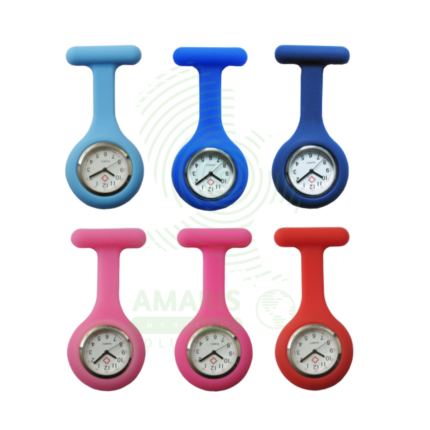
Nurse Watch
A Nurse Watch is a professional-grade analog wristwatch specifically designed for clinical use. Its hallmark is a built-in "pulsometer" scale that allows for rapid, on-the-spot calculation of a patient's heart rate by timing pulses over a short interval. Featuring a high-contrast dial with a clear sweep second hand, durable water-resistant construction, and a cleanable band, it is engineered for accuracy, legibility, and infection control in healthcare settings. It is an indispensable personal tool for nurses, enabling precise measurement of vital signs, timing of medications and procedures, and accurate clinical documentation throughout the shift.
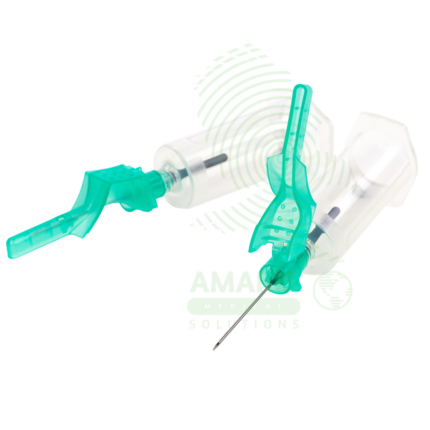
SAFE SERIES Blood Collection Needles
The SAFE SERIES (AM-SAFE) by Beijing Precil (Mindray subsidiary) is a comprehensive line of safety-engineered blood collection devices designed to prevent accidental needlestick injuries in healthcare workers. The series includes venous blood collection needles (AM-SAFE-V), standard safety needles (AM-SAFE1), winged infusion sets/butterfly needles (AM-SAFE2), high-gauge thin-wall needles for fragile veins (AM-SAFE3), premium coated needles for enhanced patient comfort (AM-GOLD), and nurse-friendly one-handed safety variants (AM-NURSE). All devices incorporate integral safety mechanisms that shield the contaminated needle immediately after withdrawal, complying with OSHA Needlestick Safety and Prevention Act requirements. Available in various gauges (18G-25G) and configurations for routine venipuncture, difficult vein access, pediatric/geriatric patients, and frequent blood draws. Sterile, single-use, latex-free, and color-coded for easy gauge identification. Essential safety devices for blood collection in hospitals, clinics, laboratories, and home healthcare settings.