Dermatoscope and Magnifiers
 Diagnostic Kits
 Vital Signs Monitors
 Stethoscopes and Accessories
 Otoscopes, Ophthalmoscopes, and Retinoscopes
 Reflex Hammers and Neurological Tools
 Scales and Measuring Devices
 Spirometers and Pulmonary Function Tests
 Electrosurgical Units and Accessories
 Cutting Instruments
 Grasping and Holding Instruments
 Hemostatic Instruments
 Specialized Surgical Sets
 Single-Use Procedure Trays and Packs
 Surgical Drapes, Gowns, and Covers
 Tissue Unifying Instruments
 Radiation Protection
 X-Ray Machines and Accessories
 Ultrasound Systems and Probes
 MRI and CT Scanners
 Radiology Consumables
 Bone Densitometers
 Fluoroscopy Equipment
 Imaging Tables and Positioning Aids
 Microscopes and Accessories
 Centrifuges and Separators
 Analyzers
 Incubators and Ovens
 Pipettes, Dispensers, and Lab Glassware
 Refrigerators, Freezers, and Storage Units
 Lab Consumables
 Sterilizers and Autoclaves for Lab Use
 Multi-Parameter Monitors
 Ventilators and Respiratory Support Devices
 Defibrillators and AEDs
 Infusion Pumps and IV Systems
 Patient Warmers and Cooling Devices
 Central Monitoring Stations
 Accessories
 Anesthesia Machines and Workstations
 Oxygen Concentrators and Delivery Systems
 Nebulizers and Inhalers
 CPAP/BiPAP Machines
 Airway Management
 Anesthesia Masks, Circuits, and Bags
 Humidifiers and Heaters
 Respiratory Therapy Accessories
 First Aid Kits and Cabinets
 Emergency Resuscitation Equipment
 Trauma Supplies
 Emergency Carts and Crash Carts
 Burn Care Products
 Bleeding Control
 Automated External Defibrillators (AEDs)
 Transport and Evacuation
 Wheelchairs and Accessories
 Walkers, Crutches, and Canes
 Prosthetics and Orthotics
 Physical Therapy Equipment
 Transfer Devices
 Bathroom Safety
 Orthopedic Traction and Tables
 Hot/Cold Therapy Packs and Units
 Beds and Mattresses
 Chairs and Stools
 Tables
 Cabinets and Storage
 Privacy Screens & Curtains
 Stands and Racks
 Linens and Textiles
 Lighting
 Autoclaves and Sterilizers
 Ultrasonic Cleaners
 Disinfectant Solutions and Wipes
 Sterilization Pouches, Wraps, and Indicators
 Instrument Trays and Containers
 UV and Ozone Disinfection Devices
 Washer Disinfectors
 Wound Care
 Gloves
 Masks and Respirators
 Catheters and Tubing
 Swabs, Applicators, and Sponges
 Incontinence Products
 Personal Protective Equipment (PPE)
 Dental Chairs and Units
 Handpieces and Burs
 Instruments
 Consumables
 Sterilization for Dental Use
 Orthodontic Supplies
 Endodontic Tools
 Slit Lamps and Tonometers
 Lensometers and Phoropters
 Ophthalmic Surgical Instruments
 Eyewear Frames and Lenses
 Contact Lens Supplies
 Vision Testing Charts and Devices
 Eye Care Consumables
 Laser Systems for Eye Care
 ENT Exam Chairs and Tables
 Endoscopes
 Audiometers and Hearing Tests
 ENT Instruments
 Nasal and Throat Packs
 Hearing Aids and Accessories
 Otology Supplies
 Fetal Dopplers and Monitors
 Delivery Beds and Tables
 Gynecological Instruments
 Neonatal Incubators and Warmers
 Breast Pumps and Accessories
 Contraceptive Devices
 Maternity Supports and Pads
 Neonatal Consumables
 Cystoscopes and Urethroscopes
 Dialysis Machines and Supplies
 Urological Catheters and Bags
 Lithotripters
 Prostate Treatment Devices
 Urinary Incontinence Products
 Kidney Stone Management Tools
 Consumables & Disposables
 EEG and EMG Machines
 Neurosurgical Instruments
 Nerve Stimulators
 Headrests and Positioning Aids
 Lumbar Puncture Kits
 Seizure Monitoring Devices
 Consumables
 Rehabilitation for Neurological Conditions
 ECG Machines and Accessories
 Holter Monitors
 Stress Test Systems
 Pacemakers and Defibrillator Accessories
 Vascular Access Devices
 Cardiac Catheters and Guidewires
 Blood Flow Meters
 Consumables
 Orthopedic Instruments
 Casts, Splints, and Padding
 Joint Replacement Supplies
 Prosthetic Limbs and Components
 Bone Grafts and Substitutes
 Traction Devices
 Orthopedic Braces and Supports
 Rehabilitation Aids for Orthopedics
 Home Oxygen Therapy
 Hospital Beds for Home Use
 Mobility Aids
 Bathroom and Daily Living Aids
 Wound Care for Home
 Monitoring Devices
 Enteral Feeding Pumps and Tubes
 Hand Sanitizers and Dispensers
 Face Shields and Goggles
 Isolation Gowns and Suits
 Biohazard Waste Containers
 Air Purifiers and HEPA Filters
 Surface Disinfectants
 Sharps Containers
 Protective Barriers
 Cardiovascular & Endurance Training
 Strength Training & Weightlifting
 Functional Training & Core Conditioning
 Physical Therapy & Rehabilitation
 Sports & Outdoor Recreation
 Gym Flooring & Facility Equipment
 Fitness Monitoring & Accessories
 Kids & Novelties
Blood Lancets
WhatsApp Order
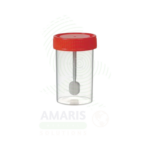
Blood Lancets are sterile, single-use, precision-engineered sharp devices designed to obtain capillary blood specimens via controlled skin puncture (fingerstick, heel stick, or alternate site). Available in standard (21G-28G) and safety (auto-retracting) configurations, with fixed or adjustable penetration depths (0.65 mm – 2.2 mm). Safety lancets with automatic needle retraction are OSHA-mandated for healthcare workers to eliminate sharps injury risk. Specialized variants include ultra-thin (30G-33G) low-pain lancets for frequent testers, pediatric lancets with reduced depth, and neonatal heel stick lancets featuring incision-style blades with strict depth limitation (≤2.0 mm per CLSI). Essential for diabetes self-monitoring, point-of-care testing (glucose, HbA1c, PT/INR, cholesterol), and newborn metabolic screening. Critical safety imperatives include absolute single-use protocol, immediate activation of safety mechanisms or disposal into sharps containers, appropriate depth selection to prevent tissue injury, and rigorous infection control practices. An indispensable medical consumable in chronic disease management, acute care, and preventive medicine.
Description
Blood Lancets
PRIMARY CLINICAL & DIAGNOSTIC USES
1. Capillary Blood Sampling for Glucose Monitoring
-
Primary Use: Obtains a small, controlled capillary blood specimen via fingerstick for point-of-care glucose testing in patients with diabetes mellitus, enabling frequent self-monitoring of blood glucose levels for insulin dosing, dietary management, and prevention of hypoglycemic and hyperglycemic events.
-
How it helps: For the endocrinologist, diabetes educator, and primary care provider, the blood lancet is the essential tool that empowers patients to manage their diabetes on a daily basis—providing a quick, relatively painless way to obtain the blood sample needed to check glucose levels and make informed treatment decisions. For the person living with diabetes, a sterile lancet used with their glucose meter means they can check their blood sugar anytime, anywhere, keeping their disease under control and preventing the dangerous highs and lows that lead to long-term complications.
2. Hemoglobin and Hematocrit Testing
-
Primary Use: Used to obtain capillary blood specimens for point-of-care hemoglobin and hematocrit measurements in anemia screening, blood donation clinics, and outpatient settings.
-
How it helps: For the phlebotomist and healthcare provider in screening settings, lancets provide a quick, minimally invasive method to obtain blood for anemia testing—allowing for rapid screening of large populations with minimal discomfort and no need for venipuncture. For the patient undergoing anemia screening, a fingerstick with a sterile lancet means they can be tested quickly and easily, often with immediate results and no need for a laboratory visit.
3. PT/INR Monitoring
-
Primary Use: Employed by patients on long-term anticoagulation therapy to obtain capillary blood for self-testing of prothrombin time and international normalized ratio using portable coagulometers.
-
How it helps: For the cardiologist and anticoagulation management specialist, lancets enable patients to perform their own INR testing at home—allowing for more frequent monitoring, better dose adjustment, and reduced risk of both thromboembolic events and bleeding complications. For the patient on warfarin, the ability to check their INR with a simple fingerstick means fewer trips to the lab, more stable anticoagulation, and greater peace of mind.
4. Cholesterol and Lipid Panel Testing
-
Primary Use: Capillary blood obtained via lancet is used for point-of-care total cholesterol, HDL, and triglyceride measurements in health screening and chronic disease management programs.
-
How it helps: For the primary care provider and health screening coordinator, fingerstick cholesterol testing with lancets enables rapid, on-site lipid assessment—identifying patients at risk for cardiovascular disease without the need for venipuncture or laboratory delays. For the patient, a simple fingerstick provides immediate information about their cholesterol levels, often leading to earlier intervention and better heart health.
5. Newborn Metabolic Screening
-
Primary Use: Heel stick lancets are used to obtain capillary blood specimens from neonates for mandatory state newborn screening panels, detecting metabolic, endocrine, and genetic disorders.
-
How it helps: For the pediatrician and newborn nursery staff, specialized heel stick lancets provide a safe, controlled way to obtain the blood specimens needed for life-saving newborn screening—using a device designed specifically for infant anatomy with a controlled puncture depth to prevent injury. For the newborn and their parents, this quick heel stick means that serious but treatable conditions can be detected before they cause irreversible harm, giving every baby the best possible start in life.
6. Glycated Hemoglobin Testing
-
Primary Use: Capillary blood collected via lancet is used for point-of-care HbA1c testing in diabetes management, providing an immediate assessment of long-term glucose control.
-
How it helps: For the diabetes care team, fingerstick HbA1c testing with lancets allows for immediate feedback on diabetes control during the patient visit—enabling real-time treatment adjustments and eliminating the need for a separate laboratory draw. For the patient with diabetes, getting their HbA1c result immediately means they can discuss the results with their provider and make a plan together, rather than waiting days for a phone call.
7. Blood Gas and Electrolyte Analysis
-
Primary Use: Specialized lancets may be used to obtain arterialized capillary blood for blood gas, lactate, and electrolyte measurements when venipuncture is difficult or contraindicated.
-
How it helps: For the respiratory therapist and critical care provider, capillary blood obtained by lancet can provide essential information about oxygenation and acid-base status when arterial access is not available—particularly valuable in neonatal and pediatric populations. For the smallest patients, a heel stick lancet provides a less invasive alternative to arterial puncture.
SECONDARY & SUPPORTIVE USES
1. Allergy Skin Testing: Used to create superficial epidermal punctures for allergen introduction during percutaneous allergy testing. For the patient undergoing allergy evaluation, lancets provide a standardized method for introducing allergens to identify triggers.
2. Malaria Rapid Diagnostic Testing: Capillary blood obtained via lancet is used for rapid malaria antigen testing in endemic regions and travel medicine. For the patient with fever in a malaria-endemic area, a rapid fingerstick test provides immediate diagnosis and guides life-saving treatment.
3. Infectious Disease Rapid Testing: Used for HIV, hepatitis B, hepatitis C, syphilis, and other infectious disease rapid antibody tests requiring fingerstick blood specimens. For the patient seeking rapid testing, a simple fingerstick provides answers in minutes, often with same-day counseling and linkage to care.
4. Complete Blood Count Screening: Capillary blood obtained via lancet may be used for limited CBC parameters when venous access is not feasible, particularly in pediatrics and difficult access patients. For the child who fears needles or the patient with poor venous access, a fingerstick provides an alternative to difficult venipuncture.
5. Research and Clinical Trials: Used for serial capillary blood sampling in pharmacokinetic studies, glucose monitoring research, and device validation trials. For the research participant, fingerstick sampling means frequent blood draws are less burdensome and more tolerable.
6. Veterinary Medicine: Used for capillary blood sampling in companion animals and livestock for glucose monitoring and rapid diagnostic testing. For the diabetic pet, lancets provide a way for owners to monitor glucose levels at home, just as they would for a human family member.
KEY PRODUCT FEATURES
1. BASIC IDENTIFICATION ATTRIBUTES
-
Product Type: A sterile, single-use, precision-engineered sharp device designed to create a controlled, minimally traumatic puncture of the skin (typically fingertip, heel, or alternate site) to obtain capillary blood specimens.
-
Designation: Defined by gauge, penetration depth, blade configuration, activation mechanism, and specialized features.
-
Core Components:
-
Needle / Blade: Stainless steel, precision-ground, tri-beveled or lancet-cut tip.
-
Body / Housing: Medical-grade plastic casing; ergonomic grip.
-
Activation Mechanism: Manual (twist/pull tab) or automated (push-button/release) deployment.
-
Safety Mechanism: Single-use, automatic retraction or needle shielding to prevent sharps injury.
-
Depth Control: Fixed or adjustable penetration depth (0.65 mm - 2.2 mm).
-
-
Core Variants:
-
Standard Fingerstick Lancet:
-
21G - 28G.
-
Fixed depth (1.5 mm - 2.0 mm).
-
Manual twist-off cap or push-button activation.
-
For routine adult glucose monitoring.
-
-
Safety Lancet:
-
Single-use, auto-retracting needle.
-
Pre-loaded spring mechanism.
-
Push-button or pressure-activated deployment.
-
Needle retracts immediately into housing after use.
-
Eliminates sharps injury risk.
-
Preferred for healthcare worker use; OSHA-compliant.
-
-
Pediatric / Alternate Site Lancet:
-
28G - 30G.
-
Reduced penetration depth (0.65 mm - 1.5 mm).
-
For children, thin skin, alternate sites (forearm, palm).
-
-
Heel Stick Lancet (Neonatal):
-
Controlled-depth (1.0 mm - 2.0 mm maximum).
-
Incision-style blade (not puncture).
-
Creates controlled incision (1.0-2.5 mm length).
-
For newborn metabolic screening.
-
-
Low-Pain / Ultra-Thin Lancet:
-
28G - 33G.
-
Optimized bevel geometry.
-
Reduced pain sensation; improved patient compliance.
-
-
Multi-Lancet Device:
-
Drum/cartridge containing multiple lancets.
-
Used with reusable lancing devices.
-
Primarily for patient self-monitoring (home use).
-
-
2. TECHNICAL & PERFORMANCE PROPERTIES
-
Gauge Size: Outer diameter of needle. Inverse relationship: higher gauge = smaller diameter.
-
21G - 23G: High blood flow; greater pain; older adults, thick skin.
-
25G - 26G: Standard adult; balance of flow and comfort.
-
28G - 30G: Pediatric, thin skin, low pain, reduced flow.
-
32G - 33G: Ultra-thin; minimal pain; may require milking for adequate specimen.
-
-
Penetration Depth: Distance needle travels into dermis.
-
Adult Fingertip: 1.5 mm - 2.2 mm.
-
Pediatric Fingertip: 1.0 mm - 1.5 mm.
-
Alternate Site (Forearm): 0.65 mm - 1.2 mm.
-
Neonatal Heel: 1.0 mm - 2.0 mm (maximum 2.0 mm per CLSI LA04-A6).
-
-
Bevel Geometry:
-
Tri-Bevel / Lancet-Cut: Three grinding planes; clean incision; reduced pain; rapid healing.
-
Conventional Bevel: Single-plane; greater tissue trauma; older designs.
-
-
Blood Flow Rate: Volume of blood expressed per unit time. Proportional to gauge, depth, and incision quality. Target: adequate specimen (0.3-1.5 µL for glucose; 50-100 µL for HbA1c/ lipid panel) within 3-5 seconds.
-
Retraction Speed / Force (Safety Lancets): Spring mechanism must deploy needle, obtain a specimen, and retract completely within 0.1-0.3 seconds. Consistent performance across temperature and humidity ranges.
-
Blade Configuration (Heel Lancets):
-
Surgical Steel Blade: Precision-ground; creates linear incision (1.0-2.5 mm length).
-
Depth Limiter: Prevents penetration beyond safe neonatal depth (2.0 mm).
-
Incision vs. Puncture: Incision yields higher blood flow; puncture yields smaller wound.
-
3. PHYSICAL & OPERATIONAL PROPERTIES
-
Needle Material: Medical-grade stainless steel (304, 316). Non-ferromagnetic; MRI safe.
-
Hub / Body Material: Medical-grade polypropylene, ABS, or polystyrene. Latex-free.
-
Color Coding: Industry-standard color coding by gauge/purpose (not universal):
-
21G: Green
-
23G: Blue
-
25G: Orange
-
26G: Brown
-
28G: Purple
-
30G: Pink/Yellow
-
Neonatal: White/Pastel
-
-
Dimensions:
-
Length: 2-4 cm.
-
Width/Diameter: 5-15 mm.
-
-
Sterilization: Terminally sterilized via ethylene oxide (EtO) or gamma irradiation. Sterility assurance level (SAL) of 10⁻⁶.
-
Packaging:
-
Individual Peel-Pouch: Sterile, single-lancet packaging; peel-open or tear-notch.
-
Multi-Lancet Drum: 6-100 lancets per cartridge/drum (for reusable lancing devices).
-
Bulk: 100-500 lancets per box; individually wrapped.
-
-
Activation Mechanisms:
-
Twist-Off / Pull-Off Cap: Manual removal of protective cap; exposes needle; used with or without lancing device.
-
Push-Button: Spring-loaded; button-activated deployment and retraction.
-
Pressure-Activated: Lancet fires when pressed against skin with sufficient force.
-
Side-Release: Lateral button/slide activation.
-
4. SAFETY & COMPLIANCE ATTRIBUTES
-
Regulatory Standards:
-
ISO 15197: In vitro diagnostic test systems — Requirements for blood-glucose monitoring systems for self-testing in managing diabetes mellitus (includes lancet performance).
-
ISO 13485: Quality management systems for medical device manufacturing.
-
ASTM F2140: Standard test method for performance of blood glucose monitoring systems for self-testing (lancet integration).
-
CLSI H04-A6: Procedures and devices for the collection of diagnostic capillary blood specimens; approved standard (includes lancet depth recommendations).
-
CLSI LA04-A6: Blood collection on filter paper for newborn screening programs; approved standard (heel stick lancet specifications).
-
FDA 510(k) Clearance: Required for US marketing as Class I or Class II medical device.
-
CE Marking: Required for European market.
-
OSHA 29 CFR 1910.1030: Bloodborne Pathogens Standard — Mandates use of safety-engineered sharps devices for healthcare workers.
-
-
Sharps Injury Prevention:
-
Safety Lancets: Single-use, auto-retracting design. Needle retracts permanently into housing after activation; cannot be re-exposed. Compliant with OSHA Needlestick Safety and Prevention Act and EU Directive 2010/32/EU.
-
Standard Lancets: Exposed needle after use; require immediate disposal into sharps container; higher injury risk.
-
-
Sterility: Terminally sterilized. Non-sterile lancets are not acceptable for capillary blood collection.
-
Biocompatibility: All skin-contact materials must meet ISO 10993 standards for cytotoxicity, sensitization, and irritation.
-
Latex-Free: All components manufactured without natural rubber latex.
-
Single-Use Protocol: Blood lancets are strictly single-use devices. Never reuse a lancet. Reuse is associated with:
-
Blunting of needle tip; increased pain, inadequate specimen.
-
Cross-contamination and bloodborne pathogen transmission (HIV, HBV, HCV).
-
Infection (cellulitis, abscess, osteomyelitis).
-
Loss of sterility.
-
Device failure (safety mechanism, spring deployment).
-
-
Prescription Status: Over-the-counter (OTC) for patient self-monitoring; prescription not required.
5. STORAGE & HANDLING ATTRIBUTES
-
Storage: Store in original, unopened packaging in a cool, dry environment. Protect from extreme temperatures, direct sunlight, humidity, and physical damage.
-
Shelf Life: Typically 2-5 years from date of manufacture. Expiration date printed on each individual package and outer carton. Do not use after expiration; sterility and mechanical integrity (spring tension, needle sharpness) cannot be guaranteed.
-
Package Inspection: Before use, inspect individual packaging for any signs of compromise: tears, punctures, moisture ingress, or damage to sterile barrier. Inspect device for visible defects, bent needle, or compromised safety mechanism. Do not use it if integrity is questionable.
-
Single-Use Protocol: Strictly single-use. Activate safety mechanism immediately after use (safety lancets) or discard directly into puncture-resistant sharps containers (standard lancets). Never recap, bend, or manually remove needles.
-
Lancing Device Compatibility (Patient Use): For reusable lancing devices, ensure the lancet is fully seated in carrier, depth setting appropriate, and cap removed before activation. Replace lancet with each fingerstick.
6. LABORATORY & CLINICAL APPLICATIONS
-
Primary Application: The essential, universal device for capillary blood collection across all healthcare settings: hospitals, clinics, physician offices, emergency departments, long-term care facilities, and home healthcare. Indispensable for diabetes self-management.
-
Selection Criteria:
-
User/Setting:
-
Healthcare Worker (Hospital/Clinic): Safety lancet (auto-retracting) mandated by OSHA; eliminates sharps injury risk.
-
Patient Self-Monitoring (Home): Standard lancet with reusable lancing device or single-use safety lancet; patient preference, cost, convenience.
-
-
Patient Population:
-
Adult: 25G-26G, depth 1.5-2.0 mm.
-
Pediatric: 28G-30G, depth 1.0-1.5 mm.
-
Neonate: Heel stick lancet (incision blade, depth ≤2.0 mm).
-
Elderly / Thin Skin: 28G, reduced depth (1.0-1.5 mm).
-
Frequent Testers (Diabetes): Ultra-thin (30G-33G), low-pain designs to preserve fingertip integrity.
-
-
Test Type:
-
Glucose / Ketone: Minimal volume (0.3-1.5 µL); small gauge adequate.
-
HbA1c / Lipid Panel: Larger volume (50-100 µL); larger gauge (21G-25G) or milking required.
-
Newborn Screen: Heel stick lancet; specific depth/length; filter paper collection.
-
-
-
Site Selection and Preparation:
-
Fingertip: Side of fingertip (less nerve endings, improved blood flow); not central pad. Alternate fingers; avoid thumb and index finger if possible.
-
Heel (Neonate): Lateral plantar surface; never posterior heel (calcaneal puncture risk), arch, or toes.
-
Alternate Site: Forearm, palm, thigh (some glucose meters approved for alternate site testing; lag time during rapid glucose change).
-
Warmth: Warm site with warm compress (≤42°C) to increase blood flow 3-5 minutes before puncture.
-
-
Cleansing: Clean with soap and water; rinse; dry completely. Alcohol swabs are acceptable but must dry completely to prevent hemolysis and stinging.
SAFETY HANDLING PRECAUTIONS
1. SAFETY PRECAUTIONS
-
Sharps Injury Prevention (Most Important): Blood lancets are high-risk sharps devices contaminated with bloodborne pathogens.
-
Healthcare Workers: Use only safety-engineered lancets with automatic retraction. Activate safety mechanism immediately after use. Discard into a puncture-resistant sharps container at point of use. Never recap, bend, or remove needles. Report all sharp injuries immediately.
-
Patients: Dispose of used lancets in FDA-cleared sharps container or heavy-duty plastic container (laundry detergent bottle). Never discard lancets in household trash, recycling, or toilets. Follow community sharps disposal guidelines.
-
-
Single-Use Only: Never reuse a lancet. Reuse causes:
-
Blunt Needle: Increased pain, tissue trauma, inadequate blood specimen, repeated sticks.
-
Infection: Bacterial introduction into dermis → cellulitis, abscess, osteomyelitis.
-
Bloodborne Pathogen Transmission: HIV, HBV, HCV transmission documented from shared lancet use in healthcare and home settings.
-
-
Depth Selection: Excessive puncture depth causes pain, bleeding, nerve injury, and risk of calcaneal osteomyelitis (neonates). Inadequate depth causes insufficient blood flow, requiring milking or repeat puncture.
-
Neonatal Heel Stick: Maximum depth 2.0 mm per CLSI LA04-A6. Use only lancets specifically designed for neonatal heel sticks.
-
Adult Fingertip: 1.5-2.2 mm adequate. Avoid bone contact (periosteal pain, osteomyelitis).
-
-
Infection Control:
-
Clean puncture site with soap and water or 70% alcohol. Allow to dry completely (alcohol causes stinging and hemolysis if wet).
-
Do not puncture through visibly soiled skin.
-
Do not share lancing devices between patients or family members. Shared lancing devices (with lancet changed) still carry risk of blood contamination of device interior. Patient-dedicated devices only.
-
-
Neonatal Precautions:
-
Heel stick lancets only. Never use fingerstick lancet on neonate heel (excessive depth, calcaneal puncture risk).
-
Puncture lateral plantar surface only. Avoid posterior curvature of heel (calcaneus), arch, and toes.
-
Apply warm compress for 3-5 minutes before puncture.
-
Do not squeeze the heel vigorously (hemolysis, tissue damage, pain). Gentle pressure only.
-
Clean site with soap and water; alcohol may cause cold stress in neonates.
-
-
Patient Education (Diabetes Self-Management):
-
Rotate fingerstick sites; repeated puncture of the same site causes callus, reduced sensation, and difficulty obtaining blood.
-
Use the side of the fingertip, not the central pad.
-
Use the lowest gauge/depth that yields adequate blood volume.
-
Dispose of sharps safely; never share lancets or lancing devices.
-
Inspect fingertips for signs of infection (redness, swelling, warmth, pus).
-
2. FIRST AID MEASURES
-
Needlestick Injury (Healthcare Worker): Immediately wash the affected area vigorously with soap and water. Do not squeeze or suck wounds. Report incident immediately to supervisor/occupational health. Follow institutional post-exposure prophylaxis protocols for bloodborne pathogen exposure (HIV, HBV, HCV). Complete incident documentation.
-
Patient Fingerstick Site Infection: Erythema, swelling, warmth, pain, or purulent drainage at puncture site. Clean with soap and water or antiseptic. Apply topical antibiotics. If systemic symptoms (fever, lymphangitis) or spreading cellulitis, obtain medical evaluation; oral antibiotics may be required.
-
Excessive Bleeding: Apply direct pressure with sterile gauze for 2-5 minutes. If bleeding persists beyond 10 minutes, evaluate for coagulopathy or anticoagulant therapy.
-
Hematoma: Apply ice pack; elevate extremity. Hematoma typically resolves spontaneously. Large or expanding hematoma requires evaluation.
-
Neonatal Heel Stick Complication: Excessive bleeding, signs of infection, or bone exposure. Obtain immediate pediatric consultation. Evaluate for calcaneal osteomyelitis (rare but serious).
-
Syncope / Vasovagal Reaction: Patient experiences pallor, diaphoresis, nausea, lightheadedness during or immediately after fingerstick. Lay patient flat; elevate legs; apply cold compress. Recovery is typically rapid.
3. FIRE FIGHTING MEASURES
-
Flammability: Plastic housing components (polypropylene, ABS) are combustible. Stainless steel needles are non-combustible.
-
Extinguishing Media: Use water, foam, CO₂, or dry chemical powder as appropriate for the surrounding fire. Burning plastic produces toxic smoke; use self-contained breathing apparatus (SCBA) in enclosed spaces.
Related products
Dual Head Stethoscope
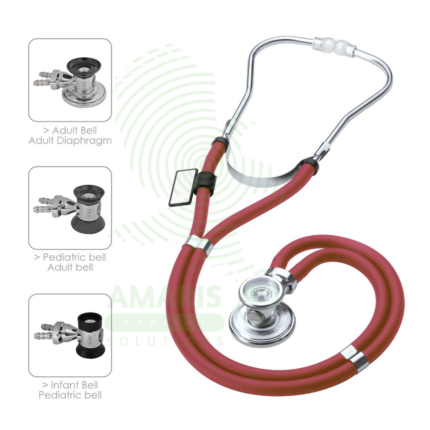
The Dual Head Stethoscope is the classic, essential acoustic diagnostic tool used by healthcare professionals worldwide. Its defining feature is a two-sided chestpiece, combining a diaphragm for high-frequency sounds (breath sounds, normal heart tones) and a bell for low-frequency sounds (heart murmurs, abnormal heart tones). Through mechanical sound conduction, it provides critical information for assessing cardiac, pulmonary, and vascular systems during physical examinations and manual blood pressure measurement. Its effectiveness relies on proper technique, a good acoustic seal, and consistent cleaning. As a fundamental symbol of medical practice, it balances functionality, durability, and affordability.
ECG Machine
An ECG Machine is a Class II medical device that records and displays the electrical activity of the heart through surface electrodes, producing an electrocardiogram for diagnosis of cardiac conditions. Standard diagnostic machines record 12 simultaneous leads (3 limb, 6 precordial, 1 ground) with frequency response 0.05-150 Hz, sampling rate 500-1,000 Hz, and high-resolution (5-10 µV) signal acquisition. Features include color touchscreen display, thermal array printer, computerized interpretation algorithms, internal memory (50-500+ ECGs), and network connectivity for EMR integration. Lead wires (AHA or IEC color coding) connect to disposable adhesive electrodes. Portable models (5-15 kg) with rechargeable batteries enable bedside and mobile use; cart-mounted units provide full diagnostic capability. Primary clinical applications include diagnosis of arrhythmias (AF, VT, bradycardia), detection of myocardial ischemia/infarction (STEMI, NSTEMI), evaluation of chest pain, preoperative cardiac risk assessment, monitoring electrolyte imbalances, assessment of chamber enlargement, and drug effect/toxicity monitoring. Essential diagnostic equipment in emergency departments, cardiology clinics, ICUs, operating rooms, and primary care settings worldwide.
H. pylori Test Strips
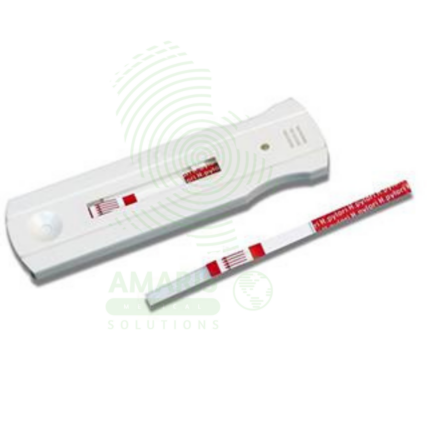
H. pylori Test Strips are rapid, lateral flow immunochromatographic devices used for the qualitative detection of Helicobacter pylori antigens in human stool. As a non-invasive stool antigen test (SAT), it provides a convenient and reliable method for diagnosing active H. pylori infection and confirming eradication after therapy, with results available in under 15 minutes. Ideal for use in clinics and outpatient settings, it aids in the management of dyspepsia and peptic ulcer disease. Proper sample handling, adherence to pre-test medication restrictions, and strict biohazard precautions are essential for obtaining accurate results.
Height Board
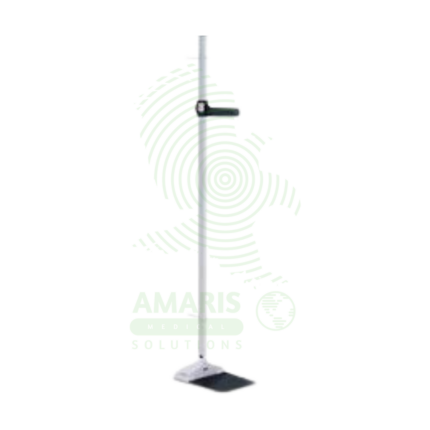
A Height Board, or stadiometer, is a precision medical instrument designed for the accurate measurement of human stature. As a wall-mounted or portable device featuring a vertical scale and a sliding horizontal headpiece, it is the clinical standard for obtaining height. This measurement is foundational for calculating Body Mass Index (BMI), tracking growth in children, screening for nutritional issues, and assessing adults for conditions like osteoporosis. Its accuracy, dependent on proper installation and technique, makes it an indispensable tool in pediatrics, primary care, nutrition, and public health
LED Otoscope
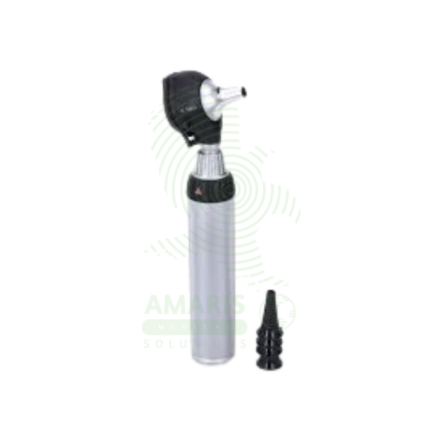
An LED Otoscope is a handheld medical device used for illuminating and magnifying the external ear canal and tympanic membrane. Featuring a bright, cool, and long-lasting LED light source, it provides superior visualization for diagnosing common conditions like ear infections, wax impaction, and perforations. Its design, incorporating a reusable handle/head and disposable specula, ensures hygiene and patient safety. As an essential tool in family medicine, pediatrics, and ENT, it enables clinicians to perform accurate otoscopic examinations and, when equipped with an insufflator, crucial pneumatic otoscopy to assess middle ear function.
Ophthalmoscope
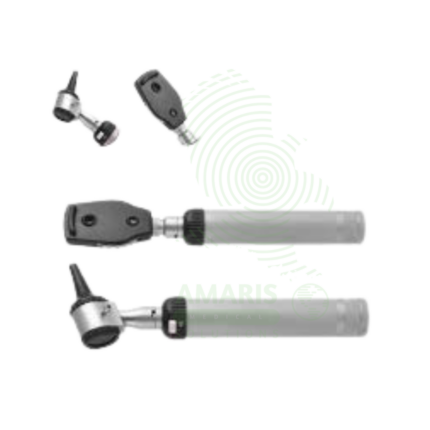
An Ophthalmoscope is a handheld diagnostic instrument used to examine the interior of the eye, specifically the fundus (retina, optic disc, blood vessels, and macula). By providing illuminated magnification, it serves as a vital screening tool for detecting ocular diseases like glaucoma and retinal disorders, and more importantly, for identifying signs of systemic conditions such as diabetes, hypertension, and increased intracranial pressure. Its operation involves selecting appropriate apertures and compensating lenses to obtain a clear view. While offering a detailed but narrow field of vision, mastery of the direct ophthalmoscope remains a cornerstone skill in general medicine, neurology, and ophthalmology for assessing vascular and neurological health.