Dermatoscope and Magnifiers
 Diagnostic Kits
 Vital Signs Monitors
 Stethoscopes and Accessories
 Otoscopes, Ophthalmoscopes, and Retinoscopes
 Reflex Hammers and Neurological Tools
 Scales and Measuring Devices
 Spirometers and Pulmonary Function Tests
 Electrosurgical Units and Accessories
 Cutting Instruments
 Grasping and Holding Instruments
 Hemostatic Instruments
 Specialized Surgical Sets
 Single-Use Procedure Trays and Packs
 Surgical Drapes, Gowns, and Covers
 Tissue Unifying Instruments
 Radiation Protection
 X-Ray Machines and Accessories
 Ultrasound Systems and Probes
 MRI and CT Scanners
 Radiology Consumables
 Bone Densitometers
 Fluoroscopy Equipment
 Imaging Tables and Positioning Aids
 Microscopes and Accessories
 Centrifuges and Separators
 Analyzers
 Incubators and Ovens
 Pipettes, Dispensers, and Lab Glassware
 Refrigerators, Freezers, and Storage Units
 Lab Consumables
 Sterilizers and Autoclaves for Lab Use
 Multi-Parameter Monitors
 Ventilators and Respiratory Support Devices
 Defibrillators and AEDs
 Infusion Pumps and IV Systems
 Patient Warmers and Cooling Devices
 Central Monitoring Stations
 Accessories
 Anesthesia Machines and Workstations
 Oxygen Concentrators and Delivery Systems
 Nebulizers and Inhalers
 CPAP/BiPAP Machines
 Airway Management
 Anesthesia Masks, Circuits, and Bags
 Humidifiers and Heaters
 Respiratory Therapy Accessories
 First Aid Kits and Cabinets
 Emergency Resuscitation Equipment
 Trauma Supplies
 Emergency Carts and Crash Carts
 Burn Care Products
 Bleeding Control
 Automated External Defibrillators (AEDs)
 Transport and Evacuation
 Wheelchairs and Accessories
 Walkers, Crutches, and Canes
 Prosthetics and Orthotics
 Physical Therapy Equipment
 Transfer Devices
 Bathroom Safety
 Orthopedic Traction and Tables
 Hot/Cold Therapy Packs and Units
 Beds and Mattresses
 Chairs and Stools
 Tables
 Cabinets and Storage
 Privacy Screens & Curtains
 Stands and Racks
 Linens and Textiles
 Lighting
 Autoclaves and Sterilizers
 Ultrasonic Cleaners
 Disinfectant Solutions and Wipes
 Sterilization Pouches, Wraps, and Indicators
 Instrument Trays and Containers
 UV and Ozone Disinfection Devices
 Washer Disinfectors
 Wound Care
 Gloves
 Masks and Respirators
 Catheters and Tubing
 Swabs, Applicators, and Sponges
 Incontinence Products
 Personal Protective Equipment (PPE)
 Dental Chairs and Units
 Handpieces and Burs
 Instruments
 Consumables
 Sterilization for Dental Use
 Orthodontic Supplies
 Endodontic Tools
 Slit Lamps and Tonometers
 Lensometers and Phoropters
 Ophthalmic Surgical Instruments
 Eyewear Frames and Lenses
 Contact Lens Supplies
 Vision Testing Charts and Devices
 Eye Care Consumables
 Laser Systems for Eye Care
 ENT Exam Chairs and Tables
 Endoscopes
 Audiometers and Hearing Tests
 ENT Instruments
 Nasal and Throat Packs
 Hearing Aids and Accessories
 Otology Supplies
 Fetal Dopplers and Monitors
 Delivery Beds and Tables
 Gynecological Instruments
 Neonatal Incubators and Warmers
 Breast Pumps and Accessories
 Contraceptive Devices
 Maternity Supports and Pads
 Neonatal Consumables
 Cystoscopes and Urethroscopes
 Dialysis Machines and Supplies
 Urological Catheters and Bags
 Lithotripters
 Prostate Treatment Devices
 Urinary Incontinence Products
 Kidney Stone Management Tools
 Consumables & Disposables
 EEG and EMG Machines
 Neurosurgical Instruments
 Nerve Stimulators
 Headrests and Positioning Aids
 Lumbar Puncture Kits
 Seizure Monitoring Devices
 Consumables
 Rehabilitation for Neurological Conditions
 ECG Machines and Accessories
 Holter Monitors
 Stress Test Systems
 Pacemakers and Defibrillator Accessories
 Vascular Access Devices
 Cardiac Catheters and Guidewires
 Blood Flow Meters
 Consumables
 Orthopedic Instruments
 Casts, Splints, and Padding
 Joint Replacement Supplies
 Prosthetic Limbs and Components
 Bone Grafts and Substitutes
 Traction Devices
 Orthopedic Braces and Supports
 Rehabilitation Aids for Orthopedics
 Home Oxygen Therapy
 Hospital Beds for Home Use
 Mobility Aids
 Bathroom and Daily Living Aids
 Wound Care for Home
 Monitoring Devices
 Enteral Feeding Pumps and Tubes
 Hand Sanitizers and Dispensers
 Face Shields and Goggles
 Isolation Gowns and Suits
 Biohazard Waste Containers
 Air Purifiers and HEPA Filters
 Surface Disinfectants
 Sharps Containers
 Protective Barriers
 Cardiovascular & Endurance Training
 Strength Training & Weightlifting
 Functional Training & Core Conditioning
 Physical Therapy & Rehabilitation
 Sports & Outdoor Recreation
 Gym Flooring & Facility Equipment
 Fitness Monitoring & Accessories
 Kids & Novelties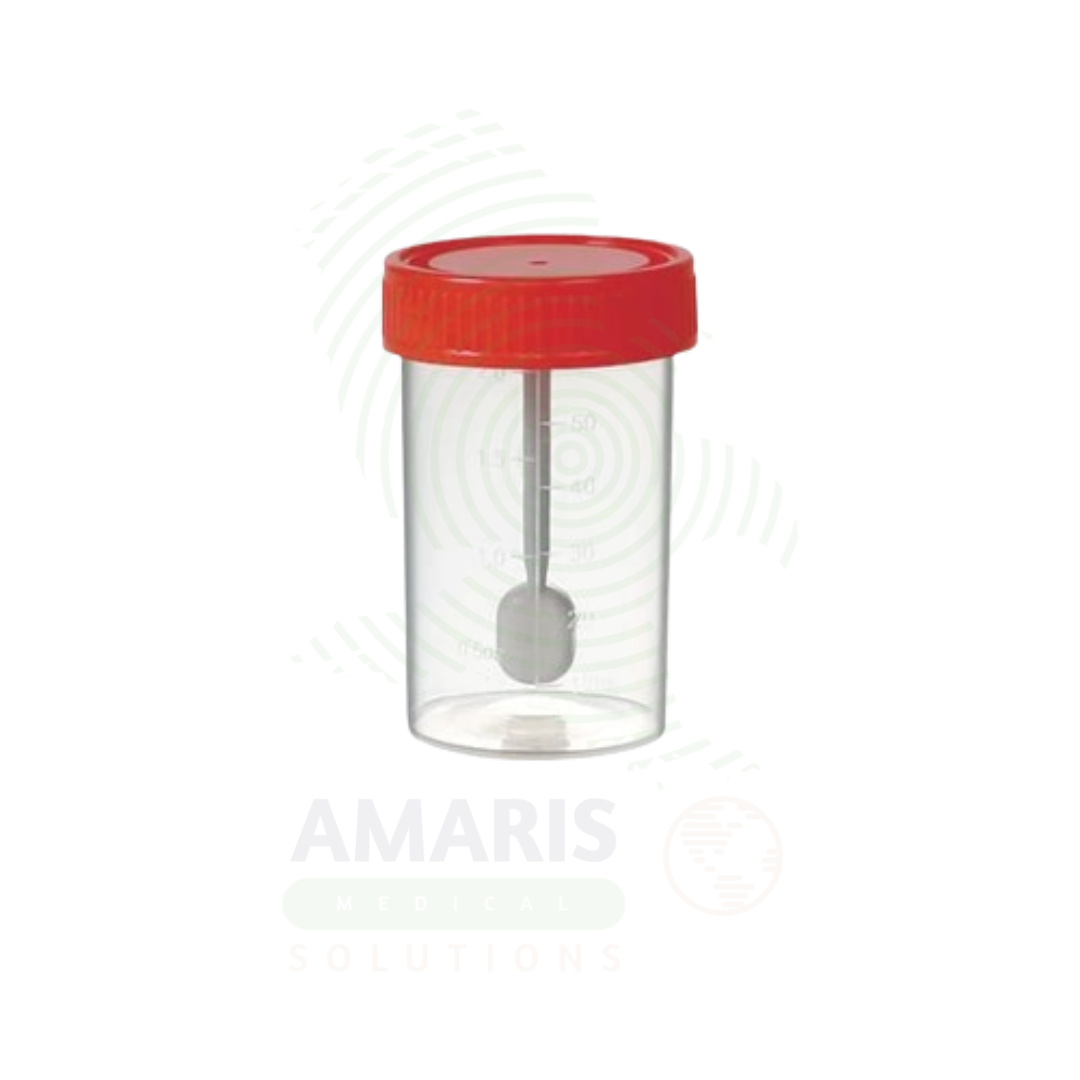
Stool Container
$1.00
WhatsApp Order
Stool container are sterile or non-sterile, single-use medical devices manufactured from medical-grade polypropylene or polyethylene for the collection, containment, preservation, and transport of fecal specimens for diagnostic testing. Available in standard non-preserved formats (30-120 mL) for routine culture, C. difficile toxin, and calprotectin; preserved systems containing formalin, PVA, SAF, or Cary-Blair transport medium for ova and parasite examination and enteric bacterial culture with delayed transport; specialized FOBT/FIT cards for colorectal cancer screening; and large-volume containers (1-3 L) for 72-hour quantitative fat analysis. Critical performance attributes include leak-proof sealing, chemical inertness, preservative efficacy at specified fill volumes, and integrated collection spoons for standardized aliquoting. Strict single-use protocol, adherence to preservative fill line requirements, handling under universal precautions, and appropriate transport conditions are essential for specimen integrity and accurate laboratory results.
Description
Stool Container
PRIMARY CLINICAL & DIAGNOSTIC USES
1. Collection of Fecal Specimens for Laboratory Analysis
-
Primary Use: Collects, contains, and transports stool specimens for a wide range of diagnostic examinations, including routine stool culture, ova and parasite examination, fecal occult blood testing, fecal immunochemical testing, Clostridioides difficile toxin testing, fecal leukocytes, calprotectin, elastase, and quantitative fat analysis.
-
How it helps: For the microbiologist, gastroenterologist, and laboratory technician, the stool container holds specimens that reveal the health of the gastrointestinal tract—identifying bacterial pathogens causing diarrhea, detecting parasites in returning travelers, measuring inflammation in inflammatory bowel disease, and screening for colorectal cancer. For the patient with gastrointestinal symptoms, the stool specimen collected in this container provides answers that guide diagnosis and treatment.
2. Preservation of Specimen Integrity for Microbiology
-
Primary Use: Certain stool containers are manufactured with preservative solutions to maintain viability of enteric pathogens, preserve parasite morphology, and prevent overgrowth of commensal organisms during transport to the laboratory.
-
How it helps: For the microbiology laboratory processing specimens that may have been collected hours or even days earlier, preservative-containing containers ensure that when the specimen arrives, pathogens are still viable for culture and parasites are still recognizable under the microscope—preventing false negative results due to organism die-off during transit. For the patient, proper preservation means their infection will be detected even if they cannot get the specimen to the laboratory immediately.
3. Detection of Gastrointestinal Bleeding
-
Primary Use: Specialized containers with fecal occult blood test cards or FIT collection devices are used for colorectal cancer screening and detection of occult gastrointestinal bleeding from polyps, malignancies, ulcers, or inflammatory bowel disease.
-
How it helps: For the primary care physician and gastroenterologist, stool collected for occult blood testing provides a non-invasive screening tool for colorectal cancer—detecting microscopic amounts of blood that may be the first sign of a polyp or malignancy. For the patient undergoing colorectal cancer screening, a simple stool collection at home can provide life-saving early detection of precancerous lesions or early-stage cancer.
4. Quantitative Fecal Fat Analysis
-
Primary Use: Large-volume, leak-proof containers are used for 72-hour stool collections to quantify fecal fat excretion for diagnosis of malabsorption syndromes.
-
How it helps: For the gastroenterologist evaluating a patient with chronic diarrhea, weight loss, and suspected malabsorption, the 72-hour stool collection in a large-volume container provides definitive evidence of fat malabsorption—quantifying the amount of fat lost in stool and guiding the search for underlying causes such as pancreatic insufficiency, celiac disease, or small bowel disorders. For the patient with unexplained malabsorption, this test provides objective evidence of their condition.
5. Specimen Transport and Storage
-
Primary Use: Serves as the primary containment device for transporting stool specimens from the collection site to the laboratory, maintaining specimen integrity and preventing leakage during transit.
-
How it helps: For the laboratory personnel and healthcare workers handling potentially infectious specimens, the leak-proof stool container ensures that enteric pathogens are contained during transport—protecting everyone who handles the specimen from exposure to bacteria, parasites, and viruses. For the laboratory, intact, uncontaminated specimens yield accurate results.
6. Pediatric Stool Collection
-
Primary Use: Specialized containers or collection devices are designed for non-invasive stool collection from infants and young children who cannot voluntarily provide a specimen.
-
How it helps: For the pediatrician and parents of a child with gastrointestinal symptoms, pediatric stool collection devices make it possible to obtain specimens from diapers without contamination—ensuring that even the smallest patients can have accurate diagnostic testing. For the child, these specialized containers mean diagnosis without unnecessary stress or invasive procedures.
SECONDARY & SUPPORTIVE USES
1. Infectious Disease Outbreak Investigation: Essential for collecting stool specimens during outbreak investigations of gastrointestinal illness to identify causative pathogens and sources of transmission. For the public health official, stool specimens from affected individuals guide outbreak response and containment.
2. Travel Medicine and Parasitology: Used to collect specimens from patients with suspected travel-acquired gastrointestinal infections requiring specialized preservative systems. For the returning traveler with diarrhea, proper stool collection identifies parasites and guides treatment.
3. Inflammatory Bowel Disease Monitoring: Fecal calprotectin and lactoferrin testing collected in standard stool containers is used to monitor disease activity and differentiate inflammatory from non-inflammatory diarrheal disorders. For the patient with Crohn’s disease or ulcerative colitis, regular stool testing guides medication adjustments.
4. Colorectal Cancer Screening: Fecal immunochemical testing and fecal occult blood testing collected in specialized containers are used for population-based colorectal cancer screening. For the population, widespread screening with stool testing reduces colorectal cancer mortality.
5. Research and Clinical Trials: Used in microbiome research and epidemiologic studies for collection and preservation of fecal specimens for DNA extraction and cultivation of enteric organisms. For the researcher, stool specimens collected in appropriate containers advance understanding of the human microbiome.
KEY PRODUCT FEATURES
1. BASIC IDENTIFICATION ATTRIBUTES
-
Product Type: A sterile or non-sterile, single-use container specifically designed for the collection, containment, preservation, and transport of fecal specimens for in vitro diagnostic examination.
-
Designation: Defined by presence/type of preservative, collection mechanism, volume capacity, sterility status, and specialized features.
-
Core Components:
-
Container Body: Rigid or semi-rigid plastic receptacle with wide mouth for easy specimen deposition.
-
Closure: Screw-on or snap-on cap that provides leak-resistant or leak-proof seal.
-
Collection Spoon/Spatula: Molded into cap or provided as separate component; permits standardized specimen aliquoting.
-
Preservative Solution (select models): Formalin, PVA, SAF, Cary-Blair medium, or other transport media.
-
Labeling Area: Frosted or writable surface for patient identification, date, and time.
-
-
Core Variants:
-
Standard Stool Container: 30-120 mL capacity; no preservative; integrated collection spoon; sterile or non-sterile; for routine culture, C. diff toxin, calprotectin.
-
Preserved Stool Container: Contains formalin, PVA, SAF, or combination vials; must be filled to indicated line; for ova and parasite examination.
-
Cary-Blair Transport Container: Semisolid transport medium for enteric bacterial pathogens; for stool culture when processing delayed >2 hours.
-
Fecal Occult Blood Test Card / FIT Collection Device: Specialized cardboard slide or plastic collection device; no liquid preservative.
-
Large-Volume / 72-Hour Collection Container: 1-3 liter capacity; wide mouth, leak-proof seal; for quantitative fecal fat.
-
Pediatric Stool Collection Kit: Adhesive collection bag for infants; transfer container for transport.
-
2. TECHNICAL & PERFORMANCE PROPERTIES
-
Volume Capacity: Standard: 30-120 mL; O&P preserved: 15-30 mL container; 72-hour collection: 1-3 L.
-
Leak Resistance: Must prevent seepage of liquid stool and preservative solutions during transport and handling.
-
Chemical Compatibility: Plastic material must be leach-resistant, non-reactive with stool constituents or preservatives, and not interfere with diagnostic assays.
-
Preservative Efficacy: Formalin fixes and preserves parasite morphology; PVA enables permanent stained smears; SAF provides liquid fixation; Cary-Blair maintains bacterial viability.
-
Spoon/Spatula Design: Must deliver consistent, reproducible aliquot (typically 1-2 g); molded into cap; break-away design prevents cross-contamination.
-
Centrifugation Compatibility: Must withstand centrifugal forces without deformation or leakage when concentration techniques performed.
3. PHYSICAL & OPERATIONAL PROPERTIES
-
Material: Medical-grade polypropylene or polyethylene.
-
Closure Design: Screw-cap with integral O-ring or gasket for leak-proof seal; snap-cap press-fit closure.
-
Mouth Diameter: Wide mouth (50-70 mm) to accommodate fecal specimens without contamination of threads or exterior.
-
Volume Markings: Clear, permanent graduated markings for preserved containers indicating required fill level.
-
Spoon Specifications: Capacity 1-2 g; length 5-10 cm; break-point separates from cap after specimen collection.
-
Color Coding: Often color-coded by preservative/additive type: brown/amber (formalin), clear/white (PVA, SAF), green/blue (Cary-Blair).
-
Packaging: Bulk (20-500 units per case); individually wrapped (sterile); kits pre-packaged with transport bag, requisition forms, and biohazard labels.
4. SAFETY & COMPLIANCE ATTRIBUTES
-
Regulatory Status: Class I medical device. Compliant with applicable regional requirements for specimen collection containers.
-
Biocompatibility: Materials in contact with specimens must be non-cytotoxic, non-leaching, and not interfere with laboratory assays.
-
Latex-Free: All components manufactured without natural rubber latex.
-
Sterility Levels: Sterile for surgical pathology specimens, immunocompromised patients, quantitative cultures; non-sterile for routine diagnostic testing.
-
Preservative Safety: Formalin is toxic, carcinogenic, irritant; use in well-ventilated areas; avoid skin/eye contact. PVA contains mercuric chloride (toxic). Cary-Blair is non-toxic.
-
Single-Use Protocol: Stool containers are strictly single-use devices. Never rinse, clean, or reuse. Discard after one use.
5. STORAGE & HANDLING ATTRIBUTES
-
Storage: Store in original packaging in a cool, dry environment. Protect from extreme temperatures, direct sunlight, and moisture.
-
Shelf Life: Empty containers: 3-5 years. Preserved containers: 1-3 years. Cary-Blair: 6-12 months. FOBT/FIT cards: 12-24 months. Expiration date printed on each container and outer carton. Do not use it after expiration.
-
Package Inspection: Inspect packaging for tears, punctures, moisture ingress. Inspect preserved containers for precipitate, discoloration, or volume loss. Do not use it if integrity is questionable.
-
Preservative Fill Line: Specimen must be added to indicated fill line (preservative-to-specimen ratio approximately 3:1). Underfilling causes inadequate fixation; overfilling dilutes preservatives.
-
Single-Use Protocol: Strictly single-use. Never reuse.
6. LABORATORY & CLINICAL APPLICATIONS
-
Primary Application: The essential device for stool specimen collection across all healthcare settings: hospitals, clinics, emergency departments, long-term care facilities, public health departments, and home healthcare.
-
Selection Criteria:
-
Test Type: Routine culture / C. diff / Calprotectin → standard non-preserved container; Ova & Parasites → preserved container (formalin, PVA, SAF); Bacterial culture (delayed transport) → Cary-Blair; Fecal Occult Blood / FIT → FOBT card or FIT device; Quantitative fat → large-volume 72-hour container.
-
Patient Population: Adult → standard container; Infant/non-toilet-trained → pediatric adhesive collection bag; Elderly/handicapped → wide-mouth, easy-grip.
-
Transport Conditions: Ambient ≤2 hours → non-preserved; Ambient 2-24 hours → Cary-Blair; Ambient ≥24 hours → preserved.
-
-
Specimen Rejection Criteria: Unlabeled or mislabeled container; leaking container; insufficient quantity; preserved container not filled to fill line; expired container; contaminated with urine, water, soap, or toilet paper; excessive transport delay without appropriate preservation.
SAFETY HANDLING PRECAUTIONS
1. SAFETY PRECAUTIONS
-
Universal Precautions (Most Important): Stool is potentially infectious. Treat all specimens as capable of transmitting enteric pathogens. Wear appropriate personal protective equipment (gloves, gown, eye protection) when handling stool containers and specimens.
-
Preservative Hazard Awareness:
-
Formalin: Toxic, carcinogenic, irritant. Use in a well-ventilated area. Avoid skin/eye contact. If a spill occurs, contain and clean per hazardous material protocol.
-
PVA: Contains mercuric chloride; highly toxic. Avoid contact. Dispose as hazardous waste.
-
Cary-Blair: Non-toxic; safe for routine use.
-
-
Specimen Collection Hygiene:
-
Instruct patients to avoid urine before stool collection.
-
Defecate directly into a clean, dry container. Do not contaminate with toilet water.
-
Transfer specimen to stool container using integrated collection spoon.
-
Fill preserved containers to indicate line only; do not overfill.
-
Secure cap tightly; wipe exterior with disinfectant.
-
Place in a leak-proof transport bag; seal; label with biohazard symbol.
-
-
Pediatric Collection Precautions:
-
Apply an adhesive collection bag to clean, dry perineal skin.
-
Do not leave attached for prolonged periods; remove immediately after defecation.
-
Do not use adhesive remover solvents on infant skin.
-
Transfer specimen to transport container promptly.
-
-
Do Not Refrigerate O&P Specimens: Refrigeration kills trophozoites of intestinal protozoa. Use preserved containers only.
2. FIRST AID MEASURES
-
Preservative Contact (Skin): Remove contaminated clothing. Rinse skin immediately with copious water for at least 15 minutes. Wash with soap and water. Seek medical attention if irritation persists.
-
Preservative Contact (Eyes): Immediately rinse eyes with copious clean water or sterile saline for at least 15 minutes. Remove contact lenses. Seek immediate medical attention.
-
Preservative Ingestion: Do not induce vomiting. Rinse mouth with water. Seek immediate medical attention or contact a poison control center.
-
Specimen Spill: Contain spill with absorbent material. Clean area with EPA-registered hospital disinfectant effective against enteric pathogens. Discard contaminated materials in biohazard waste.
3. FIRE FIGHTING MEASURES
-
Flammability: Polypropylene and polyethylene containers are combustible. Formalin solution is flammable. PVA solution is combustible.
-
Extinguishing Media: Use water, foam, CO₂, or dry chemical powder as appropriate for the surrounding fire.
Related products
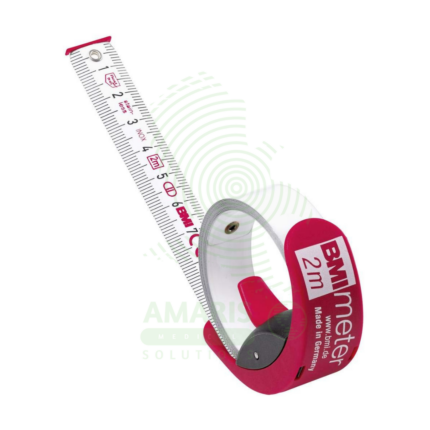
BMI Tape
A BMI Tape is a rapid screening tool that estimates an individual's Body Mass Index (BMI) category by measuring body circumference, most commonly the waist. It features a color-coded scale that directly displays BMI ranges (Underweight, Normal, Overweight, Obese), eliminating the need for separate height and weight measurements and manual calculation. While highly useful for community health screenings, wellness programs, and patient education due to its portability and simplicity, it is an approximate method. Its accuracy is limited compared to BMI calculated from precise clinical measurements, and it should be used as an initial screening indicator rather than a definitive diagnostic tool.
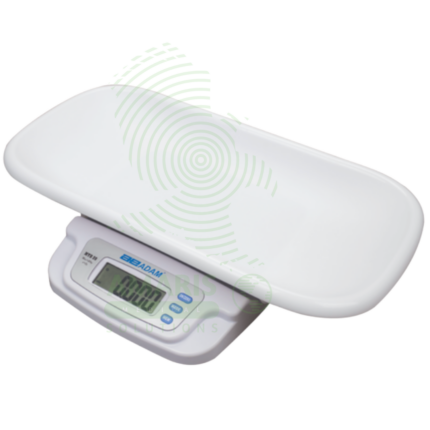
Digital Baby Weighing Scale
A Digital Baby Weighing Scale is a high-precision medical device designed exclusively for the safe and accurate measurement of infant and toddler weight. Featuring a stable, hygienic platform with gram-level precision, it is indispensable in hospitals (especially NICUs), pediatric clinics, and community health settings. Its core functions—such as hold, tare, and zeroing—ensure reliable readings even with a moving child. Accurate weight data is foundational for assessing growth, calculating medication doses, managing nutrition, and detecting early signs of health issues, making this scale a critical tool for safeguarding infant health and development.
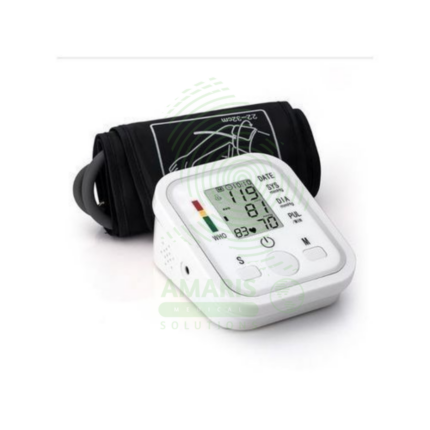
Digital Blood Pressure Monitor
A Digital Blood Pressure Monitor is an automatic electronic device that measures and displays systolic pressure, diastolic pressure, and pulse rate using the oscillometric method. Designed primarily for home and clinical use, it offers a user-friendly alternative to manual aneroid devices, requiring minimal training. Key features often include irregular heartbeat detection, multi-user memory, and connectivity for data tracking. Its accuracy, when clinically validated and used with correct technique, makes it an indispensable tool for the diagnosis and management of hypertension, empowering patients and supporting healthcare providers with reliable ambulatory data.
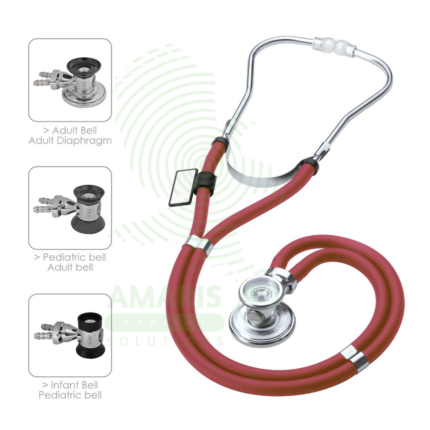
Dual Head Stethoscope
The Dual Head Stethoscope is the classic, essential acoustic diagnostic tool used by healthcare professionals worldwide. Its defining feature is a two-sided chestpiece, combining a diaphragm for high-frequency sounds (breath sounds, normal heart tones) and a bell for low-frequency sounds (heart murmurs, abnormal heart tones). Through mechanical sound conduction, it provides critical information for assessing cardiac, pulmonary, and vascular systems during physical examinations and manual blood pressure measurement. Its effectiveness relies on proper technique, a good acoustic seal, and consistent cleaning. As a fundamental symbol of medical practice, it balances functionality, durability, and affordability.
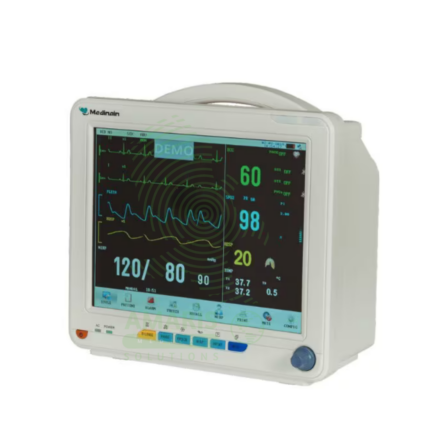
ECG Machine
An ECG Machine is a Class II medical device that records and displays the electrical activity of the heart through surface electrodes, producing an electrocardiogram for diagnosis of cardiac conditions. Standard diagnostic machines record 12 simultaneous leads (3 limb, 6 precordial, 1 ground) with frequency response 0.05-150 Hz, sampling rate 500-1,000 Hz, and high-resolution (5-10 µV) signal acquisition. Features include color touchscreen display, thermal array printer, computerized interpretation algorithms, internal memory (50-500+ ECGs), and network connectivity for EMR integration. Lead wires (AHA or IEC color coding) connect to disposable adhesive electrodes. Portable models (5-15 kg) with rechargeable batteries enable bedside and mobile use; cart-mounted units provide full diagnostic capability. Primary clinical applications include diagnosis of arrhythmias (AF, VT, bradycardia), detection of myocardial ischemia/infarction (STEMI, NSTEMI), evaluation of chest pain, preoperative cardiac risk assessment, monitoring electrolyte imbalances, assessment of chamber enlargement, and drug effect/toxicity monitoring. Essential diagnostic equipment in emergency departments, cardiology clinics, ICUs, operating rooms, and primary care settings worldwide.
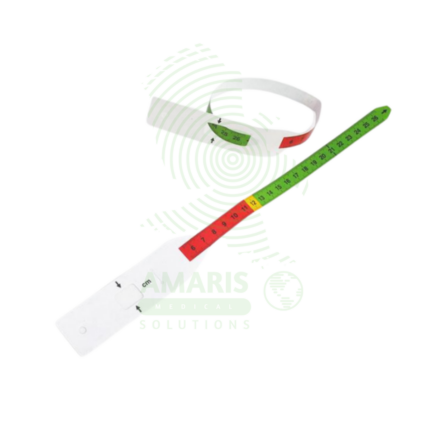
MUAC Tape
A MUAC Tape (Mid-Upper Arm Circumference) is a specialized, color-coded measuring tape used globally as the primary field tool for screening children aged 6-59 months for acute malnutrition. Its simple design—featuring red, yellow, and green zones corresponding to Severe Acute Malnutrition, Moderate Acute Malnutrition, and normal nutritional status—allows for instant, non-invasive assessment without the need for scales, calculation, or literacy. Durable, portable, and inexpensive, it is the cornerstone of community-based nutrition programs, emergency relief efforts, and public health surveillance, enabling early detection and life-saving intervention for malnourished children in even the most resource-constrained settings.
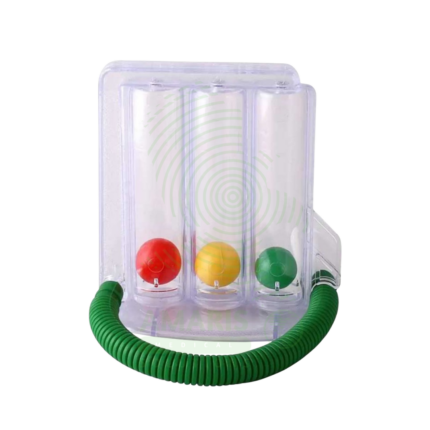
Spirometer
A Spirometer is an essential diagnostic medical device used to measure how much and how quickly air can be inhaled and exhaled by the lungs. By performing forced breathing maneuvers, it generates key parameters—primarily Forced Vital Capacity (FVC) and Forced Expiratory Volume in 1 second (FEV1)—that are fundamental for diagnosing and monitoring obstructive and restrictive lung diseases like Asthma and COPD. Requiring daily calibration and strict adherence to international standards (ATS/ERS), it provides the objective, reproducible data needed for clinical decision-making in pulmonology, primary care, occupational health, and pre-operative assessment.