Dermatoscope and Magnifiers
 Diagnostic Kits
 Vital Signs Monitors
 Stethoscopes and Accessories
 Otoscopes, Ophthalmoscopes, and Retinoscopes
 Reflex Hammers and Neurological Tools
 Scales and Measuring Devices
 Spirometers and Pulmonary Function Tests
 Electrosurgical Units and Accessories
 Cutting Instruments
 Grasping and Holding Instruments
 Hemostatic Instruments
 Specialized Surgical Sets
 Single-Use Procedure Trays and Packs
 Surgical Drapes, Gowns, and Covers
 Tissue Unifying Instruments
 Radiation Protection
 X-Ray Machines and Accessories
 Ultrasound Systems and Probes
 MRI and CT Scanners
 Radiology Consumables
 Bone Densitometers
 Fluoroscopy Equipment
 Imaging Tables and Positioning Aids
 Microscopes and Accessories
 Centrifuges and Separators
 Analyzers
 Incubators and Ovens
 Pipettes, Dispensers, and Lab Glassware
 Refrigerators, Freezers, and Storage Units
 Lab Consumables
 Sterilizers and Autoclaves for Lab Use
 Multi-Parameter Monitors
 Ventilators and Respiratory Support Devices
 Defibrillators and AEDs
 Infusion Pumps and IV Systems
 Patient Warmers and Cooling Devices
 Central Monitoring Stations
 Accessories
 Anesthesia Machines and Workstations
 Oxygen Concentrators and Delivery Systems
 Nebulizers and Inhalers
 CPAP/BiPAP Machines
 Airway Management
 Anesthesia Masks, Circuits, and Bags
 Humidifiers and Heaters
 Respiratory Therapy Accessories
 First Aid Kits and Cabinets
 Emergency Resuscitation Equipment
 Trauma Supplies
 Emergency Carts and Crash Carts
 Burn Care Products
 Bleeding Control
 Automated External Defibrillators (AEDs)
 Transport and Evacuation
 Wheelchairs and Accessories
 Walkers, Crutches, and Canes
 Prosthetics and Orthotics
 Physical Therapy Equipment
 Transfer Devices
 Bathroom Safety
 Orthopedic Traction and Tables
 Hot/Cold Therapy Packs and Units
 Beds and Mattresses
 Chairs and Stools
 Tables
 Cabinets and Storage
 Privacy Screens & Curtains
 Stands and Racks
 Linens and Textiles
 Lighting
 Autoclaves and Sterilizers
 Ultrasonic Cleaners
 Disinfectant Solutions and Wipes
 Sterilization Pouches, Wraps, and Indicators
 Instrument Trays and Containers
 UV and Ozone Disinfection Devices
 Washer Disinfectors
 Wound Care
 Gloves
 Masks and Respirators
 Catheters and Tubing
 Swabs, Applicators, and Sponges
 Incontinence Products
 Personal Protective Equipment (PPE)
 Dental Chairs and Units
 Handpieces and Burs
 Instruments
 Consumables
 Sterilization for Dental Use
 Orthodontic Supplies
 Endodontic Tools
 Slit Lamps and Tonometers
 Lensometers and Phoropters
 Ophthalmic Surgical Instruments
 Eyewear Frames and Lenses
 Contact Lens Supplies
 Vision Testing Charts and Devices
 Eye Care Consumables
 Laser Systems for Eye Care
 ENT Exam Chairs and Tables
 Endoscopes
 Audiometers and Hearing Tests
 ENT Instruments
 Nasal and Throat Packs
 Hearing Aids and Accessories
 Otology Supplies
 Fetal Dopplers and Monitors
 Delivery Beds and Tables
 Gynecological Instruments
 Neonatal Incubators and Warmers
 Breast Pumps and Accessories
 Contraceptive Devices
 Maternity Supports and Pads
 Neonatal Consumables
 Cystoscopes and Urethroscopes
 Dialysis Machines and Supplies
 Urological Catheters and Bags
 Lithotripters
 Prostate Treatment Devices
 Urinary Incontinence Products
 Kidney Stone Management Tools
 Consumables & Disposables
 EEG and EMG Machines
 Neurosurgical Instruments
 Nerve Stimulators
 Headrests and Positioning Aids
 Lumbar Puncture Kits
 Seizure Monitoring Devices
 Consumables
 Rehabilitation for Neurological Conditions
 ECG Machines and Accessories
 Holter Monitors
 Stress Test Systems
 Pacemakers and Defibrillator Accessories
 Vascular Access Devices
 Cardiac Catheters and Guidewires
 Blood Flow Meters
 Consumables
 Orthopedic Instruments
 Casts, Splints, and Padding
 Joint Replacement Supplies
 Prosthetic Limbs and Components
 Bone Grafts and Substitutes
 Traction Devices
 Orthopedic Braces and Supports
 Rehabilitation Aids for Orthopedics
 Home Oxygen Therapy
 Hospital Beds for Home Use
 Mobility Aids
 Bathroom and Daily Living Aids
 Wound Care for Home
 Monitoring Devices
 Enteral Feeding Pumps and Tubes
 Hand Sanitizers and Dispensers
 Face Shields and Goggles
 Isolation Gowns and Suits
 Biohazard Waste Containers
 Air Purifiers and HEPA Filters
 Surface Disinfectants
 Sharps Containers
 Protective Barriers
 Cardiovascular & Endurance Training
 Strength Training & Weightlifting
 Functional Training & Core Conditioning
 Physical Therapy & Rehabilitation
 Sports & Outdoor Recreation
 Gym Flooring & Facility Equipment
 Fitness Monitoring & Accessories
 Kids & Novelties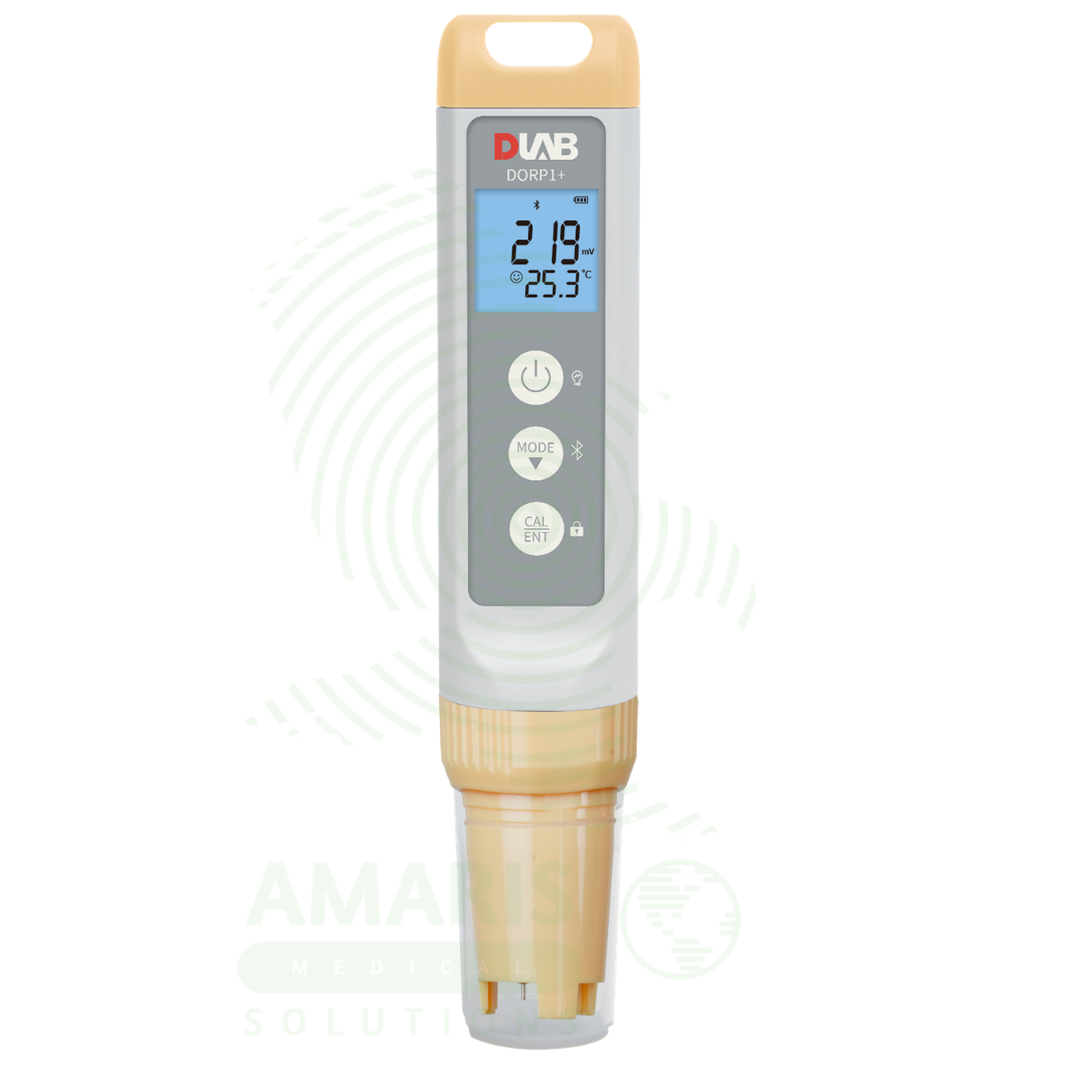

Bluetooth Pen Meter (DORP1+)
WhatsApp Order
The Bluetooth Pen Meter (DORP1+) is a pocket-sized, single-parameter pen tester measuring Oxidation-Reduction Potential (ORP) from -1000.0 to +1000.0 millivolts with accuracy of ±0.1 percent of full scale ±1 digit and resolution of 0.1 or 1 millivolts, featuring replaceable combined electrode design (DORP1-S), multi-color backlit LCD display with reading stability indicator and automatic data lock, IP67 dustproof and waterproof rating, 0 to 60 degrees Celsius temperature measurement with ±0.2 degrees Celsius accuracy, 1-point automatic calibration with 222 millivolt ORP standard, support for CH, USA, and NIST standard buffer solutions, low battery indicator, user-configurable automatic shut-off and backlight duration, power-on self-diagnosis, and Bluetooth connectivity to a mobile application for two-way control, unlimited data storage, graphical display modes (chart, curve, dial, and normal), graphic navigation operation guides, calibration reminders, measurement object identification management, timed storage, and high and low value warning settings—ideal for water quality testing in clinical, pharmaceutical, and environmental applications .
For the dialysis technician, infection control officer, and water quality specialist, the Bluetooth Pen Meter (DORP1+) enables rapid, on-site ORP measurement to verify disinfection efficacy in purified water systems, dialysis fluids, and pharmaceutical process water—critical parameters for ensuring patient safety during renal replacement therapy and drug manufacturing. The replaceable electrode design extends instrument service life, while the IP67 rating ensures reliable operation in harsh field environments.
Key features include multi-color backlit display with reading stability indicator and automatic data lock when stable (smiley icon), power-on self-diagnosis function, low battery indicator, user-configurable automatic shut-off time and backlight duration, and compatibility with CH, USA, and NIST calibration standards. The Bluetooth connectivity allows wireless connection to a mobile application with two-way control, unlimited data storage, graphical display modes (chart, curve, dial, and normal), graphic navigation operation guides, calibration reminders, measurement object identification management, timed storage, and high and low value warning settings.
For the patient, accurate ORP monitoring of water used in dialysis and pharmaceutical manufacturing ensures that critical treatment fluids meet stringent safety and quality standards—preventing potential harm from improperly treated water and supporting the production of safe, effective medications.
Description
Bluetooth Pen Meter (DORP1+)
PRIMARY CLINICAL & DIAGNOSTIC USES
-
Disinfection Efficacy Monitoring in Dialysis Water Systems
-
Primary Use: Provides a pocket-sized, Bluetooth-enabled pen meter that measures Oxidation-Reduction Potential (ORP) from -1000.0 mV to +1000.0 mV with accuracy of ±0.1 percent of full scale ±1 digit, specifically designed for assessing the oxidizing power of disinfection processes in water treatment systems .
-
How it helps: For infection control officers and dialysis technicians, the Bluetooth Pen Meter (DORP1+) enables rapid, on-site verification of ORP levels in purified water loops, dialysis water systems, and hospital plumbing—directly confirming that disinfection processes are actively combating microbial growth. The multi-color backlit display ensures easy reading in various lighting conditions, while the IP67 dustproof and waterproof rating allows for use in demanding utility environments . The replaceable electrode design (DORP1-S) extends instrument service life . For the patient, accurate ORP monitoring ensures that water used in renal replacement therapy is free from harmful microorganisms, meeting critical safety standards for dialysis treatment.
-
Smart Mobile Application Integration for Data Management
-
Primary Use: Supports Bluetooth connection to a dedicated mobile application for two-way control, unlimited data storage, graphical data display (chart, curve, dial, and normal modes), calibration reminders, measurement object identification management, timed storage, and graphic navigation operation guides .
-
How it helps: For the laboratory manager and quality assurance officer, the mobile application eliminates manual data entry errors by automatically transferring measurements to a mobile device. The application features include calibration reminders to ensure instrument accuracy is maintained, measurement object identification management for traceability to specific sampling points, and timed storage for scheduled data logging . The four display modes—graph, curve, dial, and normal—allow users to visualize measurement data in the format most appropriate for their application . For the patient, enhanced data integrity ensures that water quality records for pharmaceutical manufacturing and dialysis water systems are complete, auditable, and compliant with regulatory standards.
-
Water Quality Verification for Pharmaceutical Manufacturing
-
Primary Use: Used to measure ORP levels in pharmaceutical process water, purified water systems, and water-for-injection loops to verify oxidation-reduction status and ensure water quality compliance .
-
How it helps: For the pharmaceutical quality control chemist and water quality specialist, the Bluetooth Pen Meter (DORP1+) provides portable ORP measurement with 0.1/1 millivolt resolution and temperature measurement across 0-60 degrees Celsius range with ±0.2 degrees Celsius accuracy. The reading stability indicator and automatic data lock ensure accurate, reproducible measurements . The Bluetooth connectivity allows wireless data transfer to a mobile application with unlimited data storage, calibration reminders, and sample identification management . For the patient, rigorous ORP monitoring of pharmaceutical water systems helps ensure that medications and intravenous solutions meet stringent purity standards, supporting product safety.
-
Field and Utility Water Testing
-
Primary Use: Pocket-sized pen design with IP67 dustproof and waterproof rating supports on-site ORP measurement in diverse locations including cooling towers, boiler feed water, wastewater discharge points, and environmental monitoring sites .
-
How it helps: For hospital facility engineers and environmental safety officers, the Bluetooth Pen Meter (DORP1+),s portable, battery-operated design (four AAA batteries) allows for convenient spot-checking of water quality at various points in hospital water distribution systems. The bundled hard carrying case (28.0 by 23.0 by 8.2 centimeters), ORP standard solution (222 millivolts, 30 milliliters), 3 mol potassium chloride electrode storage solution (10 milliliters), and sample vial provide complete field-ready capability . High and low value warning settings are available through the application for critical parameter monitoring . For the patient and community, consistent monitoring of hospital water systems helps prevent healthcare-associated infections and ensures environmental compliance.
SECONDARY & SUPPORTIVE USES
1. Disinfection Control in Hydrotherapy and Spa Pools: Monitors ORP levels in hospital hydrotherapy pools, aquatic therapy centers, and spas to ensure chlorine or other oxidizers remain at effective concentrations for microbial control .
2. Cooling Tower and Boiler Water Testing: Measures ORP in cooling towers, boiler feed water, and steam generation systems to assess corrosion potential and treatment efficacy .
3. Wastewater Treatment Monitoring: Assesses ORP levels in hospital wastewater treatment systems to evaluate aeration efficiency and treatment process performance .
4. Environmental and Surface Water Monitoring: Portable pen format is ideal for field studies measuring ORP in natural water bodies, drinking water, and surface water to assess ecosystem health and pollution levels .
5. Pharmaceutical Process Validation: Supports ORP measurement for validation and routine monitoring of pharmaceutical water systems and cleaning validation protocols .
6. Antioxidant and Redox Status Assessment: Measures the oxidation-reduction potential of aqueous solutions, providing information about the total oxidizing or reducing capacity of water samples in healthcare and research applications .
7. Research and Academic Laboratories: Serves as a portable ORP testing tool for research applications in redox chemistry, environmental science, and water quality studies .
8. Food and Beverage Quality Control: Verifies ORP levels in process water, cleaning solutions, and non-viscous beverage products in hospital nutrition services and food safety testing .
9. Aquaculture and Zebrafish Facility Management: Monitors ORP in aquatic animal housing facilities within research institutions to ensure optimal environmental conditions .
10. Chlorine and Oxidizer Concentration Verification: Provides rapid assessment of oxidizing agent effectiveness in disinfection systems by measuring ORP as a surrogate for available chlorine .
11. Electrode Replacement Compatibility: Uses replaceable DORP1-S electrode design, extending instrument service life and allowing continued use when the original probe reaches end of life .
12. Self-Diagnosis Function: Equipped with power-on self-diagnosis to verify system integrity before each use .
KEY PRODUCT FEATURES
1. BASIC IDENTIFICATION ATTRIBUTES
-
Device Type: A pocket-sized, single-parameter Bluetooth pen meter measuring Oxidation-Reduction Potential (ORP) and temperature, with replaceable combined electrode design, multi-color backlit LCD display, IP67 dustproof and waterproof rating, and mobile application connectivity for wireless data management .
-
Designation: Bluetooth Pen Meter (DORP1+), Bluetooth Pen Meter (DORP1+) Pen Tester, Pocket ORP Meter, DLAB ORP Pen Meter with Bluetooth .
-
Key Components:
-
Instrument Meter: Pocket-sized pen housing with multi-color backlit LCD display, IP67 dustproof and waterproof rating, low battery indicator, and power-on self-diagnosis function .
-
ORP Electrode: Replaceable combined probe (DORP1-S, pre-installed) with platinum sensing elements .
-
ORP Standard Solution: 222 millivolt ORP calibration standard, 30 milliliters .
-
Electrode Storage Solution: 3 mol potassium chloride ORP electrode soaking solution, 10 milliliters .
-
Sample Vial: 30 milliliter sample vial for convenient sample collection and testing .
-
Power Supply: Four 1.5 volt AAA alkaline batteries (pre-installed) .
-
Accessories: Hard carrying case (28.0 by 23.0 by 8.2 centimeters), lanyard, instruction manual .
-
Bluetooth Features: Wireless connectivity to mobile application for two-way control, unlimited data storage, graphical display modes, graphic navigation operation guides, calibration reminders, measurement object identification management, timed storage, and high and low value warning settings .
-
2. TECHNICAL & PERFORMANCE PROPERTIES
-
Measurement Parameters: ORP (millivolts) and Temperature (degrees Celsius or degrees Fahrenheit) .
-
ORP Measurement Range: Negative 1000.0 to positive 1000.0 millivolts .
-
ORP Resolution: 0.1 or 1 (selectable) .
-
ORP Accuracy: ±0.1 percent of full scale ±1 digit .
-
Temperature Measurement Range: 0.0 to 60.0 degrees Celsius (32.0 to 140.0 degrees Fahrenheit) .
-
Temperature Accuracy: ±0.2 degrees Celsius .
-
Display: Multi-color backlit LCD display; display mode changes color based on measurement status; reading stability indicator; automatic data lock when stable .
-
Calibration: Supports 1-point ORP calibration; compatible with CH, USA, and NIST standard buffer solutions .
-
User Settings: Customizable automatic shut-off time; adjustable backlight display duration; low voltage indicator; power-on self-diagnosis function .
-
Protection Class: IP67 (dustproof and waterproof against temporary immersion) .
-
Operating Conditions: 0 to 60 degrees Celsius; suitable for field and laboratory use .
-
Power: Four AAA alkaline batteries (pre-installed); user replaceable; low battery indicator .
-
Dimensions (Carrying Case): 28.0 by 23.0 by 8.2 centimeters .
-
Electrode Compatibility: Replaceable combined probe (DORP1-S) .
-
Bluetooth Features: Two-way control, unlimited data storage, graphical display modes (chart, curve, dial, normal), graphic navigation operation guides, calibration reminders, measurement object identification management, timed storage, high and low value warning settings .
3. PHYSICAL & OPERATIONAL PROPERTIES
-
Construction: Pocket-sized, ergonomic pen-style handheld design with replaceable combined probe; IP67 dustproof and waterproof rating for field use .
-
Display: Multi-color backlit LCD display; screen color changes based on measurement status and data stability; power-on self-diagnosis function .
-
User Interface: Simple operation; short press to power on; long press to enter calibration; reading stability indicator (smiley icon) confirms stable measurement; automatic data lock automatically locks readings when stable .
-
Calibration: Supports 1-point automatic ORP calibration; rinse electrode in pure water, submerge in calibration solution (222 millivolt ORP standard), wait for stability indicator, confirm calibration .
-
Measurement Mode: Single parameter ORP measurement; displays ORP in millivolts and temperature in degrees Celsius or degrees Fahrenheit simultaneously .
-
Data Locking: Auto-hold function automatically locks readings when stability indicator confirms stable measurement; short press to release auto-hold .
-
Replaceable Electrode: Combined probe design allows electrode replacement (DORP1-S) to extend instrument service life .
-
Bluetooth Operation: Supports wireless connection to mobile application for two-way control, data transfer, and advanced data management; application provides graphic navigation operation guides for user training .
-
Application Display Modes: Provides four display modes—graph mode, table mode, dial mode, and general mode—for different data visualization preferences .
-
Application Features: Includes calibration reminders, measurement object identification management, timed storage, and high and low value warning settings .
-
Portability: Compact pocket-sized design with hard carrying case for safe transport and storage; lanyard included for convenient carrying .
-
Power Management: Low voltage indicator alerts when batteries need replacement; user-configurable automatic shut-off and backlight duration to conserve battery life .
-
Self-Diagnosis: Power-on self-diagnosis function verifies system integrity before each use .
4. SAFETY & COMPLIANCE ATTRIBUTES
-
Regulatory Status: In Vitro Diagnostic preparatory equipment; laboratory water quality testing instrument .
-
Safety Certifications: Manufactured under ISO 9001:2015 quality management system; CE compliant .
-
Protection Class: IP67 (dustproof and waterproof against temporary immersion up to 1 meter for 30 minutes), suitable for harsh field environments .
-
Electrical Safety: Low-voltage operation with four AAA batteries (1.5 volts each); safe for use in laboratory and field environments .
-
Material Safety: Plastic housing with replaceable combined probe; platinum sensing elements for ORP measurement; RoHS compliant materials .
-
Calibration Compliance: Supports CH, USA, and NIST standard buffer solutions for region-specific calibration requirements .
-
GLP Compliance: Mobile application supports calibration reminders, measurement object identification management, timed storage, and unlimited data storage for quality documentation .
-
Bluetooth Security: Bluetooth connection requires pairing; secure data transfer; application supports user authentication .
5. STORAGE & HANDLING ATTRIBUTES
-
Storage: Store the meter in its hard carrying case in a clean, dry environment; protect from extreme temperatures and direct sunlight; remove batteries for long-term storage .
-
Cleaning: Rinse the ORP electrode with distilled water after each use; wipe the meter body with a soft, damp cloth using a mild detergent; do not submerge the meter body beyond the IP67 rating limits; for the platinum sensing element, avoid touching or scrubbing with abrasive materials .
-
Inspection: Inspect the electrode for damage or contamination before each use; check the platinum sensing element for integrity; verify calibration before critical measurements; power-on self-diagnosis function verifies system integrity .
-
Operation: Remove the protective cap; power on by short pressing the power button; rinse electrode with distilled water; immerse electrode in sample, stir gently; wait for stability indicator (smiley icon); read stabilized value; automatic data lock will lock readings when stable .
-
Calibration: Calibrate before first use or when measurement errors are suspected; rinse electrode in pure water, submerge in ORP calibration standard (222 millivolts), shake gently, let stand; wait for stability indicator, then confirm calibration .
-
Electrode Storage: Store electrode with protective cap in place; keep electrode moist using 3 mol potassium chloride ORP electrode soaking solution to prevent drying; never store dry .
-
Electrode Hydration: If electrode has dried out, soak in 3 mol potassium chloride storage solution for 24 to 48 hours before use; recalibrate before use .
-
Battery Replacement: Replace batteries when low voltage indicator appears; use four AAA alkaline batteries (1.5 volts each); ensure correct polarity when installing new batteries .
-
Mobile Application Setup: Download the DLAB mobile application, follow the graphic navigation operation guides to connect via Bluetooth, configure measurement parameters, enable data storage functions, and set up high and low value warnings .
-
Data Management: Use mobile application to export data, generate reports, manage calibration reminders, set measurement object identifications, and configure timed storage for quality records .
-
High and Low Value Warning: Configure high and low value warning thresholds through the mobile application for critical parameter monitoring .
-
Spill Management: If liquid spills onto the meter, wipe immediately with a soft, dry cloth; despite IP67 rating, avoid prolonged immersion .
6. LABORATORY & CLINICAL APPLICATIONS
-
Primary Application: Portable, Bluetooth-enabled ORP measurement for disinfection efficacy monitoring in dialysis water systems, pharmaceutical water quality verification, cooling tower and boiler water testing, wastewater treatment monitoring, drinking water analysis, aquarium water testing, and environmental water quality assessment .
-
Clinical Role: Essential water quality testing instrument for dialysis units, hospital engineering departments, infection control, pharmaceutical quality control laboratories, and environmental monitoring programs requiring rapid on-site ORP assessment with wireless data logging for regulatory compliance .
SAFETY HANDLING PRECAUTIONS
1. SAFETY PRECAUTIONS
-
Electrical Safety: Do not immerse the meter beyond the IP67 rating limits; avoid immersion in liquids other than water samples; ensure battery compartment is properly sealed before use .
-
Electrode Handling: The platinum sensing element is delicate; do not touch or scrub with abrasive materials; inspect the sensing element before each use for damage .
-
Electrode Storage: Always store electrode with protective cap in place; keep electrode moist using 3 mol potassium chloride storage solution; never store dry; dried electrodes require rehydration before use .
-
Calibration Verification: Calibrate daily or before critical use using fresh ORP calibration standard (222 millivolts); mobile application provides calibration reminders to ensure timely calibration .
-
Sample Compatibility: Rinse electrode thoroughly with distilled water between different samples to prevent cross-contamination; ensure there are no air bubbles trapped on the electrode surface during measurement .
-
Battery Safety: Use only AAA alkaline batteries; do not mix old and new batteries; remove batteries for long-term storage to prevent leakage; dispose of used batteries properly .
-
Environmental Protection: Dispose of calibration standards, sample vials, and other consumables according to local environmental regulations; ORP standard solution (222 millivolts) contains salts and may be disposed of via standard laboratory waste streams .
-
Bluetooth Security: Ensure Bluetooth connection is secure; use application password protection if available; do not leave application open on shared devices without logging out .
-
Data Backup: Regularly export data from the mobile application to secure storage to prevent data loss in case of mobile device failure .
-
Self-Diagnosis: Run power-on self-diagnosis function before each use to verify system integrity .
-
Training: Only trained laboratory personnel should operate the Bluetooth Pen Meter (DORP1+) for water quality testing applications .
2. FIRST AID MEASURES
-
Calibration Standard Exposure: If ORP calibration standard (222 millivolt solution) splashes into eyes, flush with water for 15 minutes, seek medical attention; if on skin, wash with soap and water .
-
Sample Splash: If biological or chemical sample splashes into eyes, flush with water for 15 minutes, seek medical attention; if on skin, wash with soap and water .
-
Electrical Malfunction: If the meter shows signs of electrical malfunction (erratic readings, display issues, battery leakage), remove batteries immediately; do not attempt to operate; contact service personnel .
-
Electrode Damage: If the platinum sensing element is damaged, discontinue use; replace the electrode with a new DORP1-S probe .
-
Battery Leakage: If battery leakage occurs, remove batteries immediately, clean the battery compartment with a dry cloth, dispose of batteries properly; avoid skin contact with leaked electrolyte .
3. FIRE FIGHTING MEASURES
-
Flammability: The plastic housing, cable, and carrying case are combustible; may melt or burn if exposed to flame or high heat .
-
Extinguishing Media: Use carbon dioxide or dry chemical extinguisher for fires involving plastic components .
-
Fire Response: Remove batteries if safe to do so; do not use water on electrical fire; evacuate area if fire cannot be quickly contained .
Related products
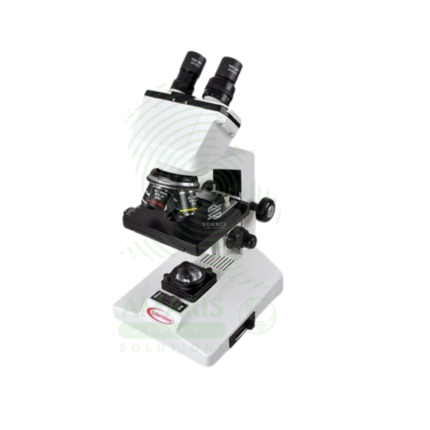
Binocular Microscope
A Binocular Microscope is a high-precision, compound optical instrument fundamental to clinical diagnostics. Featuring dual eyepieces for comfortable viewing and a suite of parfocal objective lenses (4x, 10x, 40x, 100x oil), it provides magnifications from 40x to 1000x. Its integrated LED illumination, mechanical stage, and Abbe condenser enable the detailed examination of stained blood films, tissue sections, microbiological specimens, and cytological preparations. As the primary tool for pathologists and laboratory scientists, it is indispensable for definitive diagnoses in hematology, histopathology, microbiology, and urinalysis, demanding skilled operation and meticulous maintenance for optimal performance.
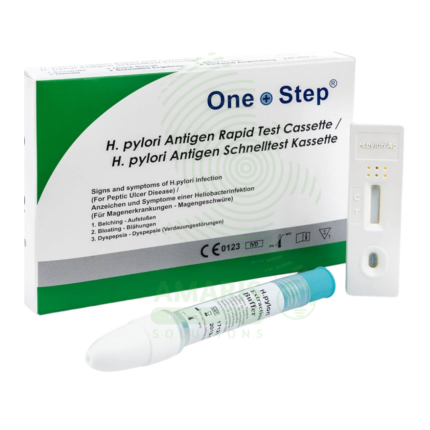
H.pylori test kits (Antigen)
H.pylori test kits (Antigen) are Class II medical devices (FDA-cleared/CE-marked) for rapid immunochromatographic or enzyme immunoassay detection of Helicobacter pylori antigens in stool specimens, enabling non-invasive diagnosis of active infection and post-treatment eradication confirmation. Test principles use monoclonal or polyclonal antibodies specific to H. pylori antigens, producing visible results in 10-20 minutes (rapid tests) or 1-2 hours (EIA). Sensitivity 90-98%, specificity 92-99% compared to gold standard methods. Primary clinical applications include rapid diagnosis of H. pylori infection in patients with dyspepsia, initial screening in uncomplicated dyspepsia (test-and-treat strategy), confirmation of active infection before therapy, post-treatment eradication confirmation (4-6 weeks after therapy), pediatric testing (preferred non-invasive method), screening in high-risk populations (family history of gastric cancer), and monitoring in patients with peptic ulcer disease or MALT lymphoma. Critical safety precautions include mandatory washout period (4 weeks off antibiotics, 2 weeks off PPIs) to avoid false negatives, proper specimen handling (universal precautions), refrigerated storage of kits (2-30°C), quality control verification, and disposal as biohazardous waste. Essential non-invasive tool for H. pylori management in gastroenterology and primary care.
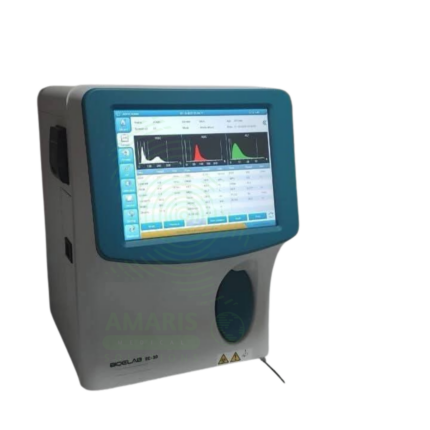
Hematology Analyzer
A Hematology Analyzer is a compact, automated benchtop analyzer designed to perform Complete Blood Counts (CBC) with a 3-part white blood cell differential. Utilizing impedance and photometric methods, it delivers rapid, precise results for red blood cells, white blood cells, platelets, and key indices from a small blood sample. Ideal for physician offices, small clinics, and satellite laboratories, it enables in-house hematology testing with walk-away operation. Its automated flagging system highlights abnormal results that require further manual smear review. As a core instrument for initial hematological screening, it combines efficiency with essential diagnostic capability for routine patient management.
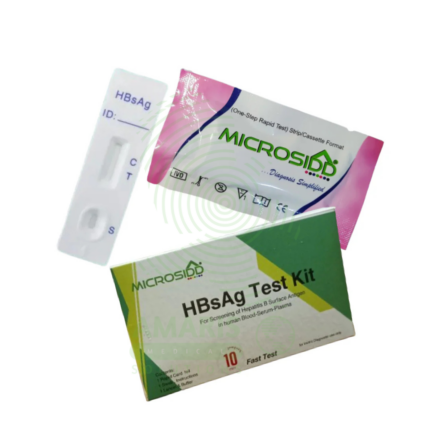
Hepatitis B Test Kit
The Hepatitis B Test Kit is an in vitro diagnostic device for the detection of Hepatitis B virus markers in human blood samples, available in rapid, ELISA, and molecular formats. It detects specific antigens (HBsAg) and antibodies (anti-HBc, anti-HBs) to diagnose acute and chronic infection, monitor treatment response, screen blood donations, and determine immunity status. With high sensitivity (>98%) and specificity (>99%), it provides results in 15 minutes to 4 hours depending on format. Essential applications include prenatal screening to prevent mother-to-child transmission, evaluation of acute hepatitis, pre-immunosuppression screening, and occupational health testing. All patient samples must be handled with universal precautions, and testing must include appropriate quality controls.
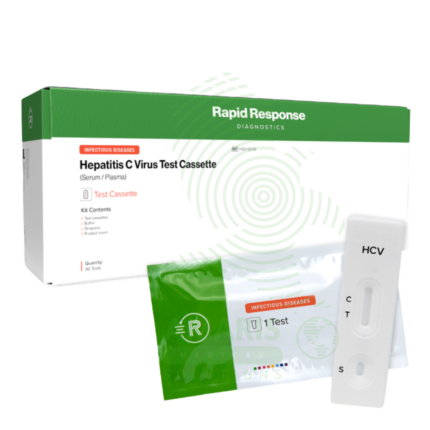
Hepatitis C Test Kit
The Hepatitis C Test Kit is an in vitro diagnostic device for the detection of Hepatitis C virus antibodies or RNA in human blood, serum, or plasma samples. Available in rapid, laboratory immunoassay, and molecular formats, it screens for HCV infection, confirms active infection with RNA testing, and monitors treatment response. With high sensitivity and specificity exceeding 99%, it is essential for identifying infected individuals, linking them to curative direct-acting antiviral therapy, and confirming cure. Essential applications include risk-based screening of high-risk populations, birth cohort screening of baby boomers, evaluation of acute hepatitis, management of occupational exposures, and monitoring of antiviral therapy that can cure over 95% of infections. All patient samples must be handled with universal precautions, and positive antibody results require confirmatory testing.
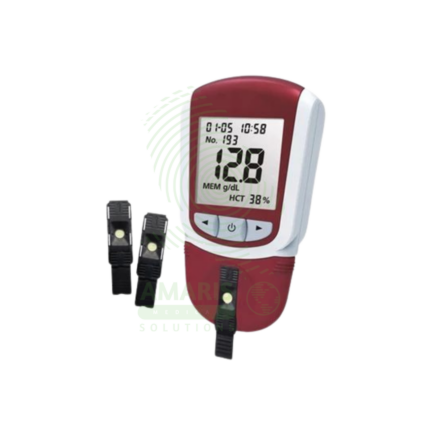
Mission Plus HB Machine
The Mission Plus HB Machine is a portable, battery-operated hemoglobin meter (Class II medical device, FDA-cleared/CE-marked) using photometric technology to measure hemoglobin concentration in capillary or venous blood within 5-15 seconds. Features include backlit LCD display, memory storage for 100-500 results, simple one-button operation, and disposable single-use cuvettes (5-20 µL sample volume). Accuracy ±0.3 g/dL compared to reference methods, measurement range 4-24 g/dL. Primary clinical applications include rapid anemia screening in outpatient clinics, preoperative assessment, antenatal care and maternal health monitoring, malaria-endemic region screening, chronic disease management (CKD, IBD, cancer), nutritional assessment and intervention programs, and blood donor screening. Critical safety precautions include single-use lancets, proper hand hygiene, correct sample application, quality control with control solutions, proper cuvette storage (protect from heat, light, humidity), and never using expired cuvettes. Essential point-of-care device for hemoglobin testing in diverse healthcare settings.
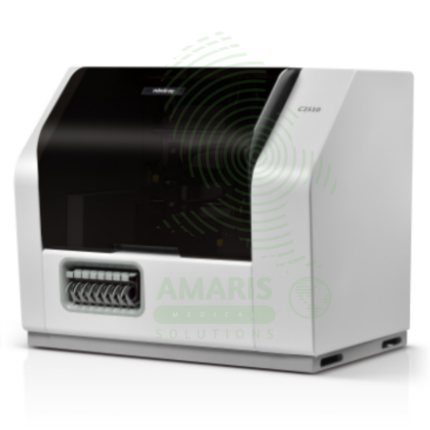
PRECIL Series
The PRECIL Series, originally developed by Beijing Precil and now associated with Mindray, comprises specialized coagulation analyzers and hemorheology analyzers for clinical laboratory testing. Coagulation analyzers measure PT, APTT, fibrinogen, TT, D-dimer, factor assays, and thrombophilia markers for diagnosing bleeding disorders, monitoring anticoagulant therapy, and assessing liver function. Hemorheology analyzers measure whole blood viscosity, plasma viscosity, erythrocyte aggregation, and deformability for evaluating hyperviscosity syndromes, sickle cell disease, diabetes, and cardiovascular disorders. The series includes specialized cleaning solutions and reagents (such as PLS cleaner) for maintaining analyzer performance and ensuring accurate results. Features include automated sample processing, color touchscreen interface, LIS connectivity, and comprehensive quality control programs. Primary clinical applications include coagulation testing for preoperative assessment, anticoagulant monitoring, DIC diagnosis, thrombophilia workup, and hemorheology assessment for conditions affecting blood flow. Essential laboratory instrumentation for hematology, coagulation, and specialized testing in hospital laboratories, reference laboratories, and research facilities.