Dermatoscope and Magnifiers
 Diagnostic Kits
 Vital Signs Monitors
 Stethoscopes and Accessories
 Otoscopes, Ophthalmoscopes, and Retinoscopes
 Reflex Hammers and Neurological Tools
 Scales and Measuring Devices
 Spirometers and Pulmonary Function Tests
 Electrosurgical Units and Accessories
 Cutting Instruments
 Grasping and Holding Instruments
 Hemostatic Instruments
 Specialized Surgical Sets
 Single-Use Procedure Trays and Packs
 Surgical Drapes, Gowns, and Covers
 Tissue Unifying Instruments
 Radiation Protection
 X-Ray Machines and Accessories
 Ultrasound Systems and Probes
 MRI and CT Scanners
 Radiology Consumables
 Bone Densitometers
 Fluoroscopy Equipment
 Imaging Tables and Positioning Aids
 Microscopes and Accessories
 Centrifuges and Separators
 Analyzers
 Incubators and Ovens
 Pipettes, Dispensers, and Lab Glassware
 Refrigerators, Freezers, and Storage Units
 Lab Consumables
 Sterilizers and Autoclaves for Lab Use
 Multi-Parameter Monitors
 Ventilators and Respiratory Support Devices
 Defibrillators and AEDs
 Infusion Pumps and IV Systems
 Patient Warmers and Cooling Devices
 Central Monitoring Stations
 Accessories
 Anesthesia Machines and Workstations
 Oxygen Concentrators and Delivery Systems
 Nebulizers and Inhalers
 CPAP/BiPAP Machines
 Airway Management
 Anesthesia Masks, Circuits, and Bags
 Humidifiers and Heaters
 Respiratory Therapy Accessories
 First Aid Kits and Cabinets
 Emergency Resuscitation Equipment
 Trauma Supplies
 Emergency Carts and Crash Carts
 Burn Care Products
 Bleeding Control
 Automated External Defibrillators (AEDs)
 Transport and Evacuation
 Wheelchairs and Accessories
 Walkers, Crutches, and Canes
 Prosthetics and Orthotics
 Physical Therapy Equipment
 Transfer Devices
 Bathroom Safety
 Orthopedic Traction and Tables
 Hot/Cold Therapy Packs and Units
 Beds and Mattresses
 Chairs and Stools
 Tables
 Cabinets and Storage
 Privacy Screens & Curtains
 Stands and Racks
 Linens and Textiles
 Lighting
 Autoclaves and Sterilizers
 Ultrasonic Cleaners
 Disinfectant Solutions and Wipes
 Sterilization Pouches, Wraps, and Indicators
 Instrument Trays and Containers
 UV and Ozone Disinfection Devices
 Washer Disinfectors
 Wound Care
 Gloves
 Masks and Respirators
 Catheters and Tubing
 Swabs, Applicators, and Sponges
 Incontinence Products
 Personal Protective Equipment (PPE)
 Dental Chairs and Units
 Handpieces and Burs
 Instruments
 Consumables
 Sterilization for Dental Use
 Orthodontic Supplies
 Endodontic Tools
 Slit Lamps and Tonometers
 Lensometers and Phoropters
 Ophthalmic Surgical Instruments
 Eyewear Frames and Lenses
 Contact Lens Supplies
 Vision Testing Charts and Devices
 Eye Care Consumables
 Laser Systems for Eye Care
 ENT Exam Chairs and Tables
 Endoscopes
 Audiometers and Hearing Tests
 ENT Instruments
 Nasal and Throat Packs
 Hearing Aids and Accessories
 Otology Supplies
 Fetal Dopplers and Monitors
 Delivery Beds and Tables
 Gynecological Instruments
 Neonatal Incubators and Warmers
 Breast Pumps and Accessories
 Contraceptive Devices
 Maternity Supports and Pads
 Neonatal Consumables
 Cystoscopes and Urethroscopes
 Dialysis Machines and Supplies
 Urological Catheters and Bags
 Lithotripters
 Prostate Treatment Devices
 Urinary Incontinence Products
 Kidney Stone Management Tools
 Consumables & Disposables
 EEG and EMG Machines
 Neurosurgical Instruments
 Nerve Stimulators
 Headrests and Positioning Aids
 Lumbar Puncture Kits
 Seizure Monitoring Devices
 Consumables
 Rehabilitation for Neurological Conditions
 ECG Machines and Accessories
 Holter Monitors
 Stress Test Systems
 Pacemakers and Defibrillator Accessories
 Vascular Access Devices
 Cardiac Catheters and Guidewires
 Blood Flow Meters
 Consumables
 Orthopedic Instruments
 Casts, Splints, and Padding
 Joint Replacement Supplies
 Prosthetic Limbs and Components
 Bone Grafts and Substitutes
 Traction Devices
 Orthopedic Braces and Supports
 Rehabilitation Aids for Orthopedics
 Home Oxygen Therapy
 Hospital Beds for Home Use
 Mobility Aids
 Bathroom and Daily Living Aids
 Wound Care for Home
 Monitoring Devices
 Enteral Feeding Pumps and Tubes
 Hand Sanitizers and Dispensers
 Face Shields and Goggles
 Isolation Gowns and Suits
 Biohazard Waste Containers
 Air Purifiers and HEPA Filters
 Surface Disinfectants
 Sharps Containers
 Protective Barriers
 Cardiovascular & Endurance Training
 Strength Training & Weightlifting
 Functional Training & Core Conditioning
 Physical Therapy & Rehabilitation
 Sports & Outdoor Recreation
 Gym Flooring & Facility Equipment
 Fitness Monitoring & Accessories
 Kids & Novelties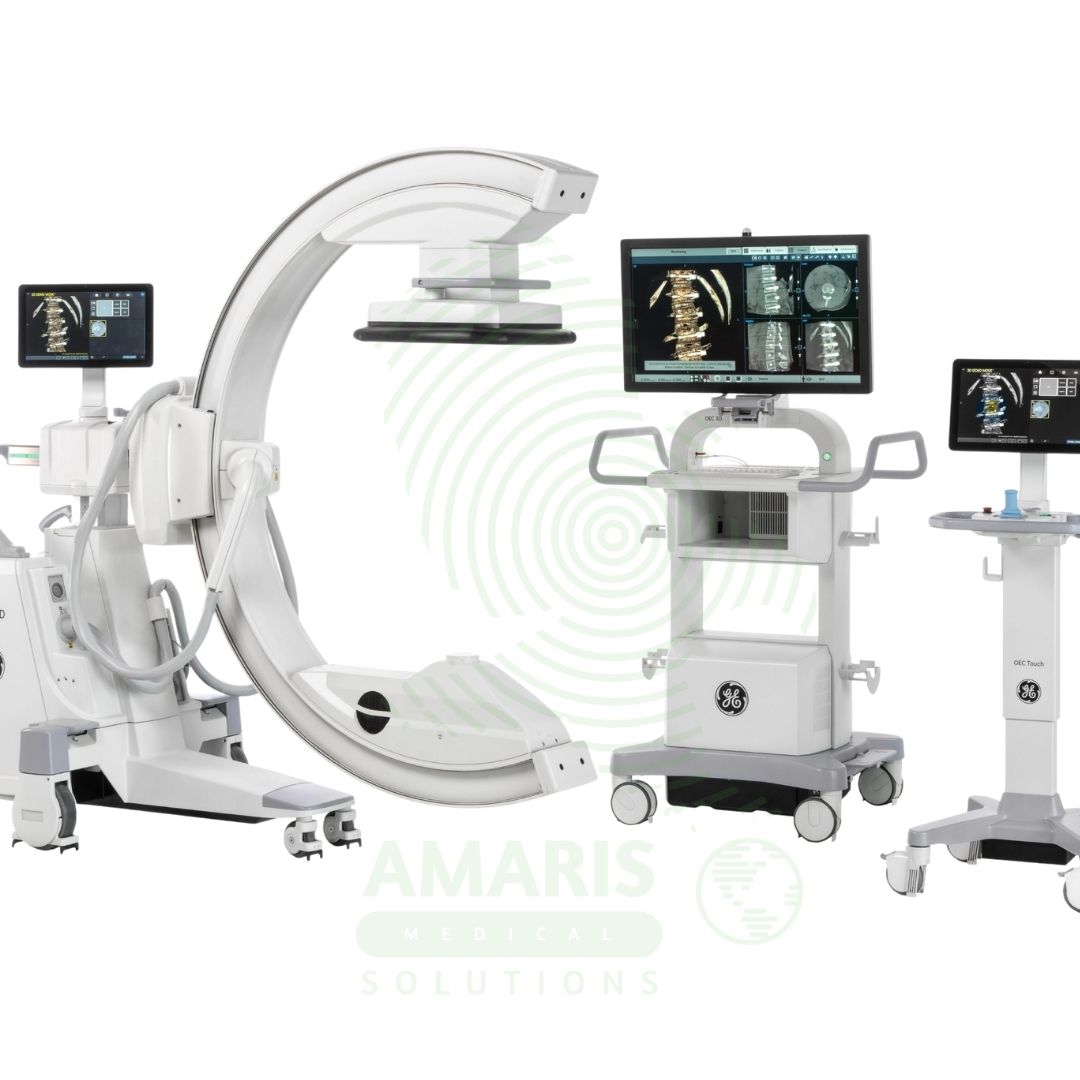
C-Arm Surgical System
WhatsApp Order
A C-Arm Surgical System is a mobile fluoroscopic X-ray imaging device with a distinctive C-shaped arm connecting the X-ray tube and detector. It is an indispensable tool in modern operating rooms and interventional suites, providing real-time live imaging to guide complex procedures in orthopedics, spine surgery, pain management, and vascular interventions. Its mobility allows precise positioning around the patient, while features like pulsed fluoroscopy and dose monitoring are critical for radiation safety. Modern flat-panel systems offer high-resolution imaging and advanced capabilities like 3D Cone-Beam CT. Safe operation demands rigorous adherence to radiation protection protocols (ALARA) for both patients and the surgical team.
Description
C-Arm Surgical System
PRIMARY CLINICAL & DIAGNOSTIC USES
1. Real-Time Intraoperative Fluoroscopic Imaging
-
Primary Use: Provides live, moving X-ray images during surgical and interventional procedures, allowing surgeons to visualize anatomy, instrument placement, and device deployment in real-time without closing the surgical site.
-
How it helps: For the surgeon and operating room team, the C-arm transforms surgery from a partially blind procedure into a visually guided precision operation—revealing anatomy hidden beneath tissue and bone, confirming hardware position before the patient leaves the OR, and allowing for immediate adjustments without reopening the incision. For the patient, this real-time imaging means their surgeon can place implants, reduce fractures, and deploy devices with confidence, reducing the need for repeat surgeries and ensuring the best possible outcome from the first attempt.
2. Orthopedic and Trauma Surgery
-
Primary Use: Essential for fracture reduction and fixation, spinal instrumentation, and joint replacement surgery to ensure accurate alignment and positioning of implants, screws, plates, and rods.
-
How it helps: For the orthopedic and trauma surgeon, the C-arm is indispensable for confirming that a reduced fracture is perfectly aligned, that pedicle screws are safely within bone and clear of nerves, and that joint replacement components are positioned correctly for optimal function. For the patient with a broken leg, a fractured spine, or a replaced joint, intraoperative imaging means their surgeon can achieve perfect alignment and hardware placement without guesswork, maximizing the chance of full recovery and return to function.
3. Vascular and Interventional Radiology
-
Primary Use: Used for guiding minimally invasive vascular procedures such as angiography, stent placements, thrombectomies, embolizations, and venous access.
-
How it helps: For the vascular surgeon and interventional radiologist, the C-arm’s real-time imaging allows them to navigate catheters through blood vessels, deploy stents precisely at blockages, and confirm complete occlusion of aneurysms or bleeding vessels. For the patient with a life-threatening aneurysm, a critical artery blockage, or active bleeding, this image guidance means their condition can be treated through a tiny puncture rather than open surgery, with less pain, faster recovery, and fewer complications.
4. Pain Management and Neuromodulation
-
Primary Use: Critical for precise needle guidance during spinal injections, nerve blocks, radiofrequency ablations, and placement of spinal cord stimulator leads.
-
How it helps: For the pain management specialist and interventional radiologist, the C-arm ensures that therapeutic injections and ablation probes reach exactly the intended target—epidural space, nerve root, or facet joint—rather than missing and providing no relief. For the patient suffering from chronic back pain, radiculopathy, or nerve-related pain, precise image guidance means their procedure has the best chance of providing meaningful relief, potentially avoiding more invasive surgery.
5. Cardiology and Electrophysiology
-
Primary Use: Used in cardiac catheterization labs for pacemaker and ICD implantation and in electrophysiology studies for ablation procedures.
-
How it helps: For the cardiologist and electrophysiologist, C-arm imaging provides the visualization needed to position leads precisely within the heart, to guide ablation catheters to abnormal electrical pathways, and to confirm proper device placement before closing. For the patient with a life-threatening arrhythmia or heart block, this imaging guidance means their pacemaker leads are positioned for optimal function and their ablation targets the exact tissue causing their symptoms.
SECONDARY & SUPPORTIVE USES
1. Urology: Guides procedures such as percutaneous nephrolithotomy for kidney stones and ureteral stenting. For the patient with complex stone disease, intraoperative imaging means their surgeon can access and clear stones with precision, preserving kidney function and avoiding open surgery.
2. Gastroenterology: Assists in ERCP procedures for stone removal and stent placement in the biliary tree. For the patient with obstructive jaundice or pancreatic disease, C-arm guidance ensures their obstructed ducts can be cleared and stented, relieving symptoms and preventing life-threatening complications.
3. Foreign Body Removal: Provides imaging for locating and removing foreign objects in soft tissue or body cavities. For the patient with a retained bullet fragment, embedded glass, or other foreign body, intraoperative imaging means their surgeon can find and remove it through a minimally invasive approach.
4. Dental and Maxillofacial Surgery: Used for complex dental implant placements and jaw surgeries. For the patient undergoing jaw reconstruction or dental implantation, intraoperative guidance ensures optimal functional and cosmetic outcomes.
5. Surgical Training and Education: Allows trainees to observe the correlation between surgical anatomy and live radiographic images. For the next generation of surgeons learning complex procedures, real-time imaging provides invaluable insight into the three-dimensional anatomy they will navigate throughout their careers.
KEY PRODUCT FEATURES
1. BASIC IDENTIFICATION ATTRIBUTES
-
Type: A mobile, C-shaped arc X-ray imaging system used primarily for intraoperative fluoroscopy.
-
Designation: Mobile C-Arm, Image Intensifier, or Digital Flat-Panel C-Arm (for modern systems).
-
Common Variants/Specifications:
-
Mini C-Arm: Compact, used primarily for extremity surgery (hand, wrist, foot, ankle).
-
Full-Size C-Arm: Standard for spinal, orthopedic, vascular, and pain management procedures.
-
Image Receptor Type: Image Intensifier (II) – older technology, bulky. Flat Panel Detector (FPD) – modern, slimmer profile, superior image quality with less distortion.
-
Isocentric C-Arm: The C-arm rotates around a fixed point in space (the isocenter), which remains in the image field, simplifying complex orbital movements around a surgical site (e.g., for 3D imaging).
-
2. TECHNICAL & PERFORMANCE PROPERTIES
-
Imaging Principle: An X-ray tube on one arm generates a beam that passes through the patient and is captured by a detector (Image Intensifier or Flat Panel) on the opposite arm. The system provides continuous or pulsed fluoroscopic imaging.
-
Key Performance Metrics:
-
Field of View (FOV): Determined by the detector size and can often be changed (e.g., 12cm, 17cm, 23cm). A larger FOV shows more anatomy; a smaller FOV provides greater magnification and detail.
-
Spatial Resolution: The ability to see fine detail, crucial for visualizing small screws or guidewires.
-
Frame Rate: The number of images per second during fluoroscopy. Higher frame rates provide smoother motion but increase radiation dose.
-
Low-Dose Modes: Pulsed fluoroscopy and other dose-reduction technologies are critical for patient and staff safety.
-
-
Advanced Features:
-
3D Imaging (Cone-Beam CT): Modern C-Arms can rotate around the patient to acquire a volumetric dataset, providing CT-like 3D images in the operating room for complex spinal or fracture assessment.
-
Roadmapping: Overlays a live fluoroscopic image onto a previously captured "map" of contrast-filled vessels.
-
Digital Subtraction Angiography (DSA): Removes bone and soft tissue shadows to clearly visualize contrast-filled vessels.
-
3. PHYSICAL & OPERATIONAL PROPERTIES
-
Mobility: Mounted on a wheeled, motorized chassis with electromagnetic brakes. Allows easy positioning around the operating table.
-
C-Arm Movements: Motorized or manual movements include:
-
Orbital (Around the patient's long axis)
-
Wig-Wag (Lateral swinging)
-
Vertical/Horizontal Translation
-
Detector and Tube Tilt
-
-
Ergonomics: Designed for sterile draping and to provide clear sightlines for the surgeon while minimizing interference with the surgical team and equipment.
4. SAFETY & COMPLIANCE ATTRIBUTES
-
Regulatory Status: Class II medical device (radiation-emitting).
-
Radiation Safety: Must comply with stringent regulations for fluoroscopic equipment. Features include Last Image Hold, Collimation, Automatic Exposure Control (AEC), and Dose Monitoring (display of cumulative Dose-Area Product - DAP).
-
Laser Positioning Aids: Many systems incorporate cross-hair lasers for accurate positioning, reducing trial-and-error exposure.
5. STORAGE & HANDLING ATTRIBUTES
-
Storage: Parked in a designated low-traffic area with the C-arm positioned to minimize footprint, brakes engaged, and cables safely stowed.
-
Cleaning & Disinfection: The external surfaces, especially handles and control panels, must be cleaned and disinfected between cases according to hospital protocol. The entire unit is covered with a sterile, disposable drape during procedures.
-
Battery Care (for mobility): Follow charging protocols to maintain battery health for cordless operation.
6. LABORATORY & CLINICAL APPLICATIONS
-
Primary Application: A cornerstone of operating rooms (OR), interventional radiology (IR) suites, cardiac cath labs, and pain management clinics.
-
Team Operation: Requires a trained radiological technologist or a surgeon/assistant proficient in its safe operation to manage imaging and radiation safety.
SAFETY HANDLING PRECAUTIONS
1. SAFETY PRECAUTIONS
-
Radiation Protection for Staff (CRITICAL): All personnel must wear appropriate lead aprons, thyroid shields, and protective eyewear. Maximize distance from the X-ray source. Use movable lead acrylic shields whenever possible. The ALARA principle is mandatory.
-
Patient Dose Minimization: Use lowest dose mode (pulsed fluoro), minimal frame rate, tight collimation, and avoid magnification unless necessary. Keep exposure time as short as possible.
-
Positioning: Ensure no part of the patient (e.g., arms) or staff is in the direct beam outside the area of interest. The X-ray tube should be under the table whenever possible to use the table as a radiation scatter shield.
-
Pre-Use Check: Verify system functionality, laser alignment, and emergency stop operation before the procedure.
2. FIRST AID MEASURES
-
Radiation Overexposure (Extremely Rare): In case of equipment malfunction leading to unintended exposure, remove individuals from the area. Report immediately to the Radiation Safety Officer (RSO).
-
Contrast Media Reaction: Stop injection. Call for emergency support. Treat per severity (antihistamines, epinephrine).
-
Mechanical Incident (Pinch/Crush): Activate emergency stop. Free the trapped person/object. Seek medical attention if injured.
3. FIRE FIGHTING MEASURES
-
Electrical Fire Hazard: Contains high-voltage components and electronics.
-
Extinguishing Media: Use CO₂ or dry chemical extinguishers. Evacuate and alert the fire department.
Related products
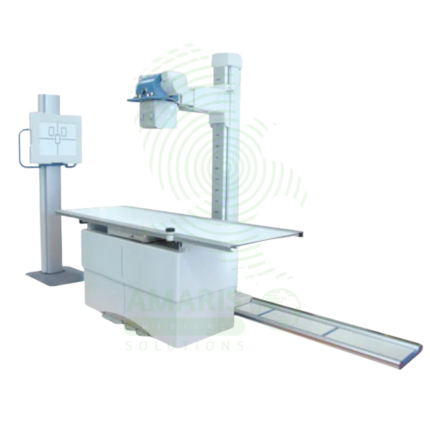
Analogue Fixed X-ray Machine
An Analogue Fixed X-ray Machine is a permanent installation X-ray system using traditional film cassettes for general radiography in radiology departments and imaging centers. Featuring ceiling-mounted tube assemblies, tilting tables, and wall stands, it provides essential diagnostic imaging for skeletal, chest, abdominal, and extremity examinations using film technology. Film cassettes are processed in darkroom facilities, producing permanent physical images for patient records and consultation. Used in facilities without digital radiography, as backup for digital systems, and in resource-limited settings.
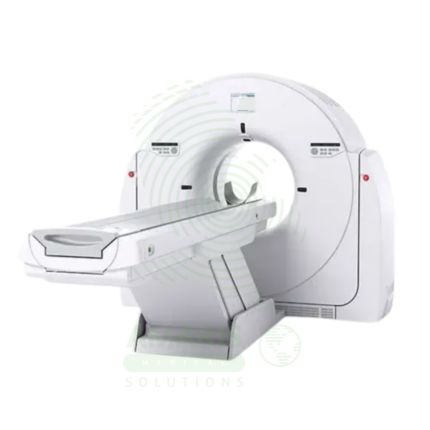
CT Scanner
A CT Scanner is an advanced diagnostic imaging device that uses a rotating X-ray source and detector array to create detailed cross-sectional images ("slices") of the body. By combining these slices, it generates comprehensive 2D and 3D views of bones, organs, and blood vessels, making it indispensable for trauma evaluation, cancer staging, vascular assessment, and guiding complex procedures. While offering unparalleled diagnostic clarity, its operation requires strict adherence to radiation safety principles (ALARA) and protocols for the safe use of contrast agents to maximize patient benefit and minimize risk.

Lead Glass
Lead Glass is a transparent radiation shielding material used in X-ray rooms, CT suites, fluoroscopy suites, and radiation therapy control areas. Impregnated with lead oxide, it provides radiation attenuation equivalent to lead sheet while allowing direct visual observation of patients during procedures. Used for observation windows in control booths and procedure rooms, lead glass maintains the integrity of the radiation shielding envelope while enabling staff to monitor patient positioning, movement, and comfort. Proper installation with lead-lined frames and seals is essential for continuous radiation protection.
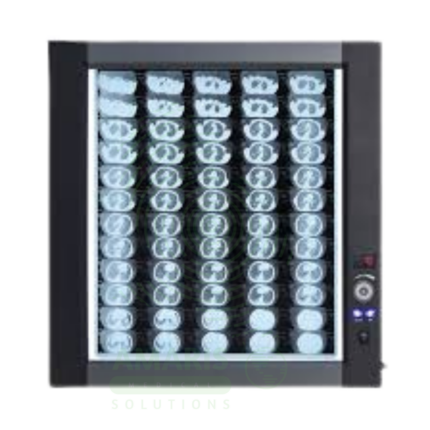
LED Medical Film Viewer
An LED Medical Film Viewer is a light box designed for viewing and interpreting analog X-ray films. Using LED backlight technology, it provides uniform, high-luminance illumination with instant on capability and long life. Available in single, dual, and multi-panel configurations, it supports side-by-side comparison of current and prior studies, pre-operative planning, and group teaching. Essential for radiology departments, orthopedic clinics, emergency departments, and operating rooms where film-based imaging is still used.
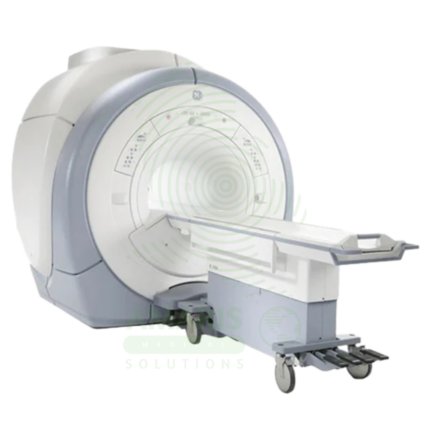
Magnetic Resonance Imaging
Magnetic Resonance Imaging (MRI) is a non-invasive diagnostic imaging modality that uses powerful magnetic fields and radiofrequency waves to produce detailed images of soft tissues, organs, and internal structures without ionizing radiation. It is the gold standard for imaging the brain, spinal cord, joints, muscles, and ligaments, and is essential for neurological, musculoskeletal, oncologic, and cardiovascular diagnosis. MRI provides exceptional soft tissue contrast, enabling precise anatomical characterization, tumor staging, and treatment planning. Strict safety protocols for ferromagnetic screening and contrast administration are essential for patient safety.
Mobile Film
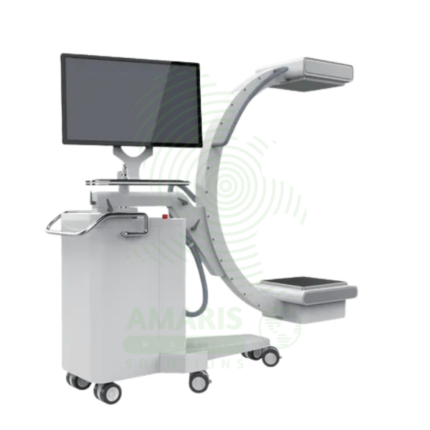
Mobile Film is a battery-powered, portable X-ray system using traditional film cassettes for bedside imaging in intensive care units, neonatal intensive care units, emergency departments, and operating rooms. The mobile unit enables chest, abdominal, and extremity imaging at the patient's bedside, eliminating the risks associated with transporting critically ill patients. Film cassettes are processed in darkroom or daylight processors for image development. Used in hospitals without digital radiography capabilities or as backup for digital systems.
Panoramic X-ray Dental Machine
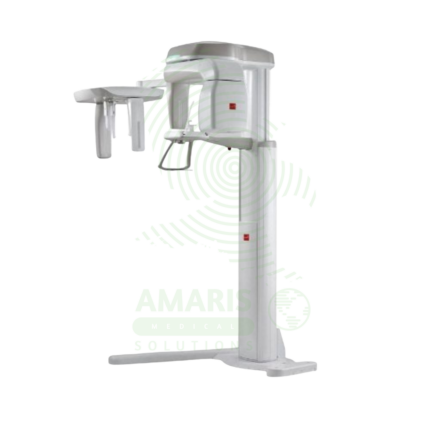
A Panoramic X-ray Dental Machine is a rotating extraoral radiographic system that produces a single, broad 2D image of the entire jaws, teeth, TMJs, and sinuses. By focusing on a curved "focal trough," it provides an efficient screening tool for wisdom teeth evaluation, orthodontic planning, and detecting large jaw pathologies. While offering a valuable overview with a relatively low radiation dose, its diagnostic utility is entirely dependent on precise patient positioning to avoid blurring and distortion. It is a cornerstone of modern dental diagnostic imaging, serving as a crucial first step in comprehensive oral assessment and treatment planning.