Dermatoscope and Magnifiers
 Diagnostic Kits
 Vital Signs Monitors
 Stethoscopes and Accessories
 Otoscopes, Ophthalmoscopes, and Retinoscopes
 Reflex Hammers and Neurological Tools
 Scales and Measuring Devices
 Spirometers and Pulmonary Function Tests
 Electrosurgical Units and Accessories
 Cutting Instruments
 Grasping and Holding Instruments
 Hemostatic Instruments
 Specialized Surgical Sets
 Single-Use Procedure Trays and Packs
 Surgical Drapes, Gowns, and Covers
 Tissue Unifying Instruments
 Radiation Protection
 X-Ray Machines and Accessories
 Ultrasound Systems and Probes
 MRI and CT Scanners
 Radiology Consumables
 Bone Densitometers
 Fluoroscopy Equipment
 Imaging Tables and Positioning Aids
 Microscopes and Accessories
 Centrifuges and Separators
 Analyzers
 Incubators and Ovens
 Pipettes, Dispensers, and Lab Glassware
 Refrigerators, Freezers, and Storage Units
 Lab Consumables
 Sterilizers and Autoclaves for Lab Use
 Multi-Parameter Monitors
 Ventilators and Respiratory Support Devices
 Defibrillators and AEDs
 Infusion Pumps and IV Systems
 Patient Warmers and Cooling Devices
 Central Monitoring Stations
 Accessories
 Anesthesia Machines and Workstations
 Oxygen Concentrators and Delivery Systems
 Nebulizers and Inhalers
 CPAP/BiPAP Machines
 Airway Management
 Anesthesia Masks, Circuits, and Bags
 Humidifiers and Heaters
 Respiratory Therapy Accessories
 First Aid Kits and Cabinets
 Emergency Resuscitation Equipment
 Trauma Supplies
 Emergency Carts and Crash Carts
 Burn Care Products
 Bleeding Control
 Automated External Defibrillators (AEDs)
 Transport and Evacuation
 Wheelchairs and Accessories
 Walkers, Crutches, and Canes
 Prosthetics and Orthotics
 Physical Therapy Equipment
 Transfer Devices
 Bathroom Safety
 Orthopedic Traction and Tables
 Hot/Cold Therapy Packs and Units
 Beds and Mattresses
 Chairs and Stools
 Tables
 Cabinets and Storage
 Privacy Screens & Curtains
 Stands and Racks
 Linens and Textiles
 Lighting
 Autoclaves and Sterilizers
 Ultrasonic Cleaners
 Disinfectant Solutions and Wipes
 Sterilization Pouches, Wraps, and Indicators
 Instrument Trays and Containers
 UV and Ozone Disinfection Devices
 Washer Disinfectors
 Wound Care
 Gloves
 Masks and Respirators
 Catheters and Tubing
 Swabs, Applicators, and Sponges
 Incontinence Products
 Personal Protective Equipment (PPE)
 Dental Chairs and Units
 Handpieces and Burs
 Instruments
 Consumables
 Sterilization for Dental Use
 Orthodontic Supplies
 Endodontic Tools
 Slit Lamps and Tonometers
 Lensometers and Phoropters
 Ophthalmic Surgical Instruments
 Eyewear Frames and Lenses
 Contact Lens Supplies
 Vision Testing Charts and Devices
 Eye Care Consumables
 Laser Systems for Eye Care
 ENT Exam Chairs and Tables
 Endoscopes
 Audiometers and Hearing Tests
 ENT Instruments
 Nasal and Throat Packs
 Hearing Aids and Accessories
 Otology Supplies
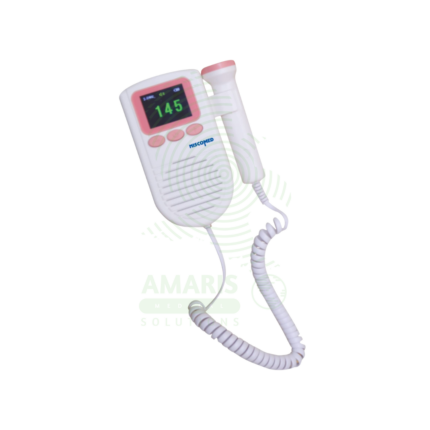
 Fetal Dopplers and Monitors
 Delivery Beds and Tables
 Gynecological Instruments
 Neonatal Incubators and Warmers
 Breast Pumps and Accessories
 Contraceptive Devices
 Maternity Supports and Pads
 Neonatal Consumables
 Cystoscopes and Urethroscopes
 Dialysis Machines and Supplies
 Urological Catheters and Bags
 Lithotripters
 Prostate Treatment Devices
 Urinary Incontinence Products
 Kidney Stone Management Tools
 Consumables & Disposables
 EEG and EMG Machines
 Neurosurgical Instruments
 Nerve Stimulators
 Headrests and Positioning Aids
 Lumbar Puncture Kits
 Seizure Monitoring Devices
 Consumables
 Rehabilitation for Neurological Conditions
 ECG Machines and Accessories
 Holter Monitors
 Stress Test Systems
 Pacemakers and Defibrillator Accessories
 Vascular Access Devices
 Cardiac Catheters and Guidewires
 Blood Flow Meters
 Consumables
 Orthopedic Instruments
 Casts, Splints, and Padding
 Joint Replacement Supplies
 Prosthetic Limbs and Components
 Bone Grafts and Substitutes
 Traction Devices
 Orthopedic Braces and Supports
 Rehabilitation Aids for Orthopedics
 Home Oxygen Therapy
 Hospital Beds for Home Use
 Mobility Aids
 Bathroom and Daily Living Aids
 Wound Care for Home
 Monitoring Devices
 Enteral Feeding Pumps and Tubes
 Hand Sanitizers and Dispensers
 Face Shields and Goggles
 Isolation Gowns and Suits
 Biohazard Waste Containers
 Air Purifiers and HEPA Filters
 Surface Disinfectants
 Sharps Containers
 Protective Barriers
 Cardiovascular & Endurance Training
 Strength Training & Weightlifting
 Functional Training & Core Conditioning
 Physical Therapy & Rehabilitation
 Sports & Outdoor Recreation
 Gym Flooring & Facility Equipment
 Fitness Monitoring & Accessories
 Kids & Novelties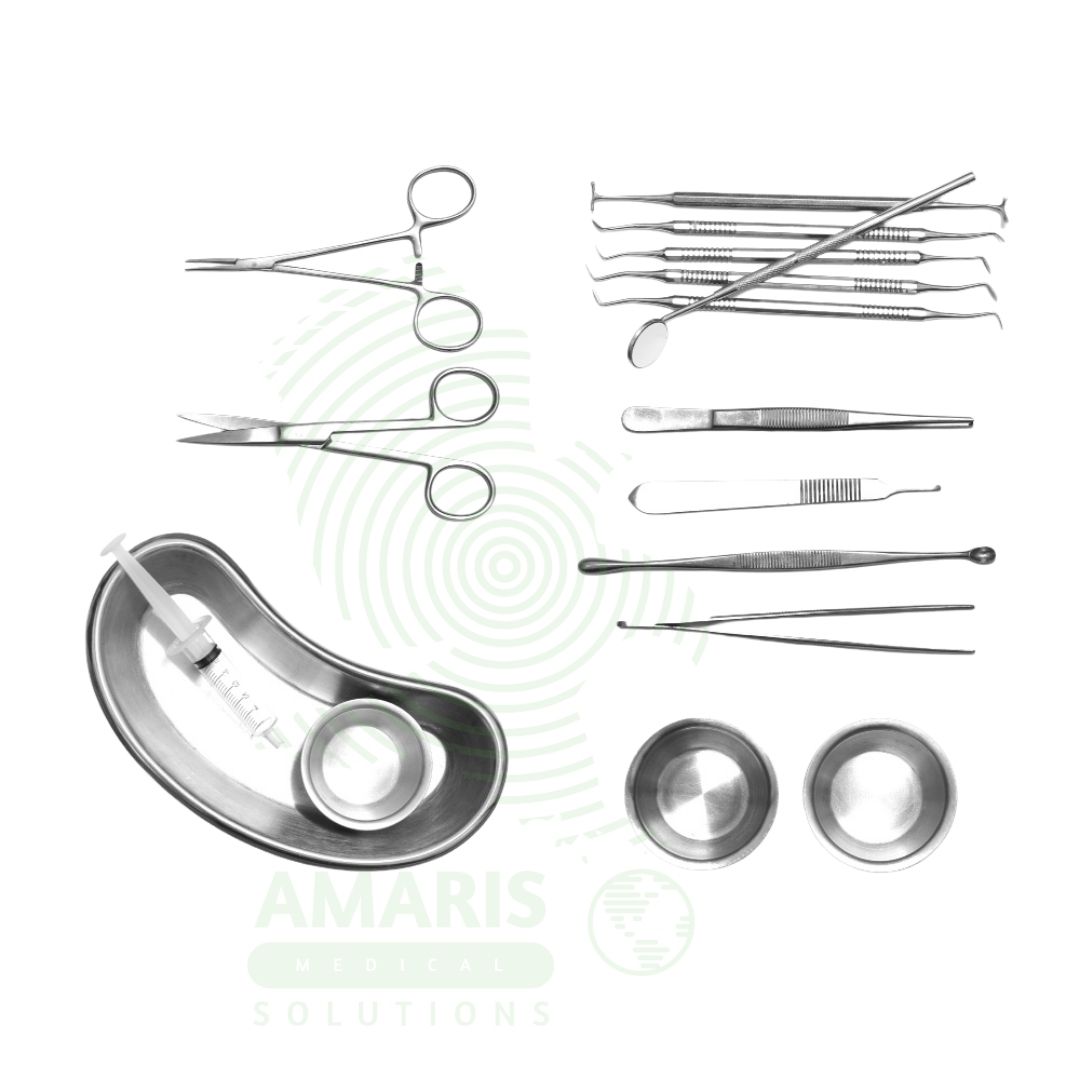
Caesarean Section Set
WhatsApp Order
A Caesarean Section Set is a sterile instrument tray containing all instruments required for Caesarean delivery, including instruments for abdominal incision, uterine incision, fetal delivery, placental removal, and multi-layer closure. Essential for labor and delivery units and obstetric operating rooms, the set ensures that all necessary instruments are sterile, organized, and immediately available for safe and efficient surgical delivery. Proper instrument counting, sterile technique, and careful tissue handling are critical for optimal maternal and neonatal outcomes.
Description
Caesarean Section Set
PRIMARY CLINICAL & DIAGNOSTIC USES
1. Surgical Instrumentation for Caesarean Delivery
-
Primary Use: Provides a complete, sterile set of instruments required for performing Caesarean section, including instruments for abdominal incision, uterine incision, fetal delivery, placental removal, and closure of all tissue layers.
-
How it helps: For the obstetric surgeon and operating room team, the Caesarean section set ensures that every instrument needed for the procedure is sterile, organized, and immediately available—allowing for efficient, safe delivery of the infant while minimizing surgical time and complication risk. For the mother, a complete instrument set means the surgery proceeds smoothly, reducing operative time and promoting optimal recovery.
2. Abdominal Incision and Exploration
-
Primary Use: Contains instruments for making and extending the abdominal incision (typically Pfannenstiel or midline), retracting abdominal wall layers, and exploring the abdominal cavity to expose the uterus.
-
How it helps: For the surgeon performing the Caesarean section, the set provides retractors, forceps, and scissors needed for safe access to the uterus—allowing clear visualization of the surgical field and protecting surrounding structures during delivery. For the mother, proper instrumentation allows for a carefully placed incision that promotes healing and reduces post-operative pain.
3. Uterine Incision and Fetal Delivery
-
Primary Use: Includes specialized instruments for making the uterine incision (hysterotomy), delivering the infant, and managing the umbilical cord. The set provides forceps and suction for safe fetal extraction when needed.
-
How it helps: For the obstetric surgeon, having the appropriate uterine instruments available ensures that the hysterotomy can be performed safely and that the infant can be delivered promptly with minimal trauma. For the infant, careful uterine incision and atraumatic delivery reduce the risk of birth injury.
4. Placental Removal and Uterine Exploration
-
Primary Use: Contains instruments for controlled removal of the placenta, exploration of the uterine cavity to ensure complete placental delivery, and management of any retained placental fragments.
-
How it helps: For the surgical team, having instruments for placental removal and uterine exploration ensures that the uterus is empty after delivery, reducing the risk of postpartum hemorrhage and retained products of conception. For the mother, complete placental delivery means reduced risk of post-operative bleeding and infection.
5. Closure of Uterus and Abdominal Layers
-
Primary Use: Provides needle holders, forceps, and suture materials for closure of the uterine incision, peritoneum, fascia, subcutaneous tissue, and skin in multiple layers, ensuring proper wound healing.
-
How it helps: For the surgeon closing the incision, the set provides the instruments needed for precise, multi-layer closure—approximating tissues properly to promote healing, reduce infection risk, and achieve optimal cosmetic results. For the mother, careful closure means better wound healing and reduced risk of complications such as wound dehiscence or hernia.
SECONDARY & SUPPORTIVE USES
1. Emergency Caesarean Section: Essential for emergency deliveries where rapid access to a complete instrument set is critical for maternal and fetal outcomes.
2. Repeat Caesarean Section: Used for patients with previous Caesarean delivery requiring repeat operation, including instruments for adhesiolysis when needed.
3. Obstetric Training: Used in teaching hospitals and residency programs for training obstetricians in Caesarean section technique.
4. Uterine and Tubal Surgery: Some instruments in the set may be used for other uterine or tubal procedures performed concurrently.
5. Hemorrhage Management: Contains instruments for managing postpartum hemorrhage, including uterine packing and vessel ligation if needed.
6. Surgical Education: Used in simulation and skills laboratories for teaching surgical technique.
KEY PRODUCT FEATURES
1. BASIC IDENTIFICATION ATTRIBUTES
-
Device Type: A sterile instrument set containing all instruments required for Caesarean section delivery.
-
Designation: Caesarean Section Set, C-Section Set, Obstetric Surgery Set, Cesarean Delivery Instrument Set.
-
Key Components:
-
Scalpel Handles and Blades: For incisions.
-
Scissors: Mayo, Metzenbaum, and bandage scissors for cutting tissue, suture, and dressings.
-
Forceps: Tissue forceps, thumb forceps, and dressing forceps for tissue manipulation.
-
Hemostatic Forceps: Mosquito, Kelly, and Crile forceps for clamping vessels.
-
Needle Holders: Mayo-Hegar or other needle holders for suturing.
-
Retractors: Richardson, Deaver, or Balfour retractors for exposing the surgical field.
-
Sponge Forceps: For holding gauze sponges.
-
Uterine Curette: For uterine exploration and placental removal.
-
Suture Materials: Absorbable sutures for uterine and fascial closure; non-absorbable for skin closure.
-
Basin: For specimen collection and irrigation.
-
Suction Tubing and Tips: For clearing blood and amniotic fluid.
-
Sterile Drapes: For creating sterile fields.
-
2. TECHNICAL & PERFORMANCE PROPERTIES
-
Sterility: Gamma irradiated or ethylene oxide sterilized; sterile until opened.
-
Instrument Quality: Surgical-grade stainless steel instruments.
-
Tray Configuration: Instruments organized in sequential, procedure-specific layout.
-
Suture Materials: Various sizes of absorbable and non-absorbable sutures.
3. PHYSICAL & OPERATIONAL PROPERTIES
-
Packaging: Sterile packaging with easy-open design; may be packaged as single-use disposable or reusable sets.
-
Portability: Compact for storage in operating rooms and labor and delivery suites.
-
Instrument Identification: Instruments clearly identifiable for count and inventory.
4. SAFETY & COMPLIANCE ATTRIBUTES
-
Regulatory Status: Class II medical device regulated by FDA.
-
Sterility Assurance: Validated sterilization process.
-
Instrument Safety: Instruments designed for intended obstetric use.
5. STORAGE & HANDLING ATTRIBUTES
-
Storage: Store in clean, dry location; ready for emergency use.
-
Sterility Maintenance: For single-use, do not use it if the package is opened, damaged, or wet.
-
Expiration: Check expiration date before use; do not use after expiration.
-
Reusable Sets: Reusable instruments must be thoroughly cleaned, inspected, and sterilized after each use.
6. LABORATORY & CLINICAL APPLICATIONS
-
Primary Application: Surgical instrumentation for Caesarean section delivery.
-
Clinical Role: Essential equipment in labor and delivery units, operating rooms, and obstetric surgical services.
SAFETY HANDLING PRECAUTIONS
1. SAFETY PRECAUTIONS
-
Instrument Count: Count all instruments before and after procedure; ensure all accounted for.
-
Sterile Technique: Maintain strict sterile technique throughout the procedure.
-
Proper Handling: Handle instruments carefully; inspect for damage before use.
-
Suture Selection: Select appropriate suture material and size for each tissue layer.
-
Retractor Placement: Place retractors carefully to avoid tissue injury.
-
Uterine Exploration: Explore the uterine cavity thoroughly to confirm complete placental delivery.
2. FIRST AID MEASURES
-
Needlestick Injury: If needlestick occurs during procedure, follow institutional sharps injury protocol.
-
Contamination: If a sterile set becomes contaminated, discard and use new set.
3. FIRE FIGHTING MEASURES
-
Flammability: Plastic components, drapes, and suture materials are combustible.
-
Extinguishing Media: Use water, foam, or CO₂ as appropriate for surrounding materials.
Related products
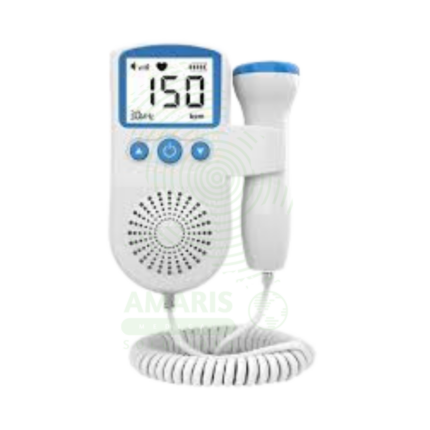
Fetoheart Sonic Aid Doppler (clinic/hospital use)
A Fetoheart Sonic Aid Doppler (Fetal Doppler) is a Class II medical ultrasound device (2-3 MHz probe) for real-time detection and audible/visual display of fetal heart rate in clinical obstetric settings from 10-12 weeks gestation. Features include handheld or tabletop console, waterproof probe, digital heart rate display (30-240 bpm), amplified speaker, headphone jack, and rechargeable battery or AC power operation. Continuous wave or pulsed wave Doppler technology with auto-correlation signal processing rejects maternal artifact. Primary clinical applications include fetal heart rate detection and monitoring during routine prenatal visits, confirmation of fetal viability in first trimester, intermittent fetal monitoring during labor, non-stress test administration, multiple gestation assessment, fetal presentation determination, and post-procedure confirmation (amniocentesis, CVS, ECV). Critical safety considerations include following ALARA principle (minimum necessary exposure), appropriate ultrasound gel use, probe pressure avoidance, infection control (probe cleaning between patients), differentiation of fetal from maternal signals, and interpretation by qualified providers. Essential equipment in outpatient obstetric clinics, hospital labor and delivery units, and prenatal care settings.
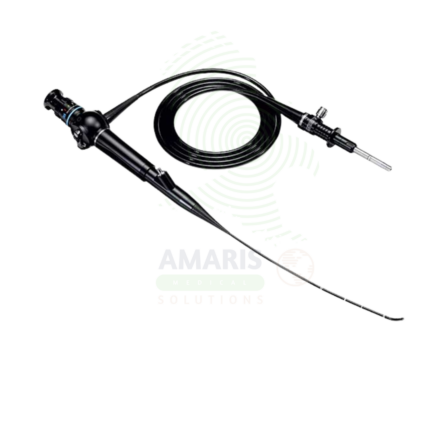
Hysteroscope
A Hysteroscope is a specialized endoscope used for visualization and treatment of the uterine cavity. Diagnostic hysteroscopy provides direct examination of the endometrium for evaluation of abnormal bleeding, infertility, and recurrent pregnancy loss. Operative hysteroscopy enables minimally invasive treatment of polyps, fibroids, adhesions, and uterine septa through the natural orifice of the cervix. Essential for gynecology and reproductive medicine, hysteroscopy offers accurate diagnosis and effective treatment with preservation of fertility and rapid recovery.
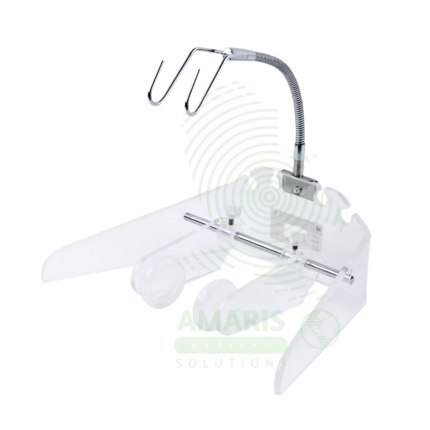
Infant Head Fixing Unit
An Infant Head Fixing Unit is a Class I medical positioning device designed to safely stabilize and maintain proper head and neck alignment in neonates and infants during medical procedures, respiratory support, imaging studies, and ongoing care in NICUs, delivery rooms, and transport settings. Constructed with medical-grade materials (radiolucent plastics, pressure-distributing foam/gel, waterproof covers) and available in preterm, term, infant, and adjustable sizes. Features include contoured head support, adjustable lateral stabilizers, optional securing straps, and compatibility with incubators, radiant warmers, and procedure tables. Primary clinical applications include maintaining airway alignment during non-invasive ventilation (CPAP, high-flow nasal cannula), stabilizing head for procedures (umbilical line placement, lumbar puncture), preventing motion artifact during imaging (cranial ultrasound, CT, MRI), protecting neurosurgical sites post-operatively, and preventing positional plagiocephaly. Critical safety considerations include verifying neutral head position to maintain patent airway, regular skin checks for pressure points, appropriate sizing to prevent movement or pressure injury, and radiolucent/MRI-safe verification for imaging studies. Essential positioning equipment for safe, developmentally supportive care of hospitalized infants.
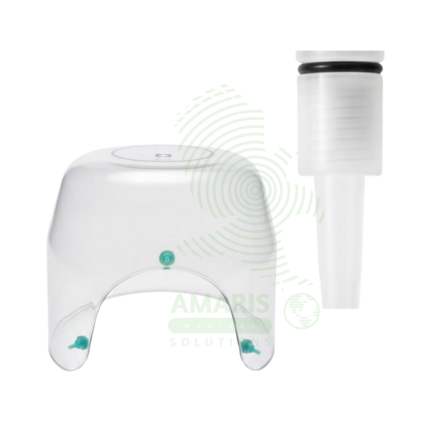
Infant Oxygen Hood
An Infant Oxygen Hood is a Class II medical device used to deliver controlled concentrations of supplemental oxygen to spontaneously breathing newborns and infants. Made of transparent medical-grade acrylic or polycarbonate, the hood fits over the infant's head with a soft foam or rubber neck seal, creating an oxygen-enriched environment while allowing easy access for monitoring and care. Available in premature/neonatal, infant, and older infant sizes with gas inlet ports (22 mm) for connection to air/oxygen blenders (FiO2 21-100%), access ports for monitoring leads and IV lines, and outlet vents to prevent CO2 accumulation. Requires minimum flow rate of 5 L/min to ensure adequate CO2 washout. Used with heated humidifiers for prolonged therapy to prevent airway drying. Primary clinical applications include management of respiratory distress syndrome (RDS) in premature infants, neonatal pneumonia, post-extubation oxygen support, congenital heart disease, and palliative care. Critical safety considerations include maintaining adequate flow rate to prevent rebreathing, monitoring FiO2 at hood level, ensuring proper neck seal without constriction, and preventing hyperoxia to reduce retinopathy of prematurity (ROP) risk. Essential equipment in NICUs and special care nurseries for controlled oxygen delivery to vulnerable infants.
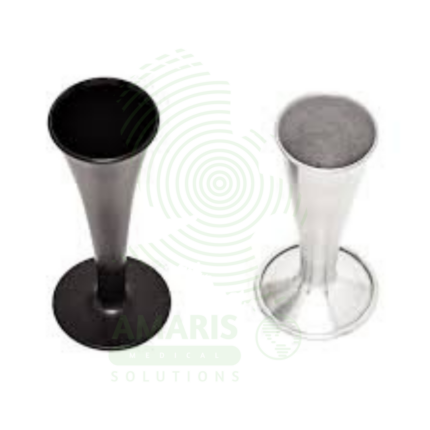
Pinnard Fetoscope (plastic/metal)
A Pinnard Fetoscope (Pinard horn) is a mechanical acoustic horn (150-200 mm length, 40-60 mm bell) for auscultation of fetal heart sounds through the maternal abdomen, available in traditional metal (stainless steel/chrome-plated, 150-300g, autoclavable, durable, requires warming) and modern plastic (medical-grade polymer, 30-80g, lightweight, unbreakable, economical, not autoclavable) versions. The flared bell collects fetal heart sounds, concentrating them through the tapered horn to the single earpiece for mechanical amplification (10-20 dB). Primary clinical applications include intermittent fetal heart rate monitoring during prenatal care and labor in low-risk pregnancies, confirming fetal viability, determining fetal presentation and position through point of maximal intensity, monitoring multiple gestations, and providing non-interventive fetal assessment in natural childbirth, home birth, and resource-limited settings. Class I medical device. Requires significant practitioner training and experience; reliable after 18-20 weeks gestation; limited by maternal obesity, anterior placenta, and ambient noise. Critical safety considerations include infection control (metal autoclavable, plastic chemical disinfection only), gentle abdominal pressure, maternal positioning, and recognition that Pinnard is not a replacement for electronic monitoring in high-risk pregnancies.
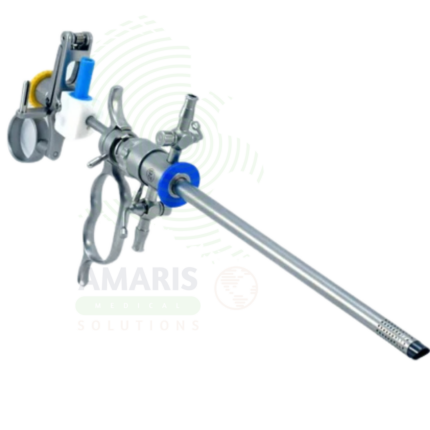
Resectoscope
A Resectoscope is a specialized endoscopic instrument used for transurethral resection of the prostate, bladder tumors, and endometrium. Combining a telescope, working element, and resecting loop, it enables precise cutting and coagulation of tissue under direct visualization. Essential in urology for benign prostatic hyperplasia and bladder cancer treatment, and in gynecology for endometrial resection, it provides minimally invasive treatment with rapid recovery and preservation of organ function.
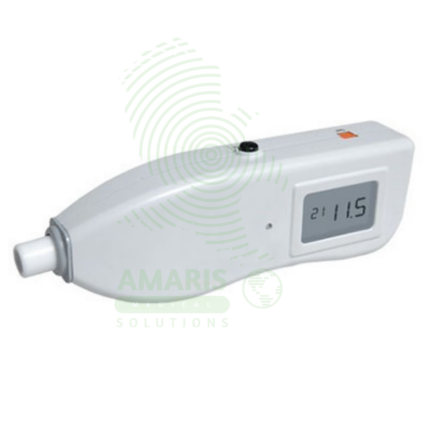
Transcutaneous Jaundice Detector
A Transcutaneous Jaundice Detector (TcB meter) is a Class II medical device that non-invasively estimates serum bilirubin levels in newborns using reflectance spectrophotometry or multi-wavelength optical analysis, providing rapid (1-5 seconds), painless screening for neonatal hyperbilirubinemia. Handheld, battery-operated device measures yellow coloration of subcutaneous tissue at the forehead or sternum, displaying results in mg/dL or µmol/L. Features include digital display, data storage (100-1,000 readings), USB/Bluetooth connectivity, and disposable probe covers for infection control. Correlation with serum bilirubin typically R² >0.9. Primary clinical applications include universal newborn screening before hospital discharge (AAP guidelines), monitoring bilirubin trends in at-risk infants, assessing phototherapy efficacy, and post-discharge follow-up in community settings. Critical safety considerations include mandatory confirmatory serum testing for abnormal values, daily calibration verification, use of disposable probe covers to prevent cross-contamination, avoidance of measurement on phototherapy-exposed skin, and proper technique (site selection, gentle pressure, averaging multiple readings). Essential screening tool in newborn nurseries, NICUs, and community healthcare settings for preventing kernicterus through early detection and management of neonatal jaundice.