Dermatoscope and Magnifiers
 Diagnostic Kits
 Vital Signs Monitors
 Stethoscopes and Accessories
 Otoscopes, Ophthalmoscopes, and Retinoscopes
 Reflex Hammers and Neurological Tools
 Scales and Measuring Devices
 Spirometers and Pulmonary Function Tests
 Electrosurgical Units and Accessories
 Cutting Instruments
 Grasping and Holding Instruments
 Hemostatic Instruments
 Specialized Surgical Sets
 Single-Use Procedure Trays and Packs
 Surgical Drapes, Gowns, and Covers
 Tissue Unifying Instruments
 Radiation Protection
 X-Ray Machines and Accessories
 Ultrasound Systems and Probes
 MRI and CT Scanners
 Radiology Consumables
 Bone Densitometers
 Fluoroscopy Equipment
 Imaging Tables and Positioning Aids
 Microscopes and Accessories
 Centrifuges and Separators
 Analyzers
 Incubators and Ovens
 Pipettes, Dispensers, and Lab Glassware
 Refrigerators, Freezers, and Storage Units
 Lab Consumables
 Sterilizers and Autoclaves for Lab Use
 Multi-Parameter Monitors
 Ventilators and Respiratory Support Devices
 Defibrillators and AEDs
 Infusion Pumps and IV Systems
 Patient Warmers and Cooling Devices
 Central Monitoring Stations
 Accessories
 Anesthesia Machines and Workstations
 Oxygen Concentrators and Delivery Systems
 Nebulizers and Inhalers
 CPAP/BiPAP Machines
 Airway Management
 Anesthesia Masks, Circuits, and Bags
 Humidifiers and Heaters
 Respiratory Therapy Accessories
 First Aid Kits and Cabinets
 Emergency Resuscitation Equipment
 Trauma Supplies
 Emergency Carts and Crash Carts
 Burn Care Products
 Bleeding Control
 Automated External Defibrillators (AEDs)
 Transport and Evacuation
 Wheelchairs and Accessories
 Walkers, Crutches, and Canes
 Prosthetics and Orthotics
 Physical Therapy Equipment
 Transfer Devices
 Bathroom Safety
 Orthopedic Traction and Tables
 Hot/Cold Therapy Packs and Units
 Beds and Mattresses
 Chairs and Stools
 Tables
 Cabinets and Storage
 Privacy Screens & Curtains
 Stands and Racks
 Linens and Textiles
 Lighting
 Autoclaves and Sterilizers
 Ultrasonic Cleaners
 Disinfectant Solutions and Wipes
 Sterilization Pouches, Wraps, and Indicators
 Instrument Trays and Containers
 UV and Ozone Disinfection Devices
 Washer Disinfectors
 Wound Care
 Gloves
 Masks and Respirators
 Catheters and Tubing
 Swabs, Applicators, and Sponges
 Incontinence Products
 Personal Protective Equipment (PPE)
 Dental Chairs and Units
 Handpieces and Burs
 Instruments
 Consumables
 Sterilization for Dental Use
 Orthodontic Supplies
 Endodontic Tools
 Slit Lamps and Tonometers
 Lensometers and Phoropters
 Ophthalmic Surgical Instruments
 Eyewear Frames and Lenses
 Contact Lens Supplies
 Vision Testing Charts and Devices
 Eye Care Consumables
 Laser Systems for Eye Care
 ENT Exam Chairs and Tables
 Endoscopes
 Audiometers and Hearing Tests
 ENT Instruments
 Nasal and Throat Packs
 Hearing Aids and Accessories
 Otology Supplies
 Fetal Dopplers and Monitors
 Delivery Beds and Tables
 Gynecological Instruments
 Neonatal Incubators and Warmers
 Breast Pumps and Accessories
 Contraceptive Devices
 Maternity Supports and Pads
 Neonatal Consumables
 Cystoscopes and Urethroscopes
 Dialysis Machines and Supplies
 Urological Catheters and Bags
 Lithotripters
 Prostate Treatment Devices
 Urinary Incontinence Products
 Kidney Stone Management Tools
 Consumables & Disposables
 EEG and EMG Machines
 Neurosurgical Instruments
 Nerve Stimulators
 Headrests and Positioning Aids
 Lumbar Puncture Kits
 Seizure Monitoring Devices
 Consumables
 Rehabilitation for Neurological Conditions
 ECG Machines and Accessories
 Holter Monitors
 Stress Test Systems
 Pacemakers and Defibrillator Accessories
 Vascular Access Devices
 Cardiac Catheters and Guidewires
 Blood Flow Meters
 Consumables
 Orthopedic Instruments
 Casts, Splints, and Padding
 Joint Replacement Supplies
 Prosthetic Limbs and Components
 Bone Grafts and Substitutes
 Traction Devices
 Orthopedic Braces and Supports
 Rehabilitation Aids for Orthopedics
 Home Oxygen Therapy
 Hospital Beds for Home Use
 Mobility Aids
 Bathroom and Daily Living Aids
 Wound Care for Home
 Monitoring Devices
 Enteral Feeding Pumps and Tubes
 Hand Sanitizers and Dispensers
 Face Shields and Goggles
 Isolation Gowns and Suits
 Biohazard Waste Containers
 Air Purifiers and HEPA Filters
 Surface Disinfectants
 Sharps Containers
 Protective Barriers
 Cardiovascular & Endurance Training
 Strength Training & Weightlifting
 Functional Training & Core Conditioning
 Physical Therapy & Rehabilitation
 Sports & Outdoor Recreation
 Gym Flooring & Facility Equipment
 Fitness Monitoring & Accessories
 Kids & Novelties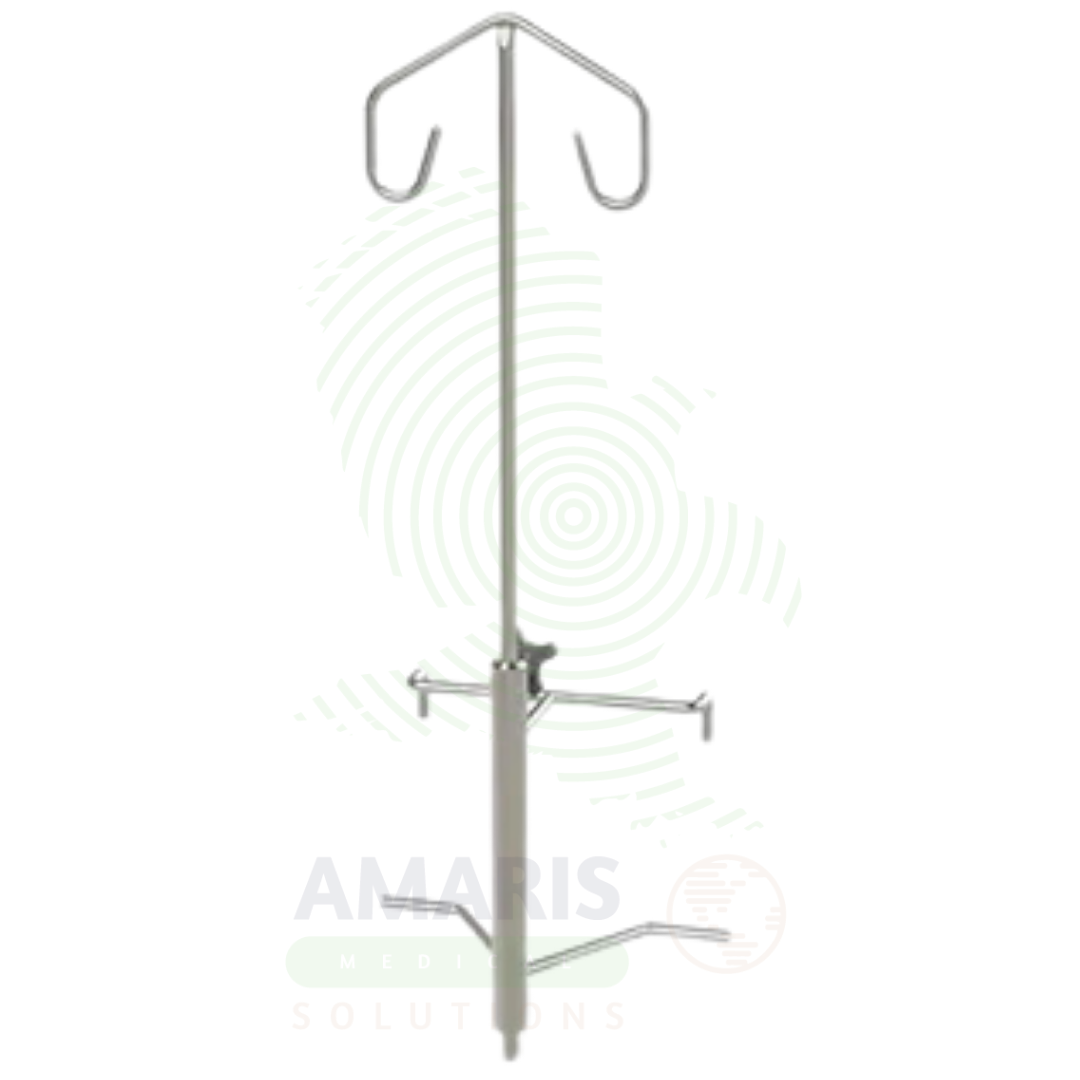
Cage Mount IV Pole
WhatsApp Order
A Cage Mount IV Pole is a veterinary IV pole designed to mount directly to animal cages for secure intravenous fluid and medication administration. Height-adjustable with multiple hooks for concurrent infusions, it ensures proper fluid flow while preventing line entanglement and accidental dislodgement. Essential for veterinary hospitals, animal clinics, and research facilities, it supports safe, uninterrupted fluid therapy for hospitalized animals.
Description
Cage Mount IV Pole
PRIMARY CLINICAL & DIAGNOSTIC USES
1. Intravenous Fluid Administration for Hospitalized Animals
-
Primary Use: Provides a secure, adjustable IV pole that mounts directly to animal cages, allowing safe administration of intravenous fluids, medications, and blood products to hospitalized animals. The cage-mounted design keeps IV lines organized and prevents entanglement while animals move within their enclosure.
-
How it helps: For the veterinary technician and veterinarian, the cage mount IV pole ensures safe, organized fluid administration—keeping IV lines secure, preventing dislodgement, and reducing the risk of accidental line pulls. For the animal patient, this means uninterrupted fluid therapy and reduced stress during hospitalization.
2. Secure Mounting for Multiple Cage Types
-
Primary Use: Designed to mount securely on various cage types including wire mesh cages, stainless steel cages, and modular animal housing systems. Adjustable clamps accommodate different cage configurations and bar spacing.
-
How it helps: For the veterinary facility, versatile mounting options allow use across multiple cage types—reducing the need for multiple specialized IV pole systems. For the animal, consistent IV access regardless of cage type supports continuity of care.
3. Adjustable Height for Optimal Fluid Flow
-
Primary Use: Height-adjustable pole allows positioning of IV fluid bags at the optimal height above the patient to ensure proper gravity flow. Adjustable height also accommodates different animal sizes and cage configurations.
-
How it helps: For the veterinary team, adjustable height ensures proper fluid flow rates—critical for maintaining hydration, medication delivery, and fluid balance. For the animal patient, correct fluid flow supports effective treatment and prevents complications from under- or over-infusion.
4. Multiple Hook Capacity for Concurrent Infusions
-
Primary Use: Features multiple hooks to accommodate several fluid bags or medication lines simultaneously, allowing administration of multiple infusions or combination therapies for complex cases.
-
How it helps: For the veterinary critical care team, multiple hook capacity supports complex treatment protocols—enabling concurrent fluid therapy, antibiotic administration, and analgesic delivery. For the animal patient, this means comprehensive care without the need for multiple IV poles or complex line management.
5. Stable, Tip-Resistant Design
-
Primary Use: Designed with a stable base and secure cage mounting to prevent tipping or displacement, even with multiple fluid bags or when animals move within the cage. This ensures continuous, uninterrupted fluid delivery.
-
How it helps: For the veterinary staff, stable mounting reduces the risk of accidental dislodgement, line pulls, and interruptions in fluid therapy—improving patient safety and reducing the need for frequent line adjustments. For the animal patient, stable IV access supports uninterrupted treatment and reduces stress.
SECONDARY & SUPPORTIVE USES
1. Enteral Feeding Support: Mounting of enteral feeding bags for tube-fed animals.
2. Blood Transfusion Administration: Secure mounting for blood product administration.
3. Chemotherapy Administration: Safe mounting for chemotherapy infusion lines.
4. Multiple Animal Housing: Use in wards with multiple hospitalized animals requiring IV therapy.
5. Post-Surgical Recovery: IV access for animals recovering from surgical procedures.
6. Critical Care Units: IV support for animals in intensive care settings.
KEY PRODUCT FEATURES
1. BASIC IDENTIFICATION ATTRIBUTES
-
Product Type: An IV pole designed to mount directly to animal cages for secure fluid administration.
-
Designation: Cage Mount IV Pole, Veterinary IV Pole, Cage Mounted IV Stand, Animal IV Pole.
-
Key Components:
-
Mounting Clamp: Adjustable clamp for cage attachment.
-
IV Pole: Height-adjustable vertical pole.
-
Hooks: Multiple hooks for fluid bags.
-
Height Adjustment: Spring pin or twist-lock mechanism.
-
Material: Stainless steel or anodized aluminum.
-
2. TECHNICAL & PERFORMANCE PROPERTIES
-
Height Range: 24-60 inches adjustable.
-
Hook Capacity: 2-6 hooks depending on model.
-
Cage Compatibility: Fits wire mesh, stainless steel, and modular cages.
-
Clamp Type: Screw clamp or spring clamp.
-
Material: Corrosion-resistant stainless steel.
-
Weight Capacity: 10-20 lbs depending on model.
3. PHYSICAL & OPERATIONAL PROPERTIES
-
Construction: Durable, autoclavable materials.
-
Portability: Removable for cleaning and storage.
-
Cleaning: Easy-clean surfaces; autoclavable components.
-
Mounting: Tool-free attachment.
4. SAFETY & COMPLIANCE ATTRIBUTES
-
Regulatory Status: Class I medical device (veterinary use).
-
Animal Safety: Smooth edges; no sharp protrusions.
-
Stability: Secure mounting prevents tipping.
-
Material Safety: Non-toxic, corrosion-resistant materials.
5. STORAGE & HANDLING ATTRIBUTES
-
Storage: Remove from cage when not in use; store in clean area.
-
Cleaning: Clean with hospital-grade disinfectants; autoclave if indicated.
-
Inspection: Regularly inspect clamp, pole, and hooks for damage.
6. LABORATORY & CLINICAL APPLICATIONS
-
Primary Application: IV fluid and medication administration for hospitalized animals.
-
Clinical Role: Essential equipment in veterinary hospitals, animal clinics, and research facilities.
SAFETY HANDLING PRECAUTIONS
1. SAFETY PRECAUTIONS
-
Secure Mounting: Ensure clamp is securely attached before hanging fluids.
-
Height Adjustment: Adjust pole height for proper fluid flow.
-
Line Management: Organize IV lines to prevent entanglement.
-
Animal Monitoring: Monitor for line pulls or dislodgement.
2. FIRST AID MEASURES
-
Line Pull: If IV line is pulled, assess catheter site; replace if dislodged.
-
Pole Fall: If pole falls, assess animals for injury; inspect equipment for damage.
3. FIRE FIGHTING MEASURES
-
Flammability: Metal components are non-flammable.
-
Extinguishing Media: Use water, foam, or CO₂ as appropriate for surrounding materials.
Related products

Foldable Ward Screen
A Foldable Ward Screen is a portable, folding partition used to create instant visual privacy around a patient's bed or procedure area in multi-bed hospital wards, emergency departments, and clinics. Typically consisting of three hinged opaque panels, it provides dignity during examinations and personal care, aids in infection control by creating temporary barriers, and helps manage the clinical environment. Its free-standing, foldable design allows for easy deployment, storage, and cleaning, making it a fundamental piece of non-clinical equipment for patient-centered care in shared spaces.
Gynecological Examination Stool & Chair
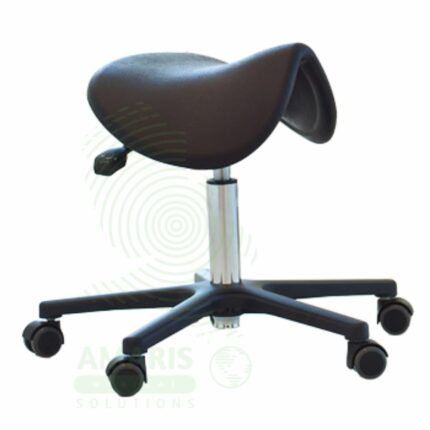
A Gynecological Examination Stool & Chair is an adjustable, mobile stool designed for clinicians performing gynecological examinations, procedures, and colposcopy. Featuring adjustable height, swivel base, and optional back support, it provides ergonomic seating that reduces physical strain during prolonged procedures. Locking castors allow mobility between examination stations while providing stability during use. Essential for gynecology clinics, women's health centers, and procedure rooms, it supports clinician comfort, proper posture, and efficient workflow during pelvic examinations, Pap smears, IUD procedures, and colposcopy.
Portable Examination Light (LED/Halogen)
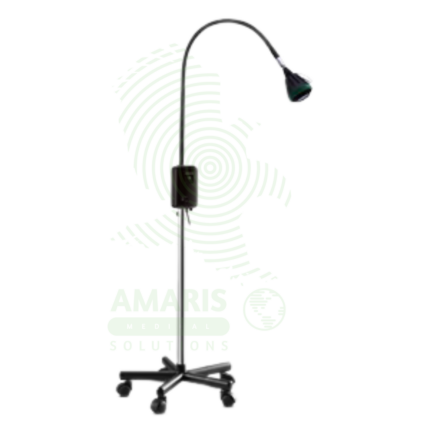
A Portable Examination Light (LED/Halogen) is a mobile, adjustable light source designed for clinical examinations, minor procedures, and wound assessment. LED models offer energy efficiency, long bulb life, and cool operation; halogen models provide high intensity with warm color temperature. The flexible gooseneck or articulating arm allows precise positioning to illuminate examination sites without shadows. Used in examination rooms, procedure rooms, emergency departments, and home healthcare settings, it provides the focused illumination needed for accurate assessment and safe procedures.
Resin Coated Examination Table
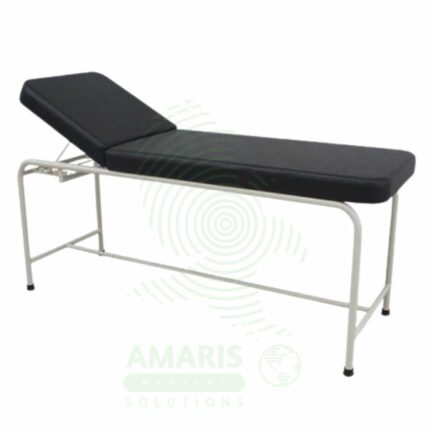
The Resin Coated Examination Table is a heavy-duty, non-upholstered medical table designed for maximum infection control and durability. Its seamless, hard plastic resin surface is impervious to fluids and resistant to damage from sharp instruments and harsh chemicals, allowing for aggressive cleaning and disinfection. It is the ideal platform for minor surgical procedures, gynecological exams, and high-throughput clinical settings where hygiene and longevity are prioritized over padded comfort. Patient comfort is provided through the use of disposable paper sheets or thin pads.
Revolving Stool
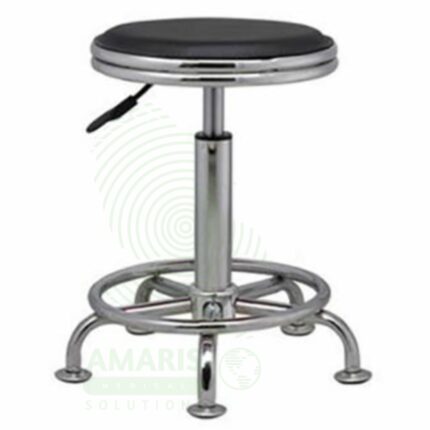
A Revolving Stool is a height-adjustable, rotating seat on a stable multi-leg base, designed for dynamic clinical and laboratory work environments. It provides healthcare professionals with stable, ergonomic seating that allows for effortless 360-degree rotation and small positional adjustments without standing. This is essential for procedures requiring precision and frequent changes in reach, such as dentistry, minor surgery, microscopy, and laboratory analysis. Its key features include smooth rotation, easy height adjustment, and a stable, often mobile, base to support prolonged, task-focused work while promoting proper posture and reducing fatigue.
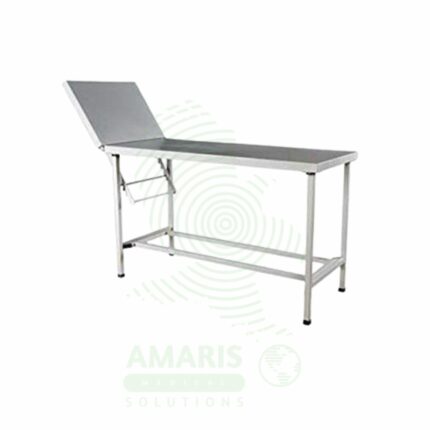
Stainless Steel Examination Table
A Stainless Steel Examination Table is the pinnacle of durable, hygienic clinical furniture. Constructed from surgical-grade stainless steel with a seamless, welded design, it is fully autoclavable and resistant to all common chemicals and disinfectants. Its primary uses are in environments demanding the highest infection control: morgues, pathology labs, sterile processing areas, isolation rooms, and minor procedure operating rooms. While functionally superior for cleaning and sterilization, its hard, cold surface requires the use of patient pads for comfort. It is an industrial-grade work surface built for longevity and ultimate cleanability in the most demanding medical and laboratory settings.
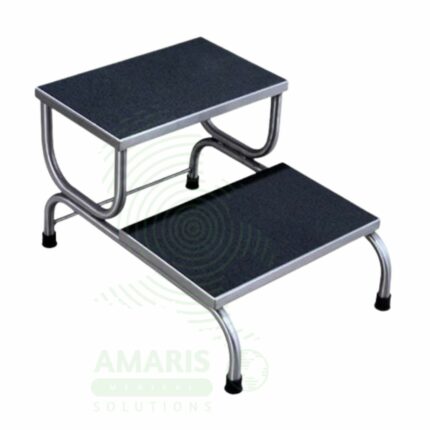
Step Stool
A Step Stool is a low, portable platform with one or two steps, designed to provide safe, temporary elevation in clinical settings. Its primary uses are to assist patients in accessing high examination tables and beds, and to provide healthcare staff with an ergonomic means of reaching high storage and equipment. Key safety features include a robust load rating, a wide stable base, non-slip step surfaces, and non-marking feet. It is a simple yet essential piece of equipment for preventing falls and promoting safe patient handling and staff ergonomics throughout hospitals and clinics.