Dermatoscope and Magnifiers
 Diagnostic Kits
 Vital Signs Monitors
 Stethoscopes and Accessories
 Otoscopes, Ophthalmoscopes, and Retinoscopes
 Reflex Hammers and Neurological Tools
 Scales and Measuring Devices
 Spirometers and Pulmonary Function Tests
 Electrosurgical Units and Accessories
 Cutting Instruments
 Grasping and Holding Instruments
 Hemostatic Instruments
 Specialized Surgical Sets
 Single-Use Procedure Trays and Packs
 Surgical Drapes, Gowns, and Covers
 Tissue Unifying Instruments
 Radiation Protection
 X-Ray Machines and Accessories
 Ultrasound Systems and Probes
 MRI and CT Scanners
 Radiology Consumables
 Bone Densitometers
 Fluoroscopy Equipment
 Imaging Tables and Positioning Aids
 Microscopes and Accessories
 Centrifuges and Separators
 Analyzers
 Incubators and Ovens
 Pipettes, Dispensers, and Lab Glassware
 Refrigerators, Freezers, and Storage Units
 Lab Consumables
 Sterilizers and Autoclaves for Lab Use
 Multi-Parameter Monitors
 Ventilators and Respiratory Support Devices
 Defibrillators and AEDs
 Infusion Pumps and IV Systems
 Patient Warmers and Cooling Devices
 Central Monitoring Stations
 Accessories
 Anesthesia Machines and Workstations
 Oxygen Concentrators and Delivery Systems
 Nebulizers and Inhalers
 CPAP/BiPAP Machines
 Airway Management
 Anesthesia Masks, Circuits, and Bags
 Humidifiers and Heaters
 Respiratory Therapy Accessories
 First Aid Kits and Cabinets
 Emergency Resuscitation Equipment
 Trauma Supplies
 Emergency Carts and Crash Carts
 Burn Care Products
 Bleeding Control
 Automated External Defibrillators (AEDs)
 Transport and Evacuation
 Wheelchairs and Accessories
 Walkers, Crutches, and Canes
 Prosthetics and Orthotics
 Physical Therapy Equipment
 Transfer Devices
 Bathroom Safety
 Orthopedic Traction and Tables
 Hot/Cold Therapy Packs and Units
 Beds and Mattresses
 Chairs and Stools
 Tables
 Cabinets and Storage
 Privacy Screens & Curtains
 Stands and Racks
 Linens and Textiles
 Lighting
 Autoclaves and Sterilizers
 Ultrasonic Cleaners
 Disinfectant Solutions and Wipes
 Sterilization Pouches, Wraps, and Indicators
 Instrument Trays and Containers
 UV and Ozone Disinfection Devices
 Washer Disinfectors
 Wound Care
 Gloves
 Masks and Respirators
 Catheters and Tubing
 Swabs, Applicators, and Sponges
 Incontinence Products
 Personal Protective Equipment (PPE)
 Dental Chairs and Units
 Handpieces and Burs
 Instruments
 Consumables
 Sterilization for Dental Use
 Orthodontic Supplies
 Endodontic Tools
 Slit Lamps and Tonometers
 Lensometers and Phoropters
 Ophthalmic Surgical Instruments
 Eyewear Frames and Lenses
 Contact Lens Supplies
 Vision Testing Charts and Devices
 Eye Care Consumables
 Laser Systems for Eye Care
 ENT Exam Chairs and Tables
 Endoscopes
 Audiometers and Hearing Tests
 ENT Instruments
 Nasal and Throat Packs
 Hearing Aids and Accessories
 Otology Supplies
 Fetal Dopplers and Monitors
 Delivery Beds and Tables
 Gynecological Instruments
 Neonatal Incubators and Warmers
 Breast Pumps and Accessories
 Contraceptive Devices
 Maternity Supports and Pads
 Neonatal Consumables
 Cystoscopes and Urethroscopes
 Dialysis Machines and Supplies
 Urological Catheters and Bags
 Lithotripters
 Prostate Treatment Devices
 Urinary Incontinence Products
 Kidney Stone Management Tools
 Consumables & Disposables
 EEG and EMG Machines
 Neurosurgical Instruments
 Nerve Stimulators
 Headrests and Positioning Aids
 Lumbar Puncture Kits
 Seizure Monitoring Devices
 Consumables
 Rehabilitation for Neurological Conditions
 ECG Machines and Accessories
 Holter Monitors
 Stress Test Systems
 Pacemakers and Defibrillator Accessories
 Vascular Access Devices
 Cardiac Catheters and Guidewires
 Blood Flow Meters
 Consumables
 Orthopedic Instruments
 Casts, Splints, and Padding
 Joint Replacement Supplies
 Prosthetic Limbs and Components
 Bone Grafts and Substitutes
 Traction Devices
 Orthopedic Braces and Supports
 Rehabilitation Aids for Orthopedics
 Home Oxygen Therapy
 Hospital Beds for Home Use
 Mobility Aids
 Bathroom and Daily Living Aids
 Wound Care for Home
 Monitoring Devices
 Enteral Feeding Pumps and Tubes
 Hand Sanitizers and Dispensers
 Face Shields and Goggles
 Isolation Gowns and Suits
 Biohazard Waste Containers
 Air Purifiers and HEPA Filters
 Surface Disinfectants
 Sharps Containers
 Protective Barriers
 Cardiovascular & Endurance Training
 Strength Training & Weightlifting
 Functional Training & Core Conditioning
 Physical Therapy & Rehabilitation
 Sports & Outdoor Recreation
 Gym Flooring & Facility Equipment
 Fitness Monitoring & Accessories
 Kids & Novelties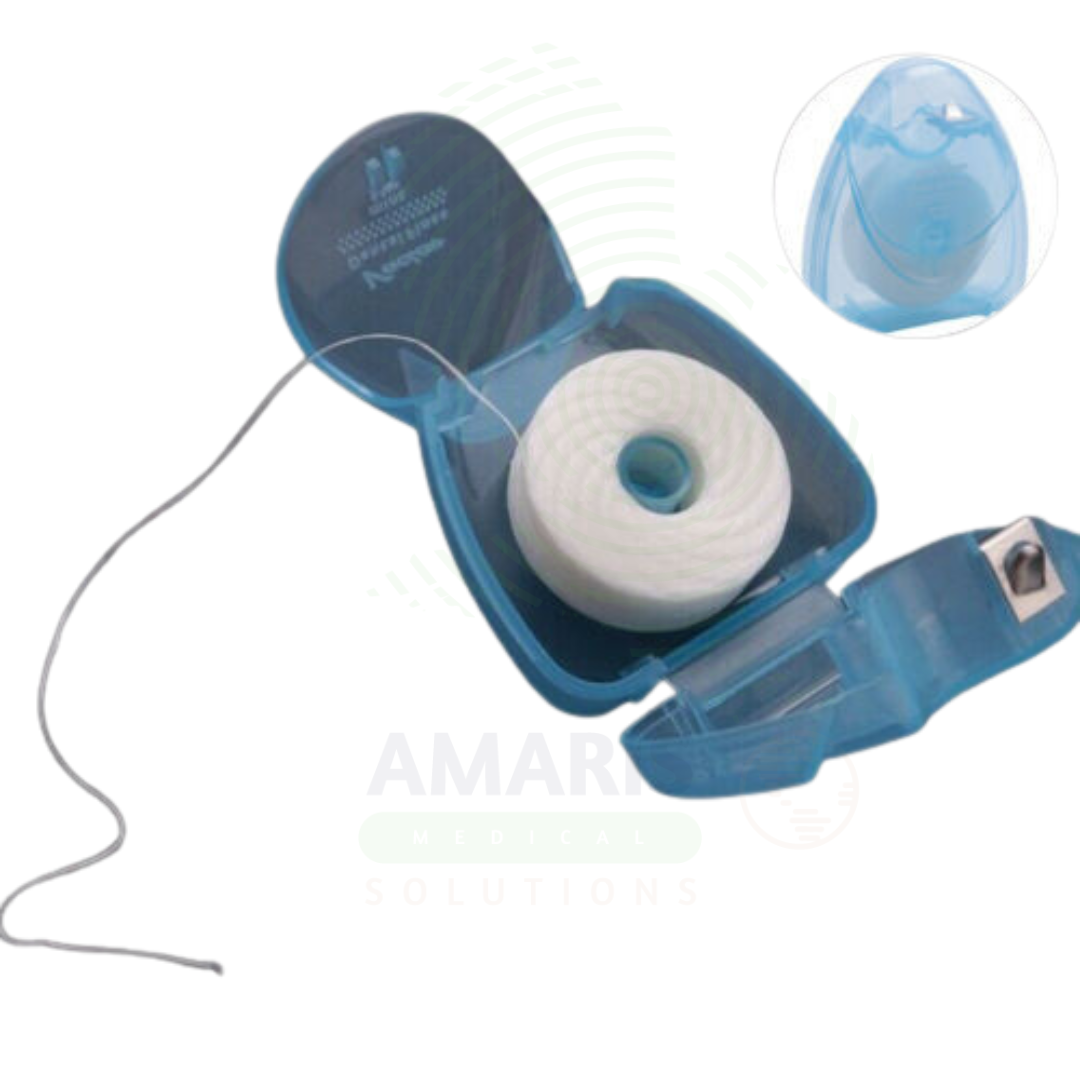

Dental Floss
$1.00
WhatsApp Order
Dental Floss is a thin, strong filament—available in materials like nylon or PTFE and forms such as waxed, unwaxed, or tape—designed specifically for the mechanical removal of dental plaque biofilm and debris from between teeth (interdental spaces) and below the gumline. Its daily use is a critical, evidence-based practice for preventing interdental tooth decay (caries) and gum disease (gingivitis and periodontitis), forming an indispensable part of a complete oral hygiene routine. Proper technique is essential to avoid gum injury and ensure effective cleaning.
Description
Dental Floss
PRIMARY CLINICAL & DIAGNOSTIC USES
1. Essential Interdental Plaque Removal
-
Primary Use: Mechanically removes dental plaque biofilm and food debris from interdental spaces and subgingival areas where a toothbrush cannot reach, serving as the cornerstone of preventing interdental caries and periodontal diseases.
-
How it helps: For the dentist and dental hygienist, flossing is the most effective tool for cleaning the surfaces between teeth—areas that constitute approximately 35-40% of tooth surfaces. For the patient, consistent flossing removes the plaque that causes cavities and gum disease in the very areas where tooth decay and periodontal disease most commonly begin.
2. Prevention of Dental Caries and Periodontal Disease
-
Primary Use: Disrupts and removes plaque—a bacterial matrix that produces acids and toxins—directly preventing cavities between teeth and halting the inflammation that leads to gum bleeding, recession, and bone loss.
-
How it helps: For the clinician, patient compliance with flossing is a key factor in preventing the two most common dental diseases. For the patient, regular flossing represents a daily investment in oral health that reduces the need for restorative and periodontal treatment.
3. Oral Hygiene Maintenance for Restorative Work
-
Primary Use: Essential for cleaning around and under the margins of dental restorations such as crowns, bridges, implants, and orthodontic appliances, with specialized floss designed to prevent plaque buildup that can cause recurrent decay or peri-implantitis.
-
How it helps: For the dentist, patient flossing around restorations is critical for preventing secondary decay and maintaining the longevity of dental work. For the patient, proper flossing protects the investment in crowns, bridges, and implants—ensuring that restorations last as long as possible.
4. Management of Gingival Health
-
Primary Use: Regular flossing stimulates gingival tissue, improves keratinization, and helps reduce inflammation and bleeding, which are early signs of gingivitis.
-
How it helps: For the dental professional, flossing is a first-line intervention for improving gum health—reversing early gingivitis before it progresses to periodontitis. For the patient, consistent flossing reduces gum bleeding, improves tissue tone, and prevents the progression of gum disease.
5. Halitosis Control
-
Primary Use: Removes decomposing food particles and bacterial plaque from between teeth, which are primary sources of volatile sulfur compounds that cause malodor.
-
How it helps: For the clinician, addressing the interproximal sources of bad breath is essential for comprehensive halitosis management. For the patient, regular flossing contributes significantly to fresher breath and improved social confidence.
6. Removal of Biofilm Below the Gumline
-
Primary Use: Reaches slightly below the gingival margin to disrupt subgingival biofilm that contributes to periodontal inflammation and pocket formation.
-
How it helps: For the periodontist and hygienist, subgingival biofilm removal is essential for preventing and managing periodontal disease. For the patient, flossing below the gumline helps maintain healthy gingival attachment and prevents pocket deepening.
7. Prevention of Interproximal Caries
-
Primary Use: Removes plaque from the proximal surfaces of teeth—the most common site for cavity formation between teeth—preventing the initiation and progression of interproximal decay.
-
How it helps: For the restorative dentist, preventing interproximal caries reduces the need for Class II restorations. For the patient, this means fewer fillings between teeth and preservation of natural tooth structure.
8. Plaque Removal Under Fixed Dental Prostheses
-
Primary Use: Specialized floss (super floss, floss threaders) allows cleaning under pontics (false teeth) of bridges and around implant abutments, preventing food impaction and bacterial accumulation.
-
How it helps: For the prosthodontist, patient ability to clean under fixed prostheses is essential for long-term success. For the patient, proper flossing prevents peri-implantitis and recurrent decay around bridge abutments.
9. Orthodontic Appliance Maintenance
-
Primary Use: Floss threaders and super floss allow cleaning between teeth and around brackets, wires, and elastics during orthodontic treatment, preventing decalcification and white spot lesions.
-
How it helps: For the orthodontist, patient flossing during treatment prevents the demineralization that can leave permanent white spots after braces. For the orthodontic patient, regular flossing protects enamel health throughout the treatment period.
10. Mechanical Plaque Disruption
-
Primary Use: The mechanical action of flossing physically disrupts the bacterial biofilm structure, breaking up colonies that would otherwise mature into pathogenic plaque.
-
How it helps: For the clinician, mechanical plaque disruption is the most effective means of preventing biofilm maturation. For the patient, the physical action of flossing is as important as the removal itself—preventing the establishment of mature, pathogenic plaque.
11. Gingival Stimulation and Keratinization
-
Primary Use: The gentle pressure of floss against the gingival margin stimulates blood flow and promotes keratinization of the sulcular epithelium, contributing to healthier, more resilient gingival tissue.
-
How it helps: For the periodontist, stimulated, well-keratinized gingiva is more resistant to inflammation. For the patient, this results in firmer, healthier gum tissue that is less prone to bleeding and disease.
SECONDARY & SUPPORTIVE USES
1. Pre-Procedural Cleaning in Clinical Settings: Used by dental professionals prior to examinations, radiographs, fluoride treatments, or sealant placements to ensure teeth surfaces are free of debris for better visualization, adhesion, and treatment efficacy. For the clinician, this enhances diagnostic accuracy and treatment outcomes; for the patient, this ensures that procedures are performed on clean, well-prepared surfaces.
2. Aid in Disclosing Plaque: Can be used in patient education with disclosing tablets or solutions to visually demonstrate the location of persistent plaque biofilm after brushing, highlighting areas that require more attention. For the hygienist, this provides a powerful educational tool; for the patient, seeing the plaque they miss motivates improved technique.
3. Floss Types for Specific Needs: Different floss types (waxed, unwaxed, PTFE, tape) accommodate varying interdental spaces, restoration types, and patient preferences. For the clinician, offering floss options improves patient acceptance; for the patient, finding the right floss increases compliance.
4. Temporary Fix for Loose Temporary Crown: In non-clinical emergencies, strong floss can be used temporarily to re-seat a temporary crown, though this is not a recommended standard practice. For the patient, this provides a temporary solution until they can see their dentist.
5. Cleaning Tight Spaces in Non-Dental Contexts: Its fine, strong filament makes it useful for delicate cleaning tasks or threading in crafts and repairs, though this is not a medical use.
KEY PRODUCT FEATURES
1. BASIC IDENTIFICATION ATTRIBUTES
-
Product Type: A filament (thread/tape) for interdental cleaning.
-
Designation: Categorized primarily by material (e.g., Nylon, PTFE) and physical form (e.g., Unwaxed, Waxed, Tape, Super Floss).
-
Core Variants:
-
Nylon (Multifilament) Floss: Composed of multiple nylon strands. Available unwaxed or waxed for easier glide.
-
PTFE (Monofilament) Floss: Made from a single strand of polytetrafluoroethylene. It is shred-resistant and glides easily through very tight contacts.
-
Dental Tape: A broader, flatter ribbon-like version of floss, often preferred for wider tooth spacings.
-
Super Floss: A three-component design with a stiffened end (for threading under bridges/braces), a spongy filament segment (for cleaning wide gaps or under pontics), and regular floss.
-
2. TECHNICAL & PERFORMANCE PROPERTIES
-
Material: Must be made from biocompatible, non-toxic materials safe for oral use. Common materials include nylon, PTFE (Teflon®), polyethylene, or silk (less common). May be coated with wax, flavorants (mint, cinnamon), or therapeutic agents (fluoride, chlorhexidine).
-
Tensile Strength & Break Resistance: Must have high tensile strength to withstand the force of being pulled through tight tooth contacts without breaking, while being fine enough to fit into the gingival sulcus.
-
Abrasion & Shred Resistance: Quality floss should not shred or fray during use, as frayed filaments can leave debris between teeth. PTFE floss is particularly shred-resistant.
3. PHYSICAL & OPERATIONAL PROPERTIES
-
Thickness/Diameter: Ranges from ultra-fine (for extremely tight contacts) to thicker tape (for wider spaces). Measured in denier or millimeters.
-
Packaging: Typically dispensed in a handheld container with a cutter, containing 10 to 50 meters of floss. May also come in pre-measured disposable floss picks or handles.
4. SAFETY & COMPLIANCE ATTRIBUTES
-
Regulatory Status: Classified as a Class I medical device (low to moderate risk) in most regions, falling under dental consumables or oral hygiene aids.
-
Biocompatibility: All materials must be biocompatible for prolonged intraoral contact, non-allergenic, and free from harmful leaching substances.
-
Latex-Free: Must be manufactured latex-free unless explicitly stated otherwise.
5. STORAGE & HANDLING ATTRIBUTES
-
Storage: Store in a cool, dry place away from excessive heat and moisture to prevent degradation of the filament or coatings. Keep in original container to maintain cleanliness.
-
Cleaning & Maintenance: The product itself is not cleaned. It is a single-use consumable. A fresh section of floss must be used for each interdental space to avoid transferring bacteria from one site to another.
-
Replacement Schedule: The floss spool or pick is used until empty, then discarded. There is no reusable component.
6. LABORATORY & CLINICAL APPLICATIONS
-
Primary Application: The fundamental consumable for performing interdental cleaning, a critical component of the daily mechanical biofilm control protocol in dental prophylaxis and home care.
-
Selection Criteria: Choice depends on patient anatomy (tightness of contacts, gingival health, presence of restorations), manual dexterity, and personal preference (waxed vs. unwaxed, flavor). Floss picks are often chosen for ease of use.
SAFETY HANDLING PRECAUTIONS
1. SAFETY PRECAUTIONS
-
Proper Technique (Most Important): Incorrect "snapping" of floss can traumatize the gingival papilla, causing cuts, recession, or injury. The floss must be guided gently through the contact area using a back-and-forth sawing motion and then curved into a 'C-shape' against each tooth surface.
-
Avoid Reusing Sections: Never reuse the same segment of floss between different teeth, as this transplants bacteria and debris. Unwind a fresh section from the dispenser for each space.
-
Not a Substitute for Professional Care: While essential, daily flossing does not replace the need for regular professional dental cleanings (scaling and prophylaxis) to remove calculus (tartar).
-
Inspect Restorations: Be cautious around new or defective restorations with rough or overhanging margins, as floss can catch and shred or potentially dislodge a poorly cemented restoration.
2. FIRST AID MEASURES
-
Gingival Trauma: If flossing causes significant bleeding, pain, or a cut to the gums, discontinue use for that area. Rinse with warm salt water. If bleeding is persistent or signs of infection develop (pus, swelling), seek dental advice.
-
Ingestion/Choking: If a piece of floss is accidentally ingested, it will typically pass harmlessly through the digestive system. If a large amount is ingested or if it causes a choking sensation, seek medical attention.
3. FIRE FIGHTING MEASURES
-
Flammability: The plastic container and nylon/PTFE filament are combustible.
-
Extinguishing Media: Use water, foam, CO₂, or dry chemical powder as appropriate for the surrounding fire.
Related products
Centrifuge Tubes
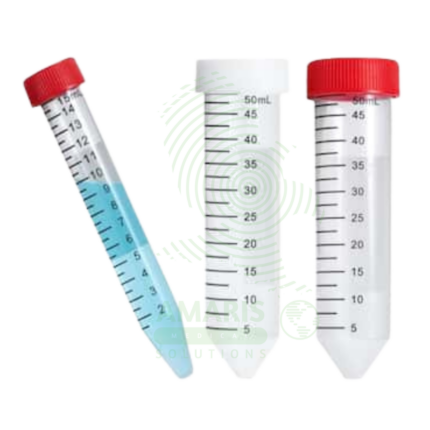
Centrifuge Tubes are specialized disposable containers (polypropylene) designed to withstand high centrifugal forces (up to 30,000 x g) for separating biological fluids based on density. Available in microcentrifuge sizes (0.2-2.0 mL), conical tubes (15 mL, 50 mL), and larger volumes (100-500 mL). Features include leak-proof screw caps with O-rings (conical tubes), snap caps (microcentrifuge tubes), graduated volume markings, writing areas, and sterile/non-sterile options. Certified RNase/DNase-free, pyrogen-free, and autoclavable. Primary clinical applications include blood component separation (serum/plasma), urine sediment preparation, microbiology sample concentration, molecular biology (DNA/RNA extraction), cell culture processing, protein/enzyme analysis, and viral load testing. Critical safety precautions include never exceeding maximum RCF rating, proper balancing by weight, secure cap tightening, inspection for cracks, and disposal as biohazardous waste. Essential consumable in every clinical, research, and industrial laboratory.
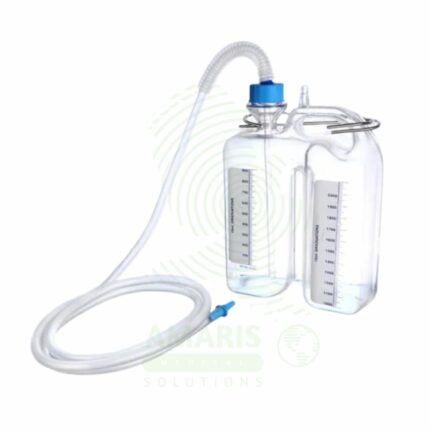
Chest Bottle
A Chest Bottle (Underwater Seal Drainage System) is a three-chamber disposable device used to drain air and fluid from the pleural space via a chest tube. Its critical component is a water seal chamber that acts as a one-way valve, preventing air from re-entering the chest while allowing drainage. It is used to treat pneumothorax, hemothorax, and pleural effusions, and is mandatory post-thoracic surgery. The system must always be kept upright and below the patient's chest level. It provides essential clinical information through tidaling in the water seal (indicating tube patency and lung expansion) and bubbling (indicating an air leak), making it both a therapeutic and diagnostic tool.
Glucosics Blood Sugar Sticks
Glucosics Blood Sugar Sticks are single-use, disposable electrochemical test sticks (ISO 15197:2013 compliant) designed exclusively for use with Glucosics glucose meters to measure capillary blood glucose from 0.5-1.0 µL samples in 5-7 seconds. Each stick contains glucose oxidase or glucose dehydrogenase reagents that generate electrical current proportional to glucose concentration (20-600 mg/dL range). Packaging options include multi-stick vials (25-100 sticks) with desiccant for daily use or individually foil-wrapped sticks for travel. Sticks feature no-coding automatic calibration, hematocrit compensation (20-60%), and interference resistance. Primary clinical applications include daily blood glucose testing for Type 1, Type 2, and gestational diabetes management, hypoglycemia and hyperglycemia detection, pre- and post-meal glucose assessment, and hospital point-of-care testing. Critical safety precautions include single-use only, immediate vial closure after stick removal to prevent humidity damage, storage at 2-30°C away from bathrooms and temperature extremes, never using expired sticks, proper hand hygiene before testing, and disposal in sharps containers. Essential consumable for diabetes self-management when used with Glucosics meters.
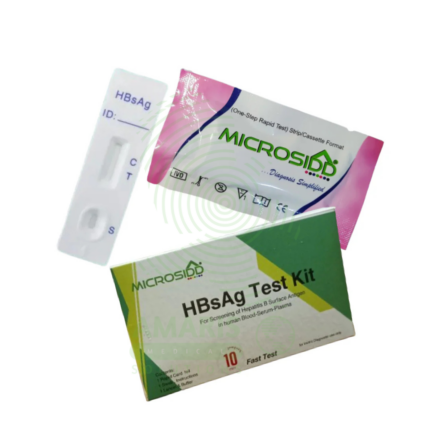
Hepatitis B Test Kit
The Hepatitis B Test Kit is an in vitro diagnostic device for the detection of Hepatitis B virus markers in human blood samples, available in rapid, ELISA, and molecular formats. It detects specific antigens (HBsAg) and antibodies (anti-HBc, anti-HBs) to diagnose acute and chronic infection, monitor treatment response, screen blood donations, and determine immunity status. With high sensitivity (>98%) and specificity (>99%), it provides results in 15 minutes to 4 hours depending on format. Essential applications include prenatal screening to prevent mother-to-child transmission, evaluation of acute hepatitis, pre-immunosuppression screening, and occupational health testing. All patient samples must be handled with universal precautions, and testing must include appropriate quality controls.
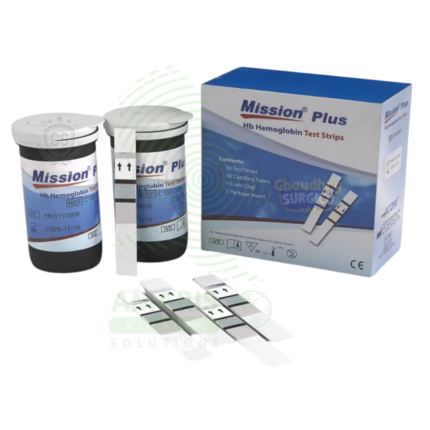
Mission plus strips
Mission Plus Strips are single-use, disposable electrochemical test strips (ISO 15197:2013 compliant) designed exclusively for use with Mission Plus glucose meters to measure capillary blood glucose from 0.5-1.0 µL samples in 5-7 seconds. Each strip contains glucose oxidase or glucose dehydrogenase reagents that generate electrical current proportional to glucose concentration (20-600 mg/dL range). Packaging options include multi-strip vials (25-100 strips) with desiccant for daily use or individually foil-wrapped strips for travel. Strips feature no-coding automatic calibration, hematocrit compensation (20-60%), and interference resistance. Primary clinical applications include daily blood glucose testing for Type 1, Type 2, and gestational diabetes management, hypoglycemia and hyperglycemia detection, pre- and post-meal glucose assessment, and hospital point-of-care testing. Critical safety precautions include single-use only, immediate vial closure after strip removal to prevent humidity damage, storage at 2-30°C away from bathrooms and temperature extremes, never using expired strips, proper hand hygiene before testing, and disposal in sharps containers. Essential consumable for diabetes self-management when used with Mission Plus meters.
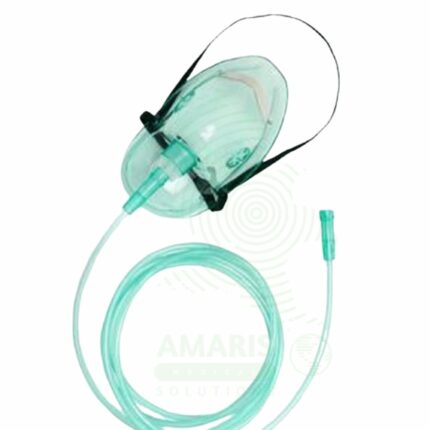
Oxygen Mask (Adult/Infant/Paediatric)
An Oxygen Mask is a disposable, single-use interface used to deliver supplemental oxygen from a medical gas supply to a patient's airways. Available in types for specific clinical needs—Simple Mask for low-flow therapy, Venturi Mask for precise FiO2 control (especially in COPD), and Non-Rebreather Mask for emergency high-flow delivery—and in sizes for adults, children, and infants. Correct selection and application, including ensuring the proper oxygen flow rate for the mask type, are essential for effective therapy and patient safety. Adherence to strict fire safety protocols is non-negotiable due to the combustion risk posed by enriched oxygen environments.

Ultrasound Gel
Ultrasound Gel is a water-based, hypoallergenic, acoustically conductive coupling medium essential for diagnostic and therapeutic ultrasound procedures. It eliminates air pockets between the transducer and skin, creating an efficient acoustic pathway for sound wave transmission and reception. Formulated to match the acoustic impedance of human tissue, it ensures high-quality imaging while providing lubrication for smooth probe movement and patient comfort. Available in standard, sterile, and hypoallergenic formulations, it is a single-use consumable critical for all ultrasound examinations. Proper storage, handling, and selection of appropriate sterile versus non-sterile formulations are essential for patient safety and image quality.