Dermatoscope and Magnifiers
 Diagnostic Kits
 Vital Signs Monitors
 Stethoscopes and Accessories
 Otoscopes, Ophthalmoscopes, and Retinoscopes
 Reflex Hammers and Neurological Tools
 Scales and Measuring Devices
 Spirometers and Pulmonary Function Tests
 Electrosurgical Units and Accessories
 Cutting Instruments
 Grasping and Holding Instruments
 Hemostatic Instruments
 Specialized Surgical Sets
 Single-Use Procedure Trays and Packs
 Surgical Drapes, Gowns, and Covers
 Tissue Unifying Instruments
 Radiation Protection
 X-Ray Machines and Accessories
 Ultrasound Systems and Probes
 MRI and CT Scanners
 Radiology Consumables
 Bone Densitometers
 Fluoroscopy Equipment
 Imaging Tables and Positioning Aids
 Microscopes and Accessories
 Centrifuges and Separators
 Analyzers
 Incubators and Ovens
 Pipettes, Dispensers, and Lab Glassware
 Refrigerators, Freezers, and Storage Units
 Lab Consumables
 Sterilizers and Autoclaves for Lab Use
 Multi-Parameter Monitors
 Ventilators and Respiratory Support Devices
 Defibrillators and AEDs
 Infusion Pumps and IV Systems
 Patient Warmers and Cooling Devices
 Central Monitoring Stations
 Accessories
 Anesthesia Machines and Workstations
 Oxygen Concentrators and Delivery Systems
 Nebulizers and Inhalers
 CPAP/BiPAP Machines
 Airway Management
 Anesthesia Masks, Circuits, and Bags
 Humidifiers and Heaters
 Respiratory Therapy Accessories
 First Aid Kits and Cabinets
 Emergency Resuscitation Equipment
 Trauma Supplies
 Emergency Carts and Crash Carts
 Burn Care Products
 Bleeding Control
 Automated External Defibrillators (AEDs)
 Transport and Evacuation
 Wheelchairs and Accessories
 Walkers, Crutches, and Canes
 Prosthetics and Orthotics
 Physical Therapy Equipment
 Transfer Devices
 Bathroom Safety
 Orthopedic Traction and Tables
 Hot/Cold Therapy Packs and Units
 Beds and Mattresses
 Chairs and Stools
 Tables
 Cabinets and Storage
 Privacy Screens & Curtains
 Stands and Racks
 Linens and Textiles
 Lighting
 Autoclaves and Sterilizers
 Ultrasonic Cleaners
 Disinfectant Solutions and Wipes
 Sterilization Pouches, Wraps, and Indicators
 Instrument Trays and Containers
 UV and Ozone Disinfection Devices
 Washer Disinfectors
 Wound Care
 Gloves
 Masks and Respirators
 Catheters and Tubing
 Swabs, Applicators, and Sponges
 Incontinence Products
 Personal Protective Equipment (PPE)
 Dental Chairs and Units
 Handpieces and Burs
 Instruments
 Consumables
 Sterilization for Dental Use
 Orthodontic Supplies
 Endodontic Tools
 Slit Lamps and Tonometers
 Lensometers and Phoropters
 Ophthalmic Surgical Instruments
 Eyewear Frames and Lenses
 Contact Lens Supplies
 Vision Testing Charts and Devices
 Eye Care Consumables
 Laser Systems for Eye Care
 ENT Exam Chairs and Tables
 Endoscopes
 Audiometers and Hearing Tests
 ENT Instruments
 Nasal and Throat Packs
 Hearing Aids and Accessories
 Otology Supplies
 Fetal Dopplers and Monitors
 Delivery Beds and Tables
 Gynecological Instruments
 Neonatal Incubators and Warmers
 Breast Pumps and Accessories
 Contraceptive Devices
 Maternity Supports and Pads
 Neonatal Consumables
 Cystoscopes and Urethroscopes
 Dialysis Machines and Supplies
 Urological Catheters and Bags
 Lithotripters
 Prostate Treatment Devices
 Urinary Incontinence Products
 Kidney Stone Management Tools
 Consumables & Disposables
 EEG and EMG Machines
 Neurosurgical Instruments
 Nerve Stimulators
 Headrests and Positioning Aids
 Lumbar Puncture Kits
 Seizure Monitoring Devices
 Consumables
 Rehabilitation for Neurological Conditions
 ECG Machines and Accessories
 Holter Monitors
 Stress Test Systems
 Pacemakers and Defibrillator Accessories
 Vascular Access Devices
 Cardiac Catheters and Guidewires
 Blood Flow Meters
 Consumables
 Orthopedic Instruments
 Casts, Splints, and Padding
 Joint Replacement Supplies
 Prosthetic Limbs and Components
 Bone Grafts and Substitutes
 Traction Devices
 Orthopedic Braces and Supports
 Rehabilitation Aids for Orthopedics
 Home Oxygen Therapy
 Hospital Beds for Home Use
 Mobility Aids
 Bathroom and Daily Living Aids
 Wound Care for Home
 Monitoring Devices
 Enteral Feeding Pumps and Tubes
 Hand Sanitizers and Dispensers
 Face Shields and Goggles
 Isolation Gowns and Suits
 Biohazard Waste Containers
 Air Purifiers and HEPA Filters
 Surface Disinfectants
 Sharps Containers
 Protective Barriers
 Cardiovascular & Endurance Training
 Strength Training & Weightlifting
 Functional Training & Core Conditioning
 Physical Therapy & Rehabilitation
 Sports & Outdoor Recreation
 Gym Flooring & Facility Equipment
 Fitness Monitoring & Accessories
 Kids & Novelties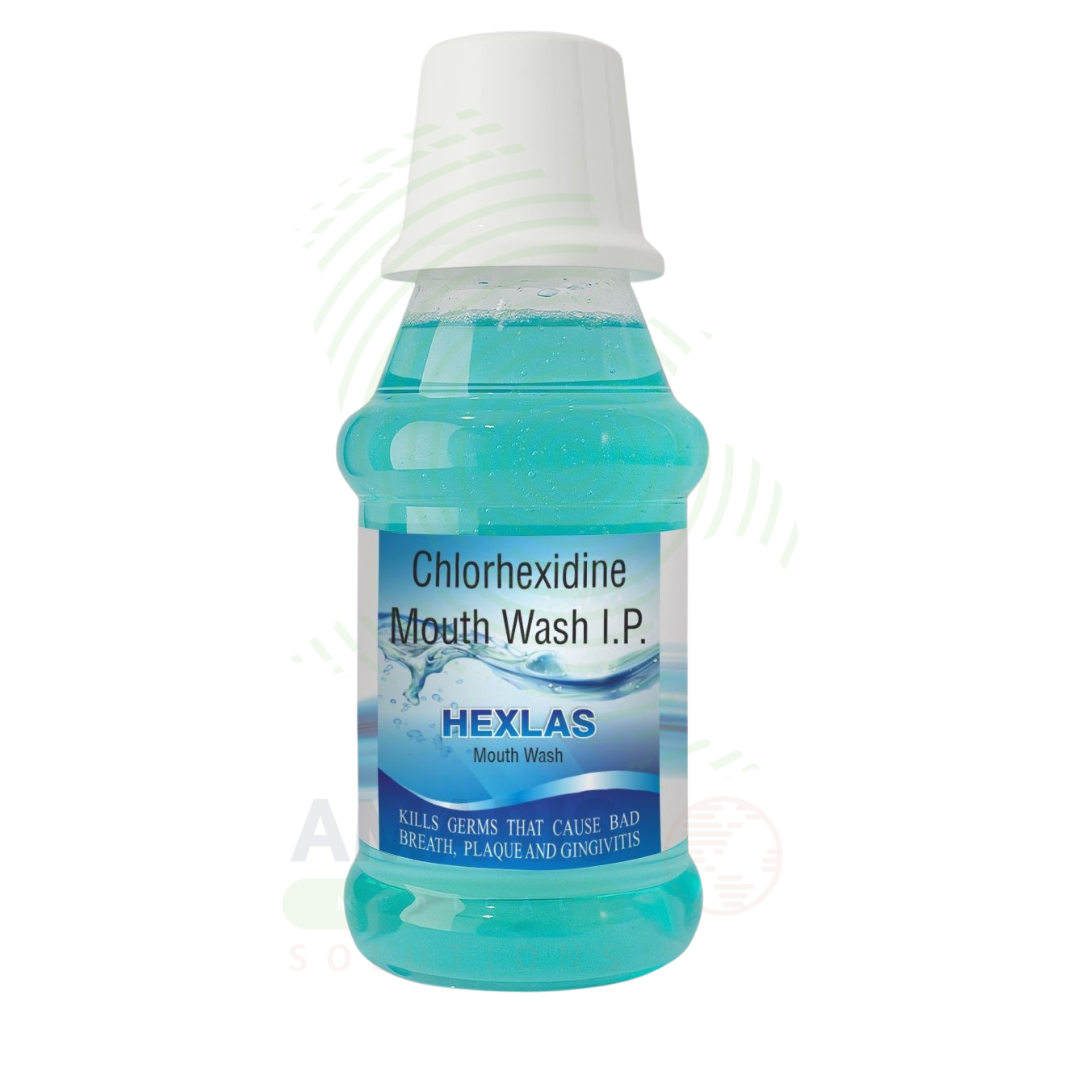

Chlorhexidine Mouthwash
$1.00
WhatsApp Order
Chlorhexidine Mouthwash is a potent, substantive antimicrobial oral rinse containing chlorhexidine gluconate (typically 0.12% or 0.2%). It is the gold-standard chemical agent for controlling plaque biofilm and gingival inflammation, prescribed for short-term therapeutic use following oral surgery, in the treatment of periodontitis, for patients with physical limitations, and in ICU protocols to prevent pneumonia. Its key property is substantivity—binding to oral tissues for prolonged effect. Major precautions include avoiding use immediately after toothpaste, limiting duration to prevent tooth staining, and never swallowing the solution.
Description
Chlorhexidine Mouthwash
PRIMARY CLINICAL & DIAGNOSTIC USES
1. Therapeutic Adjunct in Periodontal Therapy
-
Primary Use: Serves as a potent, broad-spectrum antibacterial and anti-plaque agent in the treatment and management of gingivitis and periodontitis, prescribed to control supragingival and marginal plaque biofilm, reduce gingival inflammation, and manage bleeding following professional interventions like scaling and root planing.
-
How it helps: For the periodontist and dental hygienist, chlorhexidine provides a chemical plaque control adjunct that extends the benefits of professional debridement—suppressing bacterial repopulation during the critical healing period. For the patient with active periodontal disease, chlorhexidine helps control the bacterial load that causes inflammation and bleeding, supporting the resolution of gingivitis and the healing of periodontal tissues.
2. Post-Surgical Oral Care
-
Primary Use: Standard protocol following oral surgical procedures such as tooth extractions, periodontal surgery, implant placement, and biopsies, used to prevent infection, promote wound healing, and maintain oral hygiene in areas where mechanical brushing and flossing are temporarily contraindicated.
-
How it helps: For the oral surgeon and dental practitioner, chlorhexidine provides essential antimicrobial protection during the post-operative period—reducing the risk of surgical site infection and promoting uneventful healing. For the patient recovering from oral surgery, chlorhexidine rinses offer a gentle, effective means of maintaining cleanliness in the surgical site without disturbing delicate healing tissues.
3. Management of Oral Infections and Ulcerations
-
Primary Use: Used to treat and control acute oral infections such as pericoronitis and acute necrotizing ulcerative gingivitis, and to provide symptomatic relief and prevent secondary infection in conditions like aphthous ulcers, oral lichen planus, and chemotherapy or radiation-induced mucositis.
-
How it helps: For the dentist and oral medicine specialist, chlorhexidine provides an effective adjunct for managing painful oral conditions—reducing bacterial load, preventing secondary infection, and promoting healing. For the patient suffering from painful ulcers or mucositis, chlorhexidine offers relief from the discomfort associated with secondary infection and supports the healing process.
4. Critical Care and Hospital-Acquired Pneumonia Prophylaxis
-
Primary Use: Employed in intensive care units as part of oral care protocols for intubated or critically ill patients, reducing oropharyngeal bacterial load to help lower the risk of ventilator-associated pneumonia, a major nosocomial infection.
-
How it helps: For the critical care team and infection control specialists, chlorhexidine oral care is an evidence-based intervention that reduces the incidence of ventilator-associated pneumonia—a leading cause of morbidity and mortality in ICU patients. For the critically ill patient, this simple intervention helps prevent a potentially life-threatening complication during their hospitalization.
5. Chemical Plaque Control for Patients with Physical Limitations
-
Primary Use: Serves as an essential hygiene aid for patients who are temporarily or permanently unable to perform adequate mechanical plaque removal due to conditions such as maxillofacial trauma, wired jaws, severe motor disabilities, or post-stroke recovery.
-
How it helps: For the dental team and rehabilitation specialists, chlorhexidine provides a vital alternative to mechanical plaque control when patients cannot brush or floss effectively. For the patient with physical limitations, chlorhexidine offers a means of maintaining oral hygiene and preventing dental disease during periods when traditional oral care is impossible.
6. Broad-Spectrum Antimicrobial Activity
-
Primary Use: Exhibits activity against a wide range of oral microorganisms including Gram-positive and Gram-negative bacteria, yeasts, and certain viruses, making it effective against the polymicrobial biofilm associated with oral diseases.
-
How it helps: For the clinician, chlorhexidine’s broad-spectrum activity ensures effective suppression of the complex oral microbiome that contributes to dental plaque, gingivitis, and periodontitis. For the patient, this comprehensive antimicrobial action helps control the multiple bacterial species involved in oral disease processes.
7. Substantivity and Prolonged Action
-
Primary Use: Demonstrates exceptional substantivity, binding to oral tissues and tooth surfaces and releasing active agent over 8-12 hours, providing prolonged antimicrobial activity beyond the immediate rinsing period.
-
How it helps: For the dental professional, chlorhexidine’s substantivity means that a twice-daily rinse provides continuous antimicrobial protection throughout the day. For the patient, this extended action reduces the frequency of use needed for effective plaque control.
8. Reduction of Gingival Bleeding
-
Primary Use: Effectively reduces gingival inflammation and bleeding on probing by suppressing the bacterial biofilm responsible for gingival inflammation.
-
How it helps: For the periodontist, reduction in bleeding on probing is a key indicator of gingival health improvement. For the patient, chlorhexidine use leads to visibly healthier gums with less bleeding during brushing and flossing.
9. Inhibition of Plaque Formation
-
Primary Use: Prevents the formation of new dental plaque by inhibiting bacterial adhesion to tooth surfaces and disrupting existing biofilm structure.
-
How it helps: For the clinician, chlorhexidine provides a means of controlling plaque accumulation in patients at high risk for dental disease. For the patient, this plaque-inhibiting effect helps maintain oral cleanliness between professional cleanings.
10. Wound Healing Promotion
-
Primary Use: By reducing bacterial load and preventing secondary infection, chlorhexidine creates an environment conducive to healing in surgical and ulcerated oral tissues.
-
How it helps: For the surgeon, chlorhexidine supports predictable wound healing outcomes. For the patient, this means reduced risk of post-operative complications and faster recovery.
SECONDARY & SUPPORTIVE USES
1. Pre-Procedural Rinse for Dental Treatment: Used by patients immediately before certain dental procedures to reduce the number of oral microorganisms, decreasing the risk of bacteremia and providing a cleaner operating field. For the dental team, this reduces the microbial burden during procedures; for the patient, it helps protect against transient bacteremia.
2. Adjunct to Orthodontic Care: Prescribed for orthodontic patients who struggle with plaque control around brackets and wires, helping to prevent enamel demineralization and gingival inflammation. For the orthodontist, chlorhexidine protects against the white spot lesions that complicate orthodontic treatment; for the patient, it helps maintain enamel health during braces.
3. Disinfection of Removable Dental Appliances: Diluted solutions can be used to soak and disinfect removable dentures, orthodontic retainers, and mouthguards to eliminate biofilm and odor-causing bacteria. For the dental professional, this supports appliance hygiene; for the patient, it ensures that removable appliances remain clean and odor-free.
4. Management of Halitosis: Effectively reduces the bacterial load responsible for producing volatile sulfur compounds, providing a potent solution for severe halitosis when used under professional guidance. For the clinician, chlorhexidine offers an option for managing refractory halitosis; for the patient, it provides relief from chronic bad breath.
5. Treatment of Oral Candidiasis: Can be used as an adjunct in the management of oral candidiasis, particularly in immunocompromised patients. For the clinician, this provides an additional tool for managing fungal infections; for the patient, it helps control secondary bacterial infection during fungal overgrowth.
6. Prevention of Alveolar Osteitis (Dry Socket): Used as a pre-operative rinse or post-operative irrigation to reduce the incidence of dry socket following tooth extraction. For the oral surgeon, this reduces a common post-extraction complication; for the patient, it prevents the severe pain associated with dry socket.
7. Management of Peri-Implant Mucositis: Used in the management of peri-implant mucositis to control bacterial biofilm around dental implants. For the implantologist, chlorhexidine supports implant maintenance; for the patient, it helps preserve the health and longevity of their dental implants.
KEY PRODUCT FEATURES
1. BASIC IDENTIFICATION ATTRIBUTES
-
Product Type: A therapeutic, prescription-grade or over-the-counter (OTC) antimicrobial mouthrinse.
-
Designation: Primarily defined by its active ingredient concentration, most commonly Chlorhexidine Gluconate, typically at 0.12% or 0.2% (2 mg/mL) for oral use.
-
Core Formulation: An aqueous solution containing chlorhexidine gluconate. Often includes excipients such as alcohol (as a solubilizing agent, though alcohol-free versions exist), flavoring agents (e.g., mint), and coloring.
2. TECHNICAL & PERFORMANCE PROPERTIES
-
Mechanism of Action: A cationic bisbiguanide that binds strongly to oral tissues (substantivity) and is released slowly over 12+ hours. It disrupts bacterial cell membranes, leading to cell lysis and death. It is effective against a broad spectrum of Gram-positive and Gram-negative bacteria, fungi, and enveloped viruses.
-
Substantivity: Its most critical property. The ability to adhere to oral mucosa and tooth surfaces, creating a reservoir that provides prolonged antimicrobial activity long after rinsing, distinguishing it from other mouthwashes.
-
pH & Compatibility: Formulated to be stable and effective within the oral pH range. It is incompatible with anionic agents (e.g., sodium lauryl sulfate in most toothpastes), which neutralize its action, necessitating a rinse interval between brushing and chlorhexidine use.
3. PHYSICAL & OPERATIONAL PROPERTIES
-
Presentation: Typically a clear or colored liquid dispensed in bottles ranging from 100 mL to 1 liter, often with a measuring cap.
-
Dosage & Administration: Standard dose is 15 mL (capful) used as a rinse for 30 seconds to 1 minute, usually twice daily or as prescribed. Must not be swallowed.
4. SAFETY & COMPLIANCE ATTRIBUTES
-
Regulatory Status: Classified as a medicinal product/drug. Higher concentrations (e.g., 0.2%) often require a prescription, while 0.12% may be available OTC in some regions.
-
Biocompatibility & Side Effects: While safe for topical use, known side effects with prolonged use (>2-4 weeks) include tooth staining (extrinsic brown stains), transient taste disturbance (dysgeusia), and rare cases of oral mucosal desquamation or parotid gland swelling.
-
Contraindications: Hypersensitivity to chlorhexidine. Use with caution in patients with a history of significant alcohol dependence if the formulation contains alcohol.
5. STORAGE & HANDLING ATTRIBUTES
-
Storage: Store at room temperature, protected from light. Keep the bottle tightly closed to prevent evaporation or contamination of the solution.
-
Shelf Life: Use by the expiration date on the bottle. Do not dilute the solution prior to storage, as this may compromise stability and antimicrobial efficacy.
-
Cleaning & Maintenance: Rinse the measuring cap after use. The product is a consumable liquid with no reusable components.
6. LABORATORY & CLINICAL APPLICATIONS
-
Primary Application: A gold-standard chemical antiplaque agent in dentistry for short-term therapeutic intervention. It is not a substitute for mechanical cleaning but a powerful adjunct for specific clinical indications.
-
Protocol-Driven Use: Its application is highly protocol-dependent, with defined treatment durations (often 2-week cycles) to balance efficacy with the management of known side effects like staining.
SAFETY HANDLING PRECAUTIONS
1. SAFETY PRECAUTIONS
-
Timing of Use (Most Important): To avoid inactivation, patients must wait at least 30 minutes after brushing with toothpaste before rinsing with chlorhexidine. Conversely, they should not eat or drink for 30 minutes after rinsing to maintain substantivity.
-
Avoid Swallowing: The product is for topical oral use only. Accidental ingestion of small amounts is typically harmless, but swallowing larger quantities requires medical attention.
-
Limited Duration of Use: Should generally be used for periods of 2 to 4 weeks unless otherwise directed by a dental professional, to minimize side effects like staining and taste alteration. Long-term daily use is rarely indicated.
-
Stain Management: Inform patients that staining is common and reversible with a professional dental prophylaxis (cleaning). Enhanced oral hygiene and possibly avoiding tannin-rich beverages (tea, coffee, red wine) during treatment can reduce staining.
2. FIRST AID MEASURES
-
Accidental Ingestion: If a significant volume is swallowed, do not induce vomiting. Rinse the mouth with water and drink a glass of water or milk. Contact a poison control center or seek medical attention immediately, providing the product container.
-
Eye Contact: In case of contact with eyes, rinse immediately with plenty of water for several minutes. Remove contact lenses if present and easy to do. Seek medical advice if irritation persists.
-
Allergic Reaction: If signs of hypersensitivity (rash, itching, swelling of the face/tongue, severe dizziness) occur, discontinue use and seek immediate medical attention.
3. FIRE FIGHTING MEASURES
-
Flammability: Many formulations contain alcohol and are flammable.
-
Extinguishing Media: For alcohol-based solutions, use alcohol-resistant foam, CO₂, or dry chemical powder. Water may be ineffective but can be used to cool containers exposed to fire.
Related products
Anti-Embolic Compression Stockings
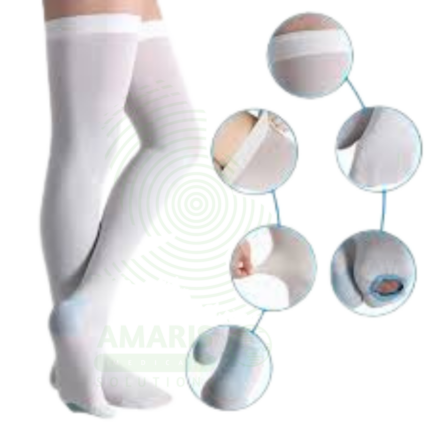
Anti-Embolic Compression Stockings are medical-grade elastic stockings designed to prevent Deep Vein Thrombosis (DVT) in non-ambulatory, surgical, or medically ill patients. By delivering graduated external pressure—tightest at the ankle and decreasing up the leg—they enhance venous blood flow and reduce stasis, a key factor in clot formation. They are a cornerstone of mechanical thromboprophylaxis in hospitals. Correct sizing based on precise leg measurements is critical for both efficacy and safety, as improper fit can lead to complications or failure of prophylaxis. Daily skin assessment and adherence to wearing guidelines are essential components of safe use.
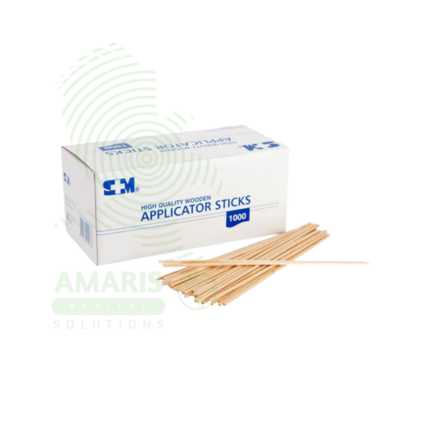
Applicator Sticks
Applicator Sticks are single-use medical devices with absorbent tips (cotton, rayon, flocked polyester) on wood, plastic, or paper shafts for collecting clinical specimens (throat, nasal, wound, cervical, urethral, rectal) for microbiological culture, rapid testing, and molecular diagnostics. Sterile individually wrapped or non-sterile bulk formats. Flocked swabs provide >90% specimen release for PCR testing. Primary applications include specimen collection for infection diagnosis, wound care and antiseptic application, gynecological sampling (Pap smears, STI testing), eye/ear specimen collection, laboratory slide preparation, and forensic evidence collection. Critical precautions include single-use only, sterile technique, proper collection method, and biohazard disposal. Essential consumable in all clinical settings.
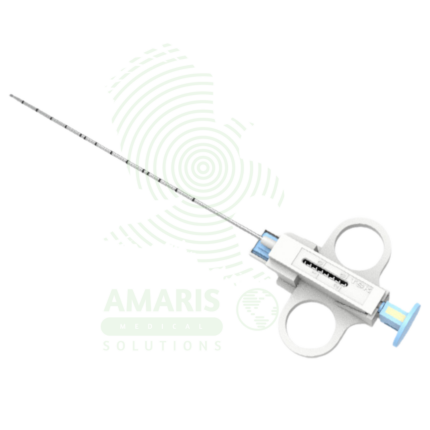
Biopsy Needles
Biopsy Needles are sterile, single-use precision medical devices designed to obtain tissue or cellular specimens from internal organs, masses, and lesions for histopathological or cytological diagnosis. Available in core biopsy (automatic spring-loaded, semi-automatic, vacuum-assisted, coaxial) and fine needle aspiration configurations, with gauges ranging from 14G-27G and lengths from 6-25 cm. Core biopsy needles obtain intact tissue cores preserving histological architecture; FNA needles aspirate cellular material for cytological evaluation. Specialized variants include bone marrow biopsy needles (Jamshidi, Illinois), echogenic-tip needles for ultrasound guidance, and MRI-compatible needles (nitinol, titanium). Critical safety requirements include strict image guidance for non-palpable lesions, verification of coagulation status, adherence to single-use protocols, and immediate post-procedure monitoring for complications (hemorrhage, pneumothorax, organ injury). An indispensable tool in interventional radiology, oncology, and minimally invasive diagnosis.
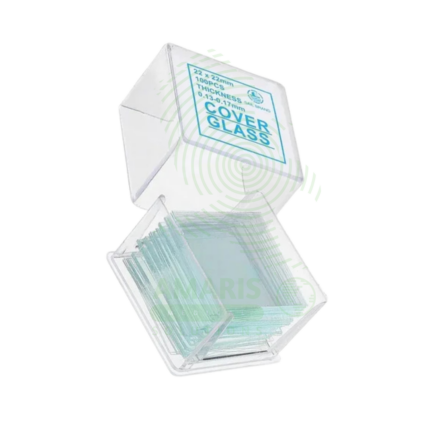
Cover Glass
Cover Glass (coverslips) are thin, transparent glass or plastic squares (e.g., 18×18 mm, 22×22 mm) or rectangles (22×30 mm, 24×50 mm) used to cover specimens on microscope slides for microscopic examination. Available in thickness No. 1 (0.13-0.16 mm) and No. 1.5 (0.16-0.19 mm) for optimal microscopy. Made from optical glass with high light transmission (>90%), refractive index 1.52 matching immersion oil. Packaged in boxes of 100-1000, interleaved with paper to prevent scratching. Primary clinical applications include covering blood films for manual differential counts and malaria diagnosis, wet mount preparations of urine sediment and vaginal secretions, histopathology and cytology slides, Gram-stained bacterial smears, semen analysis, KOH preparations for fungal elements, and India ink preparations for Cryptococcus. Critical safety precautions include handling with forceps (sharp edges), disposing of broken coverslips in sharps containers, avoiding fingerprints on optical surface, and proper disposal of biohazard-contaminated coverslips. Essential consumable in every clinical laboratory performing microscopy.
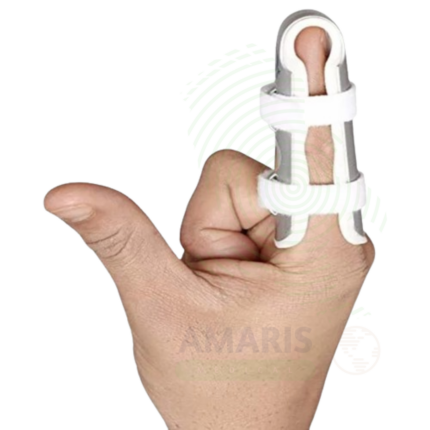
Finger Cot
A Finger Cot is a small, finger-shaped protective covering used to protect minor finger wounds, diabetic ulcers, surgical incisions, and amputation stumps, as well as to provide barrier protection for healthcare workers and laboratory personnel. Made from latex, nitrile, vinyl, or silicone, it provides a comfortable, secure fit while protecting the finger from contamination, moisture, friction, and irritants. Available in various sizes, materials, and sterile or non-sterile versions. Latex-free options are available for individuals with latex allergy.
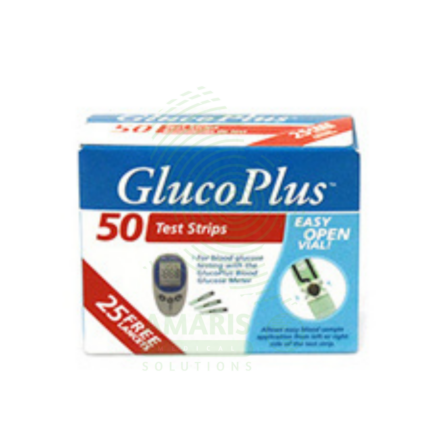
Glucosics Blood Sugar Sticks
Glucosics Blood Sugar Sticks are single-use, disposable electrochemical test sticks (ISO 15197:2013 compliant) designed exclusively for use with Glucosics glucose meters to measure capillary blood glucose from 0.5-1.0 µL samples in 5-7 seconds. Each stick contains glucose oxidase or glucose dehydrogenase reagents that generate electrical current proportional to glucose concentration (20-600 mg/dL range). Packaging options include multi-stick vials (25-100 sticks) with desiccant for daily use or individually foil-wrapped sticks for travel. Sticks feature no-coding automatic calibration, hematocrit compensation (20-60%), and interference resistance. Primary clinical applications include daily blood glucose testing for Type 1, Type 2, and gestational diabetes management, hypoglycemia and hyperglycemia detection, pre- and post-meal glucose assessment, and hospital point-of-care testing. Critical safety precautions include single-use only, immediate vial closure after stick removal to prevent humidity damage, storage at 2-30°C away from bathrooms and temperature extremes, never using expired sticks, proper hand hygiene before testing, and disposal in sharps containers. Essential consumable for diabetes self-management when used with Glucosics meters.
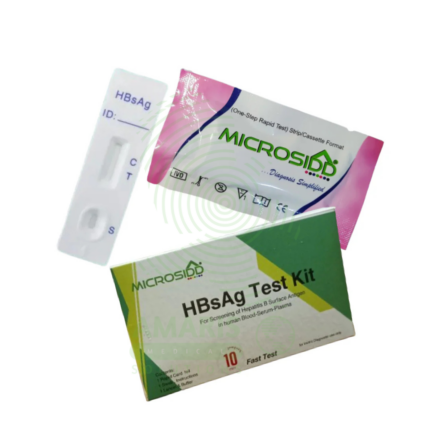
Hepatitis B Test Kit
The Hepatitis B Test Kit is an in vitro diagnostic device for the detection of Hepatitis B virus markers in human blood samples, available in rapid, ELISA, and molecular formats. It detects specific antigens (HBsAg) and antibodies (anti-HBc, anti-HBs) to diagnose acute and chronic infection, monitor treatment response, screen blood donations, and determine immunity status. With high sensitivity (>98%) and specificity (>99%), it provides results in 15 minutes to 4 hours depending on format. Essential applications include prenatal screening to prevent mother-to-child transmission, evaluation of acute hepatitis, pre-immunosuppression screening, and occupational health testing. All patient samples must be handled with universal precautions, and testing must include appropriate quality controls.