Dermatoscope and Magnifiers
 Diagnostic Kits
 Vital Signs Monitors
 Stethoscopes and Accessories
 Otoscopes, Ophthalmoscopes, and Retinoscopes
 Reflex Hammers and Neurological Tools
 Scales and Measuring Devices
 Spirometers and Pulmonary Function Tests
 Electrosurgical Units and Accessories
 Cutting Instruments
 Grasping and Holding Instruments
 Hemostatic Instruments
 Specialized Surgical Sets
 Single-Use Procedure Trays and Packs
 Surgical Drapes, Gowns, and Covers
 Tissue Unifying Instruments
 Radiation Protection
 X-Ray Machines and Accessories
 Ultrasound Systems and Probes
 MRI and CT Scanners
 Radiology Consumables
 Bone Densitometers
 Fluoroscopy Equipment
 Imaging Tables and Positioning Aids
 Microscopes and Accessories
 Centrifuges and Separators
 Analyzers
 Incubators and Ovens
 Pipettes, Dispensers, and Lab Glassware
 Refrigerators, Freezers, and Storage Units
 Lab Consumables
 Sterilizers and Autoclaves for Lab Use
 Multi-Parameter Monitors
 Ventilators and Respiratory Support Devices
 Defibrillators and AEDs
 Infusion Pumps and IV Systems
 Patient Warmers and Cooling Devices
 Central Monitoring Stations
 Accessories
 Anesthesia Machines and Workstations
 Oxygen Concentrators and Delivery Systems
 Nebulizers and Inhalers
 CPAP/BiPAP Machines
 Airway Management
 Anesthesia Masks, Circuits, and Bags
 Humidifiers and Heaters
 Respiratory Therapy Accessories
 First Aid Kits and Cabinets
 Emergency Resuscitation Equipment
 Trauma Supplies
 Emergency Carts and Crash Carts
 Burn Care Products
 Bleeding Control
 Automated External Defibrillators (AEDs)
 Transport and Evacuation
 Wheelchairs and Accessories
 Walkers, Crutches, and Canes
 Prosthetics and Orthotics
 Physical Therapy Equipment
 Transfer Devices
 Bathroom Safety
 Orthopedic Traction and Tables
 Hot/Cold Therapy Packs and Units
 Beds and Mattresses
 Chairs and Stools
 Tables
 Cabinets and Storage
 Privacy Screens & Curtains
 Stands and Racks
 Linens and Textiles
 Lighting
 Autoclaves and Sterilizers
 Ultrasonic Cleaners
 Disinfectant Solutions and Wipes
 Sterilization Pouches, Wraps, and Indicators
 Instrument Trays and Containers
 UV and Ozone Disinfection Devices
 Washer Disinfectors
 Wound Care
 Gloves
 Masks and Respirators
 Catheters and Tubing
 Swabs, Applicators, and Sponges
 Incontinence Products
 Personal Protective Equipment (PPE)
 Dental Chairs and Units
 Handpieces and Burs
 Instruments
 Consumables
 Sterilization for Dental Use
 Orthodontic Supplies
 Endodontic Tools
 Slit Lamps and Tonometers
 Lensometers and Phoropters
 Ophthalmic Surgical Instruments
 Eyewear Frames and Lenses
 Contact Lens Supplies
 Vision Testing Charts and Devices
 Eye Care Consumables
 Laser Systems for Eye Care
 ENT Exam Chairs and Tables
 Endoscopes
 Audiometers and Hearing Tests
 ENT Instruments
 Nasal and Throat Packs
 Hearing Aids and Accessories
 Otology Supplies
 Fetal Dopplers and Monitors
 Delivery Beds and Tables
 Gynecological Instruments
 Neonatal Incubators and Warmers
 Breast Pumps and Accessories
 Contraceptive Devices
 Maternity Supports and Pads
 Neonatal Consumables
 Cystoscopes and Urethroscopes
 Dialysis Machines and Supplies
 Urological Catheters and Bags
 Lithotripters
 Prostate Treatment Devices
 Urinary Incontinence Products
 Kidney Stone Management Tools
 Consumables & Disposables
 EEG and EMG Machines
 Neurosurgical Instruments
 Nerve Stimulators
 Headrests and Positioning Aids
 Lumbar Puncture Kits
 Seizure Monitoring Devices
 Consumables
 Rehabilitation for Neurological Conditions
 ECG Machines and Accessories
 Holter Monitors
 Stress Test Systems
 Pacemakers and Defibrillator Accessories
 Vascular Access Devices
 Cardiac Catheters and Guidewires
 Blood Flow Meters
 Consumables
 Orthopedic Instruments
 Casts, Splints, and Padding
 Joint Replacement Supplies
 Prosthetic Limbs and Components
 Bone Grafts and Substitutes
 Traction Devices
 Orthopedic Braces and Supports
 Rehabilitation Aids for Orthopedics
 Home Oxygen Therapy
 Hospital Beds for Home Use
 Mobility Aids
 Bathroom and Daily Living Aids
 Wound Care for Home
 Monitoring Devices
 Enteral Feeding Pumps and Tubes
 Hand Sanitizers and Dispensers
 Face Shields and Goggles
 Isolation Gowns and Suits
 Biohazard Waste Containers
 Air Purifiers and HEPA Filters
 Surface Disinfectants
 Sharps Containers
 Protective Barriers
 Cardiovascular & Endurance Training
 Strength Training & Weightlifting
 Functional Training & Core Conditioning
 Physical Therapy & Rehabilitation
 Sports & Outdoor Recreation
 Gym Flooring & Facility Equipment
 Fitness Monitoring & Accessories
 Kids & Novelties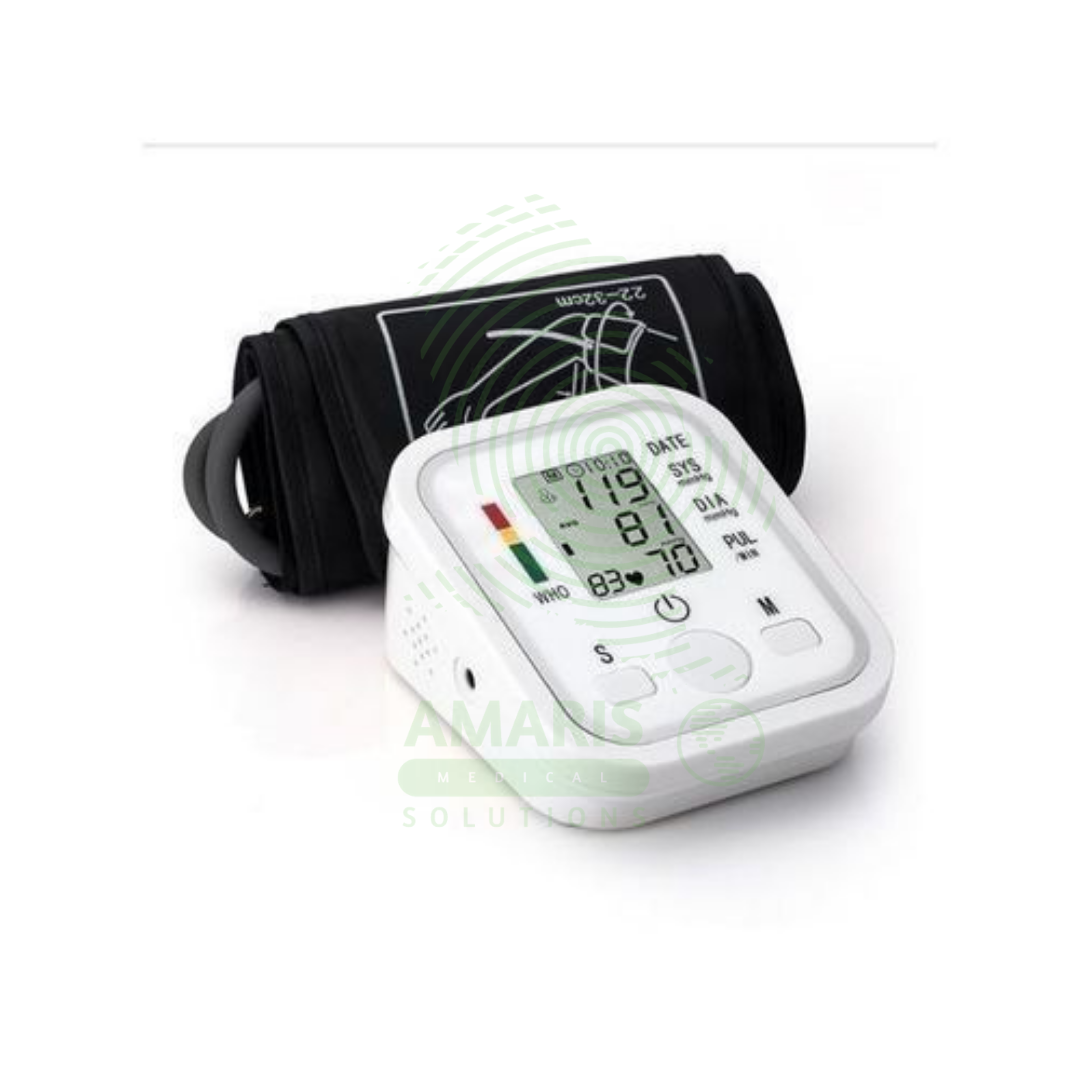
Digital Blood Pressure Monitor
WhatsApp Order
A Digital Blood Pressure Monitor is an automatic electronic device that measures and displays systolic pressure, diastolic pressure, and pulse rate using the oscillometric method. Designed primarily for home and clinical use, it offers a user-friendly alternative to manual aneroid devices, requiring minimal training. Key features often include irregular heartbeat detection, multi-user memory, and connectivity for data tracking. Its accuracy, when clinically validated and used with correct technique, makes it an indispensable tool for the diagnosis and management of hypertension, empowering patients and supporting healthcare providers with reliable ambulatory data.
Description
Digital Blood Pressure Monitor
PRIMARY CLINICAL & DIAGNOSTIC USES
1. Ambulatory Blood Pressure Monitoring (ABPM) Support & Home Blood Pressure Monitoring (HBPM):
-
Primary Use: The primary use is for patients to measure their blood pressure outside the clinical environment. HBPM is a cornerstone for diagnosing hypertension, distinguishing white-coat or masked hypertension, and evaluating the long-term efficacy of antihypertensive therapy.
-
How it helps: Provides doctors with a complete picture of a patient’s blood pressure throughout their daily life, revealing patterns that office visits miss—such as nighttime spikes or stress-related fluctuations—leading to more accurate diagnosis and personalized treatment plans.
2. Routine Vital Signs Assessment in Clinical Settings:
-
Primary Use: Widely used in hospitals, clinics, and doctor’s offices for efficient, automated blood pressure and pulse rate measurement during triage, routine check-ups, and patient monitoring.
-
How it helps: Streamlines clinical workflow by delivering quick, consistent readings without manual effort, allowing healthcare staff to focus more on patient interaction and less on measurement technique.
3. Hypertension Screening & Management:
-
Primary Use: A fundamental tool for initial high blood pressure detection in community screening programs and for the ongoing management and titration of medication based on tracked trends.
-
How it helps: Enables early identification of hypertension in large populations, catching the “silent killer” before it causes irreversible damage to the heart, brain, and kidneys through undetected high pressure.
4. Chronic Disease Management:
-
Primary Use: Essential for patients with diabetes, chronic kidney disease, or heart failure, where regular blood pressure monitoring is critical to slowing disease progression and preventing complications.
-
How it helps: Serves as a key pillar of chronic disease care, giving patients with complex conditions a simple way to track a vital sign that directly impacts their long-term survival and quality of life.
5. Geriatric & Long-Term Care Monitoring:
-
Primary Use: Its simplicity and automation make it ideal for frequent use in nursing homes and for elderly patients at home, providing consistent readings with minimal operator skill required.
-
How it helps: Removes the technical barriers that can prevent elderly patients from monitoring their own health, empowering them to maintain independence while ensuring their blood pressure stays within safe limits.
SECONDARY & SUPPORTIVE USES
1. Preventive Health & Wellness: Used by health-conscious individuals to track cardiovascular fitness and the impact of lifestyle changes such as diet, exercise, and stress management, promoting proactive health maintenance.
2. Pharmacological Research & Drug Trials: Employed to collect consistent blood pressure data from participants in clinical studies, especially those focused on cardiovascular medications, supporting the development of new treatments.
3. Telehealth & Remote Patient Monitoring (RPM): Modern devices with Bluetooth or cellular connectivity enable seamless transmission of readings to healthcare providers, facilitating remote chronic care management and virtual consultations.
4. Post-operative & Post-discharge Monitoring: Allows for the safe monitoring of blood pressure during recovery at home after surgery or hospitalization, as per physician instructions, reducing unnecessary readmissions.
5. Fitness & Sports Medicine: Used to establish cardiovascular baselines and monitor recovery vitals in athletic training and rehabilitation settings, helping athletes optimize performance and safely return to activity after injury.
KEY PRODUCT FEATURES
1. BASIC IDENTIFICATION ATTRIBUTES
-
Device Type: Automatic, Electronic Sphygmomanometer.
-
Common Names: Digital BP Monitor, Automatic BP Machine.
-
Measurement Method: Oscillometric (detects arterial wall oscillations during cuff deflation).
-
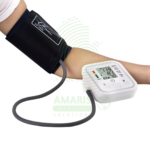
Measurement Sites: Primarily Upper Arm (most accurate for clinical reference); also Wrist (more portable, but more sensitive to positioning).
-
Display: Digital Liquid Crystal Display (LCD) or Light Emitting Diode (LED) screen showing systolic BP, diastolic BP, and pulse rate.
2. TECHNICAL & PERFORMANCE PROPERTIES
-
Measurement Range: Typical Pressure: 0-299 mmHg; Pulse: 40-200 beats per minute.
-
Accuracy: Must be clinically validated per recognized protocols (AAMI/ESH/ISO 81060-2:2018 is the international standard). Typical declared accuracy is within ±3 mmHg for pressure and ±5% for pulse.
-
Cuff: Includes an inflatable arm cuff with a D-ring or pre-formed design. Correct cuff size is paramount—bladder should encircle 80-100% of the arm circumference. Available in Small Adult, Adult, Large Adult, and Extra-Large sizes.
-
Key Features:
-
Irregular Heartbeat Detector (IHD): Identifies potential atrial fibrillation or other arrhythmias during measurement.
-
Multi-User Memory: Stores readings for 2 or more users (e.g., 30, 60, 90, or 2x99 readings per user) with date/time stamp.
-
Hypertension Classification: Color-coded indicator (often following WHO/ISH guidelines) or warning symbols for high readings.
-
Averaging: Calculates the average of the last 2 or 3 readings taken in a session.
-
Movement Detection: Alerts user if excessive movement is causing potential inaccuracy.
-
3. PHYSICAL & OPERATIONAL PROPERTIES
-
Power Source: Operates on standard batteries (AA/AAA) and often includes a port for an AC/DC power adapter.
-
Automation: Fully automatic inflation and deflation with one-touch operation. Some models offer manual inflation.
-
Connectivity: Advanced models feature Bluetooth or Wi-Fi to pair with smartphone apps (e.g., Apple Health, Google Fit) or cloud platforms for data tracking, trend graphs, and sharing with physicians.
-
Portability: Compact, lightweight design for home use and travel.
4. SAFETY & COMPLIANCE ATTRIBUTES
-
Regulatory Approvals: Must carry relevant market authorizations: CE Marking (Europe), FDA 510(k) Clearance (USA), UKCA Marking (UK), etc.
-
Safety Standards: Complies with IEC 60601-1 (General Safety) and IEC 60601-1-2 (Electromagnetic Compatibility).
-
Clinical Validation: The most critical attribute. Reputable devices will state they are "Clinically Validated" according to a specific protocol (e.g., ESH, BHS, AAMI). This is distinct from and more important than general electrical safety approvals.
5. STORAGE & HANDLING ATTRIBUTES
-
Storage Conditions: Store in a cool, dry place (0°C to 40°C, ≤85% humidity). Avoid direct sunlight, dust, and extreme temperatures.
-
Cuff Care: Keep cuff clean and dry. Do not fold tightly or crease the bladder tubing. Store loosely coiled.
-
Battery Management: Remove batteries if the device will not be used for several months to prevent leakage and corrosion.
6. LABORATORY & CLINICAL APPLICATIONS
-
Primary Application: Automated, non-invasive assessment and longitudinal tracking of arterial blood pressure and heart rate for diagnostic and management purposes.
-
Supportive Application: A key data source for cardiovascular risk stratification, clinical research, and population health studies.
SAFETY HANDLING PRECAUTIONS
1. SAFETY PRECAUTIONS
-
Personal Protective Equipment (PPE): Not required for home use. In clinical settings, follow standard infection control (e.g., clean cuff between patients, gloves if risk of exposure to bodily fluids).
-
Patient Preparation & Positioning: For accurate readings, the patient must be seated quietly for 5 minutes prior, back supported, feet flat, arm supported at heart level. The cuff must be applied to bare skin.
-
Device Safety: Use only the manufacturer-provided cuff and power supply. Do not use on an arm with an intravenous line, arteriovenous shunt, or significant lymphedema. Do not disassemble.
2. FIRST AID MEASURES
-
General: The device is non-invasive. Attend to any patient medical emergency first.
-
Device Malfunction: If the device emits smoke, sparks, or unusual heat, disconnect from power and remove batteries immediately. Do not use.
-
Battery Ingestion/Leakage: If battery chemicals contact skin or eyes, rinse thoroughly with water and seek medical advice. If ingested, seek immediate medical attention.
3. FIRE FIGHTING MEASURES
-
Flammability: Plastic housing, LCD, internal electronics, and cuff materials are combustible.
-
Extinguishing Media: For electrical fires, use CO₂ (Carbon Dioxide) or dry powder extinguishers. Water or foam can be used on surrounding fires but may damage the device.
-
Hazardous Combustion Products: Toxic fumes may be released from burning plastics and lithium batteries.
-
Firefighter Instructions: Wear full protective gear and SCBA. Consider the risk of battery explosion/thermal runaway.
Related products
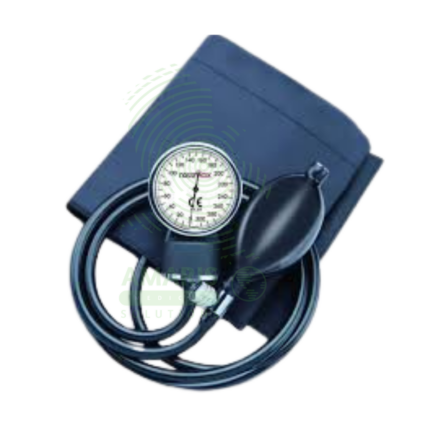
Aneroid Blood Pressure Monitor
The Aneroid Blood Pressure Monitor is a manual, mechanical sphygmomanometer used for the accurate, non-invasive measurement of arterial blood pressure. Operating on the auscultatory method, it consists of an inflatable cuff, a pump bulb with a release valve, and a calibrated dial gauge. Renowned for its reliability, durability, and independence from electrical power, it serves as a clinical gold standard and essential tool in physician offices, hospitals, and for guided home monitoring. Its accuracy is dependent on proper technique, correct cuff size, and regular calibration, making it a fundamental device for diagnosing and managing hypertension and assessing cardiovascular health.
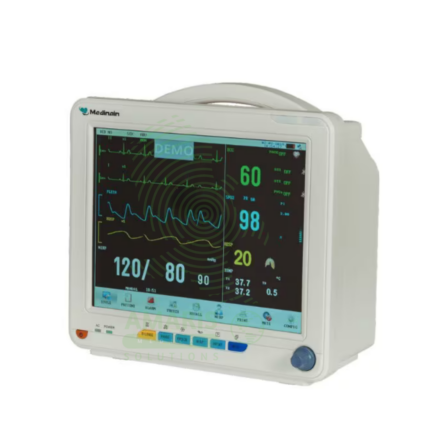
ECG Machine
An ECG Machine is a Class II medical device that records and displays the electrical activity of the heart through surface electrodes, producing an electrocardiogram for diagnosis of cardiac conditions. Standard diagnostic machines record 12 simultaneous leads (3 limb, 6 precordial, 1 ground) with frequency response 0.05-150 Hz, sampling rate 500-1,000 Hz, and high-resolution (5-10 µV) signal acquisition. Features include color touchscreen display, thermal array printer, computerized interpretation algorithms, internal memory (50-500+ ECGs), and network connectivity for EMR integration. Lead wires (AHA or IEC color coding) connect to disposable adhesive electrodes. Portable models (5-15 kg) with rechargeable batteries enable bedside and mobile use; cart-mounted units provide full diagnostic capability. Primary clinical applications include diagnosis of arrhythmias (AF, VT, bradycardia), detection of myocardial ischemia/infarction (STEMI, NSTEMI), evaluation of chest pain, preoperative cardiac risk assessment, monitoring electrolyte imbalances, assessment of chamber enlargement, and drug effect/toxicity monitoring. Essential diagnostic equipment in emergency departments, cardiology clinics, ICUs, operating rooms, and primary care settings worldwide.
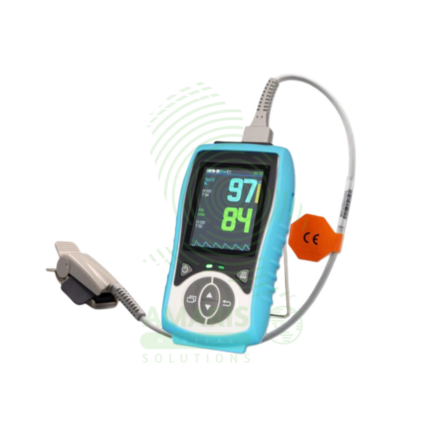
Handheld Pulse Oximeter
A Handheld Pulse Oximeter is a professional-grade, portable medical device used by healthcare providers for accurate and reliable monitoring of blood oxygen saturation (SpO2) and pulse rate. It consists of a durable, feature-rich monitor unit and separate, interchangeable sensors for use on fingers, toes, or ears. Superior to basic fingertip models, it offers advanced functions like configurable alarms, detailed plethysmograph display, trend memory, and data connectivity. Its robust design, clinical accuracy under challenging conditions (motion, low perfusion), and versatility make it an essential tool in hospitals, clinics, ambulances, and home health for patient assessment and monitoring.
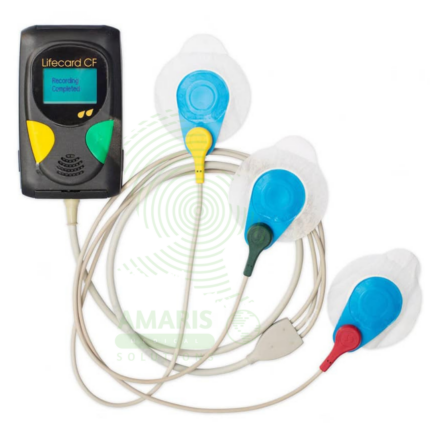
Holter ECG Monitor
A Holter ECG Monitor is a portable, wearable medical device used for continuous, long-term recording of a patient's heart's electrical activity over 24 to 48 hours or more. It is the cornerstone diagnostic tool for detecting intermittent cardiac arrhythmias, evaluating unexplained symptoms like syncope or palpitations, and monitoring the efficacy of antiarrhythmic treatments or implanted cardiac device function. Consisting of a small digital recorder connected to chest electrodes (or an all-in-one adhesive patch), it allows patients to maintain their normal daily routine while capturing a comprehensive electrocardiographic record.
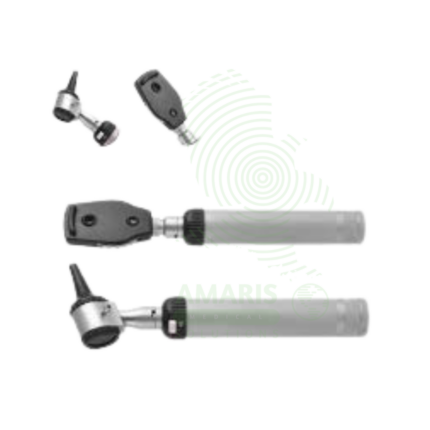
Ophthalmoscope
An Ophthalmoscope is a handheld diagnostic instrument used to examine the interior of the eye, specifically the fundus (retina, optic disc, blood vessels, and macula). By providing illuminated magnification, it serves as a vital screening tool for detecting ocular diseases like glaucoma and retinal disorders, and more importantly, for identifying signs of systemic conditions such as diabetes, hypertension, and increased intracranial pressure. Its operation involves selecting appropriate apertures and compensating lenses to obtain a clear view. While offering a detailed but narrow field of vision, mastery of the direct ophthalmoscope remains a cornerstone skill in general medicine, neurology, and ophthalmology for assessing vascular and neurological health.
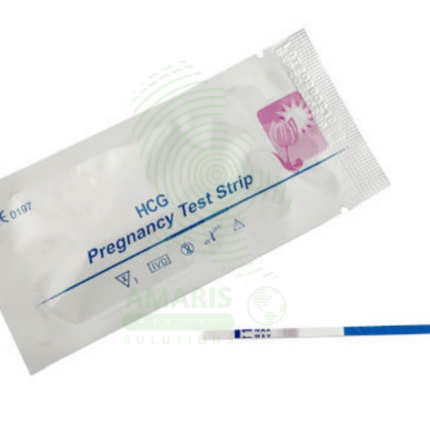
Pregnancy Test Strips
Pregnancy Test Strips are simple, dip-style lateral flow devices designed for the rapid, qualitative detection of human chorionic gonadotropin (hCG) in urine to indicate pregnancy. As the most fundamental format of home pregnancy tests, they offer high sensitivity (often from 10 mIU/mL), affordability, and a quick result within 3-5 minutes. Their ease of use makes them a widely accessible first step in pregnancy detection for personal use and clinical screening. A visible test line, even if faint, is a positive result, though confirmation with a healthcare provider is always recommended.
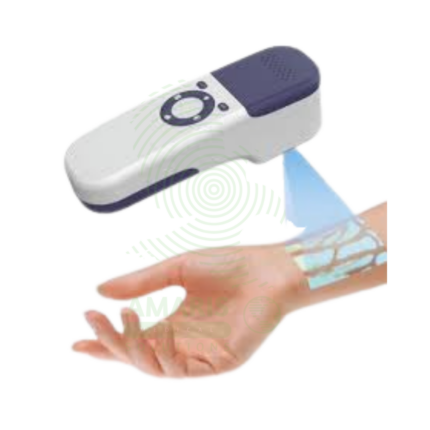
Vein Finder
A Vein Finder is a non-invasive medical imaging device that uses near-infrared light to visualize subcutaneous veins in real time and project a map of the vascular network directly onto the patient's skin. Primarily used to facilitate difficult venipuncture and IV access in challenging patient populations (pediatric, obese, elderly, dark-skinned), it enhances first-stick success rates, improves patient comfort, and reduces procedure time. As a handheld, portable aid, it complements the clinician's skill by providing clear visual guidance, making it a valuable tool in emergency rooms, operating theaters, infusion centers, and phlebotomy services.