Dermatoscope and Magnifiers
 Diagnostic Kits
 Vital Signs Monitors
 Stethoscopes and Accessories
 Otoscopes, Ophthalmoscopes, and Retinoscopes
 Reflex Hammers and Neurological Tools
 Scales and Measuring Devices
 Spirometers and Pulmonary Function Tests
 Electrosurgical Units and Accessories
 Cutting Instruments
 Grasping and Holding Instruments
 Hemostatic Instruments
 Specialized Surgical Sets
 Single-Use Procedure Trays and Packs
 Surgical Drapes, Gowns, and Covers
 Tissue Unifying Instruments
 Radiation Protection
 X-Ray Machines and Accessories
 Ultrasound Systems and Probes
 MRI and CT Scanners
 Radiology Consumables
 Bone Densitometers
 Fluoroscopy Equipment
 Imaging Tables and Positioning Aids
 Microscopes and Accessories
 Centrifuges and Separators
 Analyzers
 Incubators and Ovens
 Pipettes, Dispensers, and Lab Glassware
 Refrigerators, Freezers, and Storage Units
 Lab Consumables
 Sterilizers and Autoclaves for Lab Use
 Multi-Parameter Monitors
 Ventilators and Respiratory Support Devices
 Defibrillators and AEDs
 Infusion Pumps and IV Systems
 Patient Warmers and Cooling Devices
 Central Monitoring Stations
 Accessories
 Anesthesia Machines and Workstations
 Oxygen Concentrators and Delivery Systems
 Nebulizers and Inhalers
 CPAP/BiPAP Machines
 Airway Management
 Anesthesia Masks, Circuits, and Bags
 Humidifiers and Heaters
 Respiratory Therapy Accessories
 First Aid Kits and Cabinets
 Emergency Resuscitation Equipment
 Trauma Supplies
 Emergency Carts and Crash Carts
 Burn Care Products
 Bleeding Control
 Automated External Defibrillators (AEDs)
 Transport and Evacuation
 Wheelchairs and Accessories
 Walkers, Crutches, and Canes
 Prosthetics and Orthotics
 Physical Therapy Equipment
 Transfer Devices
 Bathroom Safety
 Orthopedic Traction and Tables
 Hot/Cold Therapy Packs and Units
 Beds and Mattresses
 Chairs and Stools
 Tables
 Cabinets and Storage
 Privacy Screens & Curtains
 Stands and Racks
 Linens and Textiles
 Lighting
 Autoclaves and Sterilizers
 Ultrasonic Cleaners
 Disinfectant Solutions and Wipes
 Sterilization Pouches, Wraps, and Indicators
 Instrument Trays and Containers
 UV and Ozone Disinfection Devices
 Washer Disinfectors
 Wound Care
 Gloves
 Masks and Respirators
 Catheters and Tubing
 Swabs, Applicators, and Sponges
 Incontinence Products
 Personal Protective Equipment (PPE)
 Dental Chairs and Units
 Handpieces and Burs
 Instruments
 Consumables
 Sterilization for Dental Use
 Orthodontic Supplies
 Endodontic Tools
 Slit Lamps and Tonometers
 Lensometers and Phoropters
 Ophthalmic Surgical Instruments
 Eyewear Frames and Lenses
 Contact Lens Supplies
 Vision Testing Charts and Devices
 Eye Care Consumables
 Laser Systems for Eye Care
 ENT Exam Chairs and Tables
 Endoscopes
 Audiometers and Hearing Tests
 ENT Instruments
 Nasal and Throat Packs
 Hearing Aids and Accessories
 Otology Supplies
 Fetal Dopplers and Monitors
 Delivery Beds and Tables
 Gynecological Instruments
 Neonatal Incubators and Warmers
 Breast Pumps and Accessories
 Contraceptive Devices
 Maternity Supports and Pads
 Neonatal Consumables
 Cystoscopes and Urethroscopes
 Dialysis Machines and Supplies
 Urological Catheters and Bags
 Lithotripters
 Prostate Treatment Devices
 Urinary Incontinence Products
 Kidney Stone Management Tools
 Consumables & Disposables
 EEG and EMG Machines
 Neurosurgical Instruments
 Nerve Stimulators
 Headrests and Positioning Aids
 Lumbar Puncture Kits
 Seizure Monitoring Devices
 Consumables
 Rehabilitation for Neurological Conditions
 ECG Machines and Accessories
 Holter Monitors
 Stress Test Systems
 Pacemakers and Defibrillator Accessories
 Vascular Access Devices
 Cardiac Catheters and Guidewires
 Blood Flow Meters
 Consumables
 Orthopedic Instruments
 Casts, Splints, and Padding
 Joint Replacement Supplies
 Prosthetic Limbs and Components
 Bone Grafts and Substitutes
 Traction Devices
 Orthopedic Braces and Supports
 Rehabilitation Aids for Orthopedics
 Home Oxygen Therapy
 Hospital Beds for Home Use
 Mobility Aids
 Bathroom and Daily Living Aids
 Wound Care for Home
 Monitoring Devices
 Enteral Feeding Pumps and Tubes
 Hand Sanitizers and Dispensers
 Face Shields and Goggles
 Isolation Gowns and Suits
 Biohazard Waste Containers
 Air Purifiers and HEPA Filters
 Surface Disinfectants
 Sharps Containers
 Protective Barriers
 Cardiovascular & Endurance Training
 Strength Training & Weightlifting
 Functional Training & Core Conditioning
 Physical Therapy & Rehabilitation
 Sports & Outdoor Recreation
 Gym Flooring & Facility Equipment
 Fitness Monitoring & Accessories
 Kids & Novelties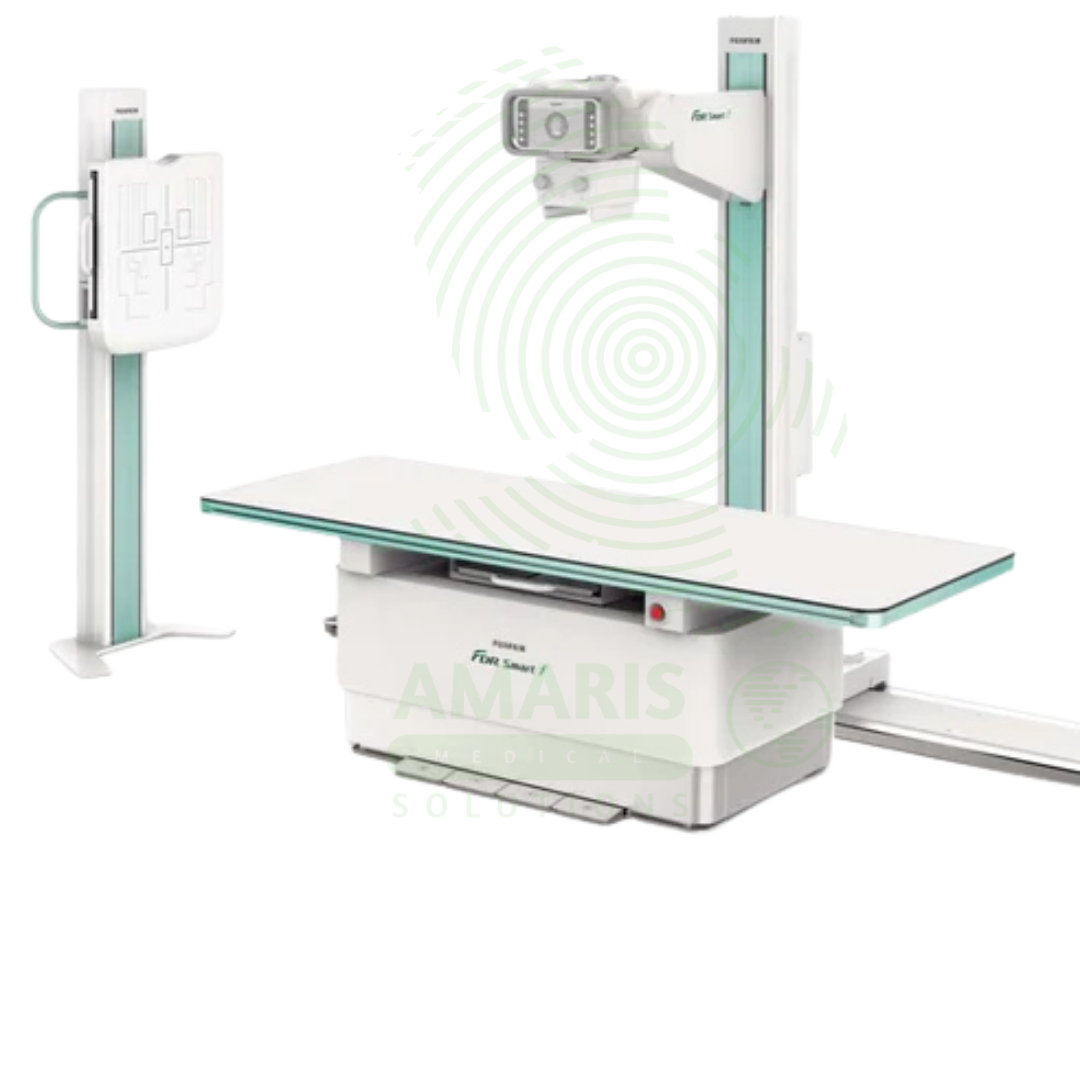
Digital Fixed X-ray
WhatsApp Order
A Digital Fixed X-ray is a permanent installation digital radiography system designed for high-volume general imaging in radiology departments and outpatient imaging centers. Featuring digital flat panel detectors, ceiling-mounted tube assemblies, and tilting tables, it provides high-resolution images for skeletal, chest, abdominal, and extremity examinations. Integrated with PACS and RIS, it supports efficient digital workflow from image acquisition to interpretation, enabling rapid diagnosis and treatment planning.
Description
Digital Fixed X-ray
PRIMARY CLINICAL & DIAGNOSTIC USES
1. High-Volume General Radiography
-
Primary Use: Provides high-resolution digital X-ray imaging for a wide range of general radiography examinations including chest, abdomen, skeletal, and extremity imaging. The fixed installation is designed for high patient throughput in radiology departments and imaging centers.
-
How it helps: For the radiologist and radiology department manager, the fixed digital X-ray system provides the foundation for high-volume diagnostic imaging—delivering consistent image quality, rapid workflow, and seamless integration with PACS and RIS for efficient patient throughput. For the patient, a fixed digital system means faster examinations, immediate image availability, and reduced wait times.
2. Skeletal and Extremity Imaging
-
Primary Use: Produces detailed images of bones, joints, and extremities for diagnosis of fractures, dislocations, arthritis, and other musculoskeletal conditions. The fixed system allows for precise positioning for weight-bearing and non-weight-bearing views.
-
How it helps: For the orthopedic surgeon and rheumatologist, the fixed digital X-ray provides the high-quality images needed to assess fracture healing, joint alignment, hardware placement, and arthritic changes—with the flexibility to obtain weight-bearing views for functional assessment. For the patient with orthopedic or rheumatologic concerns, this means accurate diagnosis and appropriate treatment planning.
3. Chest and Abdominal Imaging
-
Primary Use: Performs high-quality chest X-rays for pneumonia, lung cancer, heart failure, and pleural effusion assessment, as well as abdominal X-rays for obstruction, free air, and calcifications. The fixed system allows for upright, supine, and lateral views with consistent positioning.
-
How it helps: For the pulmonologist, cardiologist, and emergency physician, the fixed chest X-ray provides essential diagnostic information—revealing infiltrates that indicate pneumonia, the enlarged cardiac silhouette of heart failure, or the mass of a lung tumor. For the patient with respiratory or cardiac symptoms, a chest X-ray provides rapid, low-cost diagnostic information.
4. Digital Imaging for Rapid Results
-
Primary Use: Digital detectors produce immediate, high-resolution images that can be viewed, enhanced, and transmitted electronically to PACS for interpretation by radiologists and referring physicians, eliminating film processing delays and enabling remote consultation.
-
How it helps: For the radiology team and referring physicians, digital X-ray provides immediate image availability—eliminating the wait for film processing, allowing for image enhancement to improve visualization, and enabling rapid transmission to specialists. For the patient, faster results mean quicker diagnosis and treatment decisions.
5. Guiding Interventional Procedures
-
Primary Use: Some fixed digital X-ray systems include fluoroscopy capabilities for guiding interventional procedures including joint injections, aspirations, and needle localization for biopsies.
-
How it helps: For the interventional radiologist and proceduralist, fluoroscopic guidance provides real-time visualization during procedures—ensuring accurate needle placement, confirming target localization, and reducing complication rates. For the patient undergoing a guided procedure, this means greater accuracy, fewer attempts, and reduced discomfort.
SECONDARY & SUPPORTIVE USES
1. Bariatric Imaging: Fixed systems can accommodate patients of size with appropriate table weight capacity.
2. Pediatric Imaging: Digital systems allow for dose optimization with pediatric protocols and faster examination times.
3. Trauma Imaging: Rapid imaging for trauma patients with multiple views and positioning options.
4. Pre-Operative Planning: Used for surgical planning and post-operative hardware assessment.
5. Screening Programs: Used for chest X-ray screening in occupational health and immigration physicals.
6. Rheumatology Assessment: Provides imaging for arthritis and joint disease assessment.
KEY PRODUCT FEATURES
1. BASIC IDENTIFICATION ATTRIBUTES
-
Device Type: A fixed installation digital radiography system for general X-ray imaging.
-
Designation: Digital Fixed X-ray, Fixed Digital Radiography System, DR System, General Radiography System.
-
Key Components:
-
X-ray Tube: Ceiling-mounted or floor-mounted tube stand.
-
Digital Detector: Flat panel detector (FPD) for image capture.
-
Generator: High-frequency generator for X-ray production.
-
Control Console: Workstation for image acquisition and processing.
-
X-ray Table: Tilting or fixed table for patient positioning.
-
Wall Stand: Vertical Bucky for upright imaging.
-
Bucky Tray: Detector holder for table and wall stand.
-
2. TECHNICAL & PERFORMANCE PROPERTIES
-
Detector Type: Flat panel digital detector (amorphous silicon or CMOS).
-
Detector Size: Typically 14x17 inches or 17x17 inches.
-
Pixel Matrix: 3-10 megapixels depending on detector.
-
Generator Power: Typically 50-80 kW for high-volume imaging.
-
Table: Tilting table (90/90 or 90/15) or fixed table.
-
Wall Stand: Vertical movement for upright imaging.
3. PHYSICAL & OPERATIONAL PROPERTIES
-
Mounting: Ceiling-mounted tube or floor-mounted tube stand.
-
Table: Motorized movement for patient positioning.
-
Wall Stand: Motorized vertical travel.
-
Workflow: Integrated with RIS and PACS for digital workflow.
-
Image Processing: Advanced processing algorithms for image optimization.
4. SAFETY & COMPLIANCE ATTRIBUTES
-
Regulatory Status: Class II medical device regulated by FDA.
-
Radiation Safety: AEC (Automatic Exposure Control) for dose optimization; pediatric protocols available.
-
Collimation: Automatic and manual collimation for beam restriction.
-
Shielding: Built-in filtration for beam hardening.
5. STORAGE & HANDLING ATTRIBUTES
-
Storage: Permanent installation in radiology suite.
-
Room Requirements: Lead-shielded walls, controlled access.
-
Maintenance: Regular quality control testing and calibration.
6. LABORATORY & CLINICAL APPLICATIONS
-
Primary Application: General radiography for skeletal, chest, abdominal, and extremity imaging.
-
Clinical Role: Essential equipment in radiology departments, outpatient imaging centers, and hospital-based imaging suites.
SAFETY HANDLING PRECAUTIONS
1. SAFETY PRECAUTIONS
-
Radiation Dose: Follow ALARA principles; use AEC and proper collimation.
-
Pregnancy: Screen for pregnancy; use shielding when appropriate.
-
Pediatric Protocols: Use age-appropriate exposure settings and shielding.
-
Patient Positioning: Ensure proper patient positioning to minimize repeat exposures.
-
Table Movement: Ensure the patient is properly positioned before moving the table or tube.
2. FIRST AID MEASURES
-
Patient Fall: If patient falls from table, assess for injury; seek medical attention if needed.
-
Equipment Malfunction: If equipment fails during use, remove the patient; contact the service provider.
3. FIRE FIGHTING MEASURES
-
Flammability: Equipment is non-flammable; fire risk from electrical components.
-
Extinguishing Media: Use CO₂ or dry chemical extinguisher for electrical fires.
Related products
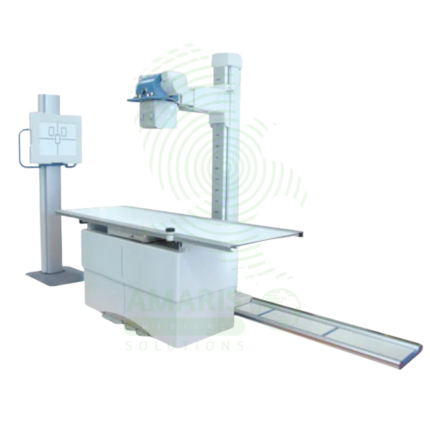
Analogue Fixed X-ray Machine
An Analogue Fixed X-ray Machine is a permanent installation X-ray system using traditional film cassettes for general radiography in radiology departments and imaging centers. Featuring ceiling-mounted tube assemblies, tilting tables, and wall stands, it provides essential diagnostic imaging for skeletal, chest, abdominal, and extremity examinations using film technology. Film cassettes are processed in darkroom facilities, producing permanent physical images for patient records and consultation. Used in facilities without digital radiography, as backup for digital systems, and in resource-limited settings.
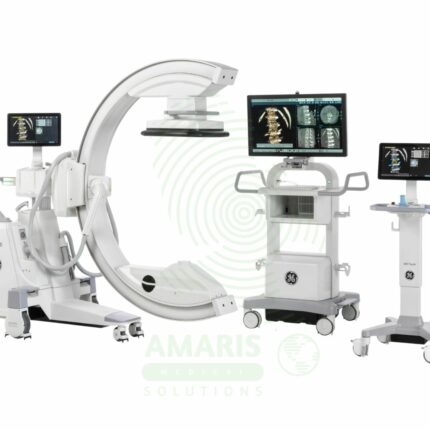
C-Arm Surgical System
A C-Arm Surgical System is a mobile fluoroscopic X-ray imaging device with a distinctive C-shaped arm connecting the X-ray tube and detector. It is an indispensable tool in modern operating rooms and interventional suites, providing real-time live imaging to guide complex procedures in orthopedics, spine surgery, pain management, and vascular interventions. Its mobility allows precise positioning around the patient, while features like pulsed fluoroscopy and dose monitoring are critical for radiation safety. Modern flat-panel systems offer high-resolution imaging and advanced capabilities like 3D Cone-Beam CT. Safe operation demands rigorous adherence to radiation protection protocols (ALARA) for both patients and the surgical team.
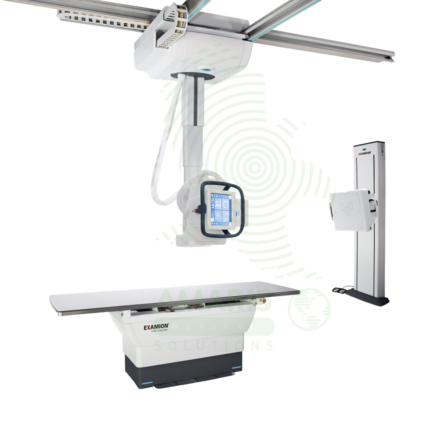
Digital Ceiling X-ray
A Digital Ceiling X-ray is a ceiling-mounted digital radiography system for general diagnostic imaging of the skeletal, chest, abdominal, and extremity anatomy. The ceiling-mounted tube assembly provides full room coverage for flexible patient positioning, while digital flat panel detectors produce immediate high-resolution images for rapid diagnosis. Integrated with PACS and RIS, it supports efficient digital workflow from image acquisition to interpretation. Used in radiology departments, emergency rooms, and outpatient imaging centers.
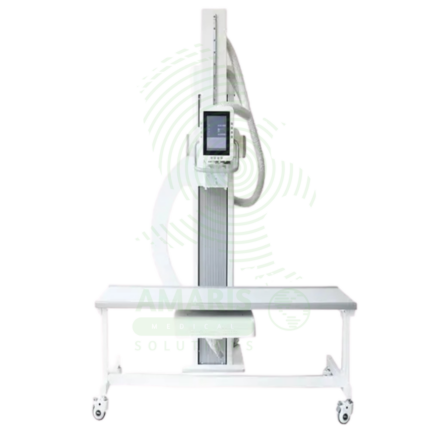
Digital U-arm X-ray
A Digital U-arm X-ray is a versatile digital radiography system designed for emergency departments, urgent care centers, and outpatient clinics. The U-arm configuration provides flexible positioning for chest, abdominal, skeletal, and extremity imaging with easy patient access for stretcher and wheelchair patients. Digital detectors produce immediate high-resolution images for rapid diagnosis, while the compact footprint allows installation in space-constrained settings. Essential for rapid, high-quality imaging in emergency and ambulatory care environments.
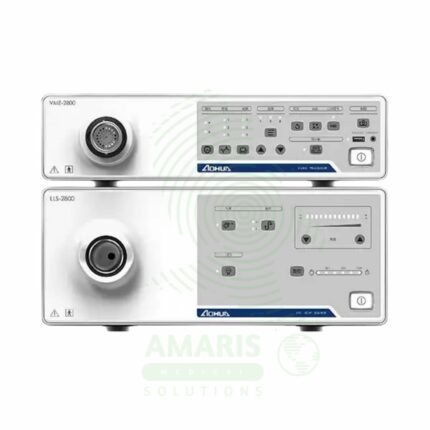
Endoscopy System
The Endoscopy System is a complete video processor and light source stack that forms the core of a modern digital endoscopy suite. It provides high-definition imaging for compatible Fujinon flexible video endoscopes, enabling diagnostic and therapeutic procedures in gastroenterology, pulmonology, and urology. Key features include advanced image processing and enhancement technologies like Narrow Band Imaging (NBI) for improved diagnostic accuracy. As a critical piece of capital equipment, it requires careful handling, the use of compatible accessories, and regular professional maintenance to ensure optimal performance and safety.
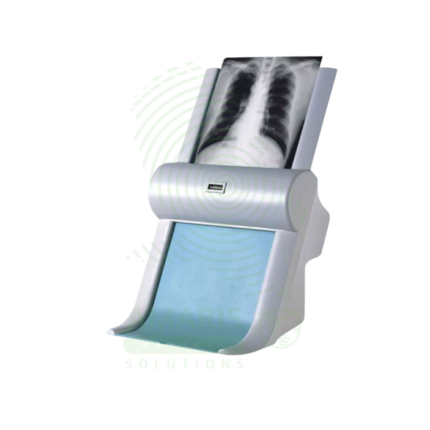
Film Digitizer
A Film Digitizer is a specialized scanner that converts analog radiographic films into high-fidelity digital images (DICOM format). It is the essential tool for migrating historical film archives into a modern digital PACS, enabling filmless workflow, remote access, and long-term preservation of diagnostic records. Its critical performance characteristics are a wide optical density range (to capture all film details) and high spatial resolution. By creating secure, accessible digital copies, it protects against the loss of physical films and integrates past patient history with current digital imaging, supporting comprehensive care and efficient radiology practice.
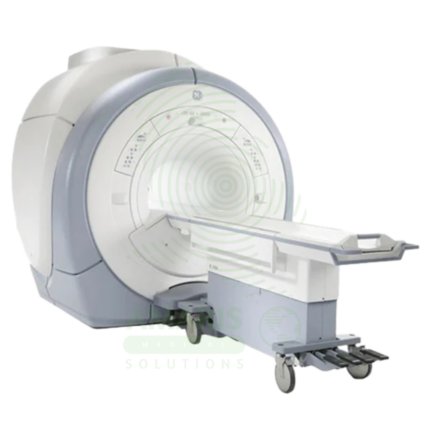
Magnetic Resonance Imaging
Magnetic Resonance Imaging (MRI) is a non-invasive diagnostic imaging modality that uses powerful magnetic fields and radiofrequency waves to produce detailed images of soft tissues, organs, and internal structures without ionizing radiation. It is the gold standard for imaging the brain, spinal cord, joints, muscles, and ligaments, and is essential for neurological, musculoskeletal, oncologic, and cardiovascular diagnosis. MRI provides exceptional soft tissue contrast, enabling precise anatomical characterization, tumor staging, and treatment planning. Strict safety protocols for ferromagnetic screening and contrast administration are essential for patient safety.