Dermatoscope and Magnifiers
 Diagnostic Kits
 Vital Signs Monitors
 Stethoscopes and Accessories
 Otoscopes, Ophthalmoscopes, and Retinoscopes
 Reflex Hammers and Neurological Tools
 Scales and Measuring Devices
 Spirometers and Pulmonary Function Tests
 Electrosurgical Units and Accessories
 Cutting Instruments
 Grasping and Holding Instruments
 Hemostatic Instruments
 Specialized Surgical Sets
 Single-Use Procedure Trays and Packs
 Surgical Drapes, Gowns, and Covers
 Tissue Unifying Instruments
 Radiation Protection
 X-Ray Machines and Accessories
 Ultrasound Systems and Probes
 MRI and CT Scanners
 Radiology Consumables
 Bone Densitometers
 Fluoroscopy Equipment
 Imaging Tables and Positioning Aids
 Microscopes and Accessories
 Centrifuges and Separators
 Analyzers
 Incubators and Ovens
 Pipettes, Dispensers, and Lab Glassware
 Refrigerators, Freezers, and Storage Units
 Lab Consumables
 Sterilizers and Autoclaves for Lab Use
 Multi-Parameter Monitors
 Ventilators and Respiratory Support Devices
 Defibrillators and AEDs
 Infusion Pumps and IV Systems
 Patient Warmers and Cooling Devices
 Central Monitoring Stations
 Accessories
 Anesthesia Machines and Workstations
 Oxygen Concentrators and Delivery Systems
 Nebulizers and Inhalers
 CPAP/BiPAP Machines
 Airway Management
 Anesthesia Masks, Circuits, and Bags
 Humidifiers and Heaters
 Respiratory Therapy Accessories
 First Aid Kits and Cabinets
 Emergency Resuscitation Equipment
 Trauma Supplies
 Emergency Carts and Crash Carts
 Burn Care Products
 Bleeding Control
 Automated External Defibrillators (AEDs)
 Transport and Evacuation
 Wheelchairs and Accessories
 Walkers, Crutches, and Canes
 Prosthetics and Orthotics
 Physical Therapy Equipment
 Transfer Devices
 Bathroom Safety
 Orthopedic Traction and Tables
 Hot/Cold Therapy Packs and Units
 Beds and Mattresses
 Chairs and Stools
 Tables
 Cabinets and Storage
 Privacy Screens & Curtains
 Stands and Racks
 Linens and Textiles
 Lighting
 Autoclaves and Sterilizers
 Ultrasonic Cleaners
 Disinfectant Solutions and Wipes
 Sterilization Pouches, Wraps, and Indicators
 Instrument Trays and Containers
 UV and Ozone Disinfection Devices
 Washer Disinfectors
 Wound Care
 Gloves
 Masks and Respirators
 Catheters and Tubing
 Swabs, Applicators, and Sponges
 Incontinence Products
 Personal Protective Equipment (PPE)
 Dental Chairs and Units
 Handpieces and Burs
 Instruments
 Consumables
 Sterilization for Dental Use
 Orthodontic Supplies
 Endodontic Tools
 Slit Lamps and Tonometers
 Lensometers and Phoropters
 Ophthalmic Surgical Instruments
 Eyewear Frames and Lenses
 Contact Lens Supplies
 Vision Testing Charts and Devices
 Eye Care Consumables
 Laser Systems for Eye Care
 ENT Exam Chairs and Tables
 Endoscopes
 Audiometers and Hearing Tests
 ENT Instruments
 Nasal and Throat Packs
 Hearing Aids and Accessories
 Otology Supplies
 Fetal Dopplers and Monitors
 Delivery Beds and Tables
 Gynecological Instruments
 Neonatal Incubators and Warmers
 Breast Pumps and Accessories
 Contraceptive Devices
 Maternity Supports and Pads
 Neonatal Consumables
 Cystoscopes and Urethroscopes
 Dialysis Machines and Supplies
 Urological Catheters and Bags
 Lithotripters
 Prostate Treatment Devices
 Urinary Incontinence Products
 Kidney Stone Management Tools
 Consumables & Disposables
 EEG and EMG Machines
 Neurosurgical Instruments
 Nerve Stimulators
 Headrests and Positioning Aids
 Lumbar Puncture Kits
 Seizure Monitoring Devices
 Consumables
 Rehabilitation for Neurological Conditions
 ECG Machines and Accessories
 Holter Monitors
 Stress Test Systems
 Pacemakers and Defibrillator Accessories
 Vascular Access Devices
 Cardiac Catheters and Guidewires
 Blood Flow Meters
 Consumables
 Orthopedic Instruments
 Casts, Splints, and Padding
 Joint Replacement Supplies
 Prosthetic Limbs and Components
 Bone Grafts and Substitutes
 Traction Devices
 Orthopedic Braces and Supports
 Rehabilitation Aids for Orthopedics
 Home Oxygen Therapy
 Hospital Beds for Home Use
 Mobility Aids
 Bathroom and Daily Living Aids
 Wound Care for Home
 Monitoring Devices
 Enteral Feeding Pumps and Tubes
 Hand Sanitizers and Dispensers
 Face Shields and Goggles
 Isolation Gowns and Suits
 Biohazard Waste Containers
 Air Purifiers and HEPA Filters
 Surface Disinfectants
 Sharps Containers
 Protective Barriers
 Cardiovascular & Endurance Training
 Strength Training & Weightlifting
 Functional Training & Core Conditioning
 Physical Therapy & Rehabilitation
 Sports & Outdoor Recreation
 Gym Flooring & Facility Equipment
 Fitness Monitoring & Accessories
 Kids & Novelties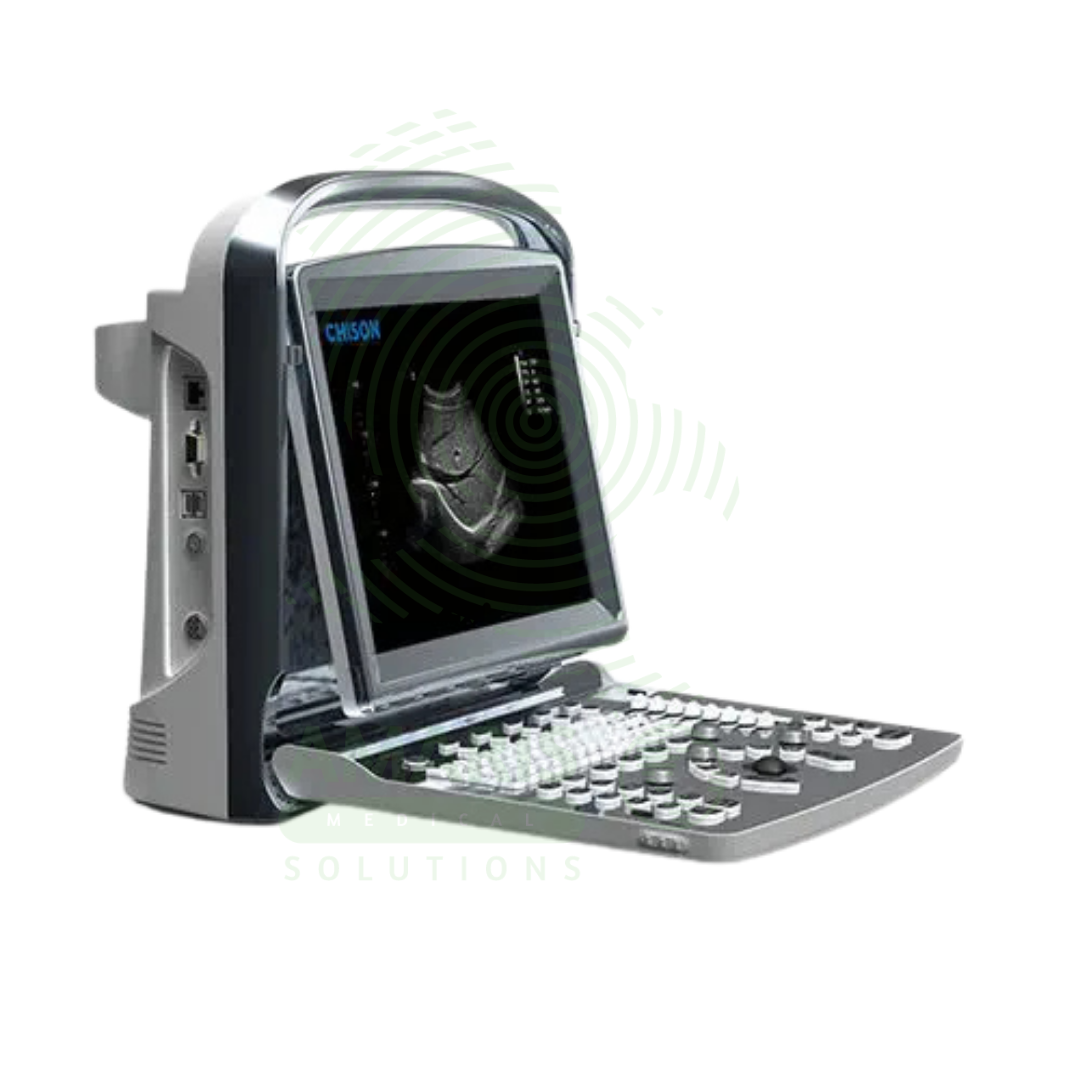
Portable Ultrasound Machine
$1.00
WhatsApp Order
A Portable Ultrasound Machine is a compact, battery-powered imaging device designed for point-of-care use, bringing diagnostic capability directly to the patient’s bedside. It is essential for rapid triage in emergency and critical care settings, procedural guidance, and basic examinations in clinics and remote locations. While offering core imaging modes like B-mode and Color Doppler in a lightweight, durable package, its effective use requires clinician training to recognize both its diagnostic value and its limitations compared to comprehensive departmental systems. Proper cleaning, battery management, and data security are paramount for its safe and effective deployment.
Description
Portable Ultrasound Machine
PRIMARY CLINICAL & DIAGNOSTIC USES
1. Point-of-Care Ultrasound
-
Primary Use: Brings imaging directly to the patient’s bedside for immediate diagnostic assessment, critical in Emergency Medicine, Critical Care, and Anesthesiology for rapid evaluation of life-threatening conditions and guidance of procedures.
-
How it helps: For the emergency physician and intensivist, a portable ultrasound machine transforms bedside assessment—allowing them to see inside the trauma patient in seconds, evaluate cardiac function in shock, and detect pneumothorax before it becomes life-threatening, all without moving the unstable patient from the resuscitation bay. For the critically ill or injured patient, having ultrasound brought to their bedside means immediate diagnosis, faster treatment decisions, and avoidance of transport to the radiology department when they are too unstable to move.
2. Rapid Triage and Screening
-
Primary Use: Allows for quick scanning to rule in or rule out life-threatening conditions such as abdominal aortic aneurysm, pneumothorax, and deep vein thrombosis before transferring the patient for more definitive imaging.
-
How it helps: For the emergency physician and trauma surgeon, rapid ultrasound screening provides answers in seconds that would otherwise require time-consuming transfers and imaging—identifying a leaking aneurysm that needs immediate surgery, ruling out pneumothorax before flight transport, or confirming DVT that requires anticoagulation. For the patient, this rapid screening means that life-threatening conditions are identified immediately, and the right treatment begins without delay.
3. Obstetric and Gynecological Evaluation
-
Primary Use: Used for basic obstetric scans including confirming pregnancy, fetal viability, heartbeat detection, and placental location in clinics, labor and delivery wards, and rural healthcare settings.
-
How it helps: For the obstetrician and midwife in any setting, a portable ultrasound brings essential pregnancy assessment to the point of care—confirming viability in a bleeding first-trimester patient, locating the placenta before delivery, and assessing fetal position when labor is not progressing. For the pregnant patient, especially in rural or underserved areas, portable ultrasound means essential obstetric care can be provided locally, without long transfers to distant imaging centers.
4. Musculoskeletal and Soft Tissue Assessment
-
Primary Use: Provides immediate imaging for joint effusions, tendon and muscle tears, and soft tissue abscesses in sports medicine, rheumatology, and orthopedic clinics.
-
How it helps: For the sports medicine physician and rheumatologist, portable ultrasound allows dynamic assessment of musculoskeletal complaints—seeing the tendon tear as the patient moves the joint, confirming the presence of joint fluid before aspiration, and distinguishing abscess from cellulitis at the bedside. For the patient with acute injury or joint pain, immediate ultrasound provides answers and guides treatment in the same visit, without waiting for scheduled imaging.
5. Vascular Access and Procedural Guidance
-
Primary Use: Essential for real-time visualization during difficult venous or arterial line placements, thoracenteses, paracenteses, and abscess drainages, increasing success rates and reducing complications.
-
How it helps: For the intensivist, anesthesiologist, and interventionalist, ultrasound guidance transforms blind procedures into visually guided precision—seeing the needle enter the vein, confirming guidewire placement, and avoiding inadvertent puncture of adjacent structures. For the patient undergoing a difficult procedure, ultrasound guidance means fewer attempts, less pain, and lower risk of complications such as pneumothorax, arterial puncture, or failed access.
SECONDARY & SUPPORTIVE USES
1. Primary Care and Ambulatory Clinics: Used for evaluating abdominal pain, gallstones, renal cysts, thyroid nodules, and performing basic echocardiography in the office setting. For the patient, this means diagnostic answers during their clinic visit, avoiding additional appointments and imaging delays.
2. Pre-hospital and Military Medicine: Deployed in ambulances, field hospitals, and combat zones for rapid trauma assessment. For the casualty in the field, portable ultrasound can identify internal bleeding before transport, guiding triage and destination decisions.
3. Veterinary Medicine: Widely used for animal imaging in veterinary clinics. For the family pet, the same portable ultrasound technology provides diagnostic answers without referral to specialty centers.
4. Teaching and Training: An ideal tool for medical students and residents to learn ultrasound anatomy and scanning techniques due to its accessibility. For the next generation of clinicians, hands-on training with portable ultrasound builds essential skills for future practice.
5. Remote and Resource-Limited Settings: Its battery operation and durability make it indispensable for medical missions, rural clinics, and areas without fixed imaging departments. For patients in underserved regions, portable ultrasound brings modern diagnostic capability to communities that would otherwise have none.
KEY PRODUCT FEATURES
1. BASIC IDENTIFICATION ATTRIBUTES
-
Type: A compact, lightweight, and often battery-powered diagnostic ultrasound system.
-
Designation: Portable Ultrasound, also called Hand-Carried Ultrasound (HCU) or Laptop-Style Ultrasound.
-
Common Variants/Form Factors:
-
Laptop-Style: Resembles a rugged laptop with a hinge-mounted screen and integrated computer.
-
Tablet-Based System: Consists of a compact tablet console and separate transducer(s).
-
Handheld/Probe-Connected: A single transducer that connects directly to a smartphone or tablet running specialized software (most portable but often with limited features).
-
2. TECHNICAL & PERFORMANCE PROPERTIES
-
Imaging Principle: Utilizes pulse-echo ultrasound technology like larger systems, but with miniaturized electronics and transducers.
-
Key Imaging Modes:
-
B-Mode (2D): Standard grayscale imaging.
-
Color Doppler: For basic assessment of blood flow presence and direction.
-
M-Mode: Often available for cardiac motion assessment.
-
Advanced Features (on higher-end portables): May include Pulse-Wave Doppler, Tissue Harmonic Imaging, and elastography.
-
-
Battery Operation: A defining feature, allowing for several hours of cordless use, essential for bedside rounds and field use.
3. PHYSICAL & OPERATIONAL PROPERTIES
-
Portability: Lightweight (typically 2-6 kg / 5-13 lbs) with a carrying handle or case. Designed for true portability from room to room or facility to facility.
-
Probes: Uses compact, lightweight transducers. Systems often support 1-2 active probes simultaneously (e.g., a convex abdominal probe and a linear vascular/MSK probe).
-
Durability: Designed to withstand the rigors of transport and bedside use, with ruggedized casings and shock-resistant components.
-
Connectivity: Features Wi-Fi, Bluetooth, and USB for transferring images and connecting to EMR/PACS systems.
4. SAFETY & COMPLIANCE ATTRIBUTES
-
Regulatory Status: Class II medical device.
-
Electrical Safety: Battery operation reduces some electrical risks but must still meet safety standards for medical equipment.
-
ALARA Principle: Applies as with all ultrasound; operators should use minimal output for diagnostic needs.
5. STORAGE & HANDLING ATTRIBUTES
-
Storage: Store in a protective case. Keep batteries charged as per manufacturer instructions (often recommending partial, not full, charge for long-term storage).
-
Cleaning & Disinfection: Wipe down the console, screen, and probes after each use with approved disinfectant wipes. Avoid liquid ingress into ports or keyboard.
-
Battery Maintenance: Follow specific charging cycles to maximize battery lifespan. Have spare batteries available for extended use.
6. LABORATORY & CLINICAL APPLICATIONS
-
Primary Application: An extension of the clinician's physical exam, used across Emergency Departments, ICUs, Anesthesia, Labor & Delivery, Primary Care, and Sports Medicine. It complements, but does not replace, comprehensive exams on high-end systems for complex cases.
-
User Profile: Used by a wide range of clinicians (physicians, nurses, paramedics) with specific POCUS training, not exclusively by sonographers.
SAFETY HANDLING PRECAUTIONS
1. SAFETY PRECAUTIONS
-
Infection Control: Portability increases risk of cross-contamination. Meticulous cleaning of the entire unit (especially probes) between patients is critical.
-
Limited Diagnostic Scope: Operators must recognize the device's limitations. It is a screening and procedural guide; equivocal or complex findings require formal ultrasound study.
-
Data Security: Portable devices containing patient images must have password protection and encrypted data transfer to maintain patient privacy (HIPAA/GDPR compliance).
-
Battery Management: Always ensure adequate battery charge before a critical procedure to avoid unexpected shutdown.
2. FIRST AID MEASURES
-
Device Damage from Drop or Liquid Spill: Turn off immediately. Remove the battery if safe to do so. Do not attempt to use it. Tag for service.
-
Probe Damage: Discontinue use of the damaged probe. Replace to maintain image quality and patient safety.
3. FIRE FIGHTING MEASURES
-
Flammability: Plastic, electronics, and lithium-ion batteries are combustible. A damaged battery can pose a fire/explosion risk.
-
Extinguishing Media: For electrical/battery fires, use a Class D fire extinguisher if available, or large quantities of water to cool. Evacuate area.
Related products
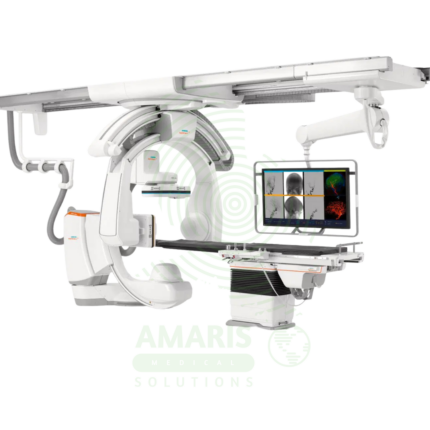
Angiographic Intervention System
An Angiographic Intervention System is a high-end fluoroscopic imaging system designed for guiding minimally invasive vascular and interventional procedures. Essential for cardiac catheterization laboratories, interventional radiology suites, and hybrid operating rooms, it provides real-time, high-resolution visualization of blood vessels, catheters, and devices during coronary interventions, peripheral vascular procedures, neurovascular interventions, and structural heart procedures. Advanced features include rotational angiography for 3D reconstruction, digital subtraction angiography, and dose reduction technologies, enabling precise treatment with minimal radiation exposure.
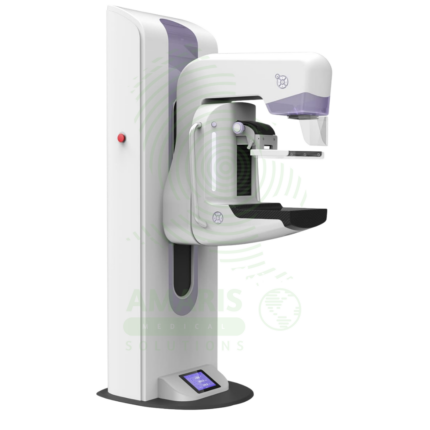
Digital Mammography System
A Digital Mammography System is a specialized X-ray imaging system designed for breast cancer screening and diagnosis. Using high-resolution digital detectors, it provides superior image quality with lower radiation dose compared to film mammography. Advanced systems offer tomosynthesis (3D) imaging, which improves cancer detection rates and reduces false positives. Used in breast imaging centers, radiology departments, and women's health facilities, it is the gold standard for early detection of breast cancer.
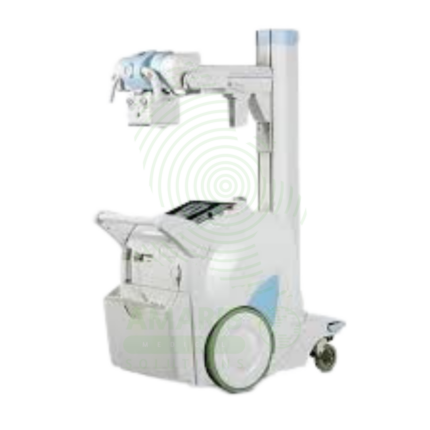
Digital Mobile X-ray
A Digital Mobile X-ray is a battery-powered, portable digital radiography system designed for bedside imaging in intensive care units, neonatal intensive care units, emergency departments, and operating rooms. The mobile unit enables high-quality chest, abdominal, and extremity imaging at the patient's bedside, eliminating the risks associated with transporting critically ill patients. Wireless digital detectors provide immediate image capture and transmission to PACS, supporting rapid diagnosis and treatment decisions.
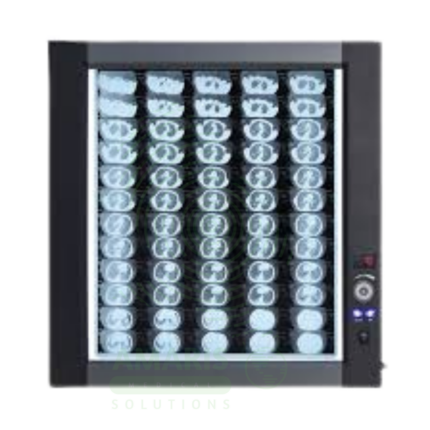
LED Medical Film Viewer
An LED Medical Film Viewer is a light box designed for viewing and interpreting analog X-ray films. Using LED backlight technology, it provides uniform, high-luminance illumination with instant on capability and long life. Available in single, dual, and multi-panel configurations, it supports side-by-side comparison of current and prior studies, pre-operative planning, and group teaching. Essential for radiology departments, orthopedic clinics, emergency departments, and operating rooms where film-based imaging is still used.
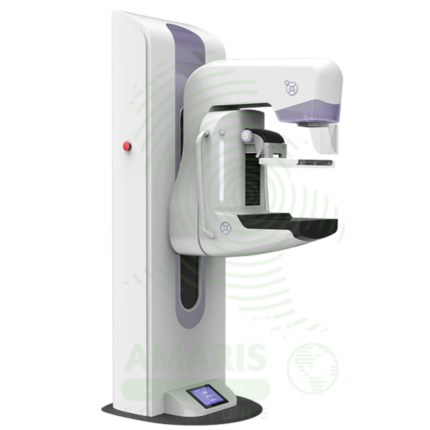
Mammography Machine
A Mammography Machine is a specialized, low-dose X-ray system designed exclusively for imaging the breast. It is the gold-standard tool for breast cancer screening and diagnostic evaluation, utilizing firm breast compression and high-resolution digital detectors to produce detailed images of breast tissue. Modern systems often incorporate Digital Breast Tomosynthesis (DBT or "3D mammography") to reduce tissue overlap and improve cancer detection. Its operation is highly regulated, requiring certified technologists, qualified interpreting physicians, and a rigorous quality assurance program to ensure patient safety, optimal image quality, and accurate early detection of breast cancer, which is vital for reducing mortality.
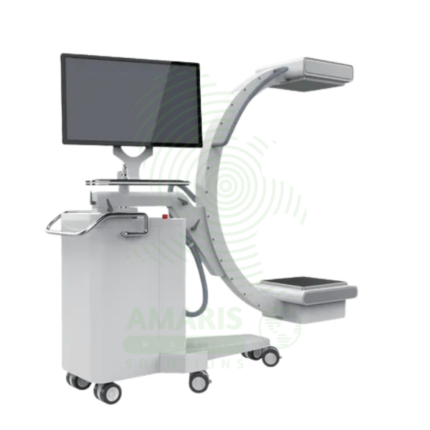
Mobile Film
Mobile Film is a battery-powered, portable X-ray system using traditional film cassettes for bedside imaging in intensive care units, neonatal intensive care units, emergency departments, and operating rooms. The mobile unit enables chest, abdominal, and extremity imaging at the patient's bedside, eliminating the risks associated with transporting critically ill patients. Film cassettes are processed in darkroom or daylight processors for image development. Used in hospitals without digital radiography capabilities or as backup for digital systems.
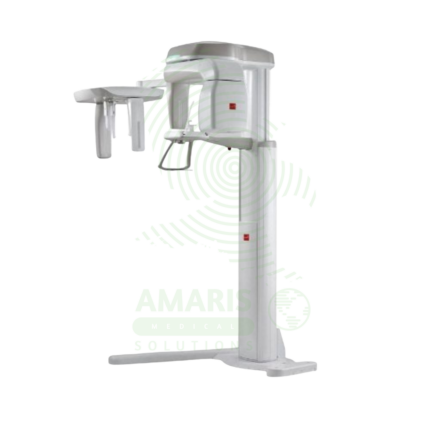
Panoramic X-ray Dental Machine
A Panoramic X-ray Dental Machine is a rotating extraoral radiographic system that produces a single, broad 2D image of the entire jaws, teeth, TMJs, and sinuses. By focusing on a curved "focal trough," it provides an efficient screening tool for wisdom teeth evaluation, orthodontic planning, and detecting large jaw pathologies. While offering a valuable overview with a relatively low radiation dose, its diagnostic utility is entirely dependent on precise patient positioning to avoid blurring and distortion. It is a cornerstone of modern dental diagnostic imaging, serving as a crucial first step in comprehensive oral assessment and treatment planning.