Dermatoscope and Magnifiers
 Diagnostic Kits
 Vital Signs Monitors
 Stethoscopes and Accessories
 Otoscopes, Ophthalmoscopes, and Retinoscopes
 Reflex Hammers and Neurological Tools
 Scales and Measuring Devices
 Spirometers and Pulmonary Function Tests
 Electrosurgical Units and Accessories
 Cutting Instruments
 Grasping and Holding Instruments
 Hemostatic Instruments
 Specialized Surgical Sets
 Single-Use Procedure Trays and Packs
 Surgical Drapes, Gowns, and Covers
 Tissue Unifying Instruments
 Radiation Protection
 X-Ray Machines and Accessories
 Ultrasound Systems and Probes
 MRI and CT Scanners
 Radiology Consumables
 Bone Densitometers
 Fluoroscopy Equipment
 Imaging Tables and Positioning Aids
 Microscopes and Accessories
 Centrifuges and Separators
 Analyzers
 Incubators and Ovens
 Pipettes, Dispensers, and Lab Glassware
 Refrigerators, Freezers, and Storage Units
 Lab Consumables
 Sterilizers and Autoclaves for Lab Use
 Multi-Parameter Monitors
 Ventilators and Respiratory Support Devices
 Defibrillators and AEDs
 Infusion Pumps and IV Systems
 Patient Warmers and Cooling Devices
 Central Monitoring Stations
 Accessories
 Anesthesia Machines and Workstations
 Oxygen Concentrators and Delivery Systems
 Nebulizers and Inhalers
 CPAP/BiPAP Machines
 Airway Management
 Anesthesia Masks, Circuits, and Bags
 Humidifiers and Heaters
 Respiratory Therapy Accessories
 First Aid Kits and Cabinets
 Emergency Resuscitation Equipment
 Trauma Supplies
 Emergency Carts and Crash Carts
 Burn Care Products
 Bleeding Control
 Automated External Defibrillators (AEDs)
 Transport and Evacuation
 Wheelchairs and Accessories
 Walkers, Crutches, and Canes
 Prosthetics and Orthotics
 Physical Therapy Equipment
 Transfer Devices
 Bathroom Safety
 Orthopedic Traction and Tables
 Hot/Cold Therapy Packs and Units
 Beds and Mattresses
 Chairs and Stools
 Tables
 Cabinets and Storage
 Privacy Screens & Curtains
 Stands and Racks
 Linens and Textiles
 Lighting
 Autoclaves and Sterilizers
 Ultrasonic Cleaners
 Disinfectant Solutions and Wipes
 Sterilization Pouches, Wraps, and Indicators
 Instrument Trays and Containers
 UV and Ozone Disinfection Devices
 Washer Disinfectors
 Wound Care
 Gloves
 Masks and Respirators
 Catheters and Tubing
 Swabs, Applicators, and Sponges
 Incontinence Products
 Personal Protective Equipment (PPE)
 Dental Chairs and Units
 Handpieces and Burs
 Instruments
 Consumables
 Sterilization for Dental Use
 Orthodontic Supplies
 Endodontic Tools
 Slit Lamps and Tonometers
 Lensometers and Phoropters
 Ophthalmic Surgical Instruments
 Eyewear Frames and Lenses
 Contact Lens Supplies
 Vision Testing Charts and Devices
 Eye Care Consumables
 Laser Systems for Eye Care
 ENT Exam Chairs and Tables
 Endoscopes
 Audiometers and Hearing Tests
 ENT Instruments
 Nasal and Throat Packs
 Hearing Aids and Accessories
 Otology Supplies
 Fetal Dopplers and Monitors
 Delivery Beds and Tables
 Gynecological Instruments
 Neonatal Incubators and Warmers
 Breast Pumps and Accessories
 Contraceptive Devices
 Maternity Supports and Pads
 Neonatal Consumables
 Cystoscopes and Urethroscopes
 Dialysis Machines and Supplies
 Urological Catheters and Bags
 Lithotripters
 Prostate Treatment Devices
 Urinary Incontinence Products
 Kidney Stone Management Tools
 Consumables & Disposables
 EEG and EMG Machines
 Neurosurgical Instruments
 Nerve Stimulators
 Headrests and Positioning Aids
 Lumbar Puncture Kits
 Seizure Monitoring Devices
 Consumables
 Rehabilitation for Neurological Conditions
 ECG Machines and Accessories
 Holter Monitors
 Stress Test Systems
 Pacemakers and Defibrillator Accessories
 Vascular Access Devices
 Cardiac Catheters and Guidewires
 Blood Flow Meters
 Consumables
 Orthopedic Instruments
 Casts, Splints, and Padding
 Joint Replacement Supplies
 Prosthetic Limbs and Components
 Bone Grafts and Substitutes
 Traction Devices
 Orthopedic Braces and Supports
 Rehabilitation Aids for Orthopedics
 Home Oxygen Therapy
 Hospital Beds for Home Use
 Mobility Aids
 Bathroom and Daily Living Aids
 Wound Care for Home
 Monitoring Devices
 Enteral Feeding Pumps and Tubes
 Hand Sanitizers and Dispensers
 Face Shields and Goggles
 Isolation Gowns and Suits
 Biohazard Waste Containers
 Air Purifiers and HEPA Filters
 Surface Disinfectants
 Sharps Containers
 Protective Barriers
 Cardiovascular & Endurance Training
 Strength Training & Weightlifting
 Functional Training & Core Conditioning
 Physical Therapy & Rehabilitation
 Sports & Outdoor Recreation
 Gym Flooring & Facility Equipment
 Fitness Monitoring & Accessories
 Kids & Novelties

DispensMate Bottle-Top Dispenser
WhatsApp Order
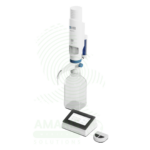
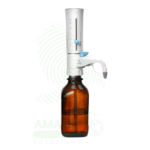
The DispensMate Bottle-Top Dispenser is a manual, variable-volume liquid handling instrument engineered for accuracy, chemical resistance, and ergonomic ease of use. It mounts directly onto standard laboratory reagent bottles (with adapters for S40, GL25, GL28, GL32, GL38) to eliminate transfer steps and reduce contamination risk . Its positive displacement mechanism delivers consistent volumes, with an accuracy of ±0.5% and precision of ≤0.1% across four volume ranges covering 0.5 to 50 mL .
For the clinical laboratory scientist, this dispenser ensures the precise addition of reagents for diagnostic assays, while its ergonomic design reduces the repetitive strain of manual pipetting. The instrument is constructed with PTFE, FEP, borosilicate glass (BSG), and PP, providing excellent resistance to a broad range of aggressive solvents and acids . All liquid-contact parts are also fully autoclavable at 121°C, ensuring sterility for sensitive applications . For the patient, the DispensMate’s accuracy, chemical inertness, and ability to be sterilized translate directly to more reliable, consistent, and safer diagnostic test results.
Description
DispensMate Bottle-Top Dispenser
PRIMARY CLINICAL & DIAGNOSTIC USES
1. Precision Dispensing for Clinical Chemistry and Immunoassays
-
Primary Use: Provides a manual, variable-volume bottle-top dispenser designed for accurate and reproducible dispensing of reagents, buffers, and solutions directly from laboratory reagent bottles, with multiple volume ranges from 0.5 mL to 50 mL .
-
How it helps: For the clinical laboratory scientist, the DispensMate ensures precise delivery of reagents for diagnostic assays. The positive displacement mechanism guarantees consistent volumes regardless of liquid viscosity or density, which is critical for the reproducibility of clinical chemistry and immunoassay results . For the patient, this accuracy ensures that diagnostic test results are reliable and consistent, reducing the need for repeat testing due to reagent variability.
2. Direct Bottle Mounting to Reduce Contamination Risk
-
Primary Use: Eliminates the need for secondary containers by mounting directly onto standard laboratory reagent bottles using interchangeable adapters (S40, GL25, GL28, GL32, GL38) .
-
How it helps: For the laboratory technician, direct mounting reduces the risk of reagent contamination and eliminates time-consuming transfer steps, improving workflow efficiency and safety. For the patient, this minimizes the potential for cross-contamination between reagents, supporting the integrity of diagnostic testing.
3. Efficient and Ergonomic Volume Adjustment
-
Primary Use: Features a smooth piston design and easy-to-use volume adjustment mechanism, allowing for quick and effortless changes between dispensing volumes .
-
How it helps: For the biomedical scientist and phlebotomist, the ergonomic design reduces hand fatigue during repetitive dispensing tasks, promoting a more comfortable and sustainable working environment. For the healthcare worker, it allows them to perform their duties effectively without the physical strain associated with prolonged manual pipetting.
4. Chemical Resistance and Sterility for Sensitive Applications
-
Primary Use: Constructed with high-strength, chemically resistant, and inert components (PTFE, FEP, BSG, PP), with all liquid-contacting parts being fully autoclavable at 121°C .
-
How it helps: For the laboratory manager, this robust chemical compatibility ensures the dispenser can be used with a wide range of aggressive solvents and acids without damage, while the ability to autoclave the fluid path ensures sterility for applications like cell culture and molecular biology. For the patient, this feature ensures that reagents used in their diagnostic tests are not contaminated by dispenser components and that the instrument can be properly sterilized between uses.
SECONDARY & SUPPORTIVE USES
1. High-Throughput QC Sample Preparation: Prepares large batches of quality control standards and reagents for pharmaceutical testing, improving laboratory efficiency.
2. Molecular Biology Reagent Dispensing: Accurately dispenses PCR master mixes, enzymes, and buffers, where precision is critical for successful amplification.
3. Histology and Pathology Staining: Automates the application of hematoxylin, eosin, and other stains to microscope slides, ensuring consistent results.
4. Microbiology Culture Media Preparation: Dispenses sterile culture media and broths into tubes and plates, reducing the risk of contamination.
5. Toxicology and Drug Screening: Prepares calibration curves and dispenses extraction solvents and internal standards for LC-MS/MS analysis.
6. General Laboratory Liquid Handling: Provides a general-purpose tool for dispensing a wide variety of laboratory reagents, solvents, and solutions.
KEY PRODUCT FEATURES
1. BASIC IDENTIFICATION ATTRIBUTES
-
Device Type: A manual, variable-volume bottle-top dispenser for accurate and reproducible liquid handling in laboratory environments.
-
Designation: DispensMate Manual Bottle Top Dispenser, Variable-Volume Dispenser.
-
Key Components:
-
Fluid Path: Chemically resistant PTFE, FEP, BSG, and PP.
-
Piston: Positive displacement mechanism .
-
Volume Adjustment: Graduated adjustment mechanism for precise volume setting .
-
Bottle Mounting: Standard GL45 thread with adapters for S40, GL25, GL28, GL32, GL38 .
-
2. TECHNICAL & PERFORMANCE PROPERTIES
-
Volume Range: Four models covering 0.5-5 mL, 1.0-10 mL, 2.5-25 mL, and 5.0-50 mL .
-
Increments: Varies by model (e.g., 0.1 mL for 0.5-5 mL model, 1.0 mL for 5.0-50 mL model) .
-
Accuracy: ±0.5% for all models .
-
Precision (CV): ≤0.1% for all models .
-
Steam Sterilization: Fully autoclavable at 121°C for liquid-contact parts .
-
Maximum Temperature: 40°C .
-
Maximum Viscosity: 500 mm²/s .
-
Maximum Vapor Pressure: 500 mbar .
-
Maximum Density: 2.2 g/cm³ .
3. PHYSICAL & OPERATIONAL PROPERTIES
-
Operation: Manual, ergonomic piston handle.
-
Adjustability: Tool-free volume adjustment mechanism.
-
Dispensing: Direct from original reagent bottles.
-
Maintenance: Easy to disassemble, clean, and maintain .
-
Portability: Compact design for benchtop use.
4. SAFETY & COMPLIANCE ATTRIBUTES
-
Regulatory Status: General laboratory equipment.
-
Chemical Resistance: Components are resistant to a wide range of aggressive chemicals, solvents, and acids .
-
Anti-drip Cap: Includes an anti-drip closure cap to prevent accidental spills and protect the user .
-
Autoclavability: Liquid-contacting parts can be sterilized to prevent contamination .
-
Ergonomic Design: Smooth piston action reduces user fatigue .
5. STORAGE & HANDLING ATTRIBUTES
-
Storage: Store in a clean, dry location when not in use.
-
Cleaning: Rinse with appropriate solvent after use; easy to disassemble for thorough cleaning.
-
Inspection: Regularly inspect the piston and seals for wear or damage.
-
Operation: Mount directly onto reagent bottle using appropriate adapter. Prime the system by running several dispense cycles to remove air bubbles.
6. LABORATORY & CLINICAL APPLICATIONS
-
Primary Application: Precise and reproducible dispensing of reagents, buffers, and solvents directly from laboratory bottles for clinical chemistry, immunoassays, molecular diagnostics, and pharmaceutical QC.
-
Clinical Role: Essential liquid handling equipment for reagent preparation, quality control sample creation, and assay execution in clinical and research laboratories.
SAFETY HANDLING PRECAUTIONS
1. SAFETY PRECAUTIONS
-
Personal Protective Equipment (PPE): Always wear appropriate PPE when using the bottle‑top dispenser, including chemical‑resistant gloves, safety glasses or a face shield, and a laboratory coat, especially when handling hazardous, corrosive, or toxic reagents.
-
Discharge Tube Direction: Always point the discharge tube away from yourself and others when dispensing. Never dispense directly toward the operator, as splashes or aerosol generation could cause severe injury.
-
Check for Damage Before Use: Inspect the dispenser before each use. Do not use if the piston is difficult to move, if valves are sticking, if there is visible cracking or damage, or if leakage is observed. Stop dispensing immediately if any malfunction is detected.
-
Do Not Force the Piston: Use smooth, gentle movements to operate the piston. Forcing the piston can damage internal components, cause inaccurate dispensing, or cause the reagent to splash.
-
Never Press the Piston When the Screw Cap Is Pushed On: Pressing the piston while the screw cap is closed can pressurize the bottle and cause the reagent to spray out when the cap is opened.
-
Do Not Remove the Discharge Tube When the Cylinder Is Filled: Removing the discharge tube while the cylinder contains liquid can cause reagent to spill uncontrollably.
-
Secure Small Bottles: Always place small reagent bottles in a stable bottle stand or heavy‑base holder to prevent tipping over during operation.
-
Carry by the Bottle, Not the Dispenser: When moving a mounted dispenser, always carry it by the reagent bottle, not by the cylinder sleeve or the valve block. Carrying by the dispenser can cause breakage or loosening of connections, leading to chemical spills and personal injury.
-
Use Only Genuine Parts: Use only accessories and spare parts supplied by the original manufacturer. Do not attempt to make any technical alterations to the instrument.
-
Observe Operating Limitations: The dispenser is designed for dispensing liquids only. Do not use with liquids that exceed the maximum vapor pressure (500 mbar), viscosity (500 mm²/s), temperature (40 °C), or density (2.2 g/cm³). Do not use with liquids that attack the wetted materials or with explosive liquids, suspensions, or highly crystallizing solutions.
-
Avoid Static Discharge When Dispensing Flammable Solvents: When dispensing flammable media, avoid the buildup of static charge. Do not wipe the instrument with a dry cloth, and do not dispense into plastic vessels. Ensure proper grounding of the reagent bottle and work area.
-
Do Not Carry or Transport with Reagent in the Cylinder: When transporting the dispenser from one location to another, ensure that the cylinder is empty to prevent accidental discharge of reagent.
-
Training Requirement: Only trained laboratory personnel should operate the DispensMate Bottle‑Top Dispenser for clinical diagnostic or research applications. Users must read and understand the operator's manual before first use.
2. FIRST AID MEASURES
-
Chemical Splash to Eyes: If a reagent splashes into the eyes, immediately flush the eyes with copious amounts of water or sterile saline for at least 15 minutes. Hold the eyelids open to ensure thorough rinsing. Remove contact lenses if present and easily removable. Seek immediate medical attention.
-
Chemical Splash to Skin: Remove contaminated clothing immediately. Flush the affected skin area with cool running water for at least 15 minutes. Do not rub or scrub. Seek medical evaluation for chemical burns or if irritation persists. Refer to the Safety Data Sheet (SDS) for the specific chemical involved.
-
Inhalation of Chemical Vapors: If vapors from volatile reagents are inhaled, move the affected person to fresh air immediately. Keep the person warm and at rest. If breathing is difficult, administer oxygen if trained. If breathing stops, perform CPR. Seek immediate medical attention.
-
Ingestion of Chemical Reagent: If a chemical reagent is ingested, do not induce vomiting unless directed by medical personnel. Rinse the mouth with water. Seek immediate medical attention and provide the SDS or chemical name to the attending physician.
-
Broken Glass Injury: If the glass cylinder breaks and causes a cut, allow the wound to bleed freely to flush out any contaminants. Wash the wound with soap and water for 15 minutes. Apply antiseptic and a sterile bandage. Seek medical evaluation, especially if the cut is deep or if the glass was in contact with hazardous chemicals.
3. FIRE FIGHTING MEASURES
-
Flammability: The plastic components (PTFE, FEP, PP) are combustible and will burn if exposed to flame or high heat. The borosilicate glass cylinder is non‑flammable. The primary fire hazard is the flammable reagents being dispensed (e.g., organic solvents such as acetone, ethanol, hexane).
-
Extinguishing Media: Use carbon dioxide (CO₂), dry chemical (ABC class), or alcohol‑resistant foam extinguishers for fires involving the dispenser or nearby flammable reagents. Do not use water on chemical fires unless specifically appropriate for the reagent involved.
-
Fire Response: In case of fire, immediately turn off any nearby heat sources. Evacuate the area. Use an appropriate fire extinguisher for small, contained fires. For larger fires involving bulk solvents, evacuate the laboratory and call emergency services. Do not attempt to extinguish a fire if not trained or if the fire is spreading rapidly.
Special Protective Equipment for Firefighters: Firefighters should wear self‑contained breathing apparatus (SCBA) and full structural firefighting gear when fighting fires in laboratory settings, as combustion products may include toxic fumes from burning plastics and chemicals.
Related products
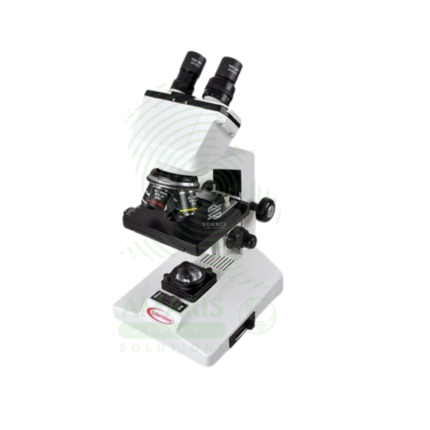
Binocular Microscope
A Binocular Microscope is a high-precision, compound optical instrument fundamental to clinical diagnostics. Featuring dual eyepieces for comfortable viewing and a suite of parfocal objective lenses (4x, 10x, 40x, 100x oil), it provides magnifications from 40x to 1000x. Its integrated LED illumination, mechanical stage, and Abbe condenser enable the detailed examination of stained blood films, tissue sections, microbiological specimens, and cytological preparations. As the primary tool for pathologists and laboratory scientists, it is indispensable for definitive diagnoses in hematology, histopathology, microbiology, and urinalysis, demanding skilled operation and meticulous maintenance for optimal performance.
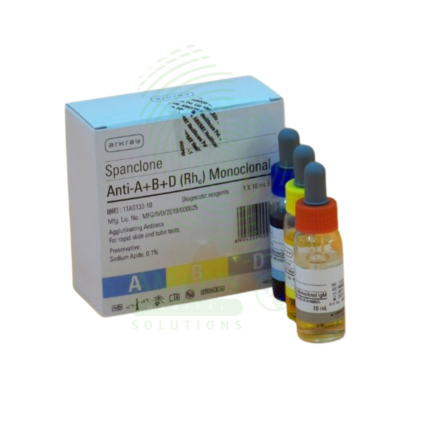
Blood Grouping kit
A Blood Grouping Kit is a Class II medical device (FDA-cleared/CE-marked) containing monoclonal antibodies (Anti-A, Anti-B, Anti-D) and control reagents for determining ABO blood group and Rh factor by agglutination method. The kit includes color-coded reagent vials, reaction cards or slides, mixing sticks, lancets, and capillary pipettes. Test time 2-5 minutes (slide method) or 15-30 minutes (tube method). Interpretation based on agglutination pattern: Anti-A positive = group A; Anti-B positive = group B; both positive = group AB; both negative = group O; Anti-D positive = Rh positive; Anti-D negative = Rh negative. Primary clinical applications include pre-transfusion compatibility testing, prenatal and neonatal testing (Rh incompatibility prevention), preoperative blood typing, blood donor screening, and emergency blood typing. Critical safety precautions include refrigerated storage (2-8°C), proper disposal of lancets in sharps containers, universal precautions for blood samples, and confirmation with reverse typing when possible. Essential kit for transfusion medicine, obstetrics, surgery, and emergency care.
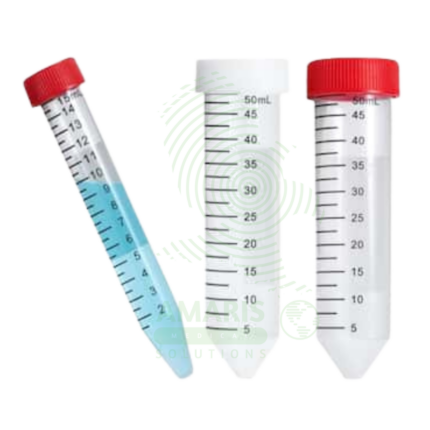
Centrifuge Tubes
Centrifuge Tubes are specialized disposable containers (polypropylene) designed to withstand high centrifugal forces (up to 30,000 x g) for separating biological fluids based on density. Available in microcentrifuge sizes (0.2-2.0 mL), conical tubes (15 mL, 50 mL), and larger volumes (100-500 mL). Features include leak-proof screw caps with O-rings (conical tubes), snap caps (microcentrifuge tubes), graduated volume markings, writing areas, and sterile/non-sterile options. Certified RNase/DNase-free, pyrogen-free, and autoclavable. Primary clinical applications include blood component separation (serum/plasma), urine sediment preparation, microbiology sample concentration, molecular biology (DNA/RNA extraction), cell culture processing, protein/enzyme analysis, and viral load testing. Critical safety precautions include never exceeding maximum RCF rating, proper balancing by weight, secure cap tightening, inspection for cracks, and disposal as biohazardous waste. Essential consumable in every clinical, research, and industrial laboratory.
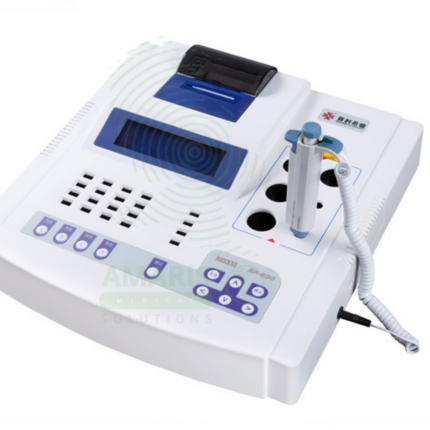
Coagulation Analyzer
A Coagulation Analyzer is a compact, automated instrument designed for performing essential tests that evaluate the blood's clotting ability. It accurately measures key parameters such as Prothrombin Time (PT/INR), Activated Partial Thromboplastin Time (aPTT), Thrombin Time, and Fibrinogen, which are critical for monitoring anticoagulant therapy (warfarin, heparin), diagnosing bleeding disorders, and assessing surgical risk. With its photometric detection and user-friendly operation, it delivers reliable results for small to medium-volume laboratories, clinics, and hospital wards. Its role in ensuring safe and effective patient management in thrombosis and hemostasis makes it a vital tool in clinical diagnostics.
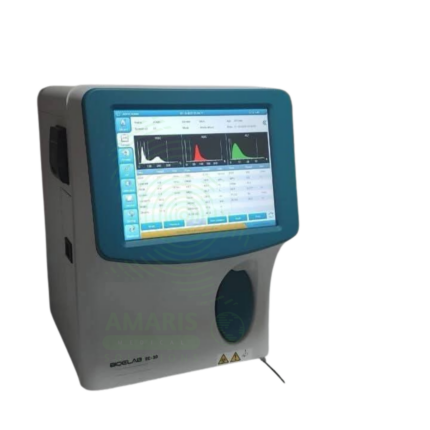
Hematology Analyzer
A Hematology Analyzer is a compact, automated benchtop analyzer designed to perform Complete Blood Counts (CBC) with a 3-part white blood cell differential. Utilizing impedance and photometric methods, it delivers rapid, precise results for red blood cells, white blood cells, platelets, and key indices from a small blood sample. Ideal for physician offices, small clinics, and satellite laboratories, it enables in-house hematology testing with walk-away operation. Its automated flagging system highlights abnormal results that require further manual smear review. As a core instrument for initial hematological screening, it combines efficiency with essential diagnostic capability for routine patient management.
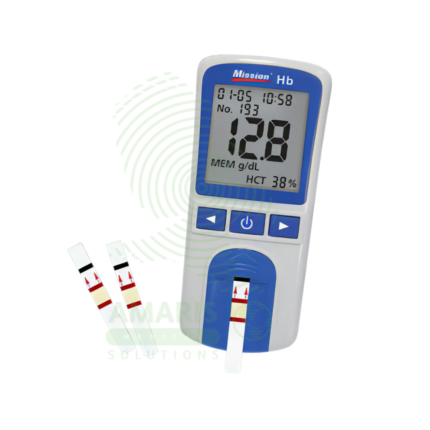
Hemoglobin Meter
A Hemoglobin Meter is a Class II medical device (FDA-cleared, CE-marked) for quantitative point-of-care measurement of hemoglobin concentration in capillary or venous blood, providing results in 5-60 seconds from a 5-20 µL sample. The meter uses photometric, electrochemical, or conductivity technology to measure hemoglobin, with accuracy ±0.3-0.5 g/dL compared to reference methods. Features include backlit LCD display, memory storage for 100-1000 results, USB/Bluetooth connectivity for data transfer, and compatibility with single-use disposable cuvettes or test strips. Primary clinical applications include anemia screening and diagnosis (WHO criteria), preoperative assessment and surgical planning, antenatal care and maternal health monitoring, malaria-endemic region screening, chronic disease management (CKD, IBD, cancer), nutritional assessment and intervention programs, and blood donor screening. Critical safety precautions include single-use lancets, proper hand hygiene, correct sample application, quality control with control solutions, proper cuvette storage (protect from heat, light, humidity), and never using expired cuvettes. Essential point-of-care device for hemoglobin testing in hospitals, clinics, community health programs, and blood donation centers.
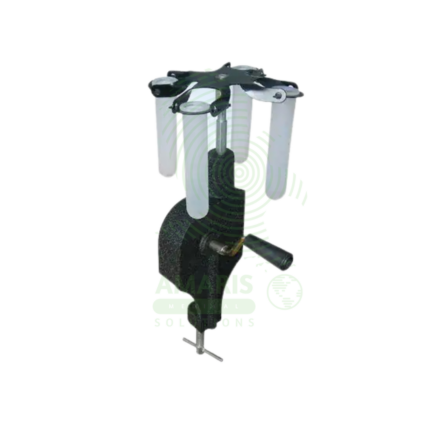
Manual Centrifuge
A Manual Centrifuge (hand-powered) is a non-electric mechanical device for separating fluids based on density, designed for use in field clinics, remote health posts, and developing world settings where electricity is unavailable or unreliable. Operated by hand crank, pull-cord, or foot pedal, achieving speeds of 1,000-4,000 RPM and RCF up to 1,500 x g. Accepts standard blood collection tubes (2-5 mL), microhematocrit tubes, and small centrifuge tubes. Primary clinical applications include separation of serum/plasma for basic diagnostic testing, urine sediment concentration for microscopy, microhematocrit determination for anemia screening, concentration of parasites for malaria and other vector-borne disease diagnosis, field epidemiology and outbreak investigation, veterinary medicine in rural settings, and teaching in resource-limited institutions. Critical safety precautions include meticulous balancing of tubes by weight (absolutely essential), never exceeding maximum rated speed, using appropriate PPE (no aerosol containment), regular inspection of gears and rotor for wear, and proper training of operators. Essential equipment for basic laboratory capabilities in low-resource and field settings.