Dermatoscope and Magnifiers
 Diagnostic Kits
 Vital Signs Monitors
 Stethoscopes and Accessories
 Otoscopes, Ophthalmoscopes, and Retinoscopes
 Reflex Hammers and Neurological Tools
 Scales and Measuring Devices
 Spirometers and Pulmonary Function Tests
 Electrosurgical Units and Accessories
 Cutting Instruments
 Grasping and Holding Instruments
 Hemostatic Instruments
 Specialized Surgical Sets
 Single-Use Procedure Trays and Packs
 Surgical Drapes, Gowns, and Covers
 Tissue Unifying Instruments
 Radiation Protection
 X-Ray Machines and Accessories
 Ultrasound Systems and Probes
 MRI and CT Scanners
 Radiology Consumables
 Bone Densitometers
 Fluoroscopy Equipment
 Imaging Tables and Positioning Aids
 Microscopes and Accessories
 Centrifuges and Separators
 Analyzers
 Incubators and Ovens
 Pipettes, Dispensers, and Lab Glassware
 Refrigerators, Freezers, and Storage Units
 Lab Consumables
 Sterilizers and Autoclaves for Lab Use
 Multi-Parameter Monitors
 Ventilators and Respiratory Support Devices
 Defibrillators and AEDs
 Infusion Pumps and IV Systems
 Patient Warmers and Cooling Devices
 Central Monitoring Stations
 Accessories
 Anesthesia Machines and Workstations
 Oxygen Concentrators and Delivery Systems
 Nebulizers and Inhalers
 CPAP/BiPAP Machines
 Airway Management
 Anesthesia Masks, Circuits, and Bags
 Humidifiers and Heaters
 Respiratory Therapy Accessories
 First Aid Kits and Cabinets
 Emergency Resuscitation Equipment
 Trauma Supplies
 Emergency Carts and Crash Carts
 Burn Care Products
 Bleeding Control
 Automated External Defibrillators (AEDs)
 Transport and Evacuation
 Wheelchairs and Accessories
 Walkers, Crutches, and Canes
 Prosthetics and Orthotics
 Physical Therapy Equipment
 Transfer Devices
 Bathroom Safety
 Orthopedic Traction and Tables
 Hot/Cold Therapy Packs and Units
 Beds and Mattresses
 Chairs and Stools
 Tables
 Cabinets and Storage
 Privacy Screens & Curtains
 Stands and Racks
 Linens and Textiles
 Lighting
 Autoclaves and Sterilizers
 Ultrasonic Cleaners
 Disinfectant Solutions and Wipes
 Sterilization Pouches, Wraps, and Indicators
 Instrument Trays and Containers
 UV and Ozone Disinfection Devices
 Washer Disinfectors
 Wound Care
 Gloves
 Masks and Respirators
 Catheters and Tubing
 Swabs, Applicators, and Sponges
 Incontinence Products
 Personal Protective Equipment (PPE)
 Dental Chairs and Units
 Handpieces and Burs
 Instruments
 Consumables
 Sterilization for Dental Use
 Orthodontic Supplies
 Endodontic Tools
 Slit Lamps and Tonometers
 Lensometers and Phoropters
 Ophthalmic Surgical Instruments
 Eyewear Frames and Lenses
 Contact Lens Supplies
 Vision Testing Charts and Devices
 Eye Care Consumables
 Laser Systems for Eye Care
 ENT Exam Chairs and Tables
 Endoscopes
 Audiometers and Hearing Tests
 ENT Instruments
 Nasal and Throat Packs
 Hearing Aids and Accessories
 Otology Supplies
 Fetal Dopplers and Monitors
 Delivery Beds and Tables
 Gynecological Instruments
 Neonatal Incubators and Warmers
 Breast Pumps and Accessories
 Contraceptive Devices
 Maternity Supports and Pads
 Neonatal Consumables
 Cystoscopes and Urethroscopes
 Dialysis Machines and Supplies
 Urological Catheters and Bags
 Lithotripters
 Prostate Treatment Devices
 Urinary Incontinence Products
 Kidney Stone Management Tools
 Consumables & Disposables
 EEG and EMG Machines
 Neurosurgical Instruments
 Nerve Stimulators
 Headrests and Positioning Aids
 Lumbar Puncture Kits
 Seizure Monitoring Devices
 Consumables
 Rehabilitation for Neurological Conditions
 ECG Machines and Accessories
 Holter Monitors
 Stress Test Systems
 Pacemakers and Defibrillator Accessories
 Vascular Access Devices
 Cardiac Catheters and Guidewires
 Blood Flow Meters
 Consumables
 Orthopedic Instruments
 Casts, Splints, and Padding
 Joint Replacement Supplies
 Prosthetic Limbs and Components
 Bone Grafts and Substitutes
 Traction Devices
 Orthopedic Braces and Supports
 Rehabilitation Aids for Orthopedics
 Home Oxygen Therapy
 Hospital Beds for Home Use
 Mobility Aids
 Bathroom and Daily Living Aids
 Wound Care for Home
 Monitoring Devices
 Enteral Feeding Pumps and Tubes
 Hand Sanitizers and Dispensers
 Face Shields and Goggles
 Isolation Gowns and Suits
 Biohazard Waste Containers
 Air Purifiers and HEPA Filters
 Surface Disinfectants
 Sharps Containers
 Protective Barriers
 Cardiovascular & Endurance Training
 Strength Training & Weightlifting
 Functional Training & Core Conditioning
 Physical Therapy & Rehabilitation
 Sports & Outdoor Recreation
 Gym Flooring & Facility Equipment
 Fitness Monitoring & Accessories
 Kids & Novelties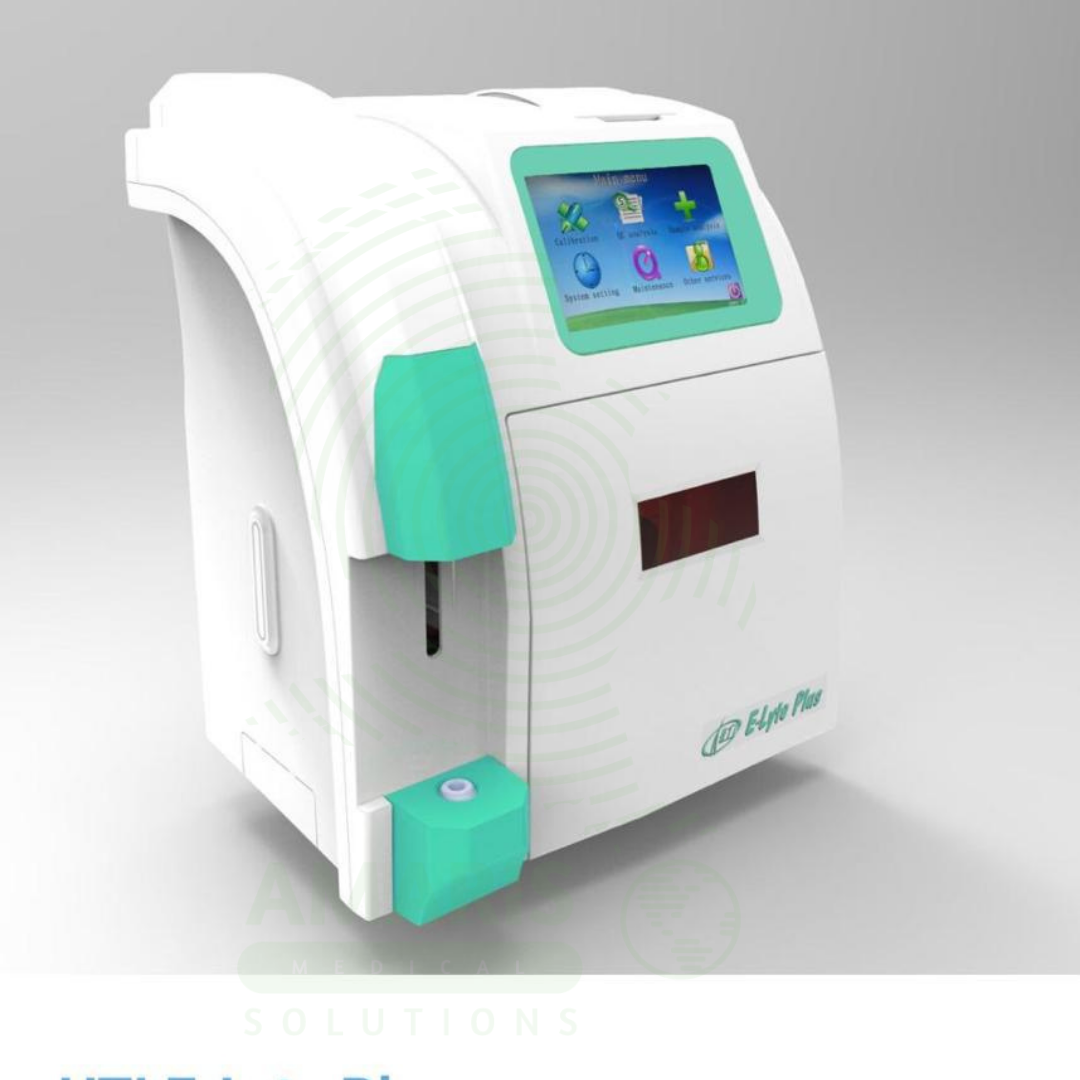

E-lyte Plus Advanced Electrolyte Analyzer
WhatsApp Order
The E-lyte Plus Advanced Electrolyte Analyzer is a fully automated, microprocessor-controlled benchtop electrolyte analyzer that uses Ion Selective Electrode (ISE) technology for simultaneous measurement of potassium (K+), sodium (Na+), chloride (Cl-), ionized calcium (Ca++), pH, and lithium (Li+) in whole blood, serum, plasma, and urine samples . With up to six electrodes installed simultaneously, test times of 30-40 seconds, and an optional 21-position autosampler, the system delivers rapid, high-throughput electrolyte profiling in emergency, critical care, and routine laboratory settings .
The system features a 7-inch color LCD touchscreen with user-friendly interface, fast-access menus, and real-time result review . Quality control includes automatic ISE calibration, 3-level QC with Levey-Jennings charting, and automatic QC correction . The analyzer stores 8,000 test results, includes an integrated thermal printer, offers RS-232 connectivity for LIS integration, and supports optional barcode reader for sample ID entry .
For the emergency physician and critical care specialist, the E-lyte Plus provides rapid (30-40 second) sodium, potassium, chloride, and ionized calcium results essential for diagnosing life-threatening electrolyte disturbances—hyponatremia (seizures, coma), hyperkalemia (cardiac arrest), hypocalcemia (tetany, laryngospasm), and acid-base disorders via anion gap calculation. For the psychiatrist, lithium measurement enables therapeutic drug monitoring for bipolar disorder patients, preventing lithium toxicity (tremor, seizures, coma) while ensuring therapeutic efficacy. For the nephrologist and endocrinologist, comprehensive electrolyte panels support diagnosis of adrenal insufficiency (Addison’s disease: hyponatremia, hyperkalemia), hyperaldosteronism (Conn’s syndrome: hypokalemia), and primary hyperparathyroidism (hypercalcemia). For the patient, accurate, stat electrolyte results guide life-saving interventions—electrolyte replacement for dehydration, insulin and bicarbonate for diabetic ketoacidosis, dialysis for severe hyperkalemia, and calcium and calcitriol for post-thyroidectomy hypocalcemia—preventing fatal arrhythmias, seizures, coma, and respiratory failure.
Description
E-lyte Plus Advanced Electrolyte Analyzer
PRIMARY CLINICAL & DIAGNOSTIC USES
1. Sodium (Na+) and Potassium (K+) Measurement for Fluid and Electrolyte Disorders
-
Primary Use: Provides a fully automated, microprocessor-controlled electrolyte analyzer using Ion Selective Electrode (ISE) technology to measure sodium (Na+) and potassium (K+) concentrations in whole blood, serum, plasma, and urine . Multiple electrodes (up to 6) can be installed simultaneously, with test times ranging from 30-40 seconds .
-
How it helps: For the nephrologist, emergency physician, and intensive care specialist, the E-lyte Plus delivers critical sodium and potassium values essential for diagnosing and managing hyponatremia, hypernatremia, hypokalemia, and hyperkalemia—electrolyte disturbances that can cause cardiac arrhythmias, neuromuscular irritability, seizures, and coma. For the patient with heart failure on diuretics, chronic kidney disease, adrenal insufficiency (Addison’s disease), or severe diarrhea/vomiting, accurate sodium and potassium measurement guides life-saving interventions such as electrolyte replacement, fluid resuscitation, and medication adjustment to prevent fatal cardiac arrhythmias.
2. Chloride (Cl-) and Anion Gap Calculation for Acid-Base Disorders
-
Primary Use: Measures chloride (Cl-) concentration, enabling calculation of the anion gap for evaluation of metabolic acidosis and alkalosis in critically ill patients . The analyzer simultaneously processes up to six installed electrodes for comprehensive electrolyte panels .
-
How it helps: For the pulmonologist, intensivist, and nephrologist, the anion gap (calculated from Na+, K+, Cl-, and bicarbonate) distinguishes between high anion gap metabolic acidosis (diabetic ketoacidosis, lactic acidosis, toxic alcohol ingestion, uremia) and normal anion gap metabolic acidosis (diarrhea, renal tubular acidosis). For the patient with diabetic ketoacidosis, acute kidney injury, sepsis, or ethylene glycol poisoning (antifreeze ingestion), rapid anion gap assessment enables accurate diagnosis of the underlying acidosis, guiding bicarbonate therapy, insulin administration, dialysis, or antidote administration to prevent life-threatening metabolic decompensation.
3. Ionized Calcium (Ca++) and pH Measurement for Critical Care and Parathyroid Disorders
-
Primary Use: Measures ionized calcium (Ca++) and pH (hydrogen ion concentration) in whole blood, serum, and urine samples, offering simultaneous multiple electrolyte analysis . The system includes automatic ISE calibration and 3-level QC with Levey-Jennings charting .
-
How it helps: For the endocrinologist, critical care physician, and surgeon, the E-lyte Plus provides ionized calcium (the biologically active form of calcium) for diagnosing and monitoring hypercalcemia (primary hyperparathyroidism, malignancy) and hypocalcemia (hypoparathyroidism, critical illness, post-thyroidectomy). For the patient with suspected primary hyperparathyroidism (kidney stones, osteoporosis, fatigue), ionized calcium measurement confirms the diagnosis before parathyroid surgery. For the post-thyroidectomy patient, ionized calcium monitoring detects hypocalcemia (parathyroid injury), enabling timely calcium and calcitriol replacement to prevent tetany, laryngospasm, and seizures.
4. Lithium (Li+) Monitoring for Psychiatric Medication Management
-
Primary Use: Measures lithium (Li+) concentration in serum for therapeutic drug monitoring (TDM) of patients receiving lithium carbonate for bipolar disorder .
-
How it helps: For the psychiatrist and primary care physician, the E-lyte Plus provides accurate serum lithium levels for patients on long-term lithium therapy—a medication with a narrow therapeutic index (0.6-1.2 mEq/L) where levels above 1.5 mEq/L cause toxicity (nausea, tremor, confusion, seizures, coma, cardiac arrhythmias) and levels below 0.6 mEq/L risk mood relapse. For the patient with bipolar disorder, regular lithium level monitoring ensures therapeutic efficacy while preventing life-threatening lithium toxicity, enabling safe long-term management of this chronic mental health condition.
SECONDARY & SUPPORTIVE USES
1. Emergency Department and Critical Care Stat Testing: Provides rapid (30-40 second) electrolyte results for emergency department and ICU stat orders, essential for resuscitation, cardiac monitoring, and ventilator management.
2. Pre-Operative and Post-Operative Surgical Monitoring: Supports pre-operative electrolyte screening for surgical clearance and post-operative monitoring for fluid and electrolyte shifts following major surgery.
3. Dialysis Unit and Chronic Kidney Disease Management: Monitors pre-dialysis and post-dialysis electrolyte levels (Na+, K+, Cl-, Ca++) in hemodialysis and peritoneal dialysis patients, guiding dialysate prescription and detecting dangerous hyperkalemia requiring urgent dialysis.
4. Cardiology and Arrhythmia Risk Assessment: Evaluates potassium levels in patients on diuretics, digoxin, and antiarrhythmic medications (amiodarone, sotalol); hypokalemia predisposes to torsade de pointes and ventricular fibrillation.
5. Endocrine and Metabolic Disorder Diagnosis: Supports diagnosis of adrenal insufficiency (Addison’s disease: hyponatremia, hyperkalemia), hyperaldosteronism (Conn’s syndrome: hypokalemia, hypernatremia), and diabetes insipidus (hypernatremia assessment).
6. Gastroenterology and Malabsorption Assessment: Evaluates electrolyte losses in patients with chronic diarrhea, vomiting, malabsorption, short bowel syndrome, and gastrointestinal fistulas.
7. Oncology and Chemotherapy Monitoring: Monitors electrolyte levels in cancer patients on chemotherapy regimens causing nausea/vomiting or nephrotoxicity (cisplatin, carboplatin) leading to hypomagnesemia and hypocalcemia.
8. Pediatric and Neonatal Electrolyte Assessment: Measures electrolytes in small-volume pediatric/neonatal samples for evaluation of dehydration, pyloric stenosis (hypochloremic metabolic alkalosis), and congenital adrenal hyperplasia (salt-wasting crisis with hyponatremia, hyperkalemia).
9. Geriatric and Nursing Home Medication Monitoring: Supports electrolyte monitoring for elderly patients on multiple medications including diuretics, ACE inhibitors, ARBs, and potassium supplements, preventing drug-induced electrolyte disturbances.
10. Sports Medicine and Athlete Hydration Assessment: Evaluates electrolyte levels in endurance athletes (marathon runners, triathletes) for hyponatremia (overhydration) and exercise-associated collapse.
11. Pregnancy and Obstetric Complication Monitoring: Monitors electrolytes in hyperemesis gravidarum (severe vomiting causing hypokalemia, hypochloremia) and preeclampsia (electrolyte shifts requiring monitoring).
12. Blood Gas and Acid-Base Interpretation: Integrates electrolyte results with blood gas analysis (bicarbonate calculated from pH and pCO2) for comprehensive acid-base disorder classification.
13. Automatic QC and Quality Assurance: Built-in 3-level quality control with Levey-Jennings charting supports laboratory quality assurance programs, regulatory compliance, and accreditation requirements .
14. LIS Connectivity and Data Management: RS-232 interface enables data export to Laboratory Information Systems; 8,000 test result storage with patient and QC data supports electronic medical record integration .
15. Outpatient Clinic and Physician Office Laboratory Testing: Compact benchtop design (27.9 × 43.8 × 36.8 cm, 9.5 kg) enables electrolyte testing in outpatient clinics, physician offices, and urgent care centers without sending samples to central labs.
KEY PRODUCT FEATURES
1. BASIC IDENTIFICATION ATTRIBUTES
-
Device Type: A fully automated, microprocessor-controlled benchtop electrolyte analyzer using Ion Selective Electrode (ISE) technology for simultaneous measurement of multiple electrolytes and pH .
-
Designation: E-Lyte Plus Advanced Electrolyte Analyzer, Electrolyte Analyzer, ISE Analyzer, Stat Electrolyte Analyzer .
-
Key Components:
-
Ion Selective Electrode System: Up to 6 electrodes installed simultaneously, measuring K+, Na+, Cl-, Ca++, pH, and Li+
-
Sampling System: Automated sample aspiration with optional 21-position autosampler
-
Sample Types: Whole blood, serum, plasma, and urine
-
Display: 7-inch color LCD touchscreen with user-friendly, fast-access menu and result data review
-
Printer: Integrated high-speed thermal printer; external printer support
-
Quality Control: Automatic ISE calibration; 3-level QC with Levey-Jennings (L-J) charting
-
Memory: 8,000 test result storage including patient and quality control data
-
Connectivity: RS-232 serial interface for LIS connection; optional barcode reader
2. TECHNICAL & PERFORMANCE PROPERTIES
-
Methodology: Ion Selective Electrode (ISE) technology – direct or indirect measurement
-
Parameters: K+, Na+, Cl-, Ca++, pH, Li+ (up to 6 electrodes simultaneously)
-
Test Time: 30 seconds (fastest mode), 35 seconds (standard), 40 seconds (normal)
-
Sample Types: Whole blood, serum, plasma, urine
-
Sample Volume: Standard aspiration (manufacturer-specified, typically 50-100 μL)
-
Autosampler: Optional 21-position autosampler for batch processing
-
Calibration: Automatic ISE calibration; automatic QC correction
-
Quality Control: 3 levels (low, normal, high) with Levey-Jennings charting; mean, SD, CV% calculation
-
Memory Capacity: 8,000 test results including patient data and QC records
-
Display: 7-inch color LCD touchscreen; 640x480 (typical)
-
User Interface: Microprocessor-controlled with fast-access menus, real-time alerts, operational messages
-
Printer: Built-in high-speed thermal printer; auto-print or manual modes
-
Connectivity: RS-232 serial port for LIS integration; optional barcode reader
-
Language Support: English, Russian, Spanish
-
Power Requirements: 110-240V, 50/60 Hz, 110VA
-
Operating Temperature: 10-30°C
-
Operating Humidity: ≤70%
-
Dimensions (W x H x D): 27.9 cm x 43.8 cm x 36.8 cm (11.0 x 17.2 x 14.5 inches)
-
Weight: 9.5 kg (20.9 lbs)
-
Warranty: Standard manufacturer warranty per HTI policy
3. PHYSICAL & OPERATIONAL PROPERTIES
-
Construction: Benchtop design with durable housing; compact footprint suitable for laboratory bench or point-of-care placement
-
User Interface: 7-inch large color touchscreen with intuitive graphical user interface; fast-access menus; real-time data review; virtual keyboard for data entry
-
Workflow: Fully automated: operator loads sample, instrument aspirates, measures via ISE, calculates, and reports results (30-40 seconds)
-
Sampling: Direct sample aspiration; optional 21-position autosampler for high-volume batch processing
-
Operation Modes: Stat single-sample mode; batch autosampler mode
-
Quality Control: Integrated automatic ISE calibration; 3-level QC with Levey-Jennings charting; real-time QC alerts
-
Calibration Modes: Automatic calibration on startup; user-defined calibration schedules
-
Data Management: 8,000 result memory; results can be printed, stored, or exported via RS-232; result review on touchscreen
-
Alerts: Real-time operational alerts for instrument status, calibration status, QC failures, and maintenance needs; audible alerts for test completion
-
Connectivity: RS-232 serial interface for data export to LIS; optional barcode reader for sample ID entry
-
Maintenance: Automated calibration and cleaning cycles; user-replaceable electrodes and reagent packs
-
Reagents: Proprietary reagent packs (Calibration A, Calibration B) and waste container
4. SAFETY & COMPLIANCE ATTRIBUTES
-
Regulatory Status: In Vitro Diagnostic (IVD) medical device; requires country-specific registration per local regulations. Manufactured by HTI Medical Inc. .
-
Safety Certifications: CE marked (Europe); compliant with applicable international safety standards .
-
Infection Control: Closed-tube aspiration minimizes operator blood contact; standard precautions required; automated probe cleaning reduces biohazard exposure.
-
Electrical Safety: Wide voltage compatibility (110-240V, 50/60Hz) for international use; ground protection; 110VA power consumption .
-
Operating Environment: Designed for indoor laboratory or point-of-care use at 10-30°C; maximum humidity 70% .
-
Quality Assurance: Automatic ISE calibration; 3-level QC with Levey-Jennings charting; QC lockout protects against reporting results when QC fails .
5. STORAGE & HANDLING ATTRIBUTES
-
Storage: Store in a clean, dry environment at 10-30°C; protect from dust, vibration, and direct sunlight .
-
Cleaning: Wipe exterior with soft, damp cloth using mild detergent; follow standard disinfection protocols for clinical surfaces; automated internal cleaning cycles.
-
Maintenance: 12-month manufacturer warranty typical; annual calibration verification recommended; user-replaceable electrodes and reagent packs.
-
Reagent Storage: Store Calibration A, Calibration B, and waste containers per manufacturer instructions .
-
Installation: Benchtop installation requires 28 x 44 cm footprint (27.9 x 43.8 cm) with access to electrical outlet; RS-232 connectivity to LIS optional.
-
Electrode Care: Electrodes have defined service life; replace per manufacturer schedule.
6. LABORATORY & CLINICAL APPLICATIONS
-
Primary Application: Automated electrolyte analysis (sodium, potassium, chloride, ionized calcium, lithium, pH) for fluid and electrolyte disorder diagnosis, acid-base assessment, critical care monitoring, and therapeutic drug monitoring in clinical laboratories, hospitals, emergency departments, ICUs, dialysis centers, and physician offices .
-
Clinical Role: Essential diagnostic instrumentation for emergency medicine, nephrology, cardiology, endocrinology, critical care, psychiatry (lithium monitoring), gastroenterology, pediatrics, and geriatrics .
SAFETY HANDLING PRECAUTIONS
1. SAFETY PRECAUTIONS
-
Biohazard Exposure: Treat all samples (whole blood, serum, plasma, urine) as potentially infectious; use standard precautions (gloves, lab coat, eye protection); dispose of waste per facility biohazard protocol.
-
Electrical Safety: Use properly grounded outlet; wide voltage tolerance (110-240V, 50/60Hz) ensures safe international use .
-
Reagent Handling: Use only manufacturer-specified reagents (Calibration A, Calibration B); follow SDS for each reagent; avoid skin and eye contact .
-
Quality Control: Run 3-level QC materials per laboratory schedule; verify automatic calibration before patient testing; do not report results if QC fails .
-
Environmental Conditions: Operate within specified temperature (10-30°C) and humidity (≤70%) ranges for optimal ISE performance .
-
Sample Handling: Centrifuge samples per manufacturer guidelines; avoid hemolyzed, lipemic, or icteric specimens which may affect ISE readings.
-
Training: Only trained laboratory personnel should operate the E-lyte Plus for clinical diagnostic applications.
2. FIRST AID MEASURES
-
Sample Exposure: Wash exposed skin immediately with soap and water; flush eyes with water for 15 minutes; follow institutional exposure management protocol.
-
Reagent Spill: Ventilate area; use absorbent materials; dispose as chemical waste per SDS.
-
Electrical Malfunction: Disconnect power immediately; do not attempt repair; contact service provider.
-
QC Failure: If QC fails, repeat QC; if repeated failure, recalibrate; if persistent failure, contact technical support; do not report patient results until QC passes .
3. FIRE FIGHTING MEASURES
-
Flammability: Electrical hazard; reagents may be combustible.
-
Extinguishing Media: Use CO₂ or dry chemical extinguisher for electrical fires.
-
Fire Response: Disconnect power; use appropriate extinguisher; do not use water on electrical fire.
Related products
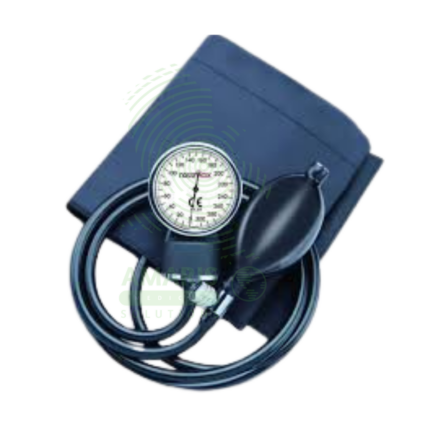
Aneroid Blood Pressure Monitor
The Aneroid Blood Pressure Monitor is a manual, mechanical sphygmomanometer used for the accurate, non-invasive measurement of arterial blood pressure. Operating on the auscultatory method, it consists of an inflatable cuff, a pump bulb with a release valve, and a calibrated dial gauge. Renowned for its reliability, durability, and independence from electrical power, it serves as a clinical gold standard and essential tool in physician offices, hospitals, and for guided home monitoring. Its accuracy is dependent on proper technique, correct cuff size, and regular calibration, making it a fundamental device for diagnosing and managing hypertension and assessing cardiovascular health.
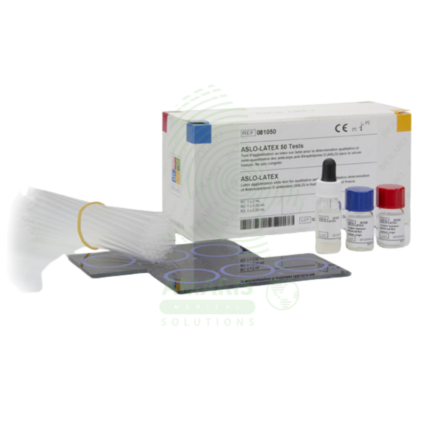
Anti-Streptol Olysin O Titer (ASOT)
Anti-Streptol Olysin O Titer (ASOT) is a quantitative or semi-quantitative serological test (latex agglutination, turbidimetry, nephelometry, or ELISA) for detecting antibodies against streptolysin O, an exotoxin produced by Group A Streptococcus. Elevated or rising titers indicate recent streptococcal infection and are essential for diagnosing post-streptococcal sequelae including acute rheumatic fever (Jones criteria) and post-streptococcal glomerulonephritis. The test requires serum samples; acute and convalescent (2-4 weeks apart) with fourfold rise confirms recent infection. Reference range typically <200-250 Todd units/mL (adults), varies by age and population. Primary clinical applications include diagnosis of Group A streptococcal infections, acute rheumatic fever evaluation, post-streptococcal glomerulonephritis diagnosis, differentiation of acute vs. past infection, evaluation of unexplained arthritis or carditis, pediatric inflammatory conditions (PANDAS), and monitoring disease activity in rheumatic fever. Critical safety precautions include proper timing of acute and convalescent samples, awareness of false negatives/positives, clinical correlation for diagnosis, and standard biohazard precautions. Essential test for rheumatology, nephrology, cardiology, and infectious disease practice.

Littman Stethoscope (Classic 4 Cardiology)
A Littman Stethoscope (Classic 4 Cardiology) represents the pinnacle of acoustic auscultation technology. Designed for clinicians who require the highest level of diagnostic accuracy, it features dual tunable diaphragms and dual-lumen tubing to provide exceptional acoustic sensitivity and ambient noise reduction. Its innovative design allows the user to hear both high and low-frequency sounds by simply adjusting pressure on either side of the chestpiece, making it the instrument of choice for cardiologists, intensivists, and specialists who cannot afford to miss a subtle murmur, rub, or breath sound. It combines superior performance with the durability and comfort expected from the Littmann brand.
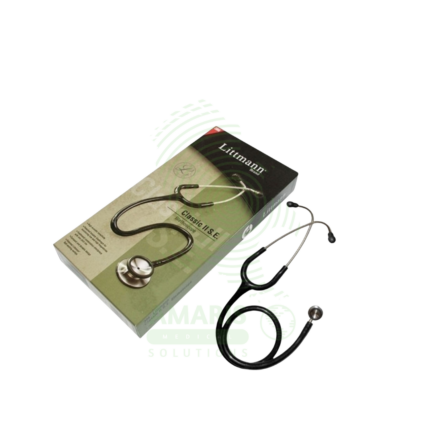
Littmann Stethoscope (Classic II)
A Littmann Stethoscope (Classic II) is a premium, acoustic dual-head stethoscope renowned for its diagnostic clarity, durability, and innovative tunable diaphragm technology. It allows healthcare professionals to hear both high and low-frequency sounds by simply adjusting pressure on the single-sided chestpiece, eliminating the need to rotate it. With its superior acoustics, comfortable fit, and wide range of colors, it is the instrument of choice for medical students, nurses, and physicians across all specialties who require reliable performance for physical assessment, auscultation of heart and lung sounds, and manual blood pressure measurement.
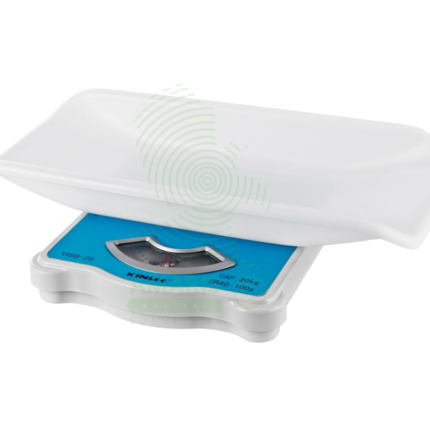
Manual Baby Weighing Scale
A Manual Baby Weighing Scale is a simple, mechanical device used to measure infant weight without the need for electricity or batteries. Operating on a spring or balance principle, it features a suspended sling or seat and a dial display. Its primary advantage is durability and portability for use in community health, outreach programs, and areas with unreliable power. While less precise than digital scales, it provides a reliable and accessible means to monitor growth trends and screen for undernutrition in resource-limited settings, making it a vital tool for basic pediatric care in the field.
MUAC Tape
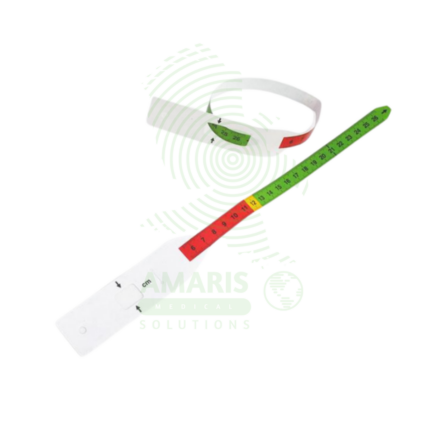
A MUAC Tape (Mid-Upper Arm Circumference) is a specialized, color-coded measuring tape used globally as the primary field tool for screening children aged 6-59 months for acute malnutrition. Its simple design—featuring red, yellow, and green zones corresponding to Severe Acute Malnutrition, Moderate Acute Malnutrition, and normal nutritional status—allows for instant, non-invasive assessment without the need for scales, calculation, or literacy. Durable, portable, and inexpensive, it is the cornerstone of community-based nutrition programs, emergency relief efforts, and public health surveillance, enabling early detection and life-saving intervention for malnourished children in even the most resource-constrained settings.
Pregnancy Test Strips
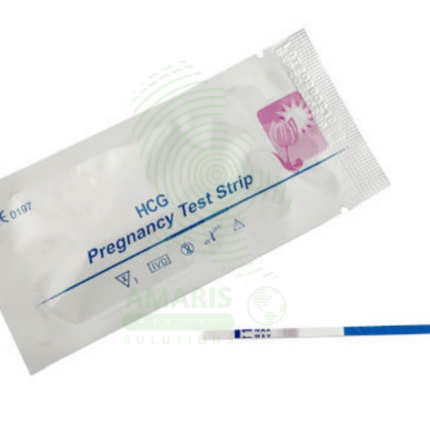
Pregnancy Test Strips are simple, dip-style lateral flow devices designed for the rapid, qualitative detection of human chorionic gonadotropin (hCG) in urine to indicate pregnancy. As the most fundamental format of home pregnancy tests, they offer high sensitivity (often from 10 mIU/mL), affordability, and a quick result within 3-5 minutes. Their ease of use makes them a widely accessible first step in pregnancy detection for personal use and clinical screening. A visible test line, even if faint, is a positive result, though confirmation with a healthcare provider is always recommended.