Dermatoscope and Magnifiers
 Diagnostic Kits
 Vital Signs Monitors
 Stethoscopes and Accessories
 Otoscopes, Ophthalmoscopes, and Retinoscopes
 Reflex Hammers and Neurological Tools
 Scales and Measuring Devices
 Spirometers and Pulmonary Function Tests
 Electrosurgical Units and Accessories
 Cutting Instruments
 Grasping and Holding Instruments
 Hemostatic Instruments
 Specialized Surgical Sets
 Single-Use Procedure Trays and Packs
 Surgical Drapes, Gowns, and Covers
 Tissue Unifying Instruments
 Radiation Protection
 X-Ray Machines and Accessories
 Ultrasound Systems and Probes
 MRI and CT Scanners
 Radiology Consumables
 Bone Densitometers
 Fluoroscopy Equipment
 Imaging Tables and Positioning Aids
 Microscopes and Accessories
 Centrifuges and Separators
 Analyzers
 Incubators and Ovens
 Pipettes, Dispensers, and Lab Glassware
 Refrigerators, Freezers, and Storage Units
 Lab Consumables
 Sterilizers and Autoclaves for Lab Use
 Multi-Parameter Monitors
 Ventilators and Respiratory Support Devices
 Defibrillators and AEDs
 Infusion Pumps and IV Systems
 Patient Warmers and Cooling Devices
 Central Monitoring Stations
 Accessories
 Anesthesia Machines and Workstations
 Oxygen Concentrators and Delivery Systems
 Nebulizers and Inhalers
 CPAP/BiPAP Machines
 Airway Management
 Anesthesia Masks, Circuits, and Bags
 Humidifiers and Heaters
 Respiratory Therapy Accessories
 First Aid Kits and Cabinets
 Emergency Resuscitation Equipment
 Trauma Supplies
 Emergency Carts and Crash Carts
 Burn Care Products
 Bleeding Control
 Automated External Defibrillators (AEDs)
 Transport and Evacuation
 Wheelchairs and Accessories
 Walkers, Crutches, and Canes
 Prosthetics and Orthotics
 Physical Therapy Equipment
 Transfer Devices
 Bathroom Safety
 Orthopedic Traction and Tables
 Hot/Cold Therapy Packs and Units
 Beds and Mattresses
 Chairs and Stools
 Tables
 Cabinets and Storage
 Privacy Screens & Curtains
 Stands and Racks
 Linens and Textiles
 Lighting
 Autoclaves and Sterilizers
 Ultrasonic Cleaners
 Disinfectant Solutions and Wipes
 Sterilization Pouches, Wraps, and Indicators
 Instrument Trays and Containers
 UV and Ozone Disinfection Devices
 Washer Disinfectors
 Wound Care
 Gloves
 Masks and Respirators
 Catheters and Tubing
 Swabs, Applicators, and Sponges
 Incontinence Products
 Personal Protective Equipment (PPE)
 Dental Chairs and Units
 Handpieces and Burs
 Instruments
 Consumables
 Sterilization for Dental Use
 Orthodontic Supplies
 Endodontic Tools
 Slit Lamps and Tonometers
 Lensometers and Phoropters
 Ophthalmic Surgical Instruments
 Eyewear Frames and Lenses
 Contact Lens Supplies
 Vision Testing Charts and Devices
 Eye Care Consumables
 Laser Systems for Eye Care
 ENT Exam Chairs and Tables
 Endoscopes
 Audiometers and Hearing Tests
 ENT Instruments
 Nasal and Throat Packs
 Hearing Aids and Accessories
 Otology Supplies
 Fetal Dopplers and Monitors
 Delivery Beds and Tables
 Gynecological Instruments
 Neonatal Incubators and Warmers
 Breast Pumps and Accessories
 Contraceptive Devices
 Maternity Supports and Pads
 Neonatal Consumables
 Cystoscopes and Urethroscopes
 Dialysis Machines and Supplies
 Urological Catheters and Bags
 Lithotripters
 Prostate Treatment Devices
 Urinary Incontinence Products
 Kidney Stone Management Tools
 Consumables & Disposables
 EEG and EMG Machines
 Neurosurgical Instruments
 Nerve Stimulators
 Headrests and Positioning Aids
 Lumbar Puncture Kits
 Seizure Monitoring Devices
 Consumables
 Rehabilitation for Neurological Conditions
 ECG Machines and Accessories
 Holter Monitors
 Stress Test Systems
 Pacemakers and Defibrillator Accessories
 Vascular Access Devices
 Cardiac Catheters and Guidewires
 Blood Flow Meters
 Consumables
 Orthopedic Instruments
 Casts, Splints, and Padding
 Joint Replacement Supplies
 Prosthetic Limbs and Components
 Bone Grafts and Substitutes
 Traction Devices
 Orthopedic Braces and Supports
 Rehabilitation Aids for Orthopedics
 Home Oxygen Therapy
 Hospital Beds for Home Use
 Mobility Aids
 Bathroom and Daily Living Aids
 Wound Care for Home
 Monitoring Devices
 Enteral Feeding Pumps and Tubes
 Hand Sanitizers and Dispensers
 Face Shields and Goggles
 Isolation Gowns and Suits
 Biohazard Waste Containers
 Air Purifiers and HEPA Filters
 Surface Disinfectants
 Sharps Containers
 Protective Barriers
 Cardiovascular & Endurance Training
 Strength Training & Weightlifting
 Functional Training & Core Conditioning
 Physical Therapy & Rehabilitation
 Sports & Outdoor Recreation
 Gym Flooring & Facility Equipment
 Fitness Monitoring & Accessories
 Kids & Novelties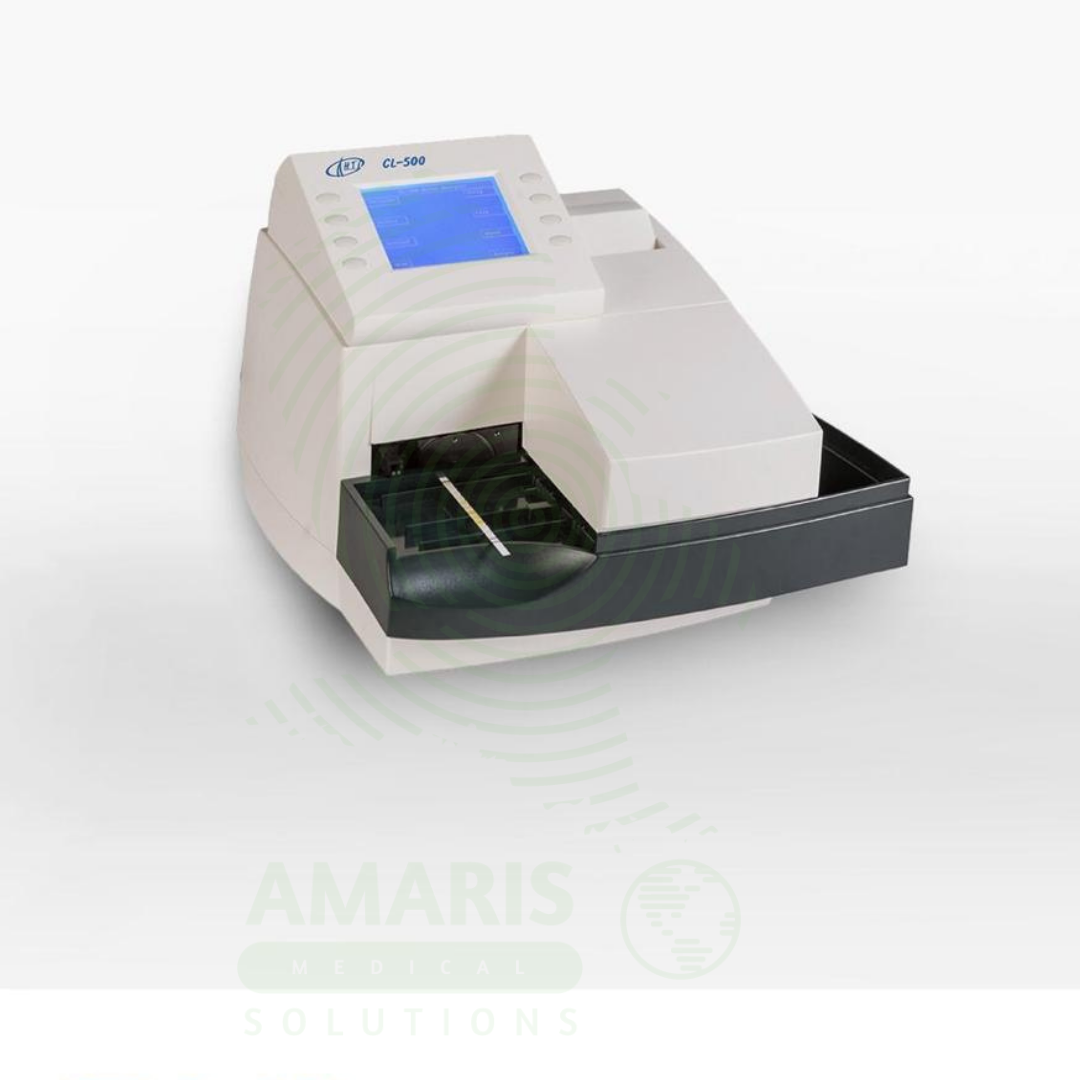

Plus Semi-Automated Urine Analyzer (CL-500)
WhatsApp Order
The Urine Analyzer Plus Semi-Automated (CL-500) is a high-throughput, semi-automated urine test strip analyzer designed for large-volume clinical laboratories, hospital settings, public health screening programs, and high-volume point-of-care facilities . Using LED reflectance photometry at 550nm, 620nm, and 720nm wavelengths, the analyzer measures up to 14 urinary parameters with a throughput of 550 strips per hour and a test time of 65 seconds .
The analyzer features automatic strip feeding for continuous loading without operator intervention, built-in onboard waste collection, and open system compatibility accepting standard urine test strips. The microprocessor-based system stores 5,000 test results with multilingual support (English, Russian, Spanish, Ukrainian), offers comprehensive connectivity (bidirectional LIS, RS-232, USB, WiFi), and includes a built-in thermal printer .
Measured parameters include leukocytes, ketone, nitrite, protein, glucose, blood, calcium, ascorbic acid, urobilinogen, bilirubin, specific gravity, microalbumin, pH, and creatinine—enabling comprehensive urinalysis for UTI diagnosis, diabetes screening, preeclampsia detection, and chronic kidney disease monitoring .
For the clinical laboratory scientist and public health program manager, the CL-500 Plus enables high-volume UTI diagnosis (550 tests/hour), population-based diabetes screening, proteinuria surveillance in large antenatal services, CKD monitoring for hypertension and diabetes programs, and integrated public health reporting via bidirectional LIS connectivity. For the patient, high-throughput urinalysis enables early detection of urinary tract infections (preventing pyelonephritis and urosepsis), timely diagnosis of diabetes and preeclampsia (reducing complications), and early identification of chronic kidney disease (preserving renal function)—particularly in large-scale screening programs where efficient testing is essential for population health impact .
Description
Plus Semi-Automated Urine Analyzer CL-500
PRIMARY CLINICAL & DIAGNOSTIC USES
1. High-Throughput Urinary Tract Infection (UTI) Screening
-
Primary Use: Provides a high-throughput semi-automated urine test strip analyzer with automatic strip feeding (up to 550 strips per hour) using LED reflectance photometry at 550nm, 620nm, and 720nm wavelengths to detect leukocytes and nitrites as primary UTI indicators .
-
How it helps: For the clinical laboratory scientist and infectious disease specialist, the CL-500 Plus delivers high-volume, automated processing of UTI screening—eliminating manual strip handling and subjective visual reading while enabling continuous, walk-away operation. For the patient presenting with dysuria, frequency, or suprapubic pain, high-throughput UTI screening enables rapid antibiotic therapy decisions, reducing symptom duration and preventing progression to pyelonephritis, urosepsis, or pregnancy complications.
2. Large-Scale Diabetes and Metabolic Disorder Screening
-
Primary Use: Measures urine glucose and ketones for population-based diabetes screening, diabetic ketoacidosis (DKA) detection, and metabolic disorder surveillance in high-volume public health programs .
-
How it helps: For the endocrinologist and public health physician, the CL-500 Plus’s 550-test-per-hour throughput and automatic strip feeding support mass screening campaigns in community health initiatives, mobile health programs, and public health outreach. For the patient, high-volume screening enables early detection of undiagnosed diabetes, prevention of DKA complications, and identification of individuals needing confirmatory blood glucose testing and diabetes management, particularly in underserved populations with limited routine healthcare access.
3. Preeclampsia and Pregnancy Complication Surveillance
-
Primary Use: Detects proteinuria and microalbuminuria, critical markers for preeclampsia and gestational diabetes screening in large obstetrics practices and antenatal clinics .
-
How it helps: For the obstetrician and midwife in high-volume maternity services, the CL-500 Plus’s automated strip feeding and continuous operation mode enables efficient proteinuria screening for large numbers of pregnant women during routine antenatal visits, particularly in busy maternity hospitals, prenatal clinics, and mobile maternal health programs. For the pregnant patient, early detection of proteinuria triggers timely referral and management, reducing the risk of eclampsia, preterm delivery, placental abruption, and maternal-fetal mortality, especially in resource-limited settings where advanced obstetric care may be distant.
4. Chronic Kidney Disease (CKD) Surveillance and Program Monitoring
-
Primary Use: Measures microalbumin, creatinine, microalbumin-to-creatinine ratio (ACR), and protein for chronic kidney disease surveillance, diabetic nephropathy monitoring, and hypertension-related renal damage assessment in high-volume testing environments .
-
How it helps: For the nephrologist and public health program manager, the CL-500 Plus’s bidirectional LIS connectivity and 5,000-result memory enable efficient integration with electronic medical records for CKD surveillance programs, longitudinal patient monitoring, and public health reporting. For the patient with hypertension, diabetes, or established CKD, regular microalbumin and protein monitoring via high-throughput urinalysis enables early detection of nephropathy progression, timely adjustment of renoprotective therapy (ACE inhibitors, ARBs), and referral to nephrology services—critical for slowing disease progression and preserving residual renal function.
SECONDARY & SUPPORTIVE USES
1. Population Health Screening and Public Health Campaigns: Supports mass screening for diabetes, kidney disease, and UTIs in community health initiatives, workplace wellness programs, and public health outreach across entire districts .
2. Large Clinic and Maternity Hospital Services: Enables efficient urinalysis for busy antenatal clinics, outpatient departments, family medicine centers, and urgent care facilities with high patient volumes.
3. Hospital Central Laboratory Backup: Serves as high-capacity backup urinalysis system for emergency departments, inpatient wards, and outpatient clinics when primary analyzers are unavailable .
4. Centralized Screening for Ministry of Health Programs: Supports government health initiatives for non-communicable disease screening, maternal-child health, and early disease detection at district and regional levels.
5. Diabetes and Prediabetes Community Screening: Supports large-scale community screening for diabetes risk among adults, school-age children, and high-risk populations .
6. Antenatal Clinic High-Volume Testing: Enables efficient proteinuria and glucose screening in large obstetrics practices, midwife-led units, and maternity hospitals.
7. Hypertension and Cardiovascular Risk Programs: Supports renal function screening in hypertensive patients for early detection of hypertensive nephropathy.
8. NGO and International Health Organization Outreach: Deployable for high-volume screening campaigns in low-resource settings, refugee health programs, and disaster response .
9. Research and Clinical Trials: Supports urinalysis for large clinical trials requiring standardized, high-throughput testing protocols.
10. Occupational Health and Pre-Employment Screening: Enables efficient urinalysis for pre-employment health assessments, occupational health surveillance, and workplace wellness programs.
11. Veterinary Reference Laboratory Testing: Supports high-volume urinalysis in veterinary reference laboratories serving large animal hospitals and clinics.
12. Pharmaceutical and Nutraceutical Clinical Research: Provides standardized urinalysis for clinical trials of diabetes medications, nephroprotective agents, and urinary tract therapeutics.
13. Long-Term Care and Elderly Health Monitoring: Supports routine urinalysis screening for UTIs, dehydration, and kidney function in skilled nursing facilities and assisted living communities.
14. School and University Health Services: Enables efficient urinalysis for student health programs, sports physicals, and disease surveillance in educational institutions.
15. Remote Laboratory Outreach Programs: Deployable for high-volume testing in rural health posts, mobile laboratory services, and community diagnostic camps .
KEY PRODUCT FEATURES
1. BASIC IDENTIFICATION ATTRIBUTES
-
Device Type: A high-throughput semi-automated urine test strip analyzer with automatic strip feeding, using reflectance photometry for quantitative measurement of up to 14 urinary parameters .
-
Designation: CL-500 Plus Semi-Automated Urine Analyzer, HTI CL-500 Plus, High-Throughput Urine Analyzer, Automated Urine Test Strip Analyzer .
-
Key Components:
o Optical System: LED reflectance photometry with wavelengths at 550nm, 620nm, and 720nm for optimized parameter detection .
o Strip Feeder: Automatic strip feeding mechanism enabling continuous loading without operator intervention .
o Test Strip Compatibility: Open system design accepting standard urine test strips (multi-parameter strips) .
o Waste Container: Built-in onboard waste collection for used test strips .
o Display: Microprocessor-based control system with real-time alerts and operational messages .
o Printer: Built-in thermal printer (external printer optional) for immediate result documentation .
o Memory: Internal storage for 5,000 test results with full data retention .
o Connectivity: Bidirectional LIS interface, RS-232, PS/2 input, parallel input, WiFi, USB .
o Barcode Scanner: Optional external barcode reader for patient identification .
2. TECHNICAL & PERFORMANCE PROPERTIES
-
Methodology: Reflectance photometry (reflectance spectrophotometry) with cold light LED source (long life, high stability) .
-
Measurement Wavelengths: 550nm, 620nm, 720nm .
-
Throughput: Up to 550 strips per hour (continuous operation with automatic feeding) .
-
Maximum Parameters: Up to 14 tests simultaneously per strip .
-
Test Time: 65 seconds .
-
Operating Modes: Continuous operation with automatic strip feeding .
-
Strip Detection: Automatic .
-
Measurement Parameters (14 parameters): Leukocytes, ketone, nitrite, protein, glucose, blood, calcium, ascorbic acid, urobilinogen, bilirubin, specific gravity, microalbumin, pH, creatinine .
-
Memory Capacity: 5,000 test results .
-
Languages: English, Russian, Spanish, Ukrainian .
-
Calibration: Automatic self-checking; internal calibration for strip sensitivity .
-
Quality Control: Automatic self-check with real-time alerts and operational messages .
-
Patient Input: Barcode scanner (optional), numerical sample identification .
-
Operating System: Microprocessor-based .
-
Alerts: Real-time messages, operational alerts for instrument status .
-
Connectivity: Bidirectional LIS, RS-232, PS/2 input, parallel input, WiFi, USB .
-
Power Requirements: 110-240V, 50/60Hz, 30VA .
-
Operating Temperature: 15°C to 30°C .
-
Operating Humidity: 10% to 90% (non-condensing) .
-
Dimensions (W x H x D): 31 cm x 29.5 cm x 33 cm .
-
Weight: 6.5 kg .
-
Manufacturer: High Technology Inc. (HTI), USA .
-
Warranty: Standard manufacturer warranty per HTI policy.
3. PHYSICAL & OPERATIONAL PROPERTIES
-
Construction: Benchtop design with durable housing; compact footprint for high-throughput laboratory placement .
-
Portability: Semi-portable at 6.5 kg; designed for fixed laboratory installation rather than field transport.
-
User Interface: Microprocessor-based control system with intuitive menu interface; real-time operational alerts .
-
Operation: Semi-automated high-throughput; operator loads strips into automatic feeder; instrument processes continuously; results automatically printed and stored .
-
Strip Feeding: Continuous automatic strip loading without operator intervention; improves workflow efficiency for high-volume laboratories .
-
Waste Management: Built-in onboard waste collection container; reduces operator contact with used test strips .
-
Timers: Integrated test timing; automatic result generation at 65 seconds .
-
Calibration: Automatic self-checking on startup; internal calibration for strip sensitivity .
-
Quality Control: External QC materials compatible; automatic self-check verification.
-
Data Management: 5,000 result memory; results can be printed, stored, or exported via multiple connectivity options (RS-232, USB, WiFi) .
-
Alerts: Real-time operational alerts for instrument status, strip errors, and maintenance needs .
-
Connectivity: Comprehensive connectivity suite with bidirectional LIS interface for full laboratory information system integration; supports RS-232, USB, WiFi, PS/2, and parallel ports .
-
Patient ID: Optional barcode scanner for efficient patient identification and sample tracking.
-
Maintenance: Minimal daily maintenance; user-replaceable thermal paper; automated internal cleaning protocols.
4. SAFETY & COMPLIANCE ATTRIBUTES
-
Regulatory Status: In Vitro Diagnostic (IVD) medical device; requires country-specific registration per local regulations. Manufactured by High Technology Inc. (HTI), USA .
-
Safety Certifications: CE marked; compliant with applicable international safety standards.
-
Infection Control: Automatic strip feeding minimizes operator contact with test strips; built-in waste container for safe disposal; standard precautions recommended .
-
Electrical Safety: Wide voltage compatibility (110-240V, 50/60Hz) for international use; low power consumption (30VA) for energy efficiency; ground protection .
-
Operating Environment: Designed for indoor laboratory or clinical point-of-care use at 15-30°C; maximum humidity 90% .
-
Quality Assurance: Automatic self-checking and internal calibration; external QC materials available.
5. STORAGE & HANDLING ATTRIBUTES
-
Storage: Store in clean, dry environment at 15-30°C; protect from dust, vibration, and direct sunlight .
-
Cleaning: Wipe exterior with soft, damp cloth using mild detergent; follow standard disinfection protocols for clinical surfaces.
-
Test Strip Storage: Store test strips per manufacturer instructions; protect from humidity; check expiration dates.
-
Waste Disposal: Empty built-in waste container regularly per facility biohazard protocols; dispose of used test strips as biohazard waste.
-
Maintenance: Annual calibration verification recommended; 12-month manufacturer warranty typical.
-
Installation: Benchtop installation requires 31 x 33 cm footprint with access to electrical outlet; connectivity to LIS via RS-232, USB, or WiFi recommended for data management.
-
Connectivity Setup: LIS integration requires IT support for bidirectional interface configuration.
6. LABORATORY & CLINICAL APPLICATIONS
-
Primary Application: High-throughput semi-automated urinalysis for UTI diagnosis, diabetes screening, preeclampsia detection, chronic kidney disease monitoring, and liver disease screening in large clinical laboratories, hospital settings, public health programs, and high-volume point-of-care facilities .
-
Clinical Role: Essential high-volume diagnostic instrumentation for public health screening programs, large hospital laboratories, regional referral laboratories, Ministry of Health surveillance programs, NGO health campaigns, antenatal clinics, maternity hospitals, and community health initiatives requiring efficient, high-throughput urinalysis .
SAFETY HANDLING PRECAUTIONS
1. SAFETY PRECAUTIONS
-
Biohazard Exposure: Treat all samples as potentially infectious; use standard precautions (gloves, lab coat) when handling urine specimens; dispose of used test strips in built-in waste container per facility biohazard protocol .
-
Electrical Safety: Use properly grounded outlet; wide voltage tolerance (110-240V, 50/60Hz) ensures safe international use; 30VA low power consumption .
-
Test Strip Handling: Use only manufacturer-recommended standard urine test strips (open system); do not use expired or improperly stored strips; handle strips by end only to avoid contamination .
-
Quality Control: Run external QC materials per laboratory schedule; verify calibration using automatic self-check before patient testing .
-
Environmental Conditions: Operate within specified temperature (15-30°C) and humidity (10-90%) ranges for accurate results .
-
Waste Management: Empty built-in waste container regularly; do not allow container to overfill; dispose as biohazard waste .
-
Mechanical Safety: Keep automatic strip feeder clear of obstructions; do not insert objects into strip feed mechanism.
-
Cleaning: Clean spills immediately; follow facility disinfection protocols; do not immerse unit in liquid.
-
Training: Only trained laboratory personnel should operate the CL-500 Plus for clinical diagnostic applications.
2. FIRST AID MEASURES
-
Sample Exposure: Wash exposed skin immediately with soap and water; flush eyes with water for 15 minutes; follow institutional exposure management protocol.
-
Electrical Malfunction: Disconnect power immediately; do not attempt repair; contact service provider.
-
Thermal Printer: Printer may become warm during operation; allow to cool before servicing.
-
Mechanical Jam: If strip feeder jams, power off, remove jammed strip carefully using forceps, and restart.
3. FIRE FIGHTING MEASURES
-
Flammability: Electrical hazard; test strips may be combustible.
-
Extinguishing Media: Use CO₂ or dry chemical extinguisher for electrical fires.
-
Fire Response: Disconnect power; use appropriate extinguisher; do not use water on electrical fire.
Related products
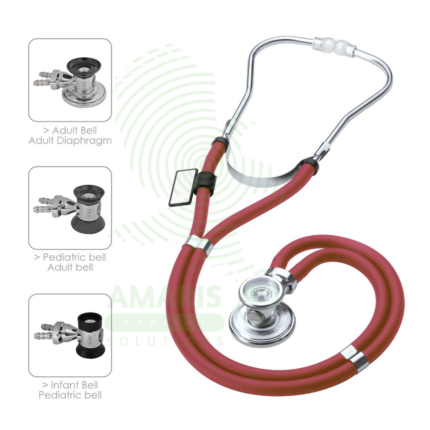
Dual Head Stethoscope
The Dual Head Stethoscope is the classic, essential acoustic diagnostic tool used by healthcare professionals worldwide. Its defining feature is a two-sided chestpiece, combining a diaphragm for high-frequency sounds (breath sounds, normal heart tones) and a bell for low-frequency sounds (heart murmurs, abnormal heart tones). Through mechanical sound conduction, it provides critical information for assessing cardiac, pulmonary, and vascular systems during physical examinations and manual blood pressure measurement. Its effectiveness relies on proper technique, a good acoustic seal, and consistent cleaning. As a fundamental symbol of medical practice, it balances functionality, durability, and affordability.

Littman Stethoscope (Classic 4 Cardiology)
A Littman Stethoscope (Classic 4 Cardiology) represents the pinnacle of acoustic auscultation technology. Designed for clinicians who require the highest level of diagnostic accuracy, it features dual tunable diaphragms and dual-lumen tubing to provide exceptional acoustic sensitivity and ambient noise reduction. Its innovative design allows the user to hear both high and low-frequency sounds by simply adjusting pressure on either side of the chestpiece, making it the instrument of choice for cardiologists, intensivists, and specialists who cannot afford to miss a subtle murmur, rub, or breath sound. It combines superior performance with the durability and comfort expected from the Littmann brand.
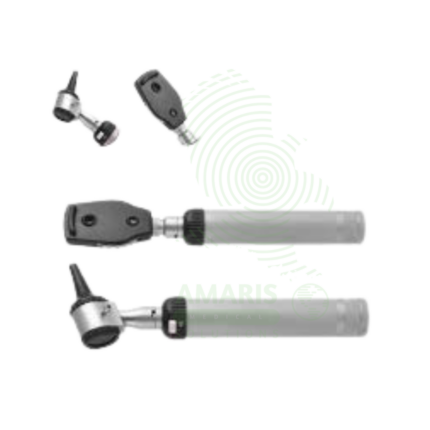
Ophthalmoscope
An Ophthalmoscope is a handheld diagnostic instrument used to examine the interior of the eye, specifically the fundus (retina, optic disc, blood vessels, and macula). By providing illuminated magnification, it serves as a vital screening tool for detecting ocular diseases like glaucoma and retinal disorders, and more importantly, for identifying signs of systemic conditions such as diabetes, hypertension, and increased intracranial pressure. Its operation involves selecting appropriate apertures and compensating lenses to obtain a clear view. While offering a detailed but narrow field of vision, mastery of the direct ophthalmoscope remains a cornerstone skill in general medicine, neurology, and ophthalmology for assessing vascular and neurological health.
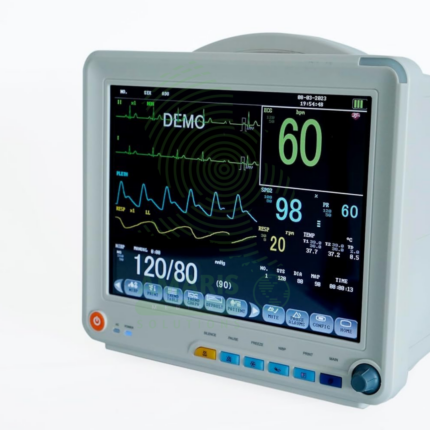
Patient Monitor
The Patient Monitor (6 Parameters BCCMS8000) is a versatile multi-parameter monitor designed for continuous surveillance of core vital signs in various clinical settings. It tracks six essential parameters—ECG, SpO2, Non-Invasive Blood Pressure (NIBP), Respiration, Temperature, and Pulse Rate—providing clinicians with real-time waveforms and numerical data on a clear color display. With its robust alarm system, battery backup for transport, and reliable performance, it is a fundamental tool for ensuring patient safety on general hospital wards, during procedures, and in emergency departments. Its design balances comprehensive monitoring capability with user-friendly operation.
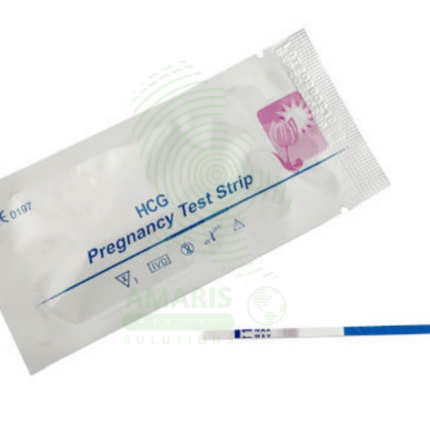
Pregnancy Test Strips
Pregnancy Test Strips are simple, dip-style lateral flow devices designed for the rapid, qualitative detection of human chorionic gonadotropin (hCG) in urine to indicate pregnancy. As the most fundamental format of home pregnancy tests, they offer high sensitivity (often from 10 mIU/mL), affordability, and a quick result within 3-5 minutes. Their ease of use makes them a widely accessible first step in pregnancy detection for personal use and clinical screening. A visible test line, even if faint, is a positive result, though confirmation with a healthcare provider is always recommended.
Rapid Test Kits (HIV, HBV, HCV, Malaria)
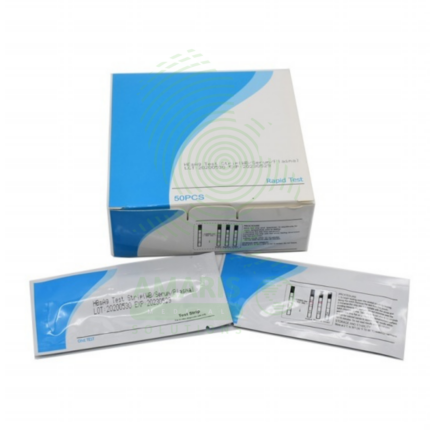
Rapid Test Kits for HIV, HBV, HCV, and Malaria are single-use, immunochromatographic devices designed for the quick, preliminary screening of these critical infectious diseases at the point of care. By detecting specific antibodies or antigens in a small blood sample (or oral fluid for some HIV tests), they provide a visual result within 15-30 minutes without the need for laboratory equipment. Their primary role is to expand access to testing in community and resource-limited settings, enabling immediate counseling, triage, and referral for confirmatory testing and treatment. As essential tools in public health, they are characterized by their simplicity, speed, and critical importance in early diagnosis and outbreak response.
SAFE SERIES Blood Collection Needles
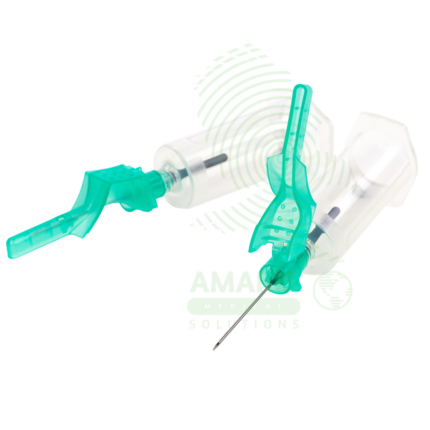
The SAFE SERIES (AM-SAFE) by Beijing Precil (Mindray subsidiary) is a comprehensive line of safety-engineered blood collection devices designed to prevent accidental needlestick injuries in healthcare workers. The series includes venous blood collection needles (AM-SAFE-V), standard safety needles (AM-SAFE1), winged infusion sets/butterfly needles (AM-SAFE2), high-gauge thin-wall needles for fragile veins (AM-SAFE3), premium coated needles for enhanced patient comfort (AM-GOLD), and nurse-friendly one-handed safety variants (AM-NURSE). All devices incorporate integral safety mechanisms that shield the contaminated needle immediately after withdrawal, complying with OSHA Needlestick Safety and Prevention Act requirements. Available in various gauges (18G-25G) and configurations for routine venipuncture, difficult vein access, pediatric/geriatric patients, and frequent blood draws. Sterile, single-use, latex-free, and color-coded for easy gauge identification. Essential safety devices for blood collection in hospitals, clinics, laboratories, and home healthcare settings.