Dermatoscope and Magnifiers
 Diagnostic Kits
 Vital Signs Monitors
 Stethoscopes and Accessories
 Otoscopes, Ophthalmoscopes, and Retinoscopes
 Reflex Hammers and Neurological Tools
 Scales and Measuring Devices
 Spirometers and Pulmonary Function Tests
 Electrosurgical Units and Accessories
 Cutting Instruments
 Grasping and Holding Instruments
 Hemostatic Instruments
 Specialized Surgical Sets
 Single-Use Procedure Trays and Packs
 Surgical Drapes, Gowns, and Covers
 Tissue Unifying Instruments
 Radiation Protection
 X-Ray Machines and Accessories
 Ultrasound Systems and Probes
 MRI and CT Scanners
 Radiology Consumables
 Bone Densitometers
 Fluoroscopy Equipment
 Imaging Tables and Positioning Aids
 Microscopes and Accessories
 Centrifuges and Separators
 Analyzers
 Incubators and Ovens
 Pipettes, Dispensers, and Lab Glassware
 Refrigerators, Freezers, and Storage Units
 Lab Consumables
 Sterilizers and Autoclaves for Lab Use
 Multi-Parameter Monitors
 Ventilators and Respiratory Support Devices
 Defibrillators and AEDs
 Infusion Pumps and IV Systems
 Patient Warmers and Cooling Devices
 Central Monitoring Stations
 Accessories
 Anesthesia Machines and Workstations
 Oxygen Concentrators and Delivery Systems
 Nebulizers and Inhalers
 CPAP/BiPAP Machines
 Airway Management
 Anesthesia Masks, Circuits, and Bags
 Humidifiers and Heaters
 Respiratory Therapy Accessories
 First Aid Kits and Cabinets
 Emergency Resuscitation Equipment
 Trauma Supplies
 Emergency Carts and Crash Carts
 Burn Care Products
 Bleeding Control
 Automated External Defibrillators (AEDs)
 Transport and Evacuation
 Wheelchairs and Accessories
 Walkers, Crutches, and Canes
 Prosthetics and Orthotics
 Physical Therapy Equipment
 Transfer Devices
 Bathroom Safety
 Orthopedic Traction and Tables
 Hot/Cold Therapy Packs and Units
 Beds and Mattresses
 Chairs and Stools
 Tables
 Cabinets and Storage
 Privacy Screens & Curtains
 Stands and Racks
 Linens and Textiles
 Lighting
 Autoclaves and Sterilizers
 Ultrasonic Cleaners
 Disinfectant Solutions and Wipes
 Sterilization Pouches, Wraps, and Indicators
 Instrument Trays and Containers
 UV and Ozone Disinfection Devices
 Washer Disinfectors
 Wound Care
 Gloves
 Masks and Respirators
 Catheters and Tubing
 Swabs, Applicators, and Sponges
 Incontinence Products
 Personal Protective Equipment (PPE)
 Dental Chairs and Units
 Handpieces and Burs
 Instruments
 Consumables
 Sterilization for Dental Use
 Orthodontic Supplies
 Endodontic Tools
 Slit Lamps and Tonometers
 Lensometers and Phoropters
 Ophthalmic Surgical Instruments
 Eyewear Frames and Lenses
 Contact Lens Supplies
 Vision Testing Charts and Devices
 Eye Care Consumables
 Laser Systems for Eye Care
 ENT Exam Chairs and Tables
 Endoscopes
 Audiometers and Hearing Tests
 ENT Instruments
 Nasal and Throat Packs
 Hearing Aids and Accessories
 Otology Supplies
 Fetal Dopplers and Monitors
 Delivery Beds and Tables
 Gynecological Instruments
 Neonatal Incubators and Warmers
 Breast Pumps and Accessories
 Contraceptive Devices
 Maternity Supports and Pads
 Neonatal Consumables
 Cystoscopes and Urethroscopes
 Dialysis Machines and Supplies
 Urological Catheters and Bags
 Lithotripters
 Prostate Treatment Devices
 Urinary Incontinence Products
 Kidney Stone Management Tools
 Consumables & Disposables
 EEG and EMG Machines
 Neurosurgical Instruments
 Nerve Stimulators
 Headrests and Positioning Aids
 Lumbar Puncture Kits
 Seizure Monitoring Devices
 Consumables
 Rehabilitation for Neurological Conditions
 ECG Machines and Accessories
 Holter Monitors
 Stress Test Systems
 Pacemakers and Defibrillator Accessories
 Vascular Access Devices
 Cardiac Catheters and Guidewires
 Blood Flow Meters
 Consumables
 Orthopedic Instruments
 Casts, Splints, and Padding
 Joint Replacement Supplies
 Prosthetic Limbs and Components
 Bone Grafts and Substitutes
 Traction Devices
 Orthopedic Braces and Supports
 Rehabilitation Aids for Orthopedics
 Home Oxygen Therapy
 Hospital Beds for Home Use
 Mobility Aids
 Bathroom and Daily Living Aids
 Wound Care for Home
 Monitoring Devices
 Enteral Feeding Pumps and Tubes
 Hand Sanitizers and Dispensers
 Face Shields and Goggles
 Isolation Gowns and Suits
 Biohazard Waste Containers
 Air Purifiers and HEPA Filters
 Surface Disinfectants
 Sharps Containers
 Protective Barriers
 Cardiovascular & Endurance Training
 Strength Training & Weightlifting
 Functional Training & Core Conditioning
 Physical Therapy & Rehabilitation
 Sports & Outdoor Recreation
 Gym Flooring & Facility Equipment
 Fitness Monitoring & Accessories
 Kids & Novelties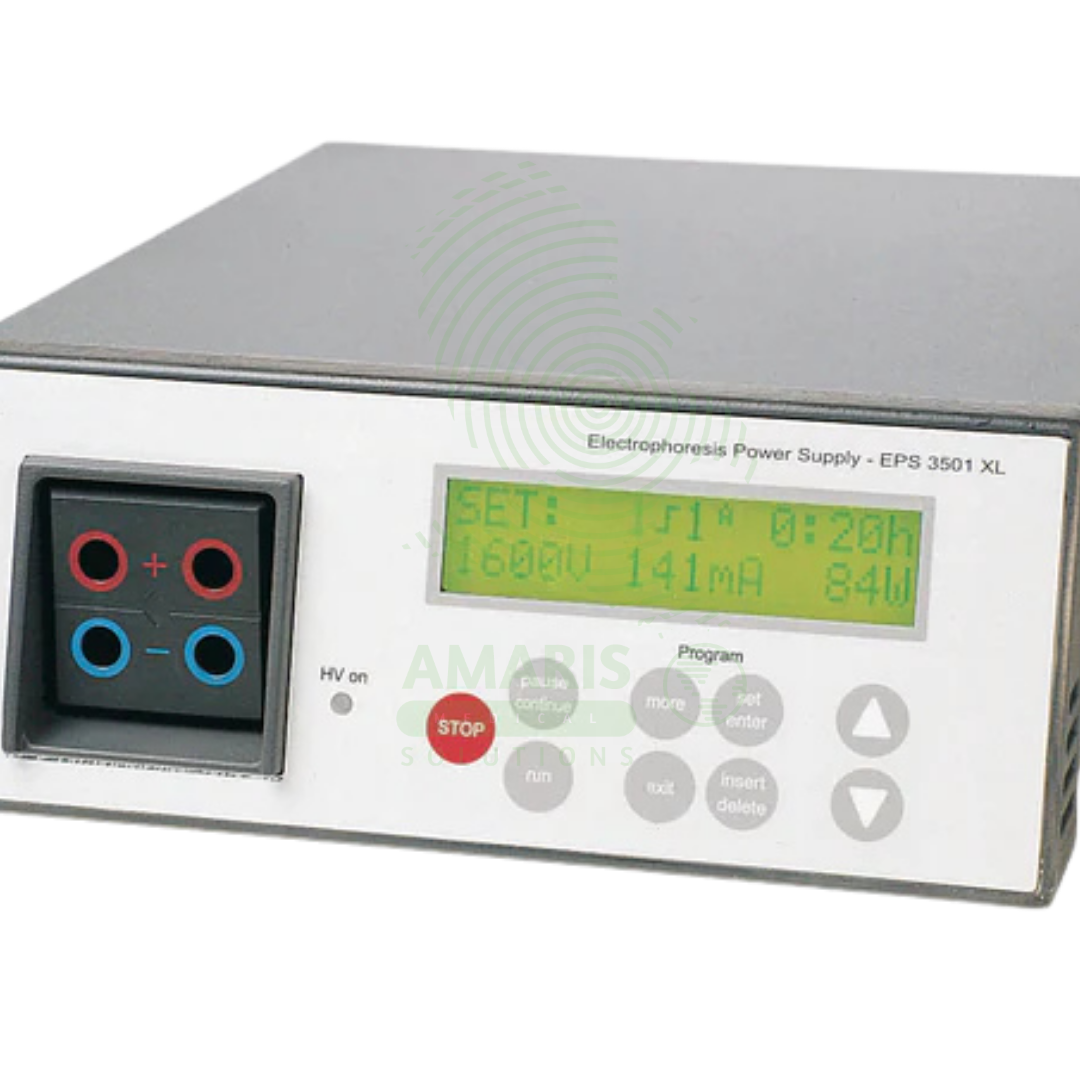
Electrophoresis Power Supply
$1.00
WhatsApp Order
An Electrophoresis Power Supply is a regulated DC power source specifically designed for electrophoresis and blotting applications in clinical and research laboratories, providing constant voltage, constant current, or constant power output with high stability (±0.1-1%) and precision. Available in voltage ranges from 0-300 V (low voltage) for routine agarose and protein gels, 0-600 V (medium voltage) for higher resolution separations, and 0-3,000 V (high voltage) for isoelectric focusing and capillary electrophoresis. Features include digital displays, programmable timers, multiple output channels, automatic crossover, overload/short circuit protection, and safety interlocks. Primary clinical applications include serum protein electrophoresis (SPEP), hemoglobin electrophoresis, immunofixation electrophoresis (IFE), SDS-PAGE, Western blotting, isoelectric focusing, and nucleic acid electrophoresis for molecular diagnostics. Essential equipment in clinical pathology, hematology, molecular diagnostics, and research laboratories requiring precise, regulated power for reproducible electrophoretic separations. Critical safety precautions include never touching output terminals or buffers during operation, using only safety-interlocked electrophoresis cells, inspecting cables before use, and ensuring proper grounding.
Description
Electrophoresis Power Supply
PRIMARY CLINICAL & DIAGNOSTIC USES
1. Protein Electrophoresis Applications:
-
Primary Use: Provides stable, regulated direct current (DC) power for serum protein electrophoresis (SPEP), hemoglobin electrophoresis, immunofixation electrophoresis (IFE), and isoenzyme analysis, ensuring consistent separation of protein fractions for diagnostic interpretation.
-
How it helps: Delivers the precise electrical current needed to pull proteins through a gel, creating the distinct bands that reveal multiple myeloma, hemoglobin disorders, and other conditions with unmistakable patterns.
2. DNA and RNA Electrophoresis:
-
Primary Use: Delivers precise voltage or current for agarose gel electrophoresis of nucleic acids, including PCR product analysis, restriction fragment length polymorphism (RFLP) studies, and DNA fragment sizing in molecular diagnostics.
-
How it helps: Powers the separation of DNA fragments, allowing scientists to see the genetic fingerprints that identify infectious organisms, diagnose genetic disorders, and match DNA evidence in forensic cases.
3. SDS-PAGE and Western Blotting:
-
Primary Use: Supplies constant voltage or current for polyacrylamide gel electrophoresis (PAGE) of proteins, followed by transfer (blotting) procedures for Western blot analysis in clinical research and diagnostic immunohistochemistry.
-
How it helps: Provides the electrical force that separates proteins by size and then transfers them to membranes where specific antibodies can detect them, confirming diagnoses from HIV to autoimmune diseases.
4. Isoelectric Focusing (IEF):
-
Primary Use: Provides high-voltage capability for isoelectric focusing techniques used in specialized protein analysis, including hemoglobin variant identification and characterization of monoclonal antibodies.
-
How it helps: Creates a pH gradient that separates proteins by their isoelectric point, revealing subtle differences in hemoglobin variants that help diagnose complex blood disorders.
5. 2D Gel Electrophoresis:
-
Primary Use: Supports two-dimensional electrophoresis applications combining IEF and SDS-PAGE for high-resolution proteomic analysis in clinical research and biomarker discovery.
-
How it helps: Powers the most detailed protein separation technique available, allowing researchers to separate thousands of proteins in a single gel and discover new biomarkers for disease.
6. Pulsed-Field Gel Electrophoresis (PFGE):
-
Primary Use: Specialized power supplies with alternating field capability for separating large DNA fragments used in molecular epidemiology and outbreak investigation of bacterial pathogens.
-
How it helps: Creates alternating electrical fields that untangle and separate massive DNA molecules, allowing epidemiologists to track bacterial outbreaks and identify the source of foodborne illnesses.
7. Capillary Electrophoresis Systems:
-
Primary Use: Some power supplies are designed to interface with capillary electrophoresis instruments for automated clinical testing of serum proteins, hemoglobins, and nucleic acids.
-
How it helps: Powers the automated systems that run hundreds of patient samples daily, providing rapid, reliable results for everything from hemoglobin testing to DNA sequencing.
SECONDARY & SUPPORTIVE USES
1. Research and Molecular Biology: Power supply for various electrophoresis and blotting applications in research laboratories, supporting scientific discovery.
2. Educational and Teaching Laboratories: Provides safe, regulated power for student laboratory exercises in biochemistry and molecular biology, training the next generation of scientists.
3. Veterinary Diagnostics: Supports electrophoresis applications in veterinary medicine for protein and nucleic acid analysis, extending diagnostic capabilities to animal patients.
4. Forensic DNA Analysis: Power supply for forensic DNA typing and fragment analysis, helping solve crimes and bring justice to victims.
5. Pharmaceutical Quality Control: Used in analysis of protein-based pharmaceuticals and biosimilars, ensuring medications are safe, pure, and effective.
6. Biotechnology and Bioprocessing: Monitoring of protein products during manufacturing and purification, supporting the production of life-saving biologic drugs.
7. Food Science and Quality Control: Protein analysis in food products and authenticity testing, ensuring the safety and quality of the food supply.
KEY PRODUCT FEATURES
1. BASIC IDENTIFICATION ATTRIBUTES
-
Product Type: Regulated DC power supply specifically designed for electrophoresis applications, providing constant voltage, constant current, or constant power output.
-
Common Names: Electrophoresis Power Supply, Power Pack, Gel Electrophoresis Power Supply, Electrophoresis Power Pack, High-Voltage Power Supply, Programmable Power Supply.
-
Output Modes:
-
Constant Voltage (CV): Maintains set voltage while current varies (most common for electrophoresis).
-
Constant Current (CC): Maintains set current while voltage varies (used for some blotting applications).
-
Constant Power (CP): Maintains set wattage (used for isoelectric focusing and some high-resolution techniques).
-
Programmable: Multiple steps with timed or automatic switching between modes.
-
-
Output Specifications:
-
Voltage Range: 0-300 V (low voltage), 0-600 V (standard), 0-3,000 V (high voltage for IEF).
-
Current Range: 0-100 mA to 0-500 mA (standard); up to 2-5 A for some blotting applications.
-
Power Range: 50-300 watts typical.
-
-
Number of Outputs: 2-4 independent output channels (parallel or series connections).
-
Display: Digital LED or LCD showing voltage, current, power, and timer.
-
Controls: Membrane keypad or rotary dial for parameter setting.
-
Timing: Digital timer with audible alarm and automatic shut-off (0-999 minutes or continuous).
-
Safety Features: No-load detection, ground leakage protection, overload protection, and arc detection.
-
Programmability: Memory storage for multiple protocols (10-100 programs) on advanced models.
2. TECHNICAL & PERFORMANCE PROPERTIES
-
Output Regulation: ±0.1-1% for voltage, current, and power stability.
-
Ripple and Noise: <1-5 mV RMS for clean DC output.
-
Load Regulation: Maintains set parameters across varying load resistance.
-
Line Regulation: Compensates for input voltage fluctuations.
-
Ramp-up Time: Soft-start to prevent current surge.
-
Automatic Cross-over: Seamless switching between CV and CC modes based on load.
-
Voltage Sensing: Remote sensing capability for precise voltage at the electrophoresis cell (select models).
-
Timer Accuracy: ±0.1-1% of set time.
-
Memory Protection: Non-volatile memory retains programs when power is off.
-
Communications: RS-232, USB, or Ethernet for computer control and data logging (select models).
-
Compliance: Designed to meet relevant safety and EMC standards.
3. PHYSICAL & OPERATIONAL PROPERTIES
-
Dimensions: 20-40 cm W × 20-35 cm D × 10-20 cm H (varies by power rating).
-
Weight: 3-15 kg depending on power rating and transformer type.
-
Construction: Metal or high-impact plastic housing with ventilation grilles.
-
Display: Backlit digital display (LED or LCD) with large numerals.
-
Output Terminals: Color-coded (red = positive, black = negative) banana jacks or safety sockets.
-
Input Power: 100-240 VAC, 50/60 Hz (universal input).
-
Cooling: Convection or fan-cooled (fan-cooled for higher power units).
-
Safety Interlock: Remote interlock capability for use with electrophoresis cell lids.
-
Carrying Handle: Integrated for portability.
-
Certifications: CE, UL, CSA marked for laboratory equipment.
4. SAFETY & COMPLIANCE ATTRIBUTES
-
Regulatory Standards: Compliant with IEC 61010-1 for laboratory electrical equipment.
-
Output Isolation: Floating outputs for safety; no direct connection to earth ground.
-
Overload Protection: Automatic shut-off or current limiting to prevent damage.
-
Short Circuit Protection: Immediate shut-down if output is shorted.
-
No-Load Detection: Alerts if no load is detected (open circuit).
-
Ground Leakage: <0.5 mA leakage current for user safety.
-
Arc Detection: Shuts down if arcing detected (prevents damage and fire).
-
Temperature Protection: Thermal shut-off if internal temperature exceeds safe limits.
-
Safety Interlock: Compatible with electrophoresis cell safety lids.
-
Emergency Stop: Front panel emergency stop button on some models.
-
Quality Management: Manufactured under ISO 9001 or ISO 13485 certified processes.
5. STORAGE & HANDLING ATTRIBUTES
-
Storage: Store in a clean, dry environment; protect from dust, moisture, and extreme temperatures.
-
Installation: Place on a stable, level surface with adequate ventilation; do not block air intakes or exhaust.
-
Cleaning: Disconnect power; wipe exterior with soft, damp cloth; do not use abrasive cleaners or solvents.
-
Ventilation: Ensure air vents are clear; fan-cooled models require regular cleaning of fans and vents.
-
Cable Inspection: Regularly inspect output cables for damage; replace if insulation is cracked or worn.
-
Calibration: Annual calibration verification recommended; return to manufacturer or qualified service center.
-
Fuse Replacement: Use only specified fuses; disconnect power before replacing.
-
Software Updates: For programmable models, update firmware as needed per manufacturer.
-
Record Keeping: Maintain calibration and service records.
6. LABORATORY & CLINICAL APPLICATIONS
-
Primary Application: Regulated DC power source for all types of electrophoresis and blotting procedures in clinical and research laboratories.
-
Protein Electrophoresis (Clinical):
-
Serum Protein Electrophoresis (SPEP): 100-150 V constant voltage for 30-60 minutes.
-
Hemoglobin Electrophoresis: 200-300 V for 20-40 minutes (depending on system).
-
Immunofixation Electrophoresis (IFE): 100-150 V for 30-60 minutes.
-
SDS-PAGE: 100-200 V constant voltage or 20-30 mA constant current per gel.
-
Western Blotting: 100 V constant voltage or 250-400 mA constant current for 30-120 minutes (transfer).
-
Isoelectric Focusing (IEF): High voltage (500-3,000 V) with constant power (5-50 W).
-
-
Nucleic Acid Electrophoresis (Molecular Diagnostics):
-
Agarose Gel Electrophoresis: 50-150 V constant voltage for 30-60 minutes.
-
PCR Product Analysis: 80-120 V for 30-45 minutes.
-
RFLP Analysis: 50-100 V for 1-3 hours depending on fragment size.
-
Pulsed-Field Gel Electrophoresis (PFGE): Specialized alternating field programs (hours to days).
-
-
Programmable Applications:
-
Step Protocols: Automatic switching between voltage/current steps for multi-stage procedures.
-
Time-Based Protocols: Automatic shut-off after set time with audible alarm.
-
Multi-Step Separations: Sequential conditions for complex electrophoresis methods.
-
-
Power Supply Selection Guide:
-
Low Voltage (0-300 V): Basic agarose gels, SDS-PAGE, routine protein electrophoresis.
-
Medium Voltage (0-600 V): Higher resolution separations, longer gels, some blotting.
-
High Voltage (0-3,000 V): Isoelectric focusing, capillary electrophoresis, DNA sequencing.
-
High Current (0-2-5 A): Western blotting, multiple large-format gels.
-
SAFETY HANDLING PRECAUTIONS
1. SAFETY PRECAUTIONS
-
Electrical Hazard: Electrophoresis power supplies generate lethal voltages and currents. Never touch output terminals or buffers during operation.
-
Grounding: Ensure proper grounding of power supply; use only with grounded outlets.
-
Cable Inspection: Inspect cables before each use; replace damaged cables immediately.
-
Safety Interlock: Always use electrophoresis cells with safety lids; connect remote interlock if available.
-
No Modifications: Never modify power supply or bypass safety features.
-
Wet Environment: Electrophoresis involves conductive buffers; keep power supply dry and away from spills.
-
Disconnect: Turn off and unplug power supply before connecting/disconnecting electrophoresis cells.
-
Ventilation: Ensure adequate ventilation; do not block air vents.
-
Training: Only trained personnel should operate electrophoresis power supplies.
-
Emergency Stop: Know location of emergency stop (if equipped) and main power disconnect.
-
Child Safety: Keep out of reach of children; high voltage presents lethal hazards.
2. FIRST AID MEASURES
-
Electrical Shock: Disconnect power immediately; do not touch victim if still in contact with electrical source; call emergency services; begin CPR if trained and victim is not breathing.
-
Burn from Electrical Arc: Cool area with cool running water; cover with sterile dressing; seek medical attention.
-
Fire: Disconnect power; use CO₂ or dry chemical extinguisher; do not use water on electrical fire.
-
Chemical Spill (Buffer): Turn off power; disconnect from outlet; clean spill with absorbent material; dispose properly.
3. FIRE FIGHTING MEASURES
-
Flammability: Internal components and housing may be combustible.
-
Extinguishing Media: For electrical fire, use CO₂ or dry chemical (Class C) extinguisher; do not use water.
-
Power Off: Disconnect power if safe to do so.
-
Evacuation: Evacuate area if fire cannot be controlled; follow facility fire protocols.
Related products
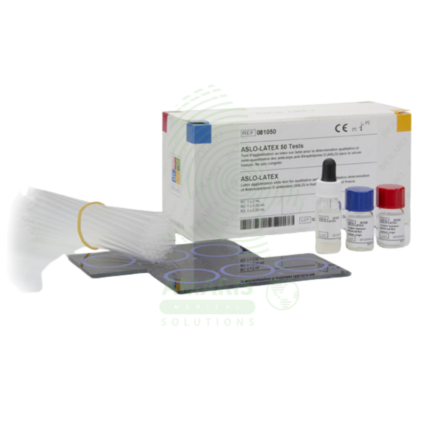
Anti-Streptol Olysin O Titer (ASOT)
Anti-Streptol Olysin O Titer (ASOT) is a quantitative or semi-quantitative serological test (latex agglutination, turbidimetry, nephelometry, or ELISA) for detecting antibodies against streptolysin O, an exotoxin produced by Group A Streptococcus. Elevated or rising titers indicate recent streptococcal infection and are essential for diagnosing post-streptococcal sequelae including acute rheumatic fever (Jones criteria) and post-streptococcal glomerulonephritis. The test requires serum samples; acute and convalescent (2-4 weeks apart) with fourfold rise confirms recent infection. Reference range typically <200-250 Todd units/mL (adults), varies by age and population. Primary clinical applications include diagnosis of Group A streptococcal infections, acute rheumatic fever evaluation, post-streptococcal glomerulonephritis diagnosis, differentiation of acute vs. past infection, evaluation of unexplained arthritis or carditis, pediatric inflammatory conditions (PANDAS), and monitoring disease activity in rheumatic fever. Critical safety precautions include proper timing of acute and convalescent samples, awareness of false negatives/positives, clinical correlation for diagnosis, and standard biohazard precautions. Essential test for rheumatology, nephrology, cardiology, and infectious disease practice.
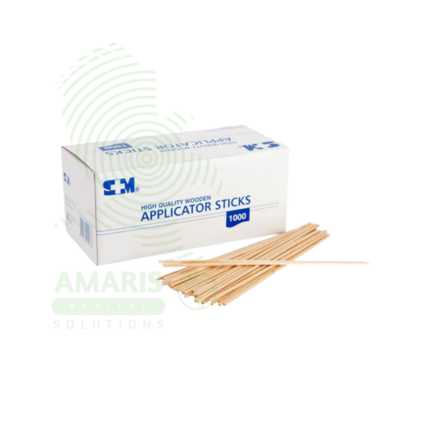
Applicator Sticks
Applicator Sticks are single-use medical devices with absorbent tips (cotton, rayon, flocked polyester) on wood, plastic, or paper shafts for collecting clinical specimens (throat, nasal, wound, cervical, urethral, rectal) for microbiological culture, rapid testing, and molecular diagnostics. Sterile individually wrapped or non-sterile bulk formats. Flocked swabs provide >90% specimen release for PCR testing. Primary applications include specimen collection for infection diagnosis, wound care and antiseptic application, gynecological sampling (Pap smears, STI testing), eye/ear specimen collection, laboratory slide preparation, and forensic evidence collection. Critical precautions include single-use only, sterile technique, proper collection method, and biohazard disposal. Essential consumable in all clinical settings.
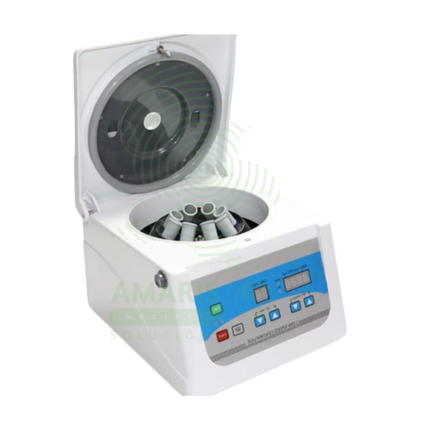
Electric Centrifuge
An Electric Centrifuge is a Class I medical device that uses rapid rotation to separate fluids of different densities, essential in clinical laboratories for processing blood, urine, and other biological specimens. Available in benchtop, refrigerated, microcentrifuge, hematocrit, and high-speed models with fixed-angle, swinging-bucket, or vertical rotors. Speed range 1,000-30,000+ RPM with RCF up to 65,000+ x g. Features include brushless induction motor, digital controls, imbalance detection, lid lock safety, and programmable protocols. Primary clinical applications include separation of serum/plasma for chemistry and hematology testing, urine sediment analysis for microscopy, platelet-rich plasma (PRP) preparation for regenerative medicine, concentration of bacteria for microbiology, cytology fluid analysis, blood banking, and molecular biology sample processing. Critical safety precautions include proper balancing of loads (weight matching), use of sealed rotors for biohazardous samples, regular rotor inspection for corrosion or cracks, never exceeding maximum rated speed, and never opening lid during operation. Essential equipment in clinical, research, and teaching laboratories.
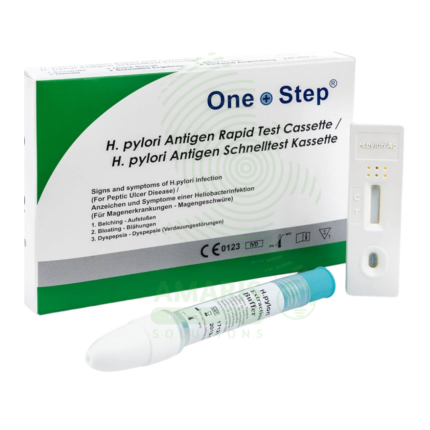
H.pylori test kits (Antigen)
H.pylori test kits (Antigen) are Class II medical devices (FDA-cleared/CE-marked) for rapid immunochromatographic or enzyme immunoassay detection of Helicobacter pylori antigens in stool specimens, enabling non-invasive diagnosis of active infection and post-treatment eradication confirmation. Test principles use monoclonal or polyclonal antibodies specific to H. pylori antigens, producing visible results in 10-20 minutes (rapid tests) or 1-2 hours (EIA). Sensitivity 90-98%, specificity 92-99% compared to gold standard methods. Primary clinical applications include rapid diagnosis of H. pylori infection in patients with dyspepsia, initial screening in uncomplicated dyspepsia (test-and-treat strategy), confirmation of active infection before therapy, post-treatment eradication confirmation (4-6 weeks after therapy), pediatric testing (preferred non-invasive method), screening in high-risk populations (family history of gastric cancer), and monitoring in patients with peptic ulcer disease or MALT lymphoma. Critical safety precautions include mandatory washout period (4 weeks off antibiotics, 2 weeks off PPIs) to avoid false negatives, proper specimen handling (universal precautions), refrigerated storage of kits (2-30°C), quality control verification, and disposal as biohazardous waste. Essential non-invasive tool for H. pylori management in gastroenterology and primary care.
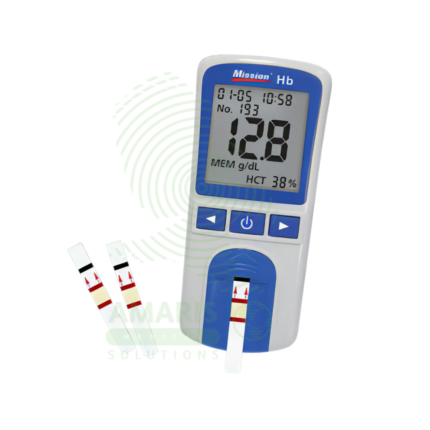
Hemoglobin Meter
A Hemoglobin Meter is a Class II medical device (FDA-cleared, CE-marked) for quantitative point-of-care measurement of hemoglobin concentration in capillary or venous blood, providing results in 5-60 seconds from a 5-20 µL sample. The meter uses photometric, electrochemical, or conductivity technology to measure hemoglobin, with accuracy ±0.3-0.5 g/dL compared to reference methods. Features include backlit LCD display, memory storage for 100-1000 results, USB/Bluetooth connectivity for data transfer, and compatibility with single-use disposable cuvettes or test strips. Primary clinical applications include anemia screening and diagnosis (WHO criteria), preoperative assessment and surgical planning, antenatal care and maternal health monitoring, malaria-endemic region screening, chronic disease management (CKD, IBD, cancer), nutritional assessment and intervention programs, and blood donor screening. Critical safety precautions include single-use lancets, proper hand hygiene, correct sample application, quality control with control solutions, proper cuvette storage (protect from heat, light, humidity), and never using expired cuvettes. Essential point-of-care device for hemoglobin testing in hospitals, clinics, community health programs, and blood donation centers.
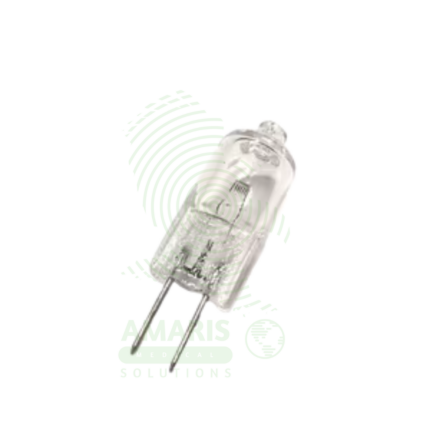
Microscope Bulb
A Microscope Bulb is a specialized halogen or LED lamp that serves as the essential illumination source for clinical and laboratory microscopes. Providing the bright, stable, and color-corrected light required for diagnostic visualization of specimens, it is a critical consumable component. Its technical specifications—voltage, wattage, base type, and filament alignment—must precisely match the microscope model. Proper handling (using gloves to avoid oil contamination) and adherence to safety protocols (allowing cooling, disconnecting power) are crucial for safe replacement and optimal bulb lifespan. Maintaining spares is vital to prevent operational downtime in diagnostic laboratories.
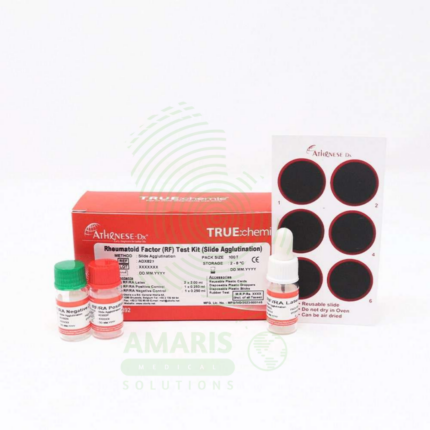
Rheumatoid factor
Rheumatoid Factor (RF) testing is a quantitative or semi-quantitative serological assay (nephelometry, turbidimetry, latex agglutination, or ELISA) for detecting autoantibodies against the Fc portion of immunoglobulin G, primarily of the IgM isotype. RF is a key marker in the ACR/EULAR classification criteria for rheumatoid arthritis, with sensitivity 60-80% and specificity 70-90%. Test requires serum samples; results reported in IU/mL (reference <15-20 IU/mL) or titer. Primary clinical applications include diagnosis and classification of rheumatoid arthritis, prognostic assessment (high-titer RF correlates with severe, erosive disease), differential diagnosis of inflammatory arthritis, monitoring disease activity, diagnosis of Sjögren's syndrome, evaluation of mixed cryoglobulinemia (hepatitis C-associated), and assessment of other autoimmune and chronic inflammatory conditions. Critical safety precautions include awareness of false positives (other autoimmune diseases, chronic infections, healthy elderly), false negatives (seronegative RA 20-30%), need for clinical correlation, and anti-CCP antibody testing to improve diagnostic accuracy. Essential test for rheumatology practice, autoimmune disease evaluation, and differential diagnosis of inflammatory arthritis.