Dermatoscope and Magnifiers
 Diagnostic Kits
 Vital Signs Monitors
 Stethoscopes and Accessories
 Otoscopes, Ophthalmoscopes, and Retinoscopes
 Reflex Hammers and Neurological Tools
 Scales and Measuring Devices
 Spirometers and Pulmonary Function Tests
 Electrosurgical Units and Accessories
 Cutting Instruments
 Grasping and Holding Instruments
 Hemostatic Instruments
 Specialized Surgical Sets
 Single-Use Procedure Trays and Packs
 Surgical Drapes, Gowns, and Covers
 Tissue Unifying Instruments
 Radiation Protection
 X-Ray Machines and Accessories
 Ultrasound Systems and Probes
 MRI and CT Scanners
 Radiology Consumables
 Bone Densitometers
 Fluoroscopy Equipment
 Imaging Tables and Positioning Aids
 Microscopes and Accessories
 Centrifuges and Separators
 Analyzers
 Incubators and Ovens
 Pipettes, Dispensers, and Lab Glassware
 Refrigerators, Freezers, and Storage Units
 Lab Consumables
 Sterilizers and Autoclaves for Lab Use
 Multi-Parameter Monitors
 Ventilators and Respiratory Support Devices
 Defibrillators and AEDs
 Infusion Pumps and IV Systems
 Patient Warmers and Cooling Devices
 Central Monitoring Stations
 Accessories
 Anesthesia Machines and Workstations
 Oxygen Concentrators and Delivery Systems
 Nebulizers and Inhalers
 CPAP/BiPAP Machines
 Airway Management
 Anesthesia Masks, Circuits, and Bags
 Humidifiers and Heaters
 Respiratory Therapy Accessories
 First Aid Kits and Cabinets
 Emergency Resuscitation Equipment
 Trauma Supplies
 Emergency Carts and Crash Carts
 Burn Care Products
 Bleeding Control
 Automated External Defibrillators (AEDs)
 Transport and Evacuation
 Wheelchairs and Accessories
 Walkers, Crutches, and Canes
 Prosthetics and Orthotics
 Physical Therapy Equipment
 Transfer Devices
 Bathroom Safety
 Orthopedic Traction and Tables
 Hot/Cold Therapy Packs and Units
 Beds and Mattresses
 Chairs and Stools
 Tables
 Cabinets and Storage
 Privacy Screens & Curtains
 Stands and Racks
 Linens and Textiles
 Lighting
 Autoclaves and Sterilizers
 Ultrasonic Cleaners
 Disinfectant Solutions and Wipes
 Sterilization Pouches, Wraps, and Indicators
 Instrument Trays and Containers
 UV and Ozone Disinfection Devices
 Washer Disinfectors
 Wound Care
 Gloves
 Masks and Respirators
 Catheters and Tubing
 Swabs, Applicators, and Sponges
 Incontinence Products
 Personal Protective Equipment (PPE)
 Dental Chairs and Units
 Handpieces and Burs
 Instruments
 Consumables
 Sterilization for Dental Use
 Orthodontic Supplies
 Endodontic Tools
 Slit Lamps and Tonometers
 Lensometers and Phoropters
 Ophthalmic Surgical Instruments
 Eyewear Frames and Lenses
 Contact Lens Supplies
 Vision Testing Charts and Devices
 Eye Care Consumables
 Laser Systems for Eye Care
 ENT Exam Chairs and Tables
 Endoscopes
 Audiometers and Hearing Tests
 ENT Instruments
 Nasal and Throat Packs
 Hearing Aids and Accessories
 Otology Supplies
 Fetal Dopplers and Monitors
 Delivery Beds and Tables
 Gynecological Instruments
 Neonatal Incubators and Warmers
 Breast Pumps and Accessories
 Contraceptive Devices
 Maternity Supports and Pads
 Neonatal Consumables
 Cystoscopes and Urethroscopes
 Dialysis Machines and Supplies
 Urological Catheters and Bags
 Lithotripters
 Prostate Treatment Devices
 Urinary Incontinence Products
 Kidney Stone Management Tools
 Consumables & Disposables
 EEG and EMG Machines
 Neurosurgical Instruments
 Nerve Stimulators
 Headrests and Positioning Aids
 Lumbar Puncture Kits
 Seizure Monitoring Devices
 Consumables
 Rehabilitation for Neurological Conditions
 ECG Machines and Accessories
 Holter Monitors
 Stress Test Systems
 Pacemakers and Defibrillator Accessories
 Vascular Access Devices
 Cardiac Catheters and Guidewires
 Blood Flow Meters
 Consumables
 Orthopedic Instruments
 Casts, Splints, and Padding
 Joint Replacement Supplies
 Prosthetic Limbs and Components
 Bone Grafts and Substitutes
 Traction Devices
 Orthopedic Braces and Supports
 Rehabilitation Aids for Orthopedics
 Home Oxygen Therapy
 Hospital Beds for Home Use
 Mobility Aids
 Bathroom and Daily Living Aids
 Wound Care for Home
 Monitoring Devices
 Enteral Feeding Pumps and Tubes
 Hand Sanitizers and Dispensers
 Face Shields and Goggles
 Isolation Gowns and Suits
 Biohazard Waste Containers
 Air Purifiers and HEPA Filters
 Surface Disinfectants
 Sharps Containers
 Protective Barriers
 Cardiovascular & Endurance Training
 Strength Training & Weightlifting
 Functional Training & Core Conditioning
 Physical Therapy & Rehabilitation
 Sports & Outdoor Recreation
 Gym Flooring & Facility Equipment
 Fitness Monitoring & Accessories
 Kids & Novelties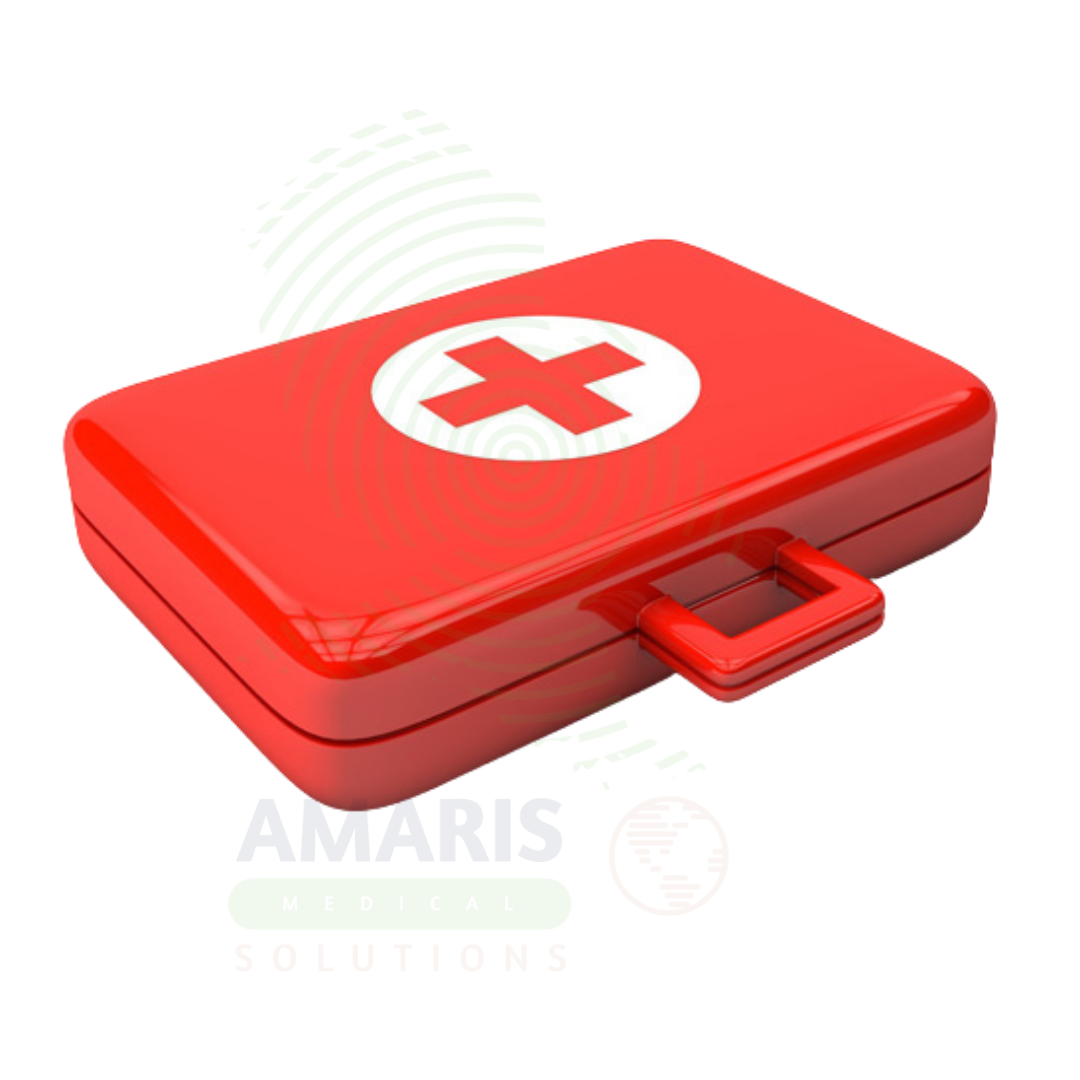
First Aid Boxes
$1.00
WhatsApp Order
First Aid Boxes are durable, portable containers designed for the organized storage, protection, and rapid deployment of first aid supplies and equipment for immediate treatment of minor injuries and medical emergencies. Available in multiple configurations including personal, Class A (basic workplace), Class B (comprehensive/high-hazard), industrial/heavy-duty, wall-mounted, portable/trauma, vehicle, and specialty variants (burn, eye injury). Constructed from impact-resistant materials (ABS plastic, polycarbonate, HDPE, stainless steel, aluminum) with secure latching mechanisms, carrying handles, mounting provisions, and organizational compartments. Essential for regulatory compliance in workplace, school, vehicle, and public facility settings. Critical safety principles include unobstructed accessibility, regular inspection and restocking, removal of expired contents, and absolute prohibition of sharps disposal within the unit. An indispensable component of occupational health and safety, emergency preparedness, and community first response.
Description
First Aid Boxes
PRIMARY CLINICAL & DIAGNOSTIC USES
1. Centralized Storage and Organization of First Aid Supplies
-
Primary Use: Provides a dedicated, organized, accessible container for the storage, protection, and rapid deployment of first aid supplies and equipment for the immediate treatment of minor injuries and medical emergencies in workplace, community, and healthcare settings.
-
How it helps: For the workplace safety officer, school nurse, and facility manager, the first aid box transforms a collection of loose supplies into a coordinated emergency response system—ensuring that when an injury occurs, everything needed is in one known location, properly organized, and ready for immediate use. For the injured person, a well-stocked and accessible first aid box means their wound is cleaned and covered, their bleeding is controlled, and their pain is addressed without dangerous delays while supplies are gathered.
2. Immediate Response to Minor Injuries
-
Primary Use: Enables rapid, on-site treatment of common workplace, school, and household injuries including cuts, abrasions, lacerations, puncture wounds, burns, scalds, sprains, strains, fractures, eye injuries, and minor allergic reactions.
-
How it helps: For the first aider responding to an injury, the first aid box provides the specific supplies needed for the situation at hand—bandages for cuts, burn dressings for thermal injuries, cold packs for sprains, and eye wash for chemical exposures. For the injured individual, immediate on-site treatment means pain is minimized, healing is promoted, and complications like infection are prevented before they can develop.
3. Emergency Preparedness and Disaster Response
-
Primary Use: Provides essential medical supplies for first response during emergencies, natural disasters, mass casualty incidents, and public health crises, deployed in emergency operation centers, shelters, field hospitals, and community disaster supply caches.
-
How it helps: For the emergency manager and disaster response coordinator, strategically placed first aid boxes ensure that when disaster strikes, basic medical supplies are immediately available—treating minor injuries to free up professional responders for more critical cases, providing initial care until definitive treatment can be accessed. For the disaster victim, a nearby first aid box means their injuries can be addressed immediately, preventing minor wounds from becoming infected and escalating into major problems.
4. Life Support Until Professional Care Arrives
-
Primary Use: Contains equipment and supplies for basic life support interventions to stabilize injured individuals pending arrival of emergency medical services.
-
How it helps: For the bystander or first responder awaiting an ambulance, the first aid box provides the tools needed to keep a victim alive—gauze to control severe bleeding, bandages to cover wounds, splints to immobilize fractures, and barriers to perform CPR safely. For the critically injured patient, the contents of a first aid box used in the first minutes after injury can mean the difference between life and death, between complete recovery and permanent disability.
5. Bloodborne Pathogen Exposure Control
-
Primary Use: Equipped with personal protective equipment to protect first responders from exposure to blood and body fluids during rescue and treatment interventions.
-
How it helps: For the Good Samaritan or workplace first aider, gloves, face shields, and CPR barriers included in first aid boxes provide essential protection against HIV, hepatitis B, hepatitis C, and other bloodborne pathogens—allowing them to help without sacrificing their own safety. For the injured person, this protection means that first aid can be rendered immediately without responders having to wait for protective equipment.
6. Occupational Health and Safety Compliance
-
Primary Use: Serves as the primary means of meeting regulatory requirements for workplace first aid preparedness in accordance with national and regional standards.
-
How it helps: For the employer and safety manager, properly stocked and maintained first aid boxes demonstrate compliance with occupational health regulations—protecting the organization from liability while genuinely protecting employees. For the worker, knowing that appropriately stocked first aid boxes are available throughout their workplace provides reassurance that their safety is valued and that help is nearby if needed.
SECONDARY & SUPPORTIVE USES
1. School and Educational Facility Health Offices: Provides organized first aid supplies for school nurses and designated first aid providers managing student and staff injuries during school hours and extracurricular activities. For the student injured on the playground or in the classroom, a well-stocked school first aid box means prompt care and rapid return to learning.
2. Athletic and Sports Medicine: Sideline first aid boxes contain supplies for immediate management of sports-related injuries during practices and competitive events. For the athlete who goes down on the field, sideline first aid means immediate assessment and treatment.
3. Vehicle and Fleet First Aid: Mandated in commercial vehicles, school buses, construction vehicles, and fleet operations for driver and passenger injury management during transit or at remote job sites. For the traveler injured in a remote location, a vehicle first aid box provides essential care until help arrives.
4. Home Healthcare and Caregiver Support: Provides organized wound care and first aid supplies for caregivers managing minor injuries in elderly, disabled, or chronically ill patients at home. For the family caregiver, a home first aid box means supplies are always at hand for the inevitable minor injuries and skin breakdowns that occur during home care.
5. Temporary Medical Stations: Deployed at mass gatherings as stationary or portable first aid stations managed by event medical services. For the concertgoer or festival attendee who becomes ill or injured, an on-site first aid station provides immediate care.
6. Field Research and Expedition Medicine: Rugged, portable first aid boxes for scientific expeditions, military operations, wilderness guiding, and disaster response teams operating in austere environments. For the explorer or responder far from medical care, a well-stocked expedition first aid box is a lifeline.
7. Petroleum, Mining, and Construction Industries: Heavy-duty, weather-resistant first aid boxes designed for harsh industrial environments with high injury risk and remote access to professional medical care. For the worker in high-risk industries, accessible first aid boxes are essential safety equipment.
KEY PRODUCT FEATURES
1. BASIC IDENTIFICATION ATTRIBUTES
-
Product Type: A durable, portable container specifically designed for the organized storage, protection, and rapid deployment of first aid supplies and equipment.
-
Designation: Defined by size/capacity, mounting type, material composition, compliance level, and specialized use case.
-
Core Components:
-
Container Body: Rigid, impact-resistant outer shell with hinged or removable lid.
-
Latching Mechanism: Positive-closure latch(es) to maintain closure during transport and prevent contamination.
-
Carrying Handle: Integrated, ergonomic handle for portability.
-
Mounting Provisions (select models): Keyhole slots, flanges, or brackets for wall mounting.
-
Organizational Compartments: Dividers, trays, pouches, or elastic straps for secure, organized supply storage.
-
Transparent Lid (select models): Clear polycarbonate window for visual inventory assessment without opening.
-
Gasket/Seal (select models): Weather-resistant or waterproof seal for harsh environments.
-
Identification: Prominent first aid cross symbol and "FIRST AID" text.
-
-
Core Variants:
-
Personal / Pocket First Aid Box: Ultra-compact; soft case or rigid mini-box; basic wound care supplies; for individual carry.
-
Class A / Basic First Aid Box: 5-15 L capacity; minimum required supplies for workplaces with low-to-moderate hazard; suitable for offices, schools, retail establishments.
-
Class B / Comprehensive First Aid Box: 15-35 L capacity; expanded supply quantities and additional items; for high-hazard industries (construction, manufacturing, laboratories, healthcare).
-
Industrial / Heavy-Duty First Aid Box: 20-50+ L capacity; rugged construction; weather-resistant, dust-tight, waterproof options; for harsh environments.
-
Wall-Mounted First Aid Box: Permanent mounting; stationary; hinged door or flip-top lid; clear visual inventory panel; for fixed locations.
-
Portable / Trauma First Aid Box: Soft-sided nylon/cordura case or rugged plastic case; shoulder strap or carry handle; modular organization; for emergency response teams.
-
Vehicle First Aid Box: Compact; fits under seat or in trunk; vibration-resistant; secure closure.
-
Burn First Aid Box: Specialized for industrial settings with high burn risk; burn dressings, gel sheets, trauma dressings, eye wash.
-
Eye Injury First Aid Box: Sterile saline eyewash stations, eye pads, eye shields, mirror; for laboratories, chemical plants, woodworking shops.
-
2. TECHNICAL & PERFORMANCE PROPERTIES
-
Impact Resistance: Containers must withstand accidental drops, impacts, and crushing forces without cracking, shattering, or opening unintentionally.
-
Weather / Environmental Resistance:
-
Water Resistance: Gasketed/sealed models provide splash-proof to submersible protection.
-
Dust Resistance: Sealed models prevent ingress of dust and particulates.
-
Temperature Tolerance: Maintains structural integrity and closure function across wide temperature ranges.
-
UV Resistance: Housing material resistant to ultraviolet degradation for outdoor installations.
-
-
Chemical Resistance: Resistant to common industrial chemicals, oils, solvents, and cleaning agents.
-
Closure Integrity: Latching mechanism maintains secure closure during transport, mounting, and routine handling; withstands repeated open/close cycles.
-
Organizational Efficiency: Design facilitates rapid visual inventory assessment, immediate access to critical supplies, and organized restocking.
-
Sanitation: Non-porous, smooth interior surfaces for cleaning and disinfection; rounded corners to prevent debris accumulation.
-
Weight Capacity: Container and mounting hardware support total weight of fully stocked contents without deformation or mounting failure.
3. PHYSICAL & OPERATIONAL PROPERTIES
-
Material Options:
-
ABS Plastic: Most common; impact-resistant, durable, economical, lightweight.
-
Polypropylene: Chemical-resistant; autoclavable (limited models).
-
Polycarbonate: High-impact resistance; transparent options.
-
High-Density Polyethylene (HDPE): Rugged, chemical-resistant, weather-resistant.
-
Stainless Steel: Corrosion-resistant, hygienic, heavy-duty; for pharmaceutical, food processing, marine environments.
-
Aluminum: Lightweight, corrosion-resistant, rugged; for military, expedition, aerospace.
-
Nylon / Cordura (Soft Cases): Flexible, lightweight, modular.
-
-
Color: Standard: Green, white, red, orange, yellow; high-visibility colors for emergency identification.
-
Dimensions: Vary widely by capacity and configuration:
-
Personal: 10 cm × 7 cm × 3 cm to 20 cm × 15 cm × 8 cm.
-
Class A: 25 cm × 20 cm × 10 cm to 35 cm × 25 cm × 15 cm.
-
Class B: 35 cm × 30 cm × 15 cm to 50 cm × 40 cm × 25 cm.
-
Industrial/Trauma: 50 cm × 40 cm × 20 cm to 80 cm × 60 cm × 40 cm.
-
-
Mounting Hardware: Keyhole slots, flanges, brackets, or strap hangers for wall, pole, or railing mounting.
-
Labeling and Signage: Universal first aid cross symbol; "FIRST AID" text in contrasting colors; inventory list; restocking instructions.
-
Packaging: Individually boxed in corrugated cardboard; fully stocked units sealed in poly bags to prevent contamination.
4. SAFETY & COMPLIANCE ATTRIBUTES
-
Regulatory Status: Class I medical device. Compliant with applicable regional standards for workplace first aid kits where required.
-
Biocompatibility: All patient-contact supplies within the kit meet ISO 10993 standards for cytotoxicity, sensitization, and irritation.
-
Latex-Free: Medical gloves and patient-contact supplies are manufactured without natural rubber latex.
-
Sterility: Sterile components (dressings, gauze, trauma pads) are terminally sterilized via ethylene oxide or gamma irradiation. Sterility assurance level (SAL) of 10⁻⁶.
-
Single-Use Components: All consumable supplies are single-use devices. Do not reuse.
5. STORAGE & HANDLING ATTRIBUTES
-
Storage (Empty/Unstocked): Store in original packaging in a cool, dry environment. Protect from extreme temperatures, direct sunlight, and physical damage.
-
Storage (Stocked/Mounted): Store in designated, easily accessible location identified by signage. Protect from moisture, temperature extremes, dust, and contamination. Do not store in locked cabinets unless key/access is immediately available.
-
Shelf Life (Container): Indefinite with proper maintenance; inspect regularly for cracks, hinge failure, latch failure, or seal degradation. Replace damaged units.
-
Shelf Life (Contents): Varies by component (2-5 years). Establish inventory rotation protocol. Mark expiration dates on the outer box or conduct regular inspections. Remove and replace expired items.
-
Inspection and Maintenance:
-
Monthly/Quarterly: Visual inspection for damage, missing items, expired products, contamination.
-
After Each Use: Restock used items immediately. Clean and disinfect containers if contaminated with blood/body fluids.
-
Annual: Complete inventory audit; replace entire unit if contents degraded or standard updated.
-
-
Restocking: Use only compliant replacement supplies. Document restocking activities.
6. LABORATORY & CLINICAL APPLICATIONS
-
Primary Application: The fundamental, regulatory-mandated system for workplace first aid preparedness across all industries, government agencies, educational institutions, and public facilities. Ensures immediate access to life-saving and injury-mitigating supplies pending professional medical care.
-
Selection Criteria (Workplace):
-
Hazard Classification: Low-hazard (offices, schools, retail) = Class A kit; High-hazard (construction, manufacturing, laboratories, healthcare) = Class B kit.
-
Workforce Size: Multiple kits required based on number of employees per shift.
-
Workplace Distribution: Kits strategically located throughout the facility based on injury risk and response time.
-
Special Hazards: Burn risk = supplement with burn kit; Eye injury risk = supplement with eyewash station and eye kit; Bloodborne pathogen exposure risk = enhanced PPE kit; Remote operations = enhanced trauma kit.
-
-
Placement Requirements:
-
Visible, accessible, unobstructed location.
-
Mounted at accessible height.
-
Identified with visible first aid signage.
-
Accessible during all work shifts.
-
Protected from environmental contamination.
-
Not in locked cabinets unless immediate access is assured.
-
SAFETY HANDLING PRECAUTIONS
1. SAFETY PRECAUTIONS
-
Accessibility (Most Important): A locked, inaccessible, or empty first aid box is a regulatory violation and patient safety hazard. Ensure first aid boxes are unlocked or access methods are immediately available. Do not block access with furniture, equipment, or storage. Verify accessibility during all shifts.
-
Expired Contents: Expired medical products (sterile dressings, medications, antiseptics) may be ineffective or unsafe. Establish a regular inspection schedule; assign responsibility. Remove and replace expired items promptly. Do not use expired products for patient care.
-
Bloodborne Pathogen Contamination: If first aid box or contents become contaminated with blood or body fluids, immediately remove them from service. Clean and disinfect hard surfaces with EPA-registered hospital disinfectant effective against HIV, HBV. Discard contaminated consumable supplies as biohazard waste. Replace with fresh, sterile supplies. Use appropriate PPE during cleanup.
-
Sharps Disposal: First aid boxes are not sharps containers. Do not discard lancets, needles, or broken glass into a first aid box. Provide separate, puncture-resistant sharps containers if sharps are used in first aid response.
-
Medication Management: If the first aid box contains OTC medications, verify compliance with state pharmacy regulations. Label medications with expiration date; rotate stock. Be aware of employee allergies and medication contraindications. Do not include prescription medications unless authorized by an occupational health physician.
-
Pediatric Considerations: First aid boxes in schools, daycare centers, and pediatric facilities require age-appropriate supplies (pediatric bandages, lower-dose medications, child-safe instruments).
-
Restocking Protocol: Restock immediately after each use. Assign responsibility for inventory maintenance. Maintain minimum stock levels. Document all restocking activities.
2. FIRST AID MEASURES
-
First Aid Box Contents Used for Care: Administer first aid per established protocols and first aid training. Contact emergency medical services for serious injury or illness. Document all first aid incidents per facility policy.
-
Contaminated Equipment Exposure: If first responder is exposed to blood or body fluids during care, follow institutional bloodborne pathogen exposure protocol. Wash affected areas immediately. Report incident. Seek post-exposure prophylaxis as indicated.
3. FIRE FIGHTING MEASURES
-
Flammability: Plastic containers (ABS, polypropylene, polycarbonate, HDPE) are combustible. Stainless steel and aluminum containers are non-combustible.
-
Extinguishing Media: Use water, foam, CO₂, or dry chemical powder as appropriate for the surrounding fire. Burning plastic produces toxic smoke; use self-contained breathing apparatus (SCBA) in enclosed spaces.
Related products
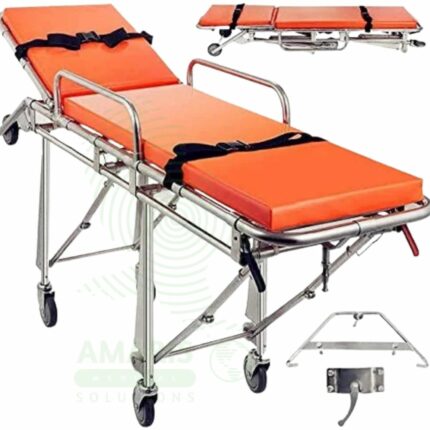
Ambulance Stretcher Trolley
An Ambulance Stretcher Trolley is a heavy-duty, purpose-built mobile cot designed for the demanding environment of emergency medical services. Its core functions are the safe extrication of patients from ground level, their secure restraint during road transport, and serving as a stable platform for pre-hospital critical care. Key distinguishing features include a robust retractable undercarriage for ambulance loading, a wide height adjustment range, large all-terrain wheels, an integrated crash-tested patient restraint system, and positive locking mechanisms for ambulance mounting. It is engineered to withstand physical stress, ensure patient safety during vehicle movement, and comply with specific ambulance equipment standards, making it the fundamental patient-handling tool for paramedics and EMTs.
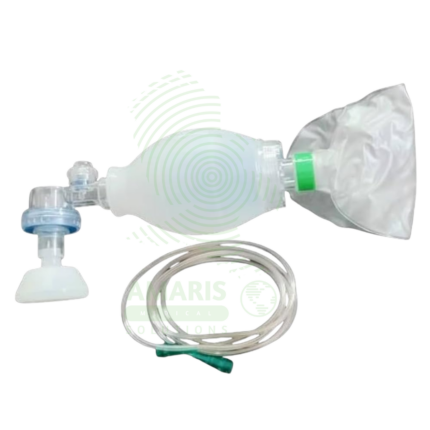
Breath Resuscitation Bag
A Breath Resuscitation Bag (manual resuscitator, bag-valve-mask) is a Class II medical device used to deliver positive-pressure ventilation to patients in respiratory arrest, cardiac arrest, or respiratory failure. Available in adult (1,500-2,000 mL), pediatric (450-750 mL), and infant/neonatal (200-350 mL) sizes with self-inflating silicone or PVC bags, one-way non-rebreathing valves, transparent cushioned masks, and oxygen reservoirs for high FiO2 delivery (90-100% with reservoir). Oxygen inlet allows connection to flow meter (10-15 L/min recommended). Pediatric/neonatal models include pressure-limiting valves (35-45 cmH2O) to prevent barotrauma. Essential for CPR (AHA guidelines: adult 10-12 breaths/min, child 12-20, infant 20-30), preoxygenation before intubation, transport ventilation, and recovery from anesthesia. Critical safety considerations include avoiding excessive ventilation pressure (prevents gastric insufflation), maintaining proper mask seal, monitoring chest rise, and having backup equipment readily available. Indispensable emergency airway equipment in hospitals, ambulances, crash carts, and emergency response kits worldwide.
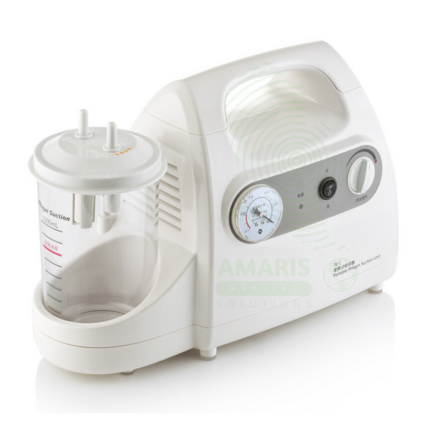
Electric Suction Machine
An Electric Suction Machine is a portable, electrically-powered medical device that generates vacuum pressure to remove fluids and secretions from a patient's airway, surgical site, or wound. It is a critical tool for maintaining a patent airway in emergency, surgical, post-operative, and chronic home care settings. The unit consists of a vacuum pump, a disposable collection canister with overflow protection, connecting tubing, and patient-end accessories. Key performance features include adjustable suction pressure, adequate airflow, and often battery backup for reliability. Strict adherence to pressure settings, suction duration, and single-use disposable components is essential for patient safety and infection control.
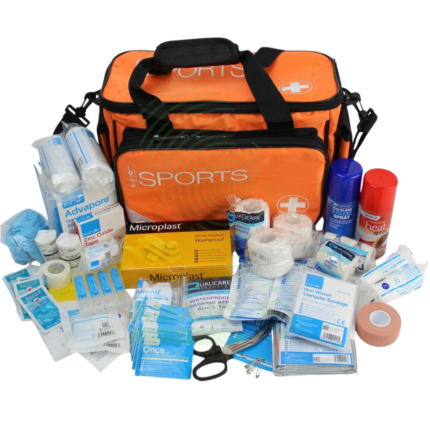
First Aid Kit For Sporting Places
A First Aid Kit for Sporting Places is a portable, organized medical kit specifically designed for the types and frequencies of injuries encountered in athletic and sporting environments. Available in various configurations including sideline kits for team use, personal sports pouches, team travel kits, and wall-mounted cabinets for gymnasiums. Constructed from ballistic nylon, polyester, ABS plastic, or aluminum with organized interior compartments, pouches, and elastic loops for rapid access to supplies. Contains sport-specific medical supplies including wound care materials, elastic bandages, instant cold packs, splinting materials, eye wash, blister care, concussion assessment tools, and personal protective equipment. Primary clinical applications include immediate treatment of common sports injuries (sprains, strains, contusions, abrasions, lacerations), concussion assessment, bleeding control, heat illness management, eye injury care, and emergency action plan implementation. Essential equipment for athletic teams, schools, fitness centers, recreational facilities, and sporting events, providing organized, accessible medical supplies for athlete safety and injury management.
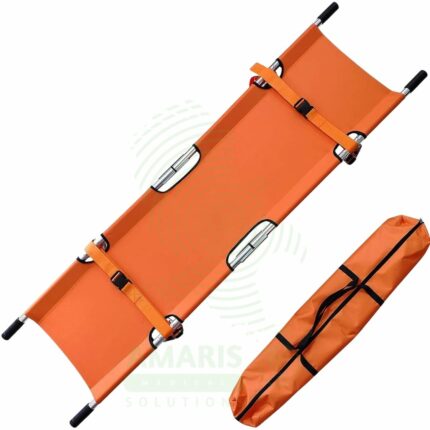
Foldable Stretcher
A Foldable Stretcher is a portable, manual patient-carrying device consisting of a hinged metal frame and a fabric sling, designed for compact storage and rapid deployment. Its primary use is for evacuating patients from confined spaces, rough terrain, or disaster scenes where wheeled trolleys cannot access. It is a fundamental piece of equipment for emergency medical services, search and rescue teams, industrial first aid, and mass casualty management, enabling a team of bearers to safely transport a patient to a point where advanced care or wheeled transport is available. Its key advantage is its minimal storage footprint, making it an essential logistical tool for any emergency response system.
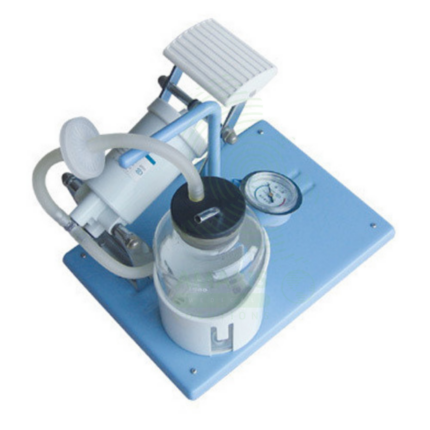
Manual Suction Machine
A Manual Suction Machine is a hand-powered medical device used to generate suction for emergency airway clearance and neonatal resuscitation. Functioning without electricity or batteries, it is the critical suction solution for pre-hospital care, field medicine, low-resource settings, and as a mandatory backup in all clinical environments. It typically consists of a collection canister, a manual pump (squeeze-bulb, lever, or syringe), and disposable patient tubing. While providing intermittent rather than continuous suction, its reliability, portability, and simplicity make it an indispensable first-response tool for removing airway obstructions and saving lives when power is not an option.
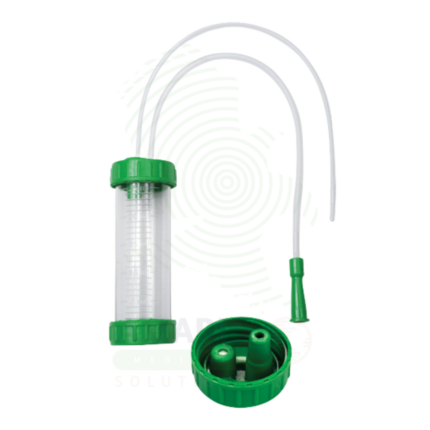
Mucus Extractor
Mucus Extractors are sterile, single-use handheld suction devices designed for the rapid clearance of secretions from the oral cavity, pharynx, and trachea, with distinct configurations for neonatal and adult populations. Neonatal/infant extractors feature soft, flexible, small-diameter tips with low suction capacity (30-60 mL) to minimize trauma to delicate airways. Adult/universal extractors (Yank Auer) are rigid, large-bore, angled devices with multiple suction eyes and high-flow capacity (150-300 mL) for rapid clearance of blood, vomitus, and thick secretions. Select models incorporate sterile specimen traps for collection of respiratory secretions for microbiological analysis. Critical safety requirements include strict limitation of suction duration (≤10 seconds; ≤5 seconds in neonates), avoidance of excessive suction pressure (neonates ≤80 mmHg), use of non-traumatic multiple-eye tips for vulnerable patients, and absolute single-use protocol. An indispensable airway device in neonatal resuscitation, pediatric care, emergency medicine, and perioperative settings.