Dermatoscope and Magnifiers
 Diagnostic Kits
 Vital Signs Monitors
 Stethoscopes and Accessories
 Otoscopes, Ophthalmoscopes, and Retinoscopes
 Reflex Hammers and Neurological Tools
 Scales and Measuring Devices
 Spirometers and Pulmonary Function Tests
 Electrosurgical Units and Accessories
 Cutting Instruments
 Grasping and Holding Instruments
 Hemostatic Instruments
 Specialized Surgical Sets
 Single-Use Procedure Trays and Packs
 Surgical Drapes, Gowns, and Covers
 Tissue Unifying Instruments
 Radiation Protection
 X-Ray Machines and Accessories
 Ultrasound Systems and Probes
 MRI and CT Scanners
 Radiology Consumables
 Bone Densitometers
 Fluoroscopy Equipment
 Imaging Tables and Positioning Aids
 Microscopes and Accessories
 Centrifuges and Separators
 Analyzers
 Incubators and Ovens
 Pipettes, Dispensers, and Lab Glassware
 Refrigerators, Freezers, and Storage Units
 Lab Consumables
 Sterilizers and Autoclaves for Lab Use
 Multi-Parameter Monitors
 Ventilators and Respiratory Support Devices
 Defibrillators and AEDs
 Infusion Pumps and IV Systems
 Patient Warmers and Cooling Devices
 Central Monitoring Stations
 Accessories
 Anesthesia Machines and Workstations
 Oxygen Concentrators and Delivery Systems
 Nebulizers and Inhalers
 CPAP/BiPAP Machines
 Airway Management
 Anesthesia Masks, Circuits, and Bags
 Humidifiers and Heaters
 Respiratory Therapy Accessories
 First Aid Kits and Cabinets
 Emergency Resuscitation Equipment
 Trauma Supplies
 Emergency Carts and Crash Carts
 Burn Care Products
 Bleeding Control
 Automated External Defibrillators (AEDs)
 Transport and Evacuation
 Wheelchairs and Accessories
 Walkers, Crutches, and Canes
 Prosthetics and Orthotics
 Physical Therapy Equipment
 Transfer Devices
 Bathroom Safety
 Orthopedic Traction and Tables
 Hot/Cold Therapy Packs and Units
 Beds and Mattresses
 Chairs and Stools
 Tables
 Cabinets and Storage
 Privacy Screens & Curtains
 Stands and Racks
 Linens and Textiles
 Lighting
 Autoclaves and Sterilizers
 Ultrasonic Cleaners
 Disinfectant Solutions and Wipes
 Sterilization Pouches, Wraps, and Indicators
 Instrument Trays and Containers
 UV and Ozone Disinfection Devices
 Washer Disinfectors
 Wound Care
 Gloves
 Masks and Respirators
 Catheters and Tubing
 Swabs, Applicators, and Sponges
 Incontinence Products
 Personal Protective Equipment (PPE)
 Dental Chairs and Units
 Handpieces and Burs
 Instruments
 Consumables
 Sterilization for Dental Use
 Orthodontic Supplies
 Endodontic Tools
 Slit Lamps and Tonometers
 Lensometers and Phoropters
 Ophthalmic Surgical Instruments
 Eyewear Frames and Lenses
 Contact Lens Supplies
 Vision Testing Charts and Devices
 Eye Care Consumables
 Laser Systems for Eye Care
 ENT Exam Chairs and Tables
 Endoscopes
 Audiometers and Hearing Tests
 ENT Instruments
 Nasal and Throat Packs
 Hearing Aids and Accessories
 Otology Supplies
 Fetal Dopplers and Monitors
 Delivery Beds and Tables
 Gynecological Instruments
 Neonatal Incubators and Warmers
 Breast Pumps and Accessories
 Contraceptive Devices
 Maternity Supports and Pads
 Neonatal Consumables
 Cystoscopes and Urethroscopes
 Dialysis Machines and Supplies
 Urological Catheters and Bags
 Lithotripters
 Prostate Treatment Devices
 Urinary Incontinence Products
 Kidney Stone Management Tools
 Consumables & Disposables
 EEG and EMG Machines
 Neurosurgical Instruments
 Nerve Stimulators
 Headrests and Positioning Aids
 Lumbar Puncture Kits
 Seizure Monitoring Devices
 Consumables
 Rehabilitation for Neurological Conditions
 ECG Machines and Accessories
 Holter Monitors
 Stress Test Systems
 Pacemakers and Defibrillator Accessories
 Vascular Access Devices
 Cardiac Catheters and Guidewires
 Blood Flow Meters
 Consumables
 Orthopedic Instruments
 Casts, Splints, and Padding
 Joint Replacement Supplies
 Prosthetic Limbs and Components
 Bone Grafts and Substitutes
 Traction Devices
 Orthopedic Braces and Supports
 Rehabilitation Aids for Orthopedics
 Home Oxygen Therapy
 Hospital Beds for Home Use
 Mobility Aids
 Bathroom and Daily Living Aids
 Wound Care for Home
 Monitoring Devices
 Enteral Feeding Pumps and Tubes
 Hand Sanitizers and Dispensers
 Face Shields and Goggles
 Isolation Gowns and Suits
 Biohazard Waste Containers
 Air Purifiers and HEPA Filters
 Surface Disinfectants
 Sharps Containers
 Protective Barriers
 Cardiovascular & Endurance Training
 Strength Training & Weightlifting
 Functional Training & Core Conditioning
 Physical Therapy & Rehabilitation
 Sports & Outdoor Recreation
 Gym Flooring & Facility Equipment
 Fitness Monitoring & Accessories
 Kids & Novelties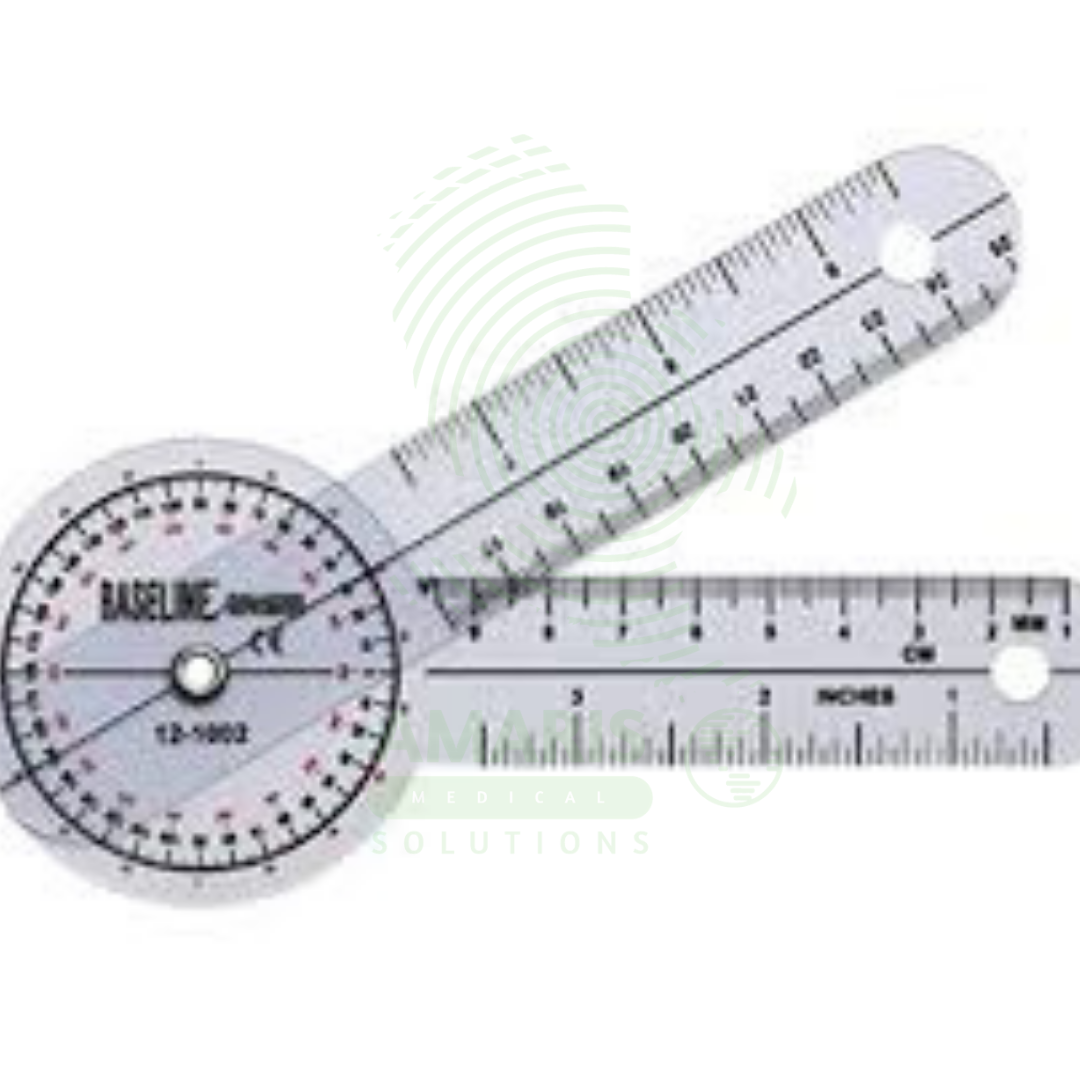
Goniometer
WhatsApp Order
A goniometer is a calibrated, handheld measuring instrument designed to precisely quantify joint range of motion in degrees. Essential for physical and occupational therapy, orthopedic assessment, and rehabilitation medicine, it consists of a protractor-like body with two arms—one stationary, one movable—that align with the patient’s limb segments. Available in various sizes for different joints (from fingers to hips) and in materials including transparent plastic, stainless steel, and digital formats, it transforms subjective observations of mobility into objective, reproducible data. This fundamental clinical tool guides diagnosis, documents treatment progress, supports disability determinations, and provides the evidence base for therapeutic interventions.
Description
Goniometer
PRIMARY CLINICAL & DIAGNOSTIC USES
1. Objective Measurement of Joint Range of Motion
-
Definitive Use: Provides a standardized, calibrated instrument for the precise measurement of joint angles, including active and passive range of motion, in degrees. It is the fundamental tool for quantifying joint flexibility, contractures, and functional limitations in clinical assessment.
-
How it helps: For the physical therapist, occupational therapist, and orthopedic clinician, the goniometer transforms subjective observation (“the patient can’t bend their knee very far”) into objective, reproducible data (“the patient has 45 degrees of knee flexion”). For the patient recovering from injury or surgery, these objective measurements document progress over time, provide motivation by showing small gains, and establish functional baselines that guide treatment decisions and return-to-work or sport determinations.
2. Assessment of Joint Stiffness and Contracture
-
Primary Use: Quantifies limitations in joint movement caused by conditions such as arthritis, immobilization, scar tissue formation, neurological disorders (e.g., stroke, cerebral palsy), and post-surgical adhesions.
-
How it helps: For the clinician managing patients with chronic conditions or post-immobilization stiffness, the goniometer provides the data needed to track progression or improvement—documenting whether a contracture is worsening despite intervention, or whether therapy is effectively increasing mobility. For the patient with frozen shoulder, post-stroke spasticity, or burn scar contracture, these measurements validate their experience and guide decisions about therapy intensity, splinting, or surgical release.
3. Baseline and Outcome Documentation
-
Primary Use: Establishes objective baseline measurements at initial evaluation and provides quantifiable outcome data to document treatment efficacy for insurance providers, legal purposes, and quality improvement initiatives.
-
How it helps: For the rehabilitation department and healthcare system, goniometric measurements create the documentation trail that justifies continued therapy, demonstrates value to payers, and supports evidence-based practice. For the patient navigating insurance coverage for rehabilitation services, objective range of motion data can mean the difference between approved treatment and denied claims, ensuring they receive the therapy they need.
4. Neurological Assessment
-
Primary Use: In neurological examinations, particularly following stroke or brain injury, goniometric measurements help quantify spasticity, flaccidity, and the effects of conditions like Parkinson’s disease on joint mobility.
-
How it helps: For the neurologist and neurorehabilitation specialist, the goniometer provides objective data about the neurological impact on motor function—documenting the degree of spasticity in an upper motor neuron lesion, or the range limitations in Parkinson’s rigidity. For the patient with neurological impairment, these measurements guide medication adjustments, therapy intensity, and decisions about interventions like botulinum toxin injections for spasticity management.
SECONDARY & SUPPORTIVE USES
1. Pre-Participation Screening and Sports Medicine: In athletic training and sports medicine, goniometers are used to establish baseline flexibility measurements during pre-participation physicals, identifying athletes at risk for injury due to flexibility imbalances. For the athlete, baseline measurements can guide preventive conditioning programs and, if injury occurs, provide reference points for return-to-play decisions.
2. Ergonomic Assessment: Occupational therapists and ergonomists use goniometers to measure joint angles in workplace settings, assessing whether workstations and tools accommodate workers’ natural ranges of motion to prevent repetitive strain injuries. For the worker, these assessments lead to workstation modifications that reduce injury risk and improve comfort and productivity.
3. Orthotic and Prosthetic Fitting: For orthotists and prosthetists, precise goniometric measurements of adjacent joints are essential for designing and fitting braces, splints, and prosthetic devices that accommodate functional range of motion while providing necessary support. For the patient requiring orthotic intervention, accurate measurements ensure their device fits properly and functions as intended.
4. Research and Clinical Studies: In rehabilitation research, goniometers provide the standardized outcome measurements needed to evaluate treatment efficacy, compare interventions, and advance evidence-based practice. For the future patients who will benefit from improved rehabilitation protocols, every research study using goniometric measurements contributes to better understanding of what works in therapy.
5. Forensic and Disability Evaluations: In independent medical examinations for disability determinations, workers’ compensation claims, and legal proceedings, goniometric measurements provide objective documentation of functional limitations. For the individual seeking disability benefits or compensation for injury, objective range of motion data supports their claim and ensures fair evaluation.
KEY PRODUCT FEATURES
1. BASIC IDENTIFICATION ATTRIBUTES
Product Type: A handheld, calibrated measuring instrument designed specifically for assessing joint angles in clinical, rehabilitation, and research settings.
Core Design: Typically constructed from transparent plastic, stainless steel, or durable polymer, featuring a circular or semicircular protractor-like body (the fulcrum) with two extendable arms—one stationary (the stationary arm) and one movable (the moving arm). The transparent design allows visualization of anatomical landmarks during measurement.
Key Components:
-
Fulcrum (Center): The calibrated circular or semicircular head marked with degree measurements (typically 0-180° or 0-360°), serving as the pivot point aligned with the joint axis.
-
Stationary Arm: The fixed arm aligned with the proximal body segment (e.g., the thigh for knee measurement).
-
Moving Arm: The articulating arm aligned with the distal body segment (e.g., the lower leg for knee measurement), which moves as the joint bends.
-
Scale Markings: Clear, permanent degree markings (typically in 1° or 2° increments) for precise reading.
-
Finger Rings (on some models): Enlarged ends on the arms to facilitate comfortable, stable gripping during measurement.
Available Variations:
-
Standard Plastic Goniometer: The most common clinical tool, lightweight, transparent, and available in various sizes (small for fingers, medium for wrists/elbows, large for knees/shoulders).
-
Metal Goniometer: More durable, often used in surgical settings or for long-term clinical use.
-
Digital Goniometer: Electronic version with digital readout, often including memory functions and average calculation.
-
Hydrogoniometer: Fluid-filled, gravity-based design useful for measuring spinal curvature and other complex angles.
-
Finger Goniometer: Miniaturized version specifically designed for measuring small joints of the hand.
-
Inclinometer: Specialized for spinal measurements, often used in back range of motion assessment.
2. TECHNICAL & PERFORMANCE PROPERTIES
-
Accuracy: Precision-manufactured to provide reliable measurements within 1-2 degrees of true anatomical angle when properly aligned.
-
Calibration Stability: Quality goniometers maintain calibration over years of regular use without requiring recalibration, though periodic verification against known angles is recommended in research settings.
-
Durability: Constructed from materials that withstand repeated use, cleaning, and occasional drops without warping or becoming inaccurate.
-
Clarity (Transparent Models): Optical-grade plastic allows clear visualization of anatomical landmarks through the instrument, ensuring proper alignment.
3. PHYSICAL & OPERATIONAL PROPERTIES
-
Construction: Typically one-piece molded plastic for standard models, or precision-assembled metal for surgical-grade instruments. Digital models include battery compartments and electronic components sealed against moisture.
Size Options:
-
6-inch (15 cm): For fingers, toes, and small joints
-
8-inch (20 cm): For wrists, ankles, elbows
-
12-inch (30 cm): For knees, shoulders, hips
-
14-inch (35 cm) and larger: For specialized applications including spinal assessment
-
Markings: Permanent, engraved, or printed degree scales with high contrast for easy reading in various lighting conditions.
-
Grip and Handling: Ergonomically designed arms with smooth edges for comfortable handling; some models feature finger rings for enhanced control during one-handed use.
4. SAFETY & COMPLIANCE ATTRIBUTES
-
Biocompatibility: Materials are non-toxic and safe for contact with intact skin during clinical use.
-
Infection Control: Non-porous surfaces (plastic, metal) allow for cleaning with hospital-grade disinfectants between patients, preventing cross-contamination.
-
Latex-Free: Standard goniometers contain no latex, making them safe for use with latex-sensitive patients and clinicians.
-
FDA Classification: Typically classified as a Class I medical device (exempt from 510(k) clearance) for manual goniometers; digital versions may have different regulatory classifications.
5. STORAGE & HANDLING ATTRIBUTES
-
Storage: Should be stored at room temperature, protected from extreme heat that could warp plastic models. Can be kept in therapy gyms, clinic examination rooms, or portable evaluation kits.
-
Cleaning: Wipe with alcohol wipes or disinfectant between patients. Do not immerse in liquids or sterilize in autoclaves unless specifically designed for sterile use.
-
Handling: Avoid dropping plastic models, as impact can affect accuracy. Check periodically for warping or damage that could compromise measurements.
-
Shelf Life: Indefinite with proper care; plastic models may become brittle over many years and should be replaced if damaged.
6. LABORATORY & CLINICAL APPLICATIONS
-
Primary Application: The standard instrument for objective measurement of joint range of motion in physical therapy, occupational therapy, orthopedic medicine, sports medicine, and rehabilitation settings.
-
Documentation Standard: Goniometric measurements are the accepted standard for documenting range of motion in medical records, research publications, and disability determinations.
-
Goniometry Training: Essential teaching tool in all rehabilitation and medical education programs for developing clinical assessment skills.
SAFETY HANDLING PRECAUTIONS
1. SAFETY PRECAUTIONS
-
Proper Technique (CRITICAL): Accurate measurement requires correct identification of anatomical landmarks, proper alignment of the goniometer with the joint axis, and consistent patient positioning. Inaccurate technique can lead to erroneous measurements that misguide treatment decisions.
-
Patient Comfort: Move joints gently through available range; never force movement beyond patient tolerance. Pain during measurement should be respected and documented.
-
Skin Integrity: Ensure the goniometer contacts only intact skin. Avoid placing on open wounds, surgical incisions, or areas of compromised skin integrity.
-
Avoid Excessive Force: The goniometer is a measuring instrument, not a therapeutic tool. Do not use it to lever or force joint movement.
-
Regular Inspection: Periodically check for cracks, warping, or damage that could affect accuracy. Replace damaged instruments immediately.
2. FIRST AID MEASURES
-
Instrument Damage: If a plastic goniometer cracks or breaks during use, carefully remove all fragments from the patient area. Check patient for any injury from sharp edges.
-
Patient Discomfort: If a patient experiences sharp pain during measurement, stop immediately and assess for possible injury. Document the incident and notify the supervising clinician.
3. FIRE FIGHTING MEASURES
-
Flammability: Plastic goniometers are combustible but present minimal fire hazard in clinical settings due to their small size and limited quantity.
-
Extinguishing Media: If involved in fire, treat as ordinary combustible material using water, foam, or CO₂.
Related products
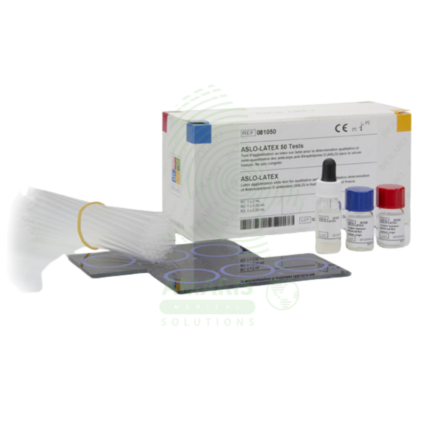
Anti-Streptol Olysin O Titer (ASOT)
Anti-Streptol Olysin O Titer (ASOT) is a quantitative or semi-quantitative serological test (latex agglutination, turbidimetry, nephelometry, or ELISA) for detecting antibodies against streptolysin O, an exotoxin produced by Group A Streptococcus. Elevated or rising titers indicate recent streptococcal infection and are essential for diagnosing post-streptococcal sequelae including acute rheumatic fever (Jones criteria) and post-streptococcal glomerulonephritis. The test requires serum samples; acute and convalescent (2-4 weeks apart) with fourfold rise confirms recent infection. Reference range typically <200-250 Todd units/mL (adults), varies by age and population. Primary clinical applications include diagnosis of Group A streptococcal infections, acute rheumatic fever evaluation, post-streptococcal glomerulonephritis diagnosis, differentiation of acute vs. past infection, evaluation of unexplained arthritis or carditis, pediatric inflammatory conditions (PANDAS), and monitoring disease activity in rheumatic fever. Critical safety precautions include proper timing of acute and convalescent samples, awareness of false negatives/positives, clinical correlation for diagnosis, and standard biohazard precautions. Essential test for rheumatology, nephrology, cardiology, and infectious disease practice.
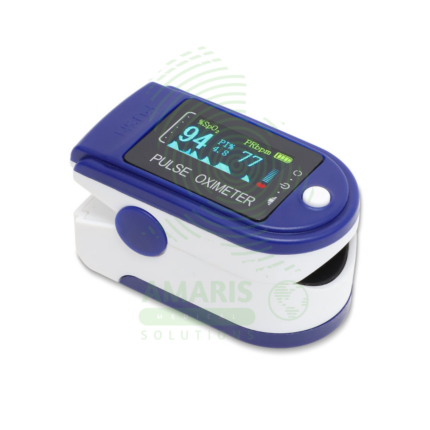
Fingertip Pulse Oximeter
A Fingertip Pulse Oximeter is a compact, non-invasive medical device that clips onto a finger to measure peripheral arterial oxygen saturation (SpO2) and pulse rate in seconds. Utilizing light-based technology, it provides critical, real-time data on respiratory and circulatory status. Its portability and ease of use make it indispensable in hospitals (from ORs to general wards), for patients managing chronic lung conditions at home, and for situational monitoring in sports or high-altitude environments. While an extremely valuable screening tool, readings must be interpreted in context, considering factors like patient movement, perfusion, and clinical symptoms.
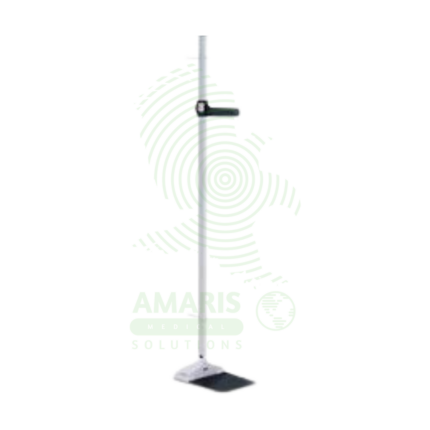
Height Board
A Height Board, or stadiometer, is a precision medical instrument designed for the accurate measurement of human stature. As a wall-mounted or portable device featuring a vertical scale and a sliding horizontal headpiece, it is the clinical standard for obtaining height. This measurement is foundational for calculating Body Mass Index (BMI), tracking growth in children, screening for nutritional issues, and assessing adults for conditions like osteoporosis. Its accuracy, dependent on proper installation and technique, makes it an indispensable tool in pediatrics, primary care, nutrition, and public health
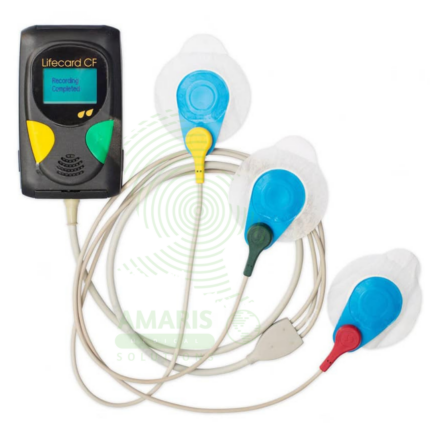
Holter ECG Monitor
A Holter ECG Monitor is a portable, wearable medical device used for continuous, long-term recording of a patient's heart's electrical activity over 24 to 48 hours or more. It is the cornerstone diagnostic tool for detecting intermittent cardiac arrhythmias, evaluating unexplained symptoms like syncope or palpitations, and monitoring the efficacy of antiarrhythmic treatments or implanted cardiac device function. Consisting of a small digital recorder connected to chest electrodes (or an all-in-one adhesive patch), it allows patients to maintain their normal daily routine while capturing a comprehensive electrocardiographic record.

Littman Stethoscope (Classic 4 Cardiology)
A Littman Stethoscope (Classic 4 Cardiology) represents the pinnacle of acoustic auscultation technology. Designed for clinicians who require the highest level of diagnostic accuracy, it features dual tunable diaphragms and dual-lumen tubing to provide exceptional acoustic sensitivity and ambient noise reduction. Its innovative design allows the user to hear both high and low-frequency sounds by simply adjusting pressure on either side of the chestpiece, making it the instrument of choice for cardiologists, intensivists, and specialists who cannot afford to miss a subtle murmur, rub, or breath sound. It combines superior performance with the durability and comfort expected from the Littmann brand.
MUAC Tape
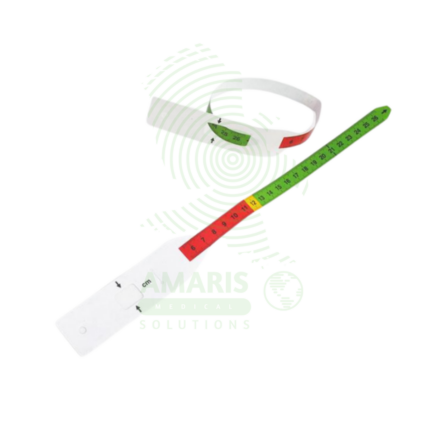
A MUAC Tape (Mid-Upper Arm Circumference) is a specialized, color-coded measuring tape used globally as the primary field tool for screening children aged 6-59 months for acute malnutrition. Its simple design—featuring red, yellow, and green zones corresponding to Severe Acute Malnutrition, Moderate Acute Malnutrition, and normal nutritional status—allows for instant, non-invasive assessment without the need for scales, calculation, or literacy. Durable, portable, and inexpensive, it is the cornerstone of community-based nutrition programs, emergency relief efforts, and public health surveillance, enabling early detection and life-saving intervention for malnourished children in even the most resource-constrained settings.
Proctoscope
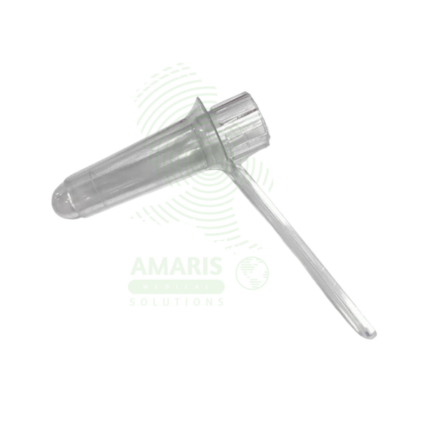
A Proctoscope is a rigid, straight-tube endoscope specifically designed for the examination and treatment of the anal canal and distal rectum. It enables direct visualization to diagnose conditions like hemorrhoids, fissures, and proctitis, and serves as a conduit for therapeutic procedures such as band ligation. Available in reusable (autoclavable metal) or disposable (single-use plastic) formats, it is a fundamental tool in colorectal practice. Its effective use requires proper patient preparation, gentle insertion technique, and stringent adherence to sterilization protocols to ensure patient safety and diagnostic accuracy.