Dermatoscope and Magnifiers
 Diagnostic Kits
 Vital Signs Monitors
 Stethoscopes and Accessories
 Otoscopes, Ophthalmoscopes, and Retinoscopes
 Reflex Hammers and Neurological Tools
 Scales and Measuring Devices
 Spirometers and Pulmonary Function Tests
 Electrosurgical Units and Accessories
 Cutting Instruments
 Grasping and Holding Instruments
 Hemostatic Instruments
 Specialized Surgical Sets
 Single-Use Procedure Trays and Packs
 Surgical Drapes, Gowns, and Covers
 Tissue Unifying Instruments
 Radiation Protection
 X-Ray Machines and Accessories
 Ultrasound Systems and Probes
 MRI and CT Scanners
 Radiology Consumables
 Bone Densitometers
 Fluoroscopy Equipment
 Imaging Tables and Positioning Aids
 Microscopes and Accessories
 Centrifuges and Separators
 Analyzers
 Incubators and Ovens
 Pipettes, Dispensers, and Lab Glassware
 Refrigerators, Freezers, and Storage Units
 Lab Consumables
 Sterilizers and Autoclaves for Lab Use
 Multi-Parameter Monitors
 Ventilators and Respiratory Support Devices
 Defibrillators and AEDs
 Infusion Pumps and IV Systems
 Patient Warmers and Cooling Devices
 Central Monitoring Stations
 Accessories
 Anesthesia Machines and Workstations
 Oxygen Concentrators and Delivery Systems
 Nebulizers and Inhalers
 CPAP/BiPAP Machines
 Airway Management
 Anesthesia Masks, Circuits, and Bags
 Humidifiers and Heaters
 Respiratory Therapy Accessories
 First Aid Kits and Cabinets
 Emergency Resuscitation Equipment
 Trauma Supplies
 Emergency Carts and Crash Carts
 Burn Care Products
 Bleeding Control
 Automated External Defibrillators (AEDs)
 Transport and Evacuation
 Wheelchairs and Accessories
 Walkers, Crutches, and Canes
 Prosthetics and Orthotics
 Physical Therapy Equipment
 Transfer Devices
 Bathroom Safety
 Orthopedic Traction and Tables
 Hot/Cold Therapy Packs and Units
 Beds and Mattresses
 Chairs and Stools
 Tables
 Cabinets and Storage
 Privacy Screens & Curtains
 Stands and Racks
 Linens and Textiles
 Lighting
 Autoclaves and Sterilizers
 Ultrasonic Cleaners
 Disinfectant Solutions and Wipes
 Sterilization Pouches, Wraps, and Indicators
 Instrument Trays and Containers
 UV and Ozone Disinfection Devices
 Washer Disinfectors
 Wound Care
 Gloves
 Masks and Respirators
 Catheters and Tubing
 Swabs, Applicators, and Sponges
 Incontinence Products
 Personal Protective Equipment (PPE)
 Dental Chairs and Units
 Handpieces and Burs
 Instruments
 Consumables
 Sterilization for Dental Use
 Orthodontic Supplies
 Endodontic Tools
 Slit Lamps and Tonometers
 Lensometers and Phoropters
 Ophthalmic Surgical Instruments
 Eyewear Frames and Lenses
 Contact Lens Supplies
 Vision Testing Charts and Devices
 Eye Care Consumables
 Laser Systems for Eye Care
 ENT Exam Chairs and Tables
 Endoscopes
 Audiometers and Hearing Tests
 ENT Instruments
 Nasal and Throat Packs
 Hearing Aids and Accessories
 Otology Supplies
 Fetal Dopplers and Monitors
 Delivery Beds and Tables
 Gynecological Instruments
 Neonatal Incubators and Warmers
 Breast Pumps and Accessories
 Contraceptive Devices
 Maternity Supports and Pads
 Neonatal Consumables
 Cystoscopes and Urethroscopes
 Dialysis Machines and Supplies
 Urological Catheters and Bags
 Lithotripters
 Prostate Treatment Devices
 Urinary Incontinence Products
 Kidney Stone Management Tools
 Consumables & Disposables
 EEG and EMG Machines
 Neurosurgical Instruments
 Nerve Stimulators
 Headrests and Positioning Aids
 Lumbar Puncture Kits
 Seizure Monitoring Devices
 Consumables
 Rehabilitation for Neurological Conditions
 ECG Machines and Accessories
 Holter Monitors
 Stress Test Systems
 Pacemakers and Defibrillator Accessories
 Vascular Access Devices
 Cardiac Catheters and Guidewires
 Blood Flow Meters
 Consumables
 Orthopedic Instruments
 Casts, Splints, and Padding
 Joint Replacement Supplies
 Prosthetic Limbs and Components
 Bone Grafts and Substitutes
 Traction Devices
 Orthopedic Braces and Supports
 Rehabilitation Aids for Orthopedics
 Home Oxygen Therapy
 Hospital Beds for Home Use
 Mobility Aids
 Bathroom and Daily Living Aids
 Wound Care for Home
 Monitoring Devices
 Enteral Feeding Pumps and Tubes
 Hand Sanitizers and Dispensers
 Face Shields and Goggles
 Isolation Gowns and Suits
 Biohazard Waste Containers
 Air Purifiers and HEPA Filters
 Surface Disinfectants
 Sharps Containers
 Protective Barriers
 Cardiovascular & Endurance Training
 Strength Training & Weightlifting
 Functional Training & Core Conditioning
 Physical Therapy & Rehabilitation
 Sports & Outdoor Recreation
 Gym Flooring & Facility Equipment
 Fitness Monitoring & Accessories
 Kids & Novelties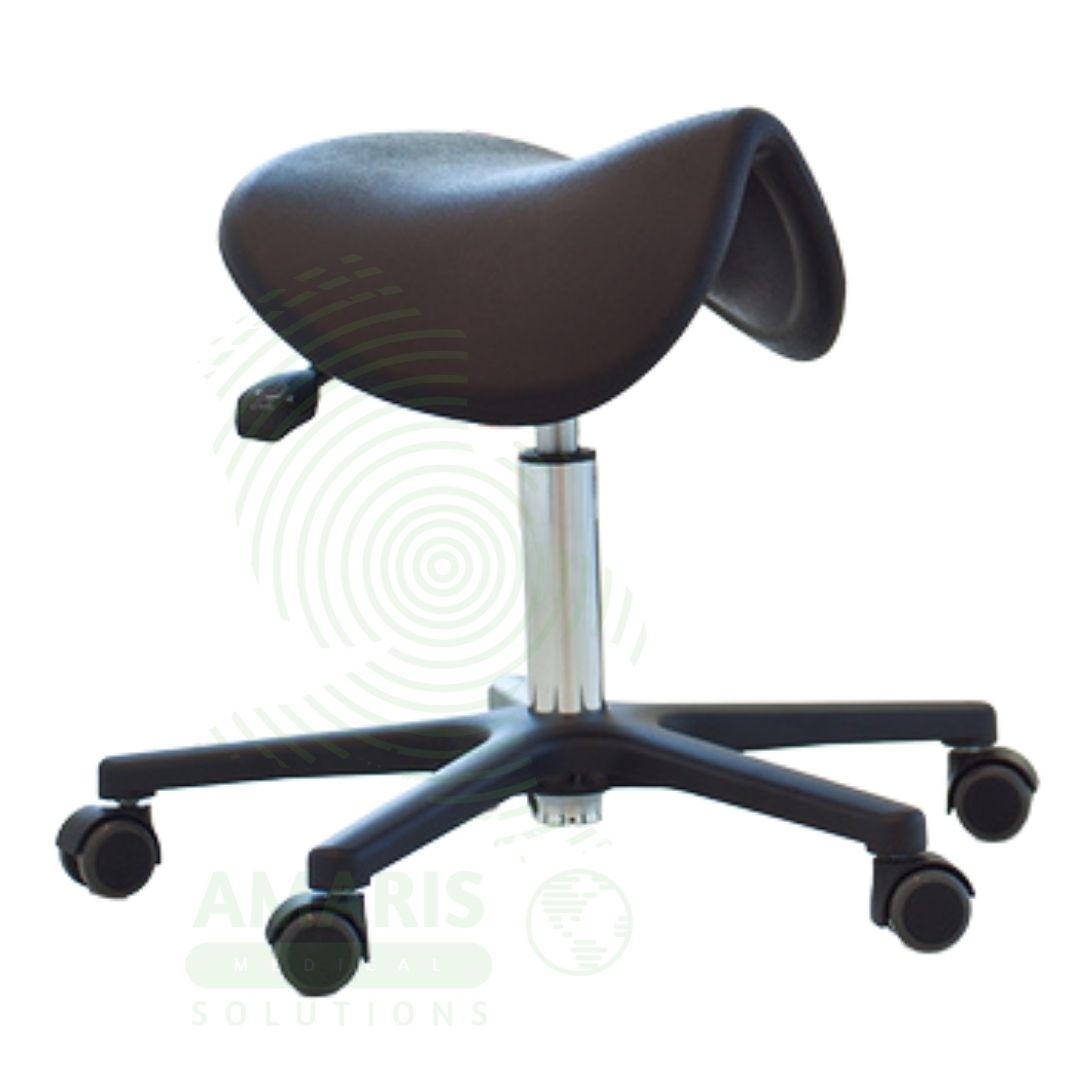
Gynecological Examination Stool & Chair
WhatsApp Order
A Gynecological Examination Stool & Chair is an adjustable, mobile stool designed for clinicians performing gynecological examinations, procedures, and colposcopy. Featuring adjustable height, swivel base, and optional back support, it provides ergonomic seating that reduces physical strain during prolonged procedures. Locking castors allow mobility between examination stations while providing stability during use. Essential for gynecology clinics, women’s health centers, and procedure rooms, it supports clinician comfort, proper posture, and efficient workflow during pelvic examinations, Pap smears, IUD procedures, and colposcopy.
Description
Gynecological Examination Stool & Chair
PRIMARY CLINICAL & DIAGNOSTIC USES
1. Seating for Gynecological Examinations and Procedures
-
Primary Use: Provides specialized seating for clinicians performing gynecological examinations, including pelvic exams, Pap smear collection, colposcopy, and IUD procedures. The stool allows the clinician to sit at the appropriate height and angle for optimal visualization and access during examinations.
-
How it helps: For the gynecologist and women’s health provider, the examination stool provides ergonomic positioning during prolonged procedures—allowing them to sit comfortably at the correct height and angle to perform thorough examinations without straining their back, neck, or shoulders. For the patient, a clinician who is comfortably positioned can focus entirely on the examination, contributing to a more efficient and less anxiety-provoking experience.
2. Ergonomic Support for Clinicians
-
Primary Use: Features adjustable height, swivel base, and often back support to accommodate clinicians of different heights and preferences. The stool supports proper posture during examinations, reducing the risk of work-related musculoskeletal injuries.
-
How it helps: For the healthcare provider performing multiple examinations daily, an ergonomic stool reduces the physical strain associated with prolonged sitting in awkward positions—supporting proper posture, reducing back and neck fatigue, and preventing cumulative strain injuries. For the patient, a clinician who is physically comfortable can focus more fully on providing quality care.
3. Mobility for Multi-Station Clinical Environments
-
Primary Use: The swivel base and locking castors allow the clinician to move easily between examination stations, access instrument trays, and adjust positioning during procedures without standing and moving the stool.
-
How it helps: For the clinician working in a busy clinic, a mobile stool allows efficient movement between the patient, instrument tray, and documentation area—streamlining workflow and reducing unnecessary steps. For the patient, this efficiency means shorter examination times and less disruption during procedures.
4. Adjustable Height for Variable Examination Surfaces
-
Primary Use: Height adjustment allows the stool to be used with different examination couch heights, procedure tables, and patient positions. This versatility ensures optimal ergonomic positioning across various clinical settings.
-
How it helps: For the clinician working with different examination couches or patient positions, an adjustable stool ensures that proper ergonomics can be maintained regardless of the equipment or setup. For the patient, a properly positioned clinician can perform examinations more effectively and comfortably.
5. Support for Colposcopy and Specialized Procedures
-
Primary Use: Provides stable, comfortable seating for extended procedures such as colposcopy, where the clinician requires a stable seated position for prolonged periods while maintaining precise control of colposcope and instruments.
-
How it helps: For the clinician performing colposcopy or other specialized procedures requiring sustained focus and precise instrument control, a stable, comfortable stool supports concentration and precision. For the patient, a clinician who is stable and comfortable can perform procedures more efficiently, reducing procedure time and discomfort.
SECONDARY & SUPPORTIVE USES
1. Ultrasound and Imaging Procedures: Used for seating during transvaginal ultrasound and other imaging procedures requiring seated clinician positioning.
2. Minor Procedure Support: Provides seating for clinicians performing minor procedures including biopsies, lesion removal, and other office-based interventions.
3. Nursing and Medical Education: Used in teaching settings for demonstrating examination techniques and procedures.
4. Family Planning Services: Supports IUD insertion and removal, contraceptive counseling, and other family planning procedures.
5. Multi-Purpose Clinical Seating: May be used in examination rooms, procedure rooms, and other clinical settings requiring adjustable seating.
6. Rehabilitation and Therapy: Used in physical therapy and occupational therapy settings requiring adjustable clinician seating.
KEY PRODUCT FEATURES
1. BASIC IDENTIFICATION ATTRIBUTES
-
Product Type: An adjustable, mobile stool designed for clinicians performing gynecological examinations and procedures.
-
Designation: Gynecological Examination Stool, Exam Stool, Procedure Stool, Clinician Stool, Rolling Stool.
-
Key Components:
-
Seat: Contoured or flat seat; may have cushioning.
-
Backrest: Optional back support for extended procedures.
-
Height Adjustment: Pneumatic or manual lift mechanism.
-
Base: Five-star base for stability.
-
Castors: Locking or non-locking wheels for mobility.
-
Swivel: 360-degree rotation for easy movement.
-
2. TECHNICAL & PERFORMANCE PROPERTIES
-
Height Range: Typically 18-30 inches for use with standard examination couches.
-
Weight Capacity: Standard 250-300 lbs; heavy-duty options available.
-
Seat Width: 16-20 inches depending on model.
-
Backrest: Optional; may be adjustable in height and angle.
-
Castors: Dual-wheel castors for stability; locking options available.
3. PHYSICAL & OPERATIONAL PROPERTIES
-
Frame Material: Steel or aluminum; powder-coated finish.
-
Upholstery: Easy-clean, fluid-resistant, antimicrobial material.
-
Cushioning: High-density foam for comfort during prolonged use.
-
Portability: Lightweight design for easy movement.
4. SAFETY & COMPLIANCE ATTRIBUTES
-
Regulatory Status: Class I medical device.
-
Stability: Wide base prevents tipping.
-
Upholstery: Meets flammability standards for medical environments.
-
Weight Capacity: Validated for stated capacity.
5. STORAGE & HANDLING ATTRIBUTES
-
Storage: Stored in the examination room or procedure area.
-
Cleaning: Wipe with hospital-grade disinfectants; clean castors as needed.
-
Maintenance: Regular inspection of castors, height adjustment mechanism, and upholstery.
6. LABORATORY & CLINICAL APPLICATIONS
-
Primary Application: Clinician seating for gynecological examinations, procedures, and colposcopy.
-
Clinical Role: Essential for ergonomic support and mobility in gynecology clinics, women's health centers, and procedure rooms.
SAFETY HANDLING PRECAUTIONS
1. SAFETY PRECAUTIONS
-
Height Adjustment: Ensure height adjustment is secure before use; test lock mechanism.
-
Castors: Lock castors if stool needs to remain stationary during procedures.
-
Stability: Sit in the center of the seat; avoid leaning excessively to one side.
-
Weight Capacity: Do not exceed stated weight capacity.
-
Upholstery: Clean between patients to maintain hygiene.
2. FIRST AID MEASURES
-
Stool Tip: If stool tips, assess the user for injury; seek medical attention if needed.
-
Height Adjustment Failure: If height adjustment fails, discontinue use; contact maintenance for repair.
-
Castor Failure: If castors fail, replace stool or castors before further use.
3. FIRE FIGHTING MEASURES
-
Flammability: Upholstery and foam are combustible; plastic components may burn.
-
Extinguishing Media: Use water, foam, or CO₂ as appropriate for surrounding materials.
Related products
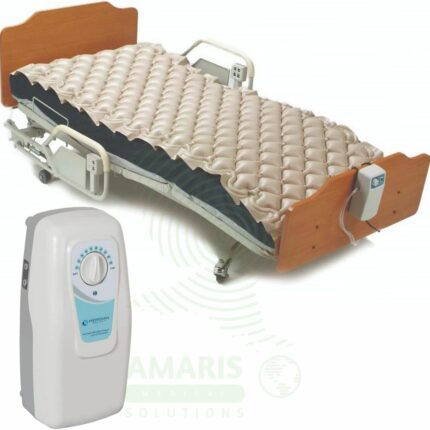
Alternating Mattress
An Alternating Mattress is a powered, dynamic support surface designed for the prevention and treatment of pressure injuries in high-risk, immobile patients. Its core function is the cyclical inflation and deflation of air cells, which constantly shifts pressure away from bony prominences to maintain tissue perfusion. Consisting of a durable air-cell mattress, an intelligent control pump with alarms, and a fluid-proof cover, it is a critical intervention in intensive care, spinal units, and wound care. Its use requires vigilant monitoring of alarms and patient skin integrity as part of a comprehensive pressure injury prevention protocol.
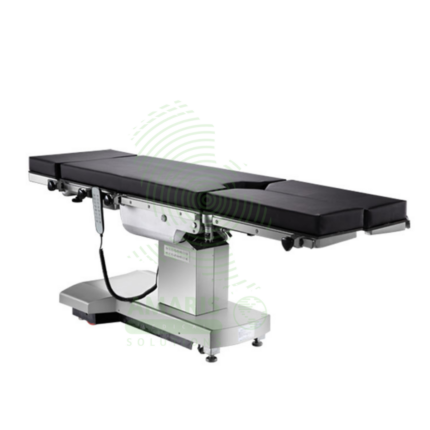
Hydraulic & Electric Operating Table
An Hydraulic & Electric Operating Table is the primary, heavy-duty patient positioning system in an operating room. Hydraulic models offer reliable, power-independent control, while electric models provide precise, programmable articulation. It is engineered for stability, a high weight capacity, and a wide range of motions (height, tilt, flexion) to optimize surgical exposure and ergonomics across all specialties. Safe use requires securing the patient, adhering to weight limits, careful padding to prevent nerve injury, and clear communication before any movement. It is a critical piece of capital equipment that forms the foundation for safe and effective surgical intervention.
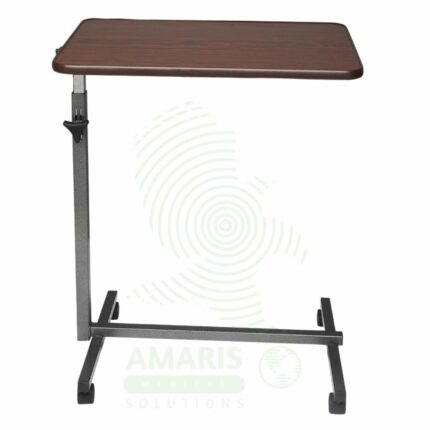
Overbed Table
An Overbed Table is a mobile, height-adjustable table on a wheeled base, featuring a swing-arm that allows its surface to be positioned over a patient's bed or chair. Its primary function is to provide a stable, convenient surface for in-bed dining, recreational activities, and personal organization, significantly enhancing comfort and independence for bedridden or mobility-limited patients. It also serves as a versatile utility table for nursing procedures and holding supplies at the bedside. Its adjustable, lockable design makes it an essential piece of patient-centered furniture in hospitals, nursing homes, and rehabilitation facilities.
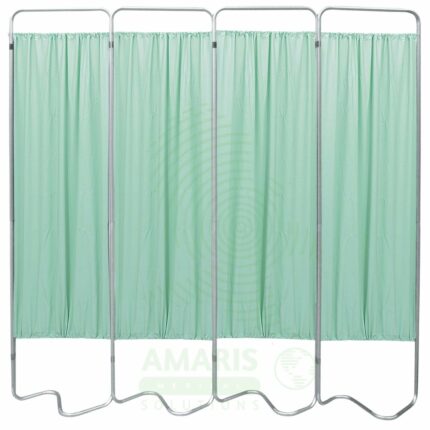
Patient Examination Privacy Screen
A Patient Examination Privacy Screen is a portable, foldable, multi-panel screen used to provide visual privacy during examinations, procedures, consultations, and patient care in multi-bed wards, emergency departments, and outpatient clinics. Featuring hinged panels, locking castors, and easy-clean fluid-resistant fabric, it creates temporary private spaces in open clinical environments. Essential for maintaining patient dignity, confidentiality, and infection control, it also supports space division, isolation, and management of environmental stimuli in busy healthcare settings.
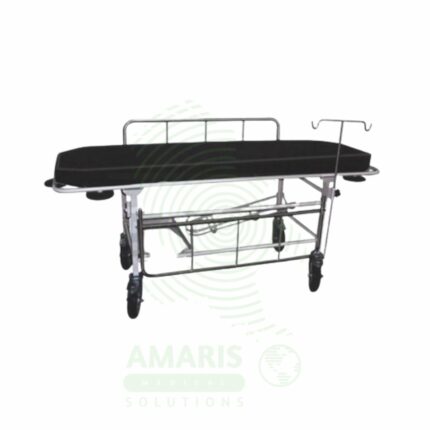
Patient Trolley
A Patient Trolley (also known as a hospital stretcher or gurney) is a mobile, height-adjustable wheeled bed essential for the safe transport and temporary holding of patients within a healthcare facility. Its core function is to serve as the primary link between clinical departments (e.g., Ward to Radiology, ED to OR), enabling efficient patient flow. Key features include locking casters, safety side rails, an IV pole, and a thin, cleanable mattress. Designed for maneuverability in corridors and elevators, it is the fundamental piece of equipment for patient logistics, emergency response, and serving as a mobile treatment platform in hospitals and large clinics.
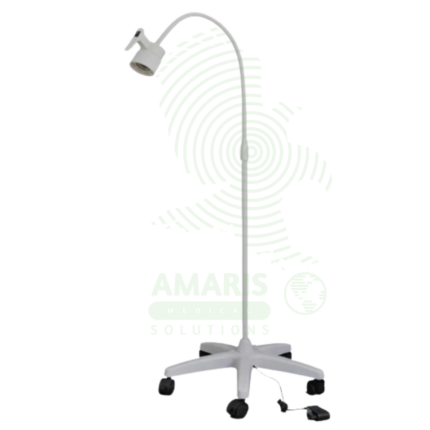
Portable Flexible LED Examination Lamp
A Portable Flexible LED Examination Lamp is a clinical lighting device featuring a high-intensity LED light source mounted on a flexible gooseneck arm. The LED provides bright, cool illumination with high color rendering index (CRI) for accurate tissue color discrimination during physical examinations, minor procedures, and wound assessment. The flexible gooseneck allows precise positioning to eliminate shadows and direct light into body cavities. Available in corded and battery-powered configurations, it is used in examination rooms, procedure rooms, emergency departments, and home healthcare settings. LED technology offers long bulb life, minimal heat output, and energy efficiency.
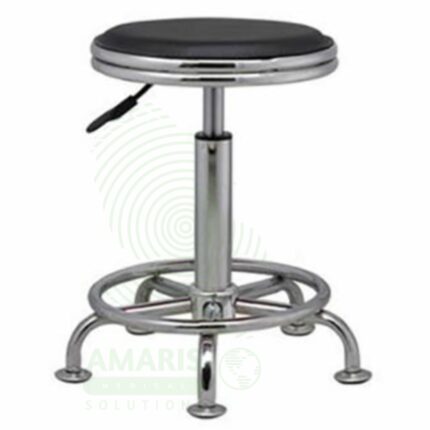
Revolving Stool
A Revolving Stool is a height-adjustable, rotating seat on a stable multi-leg base, designed for dynamic clinical and laboratory work environments. It provides healthcare professionals with stable, ergonomic seating that allows for effortless 360-degree rotation and small positional adjustments without standing. This is essential for procedures requiring precision and frequent changes in reach, such as dentistry, minor surgery, microscopy, and laboratory analysis. Its key features include smooth rotation, easy height adjustment, and a stable, often mobile, base to support prolonged, task-focused work while promoting proper posture and reducing fatigue.