Dermatoscope and Magnifiers
 Diagnostic Kits
 Vital Signs Monitors
 Stethoscopes and Accessories
 Otoscopes, Ophthalmoscopes, and Retinoscopes
 Reflex Hammers and Neurological Tools
 Scales and Measuring Devices
 Spirometers and Pulmonary Function Tests
 Electrosurgical Units and Accessories
 Cutting Instruments
 Grasping and Holding Instruments
 Hemostatic Instruments
 Specialized Surgical Sets
 Single-Use Procedure Trays and Packs
 Surgical Drapes, Gowns, and Covers
 Tissue Unifying Instruments
 Radiation Protection
 X-Ray Machines and Accessories
 Ultrasound Systems and Probes
 MRI and CT Scanners
 Radiology Consumables
 Bone Densitometers
 Fluoroscopy Equipment
 Imaging Tables and Positioning Aids
 Microscopes and Accessories
 Centrifuges and Separators
 Analyzers
 Incubators and Ovens
 Pipettes, Dispensers, and Lab Glassware
 Refrigerators, Freezers, and Storage Units
 Lab Consumables
 Sterilizers and Autoclaves for Lab Use
 Multi-Parameter Monitors
 Ventilators and Respiratory Support Devices
 Defibrillators and AEDs
 Infusion Pumps and IV Systems
 Patient Warmers and Cooling Devices
 Central Monitoring Stations
 Accessories
 Anesthesia Machines and Workstations
 Oxygen Concentrators and Delivery Systems
 Nebulizers and Inhalers
 CPAP/BiPAP Machines
 Airway Management
 Anesthesia Masks, Circuits, and Bags
 Humidifiers and Heaters
 Respiratory Therapy Accessories
 First Aid Kits and Cabinets
 Emergency Resuscitation Equipment
 Trauma Supplies
 Emergency Carts and Crash Carts
 Burn Care Products
 Bleeding Control
 Automated External Defibrillators (AEDs)
 Transport and Evacuation
 Wheelchairs and Accessories
 Walkers, Crutches, and Canes
 Prosthetics and Orthotics
 Physical Therapy Equipment
 Transfer Devices
 Bathroom Safety
 Orthopedic Traction and Tables
 Hot/Cold Therapy Packs and Units
 Beds and Mattresses
 Chairs and Stools
 Tables
 Cabinets and Storage
 Privacy Screens & Curtains
 Stands and Racks
 Linens and Textiles
 Lighting
 Autoclaves and Sterilizers
 Ultrasonic Cleaners
 Disinfectant Solutions and Wipes
 Sterilization Pouches, Wraps, and Indicators
 Instrument Trays and Containers
 UV and Ozone Disinfection Devices
 Washer Disinfectors
 Wound Care
 Gloves
 Masks and Respirators
 Catheters and Tubing
 Swabs, Applicators, and Sponges
 Incontinence Products
 Personal Protective Equipment (PPE)
 Dental Chairs and Units
 Handpieces and Burs
 Instruments
 Consumables
 Sterilization for Dental Use
 Orthodontic Supplies
 Endodontic Tools
 Slit Lamps and Tonometers
 Lensometers and Phoropters
 Ophthalmic Surgical Instruments
 Eyewear Frames and Lenses
 Contact Lens Supplies
 Vision Testing Charts and Devices
 Eye Care Consumables
 Laser Systems for Eye Care
 ENT Exam Chairs and Tables
 Endoscopes
 Audiometers and Hearing Tests
 ENT Instruments
 Nasal and Throat Packs
 Hearing Aids and Accessories
 Otology Supplies
 Fetal Dopplers and Monitors
 Delivery Beds and Tables
 Gynecological Instruments
 Neonatal Incubators and Warmers
 Breast Pumps and Accessories
 Contraceptive Devices
 Maternity Supports and Pads
 Neonatal Consumables
 Cystoscopes and Urethroscopes
 Dialysis Machines and Supplies
 Urological Catheters and Bags
 Lithotripters
 Prostate Treatment Devices
 Urinary Incontinence Products
 Kidney Stone Management Tools
 Consumables & Disposables
 EEG and EMG Machines
 Neurosurgical Instruments
 Nerve Stimulators
 Headrests and Positioning Aids
 Lumbar Puncture Kits
 Seizure Monitoring Devices
 Consumables
 Rehabilitation for Neurological Conditions
 ECG Machines and Accessories
 Holter Monitors
 Stress Test Systems
 Pacemakers and Defibrillator Accessories
 Vascular Access Devices
 Cardiac Catheters and Guidewires
 Blood Flow Meters
 Consumables
 Orthopedic Instruments
 Casts, Splints, and Padding
 Joint Replacement Supplies
 Prosthetic Limbs and Components
 Bone Grafts and Substitutes
 Traction Devices
 Orthopedic Braces and Supports
 Rehabilitation Aids for Orthopedics
 Home Oxygen Therapy
 Hospital Beds for Home Use
 Mobility Aids
 Bathroom and Daily Living Aids
 Wound Care for Home
 Monitoring Devices
 Enteral Feeding Pumps and Tubes
 Hand Sanitizers and Dispensers
 Face Shields and Goggles
 Isolation Gowns and Suits
 Biohazard Waste Containers
 Air Purifiers and HEPA Filters
 Surface Disinfectants
 Sharps Containers
 Protective Barriers
 Cardiovascular & Endurance Training
 Strength Training & Weightlifting
 Functional Training & Core Conditioning
 Physical Therapy & Rehabilitation
 Sports & Outdoor Recreation
 Gym Flooring & Facility Equipment
 Fitness Monitoring & Accessories
 Kids & Novelties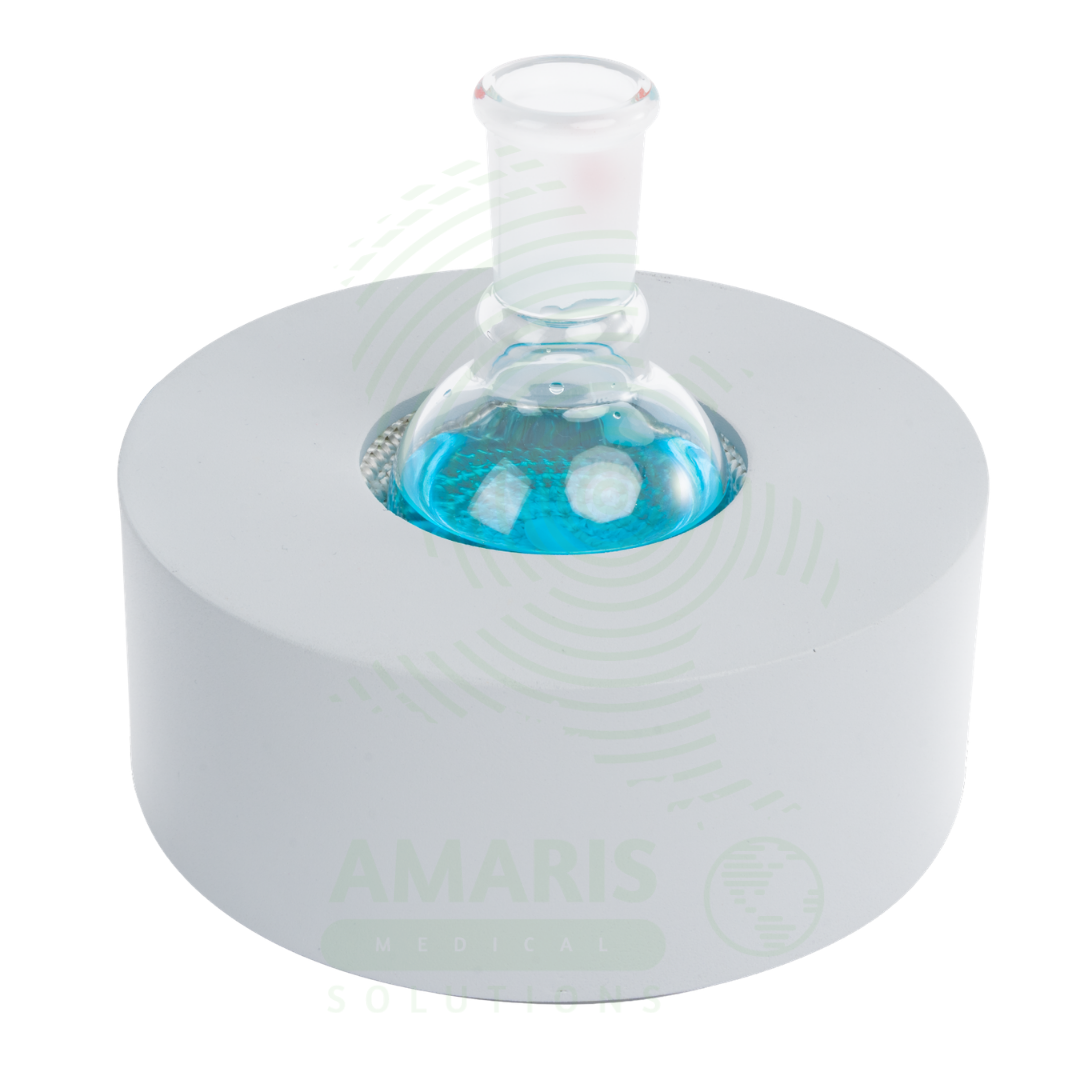

Heating Mantle for 100mL Round‑bottom Flask (HF100)
WhatsApp Order
The Heating Mantle for 100mL Round‑bottom Flask (HF100) is a dedicated, form‑fitting electric heating mantle engineered for safe, uniform, and efficient heating of 100 mL round‑bottom flasks in pharmaceutical research, chemical synthesis, analytical chemistry, and educational laboratories. With a precision‑machined inner diameter of 72.75 mm for optimal thermal contact, this heating mantle provides a maximum temperature of 450 °C and power consumption of 80–100 W, making it ideal for distillation, reflux, solvent evaporation, and general laboratory heating applications.
Heating Mantle for 100mL Round‑bottom Flask (HF100) features a hand‑knitted, non‑asbestos fiberglass heating chamber embedded with nichrome wire, providing excellent heat exchange and uniform temperature distribution across the flask surface. The ceramic wool insulation ensures superior thermal efficiency, minimizing heat loss and keeping the external housing cool to the touch. The special powder‑coated metal housing offers excellent heat and chemical resistance for long‑term durability.
Key user‑focused features include uniform heat distribution across the flask wall, which prevents localized overheating and ensures reproducible results; fiberglass and ceramic wool insulation that keeps the external housing at a safe temperature; chemical and thermal resistant housing that withstands laboratory spills; and a precisely contoured design that securely holds the flask in place while providing up to 300°C of vertical clearance for observers to easily view the top half of the flask. The hemispherical heating chamber maintains direct contact with the glassware for efficient heat transfer.
For the research scientist, pharmaceutical chemist, and laboratory technician, the Heating Mantle for 100mL Round‑bottom Flask (HF100) delivers the safe, uniform, and efficient heating required for chemical synthesis, distillation, reflux, extraction, and sample digestion. For the patient, reliable and reproducible heating ensures that pharmaceutical research, clinical testing, and educational training are conducted with consistent and accurate thermal conditions, directly supporting effective drug development, reliable diagnostic protocols, and the training of future medical laboratory professionals.
Description
Heating Mantle for 100mL Round‑bottom Flask (HF100)
PRIMARY CLINICAL & DIAGNOSTIC USES
1. Precision Heating for Round‑bottom Flask Applications
Primary Use: Provides a dedicated electric heating mantle designed to accommodate a 100mL round‑bottom flask, featuring a precision‑engineered inner diameter of 72.75 mm to ensure optimal thermal contact and uniform heat distribution, used for controlled heating in laboratory applications such as chemical synthesis, distillation, and pharmaceutical research, with a maximum operating temperature of 450 °C and a power consumption of up to 100 W.
How it helps: For the research scientist and laboratory technician, the Heating Mantle for 100mL Round‑bottom Flask (HF100) contoured design matches the curvature of the flask, providing secure flask placement and maximizing heat efficiency for energy conservation. The durable construction with a special powder‑coated metal housing offers excellent heat and chemical resistance, ensuring long‑term reliability even with repeated use. For the patient undergoing pharmaceutical drug development or clinical research, reliable and uniform heating ensures consistent experimental conditions, leading to reproducible research outcomes that directly support safe and effective medication development.
2. Controlled Digestion and Reflux for Analytical Chemistry
Primary Use: Used for the controlled heating and refluxing of chemical samples in a 100mL round‑bottom flask, ideal for analytical chemistry workflows including sample digestion, organic synthesis, and solvent recovery in clinical research and quality control laboratories.
How it helps: For the analytical chemist, the fiberglass heating element, hand‑knitted with non‑asbestos fiberglass and nichrome wire, provides excellent heat transfer properties and uniform temperature distribution across the flask surface, preventing localized overheating that can degrade samples. The ceramic wool insulation ensures superior thermal efficiency with minimal heat loss, reducing energy consumption. The hemispherical design of the heating chamber maintains direct contact with the glassware for efficient heat transfer while leaving the top half of the flask easily visible during operation. For the patient, accurate sample preparation and consistent heating during analytical testing support reliable results in clinical research and pharmaceutical quality control, contributing to patient safety.
3. Distillation and Solvent Recovery in Pharmaceutical Research
Primary Use: Enables efficient and uniform heating for distillation setups requiring a 100mL round‑bottom flask, commonly used in pharmaceutical research for solvent recovery, purification of reaction products, and isolation of volatile compounds.
How it helps: For the pharmaceutical research scientist, the Heating Mantle for 100mL Round‑bottom Flask (HF100) provides a safe and stable heating solution for distillation workflows. The heating element is completely embedded within the fiberglass housing, which not only prevents sparking in volatile environments but also protects the user from accidental burns. The built‑in thermal insulation (ceramic wool) offers excellent heat retention, keeping the external housing at a safe temperature while consistently heating the flask content. For the patient, the isolation and purification of active pharmaceutical ingredients using reliable heating equipment ensures the purity and safety of final drug products.
4. Heating in Organic Chemistry and General Laboratory Research
Primary Use: Serves as a safe, reliable, and intuitive heating tool for organic chemistry synthesis and general laboratory research, providing uniform heating for reaction vessels, extraction procedures, and other thermal processes in academic and industrial laboratories.
How it helps: For the research scientist, the simple plug‑and‑play operation and robust fiberglass construction make it ideal for daily laboratory use. The outer metal housing is treated with a special powder coating for enhanced durability and chemical resistance, ensuring the unit withstands accidental spills and corrosive environments. The unit is designed to be used with an external voltage regulator or temperature controller for precise heating control. For the patient, reliable heating equipment in research laboratories accelerates the development of new diagnostics and therapeutics, ultimately benefiting patient care.
SECONDARY & SUPPORTIVE USES
1. Boiling point determination for analytical chemistry: Securely heats up to 100 mL of sample to a boil or to a specific sub‑boiling temperature within a round‑bottom flask to accurately determine boiling points of Newtonian and non‑Newtonian fluids while providing an unobstructed view of the fluid.
2. Solvent evaporation and concentration: Gently heats solvents in a 100 mL round‑bottom flask to remove volatile components and concentrate non‑volatile analytes, widely used in environmental analysis, food safety testing, and pharmaceutical formulation development.
3. Extraction procedures in natural product research: Provides uniform heating for Soxhlet extraction and other liquid‑solid extraction techniques using a 100 mL round‑bottom flask, commonly employed in natural product isolation and phytochemical analysis.
4. Reaction monitoring in chemical synthesis: Heats chemical reaction mixtures in a 100 mL round‑bottom flask to specific temperatures for kinetic studies, reaction optimization, and process development in academic research and industrial chemistry.
5. Thermal stability testing of materials and chemicals: Heats small‑volume samples in a 100 mL round‑bottom flask to assess thermal stability, decomposition temperatures, or heat‑induced property changes, with uniform heating and clear observation of the sample for quality control testing.
6. General and educational laboratory heating: Serves as a versatile, user‑friendly heating tool for demonstrating the principles of distillation, reflux, and organic synthesis in university chemistry and biology laboratory courses, with safe fiberglass insulation and intuitive operation for benchtop‑sized experiments.
KEY PRODUCT FEATURES
1. BASIC IDENTIFICATION ATTRIBUTES
-
Device Type: A dedicated electric heating mantle designed specifically for 100 mL round‑bottom flasks.
-
Designation:Heating Mantle for 100mL Round‑bottom Flask (HF100), DLAB HF100, Product No. 18900827.
-
Key Components:
-
Rigid outer metal housing (steel sheet) with special powder‑coated finish for heat and chemical resistance
-
Inner heating chamber consisting of hand‑knitted, non‑asbestos fiberglass embedded with nichrome wire heating element
-
Precision‑machined inner diameter of 72.75 mm, specifically contoured for 100mL round‑bottom flasks
-
High‑efficiency ceramic wool insulation for superior thermal retention and energy conservation
-
Two‑wire power cord with external plug (approximately 1.8 m, 3‑prong plug)
-
Designed for use with external voltage regulator or temperature controller (sold separately)
-
2. TECHNICAL & PERFORMANCE PROPERTIES
-
Capacity: 100 mL round‑bottom flask (standard fitting)
-
Inner diameter heating chamber: 72.75 mm – precision‑matched for optimal thermal contact
-
Maximum temperature: Approximately 450 °C
-
Power consumption: 80–100 W (depending on model and voltage)
-
Rated voltage: 100–120 V or 220–230 V AC, 50/60 Hz (depending on model and region)
-
Power cord length: Approximately 1.8 m with 3‑prong plug
-
Heating element: Hand‑knitted non‑asbestos fiberglass and nichrome wire, providing excellent heat exchange properties
-
Insulation material: Ceramic wool, offering superior thermal insulation
-
Housing material: Cold rolled steel with special powder‑coated painted surface for heat and chemical resistance
-
Heating chamber design: Hemispherical, contoured to match round‑bottom flask curvature for maximum surface contact
-
External dimensions (outer): Approximately Ø200 mm × 170 mm (height)
-
Weight: Approximately 1.3–1.7 kg (depending on model and region)
-
Operating conditions: 5–40 °C, ≤90% relative humidity
-
Controller compatibility: Requires external voltage regulator or temperature controller for precise temperature regulation (not included)
3. PHYSICAL & OPERATIONAL PROPERTIES
-
Construction: Durable steel housing with a special powder‑coated finish that provides excellent heat and chemical resistance, ensuring long‑term reliability in demanding laboratory environments
-
Form factor: Single‑vessel, hemispherical shape contoured to precisely fit 100 mL round‑bottom flasks, allowing the top half of the flask to remain visible during operation for easy observation
-
Heating element: Hand‑knitted design using non‑asbestos fiberglass and nichrome wire, providing excellent heat exchange properties and uniform temperature distribution
-
Thermal insulation: Ceramic wool insulation ensures superior thermal efficiency, minimizing heat loss to the external environment and protecting the user from burns
-
Operation: Simple plug‑and‑play operation when connected to an external controller; designed for continuous operation
-
Placement: Designed to sit directly on a laboratory benchtop or fireproof mat; base remains cool to touch if properly ventilated
-
Portability: Compact benchtop heater (approximately 200 mm diameter, 170 mm height) weighing 1.3–1.7 kg, easily movable between workstations
-
Maintenance: Virtually maintenance‑free; if fiberglass chamber becomes contaminated, the whole unit may need replacement
-
Compliance: CE marked; complies with applicable laboratory safety standards
4. SAFETY & COMPLIANCE ATTRIBUTES
-
Regulatory Status: General laboratory equipment for in vitro diagnostic (IVD) use; CE marked
-
Burn Hazard Prevention: Thick outer layer of ceramic wool insulation keeps external housing temperature at a safe level for a 450 °C‑rated heater; the special powder‑coated metal housing provides additional thermal protection
-
Electrical Safety: Heating element completely embedded inside fiberglass chamber with no exposed metal inside the heating cavity; design resists arcing and electrochemical contamination in volatile environments
-
Chemical Spill Resistance: Fiberglass heating chamber is chemically resistant and will absorb small chemical spills without short‑circuiting the heating element; the powder‑coated metal housing also resists chemical damage
-
Sample Containment: The heating mantle itself securely holds the flask in place; the hemispherical design helps contain the glassware and safely contains the flask in the event of a glass crack or chemical spill
-
Over‑Temperature Protection: Not built into the base unit; requires an external voltage regulator or temperature controller for over‑temperature protection; always use with appropriate controller to prevent overheating
-
Thermal Efficiency: 360° fiberglass wrap with ceramic wool insulation provides far more efficient heating than an exposed hot plate, greatly reducing the total wattage needed to bring 100 mL of liquid to a boil
5. STORAGE & HANDLING ATTRIBUTES
-
Storage: Store in a clean, dry, dust‑free environment at room temperature when not in use. Do not leave any glassware inside the heating mantle during storage.
-
Cleaning: Unplug the unit and allow it to cool completely before cleaning. Wipe the metal housing with a soft, slightly damp cloth using mild detergent. Do not immerse the unit in liquid. If the inner fiberglass chamber becomes contaminated, do not attempt to clean it; the whole unit may need replacement.
-
Pre‑use inspection: Before each use, inspect the power cord, plug, and fiberglass chamber for any damage or contamination. Ensure the fiberglass is intact and free of chemical residues.
-
Installation: Place the HF100 on a stable, level, non‑flammable benchtop away from flammable materials, volatile solvents, combustible gases, or paper products. Allow at least 10 cm clearance on all sides for heat dissipation. Do not use near water baths or sinks.
-
Flask selection: Use only standard 100 mL round‑bottom flasks (borosilicate glass such as Pyrex or Kimax) designed to withstand the operating temperature up to 450 °C. Ensure the flask is dry and free of cracks before inserting into the heating mantle. The 72.75 mm inner diameter is specifically designed for a snug fit.
-
Operation with external controller: Connect the HF100 to an external voltage regulator or temperature controller, then plug the controller into a grounded outlet. Turn on the power and gradually increase the heating intensity to the desired level. Allow the flask to heat slowly to prevent thermal shock.
-
Temperature monitoring: For precise temperature control, insert an optional thermocouple or thermistor probe between the flask and the fiberglass chamber or directly into the liquid. Do not allow the probe to contact the heating element directly.
-
Cooling down: After use, turn off the power and allow the heating mantle to cool completely with the flask still inside (or remove the flask carefully using heat‑resistant gloves). Cooling time may take 30–60 minutes depending on operating temperature.
-
Periodic verification: Verify temperature performance periodically using a calibrated external thermometer. If the flask no longer fits snugly or if heating is uneven, replace the unit.
6. LABORATORY & CLINICAL APPLICATIONS
-
Primary Application: Controlled heating of chemical and biological samples in a 100 mL round‑bottom flask for chemical synthesis, distillation, reflux, extraction, and general research in clinical chemistry, pharmaceutical development, analytical chemistry, and educational laboratories.
-
Clinical Role: An essential instrument for pharmaceutical research and development laboratories, clinical research facilities, analytical chemistry departments, organic synthesis labs, and educational institutions. Critical for drug discovery, sample digestion, solvent recovery, reaction optimization, and teaching fundamental chemical techniques.
SAFETY HANDLING PRECAUTIONS
1. SAFETY PRECAUTIONS
-
Burn Hazard: The heating mantle can reach 450 °C and remains hot for an extended period after power is turned off. Do not touch the fiberglass chamber or metal housing during or immediately after use. Use heat‑resistant gloves when inserting or removing flasks. Allow the unit to cool completely before cleaning or storing.
-
Fire Hazard: Do not operate the heating mantle near flammable materials, volatile solvents, combustible gases, or paper products. Keep the work area clear of flammable substances. Do not leave the instrument unattended while operating at high temperatures.
-
Electrical Safety: Do not operate with wet hands. Disconnect the power cord before cleaning or servicing. Use only the supplied grounded power cord and ensure proper grounding. Do not operate if the power cord is damaged.
-
Chemical Compatibility: The fiberglass chamber is chemically resistant but may degrade over time with repeated exposure to strong acids or bases. Use appropriate spill containment. Refer to Safety Data Sheets (SDS) for specific chemicals.
-
Flask Selection: Use only standard 100 mL borosilicate glass round‑bottom flasks rated for the operating temperature. Do not use cracked or damaged flasks. Ensure the flask is properly seated inside the heating mantle (inserted to the full depth for maximum surface contact) before turning on the power.
-
Thermal Shock: Do not place a cold flask directly into a pre‑heated heating mantle, as thermal shock may cause the glass to crack or shatter. Allow the flask and heating mantle to heat up together gradually.
-
Vessel Removal: Always turn off the power and allow the heating mantle to cool before removing the flask. If immediate removal is necessary, use heat‑resistant gloves and flask tongs. Never touch the flask with bare hands.
-
External Controller Requirement: The HF100 must be used with an external voltage regulator or temperature controller. Operating the unit at full power without a controller can cause dangerously high temperatures and damage the heating element or sample.
-
Training Requirement: Only trained laboratory personnel with appropriate technical background should operate the HF100 Heating Mantle for clinical diagnostic or research applications. Users should read and understand the operator‘s manual before first use.
2. FIRST AID MEASURES
-
Burn from Hot Surface: If skin contacts the hot flask, fiberglass chamber, or metal housing, immediately cool the burn area with cool (not cold) running water for at least 15 minutes. Do not apply ice directly. Cover the burn with a sterile, non‑adhesive dressing. Seek medical attention for large area burns, deep burns, or burns causing blistering.
-
Fire: If a fire occurs on or near the heating mantle, immediately turn off the power if safe to do so. Use a class ABC dry chemical fire extinguisher or carbon dioxide (CO₂) extinguisher. Do not use water on electrical fires. Evacuate the area if the fire cannot be immediately controlled.
-
Chemical Splash to Eyes: If a heated chemical sample splashes into the eyes, immediately flush eyes with copious amounts of cool water or sterile saline for at least 15 minutes. Seek immediate medical attention.
-
Chemical Splash to Skin: Remove contaminated clothing immediately. Flush the affected skin area with cool running water for at least 15 minutes. Seek medical evaluation for chemical burns. Refer to the Safety Data Sheet (SDS) for the specific chemical involved.
-
Inhalation of Fumes: If fumes from heated chemicals are inhaled, move the affected person to fresh air immediately. Seek immediate medical attention if breathing is difficult.
-
Electrical Shock: Disconnect power at the circuit breaker before attempting to assist the victim. Do not touch the victim until power is disconnected. Call emergency medical services immediately.
3. FIRE FIGHTING MEASURES
-
Flammability: The fiberglass chamber is non‑flammable, but the outer metal housing, power cord, and internal wiring are combustible. The primary fire hazard is the flammable chemicals being heated.
-
Extinguishing Media: Use carbon dioxide (CO₂), dry chemical (ABC class), or alcohol‑resistant foam extinguishers for fires involving electrical components or nearby flammable materials. Do not use water on electrical fires.
-
Fire Response: Immediately disconnect power to the instrument if safe to do so. Evacuate the immediate area. Use an appropriate fire extinguisher for small, contained fires. For larger fires, evacuate the laboratory and call emergency services.
-
Special Protective Equipment for Firefighters: Firefighters should wear self‑contained breathing apparatus (SCBA) and full structural firefighting gear when fighting fires in laboratory settings, as combustion products may include toxic fumes from burning plastics and chemicals.
Related products
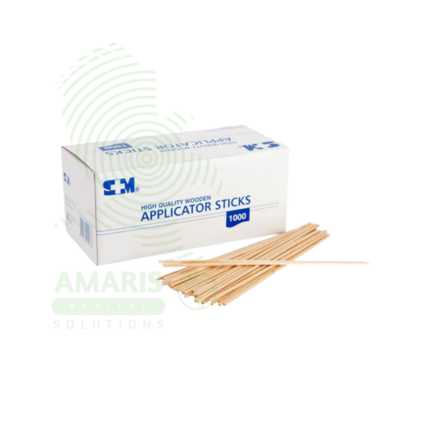
Applicator Sticks
Applicator Sticks are single-use medical devices with absorbent tips (cotton, rayon, flocked polyester) on wood, plastic, or paper shafts for collecting clinical specimens (throat, nasal, wound, cervical, urethral, rectal) for microbiological culture, rapid testing, and molecular diagnostics. Sterile individually wrapped or non-sterile bulk formats. Flocked swabs provide >90% specimen release for PCR testing. Primary applications include specimen collection for infection diagnosis, wound care and antiseptic application, gynecological sampling (Pap smears, STI testing), eye/ear specimen collection, laboratory slide preparation, and forensic evidence collection. Critical precautions include single-use only, sterile technique, proper collection method, and biohazard disposal. Essential consumable in all clinical settings.
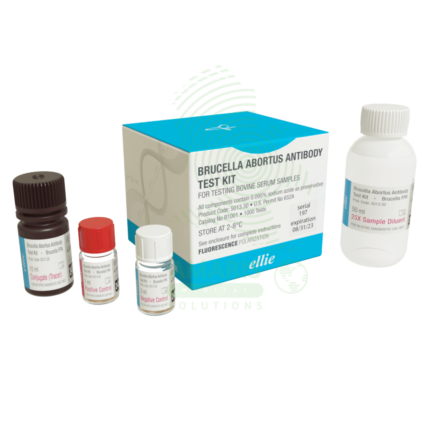
Brucella Set
A Brucella Set is a comprehensive serological test system (Class II medical device, CE-marked/FDA-cleared) for qualitative and quantitative detection of antibodies against Brucella species (B. abortus, B. melitensis, B. suis, B. canis) using multiple methodologies including tube agglutination, slide agglutination, and 2-mercaptoethanol (2-ME) testing. The set includes killed, stained Brucella antigens, positive and negative controls, dilution tubes, reaction cards, and 2-ME reagent for IgM/IgG differentiation. Diagnostic titer ≥1:160 or fourfold rise confirms brucellosis. Primary clinical applications include diagnosis of brucellosis in endemic regions (undulant fever, night sweats, arthralgia), fever of unknown origin investigation, occupational health screening in high-risk workers (veterinarians, farmers, slaughterhouse workers), diagnosis of focal complications (sacroiliitis, spondylitis, meningitis, endocarditis), treatment monitoring (fourfold decline indicates response), outbreak investigation, and public health surveillance. Critical safety precautions include handling all samples in biosafety cabinet (Brucella is highly infectious via aerosol), 2-ME reagent toxicity (use fume hood), awareness of prozone phenomenon (serial dilutions essential), cross-reactions with other Gram-negative bacteria, and mandatory reporting to public health authorities. Essential test for brucellosis diagnosis in endemic regions and occupational health settings.
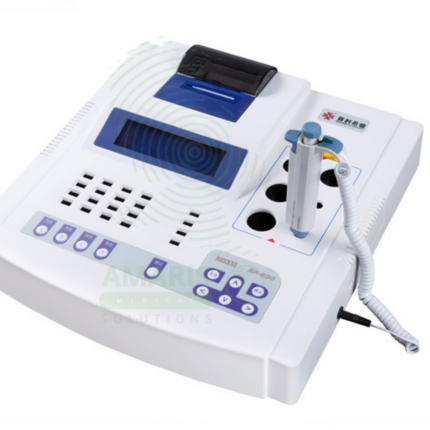
Coagulation Analyzer
A Coagulation Analyzer is a compact, automated instrument designed for performing essential tests that evaluate the blood's clotting ability. It accurately measures key parameters such as Prothrombin Time (PT/INR), Activated Partial Thromboplastin Time (aPTT), Thrombin Time, and Fibrinogen, which are critical for monitoring anticoagulant therapy (warfarin, heparin), diagnosing bleeding disorders, and assessing surgical risk. With its photometric detection and user-friendly operation, it delivers reliable results for small to medium-volume laboratories, clinics, and hospital wards. Its role in ensuring safe and effective patient management in thrombosis and hemostasis makes it a vital tool in clinical diagnostics.
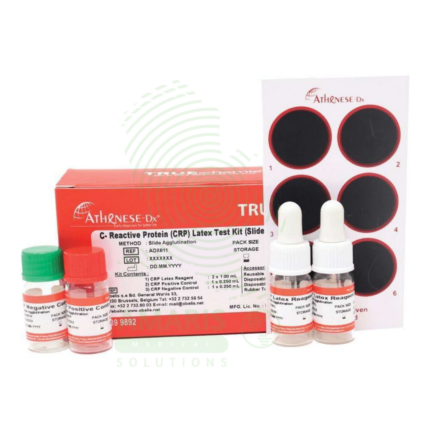
CRP Test Kit
CRP Test Kit (C-Reactive Protein) is a quantitative or semi-quantitative immunoassay (latex agglutination, turbidimetry, nephelometry, ELISA, or rapid immunochromatographic) for detecting C-reactive protein in blood, an acute-phase reactant produced in response to inflammation. Rapid rise within 6-12 hours, peaks at 24-48 hours, half-life 19 hours. Normal <5-10 mg/L; mild elevation 10-100 mg/L (viral infections, autoimmune flares); moderate 100-200 mg/L (bacterial infections); marked >200 mg/L (sepsis, major trauma). High-sensitivity CRP (hs-CRP) detects 0.1-10 mg/L for cardiovascular risk stratification (<1 mg/L low risk, 1-3 mg/L moderate, >3 mg/L high). Primary clinical applications include detection and monitoring of inflammation, diagnosis and management of infections (differentiating bacterial from viral), assessment of autoimmune disease activity, post-surgical monitoring for complications, cardiovascular risk screening (hs-CRP), monitoring rheumatic fever and inflammatory conditions, and neonatal sepsis evaluation. Critical safety precautions include proper sample handling (universal precautions), quality control verification, awareness of non-specific elevation, prozone phenomenon in very high concentrations, and clinical correlation for interpretation. Essential test for evaluating inflammation across all medical specialties.
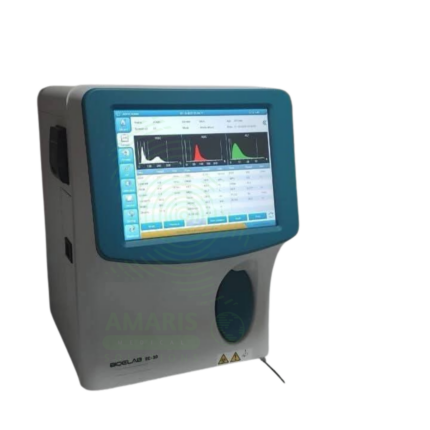
Hematology Analyzer
A Hematology Analyzer is a compact, automated benchtop analyzer designed to perform Complete Blood Counts (CBC) with a 3-part white blood cell differential. Utilizing impedance and photometric methods, it delivers rapid, precise results for red blood cells, white blood cells, platelets, and key indices from a small blood sample. Ideal for physician offices, small clinics, and satellite laboratories, it enables in-house hematology testing with walk-away operation. Its automated flagging system highlights abnormal results that require further manual smear review. As a core instrument for initial hematological screening, it combines efficiency with essential diagnostic capability for routine patient management.
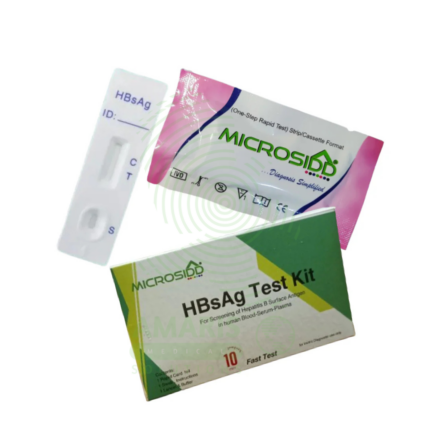
Hepatitis B Test Kit
The Hepatitis B Test Kit is an in vitro diagnostic device for the detection of Hepatitis B virus markers in human blood samples, available in rapid, ELISA, and molecular formats. It detects specific antigens (HBsAg) and antibodies (anti-HBc, anti-HBs) to diagnose acute and chronic infection, monitor treatment response, screen blood donations, and determine immunity status. With high sensitivity (>98%) and specificity (>99%), it provides results in 15 minutes to 4 hours depending on format. Essential applications include prenatal screening to prevent mother-to-child transmission, evaluation of acute hepatitis, pre-immunosuppression screening, and occupational health testing. All patient samples must be handled with universal precautions, and testing must include appropriate quality controls.
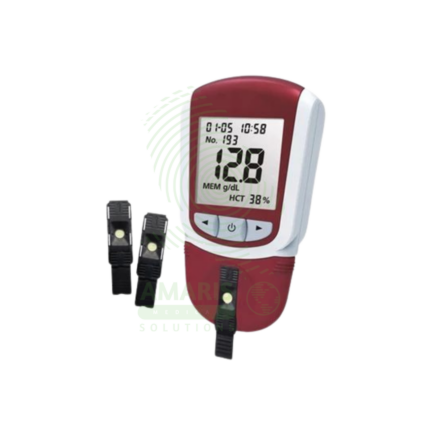
Mission Plus HB Machine
The Mission Plus HB Machine is a portable, battery-operated hemoglobin meter (Class II medical device, FDA-cleared/CE-marked) using photometric technology to measure hemoglobin concentration in capillary or venous blood within 5-15 seconds. Features include backlit LCD display, memory storage for 100-500 results, simple one-button operation, and disposable single-use cuvettes (5-20 µL sample volume). Accuracy ±0.3 g/dL compared to reference methods, measurement range 4-24 g/dL. Primary clinical applications include rapid anemia screening in outpatient clinics, preoperative assessment, antenatal care and maternal health monitoring, malaria-endemic region screening, chronic disease management (CKD, IBD, cancer), nutritional assessment and intervention programs, and blood donor screening. Critical safety precautions include single-use lancets, proper hand hygiene, correct sample application, quality control with control solutions, proper cuvette storage (protect from heat, light, humidity), and never using expired cuvettes. Essential point-of-care device for hemoglobin testing in diverse healthcare settings.