Dermatoscope and Magnifiers
 Diagnostic Kits
 Vital Signs Monitors
 Stethoscopes and Accessories
 Otoscopes, Ophthalmoscopes, and Retinoscopes
 Reflex Hammers and Neurological Tools
 Scales and Measuring Devices
 Spirometers and Pulmonary Function Tests
 Electrosurgical Units and Accessories
 Cutting Instruments
 Grasping and Holding Instruments
 Hemostatic Instruments
 Specialized Surgical Sets
 Single-Use Procedure Trays and Packs
 Surgical Drapes, Gowns, and Covers
 Tissue Unifying Instruments
 Radiation Protection
 X-Ray Machines and Accessories
 Ultrasound Systems and Probes
 MRI and CT Scanners
 Radiology Consumables
 Bone Densitometers
 Fluoroscopy Equipment
 Imaging Tables and Positioning Aids
 Microscopes and Accessories
 Centrifuges and Separators
 Analyzers
 Incubators and Ovens
 Pipettes, Dispensers, and Lab Glassware
 Refrigerators, Freezers, and Storage Units
 Lab Consumables
 Sterilizers and Autoclaves for Lab Use
 Multi-Parameter Monitors
 Ventilators and Respiratory Support Devices
 Defibrillators and AEDs
 Infusion Pumps and IV Systems
 Patient Warmers and Cooling Devices
 Central Monitoring Stations
 Accessories
 Anesthesia Machines and Workstations
 Oxygen Concentrators and Delivery Systems
 Nebulizers and Inhalers
 CPAP/BiPAP Machines
 Airway Management
 Anesthesia Masks, Circuits, and Bags
 Humidifiers and Heaters
 Respiratory Therapy Accessories
 First Aid Kits and Cabinets
 Emergency Resuscitation Equipment
 Trauma Supplies
 Emergency Carts and Crash Carts
 Burn Care Products
 Bleeding Control
 Automated External Defibrillators (AEDs)
 Transport and Evacuation
 Wheelchairs and Accessories
 Walkers, Crutches, and Canes
 Prosthetics and Orthotics
 Physical Therapy Equipment
 Transfer Devices
 Bathroom Safety
 Orthopedic Traction and Tables
 Hot/Cold Therapy Packs and Units
 Beds and Mattresses
 Chairs and Stools
 Tables
 Cabinets and Storage
 Privacy Screens & Curtains
 Stands and Racks
 Linens and Textiles
 Lighting
 Autoclaves and Sterilizers
 Ultrasonic Cleaners
 Disinfectant Solutions and Wipes
 Sterilization Pouches, Wraps, and Indicators
 Instrument Trays and Containers
 UV and Ozone Disinfection Devices
 Washer Disinfectors
 Wound Care
 Gloves
 Masks and Respirators
 Catheters and Tubing
 Swabs, Applicators, and Sponges
 Incontinence Products
 Personal Protective Equipment (PPE)
 Dental Chairs and Units
 Handpieces and Burs
 Instruments
 Consumables
 Sterilization for Dental Use
 Orthodontic Supplies
 Endodontic Tools
 Slit Lamps and Tonometers
 Lensometers and Phoropters
 Ophthalmic Surgical Instruments
 Eyewear Frames and Lenses
 Contact Lens Supplies
 Vision Testing Charts and Devices
 Eye Care Consumables
 Laser Systems for Eye Care
 ENT Exam Chairs and Tables
 Endoscopes
 Audiometers and Hearing Tests
 ENT Instruments
 Nasal and Throat Packs
 Hearing Aids and Accessories
 Otology Supplies
 Fetal Dopplers and Monitors
 Delivery Beds and Tables
 Gynecological Instruments
 Neonatal Incubators and Warmers
 Breast Pumps and Accessories
 Contraceptive Devices
 Maternity Supports and Pads
 Neonatal Consumables
 Cystoscopes and Urethroscopes
 Dialysis Machines and Supplies
 Urological Catheters and Bags
 Lithotripters
 Prostate Treatment Devices
 Urinary Incontinence Products
 Kidney Stone Management Tools
 Consumables & Disposables
 EEG and EMG Machines
 Neurosurgical Instruments
 Nerve Stimulators
 Headrests and Positioning Aids
 Lumbar Puncture Kits
 Seizure Monitoring Devices
 Consumables
 Rehabilitation for Neurological Conditions
 ECG Machines and Accessories
 Holter Monitors
 Stress Test Systems
 Pacemakers and Defibrillator Accessories
 Vascular Access Devices
 Cardiac Catheters and Guidewires
 Blood Flow Meters
 Consumables
 Orthopedic Instruments
 Casts, Splints, and Padding
 Joint Replacement Supplies
 Prosthetic Limbs and Components
 Bone Grafts and Substitutes
 Traction Devices
 Orthopedic Braces and Supports
 Rehabilitation Aids for Orthopedics
 Home Oxygen Therapy
 Hospital Beds for Home Use
 Mobility Aids
 Bathroom and Daily Living Aids
 Wound Care for Home
 Monitoring Devices
 Enteral Feeding Pumps and Tubes
 Hand Sanitizers and Dispensers
 Face Shields and Goggles
 Isolation Gowns and Suits
 Biohazard Waste Containers
 Air Purifiers and HEPA Filters
 Surface Disinfectants
 Sharps Containers
 Protective Barriers
 Cardiovascular & Endurance Training
 Strength Training & Weightlifting
 Functional Training & Core Conditioning
 Physical Therapy & Rehabilitation
 Sports & Outdoor Recreation
 Gym Flooring & Facility Equipment
 Fitness Monitoring & Accessories
 Kids & Novelties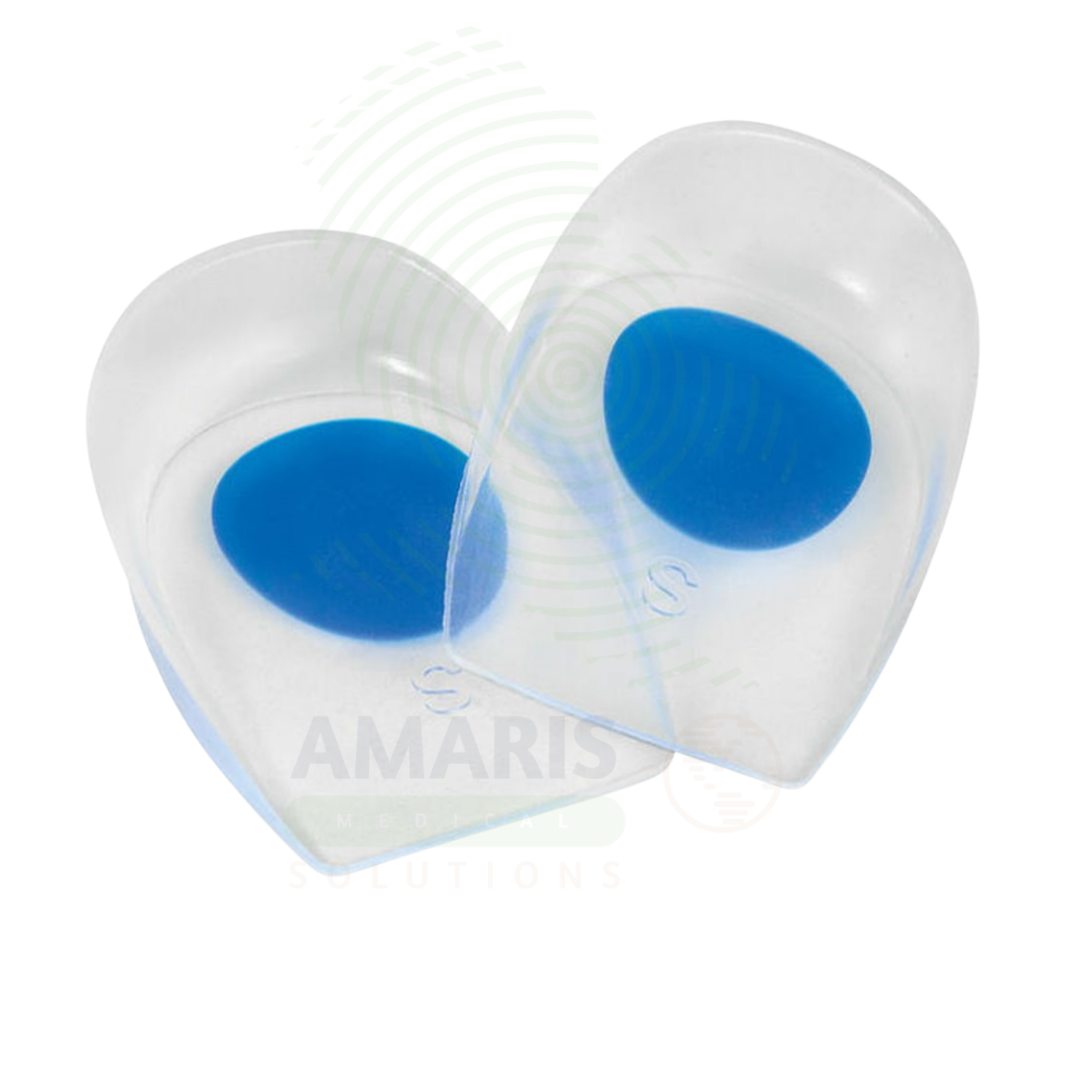

Heel Pads
$1.00
WhatsApp Order
Heel Pads are cushioning devices made from medical-grade foam, silicone gel, or thermoplastic gel designed to offload, cushion, and protect the heel in patients at risk of pressure ulcers, with diabetic foot disease, or suffering from heel pain syndromes. Available in various configurations including full heel cups for circumferential protection, donut-shaped pads for central offloading of heel spurs, and flat pads for shock absorption, these devices redistribute pressure away from the calcaneus, absorb impact forces during heel strike, and reduce shear and friction on fragile skin. For the wound care nurse and podiatrist, heel pads are essential tools for pressure ulcer prevention protocols, diabetic foot ulcer offloading, and conservative heel pain management. For the bedridden patient, heel pads prevent painful pressure ulcers that lead to infection and prolonged hospitalization. For the ambulatory patient with plantar fasciitis, heel fat pad atrophy, or heel spurs, heel pads provide immediate pain relief, allowing comfortable walking and return to daily activities.
Description
Heel Pads
PRIMARY CLINICAL & DIAGNOSTIC USES
1. Pressure Redistribution for Heel Pressure Ulcer Prevention
-
Primary Use: Provides a cushioning pad made from foam, gel, or silicone that is placed under or around the heel to redistribute pressure and reduce the risk of pressure ulcers (bedsores) in immobile or bedridden patients.
-
How it helps: For the wound care nurse and critical care clinician, heel pads elevate and offload the heel, reducing prolonged pressure on the calcaneus—a common site for pressure ulcers that can lead to deep tissue injury, infection, and prolonged hospitalization. For the patient who is bedridden, paralyzed, or sedated, heel pads protect the heel from pressure damage, preventing painful ulcers that significantly reduce quality of life and increase mortality risk.
2. Heel Offloading for Diabetic Foot Ulcer Management
-
Primary Use: Used as part of total contact casting or offloading protocols to redistribute pressure away from the heel in patients with diabetic heel ulcers, reducing mechanical stress and promoting wound healing.
-
How it helps: For the podiatrist and wound care specialist, specialized heel pads (often used within total contact casts or removable walkers) reduce peak plantar pressures at the heel—creating an environment where diabetic heel ulcers can heal while protecting surrounding tissue from further breakdown. For the diabetic patient with peripheral neuropathy and a heel ulcer, proper offloading prevents ulcer deterioration, reduces amputation risk, and supports limb preservation.
3. Cushioning and Shock Absorption for Heel Pain
-
Primary Use: Provides shock-absorbing cushioning (gel, silicone, or foam) that dissipates impact forces during heel strike, reducing pain from heel fat pad atrophy, plantar fasciitis, or heel contusions.
-
How it helps: For the orthopedic surgeon and sports medicine clinician, heel pads restore natural cushioning to the heel—absorbing up to significant percentages of impact force and reducing repetitive stress on the calcaneus and plantar fascia. For the patient suffering from heel pain due to fat pad atrophy (common in elderly), plantar fasciitis, or running-related injuries, heel pads provide immediate pain relief, allowing them to walk comfortably and return to daily activities.
4. Correction of Leg Length Discrepancy
-
Primary Use: Stacked or graduated heel pads placed inside or under the shoe to correct small leg length discrepancies, improving gait symmetry and reducing compensatory back, hip, and knee pain.
-
How it helps: For the orthopedic surgeon and physical therapist, heel lifts (a specific type of heel pad) elevate the shorter limb to balance pelvic tilt—reducing abnormal stress on the lumbar spine, sacroiliac joints, and lower extremity joints. For the patient with leg length discrepancy from congenital conditions, trauma, or joint replacement, heel pads improve walking efficiency, reduce pain, and prevent long-term degenerative changes.
SECONDARY & SUPPORTIVE USES
1. Management of Heel Spur Syndrome: Cushioned heel pads with a donut-shaped cutout relieve direct pressure on the heel spur, reducing pain during standing and walking.
2. Treatment of Sever’s Disease (Calcaneal Apophysitis): Used in pediatric patients with heel plate inflammation to reduce impact forces during sports activities.
3. Post-Operative Heel Protection: Used after calcaneal fracture surgery, Achilles tendon repair, or hindfoot fusion to protect the surgical site from pressure.
4. Management of Heel Fissures and Calluses: Silicone heel pads moisturize and soften dry, cracked heels, reducing pain and preventing infection in patients with heel fissures.
5. Sports Injury Prevention: Shock-absorbing heel pads used by runners and athletes to prevent heel contusions, stress fractures, and plantar fasciitis.
6. Occupational Heel Protection: Used by workers who stand on hard concrete or metal surfaces for prolonged periods to reduce heel pain and fatigue.
7. Geriatric Heel Protection: Used in elderly patients with thinning heel fat pads to restore natural cushioning and reduce walking-related pain.
8. Achilles Tendinopathy Management: Heel pads with built-in lift reduce tension on the Achilles tendon by elevating the heel slightly.
9. Posterior Heel Bursitis (Haglund’s Deformity): Donut-shaped or U-shaped heel pads relieve pressure on the retrocalcaneal bursa.
10. Diabetic Foot Protection: Pressure-redistributing heel pads used preventively in diabetic patients to reduce ulceration risk.
11. Rheumatoid Arthritis Management: Soft gel heel pads reduce impact-related pain in patients with rheumatoid arthritis affecting the hindfoot.
12. Neurological Patients (Foot Drop): Heel pads used in ankle-foot orthoses to provide cushioning and prevent skin breakdown.
KEY PRODUCT FEATURES
1. BASIC IDENTIFICATION ATTRIBUTES
-
Device Type: A cushioning pad made from foam, gel, silicone, or air-filled chambers designed to offload, cushion, and protect the heel in patients with pressure ulcers, diabetic foot disease, or heel pain.
-
Designation: Heel Pads, Heel Protectors, Heel Cushions, Pressure Relief Heel Pads, Heel Offloading Pads, Silicone Heel Pads, Gel Heel Pads, Foam Heel Pads, Donut Heel Pads, Heel Lifts.
-
Key Components:
o Cushioning Material: Medical-grade foam (polyurethane), silicone gel, thermoplastic gel, or air cell technology.
o Cover: Breathable fabric, non-adherent layer, or moisture-wicking textile.
o Adhesive: Self-adhesive backing for securing to skin or shoe (select models).
o Shape: Full heel cup, donut-shaped (central cutout), U-shaped, or flat pad.
o Thickness: Variable thickness from thin to thick depending on indication.
2. TECHNICAL & PERFORMANCE PROPERTIES
-
Material Types: Polyurethane foam (dry or viscoelastic memory foam), silicone gel, thermoplastic elastomer gel, air-filled cushion, or wool/fleece.
-
Pressure Redistribution: Foam pads reduce peak pressures; gel pads provide superior pressure distribution.
-
Shock Absorption: Gel and air-cell designs absorb impact forces during heel strike.
-
Moisture Management: Breathable covers wick moisture away from skin; some foam pads are hydrophobic.
-
Shear Reduction: Low-friction covers reduce shear forces on fragile skin.
-
Adhesion: Self-adhesive pads stick to clean, dry skin; non-adhesive pads placed under or inside footwear.
-
Washability: Some silicone and gel pads are washable and reusable.
-
Latex-Free: Manufactured without natural rubber latex.
-
Sterility: Non-sterile; intended for use on clean, intact skin or over dressings.
3. PHYSICAL & OPERATIONAL PROPERTIES
-
Thickness Range: From thin to thick depending on indication (pressure relief vs. leg length correction).
-
Size Range: Pediatric, adult, and bariatric sizes available.
-
Shape Options: Full heel cup (circumferential), donut (central hole), U-shape (open at front), flat pad.
-
Color: Typically yellow (foam), blue (gel), or transparent (silicone).
-
Packaging: Individually wrapped or bulk packaged; may be sterile or non-sterile.
-
Durability: Foam pads degrade after several weeks; silicone and gel pads last several months with proper care.
4. SAFETY & COMPLIANCE ATTRIBUTES
-
Regulatory Status: Class I medical device when labeled for pressure ulcer prevention or heel pain treatment.
-
FDA Compliance: Compliant with FDA Quality System Regulations for medical device manufacturers.
-
Biocompatibility: Materials tested for skin contact safety; non-cytotoxic, non-irritating, non-sensitizing.
-
Latex-Free: Standard in most medical-grade heel pads.
-
Flame Retardant: Some foam pads meet flame retardancy standards for healthcare facilities.
5. STORAGE & HANDLING ATTRIBUTES
-
Storage: Store in a clean, dry location at room temperature; protect from heat, moisture, and direct sunlight.
-
Shelf Life: Foam pads: typically several years from date of manufacture; gel pads: longer shelf life.
-
Cleaning (Reusable): Wash with mild soap and water; air dry completely before reuse. Do not machine wash or dry.
-
Cleaning (Disposable): Discard after single use or per facility protocol.
-
Inspection: Inspect for cracks, deformation, or material breakdown before each use; discard if compromised.
-
Single-Use vs. Reusable: Check product labeling; some pads are single-patient use; others are reusable for limited duration.
6. LABORATORY & CLINICAL APPLICATIONS
-
Primary Application: Pressure redistribution for heel pressure ulcer prevention, offloading for diabetic heel ulcers, cushioning for heel pain syndromes, and leg length discrepancy correction.
-
Clinical Role: Essential prevention and treatment device in wound care, long-term care, critical care, orthopedics, podiatry, diabetes care, physical therapy, and home healthcare for heel protection and pain management.
SAFETY HANDLING PRECAUTIONS
1. SAFETY PRECAUTIONS
-
Skin Assessment: Inspect skin before and after each use for redness, breakdown, or moisture damage.
-
Proper Positioning: Ensure heel pad is correctly positioned over the calcaneus; do not bunch or fold.
-
Diabetic Patients: Diabetic patients with peripheral neuropathy should use heel pads under clinician guidance; inspect skin frequently.
-
Wet or Soiled Pads: Do not use wet or soiled pads; moisture increases maceration and infection risk.
-
Secure Placement: Use adhesive pads only on intact, clean, dry skin; non-adhesive pads should be held in place by footwear or positioning devices.
-
Do Not Over-Tighten: When used with splints or orthoses, ensure heel pad does not create excessive pressure elsewhere.
-
Replace When Worn: Replace foam pads when compressed or deformed; gel pads when leaking or cracked.
-
Allergy Screening: Confirm the patient has no allergy to pad materials (foam, gel, silicone, adhesive) before use.
-
Not for Open Wounds: Do not apply directly to open wounds unless the pad is sterile and specifically designed for wound contact.
2. FIRST AID MEASURES
-
Skin Redness or Breakdown: If skin becomes reddened, macerated, or broken, discontinue use, assess skin, and implement appropriate wound care.
-
Allergic Reaction: If signs of allergic reaction (rash, itching, blistering) occur, remove pad, clean skin, and discontinue use of that material.
-
Pad Adhesion to Skin: If adhesive pad sticks excessively, moisten with water or saline before removal to prevent skin tear.
3. FIRE FIGHTING MEASURES
-
Flammability: Foam and gel materials are combustible; may melt or burn if exposed to flame or high heat.
-
Extinguishing Media: Use water, foam, dry chemical, or carbon dioxide for fire involving pad materials.
-
Fire Response: No special fire hazards beyond typical combustible materials.
Related products
Blind Cane
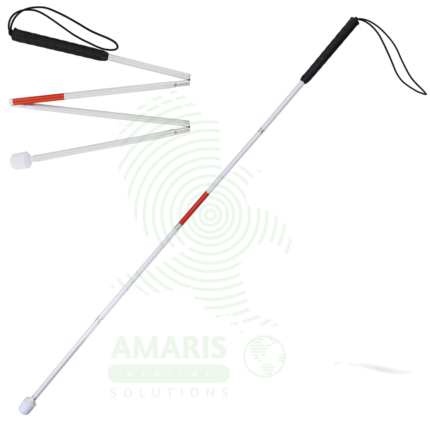
A Blind Cane (white cane) is a specialized, lightweight mobility tool used by individuals who are blind or visually impaired for navigation and environmental awareness. Its core function is tactile and auditory detection of obstacles, drop-offs, and surface changes one step ahead of the user. Key features include a white shaft for visibility, an ergonomic grip, and a replaceable, specialized tip. It is not a walking stick for balance but a sensory probe. Its effective and safe use requires mandatory training in specific techniques from a certified Orientation and Mobility (O&M) specialist.
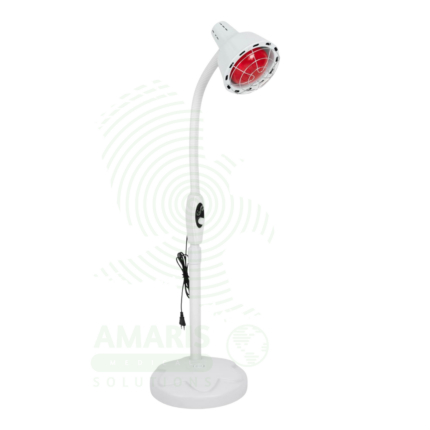
Infrared Therapy Lamp Stand
An Infrared Therapy Lamp Stand is a professional-grade, floor-standing device that emits broad-spectrum infrared radiation to deliver deep-heat therapy to large areas of the body. Designed for clinical use in physical therapy, chiropractic, and pain management clinics, it features adjustable height and tilt panels on a stable, mobile stand for targeted treatment of the back, shoulders, and legs. Its primary uses include pain relief for musculoskeletal conditions, tissue warming for rehabilitation, and promoting muscle relaxation. Safe operation requires strict adherence to contraindications, treatment time/distance guidelines, and continuous patient monitoring to prevent burns or overheating.
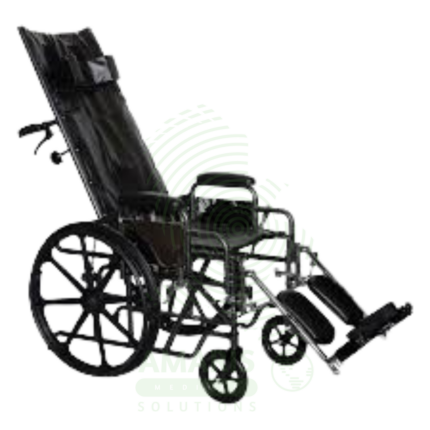
Manual Reclining Wheelchair
A Manual Reclining Wheelchair is a non-powered wheelchair with a backrest that can be manually adjusted to various angles. It is designed for users who need to change their sitting position for pressure relief, circulatory management, respiratory support, or comfort but do not require powered mobility. Key safety features include a robust locking mechanism, mandatory use of anti-tip levers and a seat belt when reclined, and synchronized elevating leg rests to prevent sliding. It is heavier and less maneuverable than a standard wheelchair but provides essential positioning options for individuals with specific postural and medical needs.
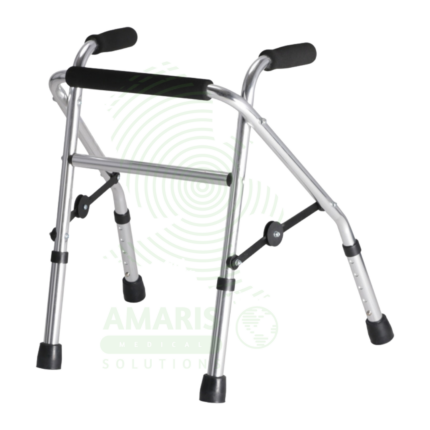
Pediatric Walking Frame
A Pediatric Walking Frame (Gait Trainer) is a supportive wheeled frame specifically designed to facilitate walking and standing for children with physical disabilities such as cerebral palsy. It provides adjustable postural support through a harness, trunk pad, and pelvic guide, enabling safe practice of gait patterns, weight-bearing, and upright mobility. Its primary role is therapeutic, aiming to develop ambulation skills, improve postural control, and promote independence and participation. Correct professional setup and supervision are essential for safety and to ensure it reinforces proper movement rather than abnormal patterns.
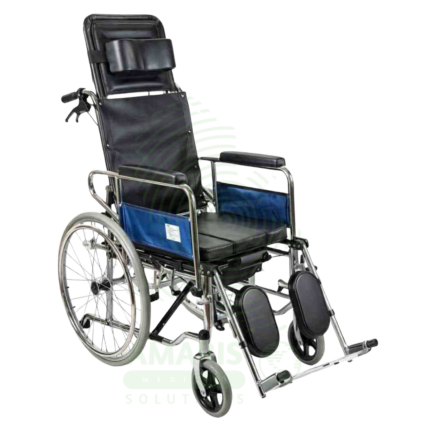
Reclining Commode Wheelchair
A Reclining Commode Wheelchair is a complex manual chair that integrates a reclining backrest with a commode seat. It is designed for patients who require adjustable positioning for pressure relief, respiratory support, or comfort, and who need a built-in toileting solution. It addresses the needs of individuals with severe neurological conditions, spinal injuries, or advanced illnesses. Critical safety features include anti-tip levers, a mandatory seat belt, and a robust recline lock. Its use requires vigilant attention to stability and shear prevention, making it a specialized tool for high-dependency care settings.
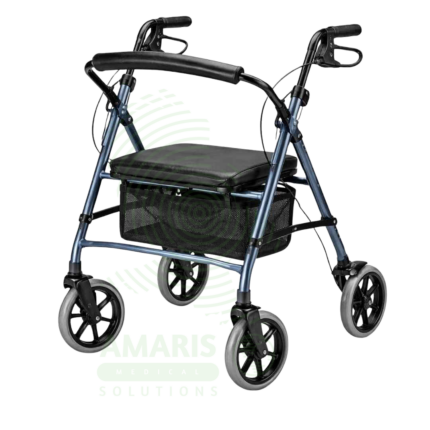
Rollator Walking Aid
A Rollator Walking Aid is a wheeled walking aid with hand brakes, a seat, and a storage basket, designed to provide stability, rest, and carrying capacity for individuals with balance or endurance issues. It allows for continuous, rolling support during walking, making it ideal for both indoor and community mobility. Key safety features include height-adjustable handles, reliable hand brakes for speed control, and a locking function to secure the device when using the seat. It is a fundamental tool for promoting safe, independent ambulation and social participation among the elderly and those with mobility impairments.
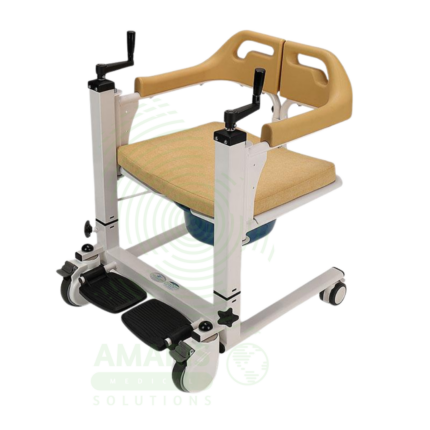
Transfer Chair
A Transfer Chair is a simple, armless mobile chair on four swivel casters designed specifically for safe, lateral seated patient transfers. Its core function is to allow caregivers to move patients who cannot stand between surfaces like beds, wheelchairs, toilets, and cars with minimal lifting, thereby preventing caregiver injuries and patient falls. Key features include a low, armless seat for unobstructed sliding, locking casters for stability, and a compact, maneuverable design. It is a fundamental piece of equipment in any safe patient handling program.