Dermatoscope and Magnifiers
 Diagnostic Kits
 Vital Signs Monitors
 Stethoscopes and Accessories
 Otoscopes, Ophthalmoscopes, and Retinoscopes
 Reflex Hammers and Neurological Tools
 Scales and Measuring Devices
 Spirometers and Pulmonary Function Tests
 Electrosurgical Units and Accessories
 Cutting Instruments
 Grasping and Holding Instruments
 Hemostatic Instruments
 Specialized Surgical Sets
 Single-Use Procedure Trays and Packs
 Surgical Drapes, Gowns, and Covers
 Tissue Unifying Instruments
 Radiation Protection
 X-Ray Machines and Accessories
 Ultrasound Systems and Probes
 MRI and CT Scanners
 Radiology Consumables
 Bone Densitometers
 Fluoroscopy Equipment
 Imaging Tables and Positioning Aids
 Microscopes and Accessories
 Centrifuges and Separators
 Analyzers
 Incubators and Ovens
 Pipettes, Dispensers, and Lab Glassware
 Refrigerators, Freezers, and Storage Units
 Lab Consumables
 Sterilizers and Autoclaves for Lab Use
 Multi-Parameter Monitors
 Ventilators and Respiratory Support Devices
 Defibrillators and AEDs
 Infusion Pumps and IV Systems
 Patient Warmers and Cooling Devices
 Central Monitoring Stations
 Accessories
 Anesthesia Machines and Workstations
 Oxygen Concentrators and Delivery Systems
 Nebulizers and Inhalers
 CPAP/BiPAP Machines
 Airway Management
 Anesthesia Masks, Circuits, and Bags
 Humidifiers and Heaters
 Respiratory Therapy Accessories
 First Aid Kits and Cabinets
 Emergency Resuscitation Equipment
 Trauma Supplies
 Emergency Carts and Crash Carts
 Burn Care Products
 Bleeding Control
 Automated External Defibrillators (AEDs)
 Transport and Evacuation
 Wheelchairs and Accessories
 Walkers, Crutches, and Canes
 Prosthetics and Orthotics
 Physical Therapy Equipment
 Transfer Devices
 Bathroom Safety
 Orthopedic Traction and Tables
 Hot/Cold Therapy Packs and Units
 Beds and Mattresses
 Chairs and Stools
 Tables
 Cabinets and Storage
 Privacy Screens & Curtains
 Stands and Racks
 Linens and Textiles
 Lighting
 Autoclaves and Sterilizers
 Ultrasonic Cleaners
 Disinfectant Solutions and Wipes
 Sterilization Pouches, Wraps, and Indicators
 Instrument Trays and Containers
 UV and Ozone Disinfection Devices
 Washer Disinfectors
 Wound Care
 Gloves
 Masks and Respirators
 Catheters and Tubing
 Swabs, Applicators, and Sponges
 Incontinence Products
 Personal Protective Equipment (PPE)
 Dental Chairs and Units
 Handpieces and Burs
 Instruments
 Consumables
 Sterilization for Dental Use
 Orthodontic Supplies
 Endodontic Tools
 Slit Lamps and Tonometers
 Lensometers and Phoropters
 Ophthalmic Surgical Instruments
 Eyewear Frames and Lenses
 Contact Lens Supplies
 Vision Testing Charts and Devices
 Eye Care Consumables
 Laser Systems for Eye Care
 ENT Exam Chairs and Tables
 Endoscopes
 Audiometers and Hearing Tests
 ENT Instruments
 Nasal and Throat Packs
 Hearing Aids and Accessories
 Otology Supplies
 Fetal Dopplers and Monitors
 Delivery Beds and Tables
 Gynecological Instruments
 Neonatal Incubators and Warmers
 Breast Pumps and Accessories
 Contraceptive Devices
 Maternity Supports and Pads
 Neonatal Consumables
 Cystoscopes and Urethroscopes
 Dialysis Machines and Supplies
 Urological Catheters and Bags
 Lithotripters
 Prostate Treatment Devices
 Urinary Incontinence Products
 Kidney Stone Management Tools
 Consumables & Disposables
 EEG and EMG Machines
 Neurosurgical Instruments
 Nerve Stimulators
 Headrests and Positioning Aids
 Lumbar Puncture Kits
 Seizure Monitoring Devices
 Consumables
 Rehabilitation for Neurological Conditions
 ECG Machines and Accessories
 Holter Monitors
 Stress Test Systems
 Pacemakers and Defibrillator Accessories
 Vascular Access Devices
 Cardiac Catheters and Guidewires
 Blood Flow Meters
 Consumables
 Orthopedic Instruments
 Casts, Splints, and Padding
 Joint Replacement Supplies
 Prosthetic Limbs and Components
 Bone Grafts and Substitutes
 Traction Devices
 Orthopedic Braces and Supports
 Rehabilitation Aids for Orthopedics
 Home Oxygen Therapy
 Hospital Beds for Home Use
 Mobility Aids
 Bathroom and Daily Living Aids
 Wound Care for Home
 Monitoring Devices
 Enteral Feeding Pumps and Tubes
 Hand Sanitizers and Dispensers
 Face Shields and Goggles
 Isolation Gowns and Suits
 Biohazard Waste Containers
 Air Purifiers and HEPA Filters
 Surface Disinfectants
 Sharps Containers
 Protective Barriers
 Cardiovascular & Endurance Training
 Strength Training & Weightlifting
 Functional Training & Core Conditioning
 Physical Therapy & Rehabilitation
 Sports & Outdoor Recreation
 Gym Flooring & Facility Equipment
 Fitness Monitoring & Accessories
 Kids & Novelties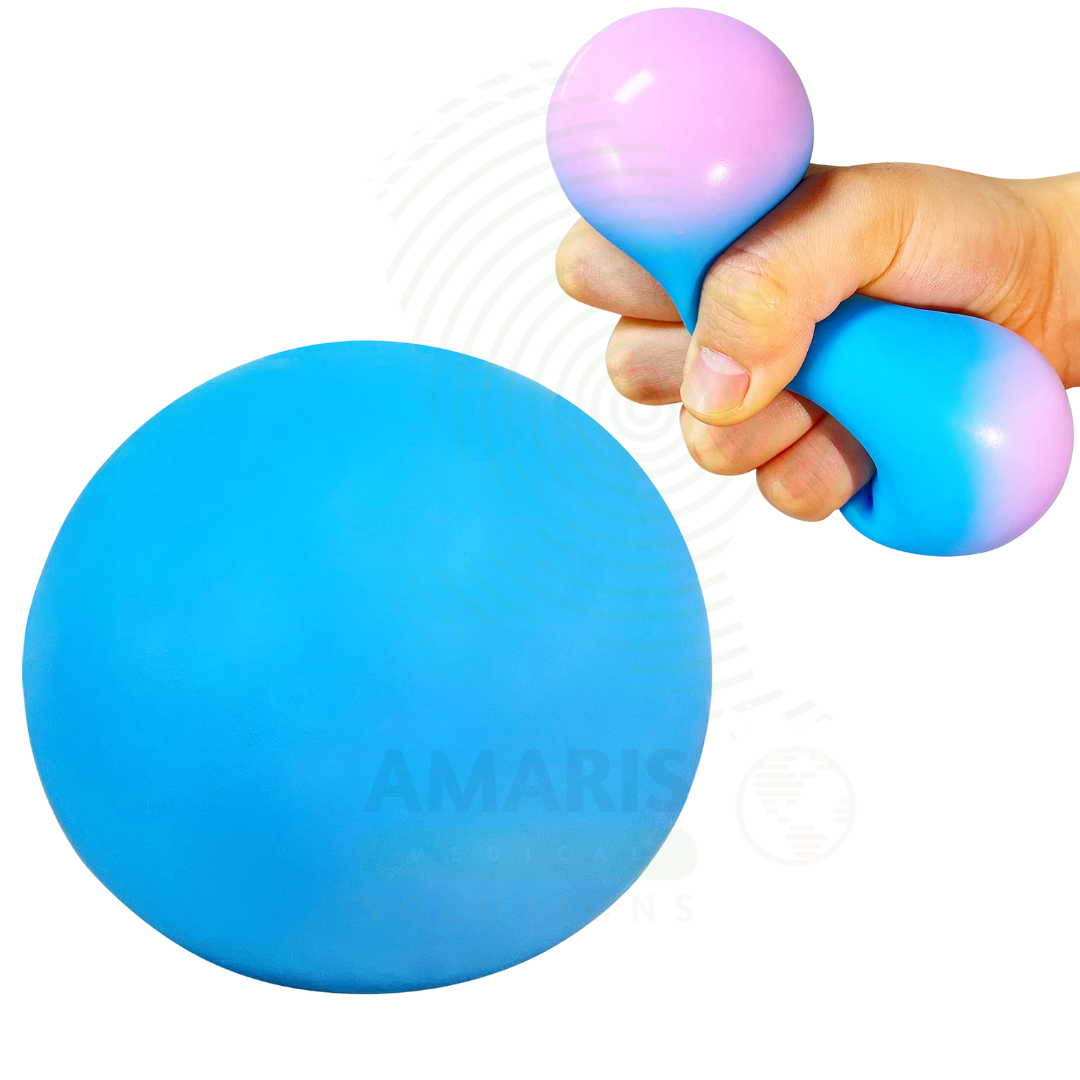
Squeeze Ball
$1.00
WhatsApp Order
A Squeeze Ball is a soft, deformable therapy device designed for repetitive compression to improve hand grip strength, maintain finger range of motion, and provide stress relief in clinical rehabilitation settings. Manufactured from polyurethane foam, memory foam, gel-filled fabric, or rubber, these balls are available in multiple resistance levels from extra soft (pediatric/geriatric) to firm (advanced strengthening) to accommodate patients with varying degrees of hand weakness. The simple squeezing action exercises the intrinsic hand muscles, thenar eminence, and forearm flexors—improving grip strength needed for activities of daily living such as grasping objects, opening jars, and performing self-care tasks. For the occupational therapist and physical therapist, the squeeze ball provides a portable, graded resistance tool for hand rehabilitation following stroke, nerve injury, hand surgery, or prolonged immobilization. For the patient with arthritis, carpal tunnel syndrome, or chemotherapy-induced neuropathy, regular squeeze ball exercises maintain hand function, reduce stiffness, and improve quality of life. For the anxious patient or child undergoing a procedure, the squeeze ball offers a non-pharmacological stress reduction tool that provides tactile distraction and calming sensory input.
Description
Squeeze Ball
PRIMARY CLINICAL & DIAGNOSTIC USES
1. Hand Strengthening for Patients with Grip Weakness
-
Primary Use: Provides a soft, deformable ball that is repeatedly compressed and released to improve grip strength, finger flexion, and hand muscle endurance in patients with hand weakness or deconditioning.
-
How it helps: For the occupational therapist and physical therapist, the squeeze ball offers a simple, graded resistance tool for strengthening the intrinsic hand muscles, thenar eminence, and forearm flexors—improving grip strength needed for activities of daily living. For the patient recovering from stroke, nerve injury, or prolonged immobilization, the squeeze ball restores hand function, enabling them to grasp objects, open jars, and perform self-care tasks independently.
2. Range of Motion Maintenance for Arthritic Hands
-
Primary Use: Used to perform repetitive compression exercises that maintain and improve joint mobility, reduce stiffness, and decrease pain in patients with osteoarthritis or rheumatoid arthritis affecting the hands.
-
How it helps: For the rheumatologist and hand therapist, the squeeze ball provides gentle, controlled resistance that maintains synovial joint mobility, reduces morning stiffness, and improves functional hand use in patients with inflammatory or degenerative arthritis. For the patient with arthritis, regular squeeze ball exercises preserve hand function, delay joint contractures, and reduce pain through improved circulation and joint lubrication.
3. Grip Strength Assessment and Monitoring
-
Primary Use: Used as a clinical tool for qualitative assessment of grip strength and endurance in patients with neurological or musculoskeletal conditions affecting the upper extremity.
-
How it helps: For the neurologist and rehabilitation clinician, the squeeze ball provides a simple, portable method for assessing grip strength progression over time—monitoring recovery from stroke, multiple sclerosis, Parkinson’s disease, or cervical radiculopathy. For the patient, seeing measurable improvement in their ability to compress the ball provides motivation and objective feedback on their rehabilitation progress.
4. Stress and Anxiety Reduction
-
Primary Use: Provides a tactile, repetitive motion tool for stress release, anxiety management, and sensory regulation in healthcare settings.
-
How it helps: For the mental health clinician, nurse, and child life specialist, the squeeze ball offers a portable, non-pharmacological intervention for reducing patient anxiety before procedures, during hospitalization, or in outpatient mental health settings. For the patient experiencing anxiety, pain, or procedural distress, squeezing a ball provides a focused, calming activity that reduces perceived stress and improves coping.
SECONDARY & SUPPORTIVE USES
1. Hand Therapy Following Carpal Tunnel Release: Used in post-operative rehabilitation to restore grip strength and finger mobility following carpal tunnel surgery.
2. Stroke Rehabilitation: Used to restore hand function and reduce spasticity in patients with upper extremity weakness following cerebrovascular accident.
3. Parkinson’s Disease Management: Used to maintain hand dexterity, reduce tremor, and improve fine motor control in patients with Parkinson’s disease.
4. Multiple Sclerosis Hand Weakness: Used to combat hand fatigue and maintain grip strength in patients with multiple sclerosis-related upper extremity weakness.
5. Chemotherapy-Induced Peripheral Neuropathy: Used to improve hand sensation and strength in cancer patients with peripheral neuropathy from chemotherapy.
6. Pediatric Developmental Therapy: Used in children with developmental delays, hypotonia, or fine motor skill deficits to improve hand strength and coordination.
7. Geriatric Hand Strengthening: Used in elderly patients with age-related grip weakness or sarcopenia to maintain independence in daily activities.
8. Post-Casting Rehabilitation: Used after removal of wrist or hand casts to rebuild atrophied hand muscles and restore grip strength.
9. Tendonitis and Repetitive Strain Injury: Used in conservative management of lateral epicondylitis (tennis elbow) and medial epicondylitis (golfer’s elbow) to improve grip strength.
10. Dupuytren’s Contracture Post-Operative Care: Used following fasciectomy or needle aponeurotomy to maintain finger extension and hand function.
11. Trigger Finger Rehabilitation: Used to improve tendon gliding and reduce triggering episodes in patients with stenosing tenosynovitis.
12. Pain Distraction During Procedures: Used in pediatric and adult patients during venipuncture, wound care, or minor procedures to provide sensory distraction.
13. Sensory Integration Therapy: Used in children with autism spectrum disorder or sensory processing disorder for tactile stimulation and self-regulation.
14. Pre-Habilitation Before Hand Surgery: Used to optimize hand strength before elective hand surgery to improve post-operative outcomes.
KEY PRODUCT FEATURES
1.BASIC IDENTIFICATION ATTRIBUTES
-
Device Type: A soft, deformable ball designed for repetitive compression to improve hand grip strength, maintain range of motion, and provide stress relief in clinical and rehabilitation settings.
-
Designation: Squeeze Ball, Therapy Ball, Stress Ball, Grip Strengthening Ball, Hand Therapy Ball, Rehabilitation Ball, Physio Ball, Exercise Ball, Anti-Stress Ball.
-
Key Components:
o Outer Shell: Soft, seamless foam, gel-filled fabric, or rubber material.
o Core: Memory foam, gel, air, or sand-filled core providing resistance.
o Texture: Smooth, textured, or dimpled surface for sensory feedback.
o Shape: Round, egg-shaped, or ergonomic contoured design.
2. TECHNICAL & PERFORMANCE PROPERTIES
-
Material Types: Polyurethane foam, memory foam, gel-filled fabric, rubber, silicone, or thermoplastic elastomer.
-
Resistance Levels: Extra soft (pediatric/geriatric), soft (mild weakness), medium (moderate weakness), firm (advanced strengthening).
-
Diameter Range: Pediatric: small; Adult: medium to large; Extra large: for severe weakness or large hands.
-
Compression Force: Measured in pounds or kilograms required to fully compress the ball.
-
Recovery Time: Foam balls return to shape slowly (memory foam); gel balls return quickly.
-
Durability: Foam balls degrade after several months; gel and rubber balls last longer.
-
Latex-Free: Available in latex-free materials for patients with latex allergy.
-
Washability: Some fabric-covered balls are surface washable; foam balls are not washable.
3. PHYSICAL & OPERATIONAL PROPERTIES
-
Construction: Seamless molded foam or fabric-covered gel core.
-
Surface Texture: Smooth (gentle on skin), dimpled (increased sensory feedback), or ribbed (improved grip).
-
Weight: Very lightweight (approximately several grams to one hundred grams).
-
Packaging: Individual retail packaging or bulk clinical packaging (multiple units per box).
-
Portability: Small, lightweight, and easily transported in pocket or bag.
4. SAFETY & COMPLIANCE ATTRIBUTES
-
Regulatory Status: Class I medical device when labeled for therapeutic hand strengthening; general wellness product if not making medical claims.
-
Biocompatibility: Materials tested for skin contact safety; non-toxic, non-irritating.
-
Latex-Free: Standard in many medical-grade squeeze balls.
-
Phthalate-Free: Available in phthalate-free materials.
-
Non-Toxic: Safe for all patients including children and elderly.
5. STORAGE & HANDLING ATTRIBUTES
-
Storage: Store in a clean, dry location at room temperature; avoid prolonged exposure to direct sunlight or high heat which may degrade materials.
-
Shelf Life: Foam balls: several months to a year; gel and rubber balls: several years.
-
Cleaning: Wipe fabric-covered balls with damp cloth and mild soap; foam balls spot clean only; do not immerse in water.
-
Inspection: Inspect regularly for cracks, tears, or material breakdown; discard if the outer shell is compromised.
-
Disinfection: Use appropriate disinfectant wipes between patients per facility protocol for shared equipment.
6. LABORATORY & CLINICAL APPLICATIONS
-
Primary Application: Hand strengthening, grip improvement, range of motion maintenance, and stress reduction in patients with neurological, musculoskeletal, or psychiatric conditions.
-
Clinical Role: Essential rehabilitation tool in physical therapy, occupational therapy, hand therapy, neurology, rheumatology, geriatrics, pediatrics, mental health, and general medicine for hand function restoration and stress management.
SAFETY HANDLING PRECAUTIONS
1. SAFETY PRECAUTIONS
-
Patient Selection: Assess patient's hand strength and select appropriate resistance level; too firm may cause pain; too soft may not provide therapeutic benefit.
-
Exercise Protocol: Instruct patient to perform prescribed repetitions; overuse may cause hand fatigue or exacerbate underlying conditions.
-
Skin Inspection: Inspect hand skin before and after use; patients with fragile skin or neuropathy should use caution.
-
Arthritis Precautions: Patients with acute arthritis flare should avoid aggressive squeezing; use a softer ball or rest.
-
Infection Control: Clean and disinfect between patients per facility protocol to prevent cross-contamination.
-
Not for Chewing: Squeeze balls are not intended for chewing or mouthing; supervise children and patients with oral behaviors.
-
Choking Hazard: Small balls may pose choking risk; not suitable for patients with pica or young children without supervision.
-
Latex Allergy: Use latex-free balls for patients with known latex allergy.
2. FIRST AID MEASURES
-
Skin Irritation: If skin irritation occurs, discontinue use; clean skin with soap and water; consider alternative material.
-
Hand Fatigue: If a patient experiences excessive hand fatigue or pain, reduce exercise frequency or resistance level.
-
Ball Rupture: If ball ruptures (gel or sand-filled), discard immediately; clean any spilled material from skin.
3. FIRE FIGHTING MEASURES
-
Flammability: Foam and rubber materials are combustible; may burn if exposed to flame or high heat.
-
Extinguishing Media: Use water, foam, dry chemical, or carbon dioxide for fire involving squeeze ball materials.
-
Fire Response: No special fire hazards beyond typical combustible materials.
Related products
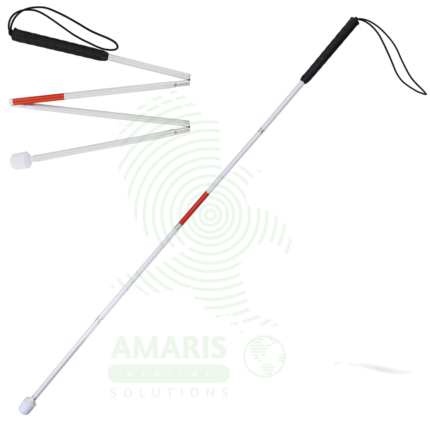
Blind Cane
A Blind Cane (white cane) is a specialized, lightweight mobility tool used by individuals who are blind or visually impaired for navigation and environmental awareness. Its core function is tactile and auditory detection of obstacles, drop-offs, and surface changes one step ahead of the user. Key features include a white shaft for visibility, an ergonomic grip, and a replaceable, specialized tip. It is not a walking stick for balance but a sensory probe. Its effective and safe use requires mandatory training in specific techniques from a certified Orientation and Mobility (O&M) specialist.
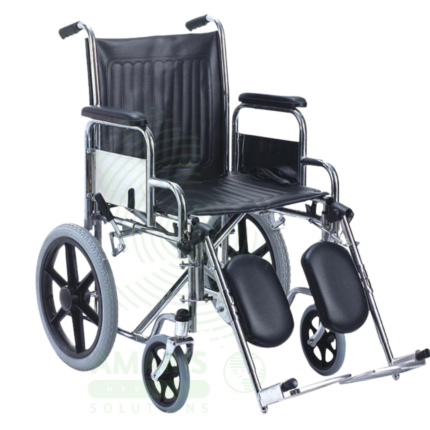
Orthopedic Wheelchair
An Orthopedic Wheelchair is a specialized manual wheelchair with an extended frame and elevating leg rests, designed to support patients who must keep one or both lower limbs in a straight, non-weight-bearing position. It is primarily used for managing lower limb fractures, post-operative recovery (e.g., hip replacements), and conditions requiring heel-off-loading to prevent pressure sores. Its key safety consideration is a heightened risk of tipping backwards due to the forward weight of the extended leg, requiring cautious use, engagement of anti-tip levers, and awareness of its increased length during navigation.
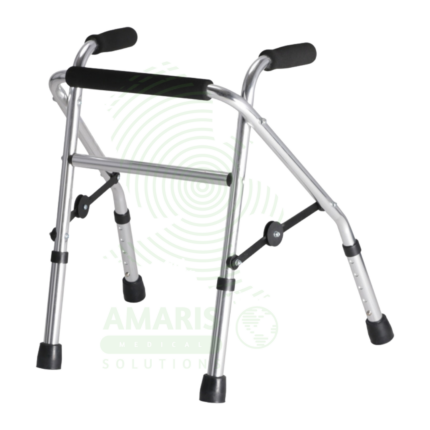
Pediatric Walking Frame
A Pediatric Walking Frame (Gait Trainer) is a supportive wheeled frame specifically designed to facilitate walking and standing for children with physical disabilities such as cerebral palsy. It provides adjustable postural support through a harness, trunk pad, and pelvic guide, enabling safe practice of gait patterns, weight-bearing, and upright mobility. Its primary role is therapeutic, aiming to develop ambulation skills, improve postural control, and promote independence and participation. Correct professional setup and supervision are essential for safety and to ensure it reinforces proper movement rather than abnormal patterns.
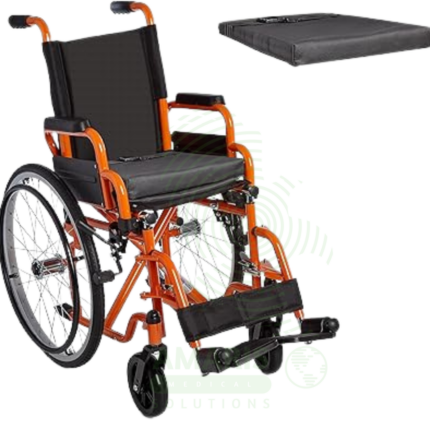
Pediatric Wheelchair
A Pediatric Wheelchair is a specially sized and designed mobility device for children with long-term physical disabilities. Its core functions are to provide independent or assisted mobility, deliver critical postural support to promote proper skeletal development and prevent deformities, and serve as a platform for inclusion in home, school, and community life. Unlike adult chairs, it features extensive adjustability to accommodate growth and modular seating systems tailored to each child's specific postural and medical needs. Prescription and fitting by a rehabilitation team are essential for safe and effective use.
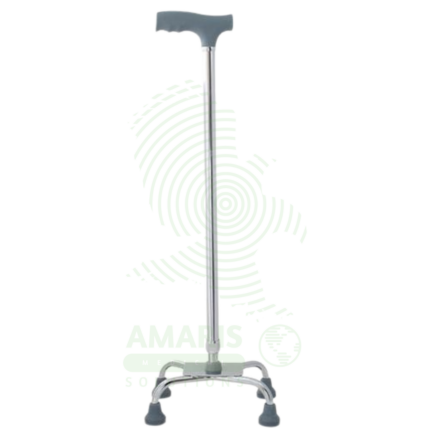
Quadpod Walking Stick
A Quadpod Walking Stick (Quad Cane) is a mobility aid featuring a four-legged base attached to a single shaft, providing significantly greater stability than a standard cane. It is designed for individuals with moderate balance issues or who need to safely offload weight from one leg due to pain or injury. Its wide base offers multi-directional support but requires a specific "lift-and-place" gait technique. While offering more security, its wider footprint can be cumbersome in tight spaces. Proper fitting and user training are essential for safe and effective use as a medically prescribed aid.
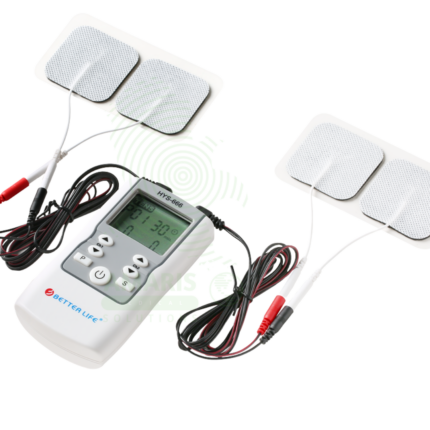
TENS Machine
A TENS Machine is an electronic device used for non-invasive pain management, capable of independently controlling up to four pairs of electrodes (eight total) to treat multiple or complex pain areas simultaneously. By delivering adjustable, low-voltage electrical pulses through the skin, it modulates pain signals via the Gate Control mechanism and may stimulate the body's natural painkillers. Its key adjustable parameters—pulse rate, width, and amplitude—allow for personalized therapy for conditions ranging from arthritis to post-surgical pain. Safe operation requires strict adherence to electrode placement guidelines and contraindications, making it a versatile tool for clinical and prescribed home use.
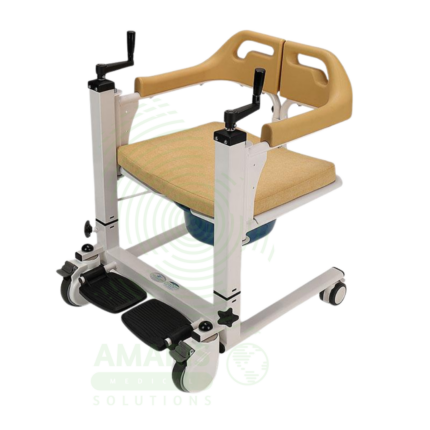
Transfer Chair
A Transfer Chair is a simple, armless mobile chair on four swivel casters designed specifically for safe, lateral seated patient transfers. Its core function is to allow caregivers to move patients who cannot stand between surfaces like beds, wheelchairs, toilets, and cars with minimal lifting, thereby preventing caregiver injuries and patient falls. Key features include a low, armless seat for unobstructed sliding, locking casters for stability, and a compact, maneuverable design. It is a fundamental piece of equipment in any safe patient handling program.