Dermatoscope and Magnifiers
 Diagnostic Kits
 Vital Signs Monitors
 Stethoscopes and Accessories
 Otoscopes, Ophthalmoscopes, and Retinoscopes
 Reflex Hammers and Neurological Tools
 Scales and Measuring Devices
 Spirometers and Pulmonary Function Tests
 Electrosurgical Units and Accessories
 Cutting Instruments
 Grasping and Holding Instruments
 Hemostatic Instruments
 Specialized Surgical Sets
 Single-Use Procedure Trays and Packs
 Surgical Drapes, Gowns, and Covers
 Tissue Unifying Instruments
 Radiation Protection
 X-Ray Machines and Accessories
 Ultrasound Systems and Probes
 MRI and CT Scanners
 Radiology Consumables
 Bone Densitometers
 Fluoroscopy Equipment
 Imaging Tables and Positioning Aids
 Microscopes and Accessories
 Centrifuges and Separators
 Analyzers
 Incubators and Ovens
 Pipettes, Dispensers, and Lab Glassware
 Refrigerators, Freezers, and Storage Units
 Lab Consumables
 Sterilizers and Autoclaves for Lab Use
 Multi-Parameter Monitors
 Ventilators and Respiratory Support Devices
 Defibrillators and AEDs
 Infusion Pumps and IV Systems
 Patient Warmers and Cooling Devices
 Central Monitoring Stations
 Accessories
 Anesthesia Machines and Workstations
 Oxygen Concentrators and Delivery Systems
 Nebulizers and Inhalers
 CPAP/BiPAP Machines
 Airway Management
 Anesthesia Masks, Circuits, and Bags
 Humidifiers and Heaters
 Respiratory Therapy Accessories
 First Aid Kits and Cabinets
 Emergency Resuscitation Equipment
 Trauma Supplies
 Emergency Carts and Crash Carts
 Burn Care Products
 Bleeding Control
 Automated External Defibrillators (AEDs)
 Transport and Evacuation
 Wheelchairs and Accessories
 Walkers, Crutches, and Canes
 Prosthetics and Orthotics
 Physical Therapy Equipment
 Transfer Devices
 Bathroom Safety
 Orthopedic Traction and Tables
 Hot/Cold Therapy Packs and Units
 Beds and Mattresses
 Chairs and Stools
 Tables
 Cabinets and Storage
 Privacy Screens & Curtains
 Stands and Racks
 Linens and Textiles
 Lighting
 Autoclaves and Sterilizers
 Ultrasonic Cleaners
 Disinfectant Solutions and Wipes
 Sterilization Pouches, Wraps, and Indicators
 Instrument Trays and Containers
 UV and Ozone Disinfection Devices
 Washer Disinfectors
 Wound Care
 Gloves
 Masks and Respirators
 Catheters and Tubing
 Swabs, Applicators, and Sponges
 Incontinence Products
 Personal Protective Equipment (PPE)
 Dental Chairs and Units
 Handpieces and Burs
 Instruments
 Consumables
 Sterilization for Dental Use
 Orthodontic Supplies
 Endodontic Tools
 Slit Lamps and Tonometers
 Lensometers and Phoropters
 Ophthalmic Surgical Instruments
 Eyewear Frames and Lenses
 Contact Lens Supplies
 Vision Testing Charts and Devices
 Eye Care Consumables
 Laser Systems for Eye Care
 ENT Exam Chairs and Tables
 Endoscopes
 Audiometers and Hearing Tests
 ENT Instruments
 Nasal and Throat Packs
 Hearing Aids and Accessories
 Otology Supplies
 Fetal Dopplers and Monitors
 Delivery Beds and Tables
 Gynecological Instruments
 Neonatal Incubators and Warmers
 Breast Pumps and Accessories
 Contraceptive Devices
 Maternity Supports and Pads
 Neonatal Consumables
 Cystoscopes and Urethroscopes
 Dialysis Machines and Supplies
 Urological Catheters and Bags
 Lithotripters
 Prostate Treatment Devices
 Urinary Incontinence Products
 Kidney Stone Management Tools
 Consumables & Disposables
 EEG and EMG Machines
 Neurosurgical Instruments
 Nerve Stimulators
 Headrests and Positioning Aids
 Lumbar Puncture Kits
 Seizure Monitoring Devices
 Consumables
 Rehabilitation for Neurological Conditions
 ECG Machines and Accessories
 Holter Monitors
 Stress Test Systems
 Pacemakers and Defibrillator Accessories
 Vascular Access Devices
 Cardiac Catheters and Guidewires
 Blood Flow Meters
 Consumables
 Orthopedic Instruments
 Casts, Splints, and Padding
 Joint Replacement Supplies
 Prosthetic Limbs and Components
 Bone Grafts and Substitutes
 Traction Devices
 Orthopedic Braces and Supports
 Rehabilitation Aids for Orthopedics
 Home Oxygen Therapy
 Hospital Beds for Home Use
 Mobility Aids
 Bathroom and Daily Living Aids
 Wound Care for Home
 Monitoring Devices
 Enteral Feeding Pumps and Tubes
 Hand Sanitizers and Dispensers
 Face Shields and Goggles
 Isolation Gowns and Suits
 Biohazard Waste Containers
 Air Purifiers and HEPA Filters
 Surface Disinfectants
 Sharps Containers
 Protective Barriers
 Cardiovascular & Endurance Training
 Strength Training & Weightlifting
 Functional Training & Core Conditioning
 Physical Therapy & Rehabilitation
 Sports & Outdoor Recreation
 Gym Flooring & Facility Equipment
 Fitness Monitoring & Accessories
 Kids & Novelties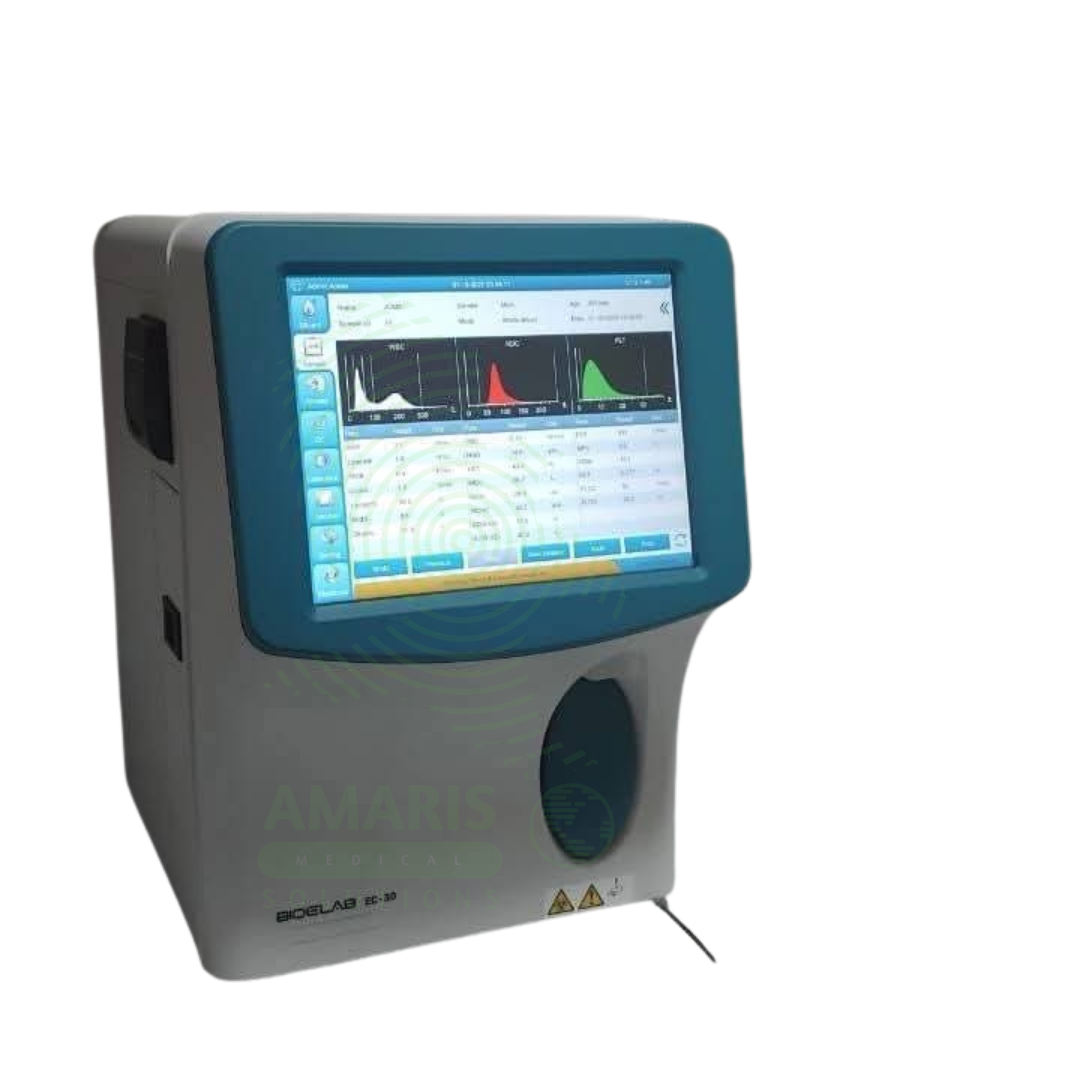
Hematology Analyzer
WhatsApp Order
A Hematology Analyzer is a compact, automated benchtop analyzer designed to perform Complete Blood Counts (CBC) with a 3-part white blood cell differential. Utilizing impedance and photometric methods, it delivers rapid, precise results for red blood cells, white blood cells, platelets, and key indices from a small blood sample. Ideal for physician offices, small clinics, and satellite laboratories, it enables in-house hematology testing with walk-away operation. Its automated flagging system highlights abnormal results that require further manual smear review. As a core instrument for initial hematological screening, it combines efficiency with essential diagnostic capability for routine patient management.
Description
Hematology Analyzer
PRIMARY CLINICAL & DIAGNOSTIC USES
1. Complete Blood Count (CBC) Analysis:
-
Primary Use: The primary and core function is to perform an automated, high-precision CBC, which is the most frequently ordered clinical laboratory test. It quantitatively measures the cellular components of blood: Red Blood Cells (RBCs), White Blood Cells (WBCs), and Platelets (PLTs).
-
How it helps: Transforms a single blood sample into a comprehensive picture of a patient’s health, providing doctors with essential information about oxygen-carrying capacity, immune system function, and clotting ability in minutes.
2. Diagnosis & Monitoring of Hematological Disorders:
-
Primary Use: Essential for diagnosing and managing conditions such as anemias (via RBC indices like MCV, MCH, MCHC), leukemias and infections (via WBC differential count), and thrombocytopenias/thrombocytoses (via platelet count).
-
How it helps: Gives hematologists and oncologists the detailed information they need to diagnose blood disorders accurately and track how well treatments are working, from chemotherapy to iron supplementation.
3. General Health Screening & Pre-operative Testing:
-
Primary Use: A fundamental component of routine health check-ups, annual physicals, and mandatory pre-surgical assessments to screen for hidden conditions and establish a patient’s baseline.
-
How it helps: Uncovers silent health problems before they cause symptoms, allowing for early intervention and ensuring surgical patients are healthy enough to undergo procedures safely.
4. Therapy Monitoring:
-
Primary Use: Used to monitor patient response to treatments such as chemotherapy (tracking bone marrow suppression via WBC/PLT counts), antibiotic therapy for infections (tracking WBC count), and nutritional therapy for anemias.
-
How it helps: Provides oncologists with critical information about how chemotherapy is affecting a patient’s bone marrow, allowing them to adjust treatment to maximize effectiveness while minimizing dangerous side effects.
5. Detection of Systemic Disease Indicators:
-
Primary Use: Abnormal CBC results can serve as the first indicator of systemic diseases ranging from chronic inflammation and autoimmune disorders to malignancies and bone marrow failure.
-
How it helps: Acts as an early warning system for a wide range of serious conditions, often providing the first clue that something is wrong and guiding further diagnostic testing.
SECONDARY & SUPPORTIVE USES
1. Blood Bank Donor Screening: Used to ensure donors meet minimum hemoglobin/hematocrit requirements and to screen for potential blood cell abnormalities, protecting both donors and recipients.
2. Point-of-Care Testing (POCT): In models designed for smaller clinics, urgent care centers, or physician office laboratories (POLs), it provides rapid in-house results, reducing turnaround time and enabling immediate clinical decisions.
3. Veterinary Medicine: Similar analyzers are used in veterinary clinics for animal CBCs, helping veterinarians diagnose and treat illnesses in pets and livestock with the same accuracy as human medicine.
KEY PRODUCT FEATURES
1. BASIC IDENTIFICATION ATTRIBUTES
-
Device Type: Automated, bench-top Hematology Analyzer.
-
Methodology: Likely utilizes a combination of Electrical Impedance (Coulter Principle) for cell counting and sizing, and Colorimetric (Hemoglobincyanide or SLS-Hemoglobin) method for hemoglobin measurement.
-
Throughput: Designed for small to medium workload, suitable for clinics, small hospitals, and group practices. Typical throughput of 40-60 samples per hour.
2. TECHNICAL & PERFORMANCE PROPERTIES
-
Reportable Parameters (Typical for 3-Diff):
-
RBC Parameters: RBC Count, Hemoglobin (HGB), Hematocrit (HCT), MCV, MCH, MCHC, RDW.
-
WBC Parameters: Total WBC Count, Three-Part Differential (Granulocytes, Lymphocytes, Mixed Cells/Monocytes).
-
PLT Parameters: Platelet Count, Mean Platelet Volume (MPV), Platelet Distribution Width (PDW).
-
-
Sample Type & Volume: Uses EDTA-anticoagulated whole blood. Sample volume is small (typically 20-40 µL for capillary or 100-150 µL for venous blood).
-
Calibration & Quality Control: Requires calibration with manufacturer-provided calibrators. Must run daily internal quality control (QC) materials (normal, abnormal) to verify accuracy and precision. Likely compatible with external QC programs.
-
Flagging System: Includes an automated flagging system to alert the operator to abnormal cell populations, suspect results, or the need for a manual blood smear review (e.g., for atypical lymphocytes, blasts, platelet clumps).
3. PHYSICAL & OPERATIONAL PROPERTIES
-
Form Factor: Compact, benchtop unit with an integrated touchscreen or button interface.
-
Consumables: Uses dedicated reagents (diluent, lyse, cleaner, hemolyzer) and disposable components (sampling tips, cuvettes, waste containers).
-
Connectivity: Includes ports (USB, RS-232) or network capability for connection to a Laboratory Information System (LIS) for bidirectional data transfer.
-
Operation: Features walk-away operation after sample loading. Includes automatic cleaning cycles and self-diagnostics.
4. SAFETY & COMPLIANCE ATTRIBUTES
-
Regulatory Approvals: Must have CE Marking (for EU market) and/or local regulatory approvals. May have FDA 510(k) clearance if marketed in the USA.
-
Quality Standards: Manufactured under a ISO 13485 quality management system.
-
Safety Standards: Complies with IEC 61010-1 (Safety requirements for electrical equipment for measurement, control, and laboratory use) and relevant laboratory safety standards for biological hazards (sample handling).
-
Waste Handling: Manages biohazardous liquid waste (blood, reagents) internally into a closed waste container, minimizing operator exposure.
5. STORAGE & HANDLING ATTRIBUTES
-
Storage Conditions: Store the analyzer in a clean, temperature-controlled laboratory environment (typically 15-30°C). Protect from dust, moisture, and direct sunlight.
-
Reagent Storage: Reagents must be stored as per manufacturer instructions (often at 2-8°C or room temperature). Check expiry dates.
-
Routine Maintenance: Requires daily, weekly, and monthly maintenance as per the operator's manual (e.g., cleaning probes, replacing filters, running cleaning cycles, emptying waste) to ensure reliability and longevity.
-
Calibration Schedule: Calibrate with new lots of reagents, after major maintenance, or as indicated by QC failures.
6. LABORATORY & CLINICAL APPLICATIONS
-
Primary Application: Automation of the CBC, providing rapid, reproducible, and precise quantitative data that forms the foundation of hematological diagnosis.
-
Limitation: As a 3-part differential analyzer, it has limitations in identifying specific WBC subtypes (e.g., cannot separate monocytes from eosinophils/basophils). Any flagged or abnormal result requires confirmation by a manual microscopic review of a peripheral blood smear by a trained technologist or pathologist.
SAFETY HANDLING PRECAUTIONS
1. SAFETY PRECAUTIONS
-
Biosafety: Treat all patient samples as potentially infectious. Wear appropriate PPE (lab coat, gloves, safety glasses) when handling samples, reagents, or waste.
-
Chemical Safety: Reagents may contain hazardous chemicals (e.g., cyanide in some hemoglobin lyse). Handle with care, avoid ingestion or skin/eye contact. Use in a well-ventilated area.
-
Electrical Safety: Use the provided power cord. Do not operate with a damaged cord or in a wet environment.
-
Sharp Objects: Exercise caution with sample probes and capillary tubes to avoid needlestick injuries.
2. FIRST AID MEASURES
-
Sample/Reagent Contact: If blood or reagents contact skin, wash immediately with soap and water. If in eyes, rinse thoroughly with water for 15 minutes and seek medical attention.
-
Electrical Shock: Disconnect power. If injury occurs, provide first aid and seek medical attention.
-
Chemical Ingestion: If reagents are ingested, do NOT induce vomiting. Seek immediate medical attention and provide the reagent Safety Data Sheet (SDS).
3. FIRE FIGHTING MEASURES
-
Flammability: Internal plastics, electronics, and some reagents are combustible.
-
Extinguishing Media: For electrical fires, use a CO₂ or dry chemical (Class C) fire extinguisher. Do not use water.
-
Firefighter Instructions: Evacuate area. Firefighters should use full protective gear and SCBA due to potential toxic fumes from burning electronics and chemicals.
Related products
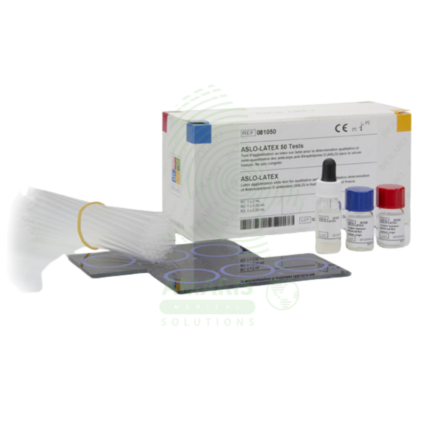
Anti-Streptol Olysin O Titer (ASOT)
Anti-Streptol Olysin O Titer (ASOT) is a quantitative or semi-quantitative serological test (latex agglutination, turbidimetry, nephelometry, or ELISA) for detecting antibodies against streptolysin O, an exotoxin produced by Group A Streptococcus. Elevated or rising titers indicate recent streptococcal infection and are essential for diagnosing post-streptococcal sequelae including acute rheumatic fever (Jones criteria) and post-streptococcal glomerulonephritis. The test requires serum samples; acute and convalescent (2-4 weeks apart) with fourfold rise confirms recent infection. Reference range typically <200-250 Todd units/mL (adults), varies by age and population. Primary clinical applications include diagnosis of Group A streptococcal infections, acute rheumatic fever evaluation, post-streptococcal glomerulonephritis diagnosis, differentiation of acute vs. past infection, evaluation of unexplained arthritis or carditis, pediatric inflammatory conditions (PANDAS), and monitoring disease activity in rheumatic fever. Critical safety precautions include proper timing of acute and convalescent samples, awareness of false negatives/positives, clinical correlation for diagnosis, and standard biohazard precautions. Essential test for rheumatology, nephrology, cardiology, and infectious disease practice.
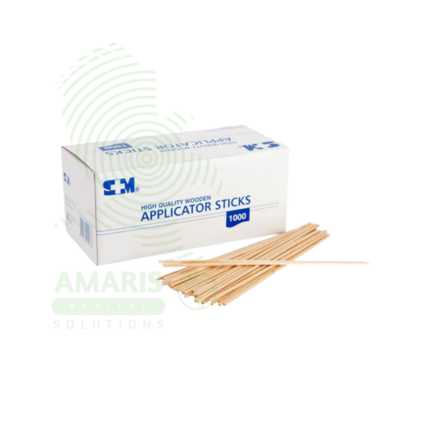
Applicator Sticks
Applicator Sticks are single-use medical devices with absorbent tips (cotton, rayon, flocked polyester) on wood, plastic, or paper shafts for collecting clinical specimens (throat, nasal, wound, cervical, urethral, rectal) for microbiological culture, rapid testing, and molecular diagnostics. Sterile individually wrapped or non-sterile bulk formats. Flocked swabs provide >90% specimen release for PCR testing. Primary applications include specimen collection for infection diagnosis, wound care and antiseptic application, gynecological sampling (Pap smears, STI testing), eye/ear specimen collection, laboratory slide preparation, and forensic evidence collection. Critical precautions include single-use only, sterile technique, proper collection method, and biohazard disposal. Essential consumable in all clinical settings.
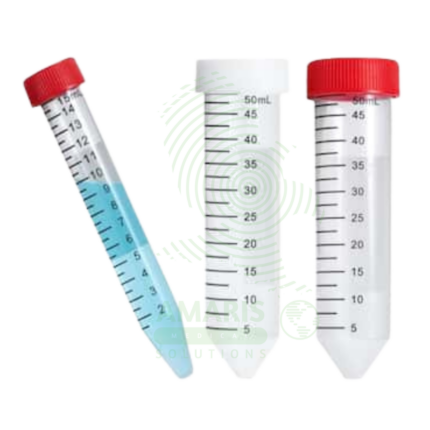
Centrifuge Tubes
Centrifuge Tubes are specialized disposable containers (polypropylene) designed to withstand high centrifugal forces (up to 30,000 x g) for separating biological fluids based on density. Available in microcentrifuge sizes (0.2-2.0 mL), conical tubes (15 mL, 50 mL), and larger volumes (100-500 mL). Features include leak-proof screw caps with O-rings (conical tubes), snap caps (microcentrifuge tubes), graduated volume markings, writing areas, and sterile/non-sterile options. Certified RNase/DNase-free, pyrogen-free, and autoclavable. Primary clinical applications include blood component separation (serum/plasma), urine sediment preparation, microbiology sample concentration, molecular biology (DNA/RNA extraction), cell culture processing, protein/enzyme analysis, and viral load testing. Critical safety precautions include never exceeding maximum RCF rating, proper balancing by weight, secure cap tightening, inspection for cracks, and disposal as biohazardous waste. Essential consumable in every clinical, research, and industrial laboratory.
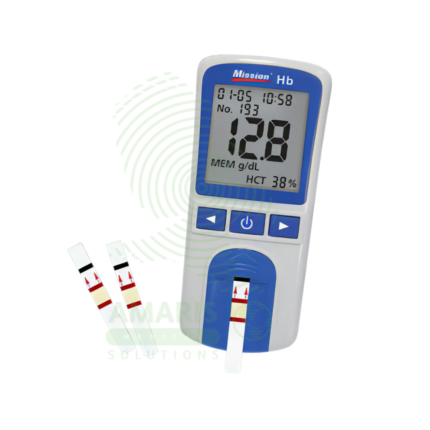
Hemoglobin Meter
A Hemoglobin Meter is a Class II medical device (FDA-cleared, CE-marked) for quantitative point-of-care measurement of hemoglobin concentration in capillary or venous blood, providing results in 5-60 seconds from a 5-20 µL sample. The meter uses photometric, electrochemical, or conductivity technology to measure hemoglobin, with accuracy ±0.3-0.5 g/dL compared to reference methods. Features include backlit LCD display, memory storage for 100-1000 results, USB/Bluetooth connectivity for data transfer, and compatibility with single-use disposable cuvettes or test strips. Primary clinical applications include anemia screening and diagnosis (WHO criteria), preoperative assessment and surgical planning, antenatal care and maternal health monitoring, malaria-endemic region screening, chronic disease management (CKD, IBD, cancer), nutritional assessment and intervention programs, and blood donor screening. Critical safety precautions include single-use lancets, proper hand hygiene, correct sample application, quality control with control solutions, proper cuvette storage (protect from heat, light, humidity), and never using expired cuvettes. Essential point-of-care device for hemoglobin testing in hospitals, clinics, community health programs, and blood donation centers.
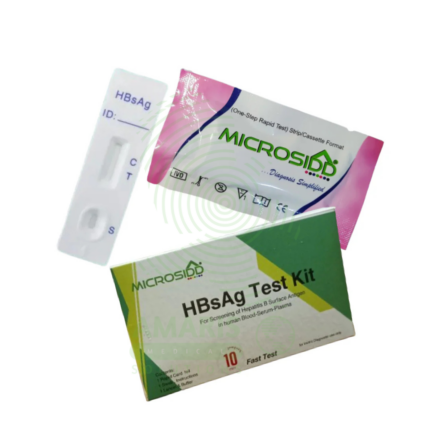
Hepatitis B Test Kit
The Hepatitis B Test Kit is an in vitro diagnostic device for the detection of Hepatitis B virus markers in human blood samples, available in rapid, ELISA, and molecular formats. It detects specific antigens (HBsAg) and antibodies (anti-HBc, anti-HBs) to diagnose acute and chronic infection, monitor treatment response, screen blood donations, and determine immunity status. With high sensitivity (>98%) and specificity (>99%), it provides results in 15 minutes to 4 hours depending on format. Essential applications include prenatal screening to prevent mother-to-child transmission, evaluation of acute hepatitis, pre-immunosuppression screening, and occupational health testing. All patient samples must be handled with universal precautions, and testing must include appropriate quality controls.
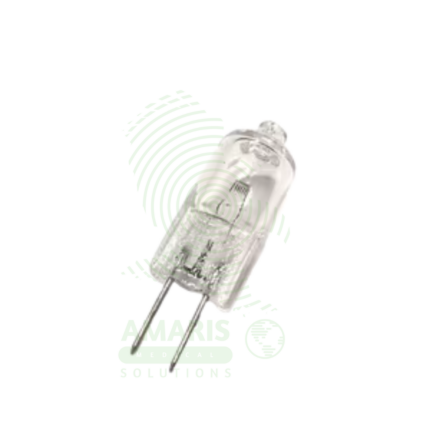
Microscope Bulb
A Microscope Bulb is a specialized halogen or LED lamp that serves as the essential illumination source for clinical and laboratory microscopes. Providing the bright, stable, and color-corrected light required for diagnostic visualization of specimens, it is a critical consumable component. Its technical specifications—voltage, wattage, base type, and filament alignment—must precisely match the microscope model. Proper handling (using gloves to avoid oil contamination) and adherence to safety protocols (allowing cooling, disconnecting power) are crucial for safe replacement and optimal bulb lifespan. Maintaining spares is vital to prevent operational downtime in diagnostic laboratories.
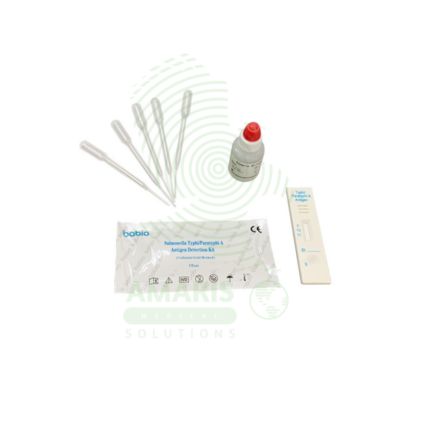
Salmonella Typhi Test Peratop
The Salmonella typhi test peratop is a CE-marked rapid immunochromatographic assay for qualitative detection of IgG and IgM antibodies to Salmonella enterica serotype Typhi in human serum, plasma, or whole blood, providing results in 15-20 minutes. The test uses recombinant S. typhi antigens immobilized on a membrane to capture specific antibodies, with separate lines for IgG and IgM interpretation. The kit includes individually foil-wrapped test cassettes, sample diluent, disposable pipettes, and package insert. Primary clinical applications include rapid diagnosis of typhoid fever in endemic regions (Indian subcontinent, Southeast Asia, Africa, South America), differentiation of acute (IgM positive) from past infection (IgG only), outbreak investigation and control, screening in febrile patients, travel medicine assessment, antibiotic stewardship, and maternal/child health in endemic areas. Critical safety precautions include proper specimen handling (universal precautions), quality control verification, awareness of window period (repeat testing if early infection suspected), and clinical correlation of results. Essential rapid test for typhoid fever diagnosis in resource-limited and endemic settings.