Dermatoscope and Magnifiers
 Diagnostic Kits
 Vital Signs Monitors
 Stethoscopes and Accessories
 Otoscopes, Ophthalmoscopes, and Retinoscopes
 Reflex Hammers and Neurological Tools
 Scales and Measuring Devices
 Spirometers and Pulmonary Function Tests
 Electrosurgical Units and Accessories
 Cutting Instruments
 Grasping and Holding Instruments
 Hemostatic Instruments
 Specialized Surgical Sets
 Single-Use Procedure Trays and Packs
 Surgical Drapes, Gowns, and Covers
 Tissue Unifying Instruments
 Radiation Protection
 X-Ray Machines and Accessories
 Ultrasound Systems and Probes
 MRI and CT Scanners
 Radiology Consumables
 Bone Densitometers
 Fluoroscopy Equipment
 Imaging Tables and Positioning Aids
 Microscopes and Accessories
 Centrifuges and Separators
 Analyzers
 Incubators and Ovens
 Pipettes, Dispensers, and Lab Glassware
 Refrigerators, Freezers, and Storage Units
 Lab Consumables
 Sterilizers and Autoclaves for Lab Use
 Multi-Parameter Monitors
 Ventilators and Respiratory Support Devices
 Defibrillators and AEDs
 Infusion Pumps and IV Systems
 Patient Warmers and Cooling Devices
 Central Monitoring Stations
 Accessories
 Anesthesia Machines and Workstations
 Oxygen Concentrators and Delivery Systems
 Nebulizers and Inhalers
 CPAP/BiPAP Machines
 Airway Management
 Anesthesia Masks, Circuits, and Bags
 Humidifiers and Heaters
 Respiratory Therapy Accessories
 First Aid Kits and Cabinets
 Emergency Resuscitation Equipment
 Trauma Supplies
 Emergency Carts and Crash Carts
 Burn Care Products
 Bleeding Control
 Automated External Defibrillators (AEDs)
 Transport and Evacuation
 Wheelchairs and Accessories
 Walkers, Crutches, and Canes
 Prosthetics and Orthotics
 Physical Therapy Equipment
 Transfer Devices
 Bathroom Safety
 Orthopedic Traction and Tables
 Hot/Cold Therapy Packs and Units
 Beds and Mattresses
 Chairs and Stools
 Tables
 Cabinets and Storage
 Privacy Screens & Curtains
 Stands and Racks
 Linens and Textiles
 Lighting
 Autoclaves and Sterilizers
 Ultrasonic Cleaners
 Disinfectant Solutions and Wipes
 Sterilization Pouches, Wraps, and Indicators
 Instrument Trays and Containers
 UV and Ozone Disinfection Devices
 Washer Disinfectors
 Wound Care
 Gloves
 Masks and Respirators
 Catheters and Tubing
 Swabs, Applicators, and Sponges
 Incontinence Products
 Personal Protective Equipment (PPE)
 Dental Chairs and Units
 Handpieces and Burs
 Instruments
 Consumables
 Sterilization for Dental Use
 Orthodontic Supplies
 Endodontic Tools
 Slit Lamps and Tonometers
 Lensometers and Phoropters
 Ophthalmic Surgical Instruments
 Eyewear Frames and Lenses
 Contact Lens Supplies
 Vision Testing Charts and Devices
 Eye Care Consumables
 Laser Systems for Eye Care
 ENT Exam Chairs and Tables
 Endoscopes
 Audiometers and Hearing Tests
 ENT Instruments
 Nasal and Throat Packs
 Hearing Aids and Accessories
 Otology Supplies
 Fetal Dopplers and Monitors
 Delivery Beds and Tables
 Gynecological Instruments
 Neonatal Incubators and Warmers
 Breast Pumps and Accessories
 Contraceptive Devices
 Maternity Supports and Pads
 Neonatal Consumables
 Cystoscopes and Urethroscopes
 Dialysis Machines and Supplies
 Urological Catheters and Bags
 Lithotripters
 Prostate Treatment Devices
 Urinary Incontinence Products
 Kidney Stone Management Tools
 Consumables & Disposables
 EEG and EMG Machines
 Neurosurgical Instruments
 Nerve Stimulators
 Headrests and Positioning Aids
 Lumbar Puncture Kits
 Seizure Monitoring Devices
 Consumables
 Rehabilitation for Neurological Conditions
 ECG Machines and Accessories
 Holter Monitors
 Stress Test Systems
 Pacemakers and Defibrillator Accessories
 Vascular Access Devices
 Cardiac Catheters and Guidewires
 Blood Flow Meters
 Consumables
 Orthopedic Instruments
 Casts, Splints, and Padding
 Joint Replacement Supplies
 Prosthetic Limbs and Components
 Bone Grafts and Substitutes
 Traction Devices
 Orthopedic Braces and Supports
 Rehabilitation Aids for Orthopedics
 Home Oxygen Therapy
 Hospital Beds for Home Use
 Mobility Aids
 Bathroom and Daily Living Aids
 Wound Care for Home
 Monitoring Devices
 Enteral Feeding Pumps and Tubes
 Hand Sanitizers and Dispensers
 Face Shields and Goggles
 Isolation Gowns and Suits
 Biohazard Waste Containers
 Air Purifiers and HEPA Filters
 Surface Disinfectants
 Sharps Containers
 Protective Barriers
 Cardiovascular & Endurance Training
 Strength Training & Weightlifting
 Functional Training & Core Conditioning
 Physical Therapy & Rehabilitation
 Sports & Outdoor Recreation
 Gym Flooring & Facility Equipment
 Fitness Monitoring & Accessories
 Kids & Novelties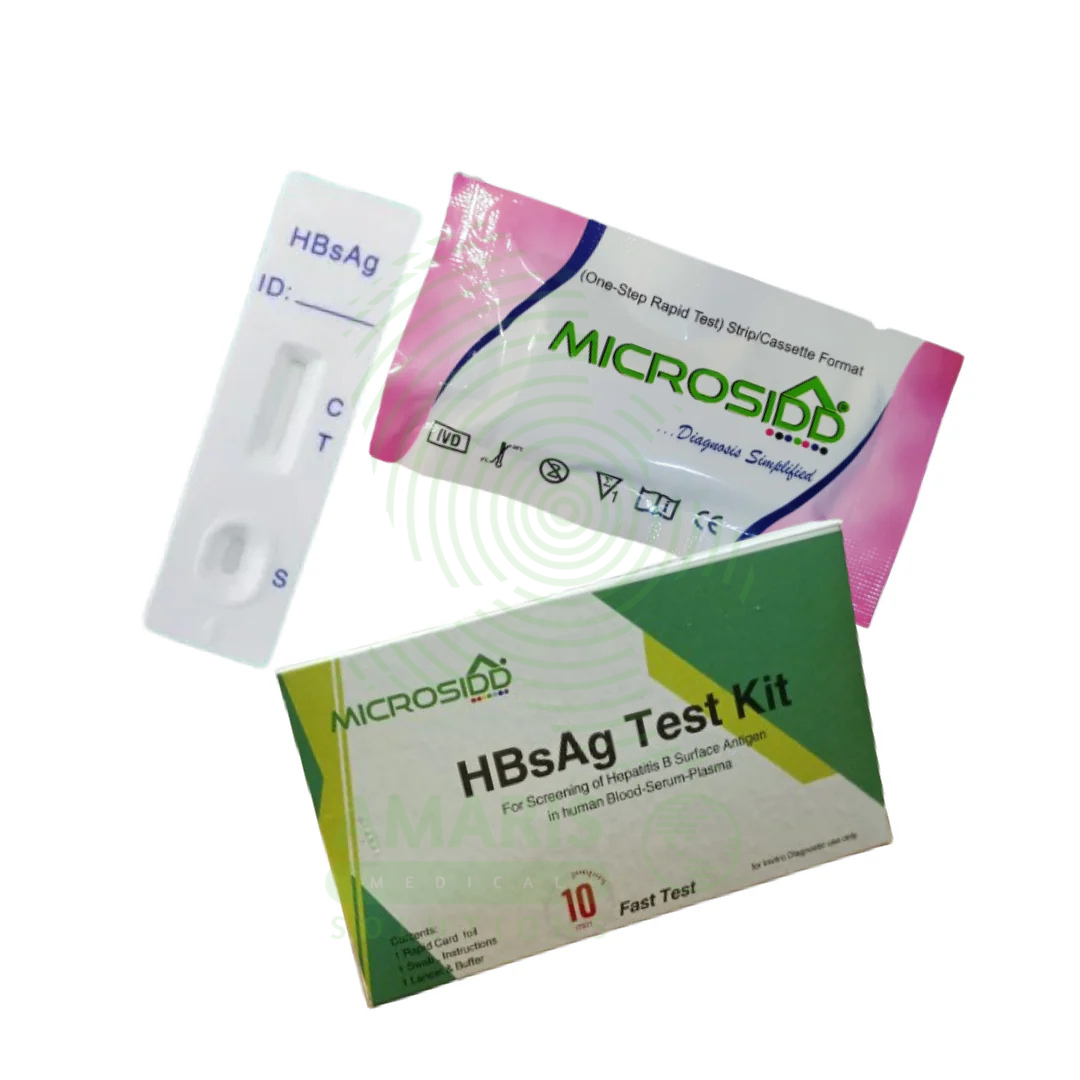
Hepatitis B Test Kit
WhatsApp Order
The Hepatitis B Test Kit is an in vitro diagnostic device for the detection of Hepatitis B virus markers in human blood samples, available in rapid, ELISA, and molecular formats. It detects specific antigens (HBsAg) and antibodies (anti-HBc, anti-HBs) to diagnose acute and chronic infection, monitor treatment response, screen blood donations, and determine immunity status. With high sensitivity (>98%) and specificity (>99%), it provides results in 15 minutes to 4 hours depending on format. Essential applications include prenatal screening to prevent mother-to-child transmission, evaluation of acute hepatitis, pre-immunosuppression screening, and occupational health testing. All patient samples must be handled with universal precautions, and testing must include appropriate quality controls.
Description
Hepatitis B Test Kit
PRIMARY CLINICAL & DIAGNOSTIC USES
1. Screening and Diagnosis of Hepatitis B Infection
-
Primary Use: Detects specific antigens and antibodies in blood to diagnose acute or chronic Hepatitis B virus infection, including HBsAg (surface antigen), anti-HBc (core antibody), and anti-HBs (surface antibody), enabling differentiation between acute, chronic, and resolved infection.
-
How it helps: For the hepatologist, infectious disease specialist, and primary care provider, the Hepatitis B test kit provides the serological roadmap essential for understanding a patient’s HBV status—revealing whether they have an active infection, are chronic carriers, have resolved past infection, or have developed protective immunity through vaccination. For the patient, these test results determine whether they need treatment, monitoring, or vaccination, and provide critical information about their risk of transmitting the virus to others.
2. Prenatal Screening to Prevent Mother-to-Child Transmission
-
Primary Use: Essential for screening pregnant women for Hepatitis B infection as part of routine prenatal care, allowing for intervention at birth to prevent vertical transmission to the newborn.
-
How it helps: For the obstetrician and pediatrician, prenatal HBV screening is a critical public health intervention—identifying infected mothers so that newborns can receive hepatitis B immune globulin and the first dose of vaccine within 12 hours of birth, reducing the risk of chronic infection from 90% to less than 5%. For the infant born to an infected mother, this testing and subsequent prophylaxis means they can be protected from a lifetime of chronic liver disease and cancer risk.
3. Monitoring Disease Progression and Treatment Response
-
Primary Use: Serial testing of HBV DNA viral load and liver enzymes guides treatment decisions, monitors response to antiviral therapy, and detects the development of drug resistance in patients undergoing treatment for chronic Hepatitis B.
-
How it helps: For the gastroenterologist and hepatologist managing patients on antiviral therapy, quantitative HBV testing provides the objective data needed to assess treatment efficacy—declining viral loads indicate response, rising levels may signal resistance or non-adherence. For the patient living with chronic Hepatitis B, regular monitoring means their treatment can be optimized, complications can be prevented, and they can have confidence that their disease is being managed effectively.
4. Screening High-Risk Populations and Blood Donations
-
Primary Use: Used to screen individuals in high-risk groups and to test all donated blood and blood products for Hepatitis B to prevent transmission through transfusion.
-
How it helps: For the blood bank director and public health official, universal screening of donated blood for HBV has nearly eliminated transfusion-transmitted Hepatitis B, protecting countless recipients from infection. For the individual receiving blood products during surgery, trauma, or medical treatment, this screening means they can receive life-saving transfusions without fear of acquiring a chronic viral infection.
5. Determination of Immunity and Vaccination Need
-
Primary Use: Quantitative anti-HBs testing determines whether an individual has protective immunity following vaccination or past infection, and identifies those who require vaccination or booster doses.
-
How it helps: For the occupational health physician and travel medicine specialist, anti-HBs testing confirms whether healthcare workers, travelers, and other at-risk individuals are protected against HBV—guiding decisions about vaccination, boosters, and work restrictions. For the healthcare worker at risk of occupational exposure, knowing their immunity status provides peace of mind and guides post-exposure prophylaxis decisions.
SECONDARY & SUPPORTIVE USES
1. Evaluation of Acute Hepatitis Presentations: When a patient presents with jaundice, elevated liver enzymes, or symptoms of acute hepatitis, HBV testing is essential for determining the cause and guiding management. For the patient with unexplained liver inflammation, rapid HBV testing provides answers and directs appropriate treatment.
2. Pre-Immunosuppression Screening: Before initiating immunosuppressive therapy for conditions like cancer, autoimmune disease, or organ transplantation, HBV screening identifies patients at risk of viral reactivation, allowing for prophylactic antiviral therapy. For the patient about to undergo chemotherapy or transplant, pre-treatment screening prevents the potentially fatal complication of HBV reactivation.
3. Contact Tracing and Family Screening: When an individual is diagnosed with Hepatitis B, testing of household contacts and sexual partners identifies others who may be infected and need treatment, or who are susceptible and need vaccination. For family members of an infected individual, this testing provides the information they need to protect themselves.
4. Pre-Employment and Occupational Health Screening: For healthcare workers, first responders, and others with occupational exposure risk, baseline HBV testing establishes immunity status and guides vaccination programs. For the employee entering a high-risk field, knowing their HBV status protects both themselves and their future patients.
5. Research and Epidemiological Surveillance: Used in clinical research and public health surveillance to track the prevalence, incidence, and epidemiology of Hepatitis B infection in populations. For the public health official, this data guides prevention and control strategies that protect entire communities.
KEY PRODUCT FEATURES
1. BASIC IDENTIFICATION ATTRIBUTES
-
Product Type: An in vitro diagnostic device for the qualitative or quantitative detection of Hepatitis B virus markers in human blood samples.
-
Common Names: Hepatitis B Test, HBV Test Kit, HBsAg Rapid Test, Hepatitis B Panel, Anti-HBs Test.
-
Test Types:
-
Rapid Diagnostic Tests: Point-of-care, lateral flow immunochromatographic assays providing results in 15-20 minutes.
-
ELISA Tests: Enzyme-linked immunosorbent assays for high-throughput laboratory screening with enhanced sensitivity and specificity.
-
Chemiluminescence Immunoassays: Automated, quantitative tests with high sensitivity for core laboratory use.
-
Nucleic Acid Tests: PCR-based tests for detecting HBV DNA, used for viral load monitoring and blood donor screening.
-
-
Sample Types: Whole blood, serum, or plasma depending on the specific test format.
-
Core Technology: Immunoassay (antigen-antibody reaction) or molecular amplification (for NAT).
2. TECHNICAL & PERFORMANCE PROPERTIES
-
Sensitivity: Clinical sensitivity >98% for most FDA-approved tests, detecting HBsAg at concentrations as low as 0.1-0.5 IU/mL.
-
Specificity: Clinical specificity >99%, minimizing false positive results that would cause unnecessary anxiety and additional testing.
-
Time to Result: 15-20 minutes for rapid tests; 1-4 hours for ELISA; variable for automated platforms.
-
Storage Requirements: Typically 2-30°C; some components may require refrigeration at 2-8°C.
-
Shelf Life: 12-24 months depending on the specific test and storage conditions.
-
Controls: Built-in procedural controls to validate test performance and reagent integrity.
3. PHYSICAL & OPERATIONAL PROPERTIES
-
Rapid Test Format: Individually pouched test cassettes or strips with desiccant, including pipette for sample application and buffer vial.
-
ELISA Format: Microtiter plates pre-coated with antigens or antibodies, including wash buffers, conjugates, substrates, and stop solution.
-
Interpretation: Visual reading for rapid tests; spectrophotometric reading for ELISA and automated platforms.
-
Packaging: Available in various kit sizes from individual tests to bulk laboratory packs.
4. SAFETY & COMPLIANCE ATTRIBUTES
-
Regulatory Status: Class II or III medical device (depending on jurisdiction) with FDA 510(k) clearance or CE marking for diagnostic use.
-
Quality Management: Manufactured under ISO 13485 certified processes.
-
Intended Use: For professional use in laboratory or point-of-care settings.
-
Biohazard Precautions: All patient samples should be handled as potentially infectious. Universal precautions required.
-
Disposal: Used tests and samples must be disposed of as biohazardous waste.
5. STORAGE & HANDLING ATTRIBUTES
-
Storage Conditions: Store in a cool, dry place at specified temperature range. Do not freeze unless indicated. Protect from direct sunlight and moisture.
-
Handling: Bring all reagents and samples to room temperature before testing. Do not use expired kits. Avoid cross-contamination of samples.
-
Disposal: Dispose of all used tests, samples, and pipettes in biohazard containers according to local regulations.
6. LABORATORY & CLINICAL APPLICATIONS
-
Primary Application: Screening, diagnosis, and monitoring of Hepatitis B virus infection in clinical, public health, and blood bank settings.
-
Workflow Integration: Suitable for point-of-care testing in clinics, emergency departments, and outreach settings, as well as high-volume automated testing in central laboratories.
SAFETY HANDLING PRECAUTIONS
1. SAFETY PRECAUTIONS
-
Universal Precautions: Treat all patient samples as potentially infectious. Wear appropriate personal protective equipment (gloves, lab coat, eye protection).
-
Handling: Do not eat, drink, or smoke in the testing area. Wash hands thoroughly after handling samples and tests.
-
Disposal: Dispose of all contaminated materials in biohazard waste containers.
-
Quality Control: Run positive and negative controls as required to ensure test performance.
-
Interpretation: Read results within the specified time window. Delayed reading may yield inaccurate results.
2. FIRST AID MEASURES
-
Sample Splash to Skin: Wash thoroughly with soap and water. Follow institutional protocol for bloodborne pathogen exposure.
-
Sample Splash to Eyes: Flush eyes with copious amounts of clean water or saline for at least 15 minutes. Seek medical attention.
-
Needlestick Injury: If injury occurs with a contaminated lancet or device, wash the area thoroughly, apply antiseptic, and follow institutional post-exposure prophylaxis protocol.
3. FIRE FIGHTING MEASURES
-
Flammability: Reagents may contain alcohols or other flammable components. Keep away from open flames and sparks.
-
Extinguishing Media: Use alcohol-resistant foam, CO₂, or dry chemical extinguishers.
-
Spill Response: In case of large reagent spills, evacuate area, eliminate ignition sources, and follow institutional chemical spill protocol.
Related products
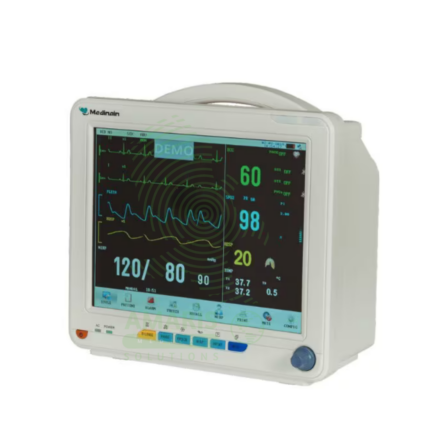
ECG Machine
An ECG Machine is a Class II medical device that records and displays the electrical activity of the heart through surface electrodes, producing an electrocardiogram for diagnosis of cardiac conditions. Standard diagnostic machines record 12 simultaneous leads (3 limb, 6 precordial, 1 ground) with frequency response 0.05-150 Hz, sampling rate 500-1,000 Hz, and high-resolution (5-10 µV) signal acquisition. Features include color touchscreen display, thermal array printer, computerized interpretation algorithms, internal memory (50-500+ ECGs), and network connectivity for EMR integration. Lead wires (AHA or IEC color coding) connect to disposable adhesive electrodes. Portable models (5-15 kg) with rechargeable batteries enable bedside and mobile use; cart-mounted units provide full diagnostic capability. Primary clinical applications include diagnosis of arrhythmias (AF, VT, bradycardia), detection of myocardial ischemia/infarction (STEMI, NSTEMI), evaluation of chest pain, preoperative cardiac risk assessment, monitoring electrolyte imbalances, assessment of chamber enlargement, and drug effect/toxicity monitoring. Essential diagnostic equipment in emergency departments, cardiology clinics, ICUs, operating rooms, and primary care settings worldwide.
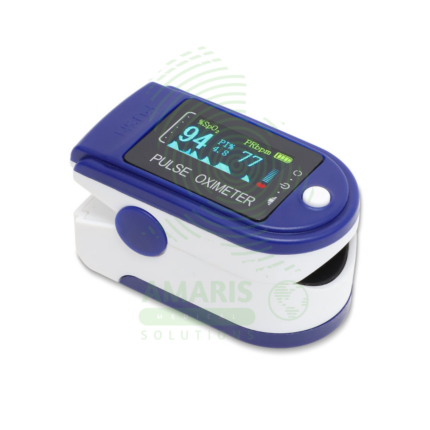
Fingertip Pulse Oximeter
A Fingertip Pulse Oximeter is a compact, non-invasive medical device that clips onto a finger to measure peripheral arterial oxygen saturation (SpO2) and pulse rate in seconds. Utilizing light-based technology, it provides critical, real-time data on respiratory and circulatory status. Its portability and ease of use make it indispensable in hospitals (from ORs to general wards), for patients managing chronic lung conditions at home, and for situational monitoring in sports or high-altitude environments. While an extremely valuable screening tool, readings must be interpreted in context, considering factors like patient movement, perfusion, and clinical symptoms.
Height Board
A Height Board, or stadiometer, is a precision medical instrument designed for the accurate measurement of human stature. As a wall-mounted or portable device featuring a vertical scale and a sliding horizontal headpiece, it is the clinical standard for obtaining height. This measurement is foundational for calculating Body Mass Index (BMI), tracking growth in children, screening for nutritional issues, and assessing adults for conditions like osteoporosis. Its accuracy, dependent on proper installation and technique, makes it an indispensable tool in pediatrics, primary care, nutrition, and public health
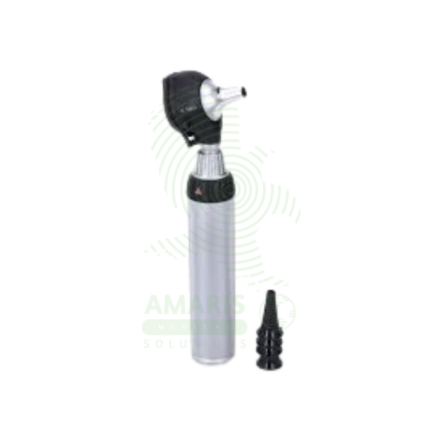
LED Otoscope
An LED Otoscope is a handheld medical device used for illuminating and magnifying the external ear canal and tympanic membrane. Featuring a bright, cool, and long-lasting LED light source, it provides superior visualization for diagnosing common conditions like ear infections, wax impaction, and perforations. Its design, incorporating a reusable handle/head and disposable specula, ensures hygiene and patient safety. As an essential tool in family medicine, pediatrics, and ENT, it enables clinicians to perform accurate otoscopic examinations and, when equipped with an insufflator, crucial pneumatic otoscopy to assess middle ear function.
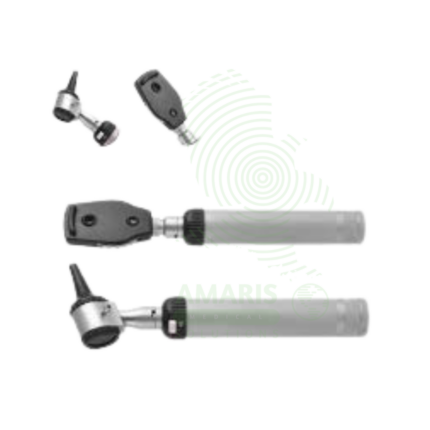
Ophthalmoscope
An Ophthalmoscope is a handheld diagnostic instrument used to examine the interior of the eye, specifically the fundus (retina, optic disc, blood vessels, and macula). By providing illuminated magnification, it serves as a vital screening tool for detecting ocular diseases like glaucoma and retinal disorders, and more importantly, for identifying signs of systemic conditions such as diabetes, hypertension, and increased intracranial pressure. Its operation involves selecting appropriate apertures and compensating lenses to obtain a clear view. While offering a detailed but narrow field of vision, mastery of the direct ophthalmoscope remains a cornerstone skill in general medicine, neurology, and ophthalmology for assessing vascular and neurological health.
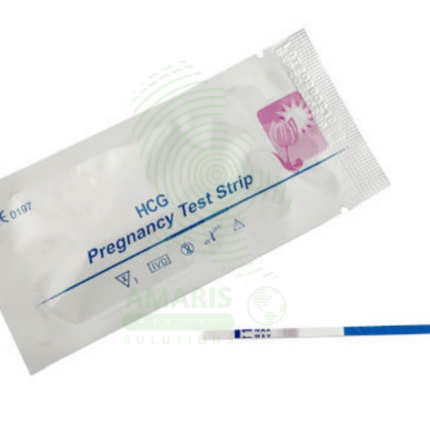
Pregnancy Test Strips
Pregnancy Test Strips are simple, dip-style lateral flow devices designed for the rapid, qualitative detection of human chorionic gonadotropin (hCG) in urine to indicate pregnancy. As the most fundamental format of home pregnancy tests, they offer high sensitivity (often from 10 mIU/mL), affordability, and a quick result within 3-5 minutes. Their ease of use makes them a widely accessible first step in pregnancy detection for personal use and clinical screening. A visible test line, even if faint, is a positive result, though confirmation with a healthcare provider is always recommended.
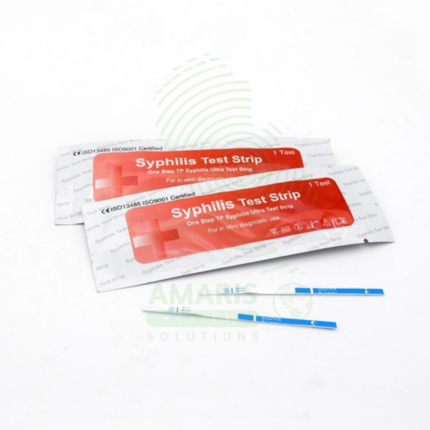
VDRL Test For Syphilis
The VDRL Test For Syphilis (Venereal Disease Research Laboratory) is a Class II medical device (FDA-cleared) non-treponemal flocculation test for qualitative and quantitative detection of reaginic antibodies in serum or cerebrospinal fluid, used for syphilis screening, diagnosis, and treatment monitoring. The test uses an antigen mixture (cardiolipin, cholesterol, lecithin) that reacts with antibodies, forming visible clumping (flocculation) in positive samples. Results are reported as reactive/non-reactive with quantitative titers (e.g., 1:2 to 1:256). Primary clinical applications include initial screening for syphilis infection, confirmation of active syphilis (with treponemal tests), monitoring treatment response (fourfold titer decrease indicates cure), diagnosis of neurosyphilis (CSF testing), prenatal screening for congenital syphilis prevention, screening in high-risk populations (MSM, HIV-positive, multiple partners), and blood donor screening. Critical safety precautions include confirmation of all reactive results with treponemal tests (TPPA, FTA-ABS), awareness of false positives (pregnancy, autoimmune disease, viral infections), proper specimen handling (universal precautions), refrigerated storage of reagents (2-8°C), and mandatory reporting of reactive results to public health authorities. Essential test for syphilis control and congenital syphilis prevention worldwide.