Dermatoscope and Magnifiers
 Diagnostic Kits
 Vital Signs Monitors
 Stethoscopes and Accessories
 Otoscopes, Ophthalmoscopes, and Retinoscopes
 Reflex Hammers and Neurological Tools
 Scales and Measuring Devices
 Spirometers and Pulmonary Function Tests
 Electrosurgical Units and Accessories
 Cutting Instruments
 Grasping and Holding Instruments
 Hemostatic Instruments
 Specialized Surgical Sets
 Single-Use Procedure Trays and Packs
 Surgical Drapes, Gowns, and Covers
 Tissue Unifying Instruments
 Radiation Protection
 X-Ray Machines and Accessories
 Ultrasound Systems and Probes
 MRI and CT Scanners
 Radiology Consumables
 Bone Densitometers
 Fluoroscopy Equipment
 Imaging Tables and Positioning Aids
 Microscopes and Accessories
 Centrifuges and Separators
 Analyzers
 Incubators and Ovens
 Pipettes, Dispensers, and Lab Glassware
 Refrigerators, Freezers, and Storage Units
 Lab Consumables
 Sterilizers and Autoclaves for Lab Use
 Multi-Parameter Monitors
 Ventilators and Respiratory Support Devices
 Defibrillators and AEDs
 Infusion Pumps and IV Systems
 Patient Warmers and Cooling Devices
 Central Monitoring Stations
 Accessories
 Anesthesia Machines and Workstations
 Oxygen Concentrators and Delivery Systems
 Nebulizers and Inhalers
 CPAP/BiPAP Machines
 Airway Management
 Anesthesia Masks, Circuits, and Bags
 Humidifiers and Heaters
 Respiratory Therapy Accessories
 First Aid Kits and Cabinets
 Emergency Resuscitation Equipment
 Trauma Supplies
 Emergency Carts and Crash Carts
 Burn Care Products
 Bleeding Control
 Automated External Defibrillators (AEDs)
 Transport and Evacuation
 Wheelchairs and Accessories
 Walkers, Crutches, and Canes
 Prosthetics and Orthotics
 Physical Therapy Equipment
 Transfer Devices
 Bathroom Safety
 Orthopedic Traction and Tables
 Hot/Cold Therapy Packs and Units
 Beds and Mattresses
 Chairs and Stools
 Tables
 Cabinets and Storage
 Privacy Screens & Curtains
 Stands and Racks
 Linens and Textiles
 Lighting
 Autoclaves and Sterilizers
 Ultrasonic Cleaners
 Disinfectant Solutions and Wipes
 Sterilization Pouches, Wraps, and Indicators
 Instrument Trays and Containers
 UV and Ozone Disinfection Devices
 Washer Disinfectors
 Wound Care
 Gloves
 Masks and Respirators
 Catheters and Tubing
 Swabs, Applicators, and Sponges
 Incontinence Products
 Personal Protective Equipment (PPE)
 Dental Chairs and Units
 Handpieces and Burs
 Instruments
 Consumables
 Sterilization for Dental Use
 Orthodontic Supplies
 Endodontic Tools
 Slit Lamps and Tonometers
 Lensometers and Phoropters
 Ophthalmic Surgical Instruments
 Eyewear Frames and Lenses
 Contact Lens Supplies
 Vision Testing Charts and Devices
 Eye Care Consumables
 Laser Systems for Eye Care
 ENT Exam Chairs and Tables
 Endoscopes
 Audiometers and Hearing Tests
 ENT Instruments
 Nasal and Throat Packs
 Hearing Aids and Accessories
 Otology Supplies
 Fetal Dopplers and Monitors
 Delivery Beds and Tables
 Gynecological Instruments
 Neonatal Incubators and Warmers
 Breast Pumps and Accessories
 Contraceptive Devices
 Maternity Supports and Pads
 Neonatal Consumables
 Cystoscopes and Urethroscopes
 Dialysis Machines and Supplies
 Urological Catheters and Bags
 Lithotripters
 Prostate Treatment Devices
 Urinary Incontinence Products
 Kidney Stone Management Tools
 Consumables & Disposables
 EEG and EMG Machines
 Neurosurgical Instruments
 Nerve Stimulators
 Headrests and Positioning Aids
 Lumbar Puncture Kits
 Seizure Monitoring Devices
 Consumables
 Rehabilitation for Neurological Conditions
 ECG Machines and Accessories
 Holter Monitors
 Stress Test Systems
 Pacemakers and Defibrillator Accessories
 Vascular Access Devices
 Cardiac Catheters and Guidewires
 Blood Flow Meters
 Consumables
 Orthopedic Instruments
 Casts, Splints, and Padding
 Joint Replacement Supplies
 Prosthetic Limbs and Components
 Bone Grafts and Substitutes
 Traction Devices
 Orthopedic Braces and Supports
 Rehabilitation Aids for Orthopedics
 Home Oxygen Therapy
 Hospital Beds for Home Use
 Mobility Aids
 Bathroom and Daily Living Aids
 Wound Care for Home
 Monitoring Devices
 Enteral Feeding Pumps and Tubes
 Hand Sanitizers and Dispensers
 Face Shields and Goggles
 Isolation Gowns and Suits
 Biohazard Waste Containers
 Air Purifiers and HEPA Filters
 Surface Disinfectants
 Sharps Containers
 Protective Barriers
 Cardiovascular & Endurance Training
 Strength Training & Weightlifting
 Functional Training & Core Conditioning
 Physical Therapy & Rehabilitation
 Sports & Outdoor Recreation
 Gym Flooring & Facility Equipment
 Fitness Monitoring & Accessories
 Kids & Novelties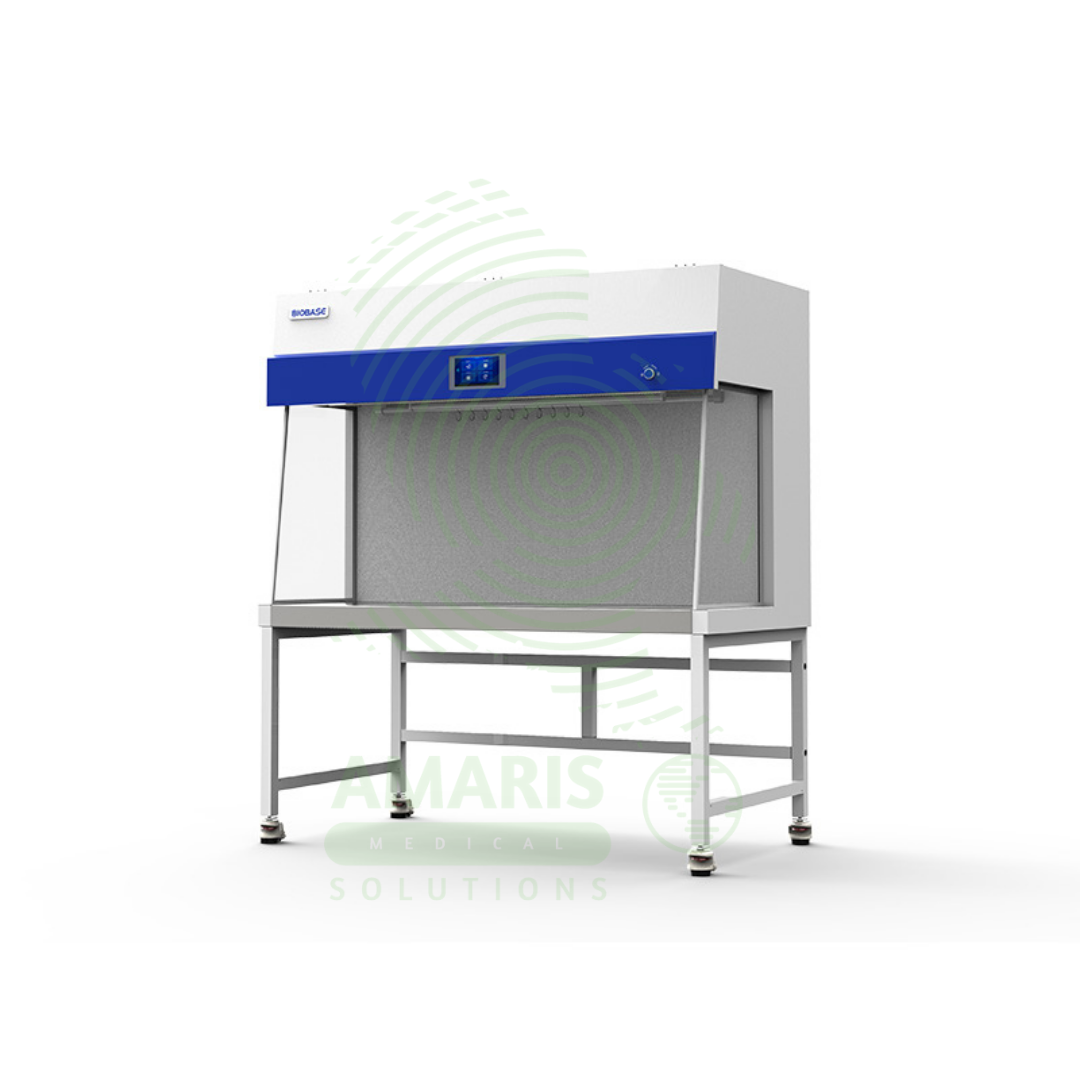
Horizontal Laminar Flow Cabinet
$1.00
WhatsApp Order
A Horizontal Laminar Flow Cabinet is a clean air workstation providing ISO Class 5 (Class 100) particle-free environment for sterile product preparation, with HEPA-filtered air flowing horizontally across the work surface toward the user. Features include HEPA filters (99.99% efficient at 0.3 microns), stainless steel work surface, transparent side panels, and quiet blower system. Available in widths from 2-6 feet. CRITICAL: This cabinet provides NO personnel protection and must NEVER be used with infectious materials, toxins, or hazardous chemicals. Primary clinical applications include sterile pharmaceutical compounding (IV admixtures, TPN, ophthalmic preparations), microbiological culture media preparation, cell culture media preparation, sterile reagent aliquoting, and assembly of sterile medical devices. Essential equipment for hospital pharmacies, microbiology laboratories, cell culture facilities, and medical device manufacturing requiring product protection only, with clear understanding that user safety depends entirely on proper PPE and safe work practices.
Description
Horizontal Laminar Flow Cabinet
PRIMARY CLINICAL & DIAGNOSTIC USES
1. Sterile Preparation of Culture Media:
-
Primary Use: Horizontal laminar flow cabinets provide a clean, particle-free environment for preparing microbiological culture media, pouring plates, and aliquoting sterile reagents without risk of airborne contamination.
-
How it helps: Creates a bubble of clean air where microbiologists can safely prepare the growth media needed to culture bacteria and fungi, ensuring that colonies growing on plates come from patient samples—not from contaminated media.
2. Compounding of Sterile Pharmaceuticals:
-
Primary Use: Used in hospital pharmacies for compounding sterile preparations including intravenous admixtures, total parenteral nutrition (TPN), and ophthalmic solutions under ISO Class 5 clean air conditions.
-
How it helps: Provides the ultra-clean environment essential for preparing medications that will be infused directly into patients’ veins, protecting vulnerable patients from infection during IV therapy.
3. Preparation of Sterile Laboratory Reagents:
-
Primary Use: Essential for preparing sterile buffers, solutions, and reagents for cell culture, molecular biology, and microbiology applications requiring particle-free conditions.
-
How it helps: Ensures that the reagents used in sensitive laboratory tests are free from contaminants that could alter results, maintaining the accuracy and reliability of diagnostic testing.
4. Handling of Sterile Medical Devices:
-
Primary Use: Provides clean workspace for opening and assembling sterile surgical instruments, implantable devices, and procedure trays before transfer to operating rooms.
-
How it helps: Protects surgical patients from infection by ensuring that sterile devices remain uncontaminated during preparation, before they enter the sterile field of the operating room.
5. Cell Culture Media Preparation:
-
Primary Use: Used for preparing and filtering cell culture media, adding supplements, and aliquoting into sterile containers for tissue culture applications.
-
How it helps: Creates the pristine environment needed to grow delicate human cells in the laboratory, supporting research that leads to new treatments and therapies.
6. Preparation of Chemotherapy Medications:
-
Primary Use: Some facilities use horizontal laminar flow cabinets for compounding hazardous drugs when combined with appropriate personal protective equipment (though vertical flow is preferred).
-
How it helps: Provides clean conditions for preparing chemotherapy, though requires careful attention to personnel protection since the air flows toward the user rather than away.
7. Electronics and Medical Device Assembly:
-
Primary Use: Used in assembly and testing of sterile medical devices, electronic components, and diagnostic equipment requiring particle-free environments.
-
How it helps: Ensures that sensitive medical devices and electronics are assembled in dust-free conditions, preventing contamination that could cause equipment failure when lives depend on it.
SECONDARY & SUPPORTIVE USES
1. Forensic Evidence Handling: Clean workspace for handling trace evidence and DNA samples to prevent contamination, helping ensure the integrity of forensic evidence.
2. Pharmaceutical Quality Control: Used for sterility testing and particle analysis of pharmaceutical products, ensuring medications are safe for patient use.
3. Research Laboratory Applications: General clean workspace for procedures requiring particle-free conditions, supporting scientific discovery across multiple disciplines.
4. Dental Laboratory Work: Used for preparing sterile dental materials and devices, supporting dental restorations and prosthetics.
5. Veterinary Medicine: Preparation of sterile medications and media for animal health applications, extending clean preparation practices to veterinary patients.
6. Food and Beverage Industry: Microbiological testing and sample preparation requiring aseptic conditions, helping ensure the safety of the food supply.
7. Educational and Teaching Laboratories: Teaching aseptic technique in microbiology and cell culture courses, training the next generation of laboratory scientists.
KEY PRODUCT FEATURES
1. BASIC IDENTIFICATION ATTRIBUTES
-
Product Type: Clean air workstation that provides ISO Class 5 (Class 100) particle-free air flowing horizontally across the work surface toward the user.
-
Common Names: Horizontal Laminar Flow Cabinet, Laminar Flow Hood, Clean Bench, Horizontal Flow Hood, Laminar Airflow Workstation.
-
ISO Class: ISO Class 5 (formerly Class 100) - ≤3,520 particles ≥0.5 microns per cubic meter.
-
Airflow Direction: Horizontal (air flows from rear of cabinet toward user).
-
HEPA Filters: High-Efficiency Particulate Air filters (99.99% efficient at 0.3 microns).
-
Construction: Stainless steel work surface; transparent side panels (glass or acrylic); metal or plastic housing.
-
Work Area: Open front with horizontal airflow; no sash or barrier between operator and work area.
-
Lighting: Fluorescent or LED lighting within the work area.
-
Blower: Motor/blower system for maintaining proper airflow.
-
Controls: Digital or analog controls for blower and lighting.
-
Pre-Filters: Removable pre-filters to extend HEPA filter life.
-
Certification: Factory certified to ISO Class 5 standards.
2. TECHNICAL & PERFORMANCE PROPERTIES
-
HEPA Filter Efficiency: 99.99% efficient at 0.3 microns (most penetrating particle size).
-
Airflow Velocity: 75-100 linear feet per minute (lfpm) typically.
-
Air Changes: Work area air replaced multiple times per minute.
-
Particle Count: ISO Class 5 (≤3,520 particles ≥0.5 microns per cubic meter).
-
Noise Level: <60-70 dB depending on model and blower speed.
-
Vibration: Low vibration design for delicate procedures.
-
Electrical Requirements: 115V or 230V, 50/60 Hz.
-
Light Intensity: 800-1200 lux (75-110 foot-candles) at work surface.
-
HEPA Filter Life: 3-10 years depending on usage and pre-filter maintenance.
-
Pre-Filter Life: 3-6 months depending on the environment.
3. PHYSICAL & OPERATIONAL PROPERTIES
-
Widths: 2-foot (0.6 m), 3-foot (0.9 m), 4-foot (1.2 m), 5-foot (1.5 m), 6-foot (1.8 m) standard.
-
Depth: 24-36 inches (60-90 cm) depending on model.
-
Height: 40-60 inches (100-150 cm) overall.
-
Work Area Height: 20-30 inches (50-75 cm).
-
Weight: 150-500 lbs (70-230 kg) depending on size.
-
Construction: Stainless steel work surface; painted steel or plastic housing.
-
Side Panels: Tempered glass or acrylic for visibility.
-
Work Surface: One-piece stainless steel with coved corners for easy cleaning.
-
Pre-Filters: Washable or disposable foam or fiber pre-filters.
-
Casters: Optional casters for mobility; leveling feet for stability.
-
UV Light: Optional ultraviolet light for surface decontamination.
-
Service Fixtures: Optional gas, vacuum, and electrical outlets within the work area.
4. SAFETY & COMPLIANCE ATTRIBUTES
-
Regulatory Standards: NSF/ANSI 49 (not applicable - this is not a BSC), ISO 14644-1 cleanroom standards.
-
Personnel Protection: NONE - Horizontal laminar flow cabinets do NOT protect the user. Air flows toward the user, potentially exposing them to hazardous materials.
-
Product Protection: Excellent - HEPA-filtered air protects products from contamination.
-
Environmental Protection: None - air is recirculated within the room (unless ducted).
-
Electrical Safety: Compliant with UL 61010A or IEC 61010-1.
-
UV Safety: Interlocks recommended to prevent UV exposure.
-
Certification: Should be certified at installation and periodically for particle counts and airflow.
-
Not for Biohazards: Absolutely NOT for use with infectious materials, toxins, or hazardous chemicals that require personnel protection.
5. STORAGE & HANDLING ATTRIBUTES
-
Installation: Place on level surface away from traffic, doors, and air vents. Allow clearance for pre-filter access.
-
Certification: Initial certification and periodic recertification (annually) recommended to verify ISO Class 5 performance.
-
Pre-Filter Maintenance: Clean or replace pre-filters monthly or as needed based on usage and environment.
-
HEPA Filter Replacement: Replace when unable to maintain airflow velocity or particle counts; typically every 3-10 years.
-
Cleaning: Clean work surfaces daily with appropriate disinfectant (70% ethanol, quaternary ammonium compounds). Stainless steel cleaner for exterior.
-
UV Lamp Care: Clean UV lamp regularly; replace annually or per manufacturer recommendation.
-
Startup: Allow the cabinet to run 10-15 minutes before use to purge the work area.
-
Shutdown: Can be left running continuously; turn off UV and lights when not in use.
6. LABORATORY & CLINICAL APPLICATIONS
-
Primary Application: Clean workspace for preparing sterile products and materials requiring product protection only (no personnel protection needed).
-
Pharmacy Applications:
-
IV Admixture Preparation: Compounding of sterile intravenous medications.
-
TPN Compounding: Preparation of total parenteral nutrition solutions.
-
Chemotherapy Preparation: Only with appropriate PPE and if no volatile drugs (vertical flow BSC preferred).
-
Ophthalmic Preparations: Sterile eye drops and ointments.
-
-
Microbiology Applications:
-
Media Preparation: Pouring agar plates, dispensing sterile media.
-
Sterile Reagent Preparation: Buffers, stains, and solutions.
-
Subculturing: Transfer of non-hazardous bacterial cultures (if organism is BSL-1 only).
-
-
Cell Culture Applications:
-
Media Preparation: Filtering and aliquoting cell culture media.
-
Supplement Addition: Adding serum, antibiotics, and growth factors.
-
Reagent Preparation: Buffers and solutions for cell culture.
-
-
Medical Device Applications:
-
Sterile Assembly: Assembly of sterile surgical instruments and implants.
-
Packaging: Packaging of sterile devices for sterilization.
-
-
Research Applications:
-
General Clean Work: Procedures requiring a particle-free environment.
-
Electronics Assembly: Assembly of sensitive electronic components.
-
SAFETY HANDLING PRECAUTIONS
1. SAFETY PRECAUTIONS
-
CRITICAL: No Personnel Protection: Horizontal laminar flow cabinets do NOT protect the user. NEVER use infectious materials, toxins, or hazardous chemicals.
-
Proper Use Only: Use only for products that require protection from contamination, not for protecting the user.
-
Airflow Awareness: Avoid blocking airflow with large objects or turbulent movements.
-
Work Organization: Arrange work from clean to dirty; place clean materials upstream.
-
PPE: Always wear appropriate PPE (gloves, lab coat) - this cabinet does not protect you.
-
Pre-Use Checks: Verify airflow (visual indicator or gauge); check pre-filter condition.
-
UV Safety: Never expose skin or eyes to UV light; use interlocked UV systems.
-
Spill Management: Clean spills immediately; disinfect work surface.
-
Annual Certification: Ensure cabinet is certified annually for particle counts and airflow.
-
Training: All users must understand that this cabinet provides NO personnel protection.
2. FIRST AID MEASURES
-
Chemical Spill: Stop work; evacuate area if hazardous; follow chemical spill protocol.
-
UV Exposure: If exposed to UV, monitor for symptoms; seek medical attention if needed.
-
Eye Contact with Chemicals: Flush eyes with copious water for 15 minutes; seek medical attention.
3. FIRE FIGHTING MEASURES
-
Flammability: Plastic components and HEPA filters are combustible.
-
Extinguishing Media: For electrical fire, use CO₂ or dry chemical (Class C) extinguisher.
-
Power Off: Disconnect power if safe to do so.
Related products
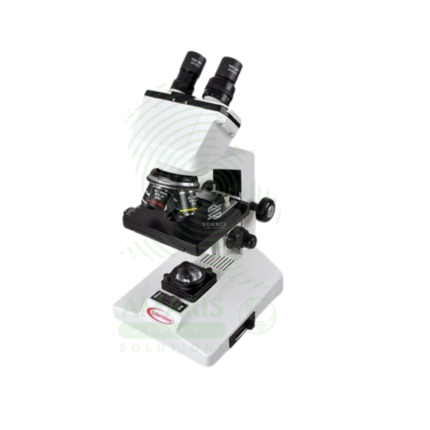
Binocular Microscope
A Binocular Microscope is a high-precision, compound optical instrument fundamental to clinical diagnostics. Featuring dual eyepieces for comfortable viewing and a suite of parfocal objective lenses (4x, 10x, 40x, 100x oil), it provides magnifications from 40x to 1000x. Its integrated LED illumination, mechanical stage, and Abbe condenser enable the detailed examination of stained blood films, tissue sections, microbiological specimens, and cytological preparations. As the primary tool for pathologists and laboratory scientists, it is indispensable for definitive diagnoses in hematology, histopathology, microbiology, and urinalysis, demanding skilled operation and meticulous maintenance for optimal performance.
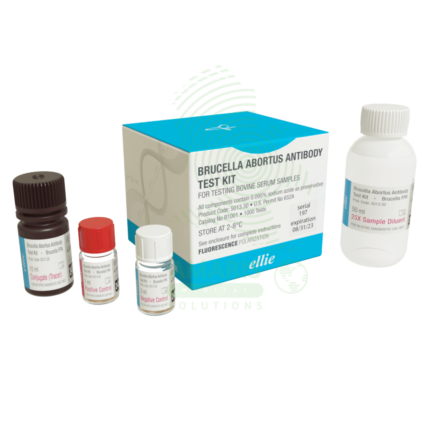
Brucella Set
A Brucella Set is a comprehensive serological test system (Class II medical device, CE-marked/FDA-cleared) for qualitative and quantitative detection of antibodies against Brucella species (B. abortus, B. melitensis, B. suis, B. canis) using multiple methodologies including tube agglutination, slide agglutination, and 2-mercaptoethanol (2-ME) testing. The set includes killed, stained Brucella antigens, positive and negative controls, dilution tubes, reaction cards, and 2-ME reagent for IgM/IgG differentiation. Diagnostic titer ≥1:160 or fourfold rise confirms brucellosis. Primary clinical applications include diagnosis of brucellosis in endemic regions (undulant fever, night sweats, arthralgia), fever of unknown origin investigation, occupational health screening in high-risk workers (veterinarians, farmers, slaughterhouse workers), diagnosis of focal complications (sacroiliitis, spondylitis, meningitis, endocarditis), treatment monitoring (fourfold decline indicates response), outbreak investigation, and public health surveillance. Critical safety precautions include handling all samples in biosafety cabinet (Brucella is highly infectious via aerosol), 2-ME reagent toxicity (use fume hood), awareness of prozone phenomenon (serial dilutions essential), cross-reactions with other Gram-negative bacteria, and mandatory reporting to public health authorities. Essential test for brucellosis diagnosis in endemic regions and occupational health settings.
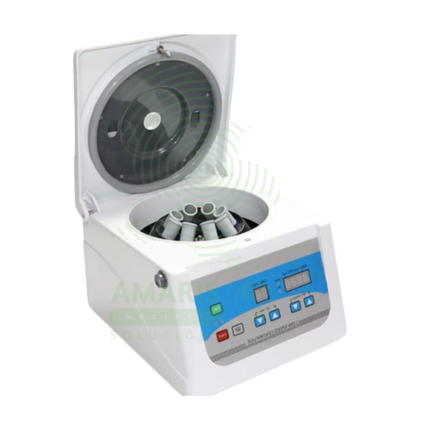
Electric Centrifuge
An Electric Centrifuge is a Class I medical device that uses rapid rotation to separate fluids of different densities, essential in clinical laboratories for processing blood, urine, and other biological specimens. Available in benchtop, refrigerated, microcentrifuge, hematocrit, and high-speed models with fixed-angle, swinging-bucket, or vertical rotors. Speed range 1,000-30,000+ RPM with RCF up to 65,000+ x g. Features include brushless induction motor, digital controls, imbalance detection, lid lock safety, and programmable protocols. Primary clinical applications include separation of serum/plasma for chemistry and hematology testing, urine sediment analysis for microscopy, platelet-rich plasma (PRP) preparation for regenerative medicine, concentration of bacteria for microbiology, cytology fluid analysis, blood banking, and molecular biology sample processing. Critical safety precautions include proper balancing of loads (weight matching), use of sealed rotors for biohazardous samples, regular rotor inspection for corrosion or cracks, never exceeding maximum rated speed, and never opening lid during operation. Essential equipment in clinical, research, and teaching laboratories.
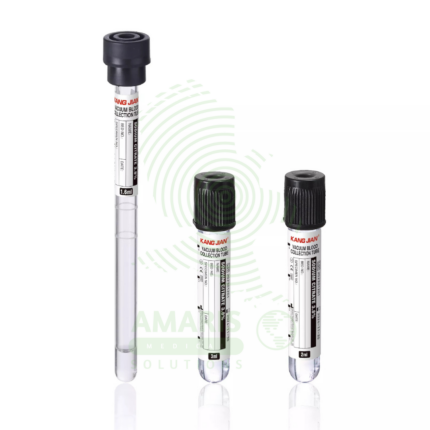
ESR Tubes Glass
ESR Tubes Glass are specialized glass tubes (300 mm length, 2.55 mm bore diameter, graduated 0-200 mm in 1 mm intervals) meeting ICSH and CLSI Westergren specifications for measuring erythrocyte sedimentation rate, a non-specific marker of inflammation. Used with citrated or diluted EDTA blood, filled to exactly 200 mm, placed vertically in Westergren stand, and read at 60 minutes. Primary clinical applications include determination of ESR for diagnosing and monitoring inflammatory conditions (infections, autoimmune disorders, malignancies), monitoring disease activity in rheumatoid arthritis, assessment of temporal arteritis and polymyalgia rheumatica, evaluation of infection and inflammatory response, screening for occult inflammatory conditions, and monitoring chronic inflammatory diseases (SLE, IBD, vasculitis). Critical safety precautions include handling glass tubes carefully to avoid breakage (sharps hazard), proper disposal in sharps containers as biohazardous waste, ensuring vertical alignment and constant temperature (18-25°C), reading at exactly 60 minutes, and avoiding air bubbles and vibration. Essential consumable for reference Westergren ESR testing in clinical laboratories.
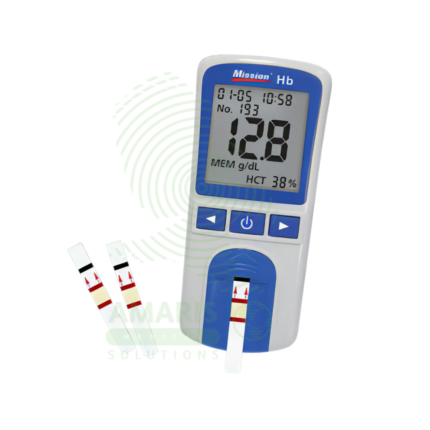
Hemoglobin Meter
A Hemoglobin Meter is a Class II medical device (FDA-cleared, CE-marked) for quantitative point-of-care measurement of hemoglobin concentration in capillary or venous blood, providing results in 5-60 seconds from a 5-20 µL sample. The meter uses photometric, electrochemical, or conductivity technology to measure hemoglobin, with accuracy ±0.3-0.5 g/dL compared to reference methods. Features include backlit LCD display, memory storage for 100-1000 results, USB/Bluetooth connectivity for data transfer, and compatibility with single-use disposable cuvettes or test strips. Primary clinical applications include anemia screening and diagnosis (WHO criteria), preoperative assessment and surgical planning, antenatal care and maternal health monitoring, malaria-endemic region screening, chronic disease management (CKD, IBD, cancer), nutritional assessment and intervention programs, and blood donor screening. Critical safety precautions include single-use lancets, proper hand hygiene, correct sample application, quality control with control solutions, proper cuvette storage (protect from heat, light, humidity), and never using expired cuvettes. Essential point-of-care device for hemoglobin testing in hospitals, clinics, community health programs, and blood donation centers.
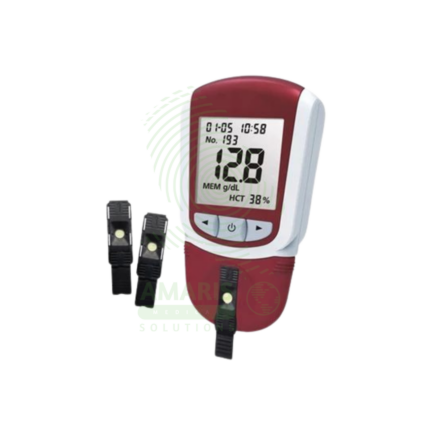
Mission Plus HB Machine
The Mission Plus HB Machine is a portable, battery-operated hemoglobin meter (Class II medical device, FDA-cleared/CE-marked) using photometric technology to measure hemoglobin concentration in capillary or venous blood within 5-15 seconds. Features include backlit LCD display, memory storage for 100-500 results, simple one-button operation, and disposable single-use cuvettes (5-20 µL sample volume). Accuracy ±0.3 g/dL compared to reference methods, measurement range 4-24 g/dL. Primary clinical applications include rapid anemia screening in outpatient clinics, preoperative assessment, antenatal care and maternal health monitoring, malaria-endemic region screening, chronic disease management (CKD, IBD, cancer), nutritional assessment and intervention programs, and blood donor screening. Critical safety precautions include single-use lancets, proper hand hygiene, correct sample application, quality control with control solutions, proper cuvette storage (protect from heat, light, humidity), and never using expired cuvettes. Essential point-of-care device for hemoglobin testing in diverse healthcare settings.
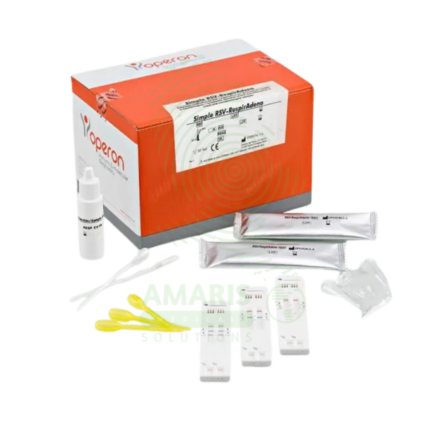
Rota virus
Rota virus rapid tests are immunochromatographic assays (CE-marked, FDA-cleared for some brands) for qualitative detection of rotavirus group A antigens in stool specimens, providing results in 10-20 minutes. The test principle uses monoclonal or polyclonal antibodies against rotavirus antigens (typically VP6 protein) immobilized on membranes, capturing antigens that form a visible line. Sensitivity 90-98%, specificity 95-99% compared to ELISA or PCR. The kit includes individually foil-wrapped test devices, sample diluent, and collection applicators. Primary clinical applications include rapid diagnosis of acute gastroenteritis in children (rotavirus is the leading cause of severe diarrhea in under-5 children), outbreak investigation in daycare centers and schools, hospital infection control and isolation precautions, differential diagnosis of acute diarrhea (viral vs. bacterial vs. parasitic), vaccine effectiveness monitoring and surveillance, assessment of dehydration risk, and evaluation of immunocompromised patients. Critical safety precautions include proper specimen collection (clean container, avoid contamination), biological hazard precautions (all stool potentially infectious), quality control verification, and awareness that a negative test does not rule out other causes of gastroenteritis. Essential tool for pediatric gastroenteritis management, infection control, and public health surveillance.