Dermatoscope and Magnifiers
 Diagnostic Kits
 Vital Signs Monitors
 Stethoscopes and Accessories
 Otoscopes, Ophthalmoscopes, and Retinoscopes
 Reflex Hammers and Neurological Tools
 Scales and Measuring Devices
 Spirometers and Pulmonary Function Tests
 Electrosurgical Units and Accessories
 Cutting Instruments
 Grasping and Holding Instruments
 Hemostatic Instruments
 Specialized Surgical Sets
 Single-Use Procedure Trays and Packs
 Surgical Drapes, Gowns, and Covers
 Tissue Unifying Instruments
 Radiation Protection
 X-Ray Machines and Accessories
 Ultrasound Systems and Probes
 MRI and CT Scanners
 Radiology Consumables
 Bone Densitometers
 Fluoroscopy Equipment
 Imaging Tables and Positioning Aids
 Microscopes and Accessories
 Centrifuges and Separators
 Analyzers
 Incubators and Ovens
 Pipettes, Dispensers, and Lab Glassware
 Refrigerators, Freezers, and Storage Units
 Lab Consumables
 Sterilizers and Autoclaves for Lab Use
 Multi-Parameter Monitors
 Ventilators and Respiratory Support Devices
 Defibrillators and AEDs
 Infusion Pumps and IV Systems
 Patient Warmers and Cooling Devices
 Central Monitoring Stations
 Accessories
 Anesthesia Machines and Workstations
 Oxygen Concentrators and Delivery Systems
 Nebulizers and Inhalers
 CPAP/BiPAP Machines
 Airway Management
 Anesthesia Masks, Circuits, and Bags
 Humidifiers and Heaters
 Respiratory Therapy Accessories
 First Aid Kits and Cabinets
 Emergency Resuscitation Equipment
 Trauma Supplies
 Emergency Carts and Crash Carts
 Burn Care Products
 Bleeding Control
 Automated External Defibrillators (AEDs)
 Transport and Evacuation
 Wheelchairs and Accessories
 Walkers, Crutches, and Canes
 Prosthetics and Orthotics
 Physical Therapy Equipment
 Transfer Devices
 Bathroom Safety
 Orthopedic Traction and Tables
 Hot/Cold Therapy Packs and Units
 Beds and Mattresses
 Chairs and Stools
 Tables
 Cabinets and Storage
 Privacy Screens & Curtains
 Stands and Racks
 Linens and Textiles
 Lighting
 Autoclaves and Sterilizers
 Ultrasonic Cleaners
 Disinfectant Solutions and Wipes
 Sterilization Pouches, Wraps, and Indicators
 Instrument Trays and Containers
 UV and Ozone Disinfection Devices
 Washer Disinfectors
 Wound Care
 Gloves
 Masks and Respirators
 Catheters and Tubing
 Swabs, Applicators, and Sponges
 Incontinence Products
 Personal Protective Equipment (PPE)
 Dental Chairs and Units
 Handpieces and Burs
 Instruments
 Consumables
 Sterilization for Dental Use
 Orthodontic Supplies
 Endodontic Tools
 Slit Lamps and Tonometers
 Lensometers and Phoropters
 Ophthalmic Surgical Instruments
 Eyewear Frames and Lenses
 Contact Lens Supplies
 Vision Testing Charts and Devices
 Eye Care Consumables
 Laser Systems for Eye Care
 ENT Exam Chairs and Tables
 Endoscopes
 Audiometers and Hearing Tests
 ENT Instruments
 Nasal and Throat Packs
 Hearing Aids and Accessories
 Otology Supplies
 Fetal Dopplers and Monitors
 Delivery Beds and Tables
 Gynecological Instruments
 Neonatal Incubators and Warmers
 Breast Pumps and Accessories
 Contraceptive Devices
 Maternity Supports and Pads
 Neonatal Consumables
 Cystoscopes and Urethroscopes
 Dialysis Machines and Supplies
 Urological Catheters and Bags
 Lithotripters
 Prostate Treatment Devices
 Urinary Incontinence Products
 Kidney Stone Management Tools
 Consumables & Disposables
 EEG and EMG Machines
 Neurosurgical Instruments
 Nerve Stimulators
 Headrests and Positioning Aids
 Lumbar Puncture Kits
 Seizure Monitoring Devices
 Consumables
 Rehabilitation for Neurological Conditions
 ECG Machines and Accessories
 Holter Monitors
 Stress Test Systems
 Pacemakers and Defibrillator Accessories
 Vascular Access Devices
 Cardiac Catheters and Guidewires
 Blood Flow Meters
 Consumables
 Orthopedic Instruments
 Casts, Splints, and Padding
 Joint Replacement Supplies
 Prosthetic Limbs and Components
 Bone Grafts and Substitutes
 Traction Devices
 Orthopedic Braces and Supports
 Rehabilitation Aids for Orthopedics
 Home Oxygen Therapy
 Hospital Beds for Home Use
 Mobility Aids
 Bathroom and Daily Living Aids
 Wound Care for Home
 Monitoring Devices
 Enteral Feeding Pumps and Tubes
 Hand Sanitizers and Dispensers
 Face Shields and Goggles
 Isolation Gowns and Suits
 Biohazard Waste Containers
 Air Purifiers and HEPA Filters
 Surface Disinfectants
 Sharps Containers
 Protective Barriers
 Cardiovascular & Endurance Training
 Strength Training & Weightlifting
 Functional Training & Core Conditioning
 Physical Therapy & Rehabilitation
 Sports & Outdoor Recreation
 Gym Flooring & Facility Equipment
 Fitness Monitoring & Accessories
 Kids & Novelties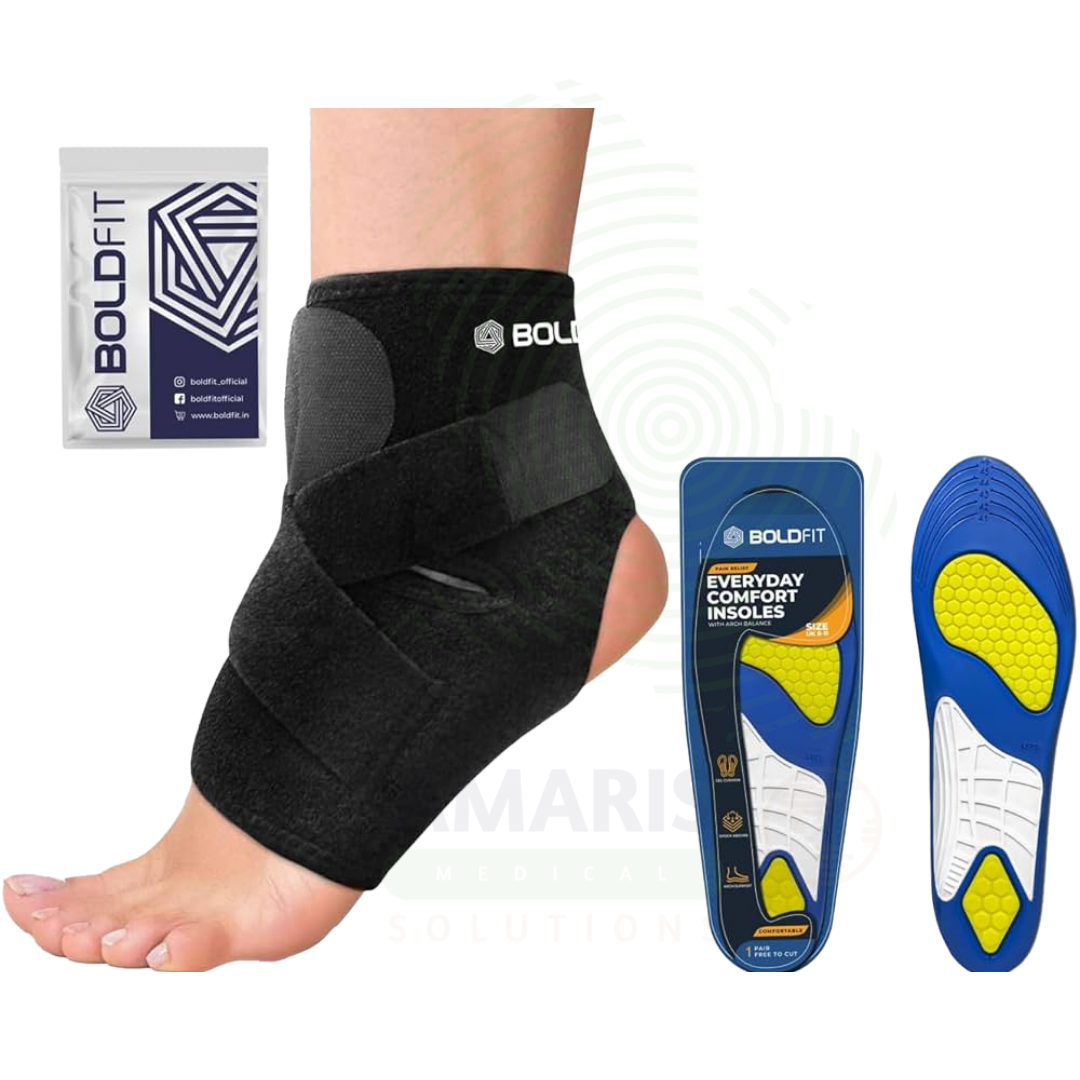
Insoles, Compressor Series
$1.00
WhatsApp Order
Insoles, Compressor Series are medical-grade foot orthotics incorporating graduated compression technology, acupressure nodes, and shock-absorbing materials designed for conservative management of plantar fasciitis, heel pain, metatarsalgia, and biomechanical foot abnormalities. Featuring a three hundred sixty-degree compression system that improves blood circulation and reduces inflammation, multi-point acupressure technology that provides proprioceptive feedback and circulatory stimulation, and a deep heel cup with rigid or semi-rigid arch support for calcaneal stabilization, these insoles address both symptomatic relief and biomechanical correction. Available in various materials including EVA foam for lightweight shock absorption, gel for maximum cushioning, and polypropylene for rigid arch control, compressor series insoles are designed for use in athletic shoes, work boots, and casual footwear. For the podiatrist and orthopedic specialist, these insoles provide a non-invasive first-line treatment for common foot conditions. For the patient suffering from plantar fasciitis, flat feet, or chronic heel pain, compressor series insoles reduce pain during weight-bearing activities, improve lower extremity alignment, and support return to pain-free ambulation.
Description
Insoles, Compressor Series
PRIMARY CLINICAL & DIAGNOSTIC USES
1. Compression Therapy for Plantar Fasciitis
-
Primary Use: Provides graduated compression technology within the insole structure to reduce inflammation, improve blood circulation, and alleviate pain associated with plantar fasciitis and heel spurs.
-
How it helps: For the podiatrist and orthopedic specialist, the compressor series insole delivers targeted compression to the plantar fascia ligament—reducing micro-tearing and inflammation while promoting healing through improved circulation. For the patient suffering from plantar fasciitis, this compression technology reduces morning heel pain, decreases pain after prolonged standing, and accelerates recovery from this common but debilitating condition.
2. Acupressure and Proprioceptive Stimulation
-
Primary Use: Features multi-point acupressure technology that activates blood circulation and provides proprioceptive feedback to improve gait mechanics and reduce muscle fatigue.
-
How it helps: For the physical therapist and sports medicine clinician, the acupressure nodes strategically placed throughout the insole stimulate pressure points on the plantar surface—enhancing sensory input to the central nervous system and improving neuromuscular control during walking and running. For the patient, this stimulation reduces leg fatigue, improves balance, and provides a massaging effect that alleviates discomfort during prolonged standing or walking.
3. Shock Absorption and Impact Reduction
-
Primary Use: Incorporates a three hundred sixty-degree compression system and shock-absorbing materials (EVA foam, polyurethane gel, or proprietary polymers) that dissipate ground reaction forces during weight-bearing activities.
-
How it helps: For the orthopedic surgeon and rehabilitation specialist, the compressor series insole reduces peak plantar pressures significantly—protecting joints, bones, and soft tissues from repetitive impact injury. For the patient with osteoarthritis, stress fractures, or metatarsalgia, this shock absorption reduces pain during activity and delays disease progression by minimizing joint loading.
4. Arch Support and Foot Realignment
-
Primary Use: Provides rigid or semi-rigid arch support that maintains the foot in a neutral position, preventing overpronation and reducing strain on the plantar fascia and posterior tibial tendon.
-
How it helps: For the chiropractor and sports medicine physician, the compressor series insole’s arch contour supports the medial longitudinal arch—preventing excessive flattening of the foot during stance and reducing abnormal biomechanical stress. For the patient with flat feet or overpronation, this support reduces shin splints, knee pain, and lower back strain, improving overall lower extremity alignment.
SECONDARY & SUPPORTIVE USES
1. Management of Metatarsalgia: Integrated metatarsal pad supports the transverse arch, redistributing pressure away from the ball of the foot and reducing pain in patients with metatarsalgia.
2. Treatment of Heel Spurs: Deep heel cup and targeted padding relieve pressure on the calcaneal attachment of the plantar fascia, reducing pain from heel spurs.
3. Management of High Arches (Pes Cavus): Cushioned EVA or gel construction provides additional shock absorption for patients with rigid, high-arched feet who lack natural pronation.
4. Diabetic Foot Ulcer Prevention: Pressure-redistributing design reduces high-pressure points on the plantar surface, helping prevent ulcer formation in patients with diabetic neuropathy.
5. Management of Fat Pad Atrophy: Gel or foam cushioning compensates for loss of natural plantar fat padding in elderly patients, reducing bone-on-skin pressure.
6. Treatment of Achilles Tendinopathy: Heel lift and cushioning reduce tension on the Achilles tendon by elevating the heel slightly and absorbing shock during heel strike.
7. Management of Stress Fractures: Shock-absorbing properties reduce impact loading on metatarsals, supporting healing of stress fractures in runners and athletes.
8. Sports Performance Enhancement: Improved proprioception and circulation delay muscle fatigue, allowing athletes to maintain form and performance over longer distances.
9. Post-Injury Rehabilitation: Used as part of rehabilitation protocols following ankle sprains, foot fractures, or plantar fascia surgery to support healing and prevent re-injury.
10. Occupational Foot Comfort: Used by healthcare workers, retail staff, and industrial workers who stand for prolonged periods to reduce foot fatigue and lower extremity pain.
11. Pediatric Flat Foot Management: Semi-rigid arch support used in children with flexible flat feet to encourage normal arch development and reduce activity-related foot pain.
12. Geriatric Fall Prevention: Improved proprioception and balance from acupressure stimulation may reduce fall risk in elderly patients.
KEY PRODUCT FEATURES
1. BASIC IDENTIFICATION ATTRIBUTES
-
Device Type: A foot orthotic insole incorporating compression technology, acupressure nodes, and shock-absorbing materials designed to treat plantar fasciitis, provide arch support, and improve lower extremity biomechanics.
-
Designation: Compressor Series Insoles, Compression Insoles, Acupressure Insoles, Plantar Fasciitis Insoles, Orthotic Insoles, Shock-Absorbing Insoles, Arch Support Insoles, Medical Grade Insoles.
-
Key Components:
o Compression Layer: Graduated compression material or three hundred sixty-degree compression system.
o Acupressure Nodes: Multi-point raised nodes for proprioceptive and circulatory stimulation.
o Arch Support: Rigid or semi-rigid polypropylene, EVA, or carbon fiber arch cradle.
o Heel Cup: Deep, contoured heel cup for calcaneal stabilization.
o Shock-Absorbing Core: EVA foam, polyurethane gel, or memory foam for impact attenuation.
o Top Cover: Breathable, moisture-wicking fabric (often antimicrobial or copper-infused).
o Metatarsal Pad: Integrated pad supporting the transverse arch on select models.
2. TECHNICAL & PERFORMANCE PROPERTIES
-
Compression Technology: Graduated compression system (typically three hundred sixty-degree circumferential compression) improving venous return and reducing edema.
-
Shock Absorption: Proprietary foam or gel polymer reducing impact forces significantly depending on material and thickness.
-
Arch Height: Available in low, medium, and high arch profiles to accommodate different foot morphologies.
-
Heel Cup Depth: Deep heel cup for calcaneal fat pad containment.
-
Materials: EVA (ethylene-vinyl acetate), polyurethane gel, memory foam, cork, polypropylene, or carbon fiber.
-
Top Cover Fabric: Moisture-wicking, antimicrobial (copper-infused or silver-infused), breathable textile.
-
Durability: Typical lifespan of several months with regular use; memory foam compresses after extended use.
-
Heat Moldability: Select models (cork or EVA-based) can be heat-molded to the patient's foot contour.
-
Trimmability: Universal sizes with trim lines to fit most shoe types.
-
Latex-Free: Manufactured without natural rubber latex.
3. PHYSICAL & OPERATIONAL PROPERTIES
-
Construction: Multi-layer laminated design (top cover, cushioning core, arch support shell, bottom layer).
-
Thickness: Range from thin to thick depending on indication (thicker for shock absorption, thinner for athletic fit).
-
Weight: Lightweight construction varying by size and materials.
-
Friction: Textured top cover prevents foot sliding within shoe.
-
Odor Control: Antimicrobial treatments reduce bacterial and fungal growth.
-
Packaging: Pair packed in cardboard or plastic retail packaging; may include sizing guide and instructions.
4. SAFETY & COMPLIANCE ATTRIBUTES
-
Regulatory Status: Class I medical device when labeled for medical foot conditions; general wellness product if not making medical claims.
-
FDA Compliance: Compliant with FDA Quality System Regulations for medical device manufacturers.
-
Biocompatibility: Materials tested for skin contact safety.
-
Latex-Free: Standard in most medical-grade insoles.
-
Antimicrobial: Some models feature EPA-registered antimicrobial protection.
5. STORAGE & HANDLING ATTRIBUTES
-
Storage: Store in a cool, dry location at room temperature; avoid prolonged exposure to direct sunlight or high heat which may deform materials.
-
Shelf Life: Several years from date of manufacture when stored properly.
-
Cleaning: Wipe with damp cloth and mild soap; air dry completely before reinserting. Do not machine wash or dry.
-
Inspection: Inspect regularly for signs of wear, compression, or material breakdown; replace when cushioning is compromised.
-
Trimming: For universal sizes, trim along designated lines using scissors; do not cut beyond trim lines.
6. LABORATORY & CLINICAL APPLICATIONS
-
Primary Application: Conservative management of plantar fasciitis, heel pain, metatarsalgia, flat feet, and high arches through compression therapy, shock absorption, and biomechanical realignment.
-
Clinical Role: Essential non-invasive treatment device in podiatry, orthopedics, sports medicine, physical therapy, and primary care for foot pain management and injury prevention.
SAFETY HANDLING PRECAUTIONS
1. SAFETY PRECAUTIONS
-
Gradual Acclimation: Wear for short periods initially and gradually increase wear time to allow feet to adjust to new biomechanics.
-
Proper Sizing: Select appropriate size for patient's shoe; insoles that are too small or too large may cause discomfort or blistering.
-
Shoe Compatibility: Ensure insoles fit within the patient's shoes without causing excessive tightness or toe crowding.
-
Diabetic Patients: Diabetic patients should consult a physician before using rigid orthotic insoles; monitor feet closely for pressure points or ulceration.
-
Neuropathic Patients: Patients with peripheral neuropathy should use caution; reduced sensation may mask pressure-related injury.
-
Transition Period: Expect a transition period of several days to two weeks as feet and lower extremities adapt to new support.
-
Not a Substitute for Medical Evaluation: Persistent foot pain requires professional medical evaluation; insoles may not address underlying pathology.
-
Cleanliness: Keep insoles clean and dry to prevent fungal or bacterial overgrowth.
-
Replace Regularly: Replace insoles every several months or when signs of wear appear to maintain therapeutic benefit.
2. FIRST AID MEASURES
-
Skin Irritation: If skin irritation or blistering occurs, discontinue use, allow skin to heal, and consider alternative insole material or design.
-
Increased Pain: If foot pain worsens after using insoles, discontinue use and consult a healthcare provider.
-
Fungal Infection: If signs of fungal infection (itching, scaling, odor) develop, clean insoles thoroughly with antifungal solution or replace; treat feet with appropriate antifungal medication.
3. FIRE FIGHTING MEASURES
-
Flammability: Foam and polymer materials are combustible; may melt or burn if exposed to flame or high heat.
-
Extinguishing Media: Use water, foam, dry chemical, or carbon dioxide for fire involving insole materials.
-
Fire Response: No special fire hazards beyond typical combustible materials.
Related products
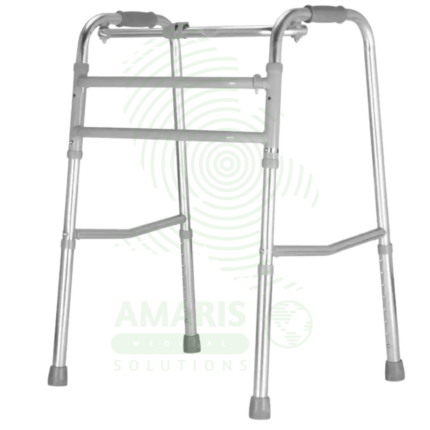
Adult Walking Frame
An Adult Walking Frame is a rigid, non-wheeled mobility aid designed to provide maximum stability during walking. It is used by lifting and placing the frame forward with each step, making it ideal for individuals with severe balance issues, significant weakness, or those in early post-operative recovery. Key features include a lightweight aluminum frame, height-adjustable legs, and replaceable rubber tips. Proper fitting and gait training by a healthcare professional are essential for safe use, as incorrect technique can increase fall risk. It is the most stable ambulatory aid before progressing to wheeled walkers or canes.
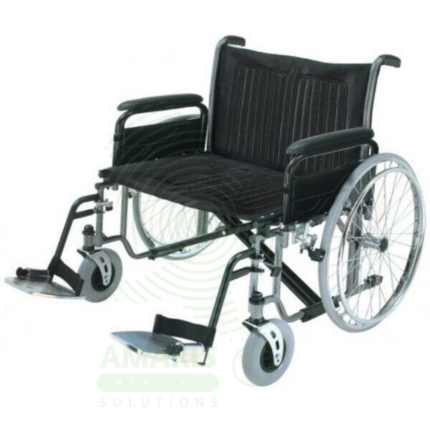
Extra Wide Wheelchair
An Extra Wide Wheelchair is a heavy-duty manual wheelchair designed with a seat width greater than 20 inches to safely and comfortably accommodate bariatric patients or individuals with unique seating needs. Key features include a reinforced wide frame, high weight capacity, wide footrests, and robust components. Its primary use is to provide dignified and stable mobility for patients of size, though its increased dimensions require careful planning for doorway accessibility and make it heavier and less maneuverable than standard chairs. It is a fundamental tool for safe patient handling in bariatric care.
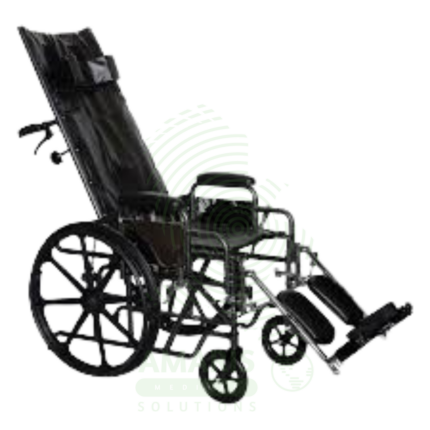
Manual Reclining Wheelchair
A Manual Reclining Wheelchair is a non-powered wheelchair with a backrest that can be manually adjusted to various angles. It is designed for users who need to change their sitting position for pressure relief, circulatory management, respiratory support, or comfort but do not require powered mobility. Key safety features include a robust locking mechanism, mandatory use of anti-tip levers and a seat belt when reclined, and synchronized elevating leg rests to prevent sliding. It is heavier and less maneuverable than a standard wheelchair but provides essential positioning options for individuals with specific postural and medical needs.
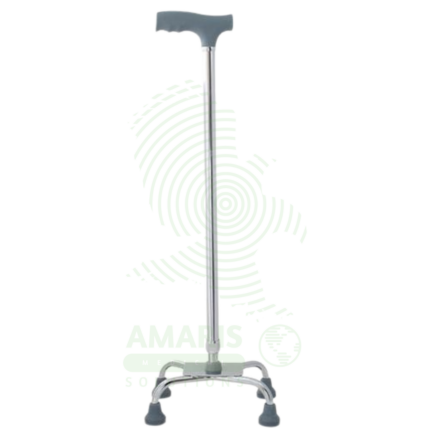
Quadpod Walking Stick
A Quadpod Walking Stick (Quad Cane) is a mobility aid featuring a four-legged base attached to a single shaft, providing significantly greater stability than a standard cane. It is designed for individuals with moderate balance issues or who need to safely offload weight from one leg due to pain or injury. Its wide base offers multi-directional support but requires a specific "lift-and-place" gait technique. While offering more security, its wider footprint can be cumbersome in tight spaces. Proper fitting and user training are essential for safe and effective use as a medically prescribed aid.
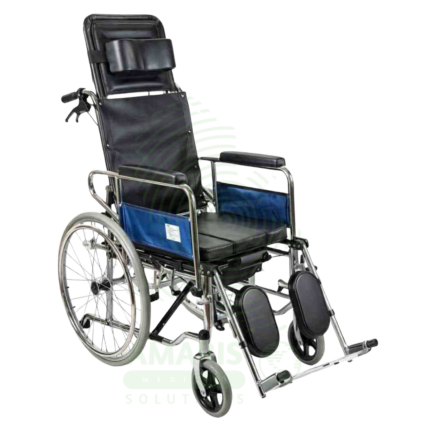
Reclining Commode Wheelchair
A Reclining Commode Wheelchair is a complex manual chair that integrates a reclining backrest with a commode seat. It is designed for patients who require adjustable positioning for pressure relief, respiratory support, or comfort, and who need a built-in toileting solution. It addresses the needs of individuals with severe neurological conditions, spinal injuries, or advanced illnesses. Critical safety features include anti-tip levers, a mandatory seat belt, and a robust recline lock. Its use requires vigilant attention to stability and shear prevention, making it a specialized tool for high-dependency care settings.
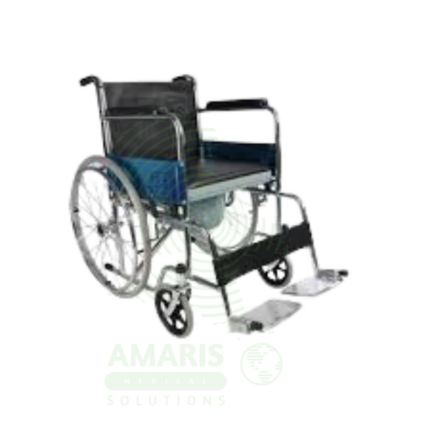
The Commode Wheelchair
The Commode Wheelchair is a dual-purpose manual wheelchair featuring a seat with a central opening and a removable commode pan, designed to function as both a mobility chair and a toilet. It is used to safely and hygienically manage toileting for non-ambulatory, high-fall-risk, or post-operative patients without requiring hazardous transfers to a separate toilet. Key features include a removable pan, swing-away armrests for easy lateral transfers, and often compatibility with standard toilets. Its use requires strict adherence to brake safety and rigorous cleaning protocols after each use to prevent infection.
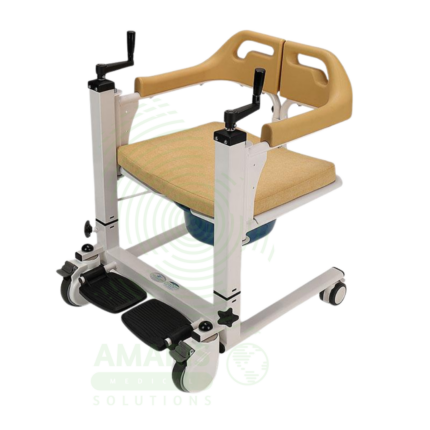
Transfer Chair
A Transfer Chair is a simple, armless mobile chair on four swivel casters designed specifically for safe, lateral seated patient transfers. Its core function is to allow caregivers to move patients who cannot stand between surfaces like beds, wheelchairs, toilets, and cars with minimal lifting, thereby preventing caregiver injuries and patient falls. Key features include a low, armless seat for unobstructed sliding, locking casters for stability, and a compact, maneuverable design. It is a fundamental piece of equipment in any safe patient handling program.