Dermatoscope and Magnifiers
 Diagnostic Kits
 Vital Signs Monitors
 Stethoscopes and Accessories
 Otoscopes, Ophthalmoscopes, and Retinoscopes
 Reflex Hammers and Neurological Tools
 Scales and Measuring Devices
 Spirometers and Pulmonary Function Tests
 Electrosurgical Units and Accessories
 Cutting Instruments
 Grasping and Holding Instruments
 Hemostatic Instruments
 Specialized Surgical Sets
 Single-Use Procedure Trays and Packs
 Surgical Drapes, Gowns, and Covers
 Tissue Unifying Instruments
 Radiation Protection
 X-Ray Machines and Accessories
 Ultrasound Systems and Probes
 MRI and CT Scanners
 Radiology Consumables
 Bone Densitometers
 Fluoroscopy Equipment
 Imaging Tables and Positioning Aids
 Microscopes and Accessories
 Centrifuges and Separators
 Analyzers
 Incubators and Ovens
 Pipettes, Dispensers, and Lab Glassware
 Refrigerators, Freezers, and Storage Units
 Lab Consumables
 Sterilizers and Autoclaves for Lab Use
 Multi-Parameter Monitors
 Ventilators and Respiratory Support Devices
 Defibrillators and AEDs
 Infusion Pumps and IV Systems
 Patient Warmers and Cooling Devices
 Central Monitoring Stations
 Accessories
 Anesthesia Machines and Workstations
 Oxygen Concentrators and Delivery Systems
 Nebulizers and Inhalers
 CPAP/BiPAP Machines
 Airway Management
 Anesthesia Masks, Circuits, and Bags
 Humidifiers and Heaters
 Respiratory Therapy Accessories
 First Aid Kits and Cabinets
 Emergency Resuscitation Equipment
 Trauma Supplies
 Emergency Carts and Crash Carts
 Burn Care Products
 Bleeding Control
 Automated External Defibrillators (AEDs)
 Transport and Evacuation
 Wheelchairs and Accessories
 Walkers, Crutches, and Canes
 Prosthetics and Orthotics
 Physical Therapy Equipment
 Transfer Devices
 Bathroom Safety
 Orthopedic Traction and Tables
 Hot/Cold Therapy Packs and Units
 Beds and Mattresses
 Chairs and Stools
 Tables
 Cabinets and Storage
 Privacy Screens & Curtains
 Stands and Racks
 Linens and Textiles
 Lighting
 Autoclaves and Sterilizers
 Ultrasonic Cleaners
 Disinfectant Solutions and Wipes
 Sterilization Pouches, Wraps, and Indicators
 Instrument Trays and Containers
 UV and Ozone Disinfection Devices
 Washer Disinfectors
 Wound Care
 Gloves
 Masks and Respirators
 Catheters and Tubing
 Swabs, Applicators, and Sponges
 Incontinence Products
 Personal Protective Equipment (PPE)
 Dental Chairs and Units
 Handpieces and Burs
 Instruments
 Consumables
 Sterilization for Dental Use
 Orthodontic Supplies
 Endodontic Tools
 Slit Lamps and Tonometers
 Lensometers and Phoropters
 Ophthalmic Surgical Instruments
 Eyewear Frames and Lenses
 Contact Lens Supplies
 Vision Testing Charts and Devices
 Eye Care Consumables
 Laser Systems for Eye Care
 ENT Exam Chairs and Tables
 Endoscopes
 Audiometers and Hearing Tests
 ENT Instruments
 Nasal and Throat Packs
 Hearing Aids and Accessories
 Otology Supplies
 Fetal Dopplers and Monitors
 Delivery Beds and Tables
 Gynecological Instruments
 Neonatal Incubators and Warmers
 Breast Pumps and Accessories
 Contraceptive Devices
 Maternity Supports and Pads
 Neonatal Consumables
 Cystoscopes and Urethroscopes
 Dialysis Machines and Supplies
 Urological Catheters and Bags
 Lithotripters
 Prostate Treatment Devices
 Urinary Incontinence Products
 Kidney Stone Management Tools
 Consumables & Disposables
 EEG and EMG Machines
 Neurosurgical Instruments
 Nerve Stimulators
 Headrests and Positioning Aids
 Lumbar Puncture Kits
 Seizure Monitoring Devices
 Consumables
 Rehabilitation for Neurological Conditions
 ECG Machines and Accessories
 Holter Monitors
 Stress Test Systems
 Pacemakers and Defibrillator Accessories
 Vascular Access Devices
 Cardiac Catheters and Guidewires
 Blood Flow Meters
 Consumables
 Orthopedic Instruments
 Casts, Splints, and Padding
 Joint Replacement Supplies
 Prosthetic Limbs and Components
 Bone Grafts and Substitutes
 Traction Devices
 Orthopedic Braces and Supports
 Rehabilitation Aids for Orthopedics
 Home Oxygen Therapy
 Hospital Beds for Home Use
 Mobility Aids
 Bathroom and Daily Living Aids
 Wound Care for Home
 Monitoring Devices
 Enteral Feeding Pumps and Tubes
 Hand Sanitizers and Dispensers
 Face Shields and Goggles
 Isolation Gowns and Suits
 Biohazard Waste Containers
 Air Purifiers and HEPA Filters
 Surface Disinfectants
 Sharps Containers
 Protective Barriers
 Cardiovascular & Endurance Training
 Strength Training & Weightlifting
 Functional Training & Core Conditioning
 Physical Therapy & Rehabilitation
 Sports & Outdoor Recreation
 Gym Flooring & Facility Equipment
 Fitness Monitoring & Accessories
 Kids & Novelties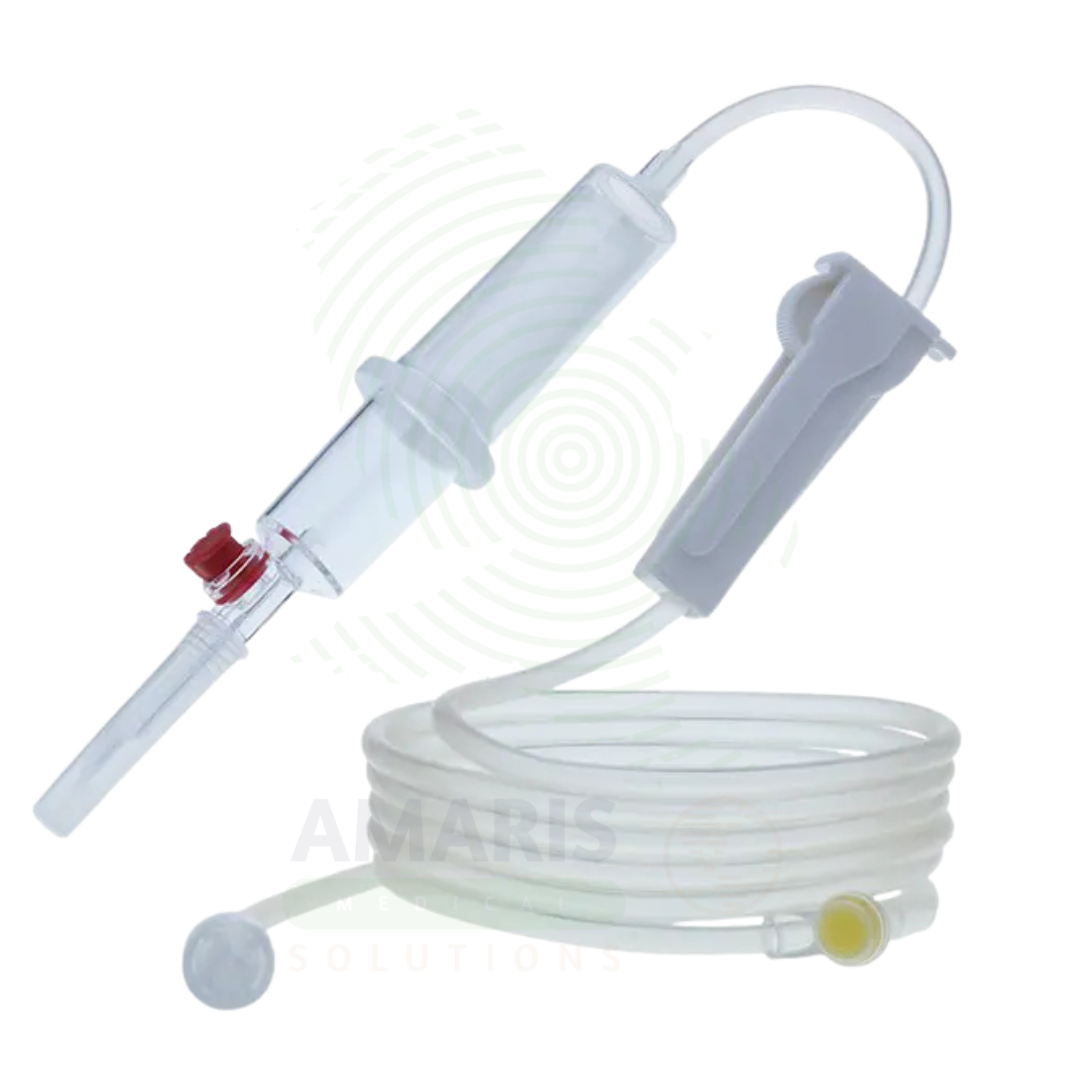
Blood giving set
$1.00
WhatsApp Order
A Blood Giving Set is a sterile, single-use intravenous administration set specifically designed for transfusing whole blood and blood components—including packed red blood cells, platelets, fresh frozen plasma, and cryoprecipitate—to patients with bleeding, anemia, or coagulation disorders. Featuring an integral microaggregate filter (170-260 microns) that removes clots and particulate matter, large-bore tubing for optimal flow rates, and a precision roller clamp for controlled infusion, the blood giving set ensures safe, filtered delivery of life-saving blood products. Compatible with blood warming devices and pressure infusers, the set supports both slow, controlled transfusions for medically fragile patients and rapid, high-volume infusion for those with active hemorrhage. For the clinician, the blood giving set simplifies transfusion set-up, ensures consistent filtration, and enables precise flow control. For the patient receiving blood transfusion due to trauma, surgery, gastrointestinal bleeding, cancer, or bone marrow failure, the blood giving set delivers essential blood components that restore oxygen-carrying capacity, correct coagulation, and support survival.
Description
Blood Giving Set
PRIMARY CLINICAL & DIAGNOSTIC USES
1. Transfusion of Whole Blood and Blood Components
-
Primary Use: Provides a sterile, single-use intravenous administration set specifically designed for transfusing whole blood, packed red blood cells, platelets, fresh frozen plasma, and cryoprecipitate to patients with bleeding, anemia, or coagulation disorders.
-
How it helps: For the nurse, physician, and transfusion specialist, the blood giving set features an integral blood filter that removes clots and microaggregates—ensuring that only safe, filtered blood components reach the patient while preventing infusion of potentially harmful particles. For the patient with acute blood loss from trauma, surgery, or gastrointestinal bleeding, or for those with chronic anemia, cancer, or bone marrow failure, the blood giving set delivers life-saving blood components that restore oxygen-carrying capacity, correct coagulation, and support survival.
2. Integrated Blood Filter for Particle Removal
-
Primary Use: Contains a built-in microaggregate filter (typically 170-260 microns) that removes clots, platelet aggregates, and other particulate matter from blood components during transfusion.
-
How it helps: For the transfusion nurse and clinician, the integrated filter eliminates the need for separate in-line filters—simplifying set-up, reducing manipulation, and ensuring consistent filtration for every transfusion. For the patient, effective filtration prevents infusion of microaggregates that could cause pulmonary complications, febrile reactions, or microvascular obstruction.
3. Controlled Flow Rate for Safe Transfusion
-
Primary Use: Features a precision roller clamp and large-bore tubing that allows controlled flow rates from slow drip to rapid infusion, accommodating different clinical situations and patient tolerances.
-
How it helps: For the clinician managing a patient with active hemorrhage, the blood giving set can deliver blood rapidly (up to 5-10 mL per second) to restore circulating volume; for patients at risk of fluid overload or transfusion-associated circulatory overload (TACO), the roller clamp allows slow, controlled infusion. For the patient, precise flow control matches transfusion speed to their clinical condition—preventing both inadequate resuscitation and life-threatening volume overload.
4. Compatibility with Blood Warming Devices
-
Primary Use: Designed with standard connectors compatible with in-line blood warmers for patients requiring warmed blood transfusions.
-
How it helps: For the anesthesiologist and trauma nurse, the blood giving set connects seamlessly to blood warming devices—preventing hypothermia and cardiac complications during massive or rapid transfusion. For the patient receiving large volumes of cold stored blood, warming prevents hypothermia, coagulopathy, and cardiac arrhythmias that could be fatal.
SECONDARY & SUPPORTIVE USES
1. Massive Transfusion Protocol Activation: Used during massive hemorrhage (trauma, obstetrics, surgery) for rapid infusion of multiple blood units.
2. Exchange Transfusion in Neonates: Used for exchange transfusion in newborns with severe hyperbilirubinemia or polycythemia.
3. Intraoperative Blood Salvage Administration: Used to reinfuse autologous blood collected during surgery.
4. Pre-Operative Blood Preparation: Used to administer blood components to anemic patients before elective surgery.
5. Sickle Cell Crisis Management: Used to administer simple or exchange transfusion in patients with sickle cell disease.
6. Thrombotic Thrombocytopenic Purpura (TTP) Management: Used for plasma exchange and infusion of fresh frozen plasma.
7. Bone Marrow Transplant Support: Used to transfuse irradiated, leukocyte-reduced blood components in transplant patients.
8. Oncology and Chemotherapy Support: Used to transfuse red cells and platelets in patients with chemotherapy-induced cytopenias.
9. Hemophilia and Coagulation Disorder Management: Used to infuse clotting factor concentrates and plasma products.
10. Emergency Department Resuscitation: Used for emergency blood transfusion in trauma, gastrointestinal bleeding, and ruptured aneurysms.
KEY PRODUCT FEATURES
1. BASIC IDENTIFICATION ATTRIBUTES
-
Device Type: A sterile, single-use intravenous administration set specifically designed for transfusing whole blood and blood components, featuring an integral blood filter and large-bore tubing.
-
Designation: Blood Giving Set, Blood Transfusion Set, Blood Administration Set, Blood Infusion Set, Blood Tubing Set, Y-Type Blood Set, Straight Blood Set, Blood Filter Set.
-
Key Components:
o Spike: Integrated piercing spike for blood bag entry.
o Drip Chamber: Large drip chamber with integral blood filter (170-260 micron).
o Tubing: Large-bore, flexible PVC tubing (typically 3.5-4.5mm internal diameter).
o Roller Clamp: Precision flow control clamp.
o Luer Connector: Male Luer or Luer lock connector for IV catheter attachment.
o Injection Port: Latex-free Y-injection port for medication or fluid administration.
o Clamp: Slide or roller clamp for flow control.
2. TECHNICAL & PERFORMANCE PROPERTIES
-
Filter Type: Integral microaggregate filter (typically 170-260 microns).
-
Filter Material: Polyester mesh or nylon screen.
-
Tubing Material: Medical-grade PVC (DEHP or non-DEHP options).
-
Tubing Length: Standard 150-250 cm (60-100 inches).
-
Tubing Inner Diameter: 3.5-4.5 mm for optimal flow rates.
-
Flow Rate: Up to 10-20 mL per second depending on tubing length, patient access, and pressure.
-
Drip Chamber: Flexible or rigid chamber with filter.
-
Spike Type: Piercing spike with protective cover.
-
Connector Type: Male Luer slip or Luer lock.
-
Injection Port: Y-site or pre-injection port for secondary infusions.
-
Sterility: Sterile; ethylene oxide or gamma irradiation sterilized.
-
Latex-Free: Manufactured without natural rubber latex.
-
DEHP-Free: Available in non-DEHP options.
-
Single-Use: Intended for single patient, single use only.
3. PHYSICAL & OPERATIONAL PROPERTIES
-
Construction: Flexible, kink-resistant tubing.
-
Drip Chamber Features: Filter and drip rate observation window.
-
Priming: Standard priming volume (typically 20-30 mL).
-
Packaging: Sterile, individually wrapped peel-pouch.
-
Color: Clear or translucent tubing for visual inspection of blood flow.
-
Port Identification: Color-coded ports for easy identification.
4. SAFETY & COMPLIANCE ATTRIBUTES
-
Regulatory Status: Class II medical device requiring 510(k) clearance.
-
FDA Compliance: Compliant with FDA Quality System Regulations.
-
ISO Standards: Compliant with ISO 1135 (Transfusion equipment for medical use).
-
Filter Standards: Compliant with ISO 1135-4 (Blood transfusion filters).
-
Latex-Free: Standard in all blood giving sets.
-
DEHP-Free: Available for sensitive populations (neonates, pregnant women, oncology patients).
-
Sterility Assurance Level (SAL): 10^-6.
5. STORAGE & HANDLING ATTRIBUTES
-
Storage: Store in a clean, dry location at room temperature; protect from heat, moisture, and direct sunlight.
-
Shelf Life: Typically 2-3 years from date of manufacture; check expiration date before use.
-
Sterility Maintenance: Do not use if package is opened, torn, wet, or damaged.
-
Single-Use Only: Intended for single patient, single use only; do not reuse or resterilize.
-
Inspection: Inspect for damage, kinks, or loose connections before use.
6. LABORATORY & CLINICAL APPLICATIONS
-
Primary Application: Transfusion of whole blood and blood components (red blood cells, platelets, plasma, cryoprecipitate) to patients with bleeding, anemia, coagulopathy, or bone marrow failure.
-
Clinical Role: Essential device in operating rooms, emergency departments, intensive care units, labor and delivery, oncology units, hematology units, medical-surgical wards, and outpatient transfusion centers for safe blood component administration.
SAFETY HANDLING PRECAUTIONS
1. SAFETY PRECAUTIONS
-
Patient Identification: Verify patient identity and blood compatibility with two licensed personnel before initiating transfusion.
-
Filter Use: Do not bypass or remove the integral blood filter; use only blood giving sets with filters for blood products.
-
No Medication Addition: Do not add medications to the blood bag or tubing unless specifically approved; incompatible additives can cause hemolysis.
-
Prime with Normal Saline: Prime the blood giving set with preservative-free normal saline (0.9% sodium chloride); never prime with dextrose solutions (cause hemolysis) or lactated Ringer's (contains calcium, may clot).
-
Do Not Use with Other Fluids: Do not co-infuse medications, dextrose solutions, or lactate Ringer's through the same tubing without blood.
-
Flow Rate Monitoring: Start transfusion slowly (1-2 mL/min) for first 15 minutes; monitor for transfusion reactions before increasing rate.
-
Transfusion Reaction Monitoring: Monitor patient closely for fever, chills, rash, dyspnea, back pain, or hypotension; stop transfusion immediately if reaction is suspected.
-
Time Limit: Complete transfusion of each blood unit within 4 hours of spiking to prevent bacterial growth.
-
Single-Use: Discard set after completing transfusion; do not reuse or flush for later use.
-
Pressure Infusion: Use only pressure infusers designed for blood bags; do not exceed 300 mmHg pressure.
2. FIRST AID MEASURES
-
Suspected Transfusion Reaction: Stop transfusion immediately; disconnect blood giving set from patient; keep IV line open with normal saline; notify physician; return blood bag and set to blood bank for investigation.
-
Air Embolism: If air enters the system, stop infusion, place the patient in the left lateral decubitus (Trendelenburg) position, and seek emergency assistance.
-
Extravasation: If blood infiltrates into surrounding tissue, stop infusion, elevate extremity, apply warm or cold compress as ordered, and notify physician.
-
Hemolysis: If signs of hemolysis (dark urine, back pain, fever, hypotension) occur, stop transfusion immediately and initiate transfusion reaction protocol.
3. FIRE FIGHTING MEASURES
-
Flammability: PVC tubing is combustible; may melt or burn if exposed to flame or high heat.
-
Extinguishing Media: Use water, foam, dry chemical, or CO₂ for fire involving tubing materials.
-
Fire Response: No special fire hazards beyond typical combustible materials.
Related products
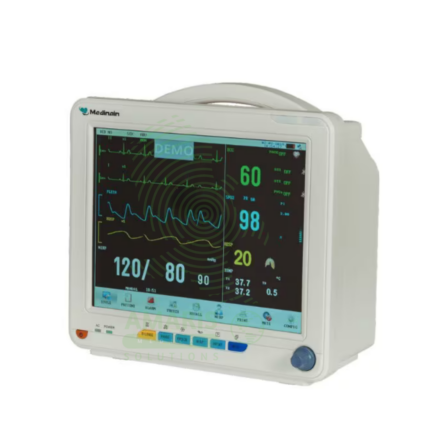
ECG Machine
An ECG Machine is a Class II medical device that records and displays the electrical activity of the heart through surface electrodes, producing an electrocardiogram for diagnosis of cardiac conditions. Standard diagnostic machines record 12 simultaneous leads (3 limb, 6 precordial, 1 ground) with frequency response 0.05-150 Hz, sampling rate 500-1,000 Hz, and high-resolution (5-10 µV) signal acquisition. Features include color touchscreen display, thermal array printer, computerized interpretation algorithms, internal memory (50-500+ ECGs), and network connectivity for EMR integration. Lead wires (AHA or IEC color coding) connect to disposable adhesive electrodes. Portable models (5-15 kg) with rechargeable batteries enable bedside and mobile use; cart-mounted units provide full diagnostic capability. Primary clinical applications include diagnosis of arrhythmias (AF, VT, bradycardia), detection of myocardial ischemia/infarction (STEMI, NSTEMI), evaluation of chest pain, preoperative cardiac risk assessment, monitoring electrolyte imbalances, assessment of chamber enlargement, and drug effect/toxicity monitoring. Essential diagnostic equipment in emergency departments, cardiology clinics, ICUs, operating rooms, and primary care settings worldwide.
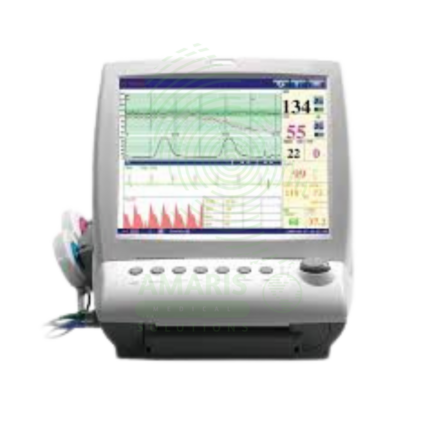
Fetal & Maternal Monitor
A Fetal & Maternal Monitor is an electronic monitoring system that simultaneously records fetal heart rate (via external ultrasound or internal scalp electrode), uterine contractions (via external tocodynamometer or intrauterine pressure catheter), and maternal vital signs (blood pressure, heart rate, oxygen saturation). Used for antepartum and intrapartum fetal assessment, non-stress tests, contraction stress tests, and monitoring of high-risk pregnancies including gestational diabetes, hypertensive disorders, and multiple gestations. Features high-resolution display, continuous paper recording, alarm systems for fetal distress, and data storage for medical records. External monitoring is non-invasive for routine use; internal monitoring provides more accurate data but requires ruptured membranes and cervical dilation. Class II medical device requiring FDA clearance and qualified interpretation of fetal heart rate patterns. Essential for assessing fetal well-being and guiding obstetric interventions.
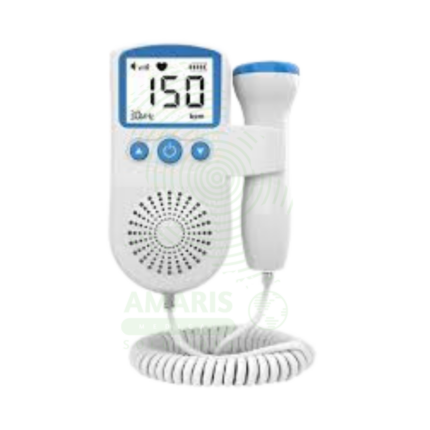
Fetoheart Sonic Aid Doppler (clinic/hospital use)
A Fetoheart Sonic Aid Doppler (Fetal Doppler) is a Class II medical ultrasound device (2-3 MHz probe) for real-time detection and audible/visual display of fetal heart rate in clinical obstetric settings from 10-12 weeks gestation. Features include handheld or tabletop console, waterproof probe, digital heart rate display (30-240 bpm), amplified speaker, headphone jack, and rechargeable battery or AC power operation. Continuous wave or pulsed wave Doppler technology with auto-correlation signal processing rejects maternal artifact. Primary clinical applications include fetal heart rate detection and monitoring during routine prenatal visits, confirmation of fetal viability in first trimester, intermittent fetal monitoring during labor, non-stress test administration, multiple gestation assessment, fetal presentation determination, and post-procedure confirmation (amniocentesis, CVS, ECV). Critical safety considerations include following ALARA principle (minimum necessary exposure), appropriate ultrasound gel use, probe pressure avoidance, infection control (probe cleaning between patients), differentiation of fetal from maternal signals, and interpretation by qualified providers. Essential equipment in outpatient obstetric clinics, hospital labor and delivery units, and prenatal care settings.
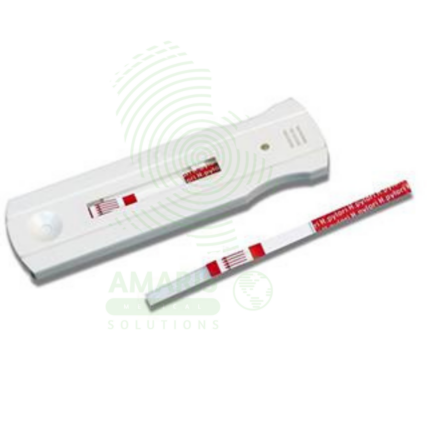
H. pylori Test Strips
H. pylori Test Strips are rapid, lateral flow immunochromatographic devices used for the qualitative detection of Helicobacter pylori antigens in human stool. As a non-invasive stool antigen test (SAT), it provides a convenient and reliable method for diagnosing active H. pylori infection and confirming eradication after therapy, with results available in under 15 minutes. Ideal for use in clinics and outpatient settings, it aids in the management of dyspepsia and peptic ulcer disease. Proper sample handling, adherence to pre-test medication restrictions, and strict biohazard precautions are essential for obtaining accurate results.
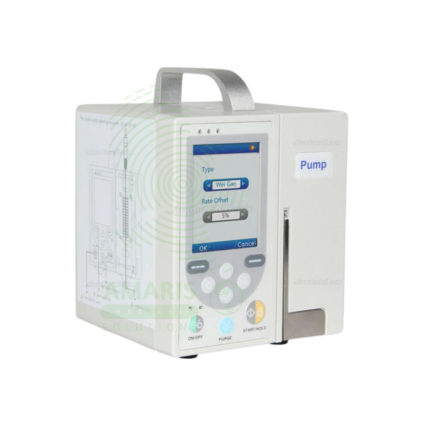
Infusion Pump
An Infusion Pump is a microprocessor-controlled device that delivers fluids, medications, or nutrients into a patient's circulatory system at precisely programmed rates. Replacing error-prone gravity drips, it is indispensable for the safe administration of critical IV therapies, including vasoactive drugs, chemotherapy, analgesics (via PCA), and nutrition. Engineered with multiple safety features—such as anti-free-flow mechanisms, air-in-line detectors, occlusion alarms, and dose error reduction software—it ensures accurate delivery and minimizes the risk of adverse events. Its use spans hospitals, clinics, and home care, making it a cornerstone of modern intravenous therapy.
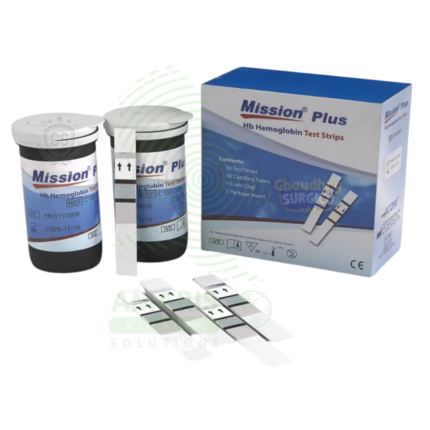
Mission plus strips
Mission Plus Strips are single-use, disposable electrochemical test strips (ISO 15197:2013 compliant) designed exclusively for use with Mission Plus glucose meters to measure capillary blood glucose from 0.5-1.0 µL samples in 5-7 seconds. Each strip contains glucose oxidase or glucose dehydrogenase reagents that generate electrical current proportional to glucose concentration (20-600 mg/dL range). Packaging options include multi-strip vials (25-100 strips) with desiccant for daily use or individually foil-wrapped strips for travel. Strips feature no-coding automatic calibration, hematocrit compensation (20-60%), and interference resistance. Primary clinical applications include daily blood glucose testing for Type 1, Type 2, and gestational diabetes management, hypoglycemia and hyperglycemia detection, pre- and post-meal glucose assessment, and hospital point-of-care testing. Critical safety precautions include single-use only, immediate vial closure after strip removal to prevent humidity damage, storage at 2-30°C away from bathrooms and temperature extremes, never using expired strips, proper hand hygiene before testing, and disposal in sharps containers. Essential consumable for diabetes self-management when used with Mission Plus meters.
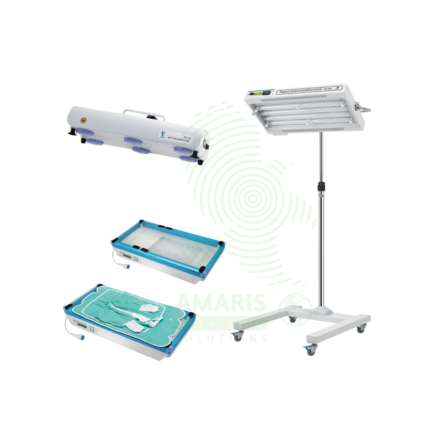
Neonatal Jaundice Treatment Device
A Neonatal Jaundice Treatment Device (phototherapy unit) is a Class II medical device that delivers therapeutic blue light (450-470 nm) to treat hyperbilirubinemia in newborns, preventing bilirubin-induced neurological damage (kernicterus). Available as overhead units (mobile stands with LED or fluorescent lamps), fiberoptic systems (Biliblanket) with illuminated pads placed against the infant's skin, and combination systems for intensive therapy. Irradiance ranges from 10-50+ µW/cm²/nm at treatment distance. LED units offer specific wavelength output, minimal heat, long life (10,000-50,000 hours), and energy efficiency. Treatment indications follow AAP hour-specific nomograms based on gestational age, birth weight, postnatal age, and risk factors. Essential safety requirements include opaque eye shields to protect neonatal retinas, temperature monitoring to prevent hyperthermia, hydration maintenance, and regular irradiance verification. Used in hospital NICUs, newborn nurseries, and (select devices) home care settings for mild jaundice. Critical for preventing permanent neurological sequelae of untreated severe neonatal jaundice.