Dermatoscope and Magnifiers
 Diagnostic Kits
 Vital Signs Monitors
 Stethoscopes and Accessories
 Otoscopes, Ophthalmoscopes, and Retinoscopes
 Reflex Hammers and Neurological Tools
 Scales and Measuring Devices
 Spirometers and Pulmonary Function Tests
 Electrosurgical Units and Accessories
 Cutting Instruments
 Grasping and Holding Instruments
 Hemostatic Instruments
 Specialized Surgical Sets
 Single-Use Procedure Trays and Packs
 Surgical Drapes, Gowns, and Covers
 Tissue Unifying Instruments
 Radiation Protection
 X-Ray Machines and Accessories
 Ultrasound Systems and Probes
 MRI and CT Scanners
 Radiology Consumables
 Bone Densitometers
 Fluoroscopy Equipment
 Imaging Tables and Positioning Aids
 Microscopes and Accessories
 Centrifuges and Separators
 Analyzers
 Incubators and Ovens
 Pipettes, Dispensers, and Lab Glassware
 Refrigerators, Freezers, and Storage Units
 Lab Consumables
 Sterilizers and Autoclaves for Lab Use
 Multi-Parameter Monitors
 Ventilators and Respiratory Support Devices
 Defibrillators and AEDs
 Infusion Pumps and IV Systems
 Patient Warmers and Cooling Devices
 Central Monitoring Stations
 Accessories
 Anesthesia Machines and Workstations
 Oxygen Concentrators and Delivery Systems
 Nebulizers and Inhalers
 CPAP/BiPAP Machines
 Airway Management
 Anesthesia Masks, Circuits, and Bags
 Humidifiers and Heaters
 Respiratory Therapy Accessories
 First Aid Kits and Cabinets
 Emergency Resuscitation Equipment
 Trauma Supplies
 Emergency Carts and Crash Carts
 Burn Care Products
 Bleeding Control
 Automated External Defibrillators (AEDs)
 Transport and Evacuation
 Wheelchairs and Accessories
 Walkers, Crutches, and Canes
 Prosthetics and Orthotics
 Physical Therapy Equipment
 Transfer Devices
 Bathroom Safety
 Orthopedic Traction and Tables
 Hot/Cold Therapy Packs and Units
 Beds and Mattresses
 Chairs and Stools
 Tables
 Cabinets and Storage
 Privacy Screens & Curtains
 Stands and Racks
 Linens and Textiles
 Lighting
 Autoclaves and Sterilizers
 Ultrasonic Cleaners
 Disinfectant Solutions and Wipes
 Sterilization Pouches, Wraps, and Indicators
 Instrument Trays and Containers
 UV and Ozone Disinfection Devices
 Washer Disinfectors
 Wound Care
 Gloves
 Masks and Respirators
 Catheters and Tubing
 Swabs, Applicators, and Sponges
 Incontinence Products
 Personal Protective Equipment (PPE)
 Dental Chairs and Units
 Handpieces and Burs
 Instruments
 Consumables
 Sterilization for Dental Use
 Orthodontic Supplies
 Endodontic Tools
 Slit Lamps and Tonometers
 Lensometers and Phoropters
 Ophthalmic Surgical Instruments
 Eyewear Frames and Lenses
 Contact Lens Supplies
 Vision Testing Charts and Devices
 Eye Care Consumables
 Laser Systems for Eye Care
 ENT Exam Chairs and Tables
 Endoscopes
 Audiometers and Hearing Tests
 ENT Instruments
 Nasal and Throat Packs
 Hearing Aids and Accessories
 Otology Supplies
 Fetal Dopplers and Monitors
 Delivery Beds and Tables
 Gynecological Instruments
 Neonatal Incubators and Warmers
 Breast Pumps and Accessories
 Contraceptive Devices
 Maternity Supports and Pads
 Neonatal Consumables
 Cystoscopes and Urethroscopes
 Dialysis Machines and Supplies
 Urological Catheters and Bags
 Lithotripters
 Prostate Treatment Devices
 Urinary Incontinence Products
 Kidney Stone Management Tools
 Consumables & Disposables
 EEG and EMG Machines
 Neurosurgical Instruments
 Nerve Stimulators
 Headrests and Positioning Aids
 Lumbar Puncture Kits
 Seizure Monitoring Devices
 Consumables
 Rehabilitation for Neurological Conditions
 ECG Machines and Accessories
 Holter Monitors
 Stress Test Systems
 Pacemakers and Defibrillator Accessories
 Vascular Access Devices
 Cardiac Catheters and Guidewires
 Blood Flow Meters
 Consumables
 Orthopedic Instruments
 Casts, Splints, and Padding
 Joint Replacement Supplies
 Prosthetic Limbs and Components
 Bone Grafts and Substitutes
 Traction Devices
 Orthopedic Braces and Supports
 Rehabilitation Aids for Orthopedics
 Home Oxygen Therapy
 Hospital Beds for Home Use
 Mobility Aids
 Bathroom and Daily Living Aids
 Wound Care for Home
 Monitoring Devices
 Enteral Feeding Pumps and Tubes
 Hand Sanitizers and Dispensers
 Face Shields and Goggles
 Isolation Gowns and Suits
 Biohazard Waste Containers
 Air Purifiers and HEPA Filters
 Surface Disinfectants
 Sharps Containers
 Protective Barriers
 Cardiovascular & Endurance Training
 Strength Training & Weightlifting
 Functional Training & Core Conditioning
 Physical Therapy & Rehabilitation
 Sports & Outdoor Recreation
 Gym Flooring & Facility Equipment
 Fitness Monitoring & Accessories
 Kids & Novelties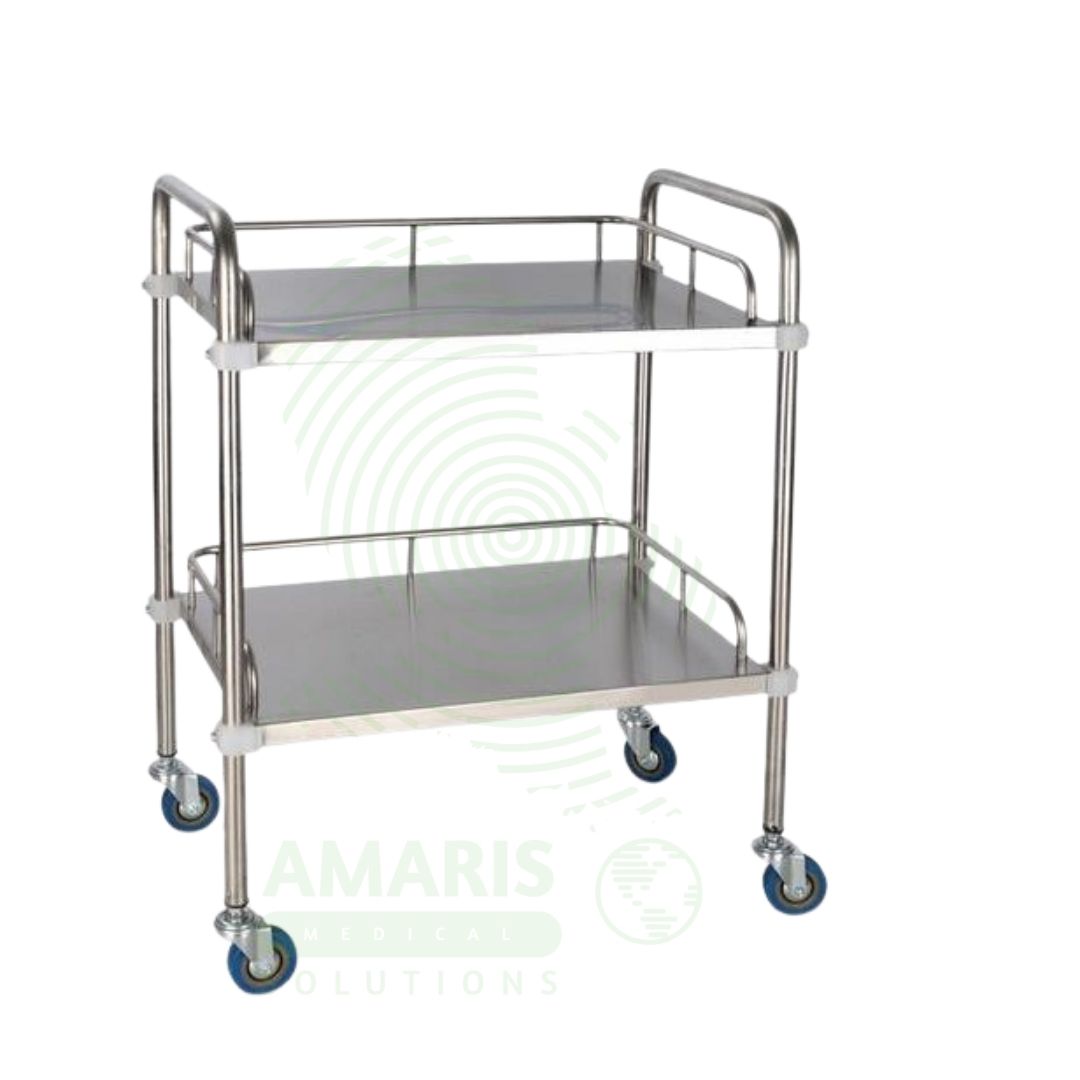
Instrument & Medicine Trolley
$1.00
WhatsApp Order
An Instrument & Medicine Trolley is a versatile, secure, mobile cart designed to transport, organize, and administer both medical instruments and medications. It functions as a mobile workstation for procedures, medication rounds, or emergency response, depending on its configuration. Key features include lockable, compartmentalized drawers for secure storage, a flat work surface, and smooth-rolling casters for mobility. Its adaptability makes it essential across hospital settings, from wards to treatment rooms, ensuring that organized, secure, and complete sets of tools and drugs are delivered efficiently to the point of patient care.
Description
Instrument & Medicine Trolley
PRIMARY CLINICAL & DIAGNOSTIC USES
1. Mobile Centralized Setup for Minor Procedures and Wound Care
-
Definitive Use: Transports, organizes, and presents all necessary sterile instruments, dressings, medications, and disposables required for a specific minor procedure directly to the patient’s bedside or treatment room, creating a self-contained, efficient workstation.
-
How it helps: For the nurse or physician performing a bedside procedure—suturing a laceration, debriding a wound, inserting a catheter, or performing a lumbar puncture—the instrument trolley brings everything needed to the point of care, organized and ready. For the patient, this means their procedure begins promptly, without delays while staff gather supplies from distant storage, and is performed with all necessary instruments at hand, improving both efficiency and safety.
2. Secure Transport and Administration of Scheduled Patient Medications
-
Primary Use: Serves as a locked, mobile cart for nurses to securely carry and administer patient-specific oral and injectable medications during drug rounds, with organized compartments for each patient’s drugs, Medication Administration Records, and administration supplies.
-
How it helps: For the medication nurse conducting drug rounds on a busy ward, the medicine trolley provides a secure, organized mobile base—locked compartments preventing diversion or unauthorized access, labeled drawers ensuring each patient’s medications are correctly identified, and a stable work surface for preparing and administering doses. For the patient receiving medications, this organized approach reduces the risk of medication errors, ensures their scheduled doses are delivered on time, and provides the nurse with everything needed for safe administration.
3. Anesthesia and Procedural Sedation Support
-
Primary Use: Configured as an anesthesia trolley to hold syringes, vials, infusion lines, airway devices, and emergency drugs required for administering and monitoring sedation or anesthesia in operating theaters, endoscopy suites, and procedural areas.
-
How it helps: For the anesthesiologist and nurse anesthetist, a dedicated anesthesia trolley organizes the dozens of drugs and supplies needed for each case—induction agents, muscle relaxants, opioids, reversal agents, emergency drugs—all within arm’s reach during critical moments. For the patient undergoing surgery or a procedure requiring sedation, this organization means their anesthesia is delivered safely, with all necessary drugs immediately available should their condition change.
4. Emergency Resuscitation and Crisis Response (when configured as a crash cart)
-
Primary Use: When stocked with defibrillators, emergency drugs, airway equipment, and IV supplies, it functions as a Code Blue or emergency response cart, delivering life-saving resources immediately to a patient in arrest or crisis.
-
How it helps: For the code team responding to a cardiac arrest, the crash cart arriving at the bedside transforms chaos into structured response—defibrillator ready, drugs accessible, airway equipment organized, all on a mobile unit that can be positioned exactly where needed. For the patient in cardiac arrest, every second without intervention decreases survival; the crash cart’s immediate availability means defibrillation, medications, and airway management begin moments after collapse, not minutes later when equipment is gathered piecemeal.
SECONDARY & SUPPORTIVE USES
1. Pharmacy Delivery and Ward Stock Replenishment: Used by pharmacy technicians to deliver individual patient medication cassettes or to restock ward-based medication cupboards and emergency drug boxes. For the pharmacy team and nursing staff, a dedicated delivery trolley streamlines the supply chain, ensuring medications reach the right patients at the right times.
2. Specialized Clinic and Outreach Service Support: Acts as a mobile clinic station for outreach services or specialized clinics, carrying all necessary supplies and equipment for the service. For the community health worker running a vaccination drive or the specialist conducting a diabetic foot clinic in an underserved area, a fully stocked trolley brings the clinic to the patient.
3. Central Sterile Supply Department Instrument Distribution: Employed within CSSD for the organized transport of sterilized instrument sets and procedural trays to various hospital departments or for collection of used sets. For the sterile processing team, dedicated transport trolleys ensure that sterile sets reach their destinations intact and that contaminated instruments are returned safely for reprocessing.
4. Teaching and Simulation for Clinical Skills: An essential tool in clinical skills labs, allowing students to learn and practice the setup for sterile procedures, medication administration, and emergency response in a realistic setting. For the countless future patients who will be cared for by well-trained clinicians, every practice session with a properly equipped trolley builds competence that translates directly to safer, more effective care.
KEY PRODUCT FEATURES
1. BASIC IDENTIFICATION ATTRIBUTES
-
Product Type: A versatile, multi-drawer mobile cart designed to securely transport and organize a combination of medical instruments, medications, and procedural supplies.
-
Core Design: A rectangular frame on lockable casters, featuring a combination of shallow, partitioned drawers (for instruments/syringes) and deeper, often lockable drawers or compartments (for medications and bulkier items). Includes a flat work surface.
-
Key Components:
-
Work Surface: A flat, wipe-clean top for temporary placement of items during procedures.
-
Drawer System: Multiple drawers with customizable foam or plastic inserts for instruments, and dividers for medications.
-
Locking System: Central lock for the entire trolley, with additional locks for narcotic/controlled drug drawers.
-
Shelving/Undercarriage: Often includes an open lower shelf for storing larger items like procedure kits or fluid bags.
-
Accessories: May include IV pole, sharps container, waste bin, and clipboards for patient charts.
-
2. TECHNICAL & PERFORMANCE PROPERTIES
-
Versatility & Modularity: The core feature is its adaptability. Drawer inserts and layouts can be reconfigured for different purposes—from a sterile procedure cart to a medication administration cart.
-
Security: Robust locking mechanisms are paramount, especially for medication storage, to comply with controlled drug regulations and prevent unauthorized access.
-
Mobility & Stability: Features large, quiet casters (typically two locking) for smooth movement through corridors. A low center of gravity ensures stability when loaded.
-
Cleanability: Constructed from materials (stainless steel, ABS plastic, laminated surfaces) that withstand frequent cleaning and disinfection with hospital-grade chemicals.
3. PHYSICAL & OPERATIONAL PROPERTIES
-
Construction: Frame typically made of powder-coated steel or stainless steel. Drawers are made of ABS plastic or stainless steel.
-
Organization: Designed for at-a-glance identification of contents, often using color-coded labels or drawer fronts to indicate contents (e.g., red for emergency airway, blue for dressings).
-
Standardization: In many hospitals, trolleys are stocked according to standardized formulary lists for specific procedures (e.g., "Suture Trolley," "CVP Line Trolley") to ensure consistency and safety.
4. SAFETY & COMPLIANCE ATTRIBUTES
-
Regulatory Compliance: Must facilitate compliance with medication safety standards (e.g., "Five Rights"), controlled substance storage laws, and infection control protocols.
-
Safety Design: Rounded corners, secure drawer closures, and no sharp edges. Electrical components (if any for lighting or charging) must be safely enclosed.
-
Audit Readiness: Supports systematic checking and auditing of drug stocks and instrument sets.
5. STORAGE & HANDLING ATTRIBUTES
-
Storage: Parked in a designated, secure location (e.g., treatment room, nurses' station, medication room) when not in active use. Must be locked when unattended.
-
Cleaning & Disinfection: Requires rigorous cleaning after each use. The work surface and exterior are wiped down. Drawers and inserts must be removed and cleaned. After procedures involving body fluids, terminal cleaning is required.
-
Restocking Protocol: Subject to strict, documented restocking protocols after each use to ensure it is always ready. For medication trolleys, this involves pharmacy check and reconciliation of controlled drugs.
6. LABORATORY & CLINICAL APPLICATIONS
-
Primary Application: A multifunctional logistical platform that bridges storage and point-of-care delivery. It is the workhorse for bringing organized resources to the patient, whether for routine medication administration, scheduled procedures, or emergency response.
SAFETY HANDLING PRECAUTIONS
1. SAFETY PRECAUTIONS
-
Locking and Security (CRITICAL): Never leave the trolley unattended and unlocked, especially if it contains medications or instruments. This is the most critical safety rule to prevent theft, tampering, or unauthorized use.
-
Correct Configuration: Ensure the trolley is correctly stocked and configured for its intended use (e.g., a procedure trolley should not inadvertently contain another patient's medications).
-
Infection Control: Maintain strict aseptic technique when accessing sterile instruments. Consider the top surface contaminated after a procedure and clean it immediately.
-
Safe Transport: Lock casters when stationary. Ensure drawers are fully closed and secured before moving the trolley. Be mindful of its size when navigating busy corridors and doorways.
-
Controlled Substance Handling: Follow dual-nurse verification and documentation protocols for every access to controlled drug compartments.
2. FIRST AID MEASURES
-
Spill of Hazardous Substance: If a cytotoxic drug or chemical spills, follow institutional spill protocols. Isolate the trolley and use a spill kit.
-
Security Breach: If the trolley is found unlocked and tampered with, do not use it. Secure it and report immediately to pharmacy and security for an audit.
-
Needlestick Injury: If injury occurs from a sharp on the trolley, follow institutional post-exposure prophylaxis protocol immediately.
3. FIRE FIGHTING MEASURES
-
Flammability: Plastic components, paper, and linen supplies are combustible. Alcohol-based solutions are flammable.
-
Extinguishing Media: Use water, foam, or CO₂. If an oxygen cylinder is attached, turn it off if safe to do so. Evacuate the area if fire involves the cart.
Related products
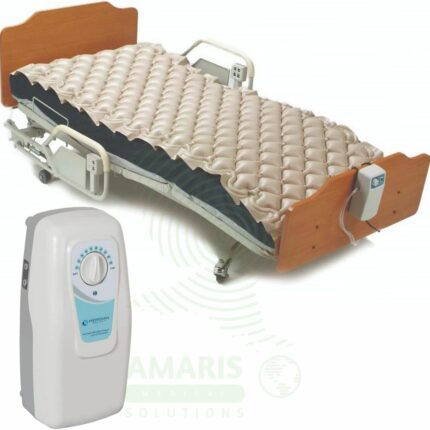
Alternating Mattress
An Alternating Mattress is a powered, dynamic support surface designed for the prevention and treatment of pressure injuries in high-risk, immobile patients. Its core function is the cyclical inflation and deflation of air cells, which constantly shifts pressure away from bony prominences to maintain tissue perfusion. Consisting of a durable air-cell mattress, an intelligent control pump with alarms, and a fluid-proof cover, it is a critical intervention in intensive care, spinal units, and wound care. Its use requires vigilant monitoring of alarms and patient skin integrity as part of a comprehensive pressure injury prevention protocol.
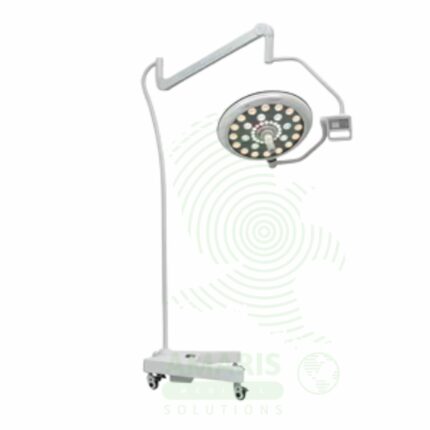
Ceiling & Stand Operating Light
An Ceiling & Stand Operating Light is a high-intensity, shadow-reducing illumination system designed to provide brilliant, color-accurate, and cool light directly onto the surgical field. Ceiling-mounted lights offer maximum flexibility in the OR, while stand-mounted lights provide portability. Key features include extremely high illuminance (>40,000 lux), a high Color Rendering Index (CRI >90) for true tissue color, and advanced optics for deep-cavity illumination with minimal shadows. Safe operation requires proper positioning, use of sterile handle covers, and awareness of the minimal but present thermal risk. It is a fundamental capital asset critical for enabling precise and safe surgical intervention.
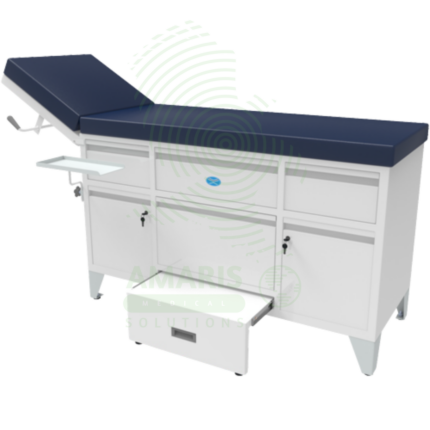
Examination Couch
An Examination Couch is a versatile, height-adjustable table designed as the central fixture in medical exam rooms. It provides a clean, comfortable, and adaptable surface for patient examinations, minor outpatient procedures, and diagnostic testing. Key features often include an adjustable backrest, extendable stirrups for gynecological/urological exams, and easy-clean upholstery. Its primary function is to facilitate efficient and ergonomic patient care while ensuring comfort and safety for both the patient and the clinician in general practice, specialty clinics, and urgent care settings.
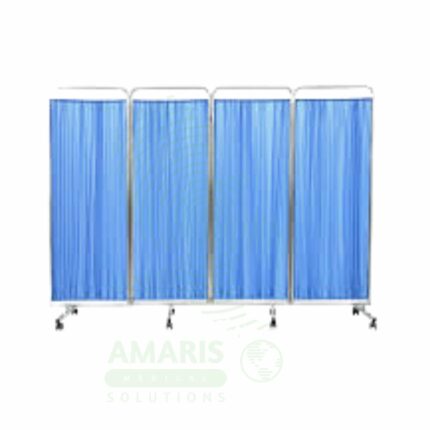
Foldable Ward Screen
A Foldable Ward Screen is a portable, folding partition used to create instant visual privacy around a patient's bed or procedure area in multi-bed hospital wards, emergency departments, and clinics. Typically consisting of three hinged opaque panels, it provides dignity during examinations and personal care, aids in infection control by creating temporary barriers, and helps manage the clinical environment. Its free-standing, foldable design allows for easy deployment, storage, and cleaning, making it a fundamental piece of non-clinical equipment for patient-centered care in shared spaces.
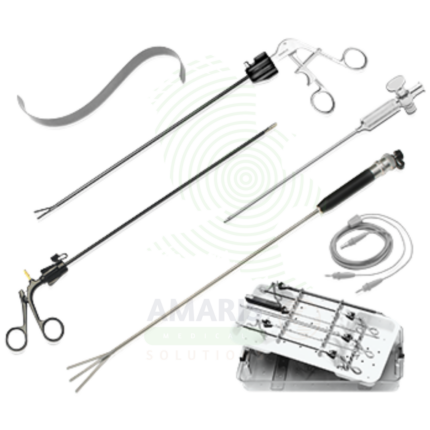
Laparoscopic Accessories
Laparoscopic accessories encompass a range of ancillary equipment and supplies essential for minimally invasive surgery, including cleaning brushes, sterilization containers, insufflation tubing, instrument storage systems, and single-use protective covers. These accessories support instrument care, procedural efficiency, and infection control, ensuring that laparoscopic instruments remain in optimal condition and that procedures run smoothly. Essential for operating rooms, sterile processing departments, and surgical suites.
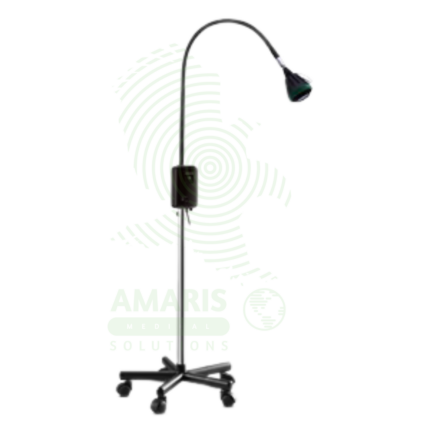
Portable Examination Light (LED/Halogen)
A Portable Examination Light (LED/Halogen) is a mobile, adjustable light source designed for clinical examinations, minor procedures, and wound assessment. LED models offer energy efficiency, long bulb life, and cool operation; halogen models provide high intensity with warm color temperature. The flexible gooseneck or articulating arm allows precise positioning to illuminate examination sites without shadows. Used in examination rooms, procedure rooms, emergency departments, and home healthcare settings, it provides the focused illumination needed for accurate assessment and safe procedures.
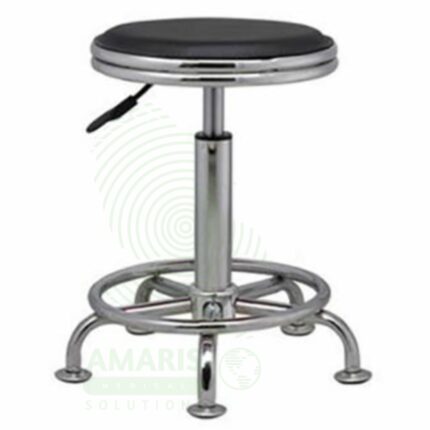
Revolving Stool
A Revolving Stool is a height-adjustable, rotating seat on a stable multi-leg base, designed for dynamic clinical and laboratory work environments. It provides healthcare professionals with stable, ergonomic seating that allows for effortless 360-degree rotation and small positional adjustments without standing. This is essential for procedures requiring precision and frequent changes in reach, such as dentistry, minor surgery, microscopy, and laboratory analysis. Its key features include smooth rotation, easy height adjustment, and a stable, often mobile, base to support prolonged, task-focused work while promoting proper posture and reducing fatigue.