Dermatoscope and Magnifiers
 Diagnostic Kits
 Vital Signs Monitors
 Stethoscopes and Accessories
 Otoscopes, Ophthalmoscopes, and Retinoscopes
 Reflex Hammers and Neurological Tools
 Scales and Measuring Devices
 Spirometers and Pulmonary Function Tests
 Electrosurgical Units and Accessories
 Cutting Instruments
 Grasping and Holding Instruments
 Hemostatic Instruments
 Specialized Surgical Sets
 Single-Use Procedure Trays and Packs
 Surgical Drapes, Gowns, and Covers
 Tissue Unifying Instruments
 Radiation Protection
 X-Ray Machines and Accessories
 Ultrasound Systems and Probes
 MRI and CT Scanners
 Radiology Consumables
 Bone Densitometers
 Fluoroscopy Equipment
 Imaging Tables and Positioning Aids
 Microscopes and Accessories
 Centrifuges and Separators
 Analyzers
 Incubators and Ovens
 Pipettes, Dispensers, and Lab Glassware
 Refrigerators, Freezers, and Storage Units
 Lab Consumables
 Sterilizers and Autoclaves for Lab Use
 Multi-Parameter Monitors
 Ventilators and Respiratory Support Devices
 Defibrillators and AEDs
 Infusion Pumps and IV Systems
 Patient Warmers and Cooling Devices
 Central Monitoring Stations
 Accessories
 Anesthesia Machines and Workstations
 Oxygen Concentrators and Delivery Systems
 Nebulizers and Inhalers
 CPAP/BiPAP Machines
 Airway Management
 Anesthesia Masks, Circuits, and Bags
 Humidifiers and Heaters
 Respiratory Therapy Accessories
 First Aid Kits and Cabinets
 Emergency Resuscitation Equipment
 Trauma Supplies
 Emergency Carts and Crash Carts
 Burn Care Products
 Bleeding Control
 Automated External Defibrillators (AEDs)
 Transport and Evacuation
 Wheelchairs and Accessories
 Walkers, Crutches, and Canes
 Prosthetics and Orthotics
 Physical Therapy Equipment
 Transfer Devices
 Bathroom Safety
 Orthopedic Traction and Tables
 Hot/Cold Therapy Packs and Units
 Beds and Mattresses
 Chairs and Stools
 Tables
 Cabinets and Storage
 Privacy Screens & Curtains
 Stands and Racks
 Linens and Textiles
 Lighting
 Autoclaves and Sterilizers
 Ultrasonic Cleaners
 Disinfectant Solutions and Wipes
 Sterilization Pouches, Wraps, and Indicators
 Instrument Trays and Containers
 UV and Ozone Disinfection Devices
 Washer Disinfectors
 Wound Care
 Gloves
 Masks and Respirators
 Catheters and Tubing
 Swabs, Applicators, and Sponges
 Incontinence Products
 Personal Protective Equipment (PPE)
 Dental Chairs and Units
 Handpieces and Burs
 Instruments
 Consumables
 Sterilization for Dental Use
 Orthodontic Supplies
 Endodontic Tools
 Slit Lamps and Tonometers
 Lensometers and Phoropters
 Ophthalmic Surgical Instruments
 Eyewear Frames and Lenses
 Contact Lens Supplies
 Vision Testing Charts and Devices
 Eye Care Consumables
 Laser Systems for Eye Care
 ENT Exam Chairs and Tables
 Endoscopes
 Audiometers and Hearing Tests
 ENT Instruments
 Nasal and Throat Packs
 Hearing Aids and Accessories
 Otology Supplies
 Fetal Dopplers and Monitors
 Delivery Beds and Tables
 Gynecological Instruments
 Neonatal Incubators and Warmers
 Breast Pumps and Accessories
 Contraceptive Devices
 Maternity Supports and Pads
 Neonatal Consumables
 Cystoscopes and Urethroscopes
 Dialysis Machines and Supplies
 Urological Catheters and Bags
 Lithotripters
 Prostate Treatment Devices
 Urinary Incontinence Products
 Kidney Stone Management Tools
 Consumables & Disposables
 EEG and EMG Machines
 Neurosurgical Instruments
 Nerve Stimulators
 Headrests and Positioning Aids
 Lumbar Puncture Kits
 Seizure Monitoring Devices
 Consumables
 Rehabilitation for Neurological Conditions
 ECG Machines and Accessories
 Holter Monitors
 Stress Test Systems
 Pacemakers and Defibrillator Accessories
 Vascular Access Devices
 Cardiac Catheters and Guidewires
 Blood Flow Meters
 Consumables
 Orthopedic Instruments
 Casts, Splints, and Padding
 Joint Replacement Supplies
 Prosthetic Limbs and Components
 Bone Grafts and Substitutes
 Traction Devices
 Orthopedic Braces and Supports
 Rehabilitation Aids for Orthopedics
 Home Oxygen Therapy
 Hospital Beds for Home Use
 Mobility Aids
 Bathroom and Daily Living Aids
 Wound Care for Home
 Monitoring Devices
 Enteral Feeding Pumps and Tubes
 Hand Sanitizers and Dispensers
 Face Shields and Goggles
 Isolation Gowns and Suits
 Biohazard Waste Containers
 Air Purifiers and HEPA Filters
 Surface Disinfectants
 Sharps Containers
 Protective Barriers
 Cardiovascular & Endurance Training
 Strength Training & Weightlifting
 Functional Training & Core Conditioning
 Physical Therapy & Rehabilitation
 Sports & Outdoor Recreation
 Gym Flooring & Facility Equipment
 Fitness Monitoring & Accessories
 Kids & Novelties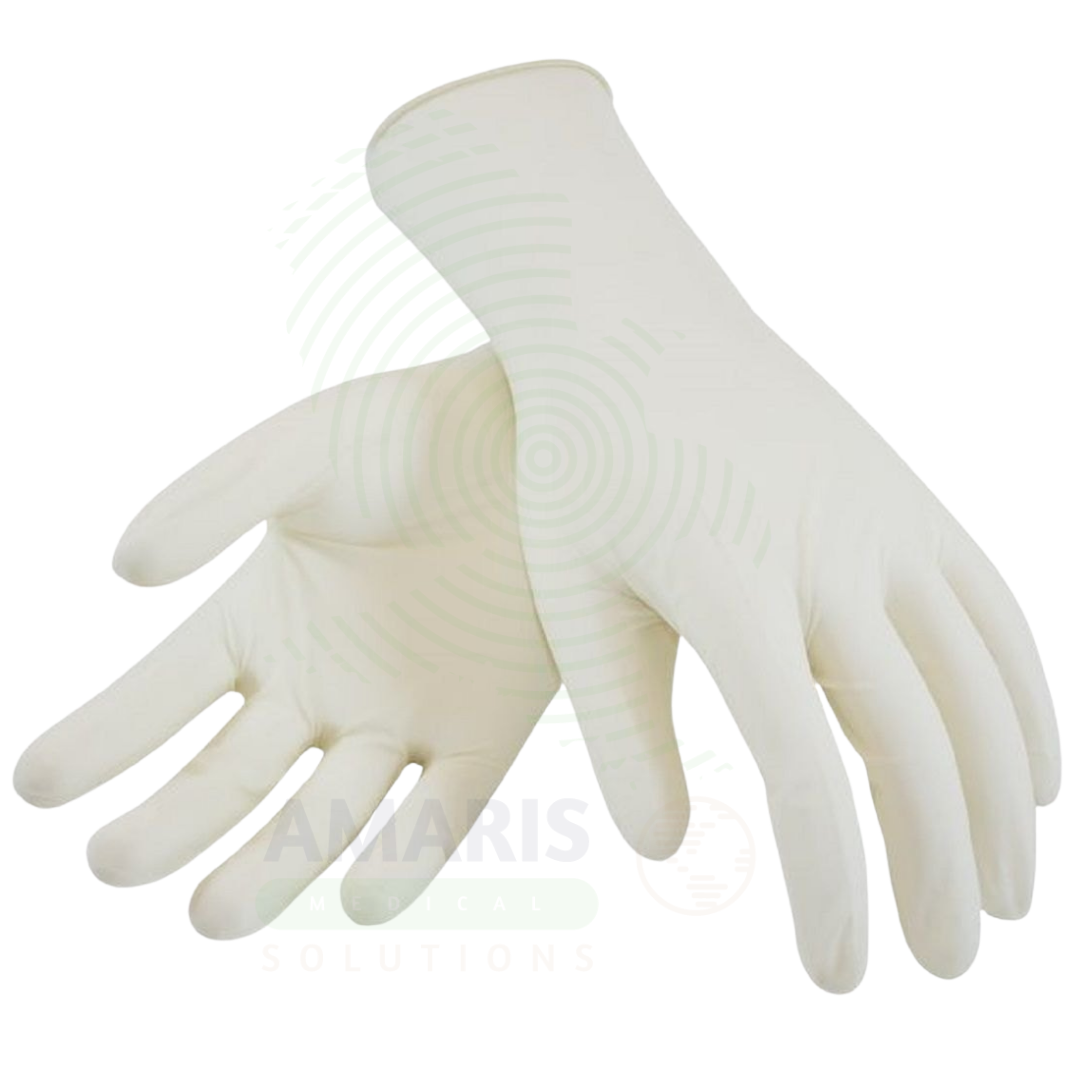
Latex Examination Gloves
WhatsApp Order
Latex Examination Gloves are disposable, single-use gloves made from natural rubber latex, providing barrier protection against bloodborne pathogens and cross-contamination during patient examinations and non-sterile procedures. Offering superior elasticity, tactile sensitivity, and comfort, they are the standard for routine clinical care. Available in powdered and powder-free options, with textured fingertips for enhanced grip. Latex allergy precautions are essential, as natural rubber latex can cause allergic reactions in sensitive individuals. Proper sizing, hand hygiene, and single-use disposal are critical for effective infection control.
Description
Latex Examination Gloves
PRIMARY CLINICAL & DIAGNOSTIC USES
1. Barrier Protection Against Bloodborne Pathogens
-
Primary Use: Provides a protective barrier for healthcare workers against exposure to blood, bodily fluids, and potentially infectious materials during patient care activities, examinations, and procedures. This is a fundamental component of Standard Precautions mandated by infection control guidelines.
-
How it helps: For the healthcare worker, latex examination gloves provide essential protection against occupational exposure to HIV, hepatitis B, hepatitis C, and other bloodborne pathogens—reducing the risk of transmission during patient contact. For the patient, gloves worn by healthcare providers mean reduced risk of cross-contamination and healthcare-associated infections.
2. Hand Hygiene Adjunct and Cross-Contamination Prevention
-
Primary Use: Serves as an adjunct to hand hygiene, providing a clean barrier that prevents the transfer of microorganisms between patients and healthcare workers when used in conjunction with proper handwashing protocols.
-
How it helps: For the infection prevention team, examination gloves are a critical tool in breaking the chain of infection transmission—preventing the spread of pathogens from patient to patient via healthcare worker hands. For the patient, this means that the clinician examining them is using a fresh, clean barrier for each encounter.
3. Protection During Non-Sterile Procedures
-
Primary Use: Used during non-sterile procedures and examinations including physical examinations, wound care, specimen collection, dental exams, and other patient care activities where contact with mucous membranes, non-intact skin, or potentially infectious materials may occur.
-
How it helps: For the clinician performing examinations or minor procedures, latex gloves provide the protection needed to safely conduct patient care without concern for exposure. For the patient, this means that even routine examinations are conducted with appropriate infection control measures.
4. Tactile Sensitivity for Clinical Examinations
-
Primary Use: The thin, flexible nature of latex provides excellent tactile sensitivity, allowing clinicians to palpate tissues, detect subtle abnormalities, and perform delicate procedures while maintaining barrier protection.
-
How it helps: For the physician and nurse, latex gloves offer superior tactile feedback compared to other materials—enabling accurate palpation of organs, detection of masses, and precise manipulation during procedures. For the patient, this means that their clinician can perform thorough examinations without sacrificing tactile sensitivity.
5. Single-Use Disposable Barrier
-
Primary Use: Designed for single use and disposal after each patient encounter, eliminating the risk of cross-contamination associated with reusable gloves and ensuring a fresh barrier for each patient.
-
How it helps: For the healthcare facility, disposable gloves simplify infection control protocols and ensure compliance with Standard Precautions. For the patient, this guarantees that a fresh, clean glove is used for their care, reducing the risk of acquiring infections from previous patients.
SECONDARY & SUPPORTIVE USES
1. Patient Examination and Palpation: Used during routine physical examinations, breast exams, abdominal palpation, and other hands-on assessments. For the clinician, gloves provide protection while maintaining tactile sensitivity; for the patient, this means examinations are conducted safely and hygienically.
2. Wound Care and Dressing Changes: Used during wound assessment, cleaning, and dressing application to protect both the patient and clinician from exposure to wound exudate and microorganisms. For the wound care nurse, gloves are essential for safe wound management; for the patient, this means reduced risk of introducing infection to healing wounds.
3. Specimen Collection and Handling: Used during collection of blood, urine, sputum, and other specimens to prevent contamination and protect staff. For the laboratory technician and phlebotomist, gloves provide barrier protection; for the patient, this ensures specimens are collected without risk of contamination.
4. Dental Procedures: Used during dental examinations, cleanings, and procedures to protect both the dental professional and the patient. For the dentist and hygienist, gloves are essential for safe practice; for the patient, this means procedures are performed with appropriate infection control.
5. Emergency Medical Services: Used by paramedics and EMTs during pre-hospital patient care, including trauma assessment, wound management, and IV insertion. For the EMS provider, gloves protect against exposure in uncontrolled environments; for the patient, this means care is provided safely even in emergency settings.
6. Laboratory Work: Used in clinical laboratories for handling specimens, processing samples, and working with biological materials. For the laboratory scientist, gloves protect against hazardous materials; for the patient, this ensures that their specimens are handled safely without contamination.
7. Home Healthcare: Used by home health nurses and family caregivers for wound care, medication administration, and personal care. For the caregiver, gloves provide protection during intimate care; for the patient, this means safe, hygienic care in the home setting.
8. Veterinary Medicine: Used in veterinary clinics for examinations, procedures, and animal handling. For the veterinarian, gloves protect against zoonotic diseases; for the animal patient, this reduces the risk of cross-contamination.
KEY PRODUCT FEATURES
1. BASIC IDENTIFICATION ATTRIBUTES
-
Product Type: Disposable, single-use examination gloves made from natural rubber latex.
-
Designation: Latex Examination Gloves, Latex Medical Gloves, Disposable Latex Gloves, Exam Gloves.
-
Sizes: XS, Small, Medium, Large, XL.
-
Powder Options: Powdered (with cornstarch) or powder-free.
-
Key Components:
-
Glove Body: Natural rubber latex.
-
Cuff: Beaded cuff for easy donning.
-
Texture: Smooth or textured for enhanced grip.
-
Ambidextrous: Most examination gloves are ambidextrous.
-
2. TECHNICAL & PERFORMANCE PROPERTIES
-
Material: Natural rubber latex; provides excellent elasticity and tactile sensitivity.
-
Tensile Strength: Minimum 18 MPa before aging; 14 MPa after aging.
-
Elongation: Minimum 650% before aging; 500% after aging.
-
Powder: Powdered gloves contain USP absorbable cornstarch; powder-free are chlorinated or polymer-coated.
-
AQL (Acceptable Quality Level): 1.5 or 2.5 for pinhole defects.
-
Sterility: Non-sterile (examination) or sterile (surgical) options.
3. PHYSICAL & OPERATIONAL PROPERTIES
-
Construction: Ambidextrous; beaded cuff for easy donning.
-
Texture: Smooth or textured fingertips for grip.
-
Donning: Powdered gloves are easier to don; powder-free may require dry hands.
-
Packaging: Bulk packaging (100-200 per dispenser box) or individually wrapped.
4. SAFETY & COMPLIANCE ATTRIBUTES
-
Regulatory Status: Class I or Class II medical device regulated by FDA.
-
FDA Standards: 21 CFR 880.6250; compliance with ASTM D3578.
-
Latex Allergy: Contains natural rubber latex; contraindicated for patients and staff with latex allergy.
-
AQL Testing: Pinhole testing per batch.
5. STORAGE & HANDLING ATTRIBUTES
-
Storage: Store in cool, dry location; protect from heat, humidity, and direct sunlight.
-
Shelf Life: 3-5 years when stored properly.
-
Inspection: Do not use it if the package is damaged or if gloves show discoloration or stickiness.
-
Disposal: Dispose in appropriate waste containers; not for infectious waste unless contaminated.
6. LABORATORY & CLINICAL APPLICATIONS
-
Primary Application: Barrier protection for healthcare workers during patient examinations and non-sterile procedures.
-
Clinical Role: Essential PPE for infection control in hospitals, clinics, dental offices, and laboratories.
SAFETY HANDLING PRECAUTIONS
1. SAFETY PRECAUTIONS
-
Latex Allergy: Do not use on patients or staff with known latex allergy; use nitrile or vinyl alternatives.
-
Hand Hygiene: Wash hands before donning and after removing gloves.
-
Proper Fit: Select appropriate size for comfort and dexterity; ill-fitting gloves compromise protection.
-
Single-Use: Do not wash or reuse; discard after each patient encounter.
-
Do Not Double-Glove: Unless specifically indicated; may impair dexterity.
-
Remove Carefully: Avoid touching the outside of the glove during removal.
2. FIRST AID MEASURES
-
Latex Allergy Reaction: If allergic reaction occurs, remove gloves immediately; wash hands with soap and water; seek medical attention if severe.
-
Powder Inhalation: If powder is inhaled, move to fresh air; seek medical attention if respiratory distress occurs.
3. FIRE FIGHTING MEASURES
-
Flammability: Latex is combustible; gloves will burn.
-
Extinguishing Media: Use water, foam, or CO₂ as appropriate for surrounding materials.
Related products
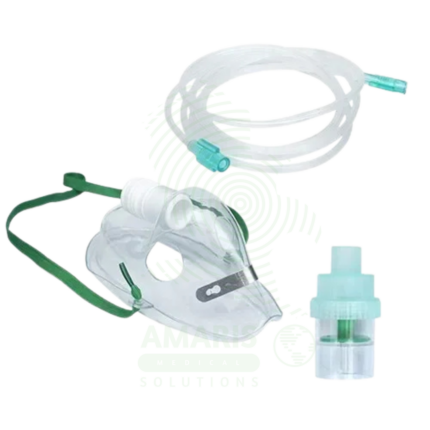
Adult & Pediatric Nebulizer Kit
An Adult & Pediatric Nebulizer Kit is a complete set of patient-contact components required for aerosol medication delivery, including a nebulizer cup, connecting tubing, and both an adult mouthpiece and a pediatric mask (or universal fit). Designed for use with a compressor, it provides the delivery circuit for treating asthma, COPD, and other respiratory conditions. Available in disposable (single-patient-use) formats for infection control in clinics or reusable formats for home care, its proper use, coupled with rigorous cleaning for reusable kits, is essential for effective therapy and preventing respiratory infections. The kit's universal connectors ensure compatibility with standard compressors.
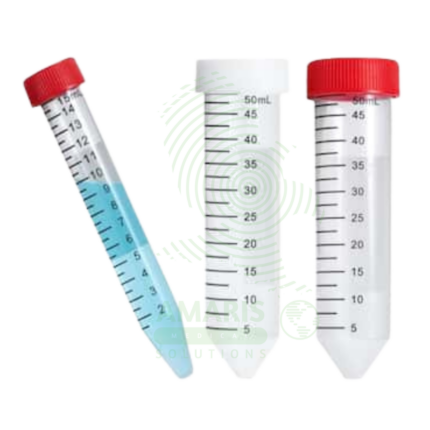
Centrifuge Tubes
Centrifuge Tubes are specialized disposable containers (polypropylene) designed to withstand high centrifugal forces (up to 30,000 x g) for separating biological fluids based on density. Available in microcentrifuge sizes (0.2-2.0 mL), conical tubes (15 mL, 50 mL), and larger volumes (100-500 mL). Features include leak-proof screw caps with O-rings (conical tubes), snap caps (microcentrifuge tubes), graduated volume markings, writing areas, and sterile/non-sterile options. Certified RNase/DNase-free, pyrogen-free, and autoclavable. Primary clinical applications include blood component separation (serum/plasma), urine sediment preparation, microbiology sample concentration, molecular biology (DNA/RNA extraction), cell culture processing, protein/enzyme analysis, and viral load testing. Critical safety precautions include never exceeding maximum RCF rating, proper balancing by weight, secure cap tightening, inspection for cracks, and disposal as biohazardous waste. Essential consumable in every clinical, research, and industrial laboratory.
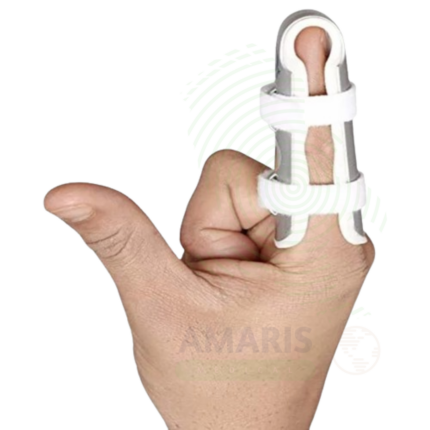
Finger Cot
A Finger Cot is a small, finger-shaped protective covering used to protect minor finger wounds, diabetic ulcers, surgical incisions, and amputation stumps, as well as to provide barrier protection for healthcare workers and laboratory personnel. Made from latex, nitrile, vinyl, or silicone, it provides a comfortable, secure fit while protecting the finger from contamination, moisture, friction, and irritants. Available in various sizes, materials, and sterile or non-sterile versions. Latex-free options are available for individuals with latex allergy.
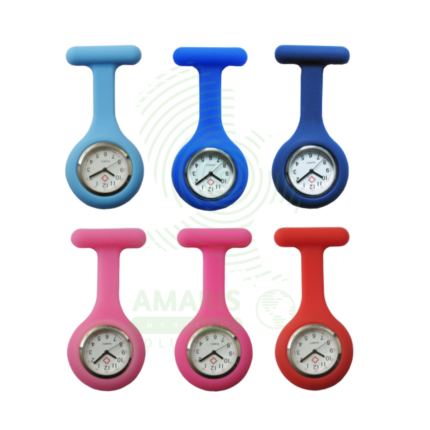
Nurse Watch
A Nurse Watch is a professional-grade analog wristwatch specifically designed for clinical use. Its hallmark is a built-in "pulsometer" scale that allows for rapid, on-the-spot calculation of a patient's heart rate by timing pulses over a short interval. Featuring a high-contrast dial with a clear sweep second hand, durable water-resistant construction, and a cleanable band, it is engineered for accuracy, legibility, and infection control in healthcare settings. It is an indispensable personal tool for nurses, enabling precise measurement of vital signs, timing of medications and procedures, and accurate clinical documentation throughout the shift.
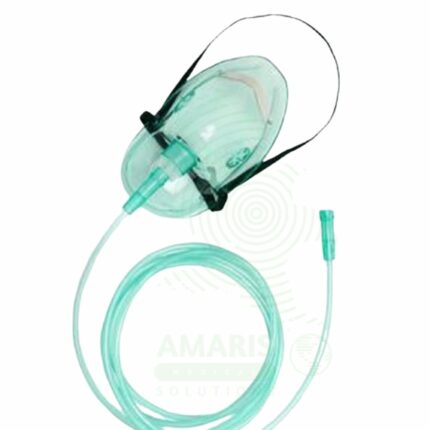
Oxygen Mask (Adult/Infant/Paediatric)
An Oxygen Mask is a disposable, single-use interface used to deliver supplemental oxygen from a medical gas supply to a patient's airways. Available in types for specific clinical needs—Simple Mask for low-flow therapy, Venturi Mask for precise FiO2 control (especially in COPD), and Non-Rebreather Mask for emergency high-flow delivery—and in sizes for adults, children, and infants. Correct selection and application, including ensuring the proper oxygen flow rate for the mask type, are essential for effective therapy and patient safety. Adherence to strict fire safety protocols is non-negotiable due to the combustion risk posed by enriched oxygen environments.

Ultrasound Gel
Ultrasound Gel is a water-based, hypoallergenic, acoustically conductive coupling medium essential for diagnostic and therapeutic ultrasound procedures. It eliminates air pockets between the transducer and skin, creating an efficient acoustic pathway for sound wave transmission and reception. Formulated to match the acoustic impedance of human tissue, it ensures high-quality imaging while providing lubrication for smooth probe movement and patient comfort. Available in standard, sterile, and hypoallergenic formulations, it is a single-use consumable critical for all ultrasound examinations. Proper storage, handling, and selection of appropriate sterile versus non-sterile formulations are essential for patient safety and image quality.
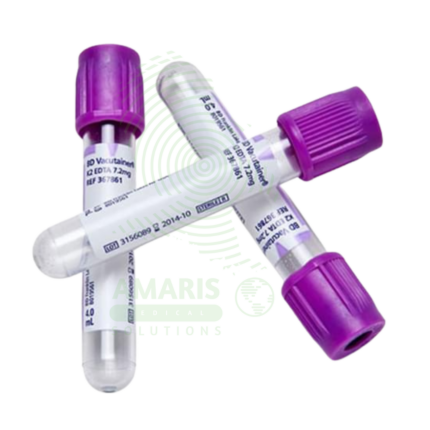
Vacutainer (EDTA/PLAIN)
Vacutainer (EDTA/PLAIN) is a sterile, evacuated blood collection tube (lavender/purple top) containing EDTA anticoagulant (K2EDTA or K3EDTA, 1.5-2.0 mg/mL blood) for hematology, blood banking, flow cytometry, and molecular diagnostics. Available in draw volumes 2-10 mL, glass or PET plastic, with color-coded stopper and sterile interior. EDTA chelates calcium, preventing coagulation while preserving cellular morphology. Primary clinical applications include complete blood count (CBC) and differential, blood typing and antibody screening (ABO/Rh, Coombs), hemoglobin A1c (HbA1c) testing, flow cytometry and immunophenotyping (CD4 counts), molecular diagnostics and PCR testing, sickle cell screening and hemoglobin electrophoresis, and parasitology (malaria smears). Critical safety precautions include filling to completion (correct blood-to-additive ratio), gentle inversion 8-10 times immediately after collection, never using for chemistry or coagulation testing, and proper disposal as biohazardous waste. Essential collection tube for hematology and immunohematology.