Dermatoscope and Magnifiers
 Diagnostic Kits
 Vital Signs Monitors
 Stethoscopes and Accessories
 Otoscopes, Ophthalmoscopes, and Retinoscopes
 Reflex Hammers and Neurological Tools
 Scales and Measuring Devices
 Spirometers and Pulmonary Function Tests
 Electrosurgical Units and Accessories
 Cutting Instruments
 Grasping and Holding Instruments
 Hemostatic Instruments
 Specialized Surgical Sets
 Single-Use Procedure Trays and Packs
 Surgical Drapes, Gowns, and Covers
 Tissue Unifying Instruments
 Radiation Protection
 X-Ray Machines and Accessories
 Ultrasound Systems and Probes
 MRI and CT Scanners
 Radiology Consumables
 Bone Densitometers
 Fluoroscopy Equipment
 Imaging Tables and Positioning Aids
 Microscopes and Accessories
 Centrifuges and Separators
 Analyzers
 Incubators and Ovens
 Pipettes, Dispensers, and Lab Glassware
 Refrigerators, Freezers, and Storage Units
 Lab Consumables
 Sterilizers and Autoclaves for Lab Use
 Multi-Parameter Monitors
 Ventilators and Respiratory Support Devices
 Defibrillators and AEDs
 Infusion Pumps and IV Systems
 Patient Warmers and Cooling Devices
 Central Monitoring Stations
 Accessories
 Anesthesia Machines and Workstations
 Oxygen Concentrators and Delivery Systems
 Nebulizers and Inhalers
 CPAP/BiPAP Machines
 Airway Management
 Anesthesia Masks, Circuits, and Bags
 Humidifiers and Heaters
 Respiratory Therapy Accessories
 First Aid Kits and Cabinets
 Emergency Resuscitation Equipment
 Trauma Supplies
 Emergency Carts and Crash Carts
 Burn Care Products
 Bleeding Control
 Automated External Defibrillators (AEDs)
 Transport and Evacuation
 Wheelchairs and Accessories
 Walkers, Crutches, and Canes
 Prosthetics and Orthotics
 Physical Therapy Equipment
 Transfer Devices
 Bathroom Safety
 Orthopedic Traction and Tables
 Hot/Cold Therapy Packs and Units
 Beds and Mattresses
 Chairs and Stools
 Tables
 Cabinets and Storage
 Privacy Screens & Curtains
 Stands and Racks
 Linens and Textiles
 Lighting
 Autoclaves and Sterilizers
 Ultrasonic Cleaners
 Disinfectant Solutions and Wipes
 Sterilization Pouches, Wraps, and Indicators
 Instrument Trays and Containers
 UV and Ozone Disinfection Devices
 Washer Disinfectors
 Wound Care
 Gloves
 Masks and Respirators
 Catheters and Tubing
 Swabs, Applicators, and Sponges
 Incontinence Products
 Personal Protective Equipment (PPE)
 Dental Chairs and Units
 Handpieces and Burs
 Instruments
 Consumables
 Sterilization for Dental Use
 Orthodontic Supplies
 Endodontic Tools
 Slit Lamps and Tonometers
 Lensometers and Phoropters
 Ophthalmic Surgical Instruments
 Eyewear Frames and Lenses
 Contact Lens Supplies
 Vision Testing Charts and Devices
 Eye Care Consumables
 Laser Systems for Eye Care
 ENT Exam Chairs and Tables
 Endoscopes
 Audiometers and Hearing Tests
 ENT Instruments
 Nasal and Throat Packs
 Hearing Aids and Accessories
 Otology Supplies
 Fetal Dopplers and Monitors
 Delivery Beds and Tables
 Gynecological Instruments
 Neonatal Incubators and Warmers
 Breast Pumps and Accessories
 Contraceptive Devices
 Maternity Supports and Pads
 Neonatal Consumables
 Cystoscopes and Urethroscopes
 Dialysis Machines and Supplies
 Urological Catheters and Bags
 Lithotripters
 Prostate Treatment Devices
 Urinary Incontinence Products
 Kidney Stone Management Tools
 Consumables & Disposables
 EEG and EMG Machines
 Neurosurgical Instruments
 Nerve Stimulators
 Headrests and Positioning Aids
 Lumbar Puncture Kits
 Seizure Monitoring Devices
 Consumables
 Rehabilitation for Neurological Conditions
 ECG Machines and Accessories
 Holter Monitors
 Stress Test Systems
 Pacemakers and Defibrillator Accessories
 Vascular Access Devices
 Cardiac Catheters and Guidewires
 Blood Flow Meters
 Consumables
 Orthopedic Instruments
 Casts, Splints, and Padding
 Joint Replacement Supplies
 Prosthetic Limbs and Components
 Bone Grafts and Substitutes
 Traction Devices
 Orthopedic Braces and Supports
 Rehabilitation Aids for Orthopedics
 Home Oxygen Therapy
 Hospital Beds for Home Use
 Mobility Aids
 Bathroom and Daily Living Aids
 Wound Care for Home
 Monitoring Devices
 Enteral Feeding Pumps and Tubes
 Hand Sanitizers and Dispensers
 Face Shields and Goggles
 Isolation Gowns and Suits
 Biohazard Waste Containers
 Air Purifiers and HEPA Filters
 Surface Disinfectants
 Sharps Containers
 Protective Barriers
 Cardiovascular & Endurance Training
 Strength Training & Weightlifting
 Functional Training & Core Conditioning
 Physical Therapy & Rehabilitation
 Sports & Outdoor Recreation
 Gym Flooring & Facility Equipment
 Fitness Monitoring & Accessories
 Kids & Novelties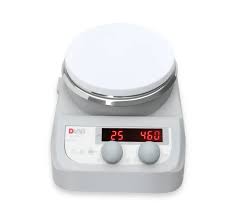

LED Digital Magnetic Hotplate Stirrer (MS‑H280‑Pro)
WhatsApp Order
The DLAB LED Digital Magnetic Hotplate Stirrer‑Pro LED Digital Magnetic Hotplate Stirrer is a compact, economical benchtop instrument engineered for straightforward heating and stirring in clinical diagnostics, pharmaceutical quality control, analytical chemistry, molecular biology and teaching laboratories. Featuring a 5‑inch (φ135 mm) ceramic‑coated stainless steel work plate, this hotplate stirrer provides a temperature range from room temperature up to 280 °C in 1 °C increments and a stirring speed range of 200 to 1500 rpm (maximum stirring capacity 3 litres of water). The LED digital display shows both temperature and stirring speed simultaneously for quick and clear monitoring.
Every LED Digital Magnetic Hotplate Stirrer‑Pro is factory‑calibrated and supplied with a calibration certificate. The maintenance‑free DC brushless motor is spark‑free and low‑noise, and the stainless steel work plate with durable ceramic coating offers good chemical resistance to many common acids, alkalis and organic solvents, simplifying cleaning.
Key safety features include an independent safety circuit with over‑temperature protection (320 °C hardware cutoff) that automatically stops heating to prevent fire hazards, and an independent residual heat warning (“HOT” flashes on the LED display when the plate exceeds 50 °C and continues even after the unit is powered off) to protect users from burns. The optional PT1000 external temperature sensor (±0.2 °C to ±0.5 °C accuracy) provides precise control for applications where the actual sample temperature must be tightly regulated.
With a compact footprint (260 × 150 mm) and low weight (1.8 kg), the LED Digital Magnetic Hotplate Stirrer‑Pro occupies minimal bench space and is easily moved between workstations as needed. TÜV‑certified with CE, cTUVus, FCC, CB and UKCA safety approvals, the instrument is manufactured under ISO 9001 and ISO 13485 quality management systems and is backed by a 2‑year manufacturer’s warranty (in most regions).
For the clinical laboratory scientist, pharmaceutical QC analyst, research technician, and teaching laboratory instructor, the LED Digital Magnetic Hotplate Stirrer‑Pro delivers safe, repeatable and compact heating and stirring required for routine reagent preparation, culture‑media processing, and general laboratory workflows. For the patient, consistent and reliable laboratory operations supported by this instrument help ensure accurate diagnostic results and the safe, effective quality control of pharmaceutical products.
Description
LED Digital Magnetic Hotplate Stirrer (MS‑H280‑Pro)
PRIMARY CLINICAL & DIAGNOSTIC USES
1. General Lab Heating and Stirring for Clinical Sample Preparation
Primary Use: Provides an LED‑digital hotplate stirrer with a 5‑inch (φ135 mm) ceramic‑coated stainless steel work plate, used for general‑purpose heating and mixing of clinical samples, reagents, buffers, and diagnostic specimens in molecular biology, clinical chemistry, and pharmaceutical research laboratories. It features a stirring capacity of up to 3 litres (water), a speed range of 200 to 1500 rpm, and a heating range from room temperature to 280 °C in 1 °C increments, with all parameters displayed on a clear LED screen.
How it helps: For the clinical laboratory scientist and research technician, the LED Digital Magnetic Hotplate Stirrer Pro’s digital control system offers a straightforward solution for routine heating and stirring tasks. The stainless steel work plate with a durable ceramic coating provides good chemical resistance and is easy to clean after handling reagents. The LED display shows both temperature and speed simultaneously, enabling quick setup and monitoring without toggling between modes. The compact footprint (150 × 260 × 80 mm) and low weight (1.8 kg) make it suitable for crowded laboratory benches. An external PT1000 temperature sensor (±0.5 °C accuracy) can be connected for monitoring the actual sample temperature. For the patient, consistent and reproducible sample heating and mixing supports accurate diagnostic test results.
2. Sample Preparation for Chemistry, Microbiology and Media Formulation
Primary Use: Used for preparing standard solutions, buffers, reagents, and microbiological culture media in clinical chemistry, biochemistry, and microbiology laboratories, ensuring thorough dissolution and uniform heating of heat‑sensitive components.
How it helps: For the clinical chemistry technologist and microbiology specialist, the LED Digital Magnetic Hotplate Stirrer‑Pro’s maximum temperature of 280 °C is adequate for most routine laboratory heating applications, including dissolving powdered media, buffer components, reagents, heating agar slurries, and processing heat‑set gels. The digital speed control (200‑1500 rpm) provides a wide range of mixing intensities suitable for viscous or low‑viscosity solutions. The hotplate stirrer can be used in three configurations: as a hotplate‑only, a stirrer‑only, or as a combined heating and stirring unit, giving the user flexibility for different workflows. For the patient, well‑prepared culture media and reagents enable accurate identification of pathogens from clinical specimens, supporting appropriate antimicrobial selection and effective treatment.
3. Quality Control and Laboratory Quality Assurance Testing
Primary Use: Utilised in quality‑control workflows for testing raw materials, verifying formulation consistency, and preparing calibration standards in pharmaceutical and clinical QC laboratories.
How it helps: For the quality‑control analyst, the LED Digital Magnetic Hotplate Stirrer‑Pro’s digital control and independent safety features aid in maintaining consistent, repeatable conditions for QC testing. The built‑in DC brushless motor is maintenance‑free and low‑noise, offering extended long‑term reliability for routine QC operations. The independent safety circuit provides automatic over‑temperature protection (cut off at 320 °C), and the external PT1000 sensor helps ensure that temperature‑sensitive materials meet stringent quality specifications. For the patient, rigorous QC testing supported by reliable, repeatable equipment helps ensure the safety and efficacy of pharmaceutical products and diagnostic kits.
4. Constant‑Temperature Reactions in Research and Teaching Laboratories
Primary Use: Used for constant‑temperature chemical reactions, biological experiments, and general heating tasks in academic and industrial research laboratories. The unit supports constant‑temperature stirring and heating for extended‑duration reactions.
How it helps: For the research scientist and teaching laboratory instructor, the compact 5‑inch plate design accommodates a range of reaction vessels, and the small footprint is well suited for crowded benches and teaching spaces. The digital temperature control (up to 280 °C) allows the user to set the required temperature in 1 °C steps, and the temperature stability of ±1 °C (or ±0.5 °C with the optional PT1000 sensor) helps maintain constant‑temperature conditions for extended reaction times. A residual heat warning function flashes “HOT” on the display when the plate exceeds 50 °C, even if the unit is turned off, alerting users to the risk of burns. For the patient, reliable laboratory equipment in research and teaching helps to train competent laboratory professionals and develop new diagnostic methods.
SECONDARY & SUPPORTIVE USES
1. General‑Purpose Dissolution Testing in Early‑Stage Drug Development: The LED Digital Magnetic Hotplate Stirrer‑Pro can heat dissolution media up to 280 °C for dissolution testing of solid dosage forms (tablets, capsules) in beakers during early formulation screening, supporting pharmaceutical development.
2. Laboratory‑Scale Solvent Evaporation and Reaction Monitoring: The device can gently heat low‑boiling‑point solvents for concentration of non‑volatile analytes in environmental analysis and food safety testing.
3. Heating of Metal Blocks and Specialty Vessels: The unit can accommodate metal heating blocks for test tubes, vials, microcentrifuge tubes, and specialised vessels such as 100 mL, 250 mL, 500 mL, and 1000 mL round‑bottom flasks when used with an appropriate heating block adaptor (optional accessories).
4. Protein Denaturation and Enzyme Inactivation for Biochemistry: Heats protein solutions to temperatures >70 °C to completely denature enzymes and coagulate proteins, stopping enzymatic reactions before downstream analysis.
5. DNA Denaturation for Molecular Biology Applications: Heats nucleic acid samples to 95‑100 °C for DNA denaturation before gel electrophoresis or other molecular biology procedures.
6. Basic Research and Academic Teaching Demonstrations: Serves as a versatile and intuitive teaching tool for undergraduate and graduate laboratory courses in clinical laboratory science, chemistry and biochemistry, allowing students to learn the principles of temperature regulation, magnetic stirring and reaction kinetics hands‑on.
7.Sample Digestion for Environmental Monitoring: Prepares water, soil, and wastewater samples for analysis of metals and other pollutants by acid digestion at elevated temperatures.
KEY PRODUCT FEATURES
1. BASIC IDENTIFICATION ATTRIBUTES
-
Device Type: An LED‑digital, non‑programmable heating magnetic stirrer with a round ceramic‑coated work plate.
-
Designation: LED Digital Magnetic Hotplate Stirrer‑Pro LED Digital Magnetic Hotplate Stirrer; DLAB LED Digital Magnetic Hotplate Stirrer‑Pro.
-
Catalogue Number: 8030101212 (standard) / 861431120000.
-
Key Components:
-
5‑inch (φ135 mm) stainless steel work plate with ceramic coating
-
Maintenance‑free DC brushless motor
-
LED digital display showing temperature and speed simultaneously
-
PT1000 external temperature sensor port (sensor optional accessory)
-
Independent safety circuit with over‑temperature protection (320 °C cutoff)
-
Residual heat warning function (“HOT” flashes >50 °C, even when powered off)
-
ABS plastic housing (flame‑retardant material) with IP21 protection
-
ON/OFF switch (on some variants) for controlling the heating plate
-
2. TECHNICAL & PERFORMANCE PROPERTIES
-
Work plate dimensions: φ135 mm (5 inches).
-
Work plate material: Stainless steel with ceramic coating (good chemical resistance, easy to clean).
-
Motor type: DC brushless motor (maintenance‑free, low noise).
-
Maximum stirring capacity (H₂O): 3 litres( (3 L).
-
Speed range: 200 to 1500 rpm, adjustable.
-
Speed display resolution: ±1 rpm.
-
Heating temperature range: Room temperature (approx. 25 °C) to 280 °C, adjustable in 1 °C increments.
-
Temperature control accuracy: ±1 °C (<100 °C) / ±1 % (>100 °C).
-
External temperature sensor (PT1000) accuracy: ±0.2 °C to ±0.5 °C (depending on source).
-
Temperature display: LED, accuracy ±1 °C.
-
Timer function: None (no built‑in timer; use an external timer where required).
-
Heating output power: 500 W.
-
Total power consumption: 515 W.
-
Over‑temperature protection: 320 °C hardware cutoff (independent safety circuit).
-
“Hot” warning temperature: Activates when work plate exceeds 50 °C; display flashes “HOT” and continues even when the unit is powered off (if still connected to mains).
-
Protection class: IP21 (or IP42 on some variants).
-
Power requirements: 100‑120 V / 200‑240 V, 50/60 Hz (universal input).
-
Dimensions (W × D × H): 260 × 150 × 100 mm (or 260 × 150 × 80 mm).
-
Weight: 1.8 kg.
-
Operating conditions: 5–40 °C, 80 % RH.
-
Certifications: CE, cTUVus, FCC, CB, ICES, UKCA (TÜV‑certified).
3. PHYSICAL & OPERATIONAL PROPERTIES
-
Construction: Compact benchtop design with a flame‑retardant ABS plastic housing and a stainless steel ceramic‑coated work plate; IP21 protection class offers basic protection against solid foreign objects (>12.5 mm) and vertically falling water drops.
-
Work plate: 5‑inch (φ135 mm) stainless steel disc with ceramic coating, providing good chemical resistance to many acids and alkalis and facilitating simple cleaning.
-
Display: LED digital display shows the set temperature and current speed simultaneously, giving the operator immediate feedback on both parameters without needing to toggle between modes.
-
Operation: Simple, intuitive operation with digital controls; the instrument can be used as a hotplate only, a stirrer only, or as a combined hotplate stirrer. The ON/OFF switch (on some variants) controls the heating plate independently.
-
Heating technology: Digital temperature control with 1 °C setpoint increments; PID‑like regulation ensures stable temperature maintenance. The heating function is controlled by an independent safety circuit that cuts off power if the work plate exceeds 320 °C.
-
Stirring system: The DC brushless motor drives a powerful magnetic field using rare‑earth magnets, providing strong magnetic coupling to prevent stir bar decoupling even with viscous liquids. The motor is maintenance‑free and produces low operating noise.
-
Safety functions:
-
Over‑temperature protection (safety circuit): A separate independent safety circuit continuously monitors the device. If the work plate exceeds 320 °C, heating stops automatically, preventing runaway heating and fire hazards.
-
Residual heat warning (“HOT” indicator): The “HOT” safety indicator flashes on the LED display when the work plate temperature exceeds 50 °C. This warning continues even after the unit is turned off (if still connected to mains) until the plate cools below 50 °C, alerting users to the risk of burns.
-
IP21 / IP42 protection class: The housing offers basic protection against solid foreign objects (>12.5 mm) and vertically falling water drops (IP21), or dust‑ingress protection and splashing‑water protection (IP42), depending on the variant.
-
-
External sensor integration: PT1000 external temperature sensor port. When the optional PT1000 sensor is connected and placed in the sample, the controller regulates the heater based on the actual sample temperature rather than the plate surface temperature, providing higher precision (±0.2 °C to ±0.5 °C) for sensitive applications.
-
Portability: Compact footprint (approx. 260×150 mm) and light weight (1.8 kg), easily moved between workstations.
-
Maintenance: The DC brushless motor is maintenance‑free, requiring no routine brush replacement or lubrication. The ceramic‑coated work plate is easy to clean with a mild detergent and damp cloth.
-
Included accessories: The instrument is typically supplied with a power cord. Some package variants (e.g., Package 1) include the PT1000 external temperature sensor, support rod and clamp, and a magnetic stir bar (approx. 50 mm length).
4. SAFETY & COMPLIANCE ATTRIBUTES
-
Regulatory Status: General laboratory equipment for in vitro diagnostic (IVD) use. Manufactured under ISO 9001 and ISO 13485 quality management systems. Certified to CE, cTUVus, FCC, CB, UKCA, and ICES safety standards, with TÜV certification for product safety.
-
Over‑Temperature Protection (Safety Circuit): An independent safety circuit continuously monitors the device. If the work plate exceeds 320 °C, heating stops automatically, preventing runaway heating and fire hazards even if the primary control system fails.
-
Residual Heat Warning (“HOT” Indicator): The “HOT” safety indicator flashes on the LED display when the work plate temperature exceeds 50 °C. This warning continues even after the unit is turned off (if still connected to mains) until the plate cools below 50 °C, alerting users to a dangerously hot surface.
-
Chemical Safety: The ceramic‑coated stainless steel work plate is resistant to many common laboratory chemicals, including weak acids, weak alkalis and organic solvents, preventing corrosion and ensuring a long service life.
-
Electrical Safety: Designed with a brushless DC motor (spark‑free), making it suitable for use in environments where flammable solvents may be present. The ABS housing incorporates flame‑retardant material to reduce fire risk. The IP21 housing offers basic protection against solid foreign objects (>12.5 mm) and vertically falling water drops.
-
Quality Assurance: Each instrument is individually factory‑calibrated and supplied with a calibration certificate. The instrument is backed by a 2‑year manufacturer’s warranty (in most regions).
5. STORAGE & HANDLING ATTRIBUTES
-
Storage: Store the instrument in a clean, dry, dust‑free environment at room temperature (15–30 °C) when not in use. Fully allow the unit to cool (verify that the “HOT” indicator is off) before storage.
-
Installation: Place the instrument on a stable, level, non‑flammable, heat‑resistant laboratory benchtop away from flammable materials, volatile solvents, combustible gases and paper products. Allow at least 10 cm clearance on all sides for heat dissipation. Do not use near water baths or sinks where splashing may occur.
-
Cleaning: Unplug the unit and allow the work plate to cool completely before cleaning. Wipe the ceramic‑coated work plate and outer housing with a soft, damp cloth or sponge using a mild laboratory detergent or 70 % isopropyl alcohol. Do not immerse the unit in liquid. Do not use abrasive cleaners or metal‑scouring pads, which may scratch the ceramic coating.
-
Pre‑use inspection: Before each use, inspect the power cord and plug for any damage. Ensure the work plate is clean, dry and free of chemical residues. Verify that the area is clear of flammable materials and that the instrument has adequate clearance (at least 10 cm) for heat dissipation.
-
Operation: Turn on the main power. Place the stirring vessel (e.g., a beaker) centrally on the work plate and add the magnetic stir bar. Set the desired temperature (using the control dial) and stirring speed (using the speed control) via the digital controls. The LED display will show the set temperature and real‑time speed. The unit can be used for heating only, stirring only, or both simultaneously. Always start stirring at a low speed (200‑300 rpm) to allow the stir bar to couple correctly before gradually increasing to the target speed.
-
Operation with external sensor (PT1000, optional accessory): If using the optional PT1000 external temperature sensor, insert the sensor probe into the sample vessel and secure it with a suitable stand and clamp (stand optionally available). Do not allow the sensor cable to contact the hot work plate, as this may melt the wire insulation and cause sensor failure or an electrical hazard.
-
Cooling down: After use, turn off the main power and allow the work plate to cool completely. Cooling time may take 30–60 minutes, depending on the operating temperature. Do not attempt to move, clean or store the instrument until the “HOT” residual heat warning indicator has turned off and the plate has cooled to a safe temperature.
-
Periodic verification: Verify the temperature accuracy periodically using a calibrated external thermometer or thermocouple. If deviation from the setpoint exceeds the specified tolerance (±1 °C / ±1 %), consult the manufacturer’s service guidelines for recalibration.
6. LABORATORY & CLINICAL APPLICATIONS
-
Primary Application: General‑purpose heating and stirring for clinical diagnostics (routine sample preparation, buffer heating), pharmaceutical quality control (preparation of standard solutions), analytical chemistry (general‑purpose heating), molecular biology (heating reagents), and educational research labs where a compact, economical, and safe LED‑digital hotplate stirrer is required.
-
Clinical Role: A practical benchtop instrument for hospital and clinical chemistry laboratories, molecular biology labs, pharmaceutical QC facilities, research institutions, and teaching laboratories. Used for routine reagent preparation, buffer heating, culture‐media processing, and general mixing workflows where simple, repeatable heating and stirring at temperatures up to 280 °C is required.
SAFETY HANDLING PRECAUTIONS
1. SAFETY PRECAUTIONS
-
Burn Hazard — High Plate Temperature: The stainless steel work plate can reach 280 °C and remains dangerously hot for an extended period after the power is turned off. Do not touch the work plate for at least 30–60 minutes after use, or until the residual heat “HOT” indicator has stopped flashing. Use appropriate heat‑resistant gloves or tools when handling vessels on the hot plate. Severe burns can occur upon contact.
-
Residual Heat Warning — Hot Surface Active Even When Off: The “HOT” warning indicator flashes on the LED display when the work plate exceeds 50 °C and continues even after the unit is turned off (if still connected to mains). This warning is independent of the main power switch. Always verify that the “HOT” indicator has stopped flashing before touching the plate .
-
Fire Hazard — Avoid Flammable Materials: Do not operate the hotplate stirrer near flammable materials, volatile solvents, combustible gases, or paper products. Keep the work area clear of flammable substances. The heating temperature must be set at least 50 °C lower than the ignition point of the chemicals being used. Do not leave the instrument unattended while operating at high temperatures without appropriate safety protocols. The independent safety circuit (320 °C cutoff) provides backup protection but should not replace operator vigilance.
-
Over‑Temperature Protection — Independent Safety Circuit: The instrument has an independent safety circuit that automatically stops heating if the work plate exceeds 320 °C. This prevents temperature runaway and fire hazards, but it is not a substitute for proper laboratory safety practices. Do not disable or bypass any safety features .
-
Electrical Safety — Proper Grounding: Do not operate the instrument with wet hands. Ensure the mains power cable does not come into contact with liquids or sharp edges that could damage the insulation. Use only the supplied grounded power cord and ensure the outlet provides proper grounding. Disconnect the power cord before cleaning, servicing, or moving the unit. Do not operate if the power cord is damaged. The IP21 rating offers basic protection against vertically falling water drops, but does not protect against immersion or significant liquid spills .
-
Magnetic Field Interference — Medical Devices: The stirrer contains strong permanent magnets. People with implanted medical devices (e.g., pacemakers, implantable cardioverter‑defibrillators, neurostimulators) should keep a safe distance of at least 30 cm from the operating stirrer. Do not place the instrument near credit cards, hard drives, computer monitors, or other magnetic‑sensitive equipment.
-
Vessel and Stir Bar Selection — Stability and Compatibility: Use only flat‑bottomed vessels (beakers, Erlenmeyer flasks, crystallising dishes) that sit flush on the ceramic‑coated work plate. Ensure the magnetic stir bar is in good condition without chips, cracks or deformities and is properly centred in the vessel before starting. Do not exceed the maximum stir bar length of 50 mm for optimal coupling .
-
Start Stirring Slowly — Smooth Start: Always start stirring at a low speed (200 rpm) and gradually increase to the desired level. A sudden high‑speed start may cause the stir bar to decouple, spin erratically or strike the vessel wall, leading to splashing, spillage or vessel breakage.
-
Chemical Compatibility — Ceramic Coating Limits: The ceramic‑coated stainless steel work plate is resistant to strong acids, strong alkilis and organic solvents. However, prolonged exposure to some concentrated mineral acids (e.g., hydrofluoric acid, concentrated sulfuric acid) or aggressive organic solvents may degrade the coating. Clean spills promptly. Refer to the Safety Data Sheet (SDS) for specific chemicals. Never heat sealed vessels or containers that cannot vent pressure, as explosion may result.
-
Spill Management — Prevent Liquids Entering Housing: If a liquid spill occurs on the work plate during operation, turn off the heating and stirring functions immediately. Unplug the unit, allow the plate to cool (if heated) and wipe the spill clean with a soft, damp cloth. Do not let liquids seep under the work plate or into the housing. The IP21 rating does not protect against pooling liquids or immersion .
-
Operating Environment — Clean, Stable Benchtop: Use the MS‑H280‑Pro indoors only, on a stable, level, non‑flammable laboratory benchtop. Do not use in explosive atmospheres or in the presence of flammable gases or vapours. The permissible ambient temperature range is 5–40 °C with relative humidity not exceeding 80 %. Allow at least 10 cm clearance on all sides for proper heat dissipation and ventilation. Do not cover the instrument during operation .
-
External PT1000 Sensor Safety — Secure Placement: When using the optional PT1000 external temperature sensor, insert the sensor probe into the sample vessel and secure it with a suitable stand and clamp. The tip of the measuring sensor must be at least 5–10 mm from the vessel bottom and wall for accurate reading. Do not allow the sensor cable to contact the hot work plate, as this may melt the wire insulation and cause sensor failure, electrical hazard or burns. If the sensor is disconnected or fails during operation (indicated by an error code on the display), the heating mode will automatically shut down as a safety precaution. Always inspect the sensor cable for damage before use.
-
Cleaning and Maintenance — Safe Cleaning Protocols: Unplug the unit and allow the work plate to cool completely (verify “HOT” indicator has stopped flashing) before cleaning. Wipe the ceramic‑coated work plate and the housing with a soft, damp cloth using a mild laboratory detergent or 70 % isopropyl alcohol. Do not immerse the unit in liquid. Do not use abrasive cleaners, metal scouring pads or sharp objects that could scratch the ceramic coating. Do not use steel wool or other abrasive cleaning agents. The DC brushless motor requires no routine maintenance, but periodically inspect the power cord for signs of wear or damage.
-
Training Requirement — Qualified Users Only: Only trained laboratory personnel with appropriate technical background in hotplate stirrer operation should operate the MS‑H280‑Pro for clinical diagnostic or research applications. Users must read and understand the operator’s manual before first use.
2. FIRST AID MEASURES
-
Burn from Hot Surface: If skin contacts the hot work plate or a hot vessel, immediately cool the burn area with cool (not cold) running water for at least 15 minutes. Do not apply ice directly. Remove any jewellery or constrictive items from the affected area. Cover the burn with a sterile, non‑adhesive dressing. Seek medical attention for large‑area burns (larger than the palm of the hand), deep burns (white or charred appearance) or burns causing blistering. For burns on the face, hands, feet or genitals, seek immediate medical attention.
-
Fire: If a fire occurs on or near the instrument, immediately turn off the power if safe to do so. Use a class ABC dry chemical fire extinguisher or carbon dioxide (CO₂) extinguisher. Do not use water on electrical fires. Evacuate the immediate area if the fire cannot be immediately controlled. Call emergency services.
-
Chemical Splash to Eyes: If a heated chemical sample or reagent splashes into the eyes, immediately flush the eyes with copious amounts of cool water or sterile saline for at least 15 minutes. Hold the eyelids open to ensure thorough rinsing. Remove contact lenses if present and easily removable. Seek immediate medical attention. Do not attempt to neutralise the chemical in the eye.
-
Chemical Splash to Skin: Remove contaminated clothing immediately. Flush the affected skin area with cool running water for at least 15 minutes. Do not rub or scrub. Seek medical evaluation for chemical burns or if irritation persists. Refer to the Safety Data Sheet (SDS) for the specific chemical involved.
-
Inhalation of Fumes: If fumes from heated chemicals are inhaled, move the affected person to fresh air immediately. Keep the person warm and at rest. If breathing is difficult, administer oxygen if trained. If breathing stops, perform CPR. Seek immediate medical attention.
-
Electrical Shock: If an electrical shock incident occurs, disconnect power at the circuit breaker before attempting to assist the victim. Do not touch the victim until the power is disconnected. Once safe, assess the victim for responsiveness and breathing. Call emergency medical services immediately. Perform CPR if trained and necessary. Seek medical evaluation for all electrical shock victims, even if symptoms appear mild.
3. FIRE FIGHTING MEASURES
-
Flammability — Primary Fire Hazard is Heated Chemicals: The instrument’s ABS housing is combustible, but the stainless steel work plate and ceramic coating are non‑flammable. The power cord, internal wiring, and electronic components are also combustible. The primary fire hazard is the flammable chemicals, solvents, or materials being heated or stirred.
-
Extinguishing Media — Electrical Fires Require CO₂ or Dry Chemical: Use carbon dioxide (CO₂), dry chemical (ABC class), or alcohol‑resistant foam extinguishers for fires involving the electrical components or nearby flammable materials. Do not use water on electrical fires, as water conducts electricity and can cause electrical shock or damage the instrument.
-
Fire Response — Isolate Power and Evacuate: Immediately disconnect power to the instrument at the circuit breaker if safe to do so. Evacuate the immediate area. Use an appropriate fire extinguisher for small, contained fires. For larger fires, evacuate the laboratory and call emergency services. Do not attempt to extinguish a fire if not trained or if the fire is spreading rapidly.
Special Protective Equipment for Firefighters: Firefighters should wear self‑contained breathing apparatus (SCBA) and full structural firefighting gear (including gloves, boots, helmet and turnout coat) when fighting fires in laboratory settings, as combustion products may include toxic fumes from burning plastics, chemicals and electrical components.
Related products
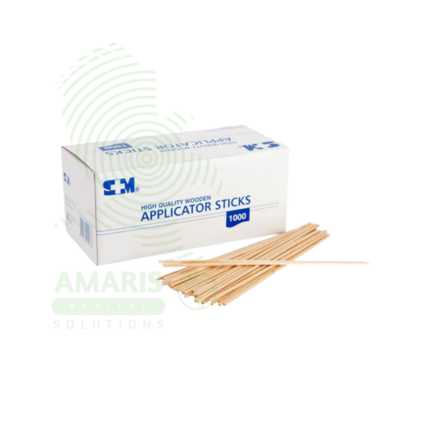
Applicator Sticks
Applicator Sticks are single-use medical devices with absorbent tips (cotton, rayon, flocked polyester) on wood, plastic, or paper shafts for collecting clinical specimens (throat, nasal, wound, cervical, urethral, rectal) for microbiological culture, rapid testing, and molecular diagnostics. Sterile individually wrapped or non-sterile bulk formats. Flocked swabs provide >90% specimen release for PCR testing. Primary applications include specimen collection for infection diagnosis, wound care and antiseptic application, gynecological sampling (Pap smears, STI testing), eye/ear specimen collection, laboratory slide preparation, and forensic evidence collection. Critical precautions include single-use only, sterile technique, proper collection method, and biohazard disposal. Essential consumable in all clinical settings.
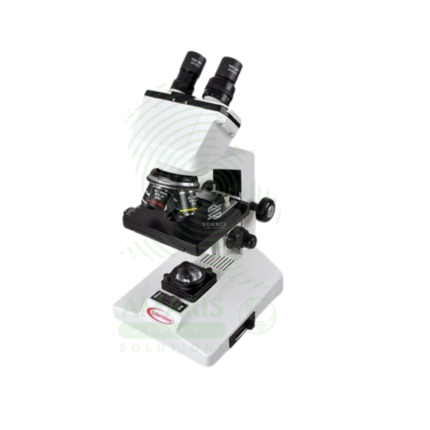
Binocular Microscope
A Binocular Microscope is a high-precision, compound optical instrument fundamental to clinical diagnostics. Featuring dual eyepieces for comfortable viewing and a suite of parfocal objective lenses (4x, 10x, 40x, 100x oil), it provides magnifications from 40x to 1000x. Its integrated LED illumination, mechanical stage, and Abbe condenser enable the detailed examination of stained blood films, tissue sections, microbiological specimens, and cytological preparations. As the primary tool for pathologists and laboratory scientists, it is indispensable for definitive diagnoses in hematology, histopathology, microbiology, and urinalysis, demanding skilled operation and meticulous maintenance for optimal performance.
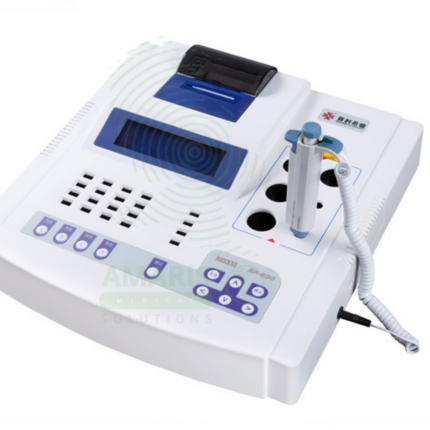
Coagulation Analyzer
A Coagulation Analyzer is a compact, automated instrument designed for performing essential tests that evaluate the blood's clotting ability. It accurately measures key parameters such as Prothrombin Time (PT/INR), Activated Partial Thromboplastin Time (aPTT), Thrombin Time, and Fibrinogen, which are critical for monitoring anticoagulant therapy (warfarin, heparin), diagnosing bleeding disorders, and assessing surgical risk. With its photometric detection and user-friendly operation, it delivers reliable results for small to medium-volume laboratories, clinics, and hospital wards. Its role in ensuring safe and effective patient management in thrombosis and hemostasis makes it a vital tool in clinical diagnostics.
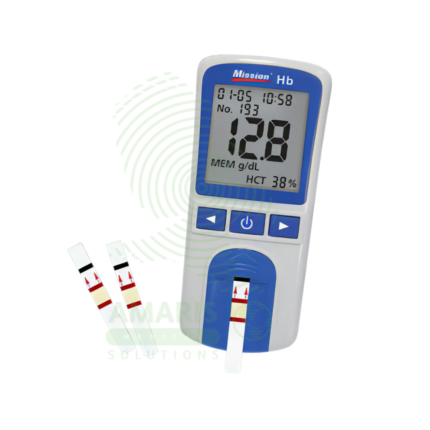
Hemoglobin Meter
A Hemoglobin Meter is a Class II medical device (FDA-cleared, CE-marked) for quantitative point-of-care measurement of hemoglobin concentration in capillary or venous blood, providing results in 5-60 seconds from a 5-20 µL sample. The meter uses photometric, electrochemical, or conductivity technology to measure hemoglobin, with accuracy ±0.3-0.5 g/dL compared to reference methods. Features include backlit LCD display, memory storage for 100-1000 results, USB/Bluetooth connectivity for data transfer, and compatibility with single-use disposable cuvettes or test strips. Primary clinical applications include anemia screening and diagnosis (WHO criteria), preoperative assessment and surgical planning, antenatal care and maternal health monitoring, malaria-endemic region screening, chronic disease management (CKD, IBD, cancer), nutritional assessment and intervention programs, and blood donor screening. Critical safety precautions include single-use lancets, proper hand hygiene, correct sample application, quality control with control solutions, proper cuvette storage (protect from heat, light, humidity), and never using expired cuvettes. Essential point-of-care device for hemoglobin testing in hospitals, clinics, community health programs, and blood donation centers.
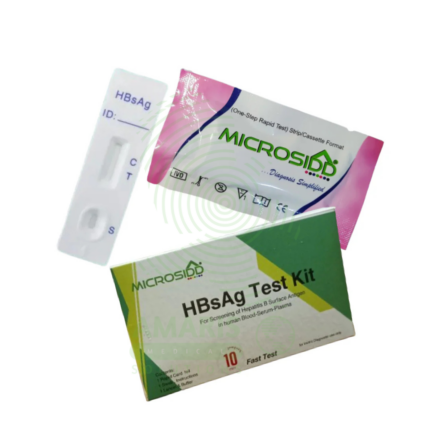
Hepatitis B Test Kit
The Hepatitis B Test Kit is an in vitro diagnostic device for the detection of Hepatitis B virus markers in human blood samples, available in rapid, ELISA, and molecular formats. It detects specific antigens (HBsAg) and antibodies (anti-HBc, anti-HBs) to diagnose acute and chronic infection, monitor treatment response, screen blood donations, and determine immunity status. With high sensitivity (>98%) and specificity (>99%), it provides results in 15 minutes to 4 hours depending on format. Essential applications include prenatal screening to prevent mother-to-child transmission, evaluation of acute hepatitis, pre-immunosuppression screening, and occupational health testing. All patient samples must be handled with universal precautions, and testing must include appropriate quality controls.
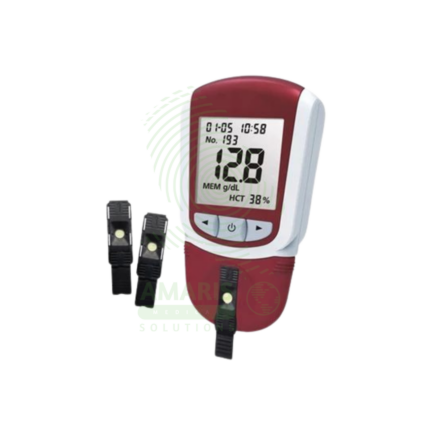
Mission Plus HB Machine
The Mission Plus HB Machine is a portable, battery-operated hemoglobin meter (Class II medical device, FDA-cleared/CE-marked) using photometric technology to measure hemoglobin concentration in capillary or venous blood within 5-15 seconds. Features include backlit LCD display, memory storage for 100-500 results, simple one-button operation, and disposable single-use cuvettes (5-20 µL sample volume). Accuracy ±0.3 g/dL compared to reference methods, measurement range 4-24 g/dL. Primary clinical applications include rapid anemia screening in outpatient clinics, preoperative assessment, antenatal care and maternal health monitoring, malaria-endemic region screening, chronic disease management (CKD, IBD, cancer), nutritional assessment and intervention programs, and blood donor screening. Critical safety precautions include single-use lancets, proper hand hygiene, correct sample application, quality control with control solutions, proper cuvette storage (protect from heat, light, humidity), and never using expired cuvettes. Essential point-of-care device for hemoglobin testing in diverse healthcare settings.
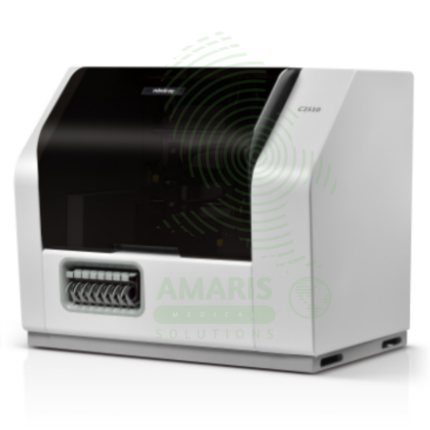
PRECIL Series
The PRECIL Series, originally developed by Beijing Precil and now associated with Mindray, comprises specialized coagulation analyzers and hemorheology analyzers for clinical laboratory testing. Coagulation analyzers measure PT, APTT, fibrinogen, TT, D-dimer, factor assays, and thrombophilia markers for diagnosing bleeding disorders, monitoring anticoagulant therapy, and assessing liver function. Hemorheology analyzers measure whole blood viscosity, plasma viscosity, erythrocyte aggregation, and deformability for evaluating hyperviscosity syndromes, sickle cell disease, diabetes, and cardiovascular disorders. The series includes specialized cleaning solutions and reagents (such as PLS cleaner) for maintaining analyzer performance and ensuring accurate results. Features include automated sample processing, color touchscreen interface, LIS connectivity, and comprehensive quality control programs. Primary clinical applications include coagulation testing for preoperative assessment, anticoagulant monitoring, DIC diagnosis, thrombophilia workup, and hemorheology assessment for conditions affecting blood flow. Essential laboratory instrumentation for hematology, coagulation, and specialized testing in hospital laboratories, reference laboratories, and research facilities.