Dermatoscope and Magnifiers
 Diagnostic Kits
 Vital Signs Monitors
 Stethoscopes and Accessories
 Otoscopes, Ophthalmoscopes, and Retinoscopes
 Reflex Hammers and Neurological Tools
 Scales and Measuring Devices
 Spirometers and Pulmonary Function Tests
 Electrosurgical Units and Accessories
 Cutting Instruments
 Grasping and Holding Instruments
 Hemostatic Instruments
 Specialized Surgical Sets
 Single-Use Procedure Trays and Packs
 Surgical Drapes, Gowns, and Covers
 Tissue Unifying Instruments
 Radiation Protection
 X-Ray Machines and Accessories
 Ultrasound Systems and Probes
 MRI and CT Scanners
 Radiology Consumables
 Bone Densitometers
 Fluoroscopy Equipment
 Imaging Tables and Positioning Aids
 Microscopes and Accessories
 Centrifuges and Separators
 Analyzers
 Incubators and Ovens
 Pipettes, Dispensers, and Lab Glassware
 Refrigerators, Freezers, and Storage Units
 Lab Consumables
 Sterilizers and Autoclaves for Lab Use
 Multi-Parameter Monitors
 Ventilators and Respiratory Support Devices
 Defibrillators and AEDs
 Infusion Pumps and IV Systems
 Patient Warmers and Cooling Devices
 Central Monitoring Stations
 Accessories
 Anesthesia Machines and Workstations
 Oxygen Concentrators and Delivery Systems
 Nebulizers and Inhalers
 CPAP/BiPAP Machines
 Airway Management
 Anesthesia Masks, Circuits, and Bags
 Humidifiers and Heaters
 Respiratory Therapy Accessories
 First Aid Kits and Cabinets
 Emergency Resuscitation Equipment
 Trauma Supplies
 Emergency Carts and Crash Carts
 Burn Care Products
 Bleeding Control
 Automated External Defibrillators (AEDs)
 Transport and Evacuation
 Wheelchairs and Accessories
 Walkers, Crutches, and Canes
 Prosthetics and Orthotics
 Physical Therapy Equipment
 Transfer Devices
 Bathroom Safety
 Orthopedic Traction and Tables
 Hot/Cold Therapy Packs and Units
 Beds and Mattresses
 Chairs and Stools
 Tables
 Cabinets and Storage
 Privacy Screens & Curtains
 Stands and Racks
 Linens and Textiles
 Lighting
 Autoclaves and Sterilizers
 Ultrasonic Cleaners
 Disinfectant Solutions and Wipes
 Sterilization Pouches, Wraps, and Indicators
 Instrument Trays and Containers
 UV and Ozone Disinfection Devices
 Washer Disinfectors
 Wound Care
 Gloves
 Masks and Respirators
 Catheters and Tubing
 Swabs, Applicators, and Sponges
 Incontinence Products
 Personal Protective Equipment (PPE)
 Dental Chairs and Units
 Handpieces and Burs
 Instruments
 Consumables
 Sterilization for Dental Use
 Orthodontic Supplies
 Endodontic Tools
 Slit Lamps and Tonometers
 Lensometers and Phoropters
 Ophthalmic Surgical Instruments
 Eyewear Frames and Lenses
 Contact Lens Supplies
 Vision Testing Charts and Devices
 Eye Care Consumables
 Laser Systems for Eye Care
 ENT Exam Chairs and Tables
 Endoscopes
 Audiometers and Hearing Tests
 ENT Instruments
 Nasal and Throat Packs
 Hearing Aids and Accessories
 Otology Supplies
 Fetal Dopplers and Monitors
 Delivery Beds and Tables
 Gynecological Instruments
 Neonatal Incubators and Warmers
 Breast Pumps and Accessories
 Contraceptive Devices
 Maternity Supports and Pads
 Neonatal Consumables
 Cystoscopes and Urethroscopes
 Dialysis Machines and Supplies
 Urological Catheters and Bags
 Lithotripters
 Prostate Treatment Devices
 Urinary Incontinence Products
 Kidney Stone Management Tools
 Consumables & Disposables
 EEG and EMG Machines
 Neurosurgical Instruments
 Nerve Stimulators
 Headrests and Positioning Aids
 Lumbar Puncture Kits
 Seizure Monitoring Devices
 Consumables
 Rehabilitation for Neurological Conditions
 ECG Machines and Accessories
 Holter Monitors
 Stress Test Systems
 Pacemakers and Defibrillator Accessories
 Vascular Access Devices
 Cardiac Catheters and Guidewires
 Blood Flow Meters
 Consumables
 Orthopedic Instruments
 Casts, Splints, and Padding
 Joint Replacement Supplies
 Prosthetic Limbs and Components
 Bone Grafts and Substitutes
 Traction Devices
 Orthopedic Braces and Supports
 Rehabilitation Aids for Orthopedics
 Home Oxygen Therapy
 Hospital Beds for Home Use
 Mobility Aids
 Bathroom and Daily Living Aids
 Wound Care for Home
 Monitoring Devices
 Enteral Feeding Pumps and Tubes
 Hand Sanitizers and Dispensers
 Face Shields and Goggles
 Isolation Gowns and Suits
 Biohazard Waste Containers
 Air Purifiers and HEPA Filters
 Surface Disinfectants
 Sharps Containers
 Protective Barriers
 Cardiovascular & Endurance Training
 Strength Training & Weightlifting
 Functional Training & Core Conditioning
 Physical Therapy & Rehabilitation
 Sports & Outdoor Recreation
 Gym Flooring & Facility Equipment
 Fitness Monitoring & Accessories
 Kids & Novelties
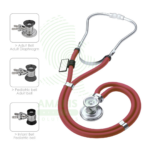
Littman Stethoscope (Classic 4 Cardiology)
WhatsApp Order
A Littman Stethoscope (Classic 4 Cardiology) represents the pinnacle of acoustic auscultation technology. Designed for clinicians who require the highest level of diagnostic accuracy, it features dual tunable diaphragms and dual-lumen tubing to provide exceptional acoustic sensitivity and ambient noise reduction. Its innovative design allows the user to hear both high and low-frequency sounds by simply adjusting pressure on either side of the chestpiece, making it the instrument of choice for cardiologists, intensivists, and specialists who cannot afford to miss a subtle murmur, rub, or breath sound. It combines superior performance with the durability and comfort expected from the Littmann brand.
Description
Littman Stethoscope (Classic 4 Cardiology)
PRIMARY CLINICAL & DIAGNOSTIC USES
1. Advanced Cardiac Auscultation:
-
Primary Use: The definitive tool for cardiologists, internists, and intensivists for the detailed diagnosis of complex heart conditions. Its superior acoustics are critical for identifying subtle murmurs (grading intensity, timing, radiation), detecting faint extra heart sounds (S3, S4, opening snaps), and characterizing rubs and clicks with exceptional clarity.
-
How it helps: Allows cardiologists to hear the faintest whispers of heart disease that ordinary stethoscopes miss—the subtle S3 gallop of early heart failure, the opening snap of a stenotic mitral valve, or the quiet murmur of a leaking aortic valve—enabling earlier diagnosis and intervention.
2. Critical Care & Emergency Assessment:
-
Primary Use: Essential in high-noise environments like Emergency Rooms, ICUs, and Cardiac Care Units (CCUs) where detecting nuanced cardiopulmonary signs amidst ambient noise is vital for rapid diagnosis and triage of conditions like pulmonary edema, pericardial tamponade, or valvular emergencies.
-
How it helps: Cuts through the chaos of a busy emergency department or intensive care unit, delivering clear heart and lung sounds even when monitors are beeping and ventilators are cycling, giving critical care physicians the information they need in moments that matter.
3. Pulmonary Auscultation with High Fidelity:
-
Primary Use: Provides exceptionally clear rendering of breath sounds, allowing for precise differentiation between fine and coarse crackles, identification of early wheezes, and detection of subtle pleural rubs, which is crucial in managing respiratory failure, pneumonia, and interstitial lung disease.
-
How it helps: Reveals the subtle differences in breath sounds that distinguish between fluid in the tiny air sacs of pneumonia, the narrowed airways of asthma, and the stiff lungs of pulmonary fibrosis, guiding precise treatment decisions.
4. Vascular Examination:
-
Primary Use: Superior for auscultating low-frequency bruits in the carotid, renal, femoral, and abdominal aorta, aiding in the diagnosis of arterial stenosis and aneurysms.
-
How it helps: Detects the whooshing sound of turbulent blood flow through narrowed arteries before they cause stroke or kidney damage, allowing for early intervention that can prevent devastating vascular events.
5. Teaching & Demonstration:
-
Primary Use: Used in academic and clinical teaching settings to demonstrate classic and subtle auscultatory findings to trainees, as its clarity makes pathological sounds more discernible for learning.
-
How it helps: Helps medical educators train the next generation of cardiologists and physicians by making the subtle sounds of heart disease audible and understandable, ensuring these critical diagnostic skills are passed down.
SECONDARY & SUPPORTIVE USES
1. Pre-operative Cardiovascular Risk Stratification: Used by anesthesiologists and surgeons for a detailed pre-operative cardiac exam to identify undiagnosed murmurs or signs of heart failure that could impact perioperative management, ensuring patient safety during surgery.
2. Long-term Follow-up of Valve Disease: Enables precise serial examination of patients with known valvular heart disease to monitor for progression without immediately resorting to echocardiography, providing cost-effective longitudinal care.
3. Sports Cardiology & Pre-participation Screening: Employed for in-depth cardiac exams in athletes to detect murmurs suggestive of conditions like hypertrophic cardiomyopathy, potentially preventing sudden cardiac death in young athletes.
KEY PRODUCT FEATURES
1. BASIC IDENTIFICATION ATTRIBUTES
-
Brand & Model: 3M™ Littmann® Cardiology IV Diagnostic Stethoscope.
-
Type: High-performance, acoustic (non-electronic) stethoscope.
-
Chestpiece: Features a dual-sided chestpiece with an Adult Tunable Diaphragm on one side and a Pediatric/Tunable Diaphragm on the opposite side, both utilizing patented tunable technology. It includes a traditional bell function integrated into the pediatric side.
-
Tubing: Features Dual-Lumen tubing (two independent sound channels within one tube) which reduces internal rubbing noise and provides superior acoustic performance compared to single-lumen designs.
2. TECHNICAL & PERFORMANCE PROPERTIES
-
Tunable Diaphragm Technology (Both Sides): The core innovation. Light pressure on either diaphragm allows auscultation of low-frequency sounds (e.g., heart murmurs, S3). Firm pressure tunes the diaphragm to hear high-frequency sounds (e.g., breath sounds, S1, S2). This allows the practitioner to hear the entire diagnostic frequency range from both sides of the chestpiece without flipping it.
-
Enhanced Acoustic Sensitivity: Engineered to provide up to 40% greater amplification of sounds across all frequencies compared to classic stethoscopes, with a superior signal-to-noise ratio.
-
Frequency Response: Optimized for the full range of human auscultation. The adult diaphragm is tuned for optimal performance on adult patients, while the pediatric side is optimized for smaller anatomy and higher heart rates.
-
Comfort & Seal: Features Ambient Noise Reduction of ~20 dB via next-generation tubing materials and a precise headset. Includes SureFit™ soft-sealing ear tips and customizable, pressure-adjustable binaurals for an optimal, comfortable acoustic seal.
3. PHYSICAL & OPERATIONAL PROPERTIES
-
Construction: Premium materials: machined stainless steel chestpiece, high-density tubing designed to remain flexible in cold temperatures, and a rust-resistant, non-chill rim.
-
Length & Weight: Available in 27" and 32" tubing lengths. Slightly heavier than classic models due to its robust construction, but balanced for all-day wear.
-
Finish: Available in a wide range of professional colors and finishes.
4. SAFETY & COMPLIANCE ATTRIBUTES
-
Regulatory Status: Classified as a Class I medical device (FDA, CE Mark). It is a non-invasive, non-powered diagnostic instrument.
-
Biocompatibility: All patient-contact surfaces are biocompatible.
-
Cleaning Compatibility: Materials are resistant to degradation from alcohol and standard hospital disinfectants.
5. STORAGE & HANDLING ATTRIBUTES
-
Storage: Hang by the ear tubes to prevent kinking. Store in a protective case when not in use to preserve the tubing and finish.
-
Cleaning & Disinfection: Clean after every patient contact.
-
Chestpiece & Tubing: Wipe with a 70% isopropyl alcohol pad or a soft cloth dampened with soapy water or a mild disinfectant.
-
Ear Tips & Binaurals: Remove ear tips regularly for cleaning. Do not immerse in liquids, autoclave, or use solvents.
-
-
Maintenance: Periodically check ear tips for wear and replace if cracked. Inspect tubing for signs of wear or hardening.
6. LABORATORY & CLINICAL APPLICATIONS
-
Primary Application: The gold-standard acoustic stethoscope for environments where diagnostic accuracy and the detection of subtle findings are paramount (cardiology, critical care, internal medicine).
-
Performance Standard: Often considered the reference against which other stethoscopes are compared for acoustic performance.
SAFETY HANDLING PRECAUTIONS
1. SAFETY PRECAUTIONS
-
Infection Control: A high-touch device that must be rigorously cleaned between patients to prevent nosocomial infection transmission.
-
Acoustic Over-reliance: While superior, it is still an acoustic tool. Findings should be correlated with the patient's overall clinical picture and other diagnostic tests.
-
Physical Care: Avoid exposure to extreme heat, oils, and solvents to preserve tubing integrity and finish.
2. FIRST AID MEASURES
-
General: The device poses no direct hazard. Provide standard first aid for any minor injury caused by a component.
-
Ingestion: Not applicable.
3. FIRE FIGHTING MEASURES
-
Flammability: The tubing and ear tips are combustible but not highly flammable.
-
Extinguishing Media: Use standard extinguishing media (water, foam, CO₂, dry chemical) as appropriate for the surrounding fire.
Related products
BMI Tape
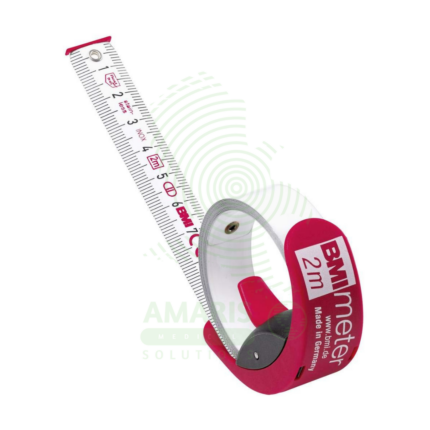
A BMI Tape is a rapid screening tool that estimates an individual's Body Mass Index (BMI) category by measuring body circumference, most commonly the waist. It features a color-coded scale that directly displays BMI ranges (Underweight, Normal, Overweight, Obese), eliminating the need for separate height and weight measurements and manual calculation. While highly useful for community health screenings, wellness programs, and patient education due to its portability and simplicity, it is an approximate method. Its accuracy is limited compared to BMI calculated from precise clinical measurements, and it should be used as an initial screening indicator rather than a definitive diagnostic tool.
Fingertip Pulse Oximeter
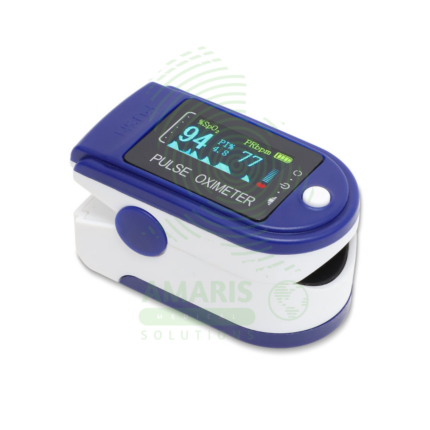
A Fingertip Pulse Oximeter is a compact, non-invasive medical device that clips onto a finger to measure peripheral arterial oxygen saturation (SpO2) and pulse rate in seconds. Utilizing light-based technology, it provides critical, real-time data on respiratory and circulatory status. Its portability and ease of use make it indispensable in hospitals (from ORs to general wards), for patients managing chronic lung conditions at home, and for situational monitoring in sports or high-altitude environments. While an extremely valuable screening tool, readings must be interpreted in context, considering factors like patient movement, perfusion, and clinical symptoms.
Goniometer
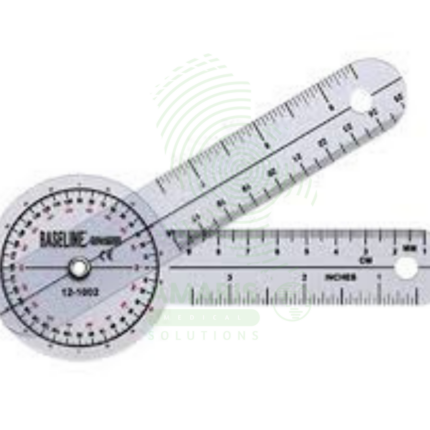
A goniometer is a calibrated, handheld measuring instrument designed to precisely quantify joint range of motion in degrees. Essential for physical and occupational therapy, orthopedic assessment, and rehabilitation medicine, it consists of a protractor-like body with two arms—one stationary, one movable—that align with the patient's limb segments. Available in various sizes for different joints (from fingers to hips) and in materials including transparent plastic, stainless steel, and digital formats, it transforms subjective observations of mobility into objective, reproducible data. This fundamental clinical tool guides diagnosis, documents treatment progress, supports disability determinations, and provides the evidence base for therapeutic interventions.
Holter ECG Monitor
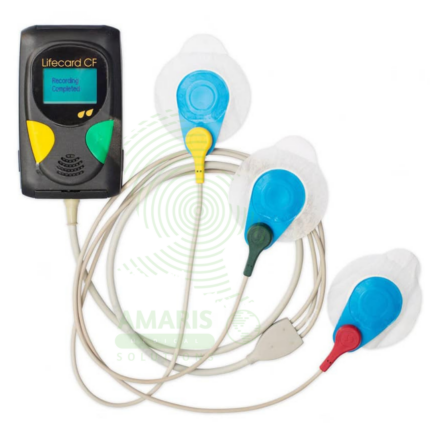
A Holter ECG Monitor is a portable, wearable medical device used for continuous, long-term recording of a patient's heart's electrical activity over 24 to 48 hours or more. It is the cornerstone diagnostic tool for detecting intermittent cardiac arrhythmias, evaluating unexplained symptoms like syncope or palpitations, and monitoring the efficacy of antiarrhythmic treatments or implanted cardiac device function. Consisting of a small digital recorder connected to chest electrodes (or an all-in-one adhesive patch), it allows patients to maintain their normal daily routine while capturing a comprehensive electrocardiographic record.
Proctoscope
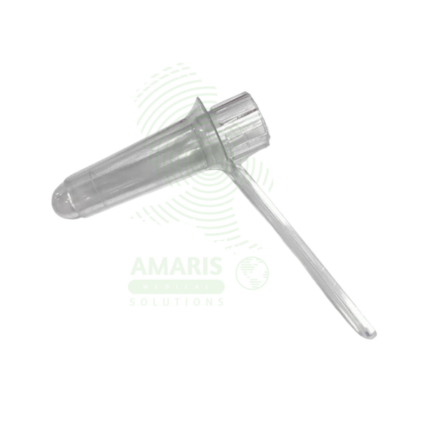
A Proctoscope is a rigid, straight-tube endoscope specifically designed for the examination and treatment of the anal canal and distal rectum. It enables direct visualization to diagnose conditions like hemorrhoids, fissures, and proctitis, and serves as a conduit for therapeutic procedures such as band ligation. Available in reusable (autoclavable metal) or disposable (single-use plastic) formats, it is a fundamental tool in colorectal practice. Its effective use requires proper patient preparation, gentle insertion technique, and stringent adherence to sterilization protocols to ensure patient safety and diagnostic accuracy.
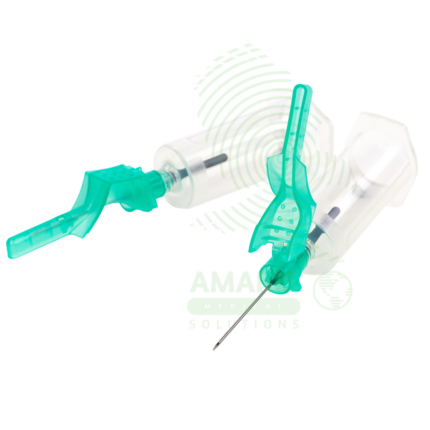
SAFE SERIES Blood Collection Needles
The SAFE SERIES (AM-SAFE) by Beijing Precil (Mindray subsidiary) is a comprehensive line of safety-engineered blood collection devices designed to prevent accidental needlestick injuries in healthcare workers. The series includes venous blood collection needles (AM-SAFE-V), standard safety needles (AM-SAFE1), winged infusion sets/butterfly needles (AM-SAFE2), high-gauge thin-wall needles for fragile veins (AM-SAFE3), premium coated needles for enhanced patient comfort (AM-GOLD), and nurse-friendly one-handed safety variants (AM-NURSE). All devices incorporate integral safety mechanisms that shield the contaminated needle immediately after withdrawal, complying with OSHA Needlestick Safety and Prevention Act requirements. Available in various gauges (18G-25G) and configurations for routine venipuncture, difficult vein access, pediatric/geriatric patients, and frequent blood draws. Sterile, single-use, latex-free, and color-coded for easy gauge identification. Essential safety devices for blood collection in hospitals, clinics, laboratories, and home healthcare settings.
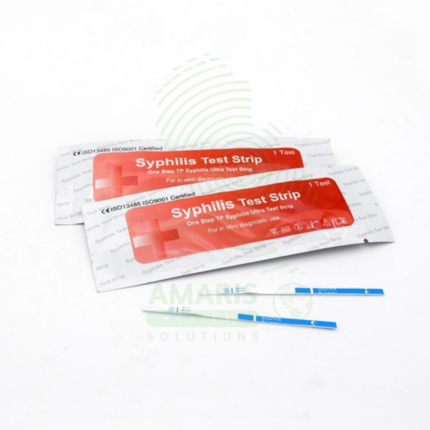
VDRL Test For Syphilis
The VDRL Test For Syphilis (Venereal Disease Research Laboratory) is a Class II medical device (FDA-cleared) non-treponemal flocculation test for qualitative and quantitative detection of reaginic antibodies in serum or cerebrospinal fluid, used for syphilis screening, diagnosis, and treatment monitoring. The test uses an antigen mixture (cardiolipin, cholesterol, lecithin) that reacts with antibodies, forming visible clumping (flocculation) in positive samples. Results are reported as reactive/non-reactive with quantitative titers (e.g., 1:2 to 1:256). Primary clinical applications include initial screening for syphilis infection, confirmation of active syphilis (with treponemal tests), monitoring treatment response (fourfold titer decrease indicates cure), diagnosis of neurosyphilis (CSF testing), prenatal screening for congenital syphilis prevention, screening in high-risk populations (MSM, HIV-positive, multiple partners), and blood donor screening. Critical safety precautions include confirmation of all reactive results with treponemal tests (TPPA, FTA-ABS), awareness of false positives (pregnancy, autoimmune disease, viral infections), proper specimen handling (universal precautions), refrigerated storage of reagents (2-8°C), and mandatory reporting of reactive results to public health authorities. Essential test for syphilis control and congenital syphilis prevention worldwide.