Dermatoscope and Magnifiers
 Diagnostic Kits
 Vital Signs Monitors
 Stethoscopes and Accessories
 Otoscopes, Ophthalmoscopes, and Retinoscopes
 Reflex Hammers and Neurological Tools
 Scales and Measuring Devices
 Spirometers and Pulmonary Function Tests
 Electrosurgical Units and Accessories
 Cutting Instruments
 Grasping and Holding Instruments
 Hemostatic Instruments
 Specialized Surgical Sets
 Single-Use Procedure Trays and Packs
 Surgical Drapes, Gowns, and Covers
 Tissue Unifying Instruments
 Radiation Protection
 X-Ray Machines and Accessories
 Ultrasound Systems and Probes
 MRI and CT Scanners
 Radiology Consumables
 Bone Densitometers
 Fluoroscopy Equipment
 Imaging Tables and Positioning Aids
 Microscopes and Accessories
 Centrifuges and Separators
 Analyzers
 Incubators and Ovens
 Pipettes, Dispensers, and Lab Glassware
 Refrigerators, Freezers, and Storage Units
 Lab Consumables
 Sterilizers and Autoclaves for Lab Use
 Multi-Parameter Monitors
 Ventilators and Respiratory Support Devices
 Defibrillators and AEDs
 Infusion Pumps and IV Systems
 Patient Warmers and Cooling Devices
 Central Monitoring Stations
 Accessories
 Anesthesia Machines and Workstations
 Oxygen Concentrators and Delivery Systems
 Nebulizers and Inhalers
 CPAP/BiPAP Machines
 Airway Management
 Anesthesia Masks, Circuits, and Bags
 Humidifiers and Heaters
 Respiratory Therapy Accessories
 First Aid Kits and Cabinets
 Emergency Resuscitation Equipment
 Trauma Supplies
 Emergency Carts and Crash Carts
 Burn Care Products
 Bleeding Control
 Automated External Defibrillators (AEDs)
 Transport and Evacuation
 Wheelchairs and Accessories
 Walkers, Crutches, and Canes
 Prosthetics and Orthotics
 Physical Therapy Equipment
 Transfer Devices
 Bathroom Safety
 Orthopedic Traction and Tables
 Hot/Cold Therapy Packs and Units
 Beds and Mattresses
 Chairs and Stools
 Tables
 Cabinets and Storage
 Privacy Screens & Curtains
 Stands and Racks
 Linens and Textiles
 Lighting
 Autoclaves and Sterilizers
 Ultrasonic Cleaners
 Disinfectant Solutions and Wipes
 Sterilization Pouches, Wraps, and Indicators
 Instrument Trays and Containers
 UV and Ozone Disinfection Devices
 Washer Disinfectors
 Wound Care
 Gloves
 Masks and Respirators
 Catheters and Tubing
 Swabs, Applicators, and Sponges
 Incontinence Products
 Personal Protective Equipment (PPE)
 Dental Chairs and Units
 Handpieces and Burs
 Instruments
 Consumables
 Sterilization for Dental Use
 Orthodontic Supplies
 Endodontic Tools
 Slit Lamps and Tonometers
 Lensometers and Phoropters
 Ophthalmic Surgical Instruments
 Eyewear Frames and Lenses
 Contact Lens Supplies
 Vision Testing Charts and Devices
 Eye Care Consumables
 Laser Systems for Eye Care
 ENT Exam Chairs and Tables
 Endoscopes
 Audiometers and Hearing Tests
 ENT Instruments
 Nasal and Throat Packs
 Hearing Aids and Accessories
 Otology Supplies
 Fetal Dopplers and Monitors
 Delivery Beds and Tables
 Gynecological Instruments
 Neonatal Incubators and Warmers
 Breast Pumps and Accessories
 Contraceptive Devices
 Maternity Supports and Pads
 Neonatal Consumables
 Cystoscopes and Urethroscopes
 Dialysis Machines and Supplies
 Urological Catheters and Bags
 Lithotripters
 Prostate Treatment Devices
 Urinary Incontinence Products
 Kidney Stone Management Tools
 Consumables & Disposables
 EEG and EMG Machines
 Neurosurgical Instruments
 Nerve Stimulators
 Headrests and Positioning Aids
 Lumbar Puncture Kits
 Seizure Monitoring Devices
 Consumables
 Rehabilitation for Neurological Conditions
 ECG Machines and Accessories
 Holter Monitors
 Stress Test Systems
 Pacemakers and Defibrillator Accessories
 Vascular Access Devices
 Cardiac Catheters and Guidewires
 Blood Flow Meters
 Consumables
 Orthopedic Instruments
 Casts, Splints, and Padding
 Joint Replacement Supplies
 Prosthetic Limbs and Components
 Bone Grafts and Substitutes
 Traction Devices
 Orthopedic Braces and Supports
 Rehabilitation Aids for Orthopedics
 Home Oxygen Therapy
 Hospital Beds for Home Use
 Mobility Aids
 Bathroom and Daily Living Aids
 Wound Care for Home
 Monitoring Devices
 Enteral Feeding Pumps and Tubes
 Hand Sanitizers and Dispensers
 Face Shields and Goggles
 Isolation Gowns and Suits
 Biohazard Waste Containers
 Air Purifiers and HEPA Filters
 Surface Disinfectants
 Sharps Containers
 Protective Barriers
 Cardiovascular & Endurance Training
 Strength Training & Weightlifting
 Functional Training & Core Conditioning
 Physical Therapy & Rehabilitation
 Sports & Outdoor Recreation
 Gym Flooring & Facility Equipment
 Fitness Monitoring & Accessories
 Kids & Novelties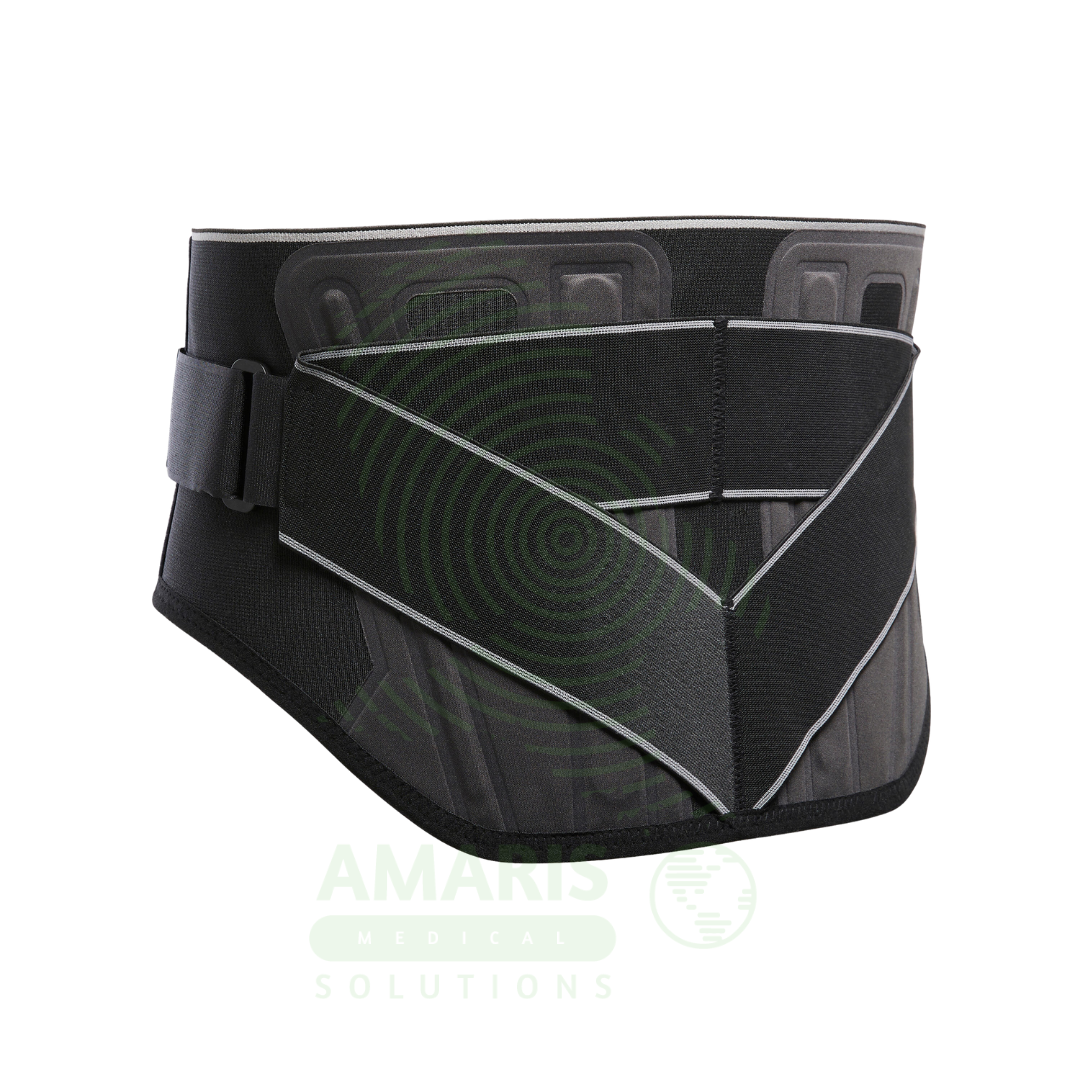
Lumbar Support
WhatsApp Order
Lumbar Support are external orthotic devices designed to provide compression, stability, and motion restriction to the lower back. Ranging from flexible binders for mild strain and proprioception to rigid braces for post-surgical immobilization, they work by providing external support and increasing intra-abdominal pressure to offload the lumbar spine. Their effective use requires proper sizing and fit for the specific clinical indication. Crucially, they should be employed as an adjunct to, not a replacement for, active rehabilitation and core strengthening to prevent muscle atrophy and promote long-term spinal health.
Description
Lumbar Supports
PRIMARY CLINICAL & DIAGNOSTIC USES
1. Post-Operative Stabilization and Protection
-
Primary Use: Following lumbar spine surgery, provides external support, limits range of motion, protects surgical repairs or instrumentation, and promotes healing in a stabilized environment.
-
How it helps: For the neurosurgeon and orthopedic spine surgeon, a lumbar support brace extends the protection of the operating room into the recovery period—holding the spine in alignment, preventing the flexion, extension, and twisting that could disrupt a delicate fusion or re-herniate a repaired disc. For the patient emerging from spinal surgery, the brace provides the security that allows them to move safely during daily activities, knowing that their healing spine has external support protecting it from accidental movements.
2. Management of Acute Low Back Pain and Muscle Strains
-
Primary Use: Provides compression, warmth, and proprioceptive feedback to the lumbar muscles, helping reduce muscle spasms, alleviate pain, and remind the patient to avoid painful movements during the acute inflammatory phase.
-
How it helps: For the primary care physician and physical therapist managing acute low back pain, a lumbar support offers immediate symptomatic relief—the compression reduces muscle spasm, the warmth relaxes tight tissues, and the physical presence of the brace serves as a constant reminder to move carefully. For the patient debilitated by sudden back pain, the brace provides tangible support that makes sitting, standing, and moving less painful, allowing them to maintain function during the acute phase.
3. Support for Lumbar Instability and Spondylolisthesis
-
Primary Use: Provides external stability for patients with hypermobility, ligamentous laxity, or minor degrees of vertebral slippage by limiting excessive motion that causes pain.
-
How it helps: For the spine specialist managing patients with spondylolisthesis or segmental instability, a rigid lumbar support can provide the external stabilization that compensates for internal ligamentous insufficiency—preventing the translational movements that cause pain and nerve irritation. For the patient whose spine “slips” with certain movements, the brace provides the control that allows them to perform daily activities without triggering pain.
4. Treatment of Herniated or Degenerated Discs
-
Primary Use: As part of conservative management, a rigid or semi-rigid support helps reduce intradiscal pressure and limit movements that exacerbate nerve root compression, potentially alleviating radicular symptoms.
-
How it helps: For the physiatrist and pain management specialist, lumbar supports for disc pathology work by mechanically unloading the disc—reducing pressure on the nucleus pulposus, limiting flexion that drives disc material posteriorly, and decreasing irritation of adjacent nerve roots. For the patient with sciatica from a herniated disc, a well-fitted brace can provide significant relief from shooting leg pain by reducing the mechanical forces that compress the nerve root.
5. Osteoarthritis and Spinal Stenosis Management
-
Primary Use: Provides support for arthritic facet joints and can help maintain a slightly flexed posture that may open the spinal canal, offering symptomatic relief for patients with lumbar spinal stenosis.
-
How it helps: For the geriatrician and rheumatologist managing older adults with spinal stenosis, a lumbar support that encourages slight flexion can create more space in the spinal canal, reducing the compression on nerve roots that causes neurogenic claudication. For the patient whose walking is limited by leg pain and weakness from stenosis, a brace that opens the canal can extend their walking distance and improve quality of life.
SECONDARY & SUPPORTIVE USES
1. Prophylactic Use in Manual Labor and Athletics: Used by individuals in occupations requiring heavy lifting or by athletes to provide added abdominal and lumbar support, potentially reducing the risk of strain. For the worker whose job demands repetitive lifting, or the weightlifter moving maximal loads, a lumbar support provides both mechanical assistance and proprioceptive feedback that encourages safe technique.
2. Postural Correction and Proprioceptive Feedback: Serves as a tactile reminder to maintain proper spinal alignment and engage core muscles, beneficial for individuals with poor postural habits. For the desk worker whose posture has deteriorated, the brace provides constant feedback that encourages healthier positioning throughout the day.
3. Palliative Support for Pathological Fractures: Provides comfort and limited stabilization for patients with metastatic bone disease or osteoporotic compression fractures in the lumbar spine. For the patient with painful vertebral fractures, a supportive brace can provide significant pain relief and allow continued mobility despite compromised bone.
4. Adjunct to Physical Therapy: Used temporarily to allow a patient to participate more fully in a rehabilitation program by managing pain and providing confidence during movement retraining. For the patient fearful of movement due to pain, a brace can provide the security needed to engage fully in therapeutic exercise.
5. Pregnancy-Related Low Back and Pelvic Girdle Pain: Specific maternity supports are designed to offload the lumbar spine and provide stability to the sacroiliac joints during pregnancy. For the expectant mother experiencing the mechanical strain of pregnancy, a properly designed maternity support can make the difference between disabling pain and comfortable function.
KEY PRODUCT FEATURES
1. BASIC IDENTIFICATION ATTRIBUTES
-
Type: An external orthosis designed to encircle and support the lower trunk.
-
Designation: Categorized by rigidity, coverage, and intended function: Flexible/Bindery, Semi-Rigid, Rigid, Lumbosacral (LS), Thoracolumbosacral (TLSO).
-
Common Variants:
-
Elastic/Neoprene Binder: A flexible, stretchable wrap that provides compression, warmth, and mild support. Used for muscle strains or postural awareness.
-
Semi-Rigid Support: Incorporates flexible plastic or metal stays within a fabric corset. Provides moderate restriction of motion and abdominal compression. Common for acute back pain and post-operative use.
-
Rigid Lumbar Brace (e.g., Chairback Brace, Knight-Taylor Brace): Features rigid plastic or metal posterior and lateral panels. Provides significant immobilization of flexion, extension, and lateral bending. Used for post-fusion surgery or fracture management.
-
Corset with Rigid Panels: Combines the abdominal compression of a corset with rigid posterior supports for a blend of support and motion control.
-
2. TECHNICAL & PERFORMANCE PROPERTIES
-
Material:
-
Shell/Panels: Plastic polymers (polyethylene, polypropylene), aluminum, or steel for rigid components. Neoprene, nylon, or elastic for flexible binders.
-
Lining: Breathable, moisture-wicking fabric (often cotton or polyester blend).
-
-
Support Mechanism:
-
Flexible: Provides compression and proprioception.
-
Rigid/Semi-Rigid: Acts as a mechanical lever to limit spinal motion. Also provides abdominal compression, which increases intra-abdominal pressure, creating a hydraulic "internal splint" that offloads the lumbar spine.
-
3. PHYSICAL & OPERATIONAL PROPERTIES
-
Sizing: Must be sized by waist/abdominal circumference and torso length. A support that is too short will not cover the affected spinal segments; one that is too long will impede hip movement.
-
Adjustability: Critical for fit and compression. Achieved via multiple adjustable straps (typically Velcro), often in a pull-forward, tighten-backwards sequence to ensure proper abdominal support.
-
Coverage: Lumbosacral (LS) supports cover from the lower ribs to the sacrum. Thoracolumbosacral (TLSO) supports extend higher to include the thoracic spine for more global immobilization.
4. SAFETY & COMPLIANCE ATTRIBUTES
-
Regulatory Status: Typically Class I medical devices.
-
Biocompatibility: Linings must be non-irritating for prolonged skin contact.
-
Latex-Free: Standard.
5. STORAGE & HANDLING ATTRIBUTES
-
Storage: Store flat or hanging in a cool, dry place. Keep rigid braces flat to avoid warping.
-
Cleaning & Disinfection:
-
Fabric/Liners: Most are hand washable. Air dry completely. Do not machine dry rigid braces with plastic components, as heat can warp them.
-
Plastic/Metal Parts: Wipe with a damp cloth and mild soap.
-
-
Replacement: A DME item for single-patient use over the treatment period. Elastic binders lose compression over time and require replacement.
6. LABORATORY & CLINICAL APPLICATIONS
-
Primary Application: A fundamental tool in orthopedic spine care, physical medicine, occupational health, and general practice for managing pain, providing stability, and protecting the lumbar spine.
-
Prescription vs. OTC: Simple elastic binders are OTC. Custom-molded rigid TLSO braces and many semi-rigid post-operative braces are prescribed and fitted by an orthotist or clinician.
SAFETY HANDLING PRECAUTIONS
1. SAFETY PRECAUTIONS
-
Proper Indication and Fit: Should be used for a specific clinical purpose and duration. Prolonged, unnecessary use can lead to core muscle weakening and dependency. A poorly fitted brace will be ineffective and may cause skin irritation or nerve compression.
-
Skin Integrity: Inspect skin under the brace daily, especially over bony prominences (iliac crests, spine). Keep skin clean and dry. Use a thin, breathable shirt as a barrier.
-
Core Muscle Atrophy: Use should be part of a comprehensive plan that includes core strengthening exercises. The brace is a tool for protection during healing, not a substitute for muscular stability. Weaning off the brace under guidance is crucial.
-
Breathing and Digestion: Ensure the brace is not so tight as to restrict deep breathing or cause gastrointestinal discomfort, especially after meals.
2. FIRST AID MEASURES
-
If Causing Numbness, Tingling, or Severe Pain: Loosen or remove the brace immediately. If symptoms (especially in the legs) persist after removal, seek medical attention.
-
Skin Breakdown: Discontinue use. Clean the area with mild soap and water. Apply a protective dressing. Do not reapply the brace over broken skin without a protective barrier.
3. FIRE FIGHTING MEASURES
-
Flammability: Fabric, foam, neoprene, and plastic components are combustible.
-
Extinguishing Media: Use water, foam, or CO₂ as appropriate for the surrounding fire.
Related products
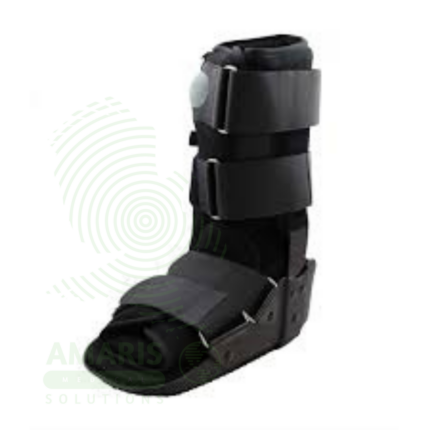
Ankle Walkers (Fixed/Air)
Ankle Walkers (Fixed/Air) are rigid, boot-like orthotic devices designed to immobilize the foot and ankle. Serving as a modern alternative to short leg casts, they are used for treating stable fractures, severe sprains, post-operative conditions, and for offloading diabetic foot ulcers. The "Fixed" type uses foam padding, while the "Air" type incorporates adjustable air bladders for a custom fit and superior swelling management. Both types feature a rocker-bottom sole to facilitate walking and multiple straps for secure immobilization. Daily skin inspection and proper fit are critical for safe and effective use, especially for patients with compromised sensation.
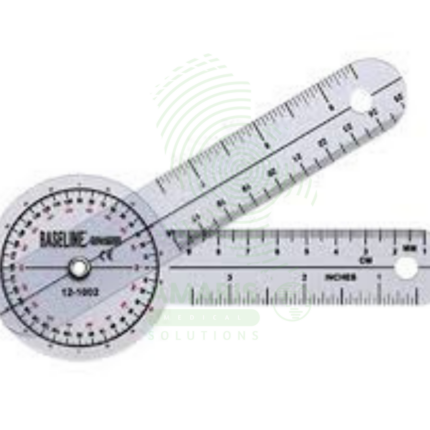
Goniometer
A goniometer is a calibrated, handheld measuring instrument designed to precisely quantify joint range of motion in degrees. Essential for physical and occupational therapy, orthopedic assessment, and rehabilitation medicine, it consists of a protractor-like body with two arms—one stationary, one movable—that align with the patient's limb segments. Available in various sizes for different joints (from fingers to hips) and in materials including transparent plastic, stainless steel, and digital formats, it transforms subjective observations of mobility into objective, reproducible data. This fundamental clinical tool guides diagnosis, documents treatment progress, supports disability determinations, and provides the evidence base for therapeutic interventions.
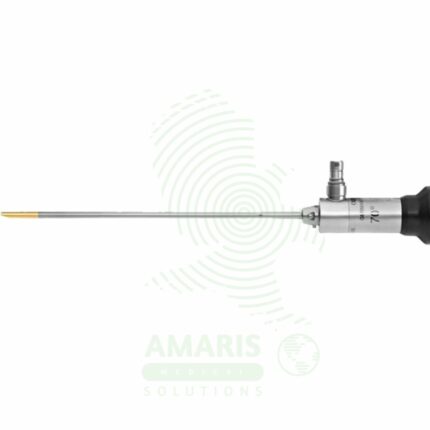
Orthopedic Arthroscope
An Orthopedic Arthroscope is a rigid, rod-lens telescope used for the visualization and surgical treatment of joint interiors. As the cornerstone of minimally invasive joint surgery, it provides a bright, magnified view of structures like cartilage, menisci, and ligaments through tiny incisions. Available in key diameters (2.7mm, 4.0mm) and viewing angles (0°, 30°, 70°), its optical quality is paramount for surgical precision. Mandatory pre-sterilization leak testing and careful autoclaving are required to maintain sterility and integrity. Proper handling is essential to prevent costly damage to the optics and to ensure patient safety during diagnostic and therapeutic arthroscopic procedures.
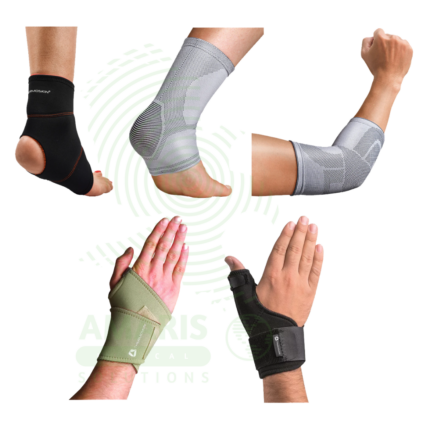
Orthopedic Braces (Knee, Ankle, Wrist, Back, Cervical)
Orthopedic Braces are externally applied devices designed to support, immobilize, align, or correct musculoskeletal structures. Available for major joints (knee, ankle, wrist) and the spine (back, cervical), they range from soft, supportive sleeves to rigid, post-operative immobilizers. Their primary uses include injury rehabilitation, pain management for arthritis, deformity correction, and injury prevention. Effective and safe use requires professional prescription and fitting, diligent skin care, and adherence to wearing schedules to achieve therapeutic goals without complications.
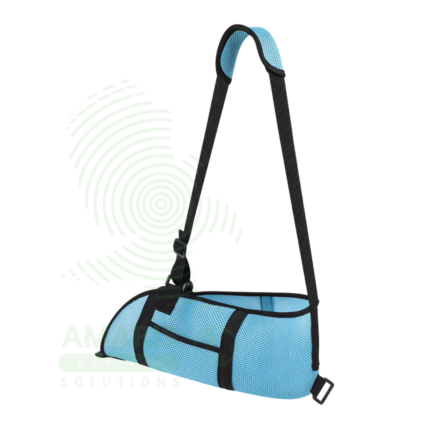
Pediatric Arm Sling
A Pediatric Arm Sling is a soft, fabric support designed specifically for children to immobilize and support the arm following upper extremity injuries, fractures, and surgery. Sized for pediatric patients with adjustable, padded neck straps, it provides comfortable, lightweight support that reduces pain, limits movement, and elevates the extremity to control swelling. Used in pediatric emergency departments, orthopedic clinics, and primary care settings, it supports healing while allowing children to return to daily activities. Proper positioning, circulation monitoring, and age-appropriate education are essential for safe use.
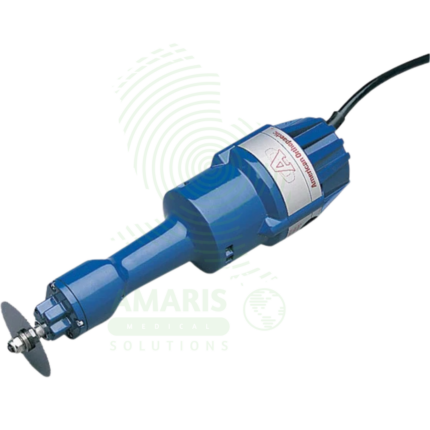
Plaster Cutter
A Plaster Cutter, most commonly an oscillating saw, is a specialized medical power tool designed to safely cut through and remove rigid orthopedic casts and splints. Its rapidly oscillating blade abrades hard casting materials (plaster or fiberglass) but deflects upon contact with the soft underlying padding and skin, minimizing injury risk. It is an essential device in orthopedics for routine and emergency cast removal, requiring proper technique, use of dust extraction, and patient communication to ensure safety and efficiency during the cast removal procedure.
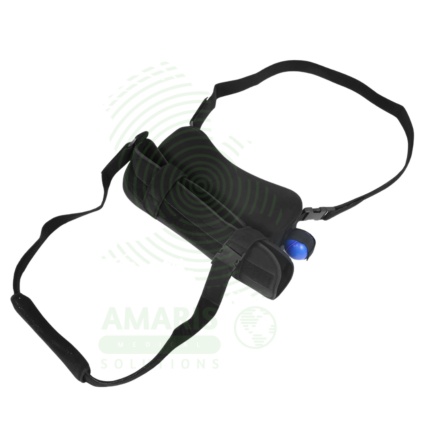
Shoulder Abduction Brace
A Shoulder Abduction Brace is a post-operative orthosis that positions the arm in abduction (away from the body) following rotator cuff repair, shoulder arthroplasty, instability surgery, and fracture fixation. The brace reduces tension on repaired tendons and soft tissues, protects surgical repairs, and maintains proper alignment during healing. Used in orthopedic surgery and physical therapy settings, it provides essential immobilization that supports successful surgical outcomes. Proper positioning, skin integrity monitoring, and patient education are critical for safe and effective use.