Dermatoscope and Magnifiers
 Diagnostic Kits
 Vital Signs Monitors
 Stethoscopes and Accessories
 Otoscopes, Ophthalmoscopes, and Retinoscopes
 Reflex Hammers and Neurological Tools
 Scales and Measuring Devices
 Spirometers and Pulmonary Function Tests
 Electrosurgical Units and Accessories
 Cutting Instruments
 Grasping and Holding Instruments
 Hemostatic Instruments
 Specialized Surgical Sets
 Single-Use Procedure Trays and Packs
 Surgical Drapes, Gowns, and Covers
 Tissue Unifying Instruments
 Radiation Protection
 X-Ray Machines and Accessories
 Ultrasound Systems and Probes
 MRI and CT Scanners
 Radiology Consumables
 Bone Densitometers
 Fluoroscopy Equipment
 Imaging Tables and Positioning Aids
 Microscopes and Accessories
 Centrifuges and Separators
 Analyzers
 Incubators and Ovens
 Pipettes, Dispensers, and Lab Glassware
 Refrigerators, Freezers, and Storage Units
 Lab Consumables
 Sterilizers and Autoclaves for Lab Use
 Multi-Parameter Monitors
 Ventilators and Respiratory Support Devices
 Defibrillators and AEDs
 Infusion Pumps and IV Systems
 Patient Warmers and Cooling Devices
 Central Monitoring Stations
 Accessories
 Anesthesia Machines and Workstations
 Oxygen Concentrators and Delivery Systems
 Nebulizers and Inhalers
 CPAP/BiPAP Machines
 Airway Management
 Anesthesia Masks, Circuits, and Bags
 Humidifiers and Heaters
 Respiratory Therapy Accessories
 First Aid Kits and Cabinets
 Emergency Resuscitation Equipment
 Trauma Supplies
 Emergency Carts and Crash Carts
 Burn Care Products
 Bleeding Control
 Automated External Defibrillators (AEDs)
 Transport and Evacuation
 Wheelchairs and Accessories
 Walkers, Crutches, and Canes
 Prosthetics and Orthotics
 Physical Therapy Equipment
 Transfer Devices
 Bathroom Safety
 Orthopedic Traction and Tables
 Hot/Cold Therapy Packs and Units
 Beds and Mattresses
 Chairs and Stools
 Tables
 Cabinets and Storage
 Privacy Screens & Curtains
 Stands and Racks
 Linens and Textiles
 Lighting
 Autoclaves and Sterilizers
 Ultrasonic Cleaners
 Disinfectant Solutions and Wipes
 Sterilization Pouches, Wraps, and Indicators
 Instrument Trays and Containers
 UV and Ozone Disinfection Devices
 Washer Disinfectors
 Wound Care
 Gloves
 Masks and Respirators
 Catheters and Tubing
 Swabs, Applicators, and Sponges
 Incontinence Products
 Personal Protective Equipment (PPE)
 Dental Chairs and Units
 Handpieces and Burs
 Instruments
 Consumables
 Sterilization for Dental Use
 Orthodontic Supplies
 Endodontic Tools
 Slit Lamps and Tonometers
 Lensometers and Phoropters
 Ophthalmic Surgical Instruments
 Eyewear Frames and Lenses
 Contact Lens Supplies
 Vision Testing Charts and Devices
 Eye Care Consumables
 Laser Systems for Eye Care
 ENT Exam Chairs and Tables
 Endoscopes
 Audiometers and Hearing Tests
 ENT Instruments
 Nasal and Throat Packs
 Hearing Aids and Accessories
 Otology Supplies
 Fetal Dopplers and Monitors
 Delivery Beds and Tables
 Gynecological Instruments
 Neonatal Incubators and Warmers
 Breast Pumps and Accessories
 Contraceptive Devices
 Maternity Supports and Pads
 Neonatal Consumables
 Cystoscopes and Urethroscopes
 Dialysis Machines and Supplies
 Urological Catheters and Bags
 Lithotripters
 Prostate Treatment Devices
 Urinary Incontinence Products
 Kidney Stone Management Tools
 Consumables & Disposables
 EEG and EMG Machines
 Neurosurgical Instruments
 Nerve Stimulators
 Headrests and Positioning Aids
 Lumbar Puncture Kits
 Seizure Monitoring Devices
 Consumables
 Rehabilitation for Neurological Conditions
 ECG Machines and Accessories
 Holter Monitors
 Stress Test Systems
 Pacemakers and Defibrillator Accessories
 Vascular Access Devices
 Cardiac Catheters and Guidewires
 Blood Flow Meters
 Consumables
 Orthopedic Instruments
 Casts, Splints, and Padding
 Joint Replacement Supplies
 Prosthetic Limbs and Components
 Bone Grafts and Substitutes
 Traction Devices
 Orthopedic Braces and Supports
 Rehabilitation Aids for Orthopedics
 Home Oxygen Therapy
 Hospital Beds for Home Use
 Mobility Aids
 Bathroom and Daily Living Aids
 Wound Care for Home
 Monitoring Devices
 Enteral Feeding Pumps and Tubes
 Hand Sanitizers and Dispensers
 Face Shields and Goggles
 Isolation Gowns and Suits
 Biohazard Waste Containers
 Air Purifiers and HEPA Filters
 Surface Disinfectants
 Sharps Containers
 Protective Barriers
 Cardiovascular & Endurance Training
 Strength Training & Weightlifting
 Functional Training & Core Conditioning
 Physical Therapy & Rehabilitation
 Sports & Outdoor Recreation
 Gym Flooring & Facility Equipment
 Fitness Monitoring & Accessories
 Kids & Novelties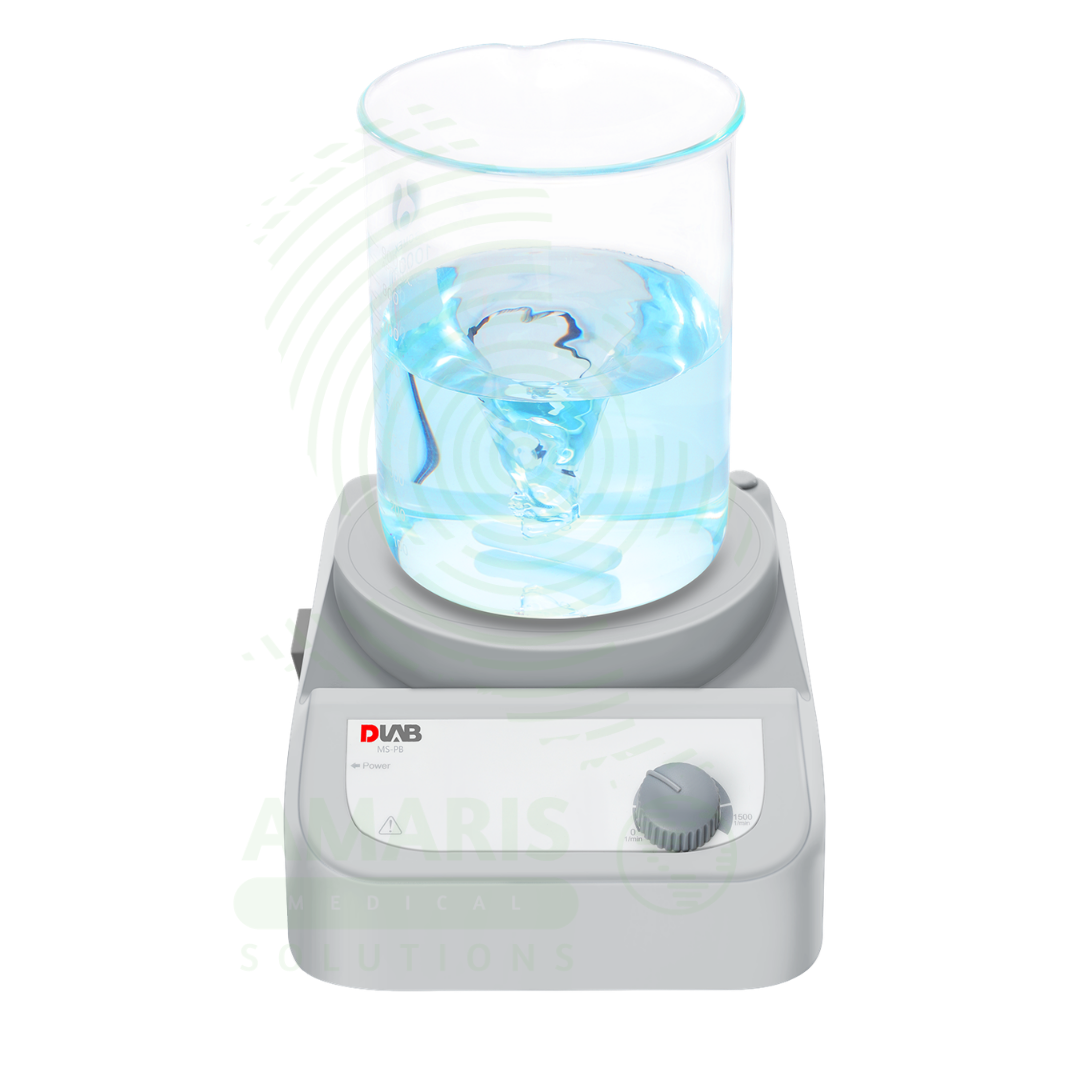

Magnetic Stirrer(MS-PB)
WhatsApp Order
The Magnetic Stirrer is an economical, non‑heating benchtop instrument designed for general‑purpose mixing in clinical diagnostics, pharmaceutical quality control, food and feed testing, and teaching laboratories. Featuring a 5‑inch (φ135 mm) Nylon+GF (glass fiber reinforced) work plate that resists many common laboratory chemicals, this stirrer delivers a maximum stirring capacity of 3 liters of water and a stepless speed range of 0 to 1500 rpm controlled by a simple analog dial.
Every MS-PB is equipped with a maintenance‑free, spark‑free brushless DC motor that provides quiet, reliable operation without routine upkeep. The compact size (approximately 150 × 190 × 95 mm) and light weight (1.2 kg) make it easy to fit on crowded benchtops and move between workstations. The simple one‑knob operation and LED power indicator make it suitable for both experienced laboratory professionals and students.
Key user‑focused features include a chemical‑resistant work plate for durability against common spills, a brushless motor for long life and safe operation in environments where flammable solvents may be present, and a compact, lightweight design that saves valuable bench space. The universal power supply (100‑240 V, 50/60 Hz) allows worldwide use without voltage conversion (depending on the regional model).
For the clinical laboratory scientist, pharmaceutical QC technician, and teaching laboratory instructor, the MS-PB delivers the reliable, low‑cost stirring required for routine buffer preparation, reagent mixing, standard solution preparation, and sample homogenization. For the patient, the consistent performance of this economical stirrer helps ensure that diagnostic reagents and quality control materials are prepared accurately, supporting reliable test results and patient safety.
Description
Magnetic Stirrer(MS-PB)
PRIMARY CLINICAL & DIAGNOSTIC USES
1. General Solution Mixing for Routine Clinical Laboratory Work
Primary Use: Provides an economical, non‑heating magnetic stirrer with a 5‑inch (φ135 mm) Nylon+GF (glass fiber reinforced) work plate and a maintenance‑free brushless DC motor, used for the efficient and reproducible mixing of aqueous solutions, buffers, reagents, and clinical laboratory preparations, with a maximum stirring capacity of 3 liters (water) and a stepless speed range of 0 to 1500 rpm controlled by an analog dial.
How it helps: For the clinical laboratory scientist and medical technologist, the MS-PB’s simple analog operation and durable glass fiber reinforced Nylon top provide a cost‑effective solution for everyday mixing tasks. The brushless DC motor delivers consistent, low‑noise performance without the need for routine maintenance. The chemical‑resistant work plate withstands spills of common laboratory reagents such as alcohols, dilute acids, and buffers. The compact design (150 × 190 × 95 mm) and light weight (1.2 kg) save valuable bench space. For the patient, consistent mixing of reagents and quality control materials supports reliable diagnostic test results.
2. Sample Preparation for Clinical Chemistry and Immunoassays
Primary Use: Used for the gentle mixing of patient serum, plasma, or urine samples with diagnostic reagents, as well as the preparation of buffer solutions, wash buffers, and diluents for routine clinical chemistry panels and immunoassay workflows.
How it helps: For the clinical chemistry technologist, the wide speed range (0–1500 rpm) allows precise adjustment from a slow, gentle stir for sensitive biological samples to a more vigorous mixing for dissolving powdered reagents. The Nylon+GF work plate is resistant to corrosion from salts and mild acids commonly encountered in clinical labs. The simple on/off and speed control dial requires minimal training, reducing the risk of operator error. For the patient, accurate and reproducible sample preparation directly impacts the quality of diagnostic results for conditions such as diabetes, kidney disease, and thyroid disorders.
3. General Reagent and Buffer Preparation in Pharmaceutical and Food Testing Laboratories
Primary Use: Enables the efficient dissolution of solids and preparation of standard solutions, buffers, and mobile phases for HPLC, UV‑Vis spectrophotometry, and other analytical methods in pharmaceutical quality control and food safety testing laboratories.
How it helps: For the pharmaceutical QC analyst and food safety technician, the MS-PB’s robust construction and chemical‑resistant work plate provide a reliable stirring platform for daily solution preparation. The 3‑liter capacity is adequate for most routine buffer and standard solution batches. The maintenance‑free brushless motor can run continuously for extended periods without overheating. For the patient, properly prepared standards and quality control samples ensure the accuracy and safety of pharmaceutical products and food supplies.
SECONDARY & SUPPORTIVE USES
1. Educational and teaching laboratory stirring: Serves as an affordable, user‑friendly teaching tool for undergraduate and graduate students in chemistry, biology, and clinical laboratory science courses, allowing them to learn the principles of magnetic stirring and solution preparation on a compact, durable benchtop unit.
2. Dissolution testing simulation for early‑stage drug development: Provides an economical stirring source to simulate dissolution test conditions for solid oral dosage forms (tablets, capsules) placed in beakers containing buffer solutions, useful for preliminary formulation screening when a full dissolution apparatus is not required.
3. Sample homogenization for environmental and water testing: Prepares liquid samples for heavy metal analysis, nutrient determination, and organic pollutant screening by maintaining solid particles in suspension, with the chemical‑resistant Nylon+GF plate durable enough for occasional exposure to acidic or alkaline solutions.
4. Routine stirring for pH calibration and titration: Provides stable, consistent stirring of solutions during pH meter calibration and manual titrations, ensuring uniform ion concentration around the electrode for accurate measurements.
5. General mixing in industrial and research laboratories: Suitable for mixing chemical solutions, dissolving powders, and preparing suspensions in industrial QC labs, research institutions, and pilot plants where an economical, non‑heating stirrer is sufficient.
KEY PRODUCT FEATURES
1.BASIC IDENTIFICATION ATTRIBUTES
-
Device Type: A non‑heating, analog magnetic stirrer with a Nylon+GF work plate.
-
Designation: MS-PB Magnetic Stirrer.
-
Key Components:
-
5‑inch (φ135 mm) Nylon+GF (glass fiber reinforced) work plate – chemical‑resistant and durable
-
Maintenance‑free, spark‑free brushless DC motor
-
Analog speed control dial (0–1500 rpm, stepless)
-
LED power indicator light
-
Compact metal or ABS plastic housing (depending on variant)
-
Non‑slip rubber feet for stability
-
Universal power supply (100‑240 V, 50/60 Hz) or fixed input (220 V, 50 Hz) depending on regional model
-
2.TECHNICAL & PERFORMANCE PROPERTIES
-
Work plate dimensions: φ135 mm (5 inches).
-
Work plate material: Nylon+GF (glass fiber reinforced nylon) – resistant to many common laboratory chemicals, including alcohols, dilute acids, dilute alkalis, and salts.
-
Motor type: Maintenance‑free, spark‑free brushless DC motor.
-
Maximum stirring capacity (H₂O): 3 liters.
-
Speed range: 0 to 1500 rpm (stepless analog control).
-
Speed display: Analog scale (dial).
-
Maximum stir bar length: 40 mm.
-
Number of stirring positions: 1.
-
Power consumption: Approximately 15–30 W.
-
Voltage/Frequency: 100‑240 V, 50/60 Hz (universal) or 220 V/50 Hz depending on model.
-
Dimensions (W × D × H): 150 × 190 × 95 mm (approximate).
-
Weight: Approximately 1.2 kg.
-
Operating conditions: 5–40 °C, ≤80 % relative humidity.
-
Certifications: CE, RoHS (pending specific regional approvals).
3. PHYSICAL & OPERATIONAL PROPERTIES
-
Construction: Compact and lightweight benchtop design with a chemical‑resistant Nylon+GF work plate and a durable metal or ABS plastic housing. The work plate is easy to clean and resists corrosion from common laboratory chemicals.
-
Operation: Simple, intuitive one‑knob control. Turn the dial clockwise to increase stirring speed from 0 to 1500 rpm. The LED indicator shows when the unit is powered on.
-
Motor technology: Brushless DC motor provides quiet, vibration‑free operation, long life, and spark‑free safety – suitable for use in environments where flammable solvents may be present.
-
Stirring system: Strong magnets provide adequate magnetic coupling for stir bars up to 40 mm in length. The motor delivers consistent torque across the speed range.
-
Safety features: The brushless motor is spark‑free, reducing ignition risk. The housing provides basic protection against electrical shock. The unit has no heating element, eliminating burn hazards.
-
Portability: Lightweight (1.2 kg) and compact, easily moved between workstations.
-
Maintenance: The brushless DC motor is maintenance‑free. The Nylon+GF work plate can be cleaned with a mild detergent and a soft, damp cloth. No routine lubrication or brush replacement is required.
-
Included accessories: Standard package includes the MS-PB magnetic stirrer, one PTFE‑coated magnetic stir bar (approx. 25 mm length), and a power cord.
4. SAFETY & COMPLIANCE ATTRIBUTES
-
Regulatory Status: General laboratory equipment for in vitro diagnostic (IVD) use. Manufactured under ISO 9001 quality management systems. CE certified (depending on regional model).
-
Chemical Safety: The Nylon+GF work plate is resistant to many common laboratory chemicals, including alcohols, dilute acids, dilute alkalis, and salt solutions. Avoid prolonged exposure to strong organic solvents (e.g., acetone, chloroform) which may damage the surface.
-
Electrical Safety: Designed with a brushless, spark‑free DC motor, making it suitable for use in environments where flammable solvents may be present. The housing provides basic protection against electrical shock.
-
Fire Safety: The metal housing (or flame‑retardant ABS) and non‑flammable work plate provide basic fire protection. The primary fire hazard is the flammable liquids being stirred.
-
Quality Assurance: Each unit is factory‑tested before shipment. The instrument is backed by a manufacturer’s warranty (typically 1‑2 years, depending on region).
5. STORAGE & HANDLING ATTRIBUTES
-
Storage: Store in a clean, dry, dust‑free environment at room temperature (15–30 °C) when not in use.
-
Installation: Place the instrument on a stable, level, non‑flammable laboratory benchtop away from flammable materials, volatile solvents, and strong magnetic fields. Allow adequate clearance for ventilation.
-
Cleaning: Unplug the unit before cleaning. Wipe the Nylon+GF work plate and the housing with a soft, damp cloth using a mild laboratory detergent or 70 % isopropyl alcohol. Do not immerse the unit in liquid. Do not use abrasive cleaners or metal‑scouring pads, which may scratch the work plate surface.
-
Pre‑use inspection: Before each use, inspect the power cord and plug for any damage. Ensure the work plate is clean, dry, and free of chemical residues. Check that the magnetic stir bar is in good condition without chips or cracks.
-
Operation: Place the stirring vessel (e.g., a beaker) centrally on the work plate and add the magnetic stir bar. Plug in the unit. Turn the speed dial clockwise from “0” to the desired speed. Always start at a low speed (100–200 rpm) to allow the stir bar to couple correctly before gradually increasing to the target speed.
-
Cooling down: Not applicable (non‑heating model).
-
Periodic verification: Periodically verify stirring performance by observing the stir bar coupling at the set speed.
6. LABORATORY & CLINICAL APPLICATIONS
-
Primary Application: General‑purpose, non‑heating stirring for routine preparation of buffers, reagents, and quality control samples in clinical diagnostics, pharmaceutical quality control, food and feed analysis, environmental testing, and academic research laboratories where an economical and simple magnetic stirrer is sufficient.
-
Clinical Role: A basic but essential benchtop instrument for hospital and clinical chemistry laboratories, pharmaceutical QC labs, and teaching institutions. Suitable for low‑volume (3 L) mixing tasks such as dissolving reagents, preparing standard solutions, and mixing patient samples with diagnostic reagents.
SAFETY HANDLING PRECAUTIONS
1. SAFETY PRECAUTIONS
-
Magnetic Field Interference: The stirrer contains permanent magnets. People with implanted medical devices (e.g., pacemakers) should keep a safe distance of at least 30 cm from the operating stirrer. Do not place the instrument near credit cards, hard drives, or other magnetic‑sensitive equipment.
-
Vessel and Stir Bar Selection: Use only flat‑bottomed vessels (beakers, Erlenmeyer flasks) that sit flush on the work plate. Ensure the magnetic stir bar is in good condition without chips or cracks and is properly centered in the vessel before starting. Do not exceed the maximum stir bar length of 40 mm.
-
Start Slowly: Always start stirring at the lowest speed and gradually increase to the desired level. A sudden high‑speed start may cause the stir bar to decouple, spin erratically, or strike the vessel wall, leading to splashing or vessel breakage.
-
Electrical Safety: Do not operate the instrument with wet hands. Ensure the power cord does not come into contact with liquids or sharp edges. Use only the supplied grounded power cord (if applicable) and ensure the outlet provides proper grounding. Do not operate if the power cord is damaged.
-
Chemical Compatibility: The Nylon+GF work plate is resistant to many common laboratory chemicals, but prolonged exposure to strong organic solvents (e.g., acetone, dichloromethane, chloroform) may cause surface degradation. Clean spills promptly. Refer to the Safety Data Sheet (SDS) for specific chemicals.
-
Spill Management: If a liquid spill occurs on the work plate during operation, turn off the speed dial to “0” immediately. Unplug the unit, wipe the spill clean, and allow the work plate to dry thoroughly before resuming use.
-
Operating Environment: Use the MS-PB indoors only, on a stable, level benchtop. Do not use in explosive atmospheres or in the presence of flammable gases or vapors. The permissible ambient temperature range is 5–40 °C with relative humidity not exceeding 80 %.
-
Cleaning: Unplug the unit before cleaning. Do not immerse the unit in liquid. Do not use abrasive cleaners or metal scouring pads that could scratch the work plate.
-
Training Requirement: Only trained laboratory personnel should operate the MS-PB Magnetic Stirrer. Users should read and understand the operator’s manual before first use.
2. FIRST AID MEASURES
-
Chemical Splash to Eyes: If a biological or chemical sample splashes into the eyes, immediately flush with water for at least 15 minutes and seek medical attention.
-
Skin Contact with Chemical Sample: Wash contaminated skin with soap and water thoroughly for at least 5 minutes. If irritation develops, seek medical evaluation. Refer to the SDS for the specific chemical.
-
Sharps Injury (Broken Glassware): If a broken vessel punctures the skin, allow the wound to bleed freely, wash with soap and water for 15 minutes, apply antiseptic and a sterile bandage. If the vessel contained patient biological material, follow the facility’s exposure management protocol for bloodborne pathogens.
-
Inhalation of Chemical Vapors: If vapors from volatile reagents are inhaled, move to fresh air immediately. Seek medical attention if symptoms persist.
-
Electrical Shock: If an electrical shock incident occurs, disconnect power at the circuit breaker before assisting the victim. Do not touch the victim until power is disconnected. Call emergency medical services.
3. FIRE FIGHTING MEASURES
-
Flammability: The Nylon+GF work plate and plastic housing components are combustible. Do not operate near flammable solvents, gases, or volatile materials. The primary fire hazard is the flammable liquids being stirred.
-
Extinguishing Media: Use carbon dioxide (CO₂) or a dry chemical (ABC‑class) extinguisher for fires involving electrical equipment. Do not use water on electrical fires.
-
Fire Response: In case of fire, disconnect the instrument from its power source if safe to do so. Evacuate the immediate area. Use an appropriate extinguisher for small, contained fires. For larger fires, evacuate the laboratory and call emergency services.
Related products
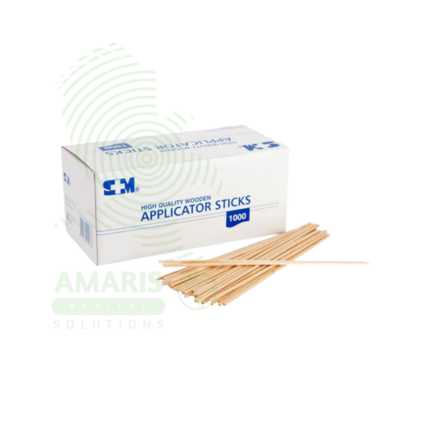
Applicator Sticks
Applicator Sticks are single-use medical devices with absorbent tips (cotton, rayon, flocked polyester) on wood, plastic, or paper shafts for collecting clinical specimens (throat, nasal, wound, cervical, urethral, rectal) for microbiological culture, rapid testing, and molecular diagnostics. Sterile individually wrapped or non-sterile bulk formats. Flocked swabs provide >90% specimen release for PCR testing. Primary applications include specimen collection for infection diagnosis, wound care and antiseptic application, gynecological sampling (Pap smears, STI testing), eye/ear specimen collection, laboratory slide preparation, and forensic evidence collection. Critical precautions include single-use only, sterile technique, proper collection method, and biohazard disposal. Essential consumable in all clinical settings.
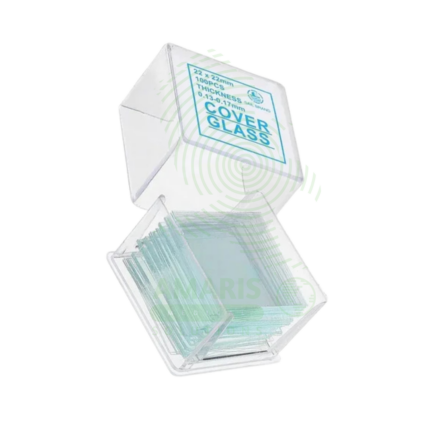
Cover Glass
Cover Glass (coverslips) are thin, transparent glass or plastic squares (e.g., 18×18 mm, 22×22 mm) or rectangles (22×30 mm, 24×50 mm) used to cover specimens on microscope slides for microscopic examination. Available in thickness No. 1 (0.13-0.16 mm) and No. 1.5 (0.16-0.19 mm) for optimal microscopy. Made from optical glass with high light transmission (>90%), refractive index 1.52 matching immersion oil. Packaged in boxes of 100-1000, interleaved with paper to prevent scratching. Primary clinical applications include covering blood films for manual differential counts and malaria diagnosis, wet mount preparations of urine sediment and vaginal secretions, histopathology and cytology slides, Gram-stained bacterial smears, semen analysis, KOH preparations for fungal elements, and India ink preparations for Cryptococcus. Critical safety precautions include handling with forceps (sharp edges), disposing of broken coverslips in sharps containers, avoiding fingerprints on optical surface, and proper disposal of biohazard-contaminated coverslips. Essential consumable in every clinical laboratory performing microscopy.
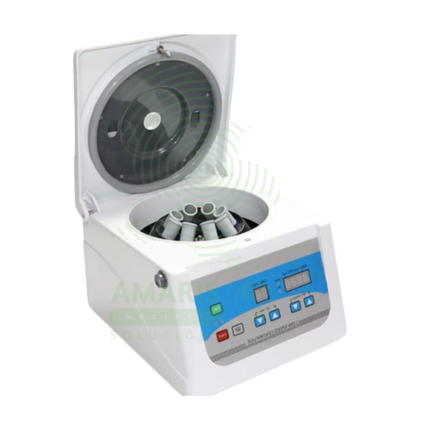
Electric Centrifuge
An Electric Centrifuge is a Class I medical device that uses rapid rotation to separate fluids of different densities, essential in clinical laboratories for processing blood, urine, and other biological specimens. Available in benchtop, refrigerated, microcentrifuge, hematocrit, and high-speed models with fixed-angle, swinging-bucket, or vertical rotors. Speed range 1,000-30,000+ RPM with RCF up to 65,000+ x g. Features include brushless induction motor, digital controls, imbalance detection, lid lock safety, and programmable protocols. Primary clinical applications include separation of serum/plasma for chemistry and hematology testing, urine sediment analysis for microscopy, platelet-rich plasma (PRP) preparation for regenerative medicine, concentration of bacteria for microbiology, cytology fluid analysis, blood banking, and molecular biology sample processing. Critical safety precautions include proper balancing of loads (weight matching), use of sealed rotors for biohazardous samples, regular rotor inspection for corrosion or cracks, never exceeding maximum rated speed, and never opening lid during operation. Essential equipment in clinical, research, and teaching laboratories.
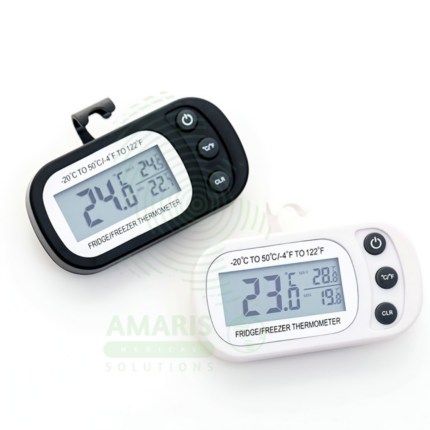
Fridge Thermometer
A Fridge Thermometer is a precision temperature monitoring device designed for continuous use inside medical and laboratory refrigerators and freezers. Its primary role is to safeguard the potency of vaccines, medications, and biological samples by ensuring storage temperatures remain within a critical specified range (e.g., +2°C to +8°C). Available in analog or digital formats, accurate models with memory functions are essential for compliance with cold chain protocols, requiring daily monitoring, logging, and regular calibration. It is a fundamental quality control tool in pharmacies, clinics, immunization centers, and laboratories.
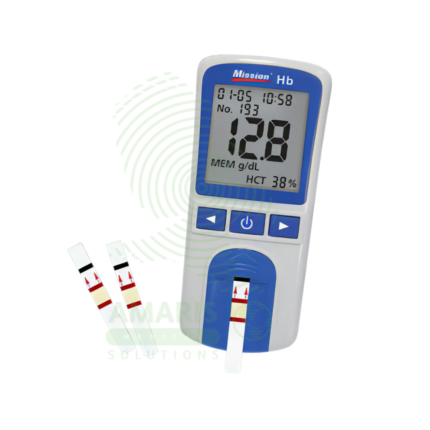
Hemoglobin Meter
A Hemoglobin Meter is a Class II medical device (FDA-cleared, CE-marked) for quantitative point-of-care measurement of hemoglobin concentration in capillary or venous blood, providing results in 5-60 seconds from a 5-20 µL sample. The meter uses photometric, electrochemical, or conductivity technology to measure hemoglobin, with accuracy ±0.3-0.5 g/dL compared to reference methods. Features include backlit LCD display, memory storage for 100-1000 results, USB/Bluetooth connectivity for data transfer, and compatibility with single-use disposable cuvettes or test strips. Primary clinical applications include anemia screening and diagnosis (WHO criteria), preoperative assessment and surgical planning, antenatal care and maternal health monitoring, malaria-endemic region screening, chronic disease management (CKD, IBD, cancer), nutritional assessment and intervention programs, and blood donor screening. Critical safety precautions include single-use lancets, proper hand hygiene, correct sample application, quality control with control solutions, proper cuvette storage (protect from heat, light, humidity), and never using expired cuvettes. Essential point-of-care device for hemoglobin testing in hospitals, clinics, community health programs, and blood donation centers.
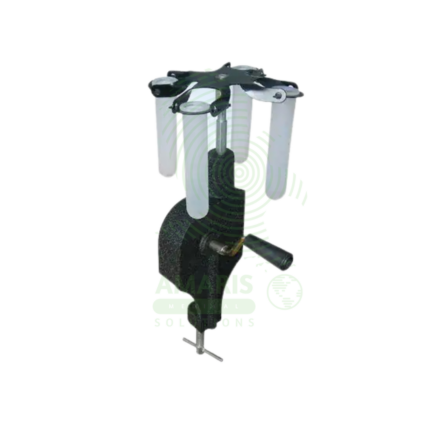
Manual Centrifuge
A Manual Centrifuge (hand-powered) is a non-electric mechanical device for separating fluids based on density, designed for use in field clinics, remote health posts, and developing world settings where electricity is unavailable or unreliable. Operated by hand crank, pull-cord, or foot pedal, achieving speeds of 1,000-4,000 RPM and RCF up to 1,500 x g. Accepts standard blood collection tubes (2-5 mL), microhematocrit tubes, and small centrifuge tubes. Primary clinical applications include separation of serum/plasma for basic diagnostic testing, urine sediment concentration for microscopy, microhematocrit determination for anemia screening, concentration of parasites for malaria and other vector-borne disease diagnosis, field epidemiology and outbreak investigation, veterinary medicine in rural settings, and teaching in resource-limited institutions. Critical safety precautions include meticulous balancing of tubes by weight (absolutely essential), never exceeding maximum rated speed, using appropriate PPE (no aerosol containment), regular inspection of gears and rotor for wear, and proper training of operators. Essential equipment for basic laboratory capabilities in low-resource and field settings.
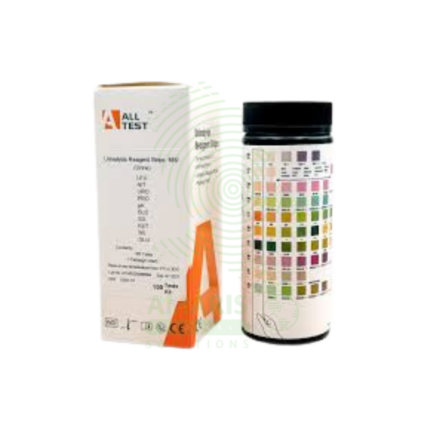
Urinalysis strips
Urinalysis Strips are Class II medical devices (FDA-cleared) consisting of plastic strips with multiple reagent-impregnated pads for simultaneous semi-quantitative detection of urine analytes including leukocytes, nitrites, urobilinogen, protein, pH, blood, specific gravity, ketones, bilirubin, and glucose. Results read by visual comparison to color chart at specified times (30-120 seconds). Primary clinical applications include routine health screening, urinary tract infection diagnosis, diabetes screening and monitoring, kidney disease assessment (proteinuria), hematuria detection, liver function evaluation, and pregnancy monitoring (preeclampsia screening). Critical safety precautions include proper specimen collection (fresh urine), storage at 15-30°C in original container with desiccant, protection from humidity, reading at exact specified times, awareness of interfering substances (ascorbic acid), and confirmation of abnormal results with quantitative tests. Essential screening tool in primary care, emergency medicine, nephrology, urology, and obstetrics.